
Sourcing wholesale blank apparel requires a clear understanding of lead time from the beginning. It affects launch dates, printing schedules, and customer satisfaction. Blank apparel is essential for fashion basics and private labeling. However, garments are not always ready to ship; lead times vary significantly between in-stock items and made-to-order production. Understanding typical lead times helps buyers avoid unrealistic expectations and reduce costly delays. This guide breaks down the usual timelines and factors affecting delivery speed in the wholesale blank apparel market.
Quick Lead Time Guide:
| Wholesale Apparel Situation | Typical Planning Range |
|---|---|
| Local in-stock blanks | 1–5 business days |
| Larger stock wholesale order | 3–7 business days |
| Blanks with simple printing | 5–10+ business days |
| Blanks with embroidery/relabeling | 1–3+ weeks |
| International stock order | 1–4+ weeks |
| Custom-manufactured blanks | 4–12+ weeks |
What Is Wholesale Blank Apparel?
Wholesale blank apparel refers to ready-made garments that are sold without custom branding, printing, or embroidery.
Common examples include:
- T-shirts
- Polo shirts
- Hoodies
- Sweatshirts
- Tank tops
- Long-sleeve shirts
- Jackets
- Caps
- Tote bags
- Uniform basics
These products are often sold in standard:
- Colors
- Sizes
- Fabrics
- Fits
- GSM ranges
- Packaging formats

Because the garment design and production are already complete, buyers do not need to go through the full custom development process. That can save a significant amount of time.
What Does Lead Time Mean in Wholesale Blank Apparel?
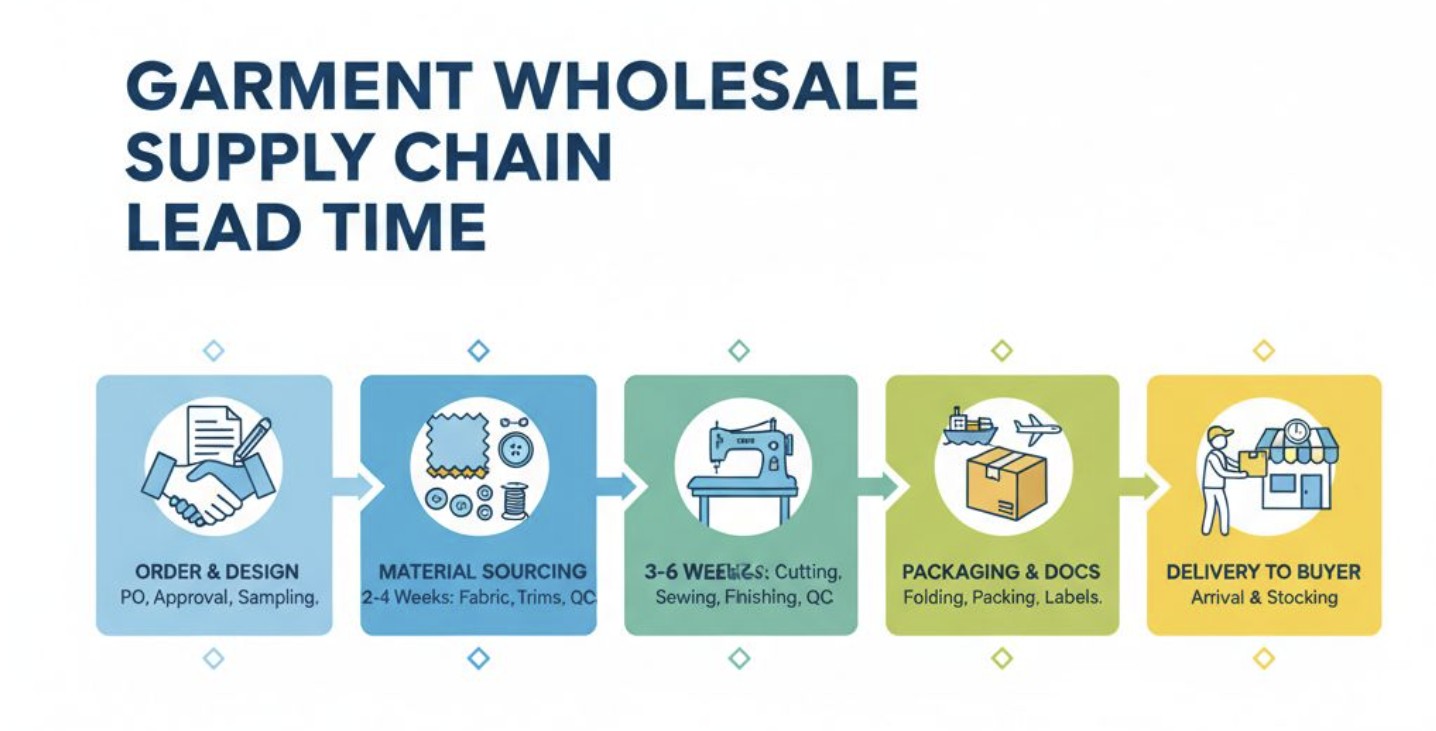
Lead time is the total duration from placing an order to final delivery. Many buyers confuse production time with lead time, but production is only one part of the cycle. Even with existing stock, suppliers need time to pick, pack, and handle logistics. The real question is: “How fast can it actually reach me?”
In-Stock vs. Made-to-Order
In-stock items like T-shirts or polo shirts are the quickest, but “in-stock” overseas still requires weeks for transit. Made-to-order apparel takes longer because the garments are produced after the order. This is common for custom GSM, unique colors, or private labeling. If any step like dyeing or knitting is delayed, the full timeline extends.
Typical Lead Times for Wholesale Orders
| Order Type | Typical Lead Time | Comments |
|---|---|---|
| In-stock local warehouse | 3–7 business days | Fastest option for standard items |
| Made-to-order bulk | 30–60 days | Common for bulk factory production |
| Air freight shipment | 5–12 days | Faster but more expensive |
| Sea freight shipment | 3–6 weeks | Economical but slower |
1. In-Stock Blank Apparel: Usually the Fastest Option
If the supplier already has the exact garment in stock, the order can move quickly.
For example:
- Black T-shirt
- 180 GSM
- Sizes S–XL
- Standard packaging
- No printing
- No relabeling
The supplier may only need to:
- Confirm inventory
- Pick the garments
- Check quantities
- Pack the order
- Arrange shipment
In this situation, the main delay is usually not production. It is warehouse handling and delivery.
Typical lead time
For many local or domestic orders, buyers may see: 1–5 business days before shipment or delivery, depending on supplier location and order size. Some suppliers may process faster. Others may need more time during busy periods.
2. Large Wholesale Orders May Take Longer
A 50-piece order and a 5,000-piece order are very different from a warehouse point of view.
Large blank apparel orders may require:
- Multiple cartons
- Several warehouse locations
- Size sorting
- Color verification
- Pallet preparation
- Freight booking
The garments may technically be “in stock,” but the order still needs time to be prepared. For this reason, large orders may need several additional business days.
3. Mixed Sizes and Colors Can Affect Processing Time
Wholesale blank orders often include many combinations.
For example:
- Black: S, M, L, XL
- White: S, M, L
- Navy: M, L, XL, XXL
A supplier may have the total quantity available but not every size and color in the same warehouse.
This can create:
- Split shipments
- Partial deliveries
- Warehouse transfers
- Backorders
This is why buyers should not ask only: “Is this style in stock?” A better question is: “Are all required colors and sizes available in the required quantities?”
4. Backordered Sizes Can Change the Entire Timeline
One of the most common delays in blank apparel sourcing is partial stock availability.
For example: The buyer orders:
- 300 black T-shirts
- 100 size M
- 100 size L
- 100 size XL
The supplier has:
- 100 M
- 100 L
- Only 35 XL
The buyer now needs to decide whether to:
- Ship available goods first
- Wait for the XL restock
- Change sizes
- Change color
- Use another supplier
This is why stock confirmation is critical before promising a customer delivery date.
5. Blank T-Shirts Usually Have Shorter Lead Times
Basic T-shirts are among the easiest blank apparel products to source. Common styles are often produced in large quantities and stocked in many colors and sizes.
Typical examples include:
- Cotton jersey T-shirts
- Cotton/poly T-shirts
- Basic crew necks
- Standard-fit tees
If stock is available, these products may ship quickly.
Why T-Shirts Are Often Faster – They usually have:
- Simple construction
- Standard sizing
- High demand
- Large stock volume
- Few trims
This makes them easier for suppliers to keep in inventory.
6. Hoodies and Sweatshirts May Need More Planning
Hoodies and sweatshirts are also common wholesale blanks, but lead times can be less predictable than basic tees.
Reasons include:
- Higher fabric consumption
- Larger carton volume
- Seasonal demand
- Fewer units per carton
- More limited stock in certain colors
Heavyweight hoodies, oversized fits, and fashion colors may sell out faster.
Typical Planning Range- If in stock:
2–7 business days may be a useful planning range before domestic delivery or dispatch. If a popular size or color is sold out, the restock date may control the schedule.
7. Blank Polo Shirts Can Have Longer Stock Gaps
Blank polo shirts may require more attention to inventory. Compared with basic T-shirts, polos may have:
- Collar ribs
- Plackets
- Buttons
- More fabric weight
- More structured construction
Some standard corporate colors may be easy to source. Less common colors or larger sizes may have lower stock levels.
8. Printing and Embroidery Add Extra Lead Time
Once a blank garment needs decoration, it is no longer a simple stock-and-ship order. The supplier or decorator may need to complete:
- Artwork review
- Mockup approval
- Screen preparation
- Embroidery digitizing
- Sample approval
- Production
- Curing
- Final QC
- Repacking
This can add several days or more.
Screen Printing:
A typical flow may be: Artwork → Screen Setup → Printing → Curing → QC → Packing. Simple one-color prints may move quickly. Large multi-color orders can take longer.
Embroidery:
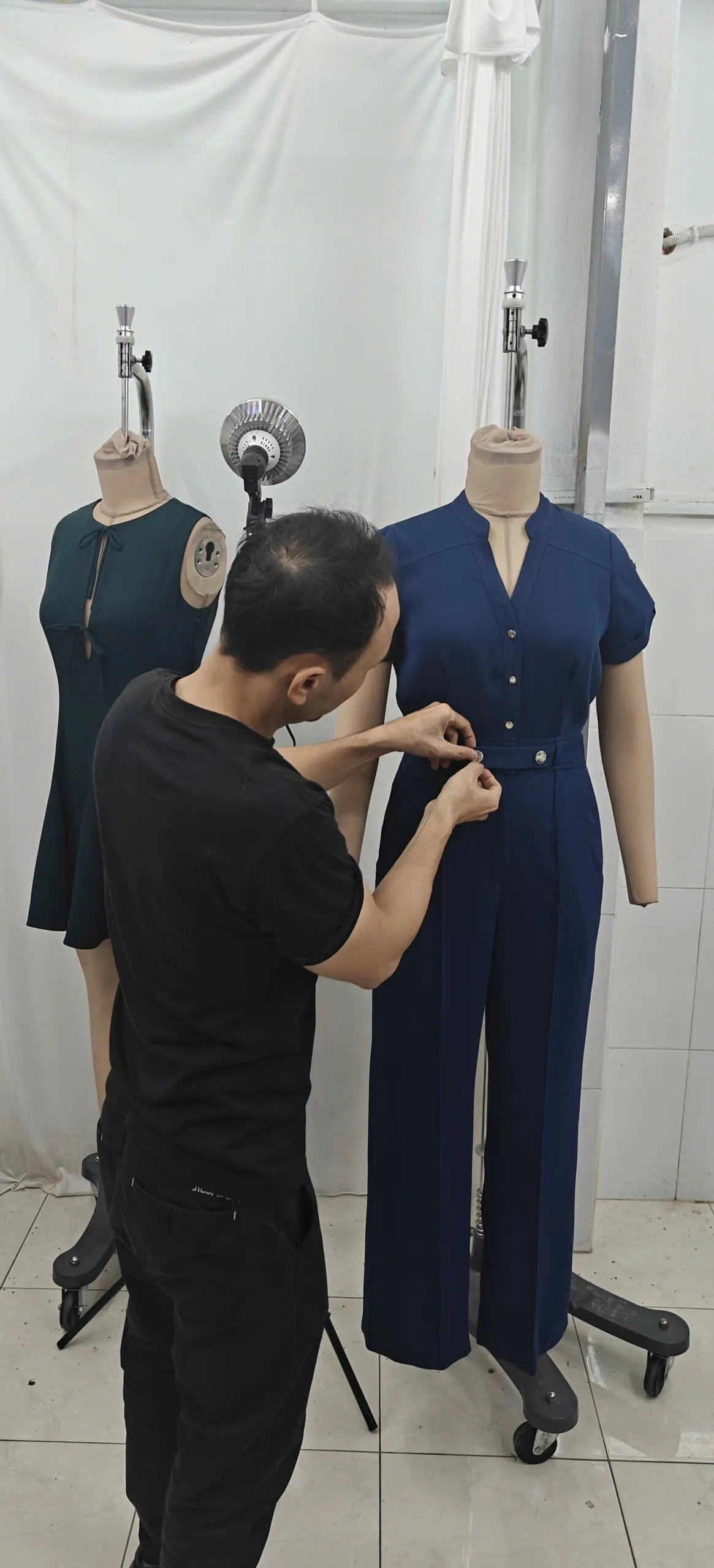
Embroidery may require: Artwork → Digitizing → Sample → Approval → Bulk Embroidery → QC Dense logos, large embroidery areas, or many placement positions can increase production time.
9. Relabeling Can Also Add Time
Many fashion brands buy blank apparel and then replace the original labels.
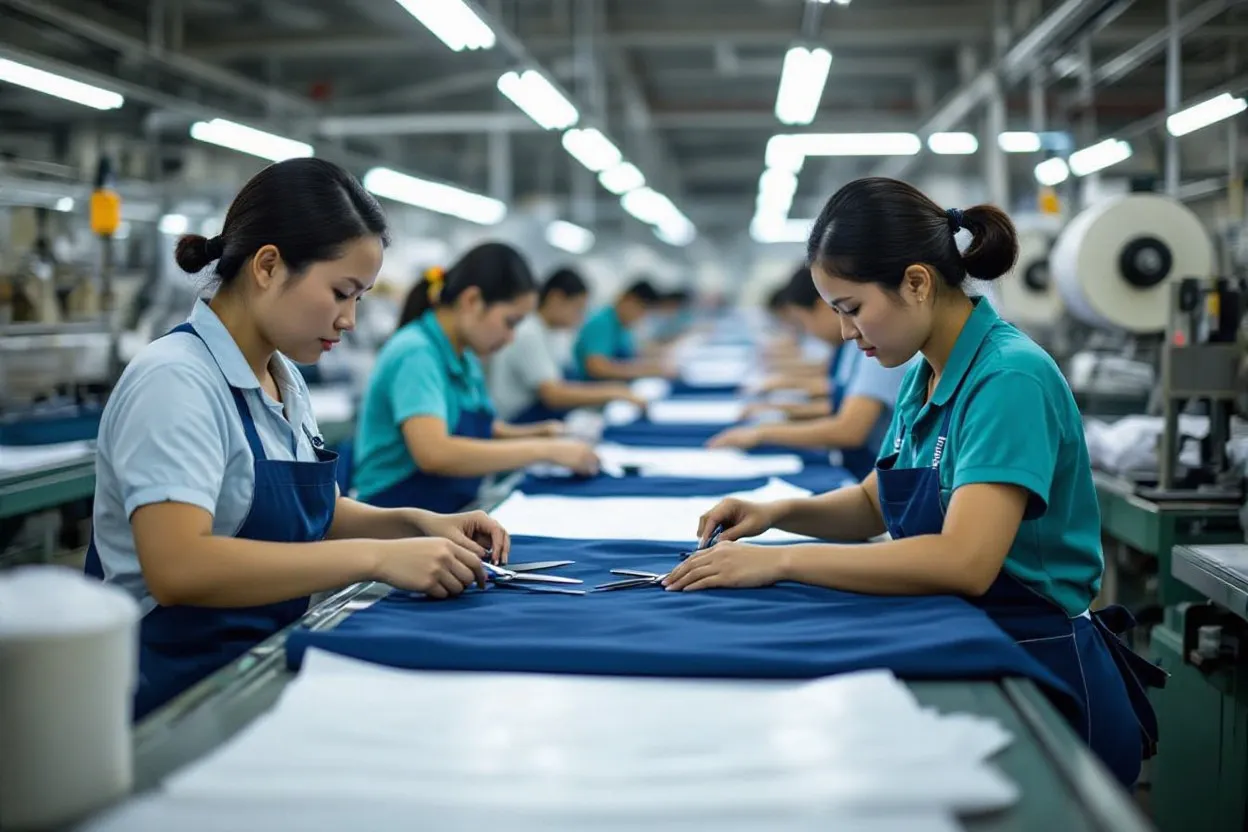
This may involve:
- Removing neck labels
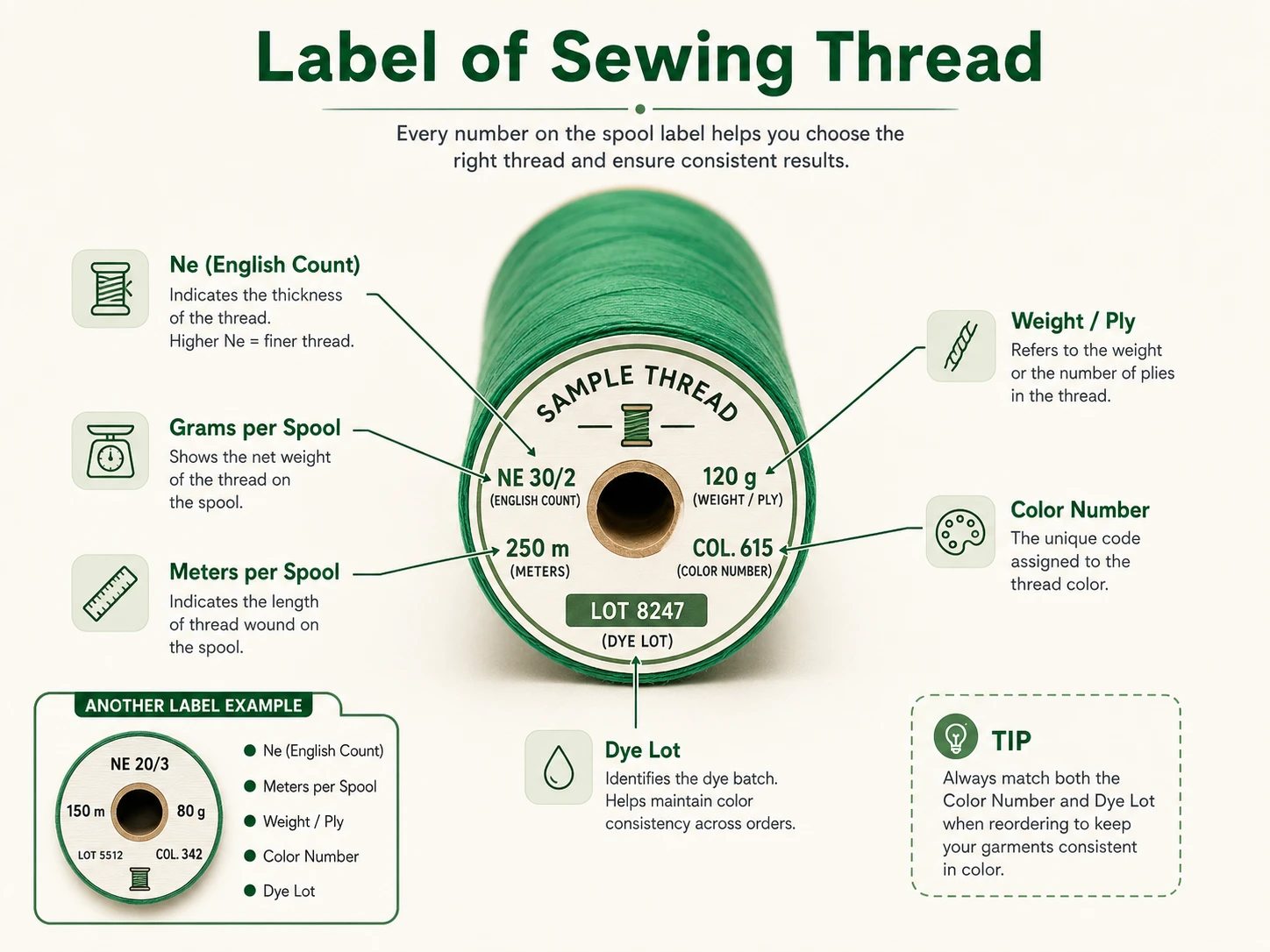
- Sewing new woven labels
- Printing neck labels
- Adding size labels
- Adding care labels
- Adding hang tags
Relabeling sounds simple, but it still requires labor and quality control. A large relabeling order can add several production days.
10. Repacking and Retail Preparation Can Extend Lead Time
Some buyers need the blanks packed in a specific retail format.
Examples include:
- Individual poly bags
- Barcode stickers
- Size stickers
- Hang tags
- Custom cartons
- Retail-ready folding
These steps can add time after decoration or relabeling. They should be confirmed before the supplier gives a final delivery date.
11. Local Wholesale Orders Are Usually Faster
If the garments are already in a nearby domestic warehouse, transportation time may be short. For example: Warehouse → Local Customer, may only require standard courier or freight delivery. A local stock order may therefore be completed in only a few business days.
12. International Wholesale Orders Need More Time
If blank apparel is being shipped internationally, transport time can become much larger than warehouse processing time.
The supplier may ship by:
- Courier
- Air freight
- Sea freight
- Truck
- Rail in some regions
The correct method depends on:
- Order size
- Destination
- Cost
- Delivery urgency
Express Courier
Smaller wholesale orders may be shipped by express courier This is usually faster but more expensive per piece.
Air Freight
Air freight may be useful for:
- Medium-sized orders
- Urgent launches
- Restocking
It is normally faster than sea freight but more expensive.
Sea Freight
Large wholesale orders may move by sea. This can reduce transport cost per garment but add significant time. Therefore, the total order timeline should separate: Supplier Processing Time from International Transit Time
13. Peak Season Can Slow Down Wholesale Orders
Blank apparel demand is not equal throughout the year.

Busy periods may include:
- Holiday campaigns
- School season
- Sports events
- Promotional seasons
- Trade shows
- Festival periods
During peak periods, suppliers may experience:
- Higher order volume
- Lower stock availability
- Longer warehouse processing
- Longer decoration queues
Buyers should add extra planning time when launching during busy seasons.
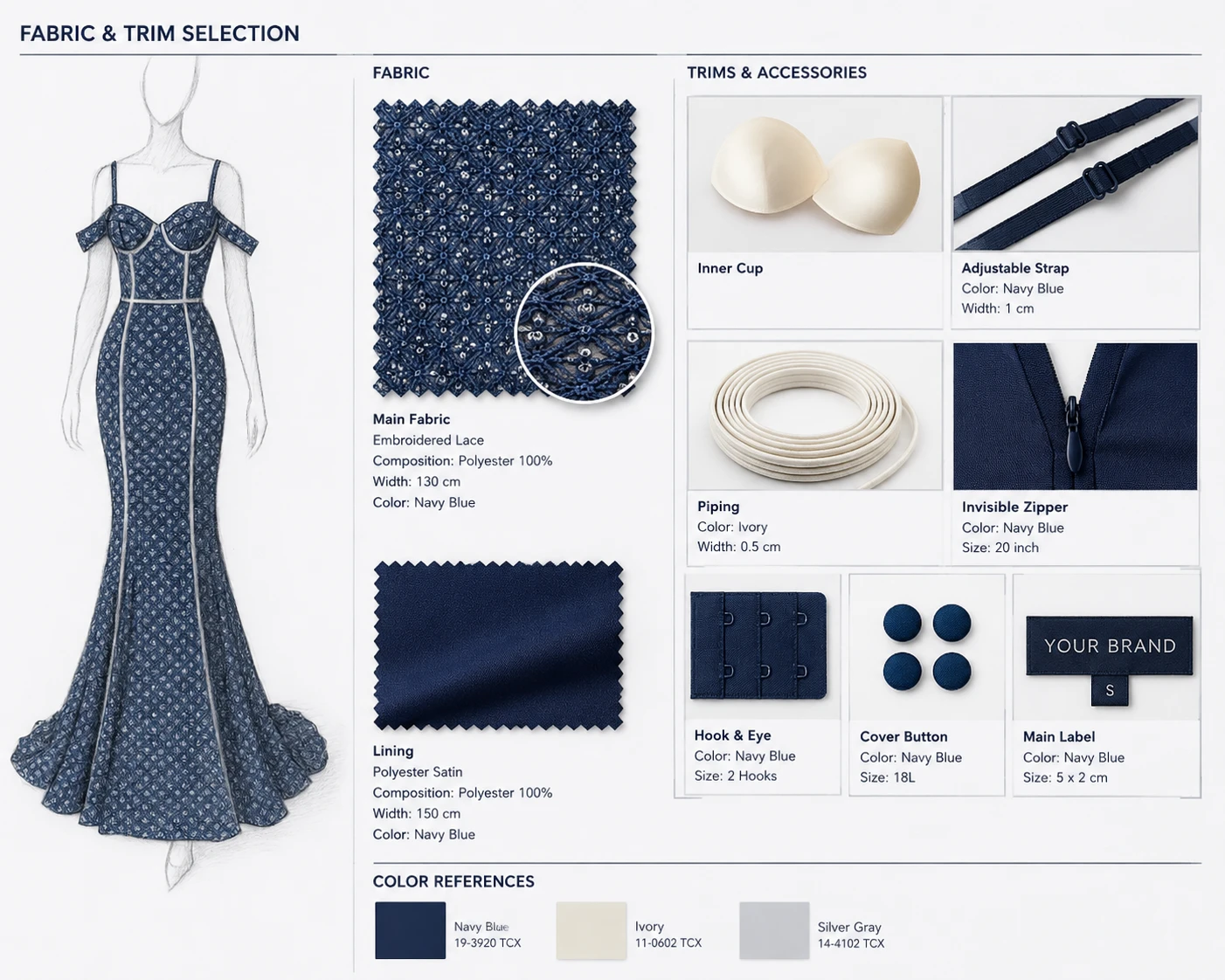
14. Custom-Manufactured Blank Apparel Is Different
Sometimes a buyer says “blank apparel,” but the garments are not being purchased from an existing stock program. Instead, the factory is asked to make unbranded garments from scratch.
For example:
- Custom 240 GSM oversized T-shirt
- Specific cotton yarn
- Custom body measurements
- Special wash
- No external logo
This is still custom manufacturing, even though the garments are “blank.” The timeline is therefore much longer than a stock blank order.
Typical Lead Time for Custom Blank Manufacturing
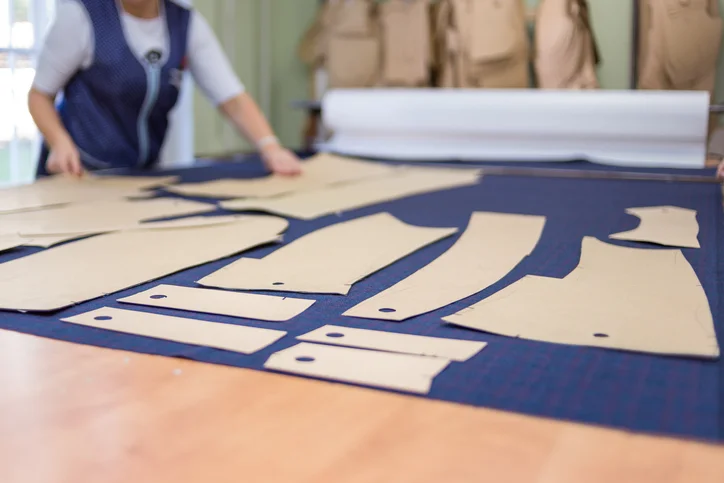
- A custom blank program may include: Fabric → Sample → Fit Approval → PP Sample → Bulk Cutting → Sewing → Finishing → Packing
- A practical planning range may be: 4–12+ weeks, depending on complexity and material availability.
Some programs can take longer.
What Can Make Blank Apparel Lead Time Longer?
Even simple blank orders can be delayed.
- Stock Shortage: A required size or color is unavailable.
- Backorder: The buyer waits for the next production or warehouse restock.
- Large Quantity: The supplier may need inventory from multiple locations.
- Decoration: Printing and embroidery add production time.
- Relabeling: Removing and replacing labels requires labor.
- Packaging: Custom packing adds another operation.
- Artwork Delay: Decoration cannot begin until artwork is approved.
- Busy Supplier: Peak season can increase order-processing time.
- Freight Delay: The garments are ready but transportation is delayed.
How Buyers Can Reduce Blank Apparel Lead Time
There are several simple ways to move faster.
Confirm Inventory Before Ordering
Ask for stock by:
- Style
- Color
- Size
- Quantity
Do not rely only on total stock.
Choose Core Colors
Common colors such as:
- Black
- White
- Navy
- Grey
are often easier to source than unusual seasonal colors. This depends on the supplier, but core colors are typically stocked more heavily.
Be Flexible with Similar Blanks
If one product is unavailable, the supplier may have a similar alternative. For urgent campaigns, flexibility can save time.
Finalize Artwork Early
If printing or embroidery is required, send final artwork before the blanks arrive at the decorator.
Confirm Packaging Before Production
Do not wait until the garments are decorated to decide:
- Poly bag
- Hang tag
- Barcode
- Folding
- Carton requirements
Reserve Decoration Capacity
For large print or embroidery orders, confirm the decorator’s production slot early.
Lead Times by Product Complexity
Simple apparel products move faster. A basic tee is quicker to produce than complex garments needing longer production time like hoodies or uniforms.
| Product Type | Typical Production Lead Time | Reason |
|---|---|---|
| Basic blank T-shirts | 20–45 days | Simple construction |
| Blank polo shirts | 30–50 days | Collar and placket complexity |
| Workwear / Outerwear | 45–90 days | Multiple panels and QC points |
Critical Factors Affecting Delivery
Lead times are shaped by fabric availability, core color popularity, and order quantity. Packaging and special labeling can extend the timeline. Buyers should also consider that sample approval can add several weeks before bulk production begins.
Production vs. Total Delivered Lead Time
Focusing only on production is a mistake; shipping time must be added to the calendar. While a factory might finish in 35 days, sea freight adds 3-6 weeks to that total.

Conclusion / Final Words
Blank apparel doesn’t always mean fast apparel. Timelines depend on stock, complexity, and freight method. Buyers who understand these components can reduce risk and make smarter decisions. At the end of the day, a realistic lead time for full production is more valuable than an unrealistic promise.