
What QA (Quality Assurance Staff) Mean, And How They Work In Garment Factory?

In garment manufacturing, Quality Assurance (QA) is not limited to checking finished clothing. QA works across different departments to make sure fabrics, trims, patterns, cutting, sewing, finishing, and packing processes follow the required quality standards. Because of this, a QA employee has a unique position inside a garment factory. QA does not normally belong only to the sewing line, cutting room, or final inspection area. Instead, QA works across the production process, connecting buyer requirements with factory operations.
In simple terms, a QA employee helps answer one important question: “Is the factory producing garments in the correct way so that quality problems can be prevented before they become large-scale defects?”
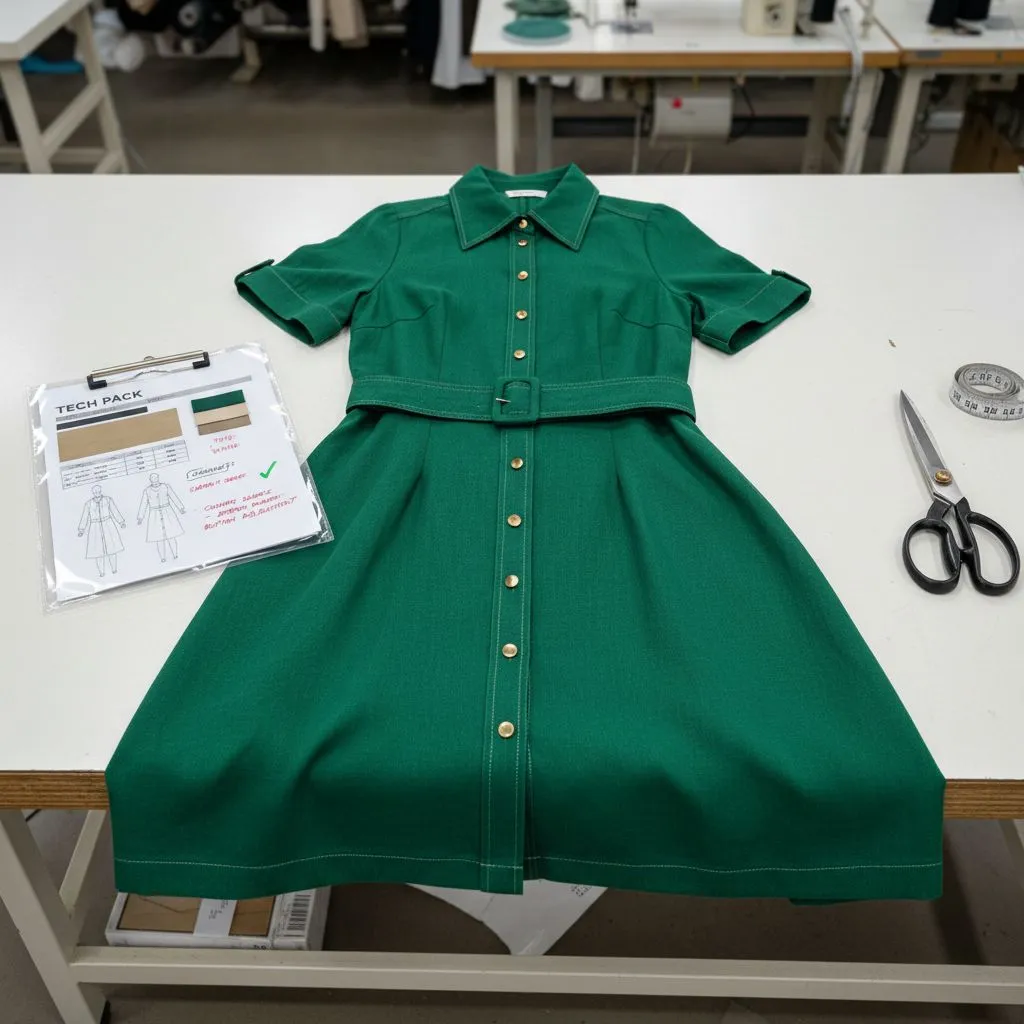
This article explains where QA staff are positioned in a garment factory, who they normally report to, which departments they work with, what authority they may have, and how their role differs from QC inspectors.
What Is QA in Garment Manufacturing?
Quality Assurance is a system focused on preventing quality problems by controlling how garments are manufactured. A QA employee may be responsible for helping the factory:
- Understand buyer quality requirements
- Establish production standards
- Identify quality risks before bulk production
- Verify that approved production methods are followed
- Monitor important manufacturing processes
- Investigate repeated defects
- Coordinate corrective actions
- Improve production consistency
QA is therefore mainly concerned with the process behind the garment, not simply the finished product.


QA focuses on planning, standards, training, and setup so garments can be produced consistently from the first piece to the last.
Why QA Matters More Than Most People Think
Most quality problems in garment factories come from poor setup, not bad workers. QA attacks these problems at the source. The uncomfortable truth: if QA is weak, QC just becomes a counting exercise for defects you already paid to make. Strong QA stabilizes production, shortens lead time, and protects your margins.
QA Should Work Across the Factory: One of the biggest differences between QA and many other garment-factory positions is that QA is usually cross-functional. A sewing operator normally works mainly in the sewing department. A cutter normally works mainly in the cutting department. A packing worker normally works mainly in packing. QA, however, may need to work with all of these departments.
This is because quality problems can start anywhere in the manufacturing process.
- Wrong fabric shrinkage can create measurement problems.
- Poor cutting can create mismatched panels.
- Incorrect machine settings can cause skipped stitches.
- Wrong pressing can distort a garment.
- Incorrect packing can create barcode or assortment problems.
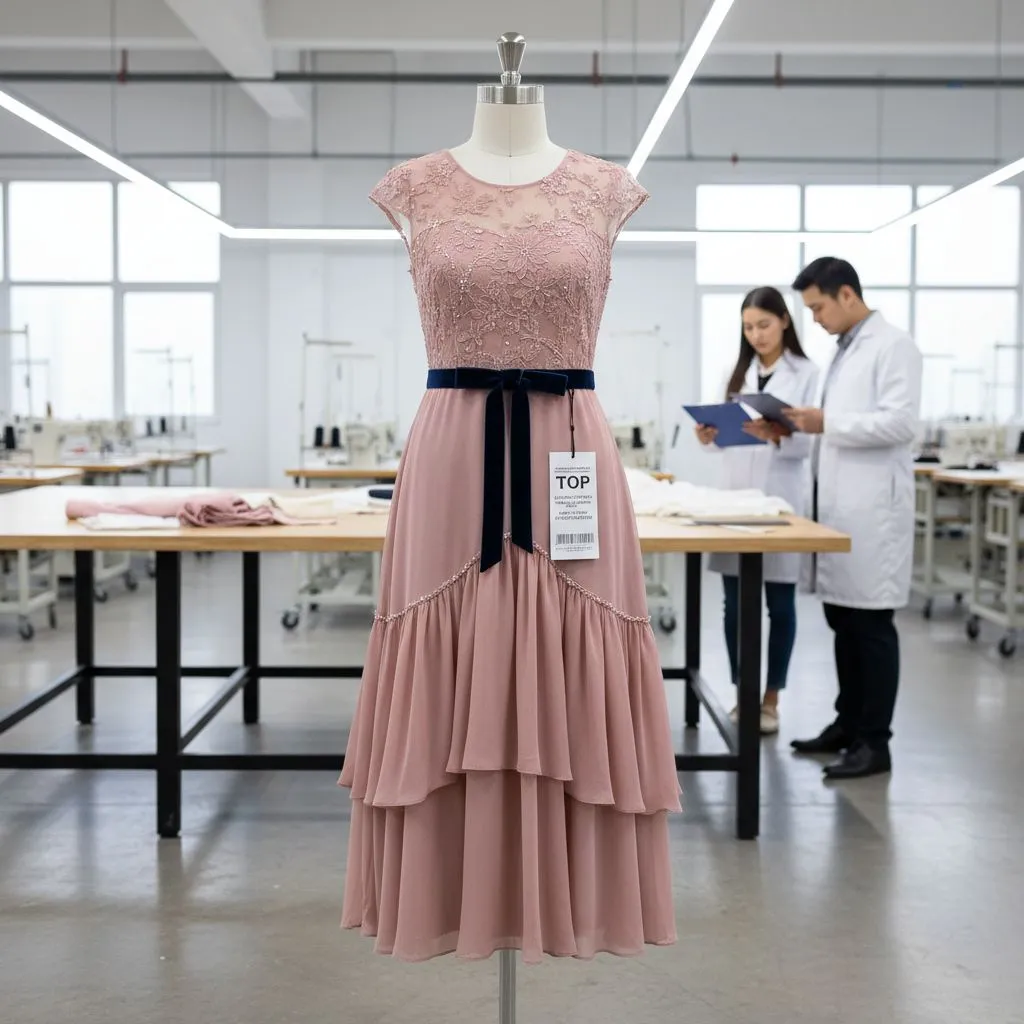
QA therefore needs visibility across the complete production flow.
QA as the Link Between the Buyer and Factory
One of the most important positions of QA is between the buyer’s technical requirements and the factory’s production process.
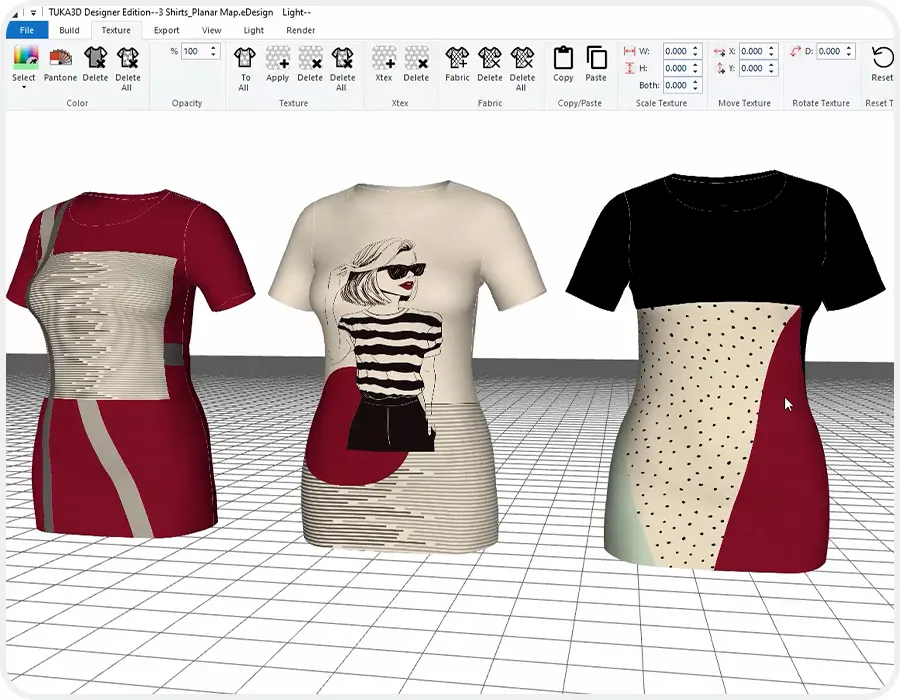
Buyers may provide requirements through:
- Tech packs
- Approved samples
- Measurement charts
- Construction details
- Quality manuals
- Defect standards
- Packing specifications
- Testing requirements
Production workers may not work directly with all of these documents.
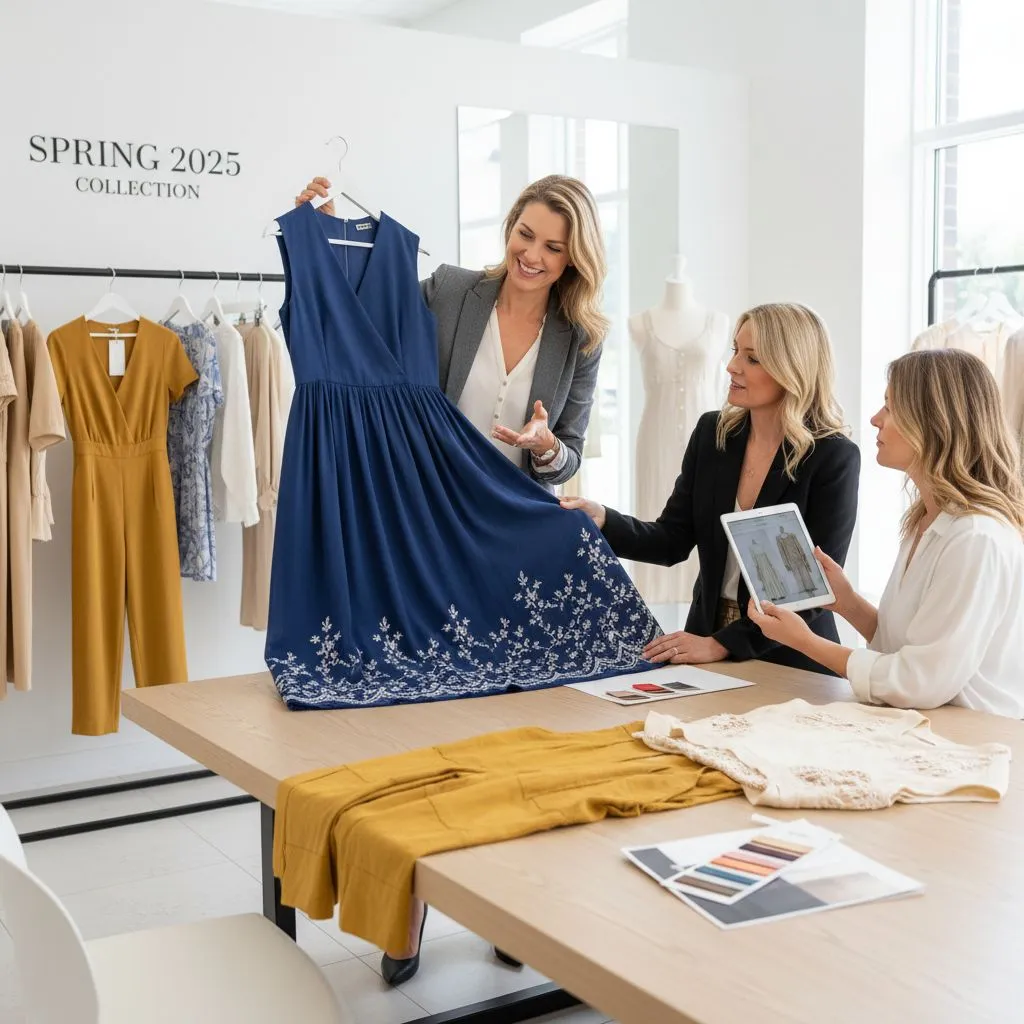
QA helps convert the technical requirements into practical production controls. For example, a buyer may specify: “5-thread safety stitch at side seam.” QA may help production confirm:
- Correct machine type
- Correct stitch formation
- Appropriate sewing thread
- Correct needle
- Required seam allowance
- Stitch density
- Machine tension
In this way, QA helps turn buyer requirements into factory instructions.
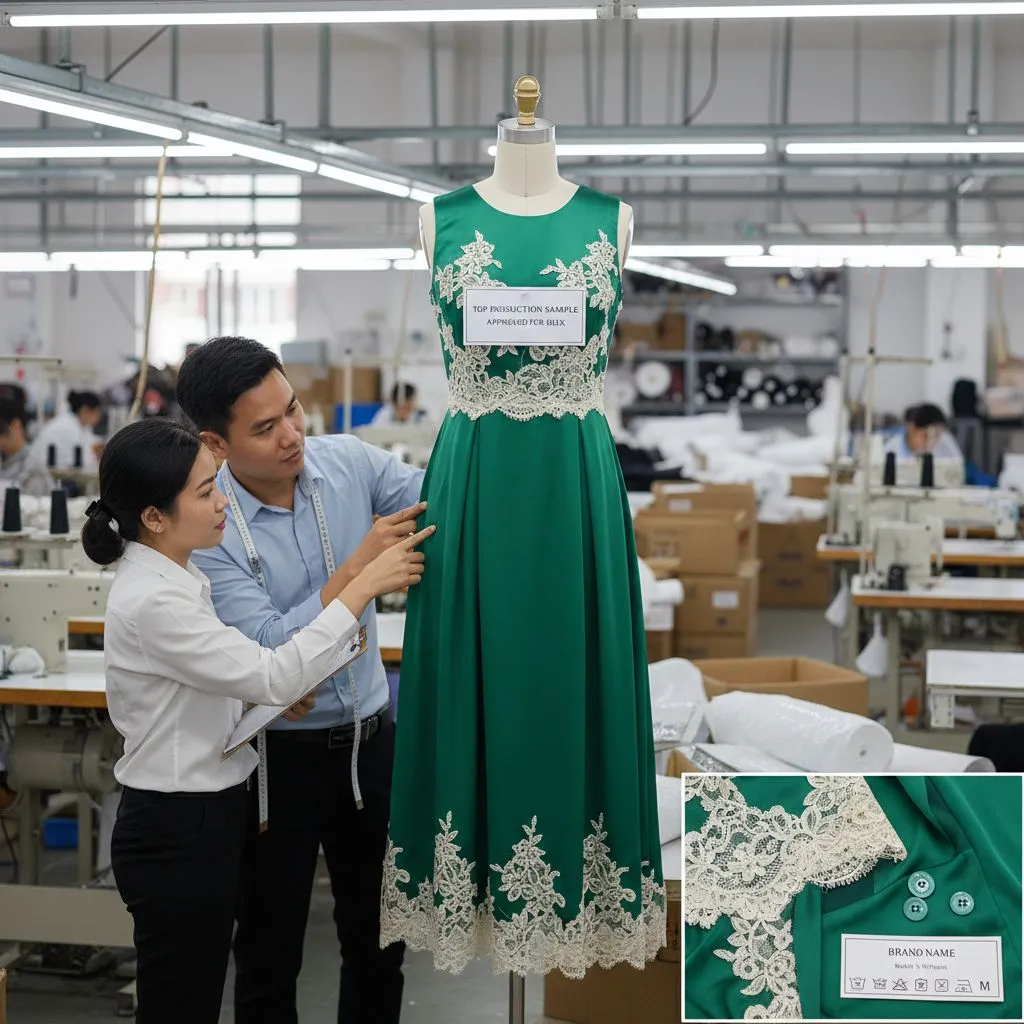
What Is the Relationship Between QA and Production?
Production and QA have different priorities, but they should support the same final objective. The production department focuses heavily on:
- Output
- Efficiency
- Line balancing
- Production targets
- Delivery schedule
QA focuses heavily on:
- Process stability
- Buyer requirements
- Defect prevention
- Technical compliance
- Quality consistency
Problems can occur when output pressure becomes more important than quality. For example, imagine a sewing line is producing 1,000 pieces per day, but QA discovers that collars are being attached incorrectly. Production may want to continue because stopping the line affects output. However, if the method is wrong, continuing production could create hundreds of garments requiring repair. A strong factory therefore gives QA enough independence to raise serious quality concerns.
QA Independence from Production
QA should cooperate closely with production, but it should not be controlled entirely by production targets. This independence matters because production managers naturally have pressure to meet:
- Daily output
- Efficiency
- Shipment dates
- Labor targets
QA must be able to say: “This process needs to be corrected before we continue.” Otherwise, a factory may appear productive today but create expensive repairs tomorrow. Good QA protects both quality and productivity by stopping repeated defects early.
Where Does a QA Employee Work in a Garment Factory?
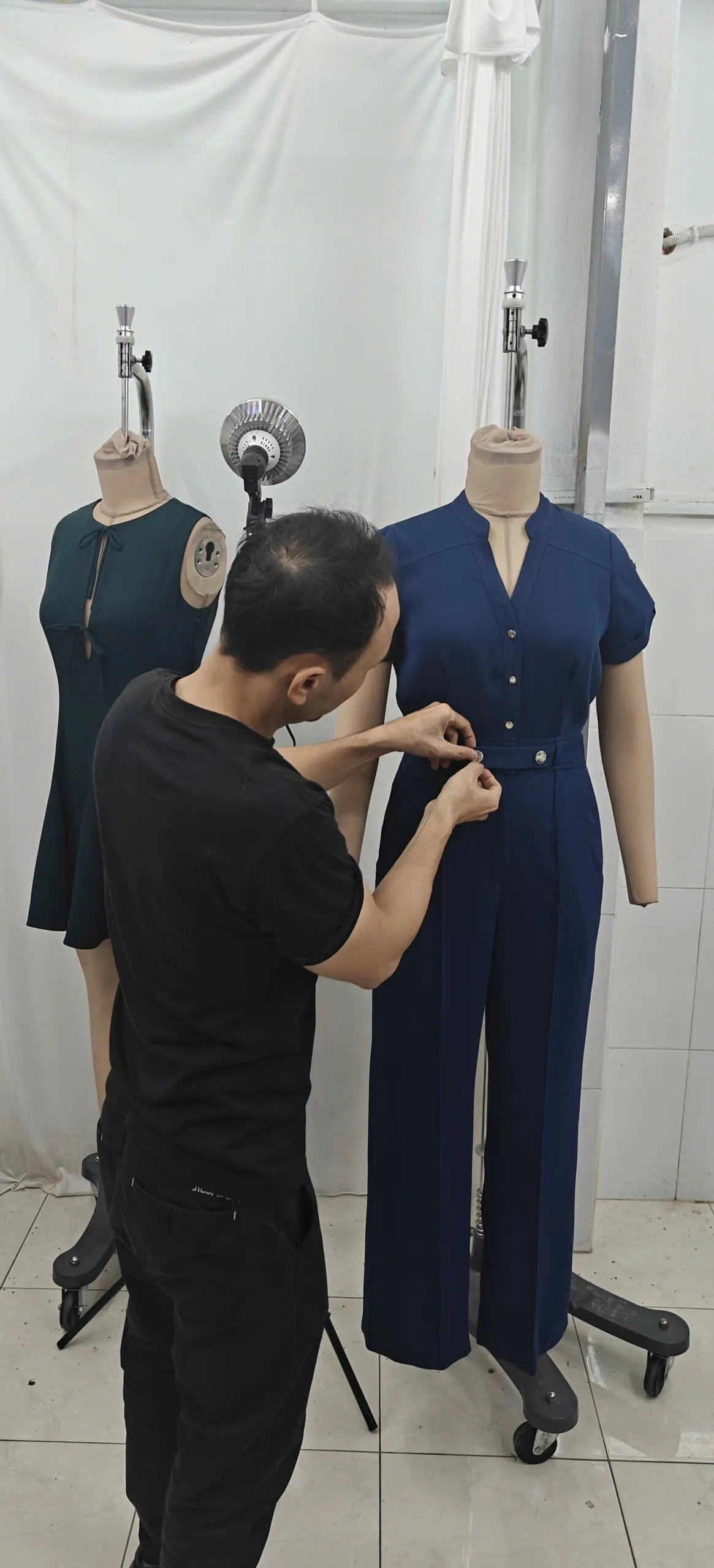
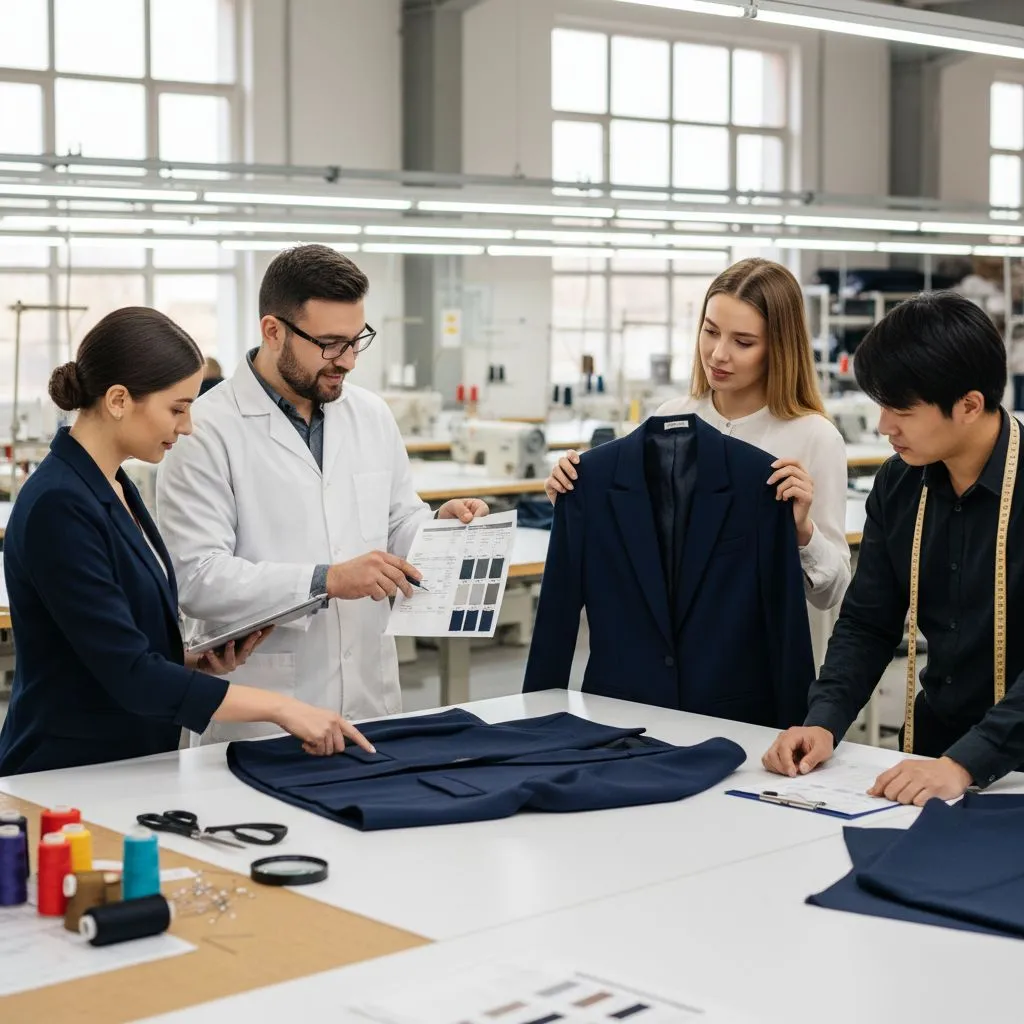
1. Sample Room
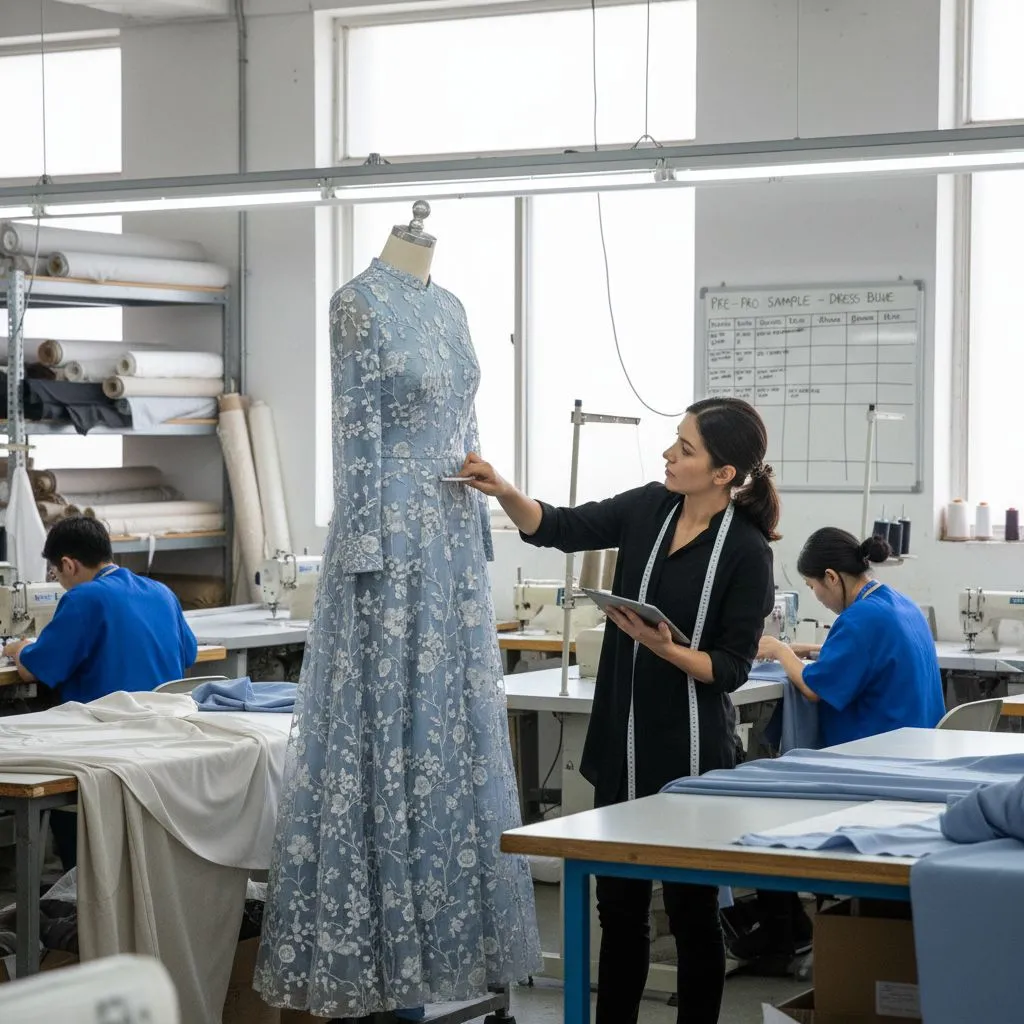
QA may become involved before bulk production begins. In the sample room, QA can review:
- Garment construction
- Measurements
- Seam appearance
- Stitch types
- Trims
- Labels
- Buyer comments
- Approved samples

The purpose is to identify problems before the same construction is repeated across thousands of garments. For example, if a pocket position is incorrect on a pre-production sample, correcting the pattern before cutting bulk fabric is much easier than repairing thousands of finished garments.
2. Pre-Production Meeting
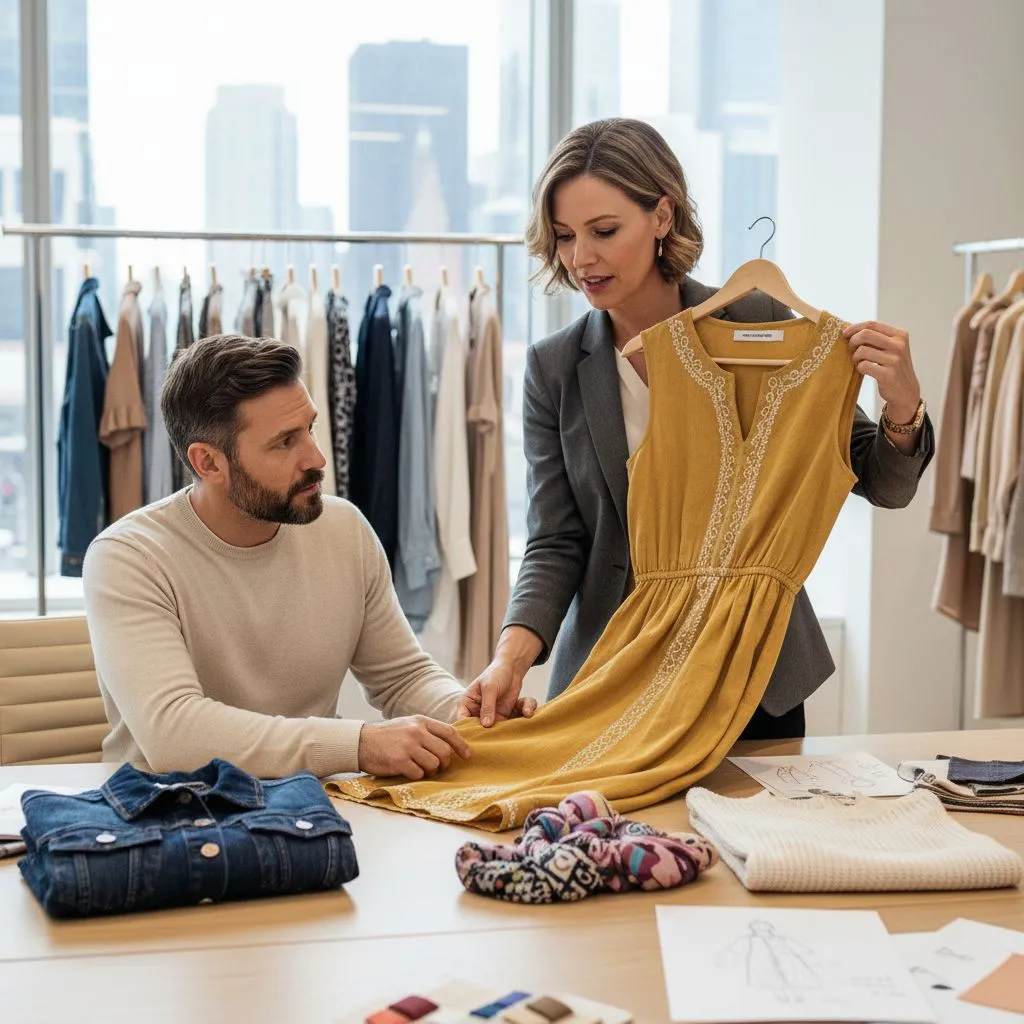
QA commonly participates in the Pre-Production Meeting, or PP Meeting. The PP meeting brings together departments that need to understand how the style will be manufactured. Participants may include:
- Merchandising
- QA
- QC
- Production
- Pattern making
- Cutting
- Sewing
- Maintenance
- Finishing
- Packing
QA helps identify quality risks such as:
- Difficult sewing operations
- Sensitive fabrics
- Critical measurements
- Shrinkage
- Shade variation
- Special trims
- Printing requirements
- Embroidery placement
- Washing requirements
The purpose is to make sure problems are discussed before mass production starts.
3. Fabric Inspection Area
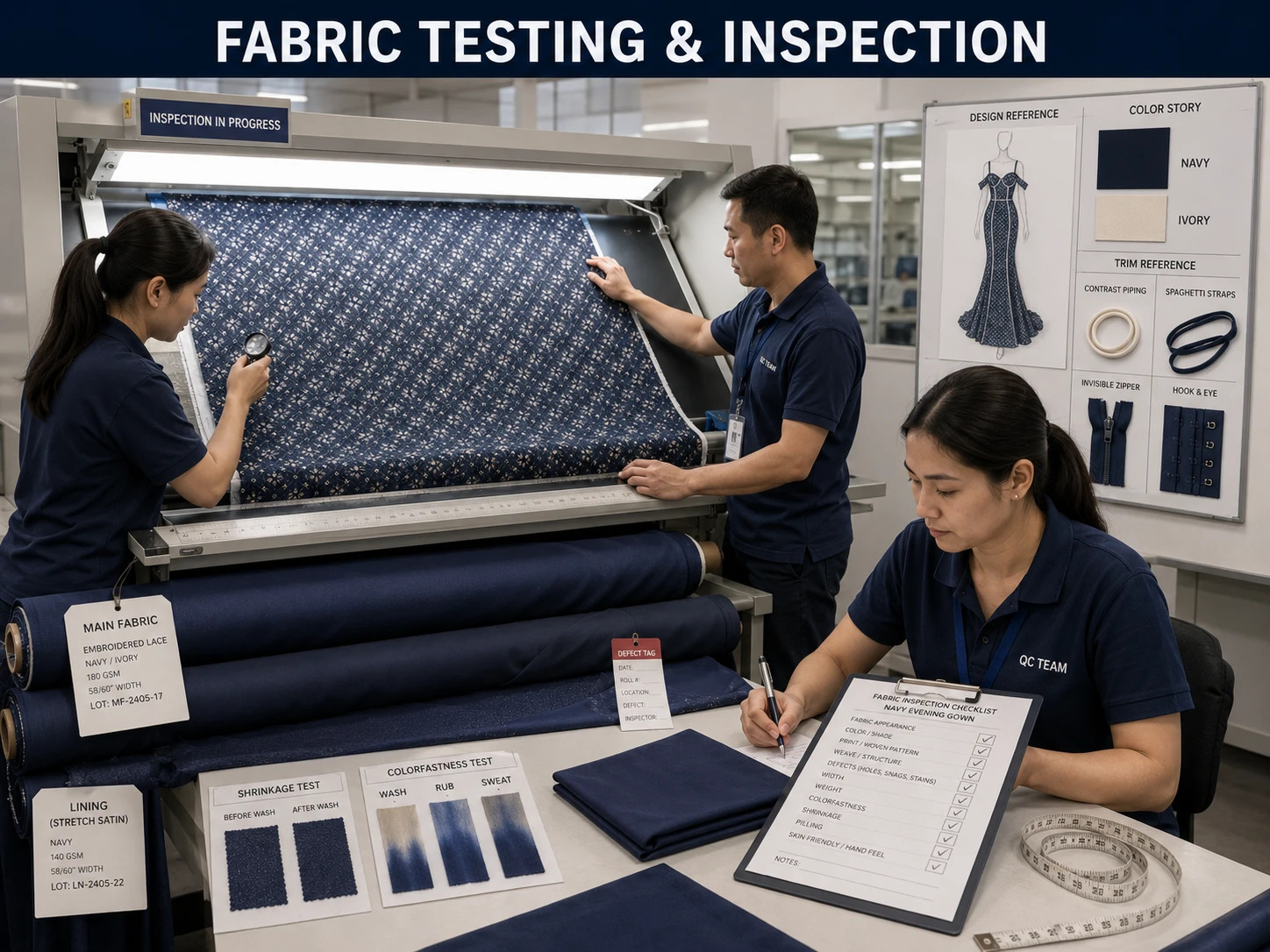
Fabric quality has a direct effect on finished garment quality. QA may work with the fabric inspection or warehouse team to verify requirements such as:
- Fabric defects
- Shade variation
- Fabric width
- GSM
- Shrinkage
- Spirality
- Dimensional stability
- Colorfastness
For example, if several fabric rolls have different shades, QA may require shade grouping before cutting. Without this control, the front and back panels of one garment could accidentally be cut from different shade groups.
4. Trim Inspection Area
QA may also verify trims before they are released into production. These can include:
- Sewing thread
- Buttons
- Zippers
- Elastic
- Labels
- Snaps
- Drawcords
- Hook-and-loop fasteners
- Decorative accessories
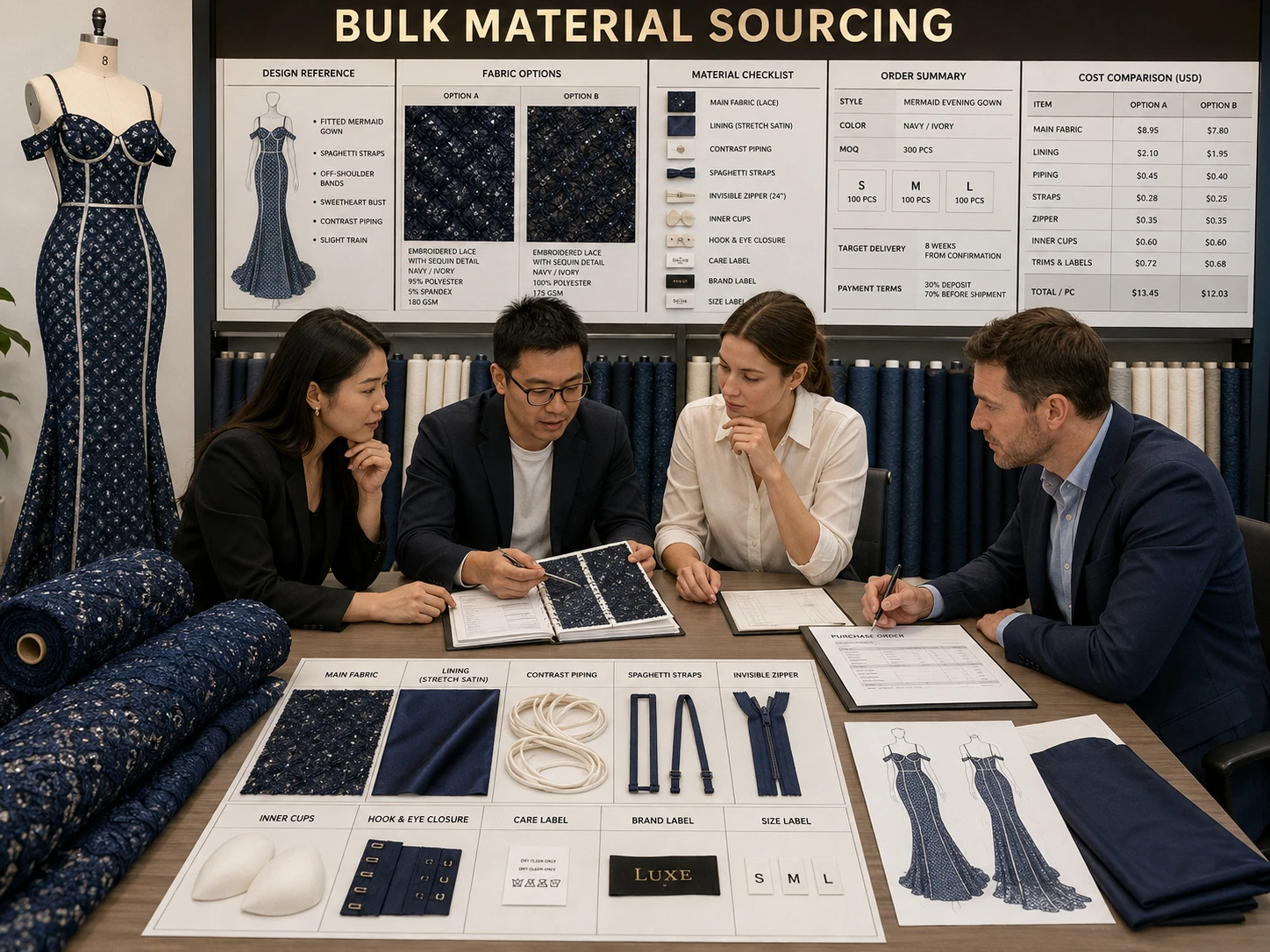
QA may confirm that the trims match the approved:
- Size
- Color
- Material
- Function
- Placement
- Buyer specification
A trim may look correct but still fail during garment use.bFor example, a zipper may match the required color but fail after repeated opening and closing.
5. Cutting Department
QA can play an important role in preventing quality problems during cutting. Typical controls may include:
- Fabric relaxation
- Marker accuracy
- Grain direction
- Nap direction
- Stripe matching
- Check matching
- Shade segregation
- Cutting accuracy
- Bundle identification
Cutting errors are particularly expensive because once fabric has been cut incorrectly, correcting the problem may require replacement material.
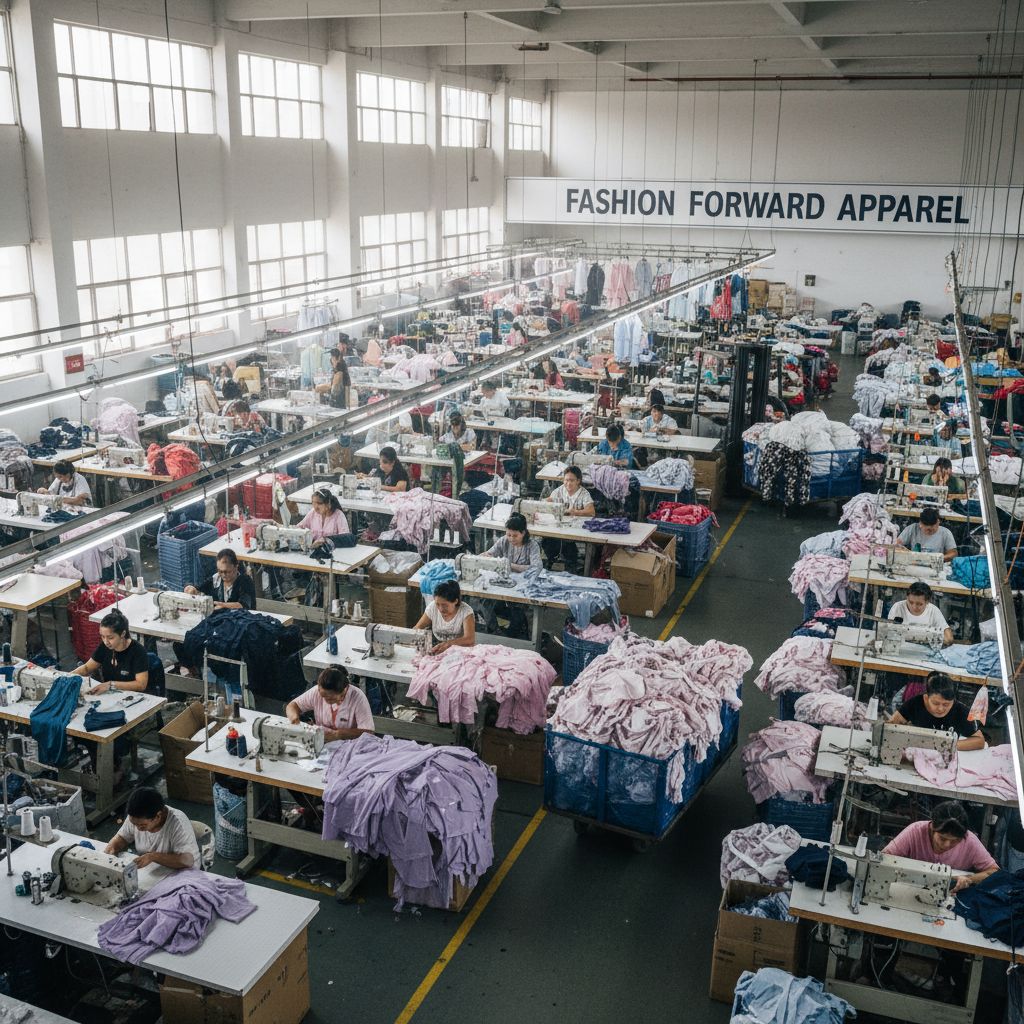
6. Sewing Floor
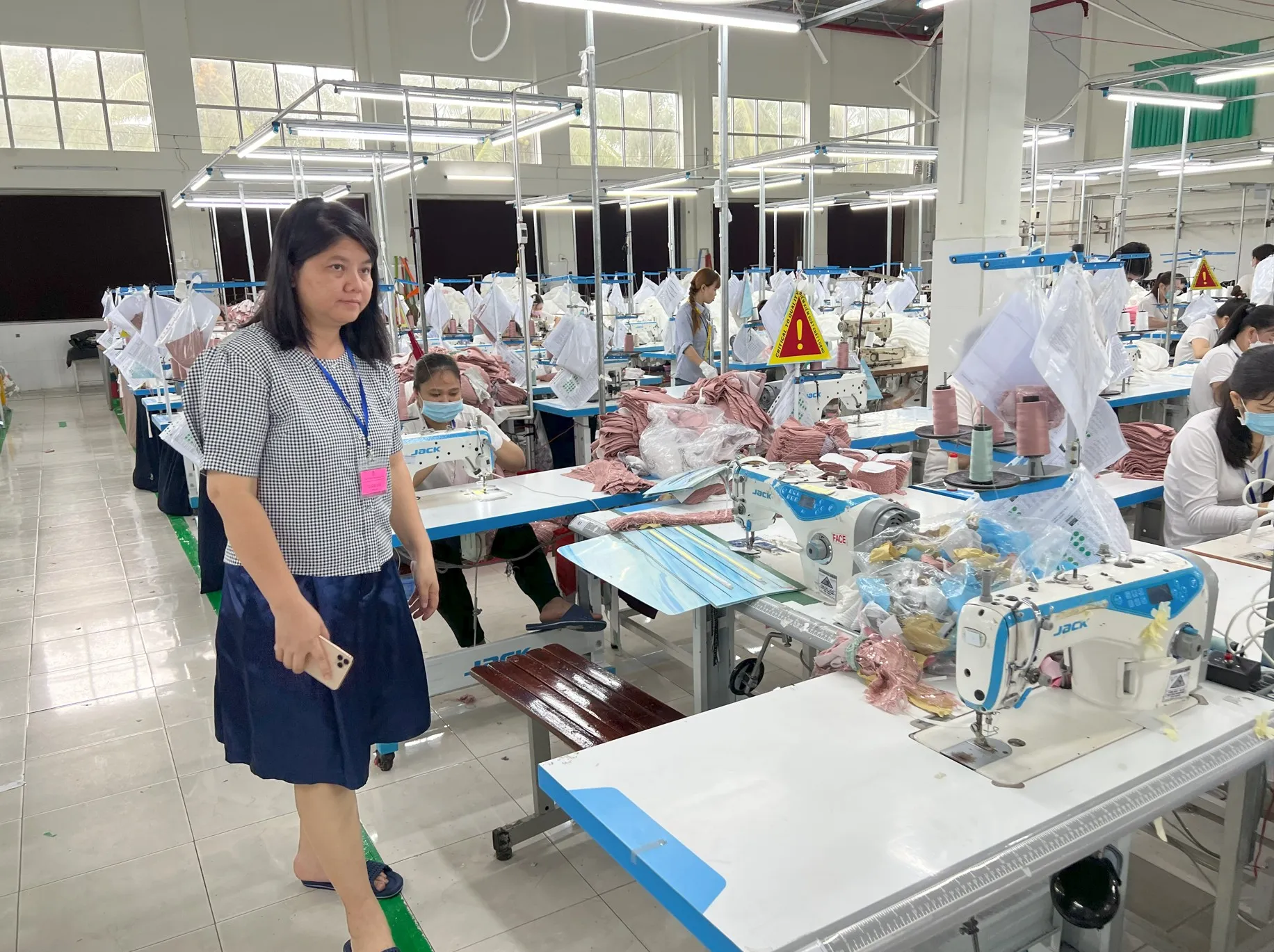
The sewing floor is one of the most important areas for QA activity because many garment defects develop during sewing. QA may verify that production is using the approved:
- Sewing machine
- Needle type
- Needle size
- Sewing thread
- Stitch type
- Stitch density
- Seam allowance
- Folder or guide
- Machine setting
- Operation method
QA may also monitor difficult or high-risk operations more closely.
Examples include:
- Collar setting
- Sleeve attachment
- Zipper installation
- Waistband construction
- Pocket placement
- Placket construction
- Hemming
The goal is not simply to inspect finished sewing. The goal is to make sure the method being used is capable of producing the correct result repeatedly.
7. Finishing Department
Garments can be sewn correctly but damaged during finishing. QA may therefore monitor standards for:
- Thread trimming
- Stain removal
- Pressing
- Shape
- Measurement
- Final appearance
- Garment cleaning
Poor pressing, for example, may cause:
- Shine marks
- Permanent creases
- Distorted collars
- Uneven hems
- Incorrect garment shape
QA helps establish the correct finishing method so the garment reaches packing in acceptable condition.
8. Packing Department
Packing is also part of garment quality. QA may check whether the factory follows requirements for:
- Folding
- Polybags
- Hangtags
- Size stickers
- Barcodes
- Carton assortment
- Carton quantity
- Carton markings
A garment can be perfectly sewn and still cause a buyer complaint if it contains the wrong barcode, incorrect hangtag, or incorrect size sticker.

QA vs. QC: Their Positions Are Different
QA and QC are closely connected but should not be confused.
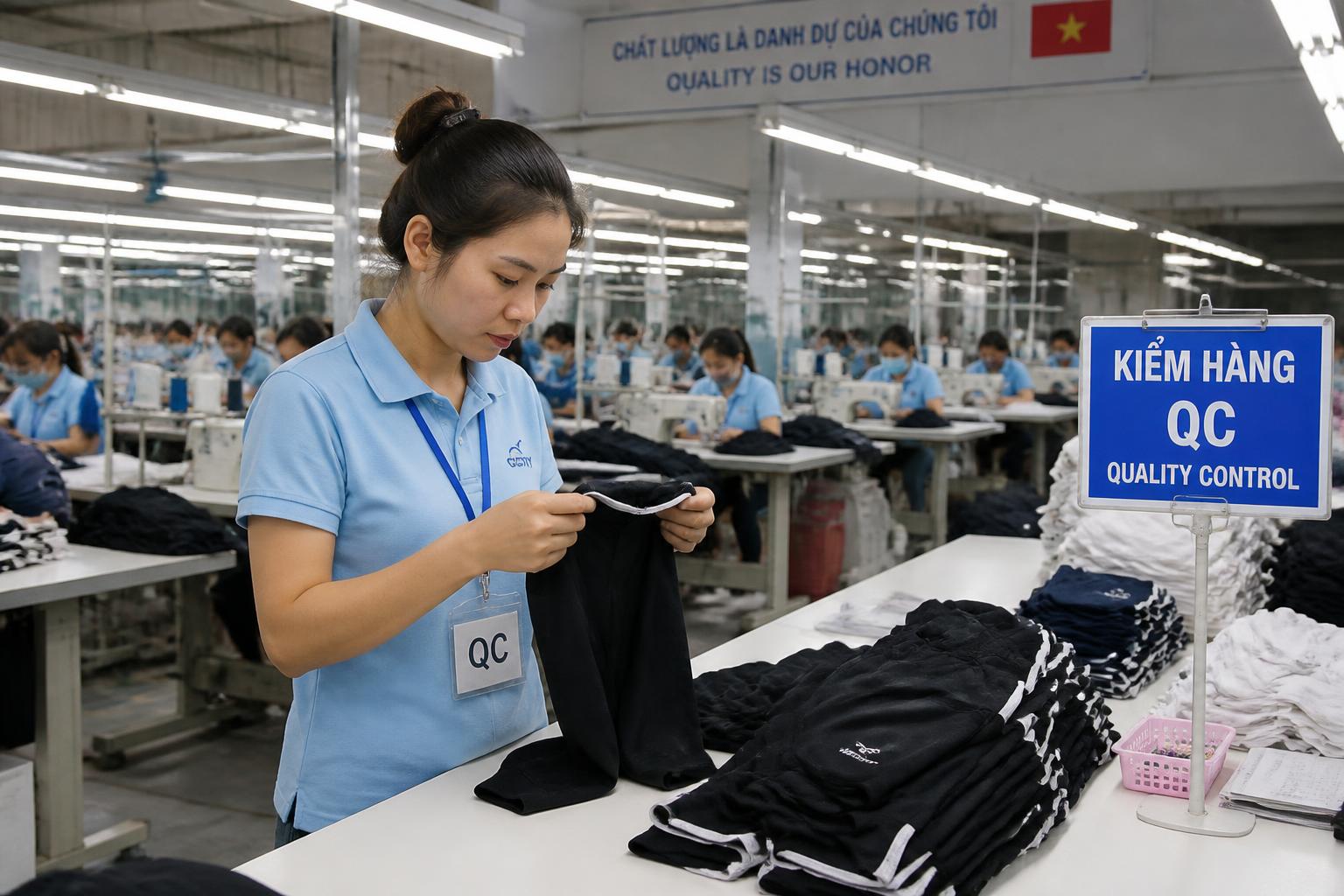
QC Mainly Checks the Product
A QC inspector might find:
- Open seams
- Skipped stitches
- Stains
- Uneven hems
- Incorrect measurements
QC answers: “Does this garment meet the standard?”
QA Mainly Controls the Process
QA investigates questions such as:
- Why is the seam opening repeatedly?
- Is the seam allowance incorrect?
- Is thread tension too high?
- Is the folder incorrectly adjusted?
- Is the operator using the approved method?
QA answers: “Why is the process creating this defect, and how can we prevent it?”

About QA-QC Feedback Loop
QA and QC become much more effective when they work together. A simple process is: QC detects defect → QA investigates root cause → production corrects process → QC checks new output → QA confirms improvement. For example, QC repeatedly finds skipped stitches. Instead of repairing every garment individually, QA may investigate:
- Needle condition
- Needle size
- Machine timing
- Thread
- Thread tension
- Fabric construction
If the cause is an incorrect needle, the factory can correct the machine setup and prevent additional defects. That is much more effective than repeatedly repairing finished garments.

Final Thoughts: QA Is the Quality Bridge Across the Garment Factory
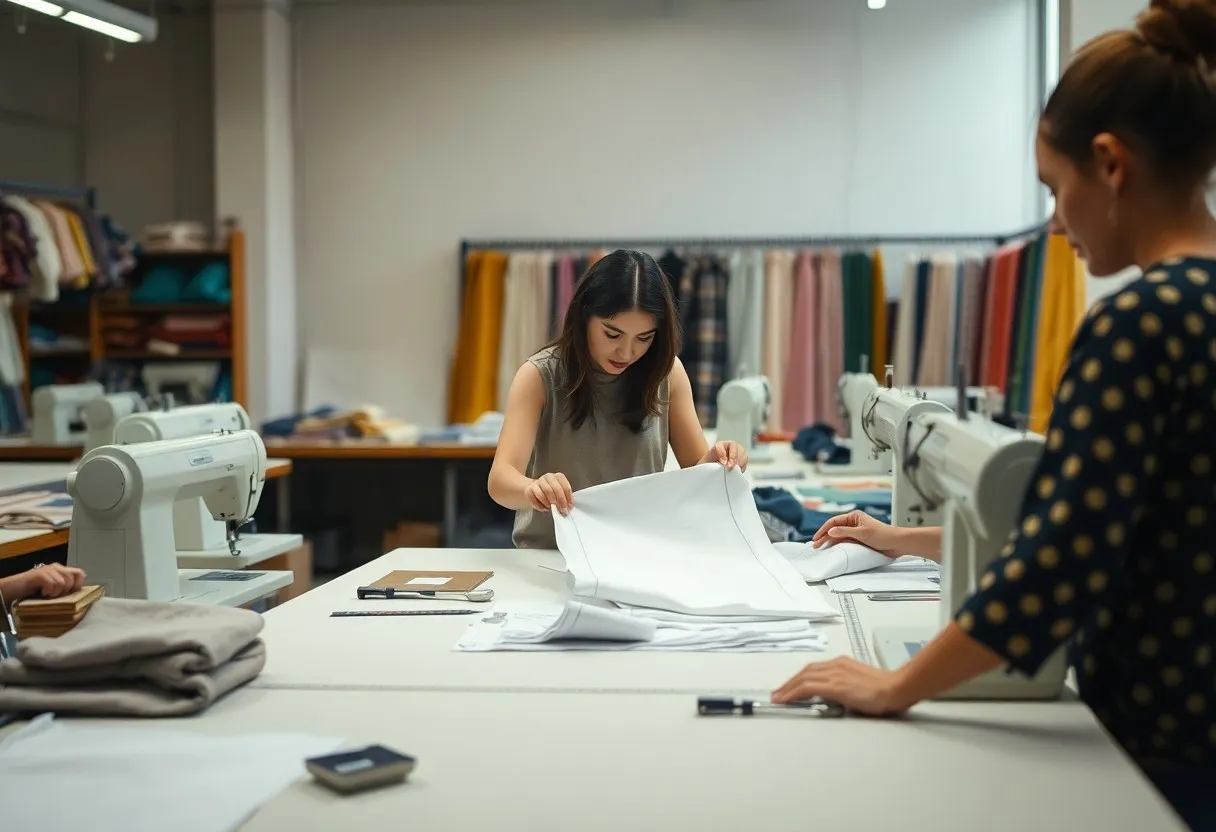
The position of a QA employee in a garment factory is different from that of a worker assigned to one production operation. QA operates across departments. It connects: Buyer requirements → technical standards → production processes → quality results.
A good QA employee does not simply wait until defective garments appear. They work with merchandising, pattern making, fabric, trims, cutting, sewing, maintenance, QC, finishing, and packing to reduce the chance that those defects are produced in the first place. This is why QA should be involved before production, during production, and after production.