
Polo shirts are one of the most practical pieces in any wardrobe. They look neat and work well for everything from office uniforms to casual daily outfits. But polo shirts can lose their shape fast if washed and dried incorrectly. Collars curl, colors fade, and logos crack. Proper care is simple once you know the basics. In this guide, you’ll learn how to wash, dry, store, and treat stains on polo shirts to keep them sharp for a long time.
=> Related Article: Polo Shirts Manufacturing Vietnam | Mekong Garment Factory
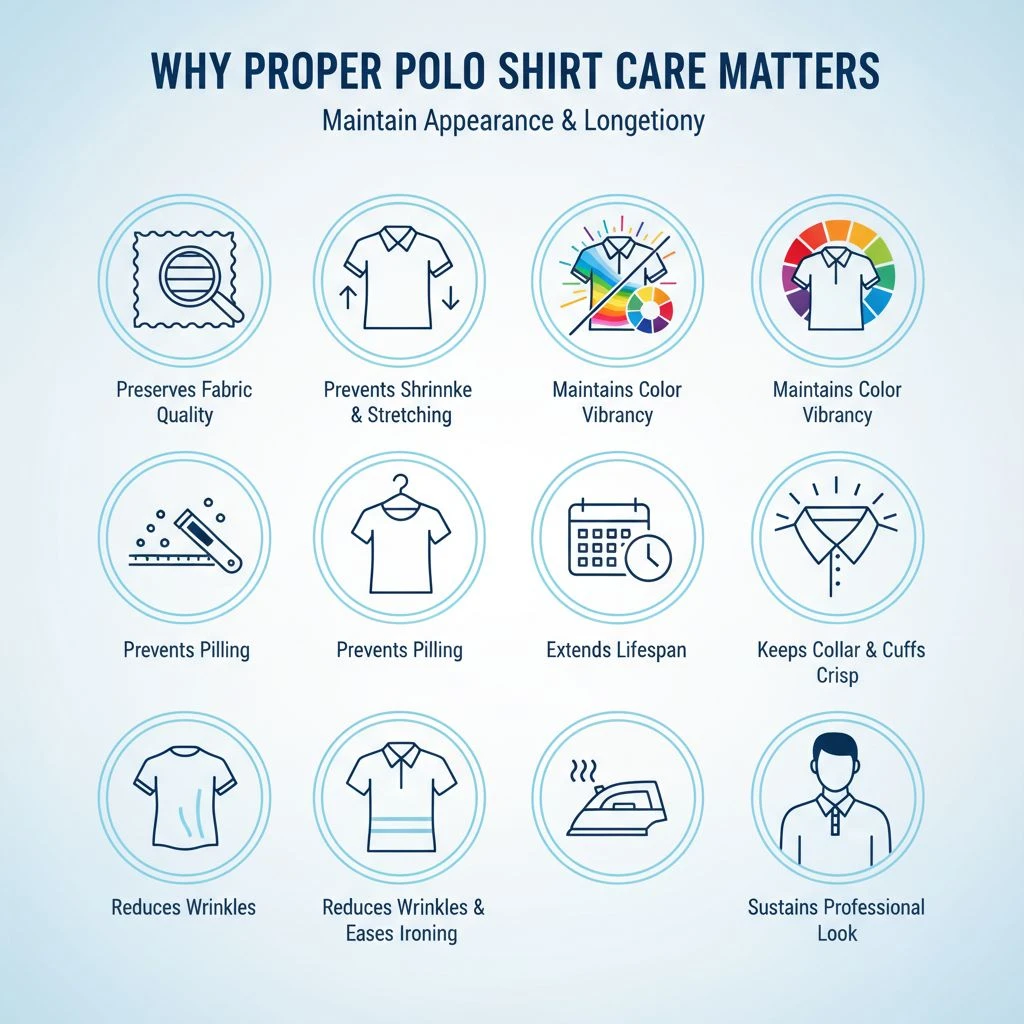
Why Proper Polo Shirt Care Matters
A polo’s clean look depends on small details like the collar, fabric surface, and logo quality. If you wash or dry it the wrong way, the collar can curl and the fabric can shrink. Proper care protects the fabric, keeps colors looking fresh, and helps custom prints or embroidery stay in top condition. These include:
- A flat, well-shaped collar
- A straight button placket
- Smooth fabric
- Even color
- Clean sleeve cuffs
- Undamaged embroidery or printing
Poor washing habits can affect all these areas.
=> Related Article: 8 Types of Polo Shirt Necklines: From Classic to Modern
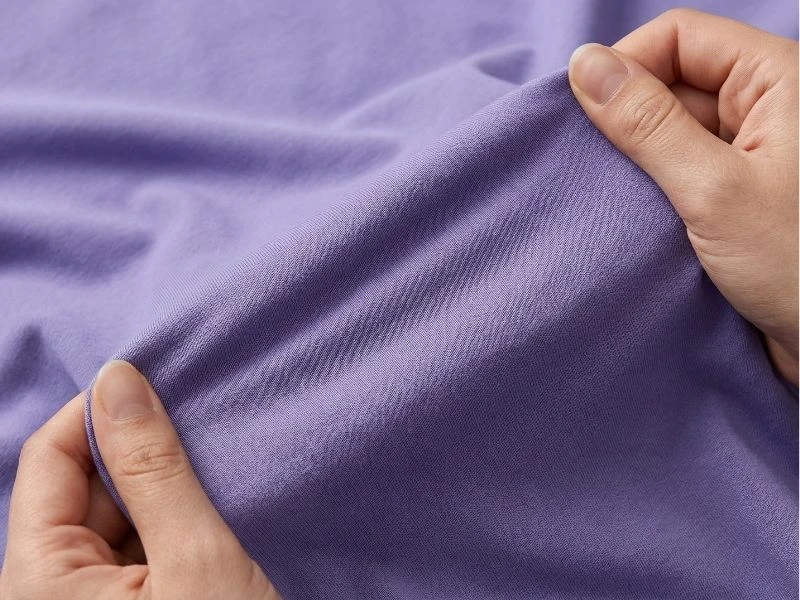

Hot water may shrink cotton. Strong detergent can fade colors. High dryer heat can damage stretch fibers, distort the collar, and weaken printed logos. Proper care helps the polo shirt:
- Keep its original size
- Hold its shape
- Maintain its color
- Reduce pilling
- Protect embroidery and printing
- Prevent collar curling
- Feel comfortable for longer
This is especially important for work uniforms and branded polo shirts that are washed frequently.
=> Related Article: Open Collar Knit Polo: From Fabric Selection to Final Fit
Quick Guild Polo Shirt Care:
Before Washing:
- Read the care label.
- Sort by color.
- Separate heavy clothing.
- Turn the polo inside out.
- Check for stains.
- Inspect the logo and collar.
During Washing:
- Use cool or lukewarm water.
- Select a gentle cycle.
- Use mild detergent.
- Avoid harsh bleach.
- Avoid excess fabric softener.
During Drying
- Remove the shirt promptly.
- Reshape the collar and placket.
- Lay heavy polos flat.
- Use a wide hanger for lightweight polos.
- Dry in the shade.
- Avoid high heat.
During Storage
- Make sure the shirt is fully dry.
- Fold heavy polos.
- Use wide hangers when hanging.
- Keep the collar flat.
- Avoid overcrowding.
Steps by Step to Maintain and Care for Polo Shirts
Start With the Care Label (Always)
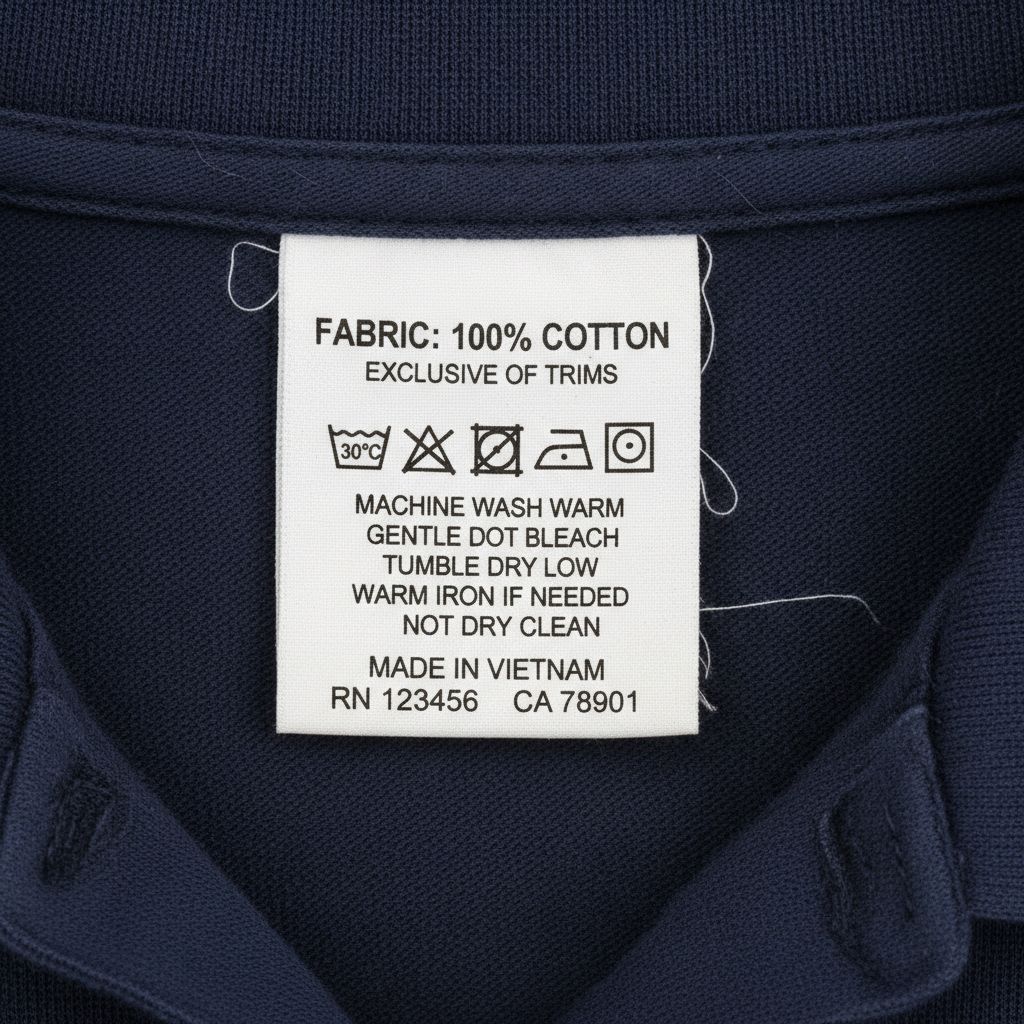
The care label provides the most important instructions for your specific fabric. It tells you the safe water temperature, wash cycle, and ironing heat. Since a 100% cotton polo needs different care than a performance blend, always follow the label to avoid accidental damage.
=> Related Article: Johnny Collar Polo Shirts: History, Features, and Styling Tips
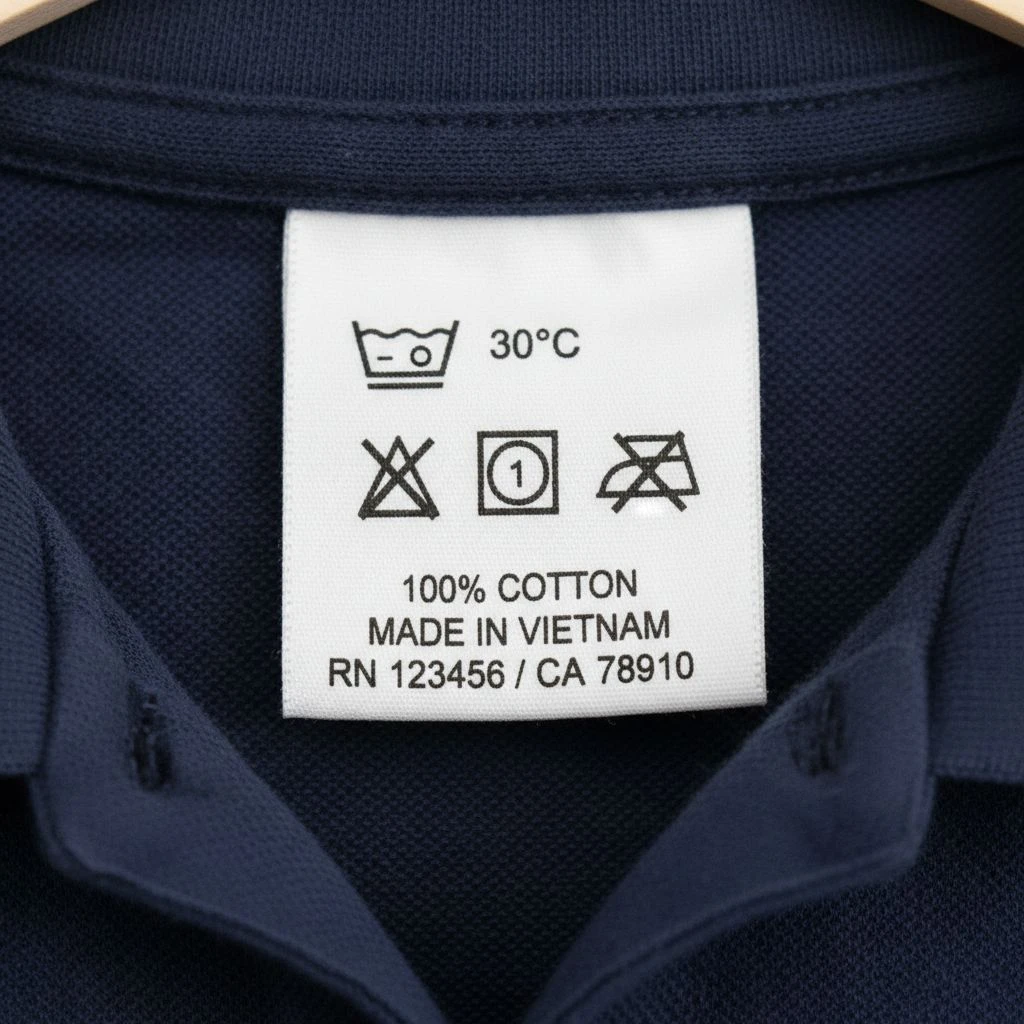
Checking apparel care labels before washing – The care label should always be your first guide. It tells you how the specific shirt should be washed, dried, and ironed. This matters because different polo fabrics require different care.

For example:
- Cotton may shrink under high heat.
- Polyester can be damaged by very hot ironing.
- Spandex may lose elasticity in a hot dryer.
- Performance finishes may react badly to bleach or fabric softener.
- Printed logos may need low-temperature ironing.
=> Related Article: Classic Button Placket Polo: A Timeless Shirt for Every Occasion
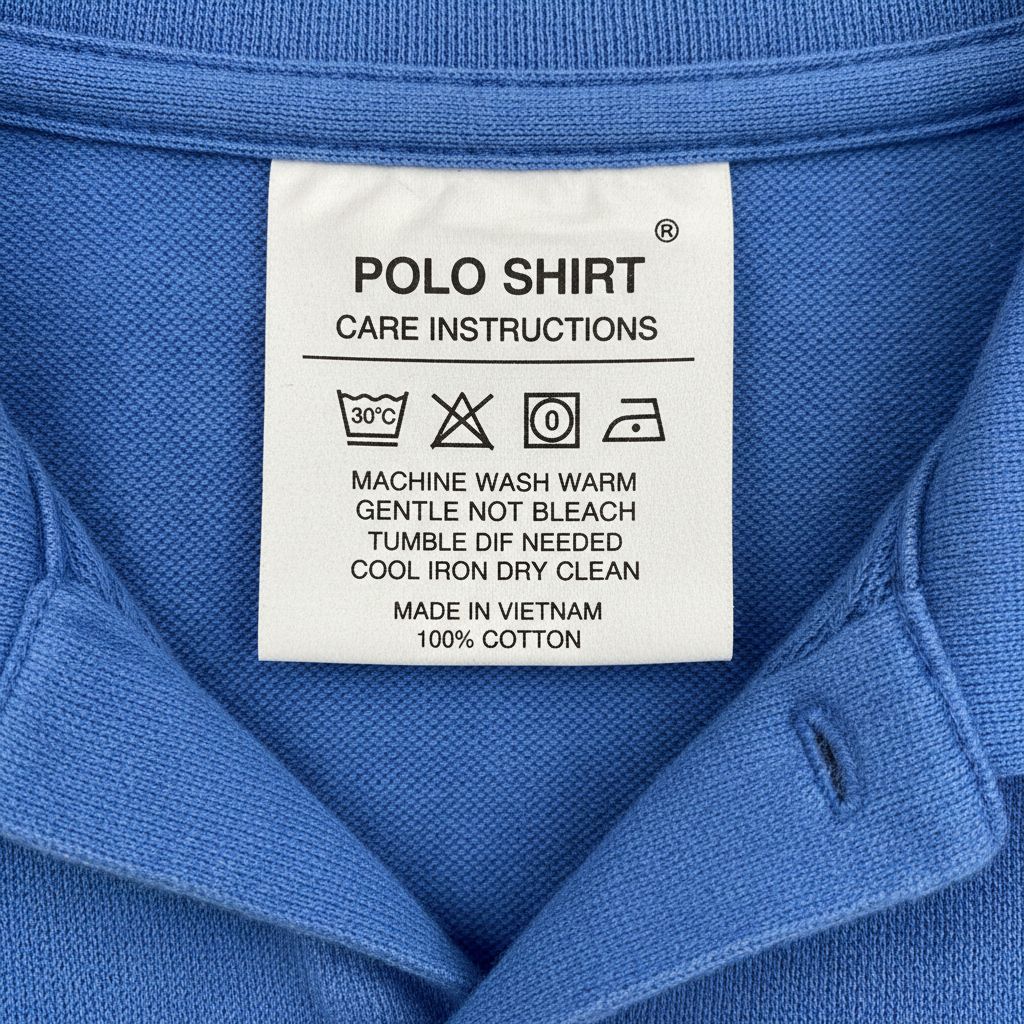
The care label may include instructions for:
- Water temperature
- Machine-wash cycle
- Bleach use
- Tumble drying
- Dry cleaning
- Ironing temperature
Do not assume that every polo shirt can be washed in the same way.
=> Related Article: Polo Shirts and T-Shirts Compared: Fabrics, Fit, Style, Comfort,…

For example:
- Polo A: 100% Cotton
- Polo B: 60% Cotton / 40% Polyester
- Polo C: 95% Polyester / 5% Elastane
They should not automatically be treated the same way.
=> Related Article: Types of Polo Shirts: Different Polo Styles, Collar, Neckline, Sleeve Length, Fabric, Function…
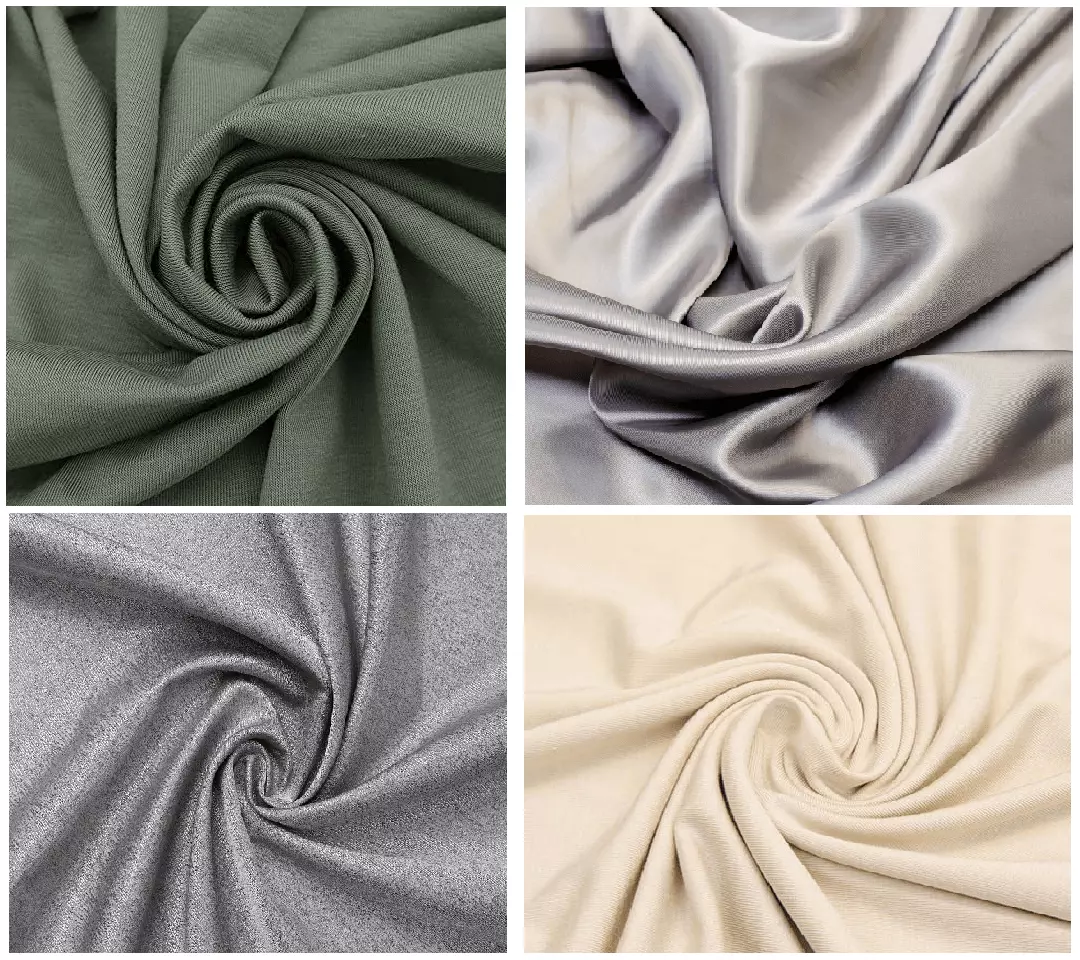
Know About Polo Shirt Fabrics:
Understanding the fabric helps you choose the safest washing method.
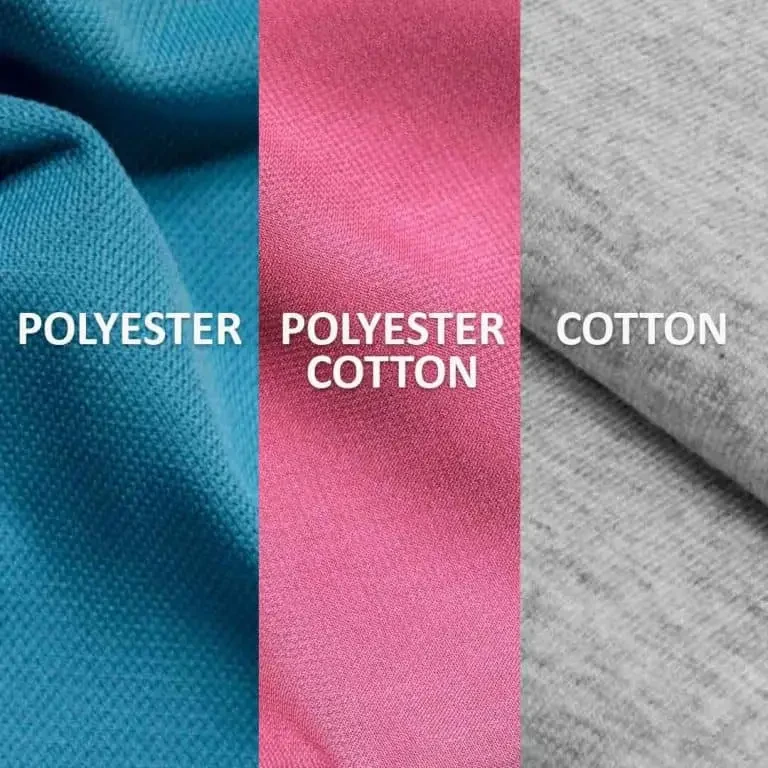
- Cotton Polo Shirts: Cotton is soft, breathable, and comfortable. However, it can shrink, wrinkle, and hold moisture. Use cold or lukewarm water and avoid high dryer heat. Cotton polos may also become heavy when wet, so hanging them immediately can stretch the shoulders. Laying them flat is often safer.
- Polyester Polo Shirts: Polyester is durable, quick-drying, and resistant to wrinkles. It usually handles regular washing well, but high heat can damage the fibers or create shiny marks. Wash polyester in cool water and use a low ironing temperature.
- Cotton-Polyester Blend Polo Shirts: Blended polos combine cotton comfort with polyester durability. They usually shrink less than pure cotton and dry more quickly. Even so, low heat is still the safer choice.
- Stretch Polo Shirts: Polo shirts containing spandex or elastane need gentle care. High temperatures can weaken the stretch fibers and reduce shape recovery. Avoid Hot water, High dryer heat, Strong bleach, Very hot ironing
- Performance Polo Shirts: Performance polos may include moisture-wicking, anti-odor, cooling, or UV-protection finishes. These fabrics often need mild detergent and cool water. Fabric softener may coat the fibers and reduce moisture-wicking performance.
Sorting and Pre-Wash Prep
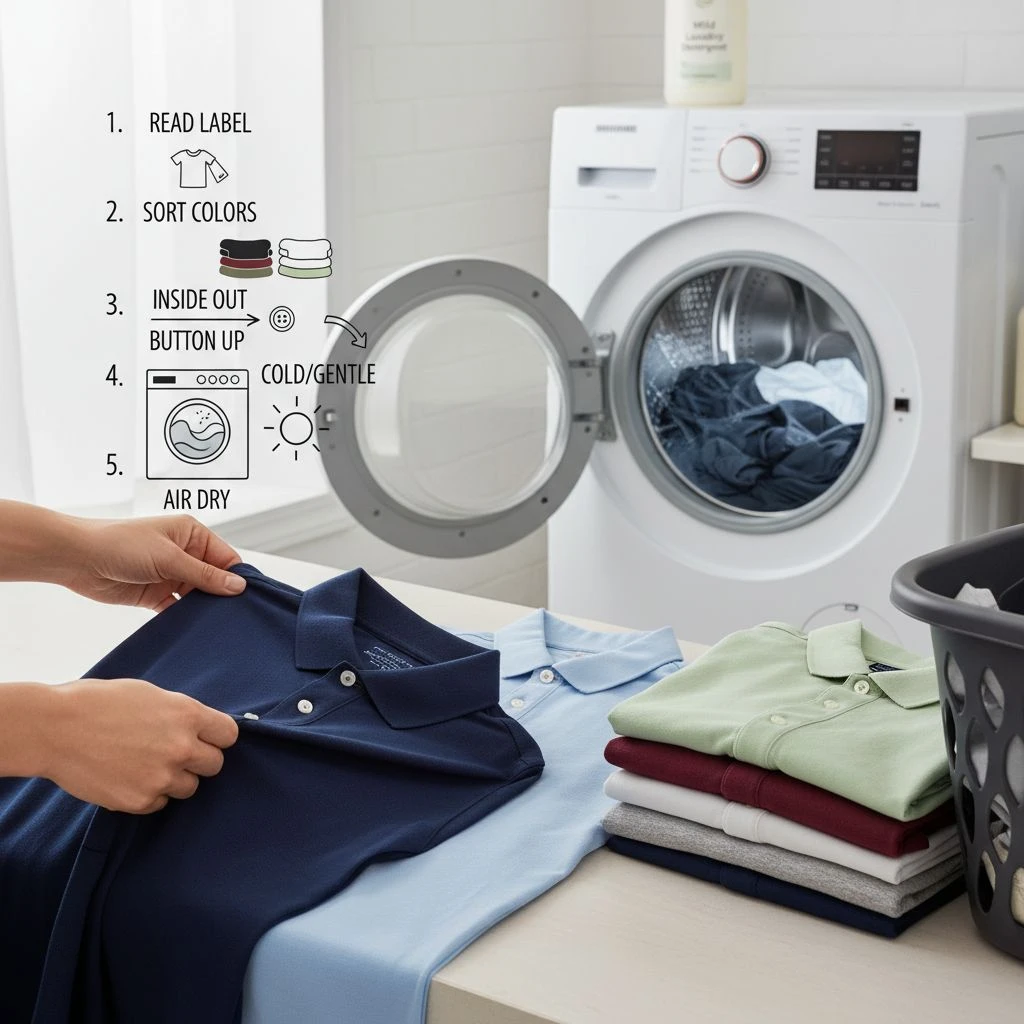
Do not throw all clothes into one load. Sort by color (whites, lights, darks) and fabric weight. Avoid washing polos with heavy items like jeans or towels, as zippers and rough textures can cause pilling and snagging.
- Sort Polo Shirts by Color – Separate polo shirts into: Whites, Light colors, Dark colors, Bright colors… New dark or brightly colored polos may release extra dye during their first few washes. Wash them separately when possible.
- Separate Heavy and Rough Items – Avoid washing polo shirts with: Heavy jeans, Towels, Jackets, Clothes with exposed zippers, Hook-and-loop fasteners, Rough workwear… These items can rub against the polo and cause pilling, snagging, or surface damage.
- Turn the Polo Shirt Inside Out – Turning the shirt inside out helps protect: Printed logos, Embroidery, Fabric color, Surface texture, Decorative details… It also reduces direct friction on the outside of the garment.
- Check the Pockets – Remove pens, paper, coins, and other items. A pen left in the pocket can damage an entire wash load.
- Inspect the Polo for Stains – Check common problem areas such as: Collar, Underarms, Chest, Sleeve cuffs, Front placket, Lower hem… Treat stains before washing. Dryer heat can make some stains harder to remove later.
- Should You Button a Polo Before Washing? – This point is often misunderstood. Closing every button may place stress on the buttonholes and placket during washing. Leaving the placket completely open can also allow it to twist. A safer approach is to follow the manufacturer’s instructions. When no special guidance is provided, leave the buttons open or fasten only the top button loosely. Do not pull or stretch the placket.

=> Related Article: Polo T-Shirt Outfits for Office and Casual Outings

How to Wash and Dry Polo Shirts Properly
For Hand-Washing
Hand washing can be useful for:
- Delicate polos
- Premium knit polos
- Sensitive decoration
- Travel
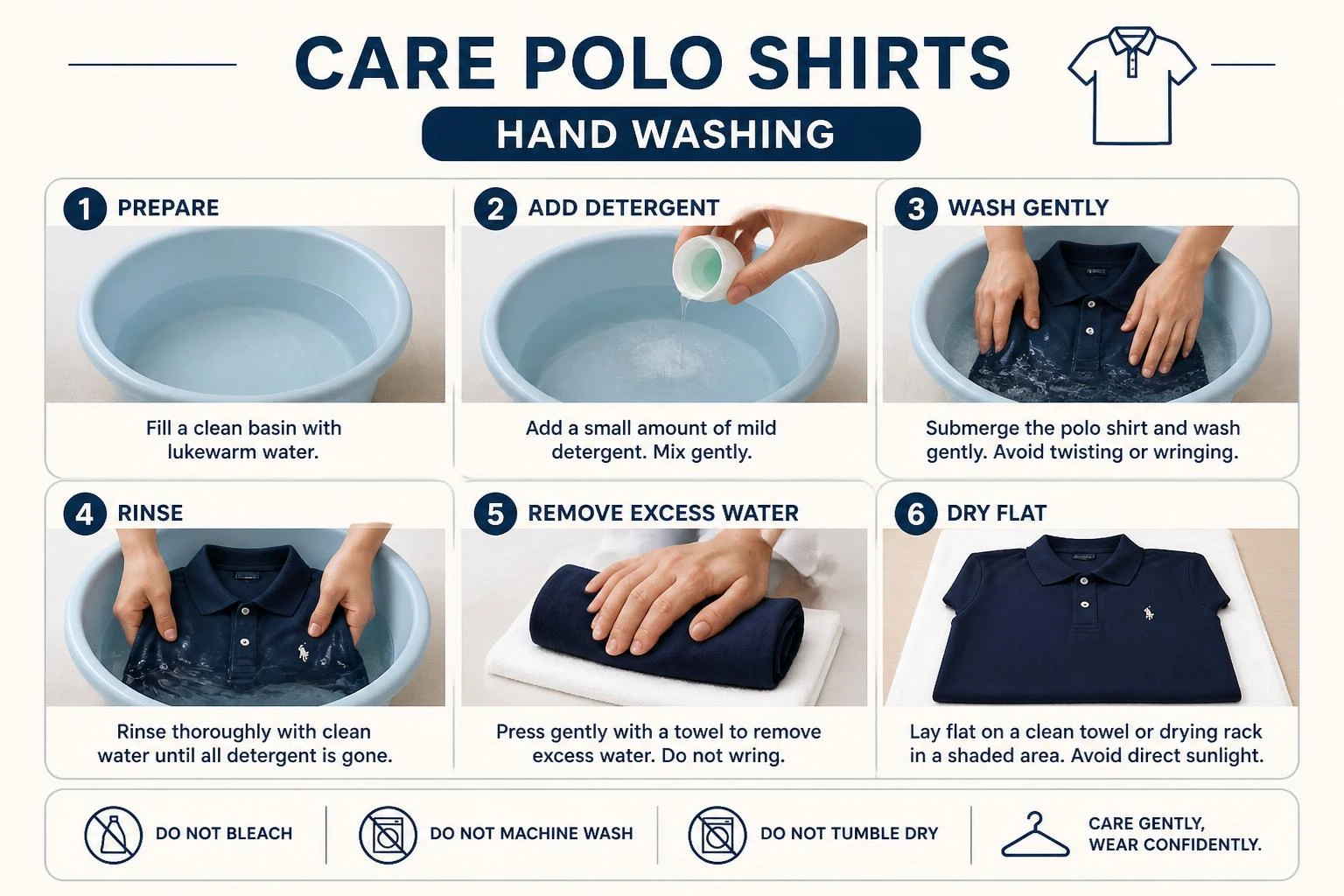
A simple method is:
- Fill a basin with suitable-temperature water.
- Add the correct amount of mild detergent.
- Submerge the polo.
- Gently move it through the water.
- Treat dirty areas carefully.
- Rinse thoroughly.
- Remove water without aggressive twisting.
Avoid rough scrubbing.
For Machine Washing,
use a gentle cycle with cold or lukewarm water and mild detergent. Avoid bleach on colored polos. For premium or delicate items, Hand Washing in a basin is the safest choice. Gently press water out instead of wringing, which can stretch the fabric.

Drying: Air-Dry is Best
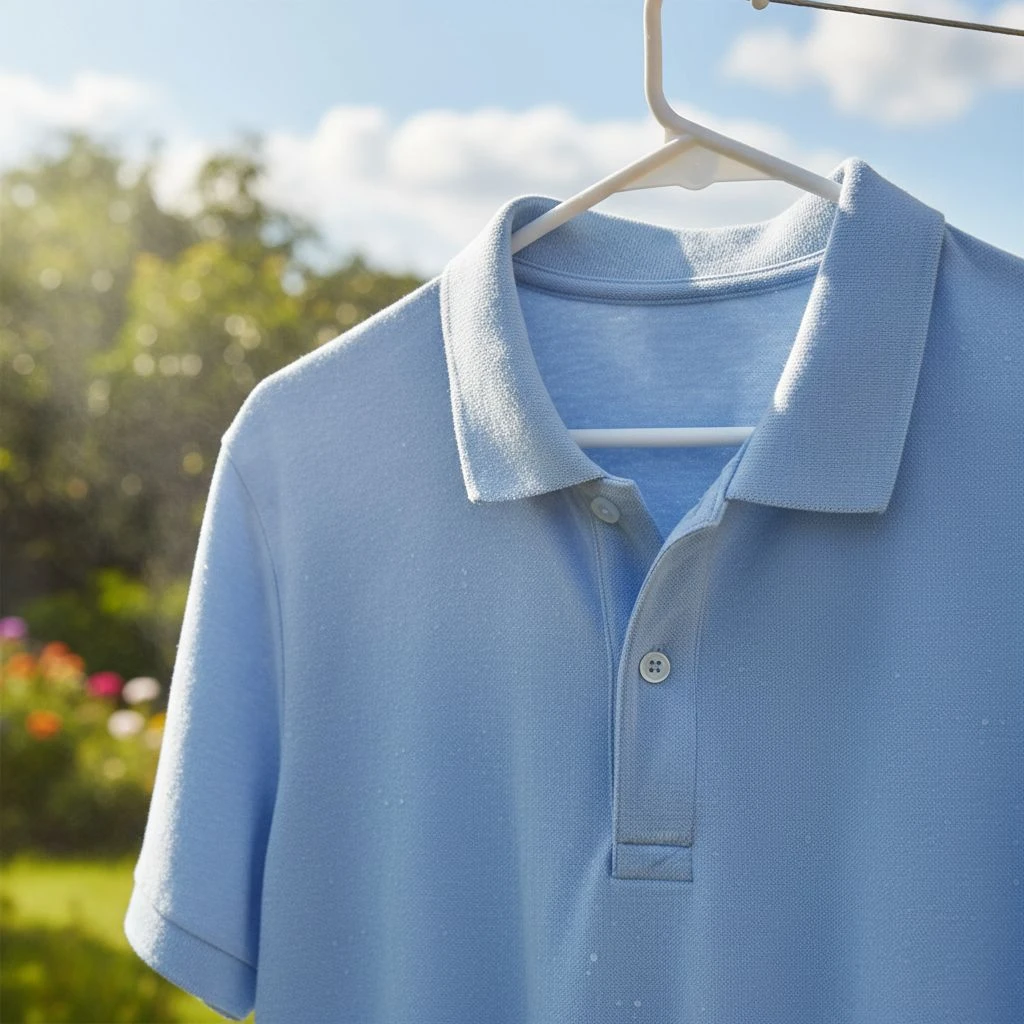
Heat is the enemy of the polo shirt. It causes shrinkage and collar distortion. After washing, gently shake the shirt and smooth the collar by hand. Hang on a padded hanger or lay flat in the shade. Avoid direct sunlight, as it can fade dark colors over time.
How to Iron a Polo Shirt
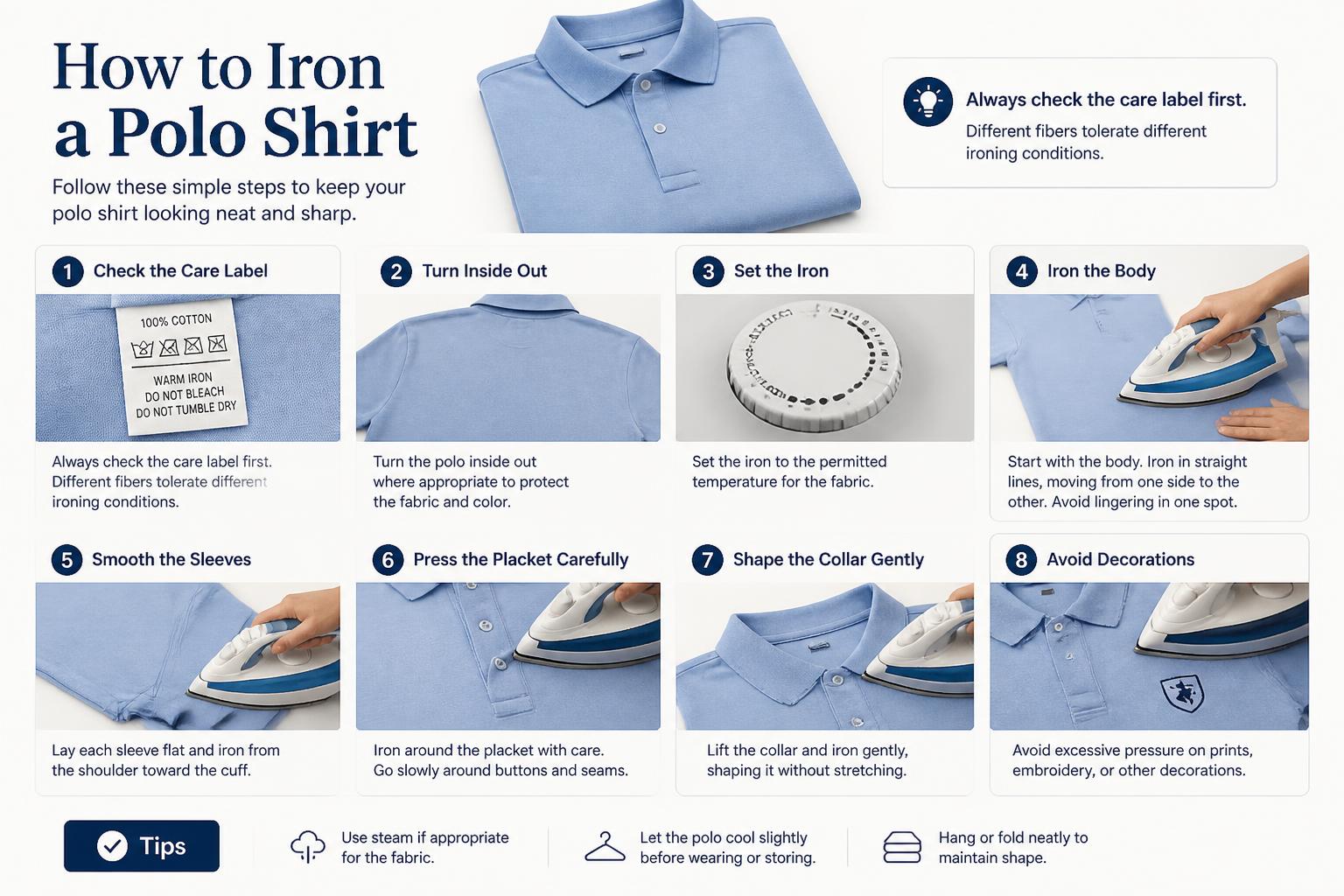
Always check the care label first. Different fibers tolerate different ironing conditions. A general process may be:
- Turn the polo inside out where appropriate.
- Set the iron to the permitted temperature.
- Start with the body.
- Smooth the sleeves.
- Press the placket carefully.
- Shape the collar gently.
Avoid excessive pressure on decorations.
Do Not Iron Directly Over Printed Logos Unless Allowed
Heat can damage certain printing systems. Possible problems include:
- Melting
- Sticking
- Gloss change
- Cracking
- Distortion

For heat-sensitive prints, turn the garment inside out or use an approved protective method.
Embroidery Also Needs Care During Ironing
Embroidery is generally durable, but excessive heat or pressure can flatten texture or affect backing materials. When necessary:
- Iron from the reverse side
- Use moderate pressure
- Protect the embroidered area
according to the care instructions.
How to Store Your Polo Shirts
Proper storage is just as important as proper washing. The way you fold or hang a polo shirt can affect its collar, shoulders, and overall shape. A few simple storage habits can help keep your polos looking neat, fresh, and ready to wear.
- Folding: Best for heavier fabrics to avoid hanger marks. Stack them loosely to prevent crushing the collars.
- Hanging: Use wide-shoulder or padded hangers for lighter fabrics. Avoid thin wire hangers that distort the silhouette.
- Keep the collar flat to avoid unwanted creases.
- Do not overcrowd your wardrobe, as this can wrinkle the fabric.
- Store polos only when fully dry to prevent odor and mildew.
Good storage is a simple way to help your polo shirts stay fresh and well-shaped for longer.
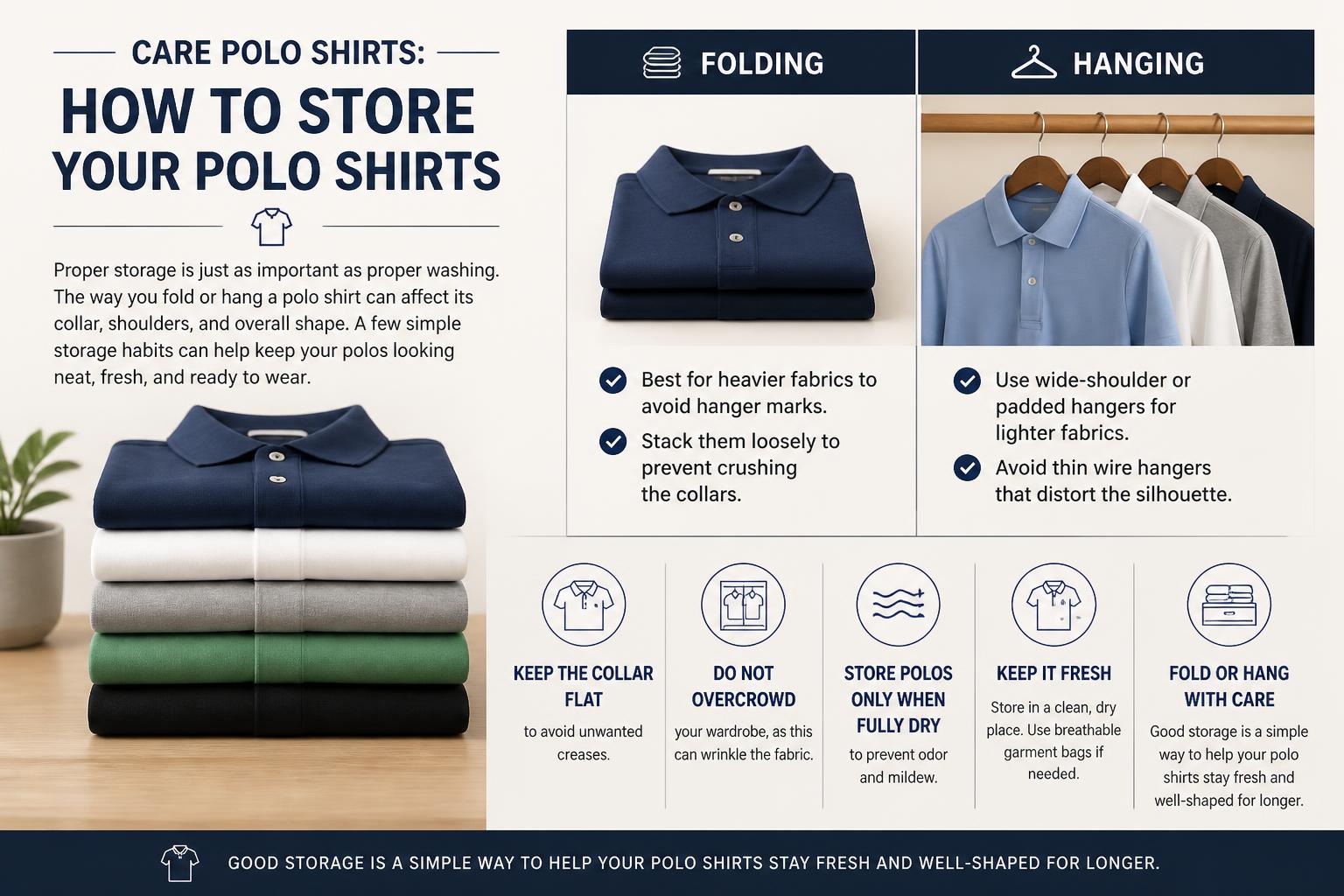
Proper storage maintains the smooth appearance and shoulder shape of the garment.
Conclusion / Final Words
Caring for polo shirts requires a simple but disciplined routine: low heat, gentle washing, and smart storage. By spending a few extra minutes on these steps, you ensure your polos stay sharp, professional, and comfortable for years to come. Whether for work or daily style, a well-maintained polo always sends the right message.