100% Cotton Fabric: Benefits, Drawbacks, and Common Uses (Pure Cotton Yarn, Naturally Soft)

Some fashion materials appear and fade away, but others become “legends” because of their durability and the sublime feel they give you, 100% cotton is one of them. Made from pure cotton yarns, 100% cotton fabric breathes nature, offering softness, coolness, and comfort in every moment of wear. It’s not just a material; it’s a promise of safety, sustainability, and a refined lifestyle.
What Is 100% Cotton Fabric?
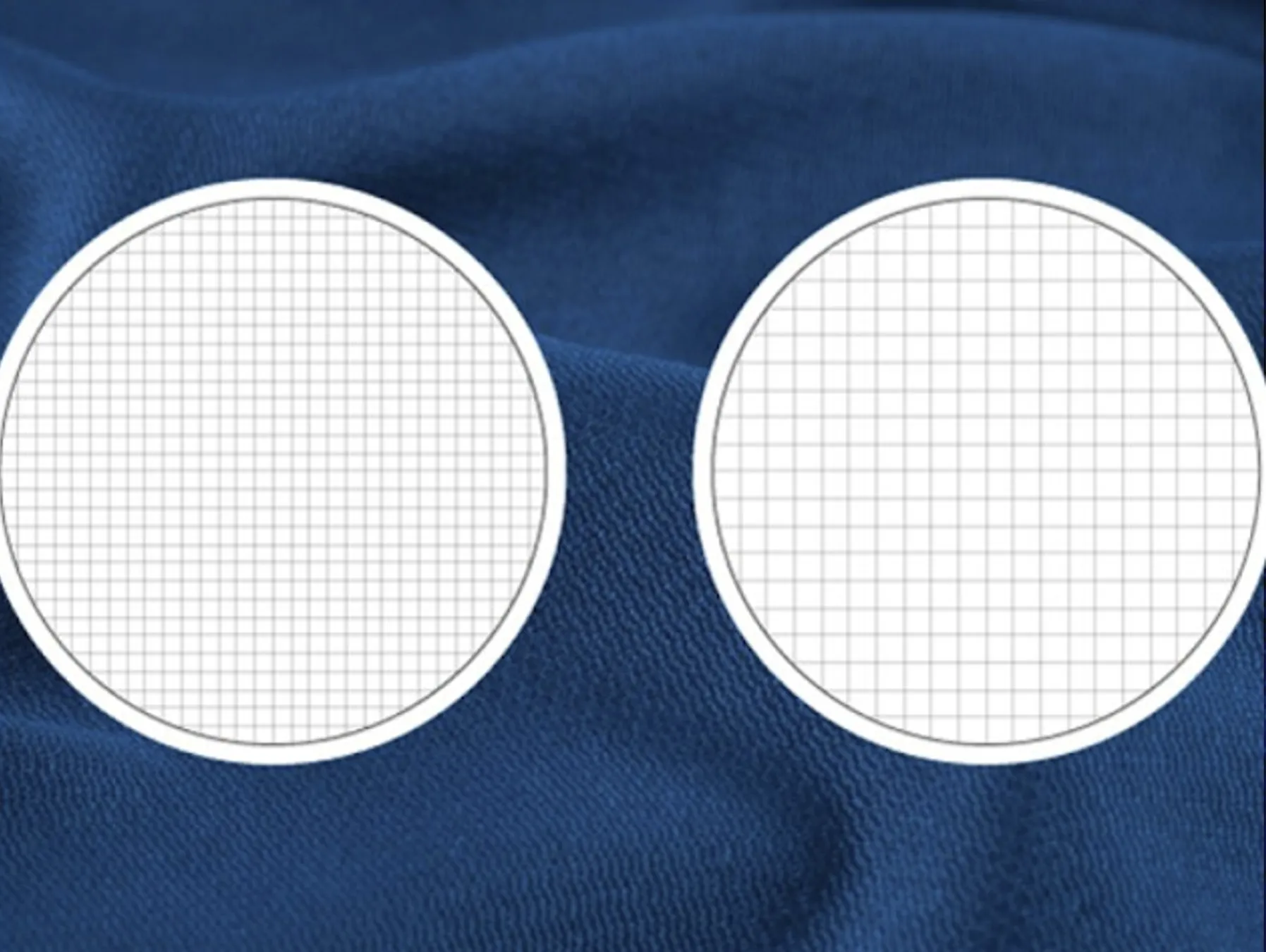
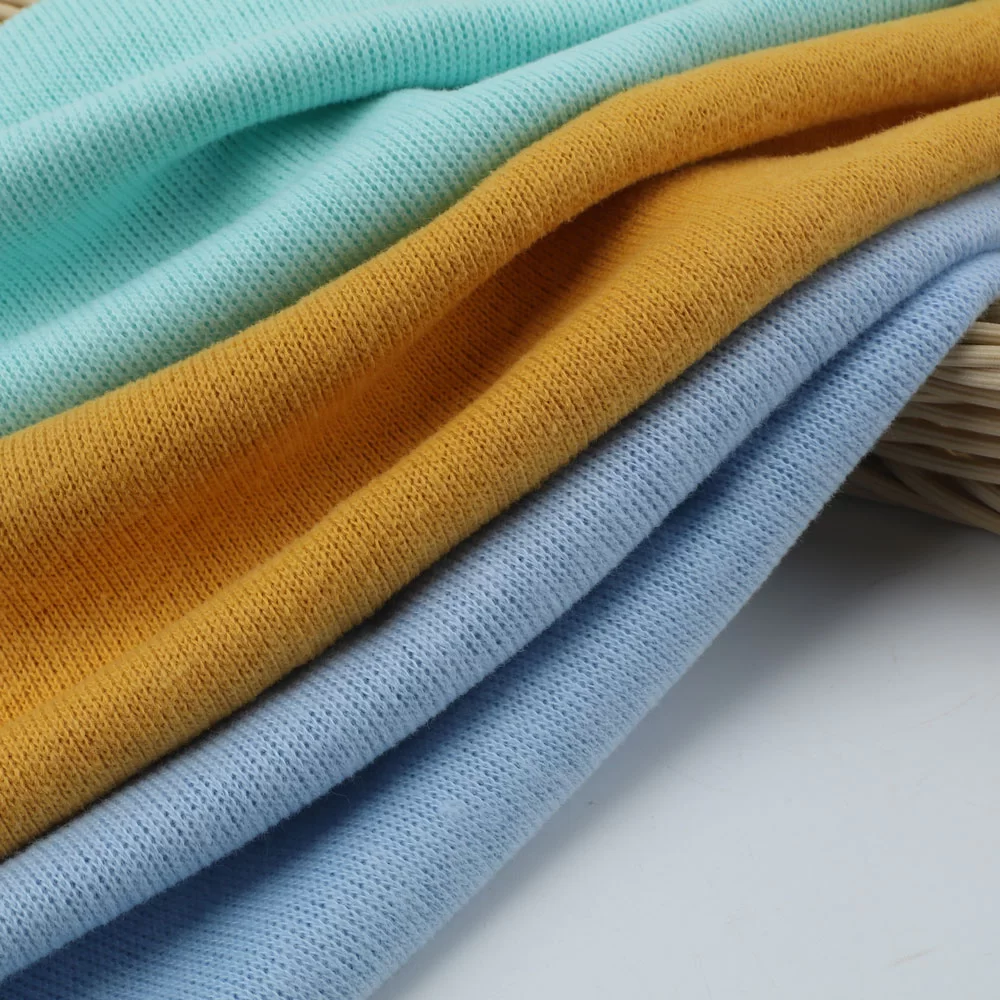
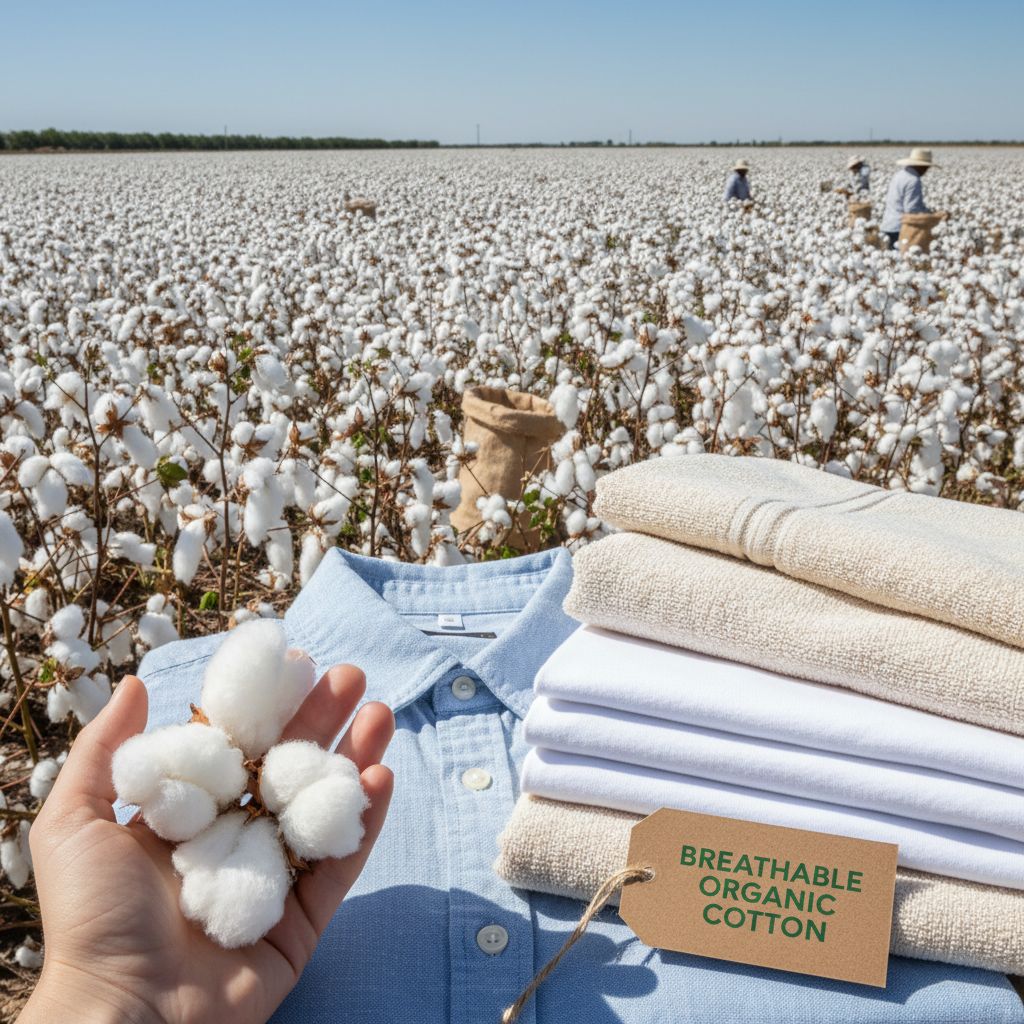
100% cotton fabric is made entirely from cotton fibers without intentionally blending polyester, viscose, nylon, or other fibers into the yarn or fabric composition. Cotton is a natural cellulose fiber obtained from the cotton plant. After harvesting, the fibers are cleaned, spun into yarn, and then knitted or woven into fabric. The term 100% cotton describes the fiber composition, but it does not tell you everything about fabric quality. Two fabrics can both be labeled 100% cotton while having very different softness, strength, weight, appearance, and performance.
=> Related Article:
- 100% Cotton Fabric: Benefits, Drawbacks,… (Pure Cotton Yarn, Naturally Soft)
- TC Fabric (Poly-Cotton): Durable and Easy to Maintain
- CVC Cotton vs 100% Cotton vs TC (Poly-Cotton)
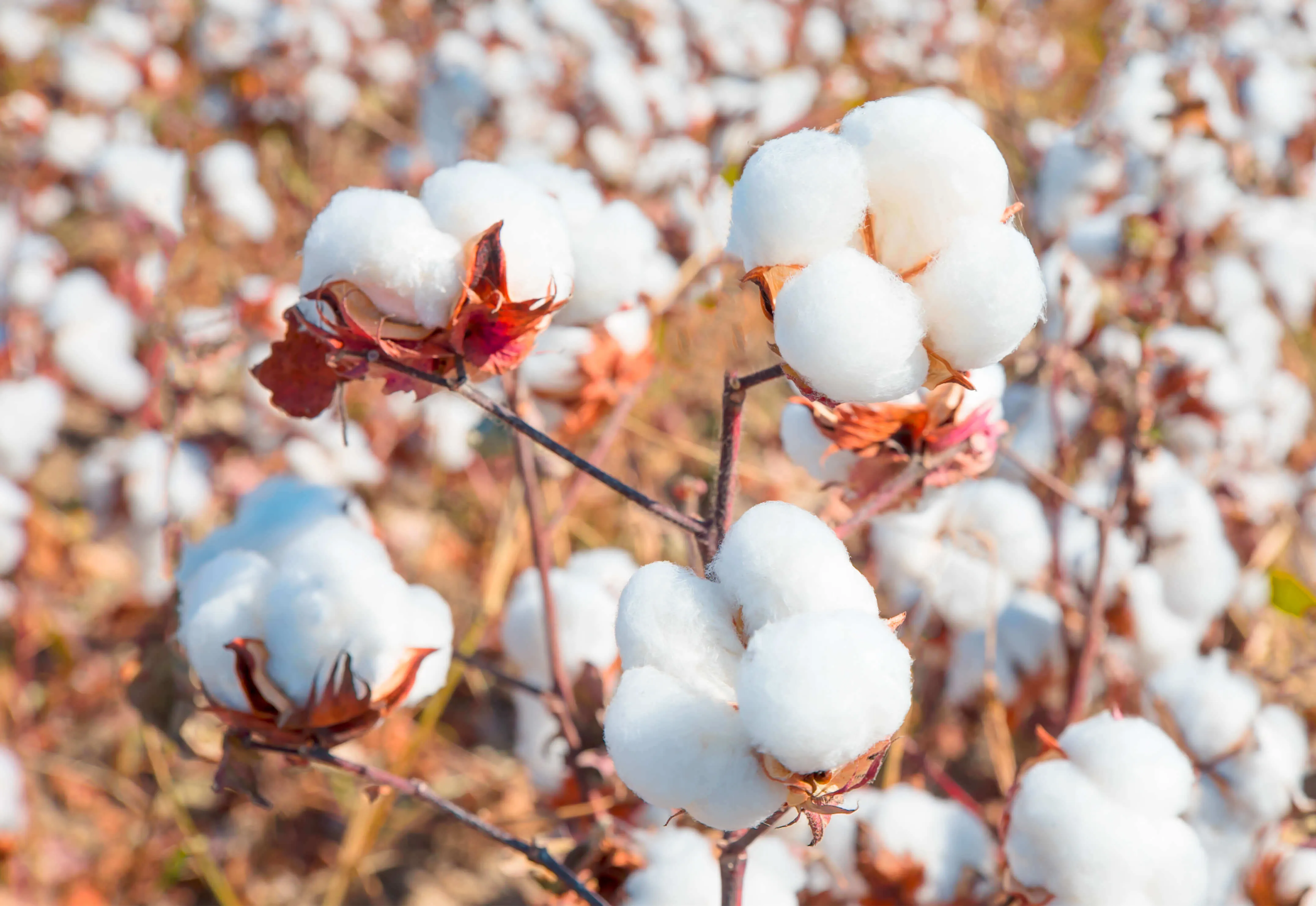
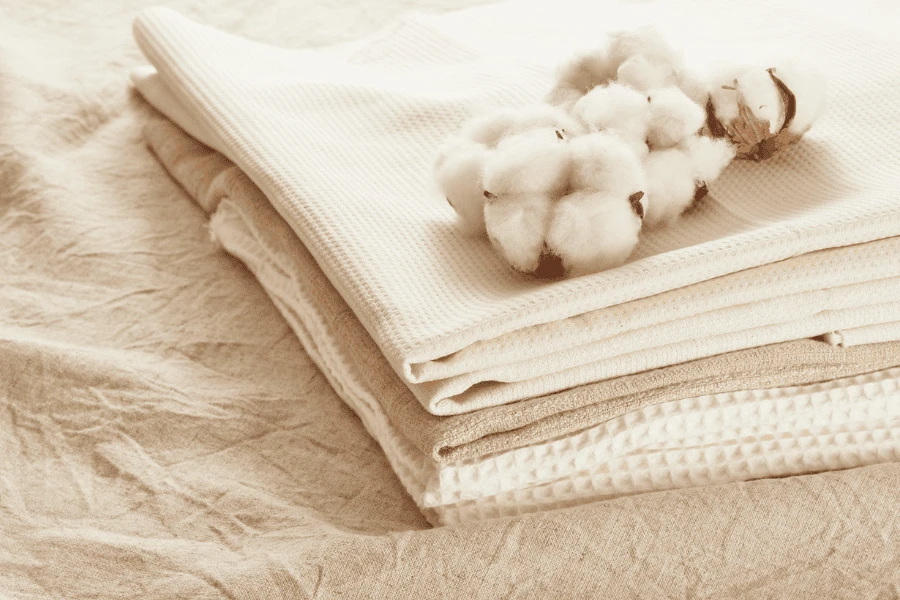
100% cotton is a fabric woven entirely from natural cotton fibers, without mixing any synthetic fibers. Because it’s purely natural, this fabric is famous for its softness, breathability, and outstanding sweat absorption. It is highly preferred in the garment industry, especially for everyday clothing, children’s wear, and underwear.
How to know that 100% Cotton Fabric:
- Soft and skin-friendly: Fine, smooth fibers are gentle even on sensitive skin.
- Highly absorbent: Absorbs moisture quickly and releases it efficiently, keeping the wearer dry.
- High durability: Sturdy natural fiber structure withstands many washes without losing shape.
- Excellent dyeing: Takes color well, providing vibrant and long-lasting hues.
- Eco-friendly: Made from natural material, it is biodegradable and causes less irritation.
=> Related Article: Cambric Cotton Fabric: The Fine, Smooth Fabric for Everyday Elegance
Is All 100% Cotton Fabric the Same?
No. This is one of the most important points for apparel buyers to understand. The fiber label only tells you the composition. Fabric performance also depends on how the cotton is selected, spun, knitted, woven, dyed, and finished. Important factors include:
- Fiber length
- Yarn count
- Yarn twist
- Combed or carded cotton
- Ring-spun or open-end spinning
- Fabric GSM
- Knit or weave structure
- Finishing process
=> Related Article: The 20 Different Types of Cotton Fabric: Most Popular and How They’re Used
Common Types of 100% Cotton Fabric
100% cotton can be manufactured into many different fabric constructions.
- Cotton Jersey: Jersey is a soft knitted fabric widely used for T-shirts and casual wear.
- Cotton Piqué: Piqué has a textured surface and is commonly used for polo shirts.
- Cotton Poplin: Poplin is a lightweight woven fabric with a smooth surface, often used for shirts and dresses.
- Cotton Twill: Twill has a diagonal weave structure and is commonly found in trousers, uniforms, jackets, and workwear.
- Cotton Fleece: Cotton fleece has a soft brushed or looped interior and is often used for sweatshirts, hoodies, and casual garments.
- Cotton Rib: Rib fabric has greater stretch than regular jersey due to its knitted structure. It is commonly used for collars, cuffs, tank tops, and fitted garments.
Advantages & Disadvantages of 100% Cotton
Understanding the strengths and limitations of cotton helps you care for it more effectively, maximizing its natural benefits.
| Advantages | Disadvantages |
|---|---|
| Softness, breathability, good absorbency | Tends to wrinkle easily |
| Skin-friendly, environmentally friendly | May shrink slightly if washed in hot water |
| Colorfast and long-lasting | Dries slower compared to synthetic fabrics |
| Easy to dye and print on | Higher cost than blended fabrics |
Advantages:
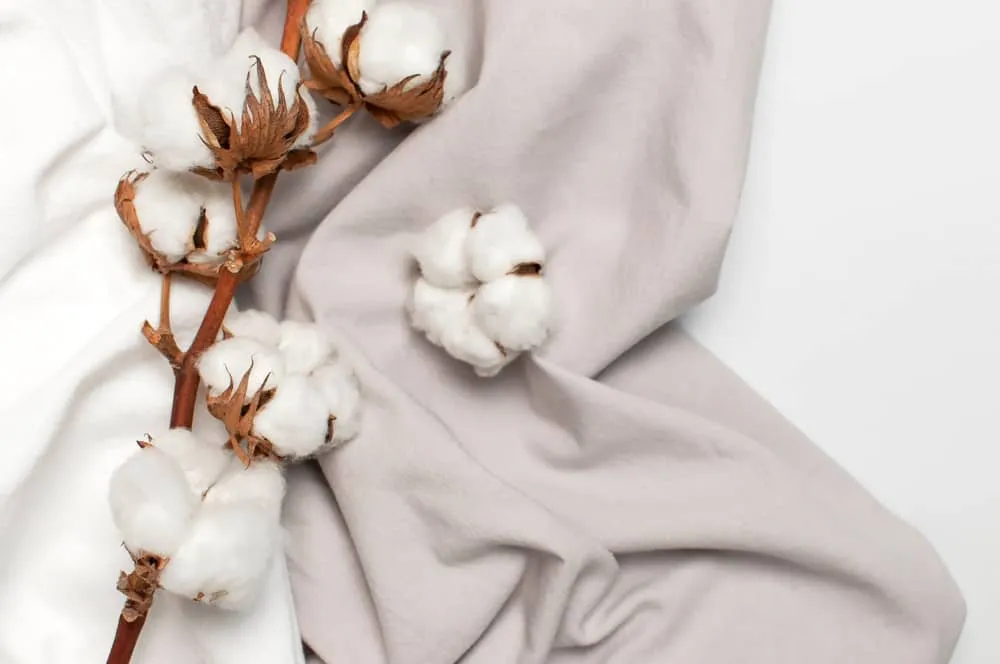
- Soft and comfortable: Cotton feels pleasant against the skin, making it suitable for everyday clothing.
- Breathable: It allows air to circulate through the fabric, which helps keep the wearer comfortable in warm weather.
- Good moisture absorption: Cotton absorbs sweat and moisture well, reducing the sticky feeling on the skin.
- Natural feel: It provides a soft and familiar hand feel that many consumers prefer.
- Easy to dye and print: Cotton works well with many dyeing and printing methods, making it versatile for apparel production.
- Wide range of uses: It can be used for T-shirts, shirts, dresses, underwear, children’s wear, sleepwear, and home textiles.
Disadvantages:
- Wrinkles easily: Cotton usually creases more than polyester and other synthetic fabrics.
- May shrink: High washing or drying temperatures can cause cotton garments to shrink.
- Dries slowly: Because cotton absorbs and holds moisture, it normally takes longer to dry than synthetic fabrics.
- Can lose shape: Some cotton garments may stretch or become distorted if the fabric construction or finishing is not well controlled.
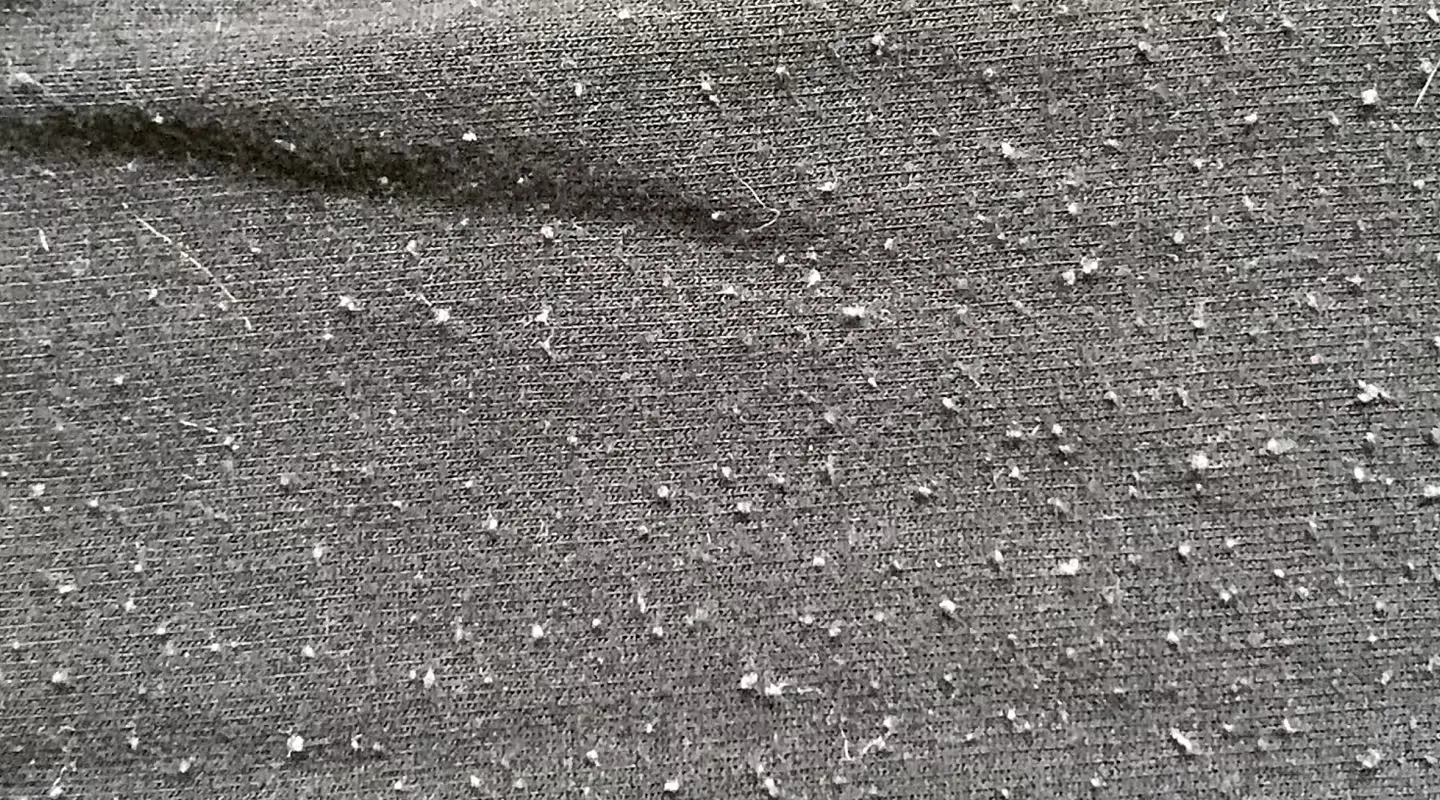
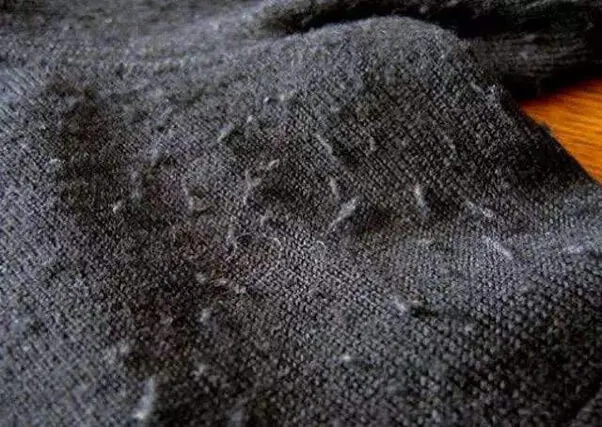
- Can pill: Cotton made from short fibers or loose yarn structures may develop pilling over time.
- Can be more expensive: Higher-quality 100% cotton fabrics may cost more than basic cotton-polyester blends.
Applications & Uses
Thanks to its flexibility, 100% cotton finds wide application in many areas, meeting high health and safety criteria:
- Everyday clothing: T-shirts, shirts, shorts, and dresses.
- Children & infants’ wear: Safe, soft, and non-irritating for delicate skin.
- Underwear & sleepwear: Provides maximum comfort and breathability.
- Home textiles: Bed sheets, pillowcases, and high-quality towels.
T-Shirts
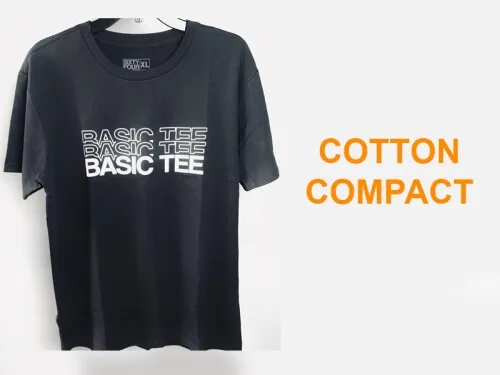
100% cotton is one of the most popular materials for T-shirts. Cotton jersey provides a soft hand feel, natural breathability, and enough mechanical stretch for comfortable everyday wear. Lightweight cotton jersey is commonly used for basic and summer T-shirts, while heavier cotton jersey is often selected for premium, oversized, or streetwear styles. Combed and ring-spun cotton can also create a smoother and more refined surface for higher-quality products. Cotton is also well suited to screen printing, embroidery, pigment printing, and garment dyeing, which makes it highly flexible for fashion brands and private-label T-shirt production.
=> Related Article: Cotton Tee Fabrics: Types, GSM, From Basic to Premium T Shirts For Brands

Cotton jersey is one of the most common fabrics for everyday and premium T-shirts.
Shirts
Woven cotton fabrics are widely used for both casual and formal shirts. Popular constructions include poplin, oxford, twill, dobby, and chambray. Cotton poplin creates a smooth, lightweight surface that works well for business and dress shirts, while oxford fabric has a slightly heavier and more textured appearance that is popular in casual shirts. Cotton twill can provide more structure and durability, making it suitable for casual overshirts, uniforms, and work shirts. Because cotton absorbs moisture and feels comfortable against the skin, it remains a preferred choice for shirts designed for long periods of wear.
=> Related Article: How to Know How Much Cotton Is in a Fabric

Cotton poplin, oxford, twill, and other woven constructions are widely used for casual and formal shirts.
Dresses and Skirts
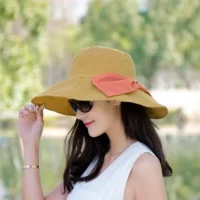
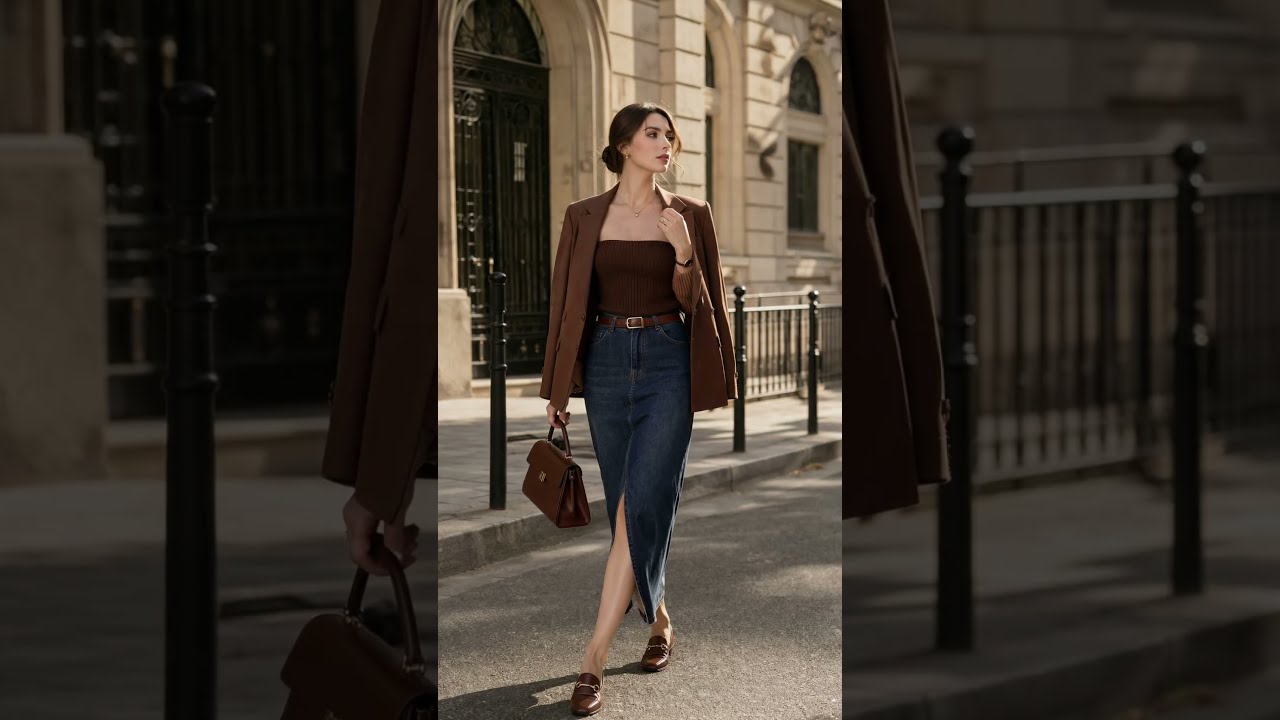
100% cotton is commonly used in dresses and skirts, especially for spring and summer collections. Lightweight cotton fabrics can provide a cool, comfortable feel while maintaining a natural appearance. Depending on the style, manufacturers may use cotton poplin, voile, lawn, jersey, twill, or other constructions. Lightweight woven cotton works well for relaxed dresses and flowing skirts, while heavier fabrics provide more structure for A-line skirts, shirt dresses, and utility-inspired designs. Cotton can also be dyed and printed easily, making it suitable for floral patterns, checks, stripes, and seasonal fashion collections.

Lightweight woven and knitted cotton fabrics are common in warm-weather fashion.
Children’s Clothing
Cotton is widely used for children’s and baby clothing because it offers a soft and comfortable feel against the skin. It is commonly selected for T-shirts, bodysuits, pajamas, dresses, shorts, and basic everyday garments. Breathability is especially useful for children who move frequently and may become warm during daily activities. Cotton also absorbs moisture effectively, helping reduce the uncomfortable feeling of sweat on the skin. For children’s products, manufacturers should also pay close attention to fabric softness, colorfastness, shrinkage, chemical safety, and wash durability, since these garments are usually washed frequently.

Cotton is widely used in children’s garments due to its comfort and familiar skin feel.
Underwear
100% cotton is a common material for underwear because it combines softness, breathability, and moisture absorption. These properties are particularly important for garments worn directly against the skin for long periods. Cotton jersey and rib fabrics are frequently used for briefs, undershirts, camisoles, and other basic undergarments. Rib knit provides more natural stretch, while fine cotton jersey offers a smoother surface. However, some underwear products use a small percentage of elastane for better stretch and shape recovery. In those cases, the fabric is no longer technically 100% cotton, even if cotton remains the main fiber.
Hoodies and Sweatshirts
Heavier 100% cotton fabrics such as French terry and fleece are commonly used for hoodies, sweatshirts, joggers, and casual sets. French terry typically has a smooth outer surface and looped interior, making it suitable for medium-weight casualwear. Brushed cotton fleece has a softer and warmer inner surface, which is more appropriate for cooler weather. Heavyweight cotton fabrics are also popular in streetwear because they create a more substantial hand feel and structured silhouette. The GSM, knitting construction, and finishing process strongly influence the thickness, softness, and drape of the final garment.
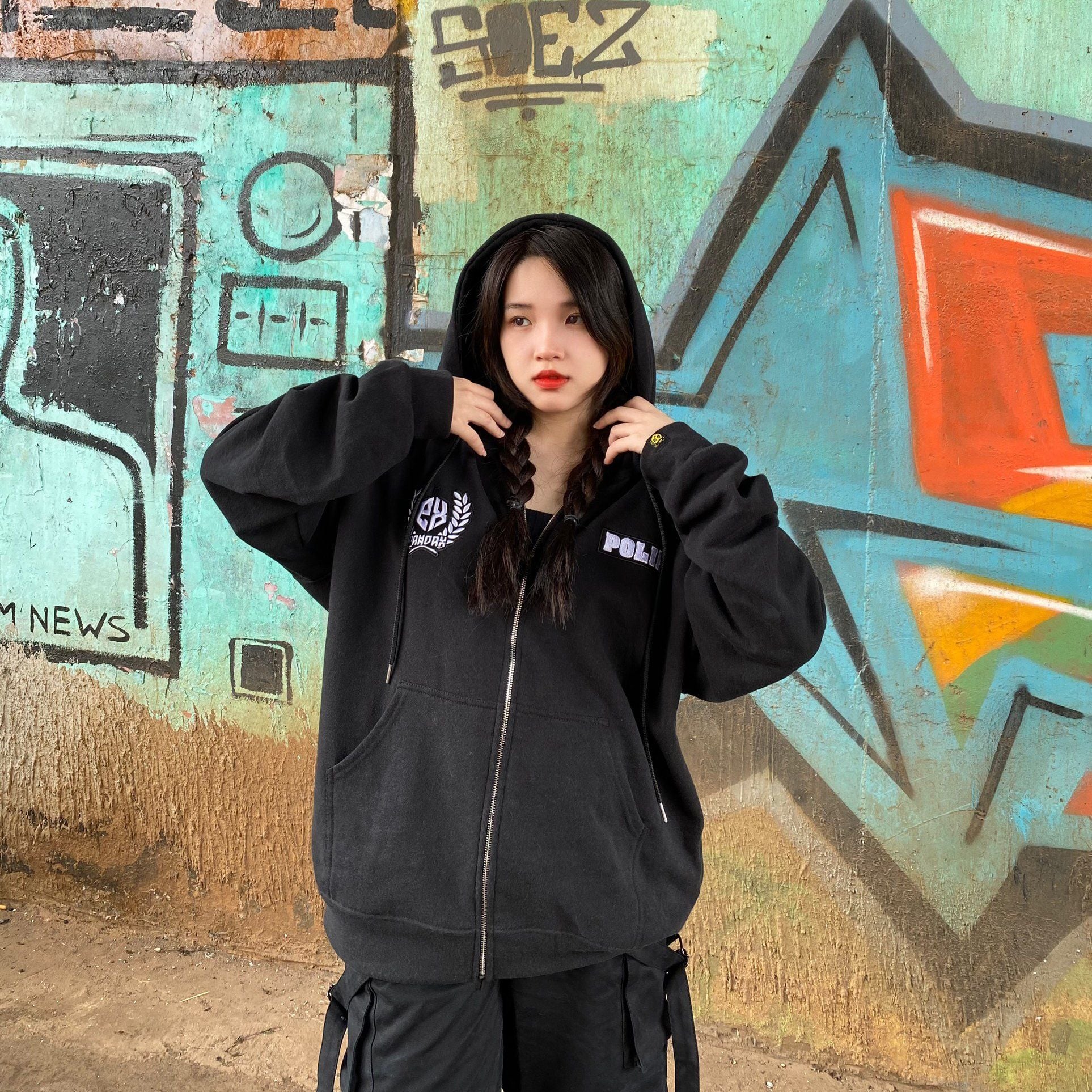
French terry and fleece constructions are common in casualwear and streetwear.
Uniforms and Workwear
100% cotton can also be used for uniforms and workwear, particularly when comfort and breathability are important. Heavier cotton twill, drill, canvas, and other woven constructions provide more structure and abrasion resistance than lightweight cotton fabrics. These materials may be used for work shirts, trousers, jackets, aprons, and utility garments. Pure cotton can be comfortable in warm working environments because it absorbs moisture well. However, some industrial uniforms use cotton-polyester blends instead because blended fabrics can offer better wrinkle resistance, faster drying, and shape retention.
=> Related Article: Which Cotton Fabrics Best Suited for Heavy‑Duty Items and Workwear

Heavier cotton twills and woven constructions can be used where structure and durability are important.
Home Textiles
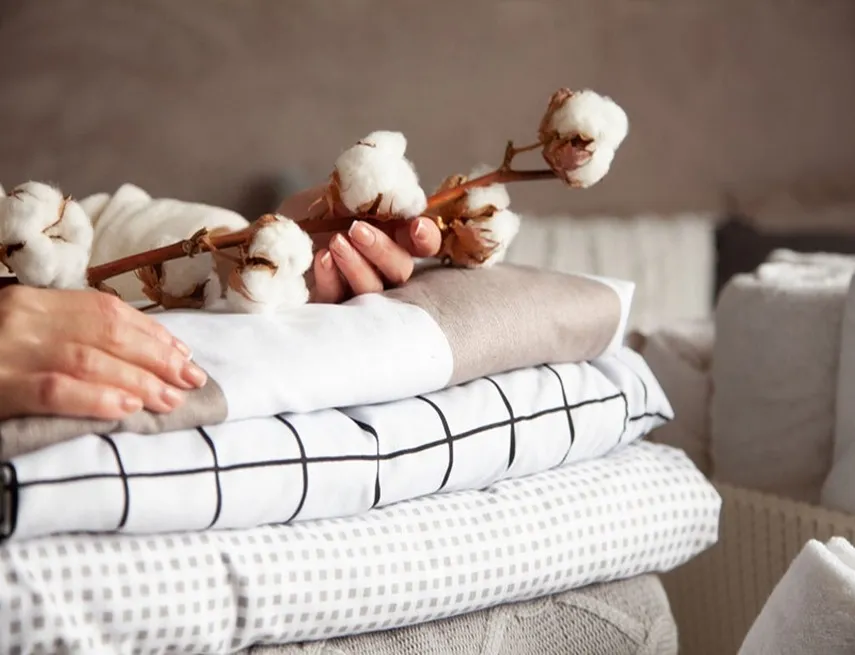
Cotton is also one of the most important fibers used outside apparel. Its softness, absorbency, washability, and versatility make it suitable for many home textile products. Common applications include: Bed sheets, Pillowcases, Duvet covers, Towels, Blankets, Tablecloths, Kitchen towels, Curtains,… Different constructions are selected for different purposes. Cotton terry is commonly used for towels because of its absorbency, while tightly woven cotton fabrics are widely used for bedding because they provide a smooth and comfortable surface.
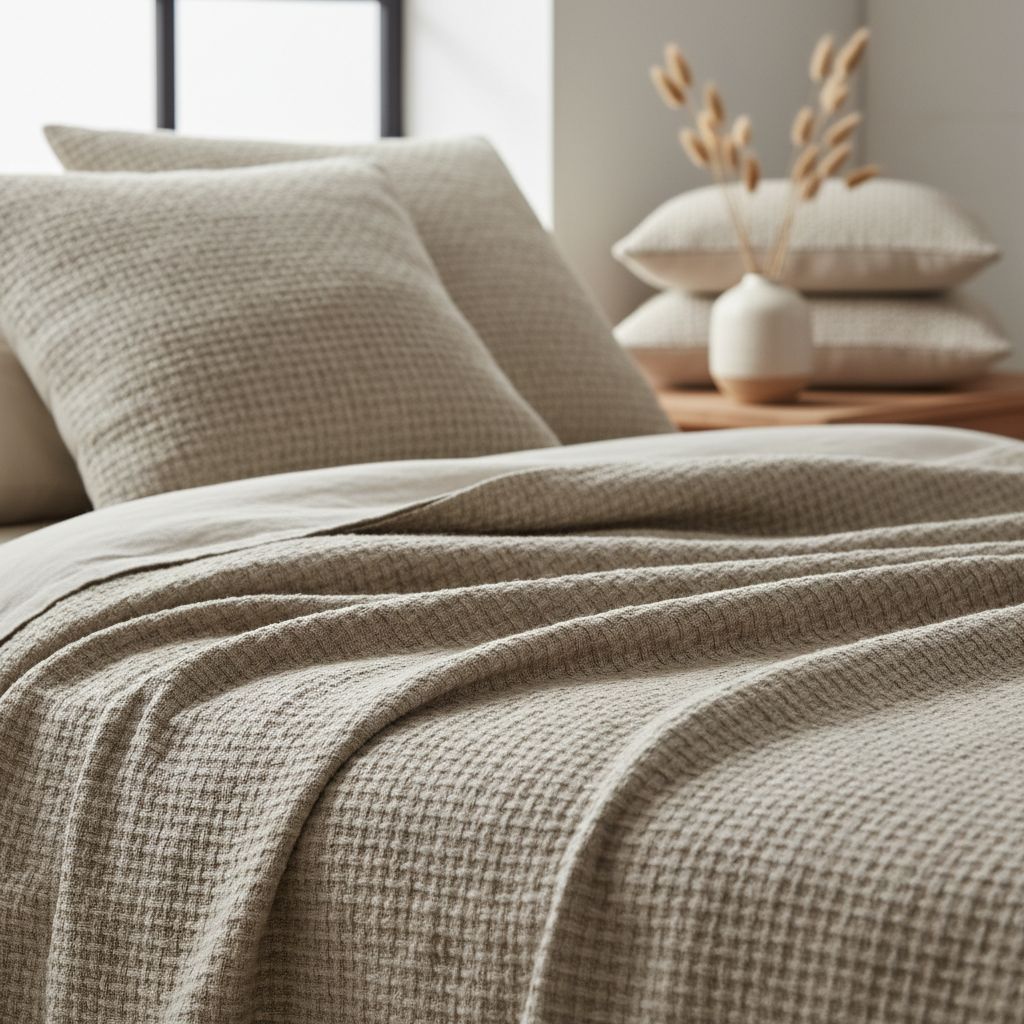
Cotton is also used in towels, bedsheets, pillowcases, blankets, and other household products.
Does 100% Cotton Pill?
Yes, 100% cotton can pill. Pilling depends more on fiber quality and fabric construction than the cotton label itself. Cotton fabrics are more likely to pill when they use:
- Short-staple fibers
- Low-twist yarns
- Loose knit structures
- Brushed surfaces
Higher-quality cotton made with longer fibers and smoother yarns generally shows better surface performance.
=> Read More:
- Do Cotton Blends Pill More Than Pure Cotton?
- Does Cotton Fabric Tend to Pill or Not? Causes, Prevention, and Fabric Quality

How to Care for 100% Cotton Fabric
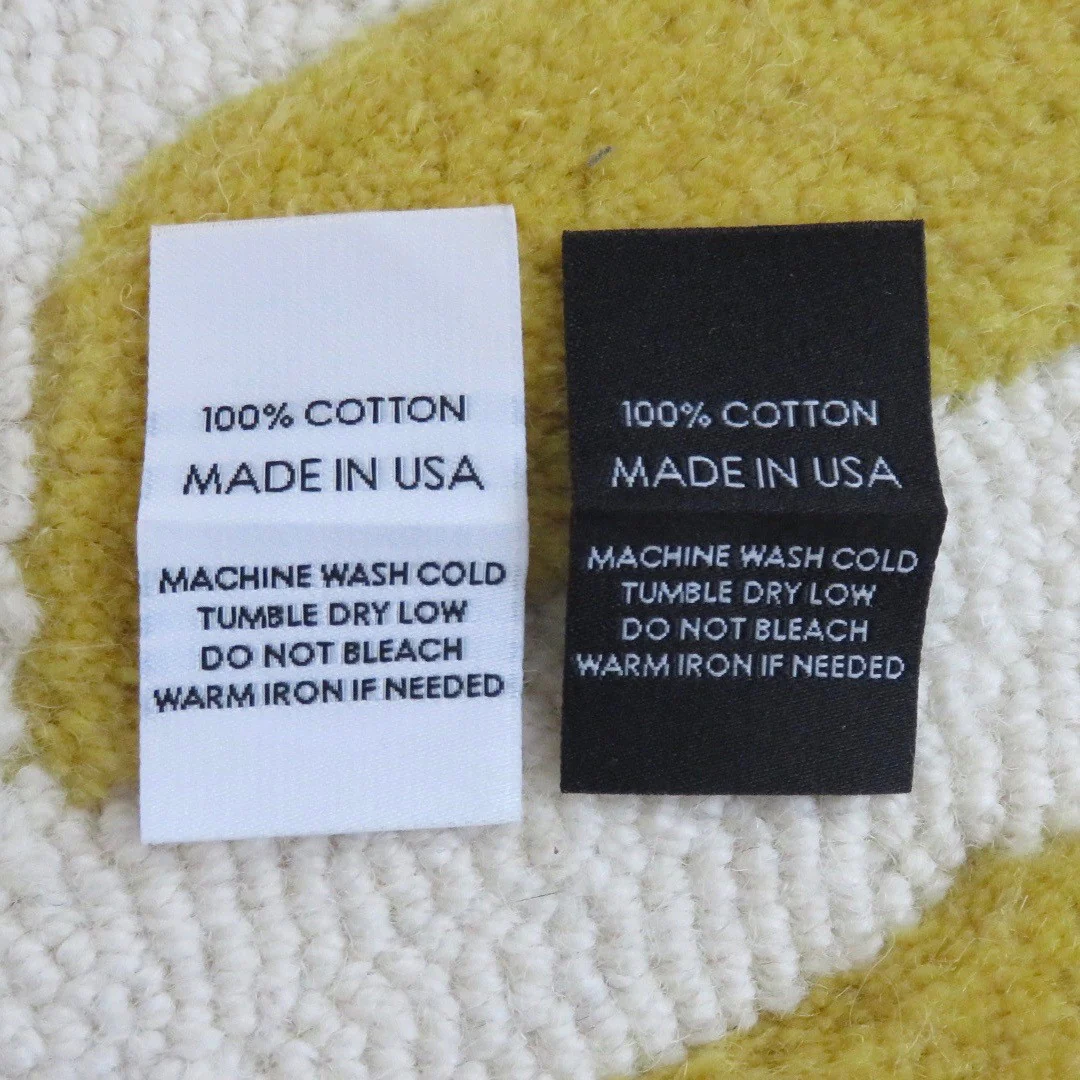
Although durable, 100% cotton needs proper care to retain its beauty over time. Proper washing and drying make a significant difference:
- Wash at temperatures below 40 °C to prevent shrinkage.
- Use mild detergents and avoid strong bleaching agents.
- Dry in the shade to avoid direct sunlight, which can fade colors.
- Iron at medium to high temperatures while the fabric is slightly damp.
Conclusion / Final Words
100% cotton remains one of the most important materials in apparel manufacturing because it offers softness, breathability, moisture absorption, versatility, and a natural hand feel. However, the label “100% cotton” alone does not determine quality. Fiber length, yarn spinning, fabric construction, GSM, finishing, shrinkage control, and dyeing all influence the final performance of a garment. For clothing brands and sourcing teams, the best approach is to evaluate cotton based on the needs of the final product rather than composition alone. A well-engineered cotton fabric can provide excellent comfort, appearance, and durability across a wide range of apparel categories.
FAQs About 100% Cotton Fabric
In Short, What does 100% cotton fabric mean?
100% cotton fabric is made entirely from natural cotton fibers, with no synthetic materials mixed in. This gives the fabric a soft, natural feel that people enjoy wearing every day. Because it comes straight from cotton plants, the fabric is breathable and gentle on the skin. It is one of the most trusted materials in clothing and home textiles.
Is 100% cotton fabric good for sensitive skin?
Yes, 100% cotton is a safe and gentle choice for people with sensitive skin. Its fibers are soft and smooth, so they do not cause irritation or discomfort. Pure cotton also allows the skin to breathe, which helps reduce sweat and heat buildup. For this reason, it is often used for baby clothes, underwear, and everyday wear.
Why is 100% cotton fabric so popular?
Pure cotton is popular because it offers a mix of comfort, softness, and breathability that most people love. It keeps you cool in hot weather by absorbing sweat and letting air flow naturally. Cotton is also strong enough to handle frequent washing without losing its shape or color. This balance of comfort and durability makes it a top choice for clothing and home goods.
Does 100% cotton shrink?
Yes, cotton can shrink slightly, especially during the first few washes. This usually happens when the fabric is washed in hot water or dried at high heat. To reduce shrinkage, it’s best to wash cotton at 40°C or below and let it air-dry. Following these care steps keeps the fabric in good shape for a long time.
Does 100% cotton wrinkle easily?
Cotton tends to wrinkle because it is a natural fiber without elasticity. When the fabric bends or folds, it holds those lines until you smooth them out. A quick iron or a steam pass can remove wrinkles fast. Many people still love cotton despite this, because the comfort outweighs the small extra care.
Is 100% cotton breathable?
Yes, cotton is one of the most breathable fabrics available. It allows heat and moisture to escape, keeping your body cool and comfortable throughout the day. This makes it ideal for warm climates and active wear. Because it absorbs sweat well, it also helps reduce stickiness and discomfort.
What is 100% cotton fabric used for?
Cotton is used in many everyday products because of its softness and comfort. It is perfect for T-shirts, shirts, dresses, and casual wear. People also love it for baby clothing, bedding, and towels, where skin comfort is important. Its versatility makes it useful in both fashion and home textiles.