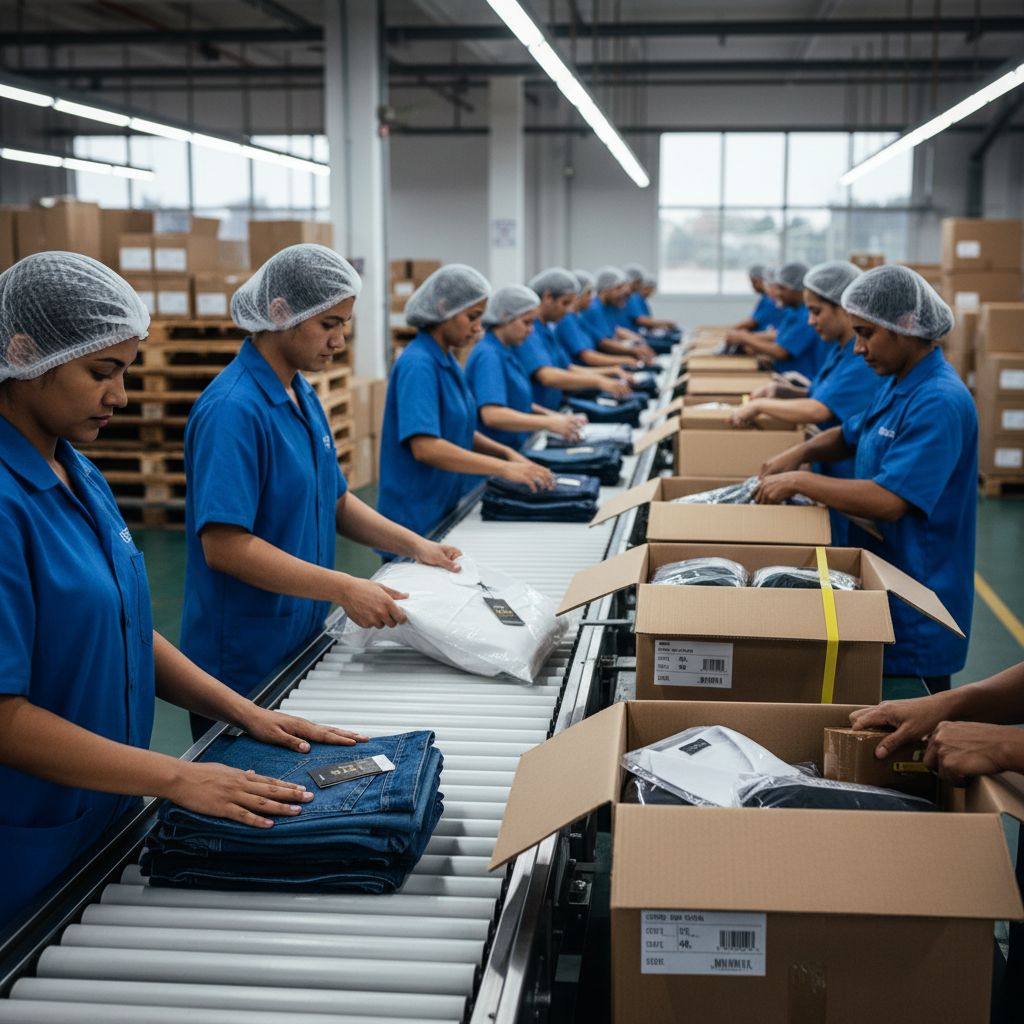
Poly Bag Material Estimation for Apparel Orders

Accurate material planning is essential in garment manufacturing, and packaging materials are no exception. While fabric, trims, and accessories receive most of the attention during costing, poly bags are often overlooked despite being required for every finished garment. Even a small error in poly bag estimation can affect purchasing, production scheduling, inventory control, and overall packaging costs. For merchandisers, sourcing teams, and production planners, knowing how to calculate poly bag consumption is a fundamental skill.
In this guide, we’ll explain what poly bag consumption means, introduce the standard estimation formula used in the apparel industry, walk through a practical calculation example, and highlight common mistakes to avoid.
Poly bag consumption is a small detail that can create big problems in garment costing if calculated incorrectly.
What Is Poly Bag Consumption?
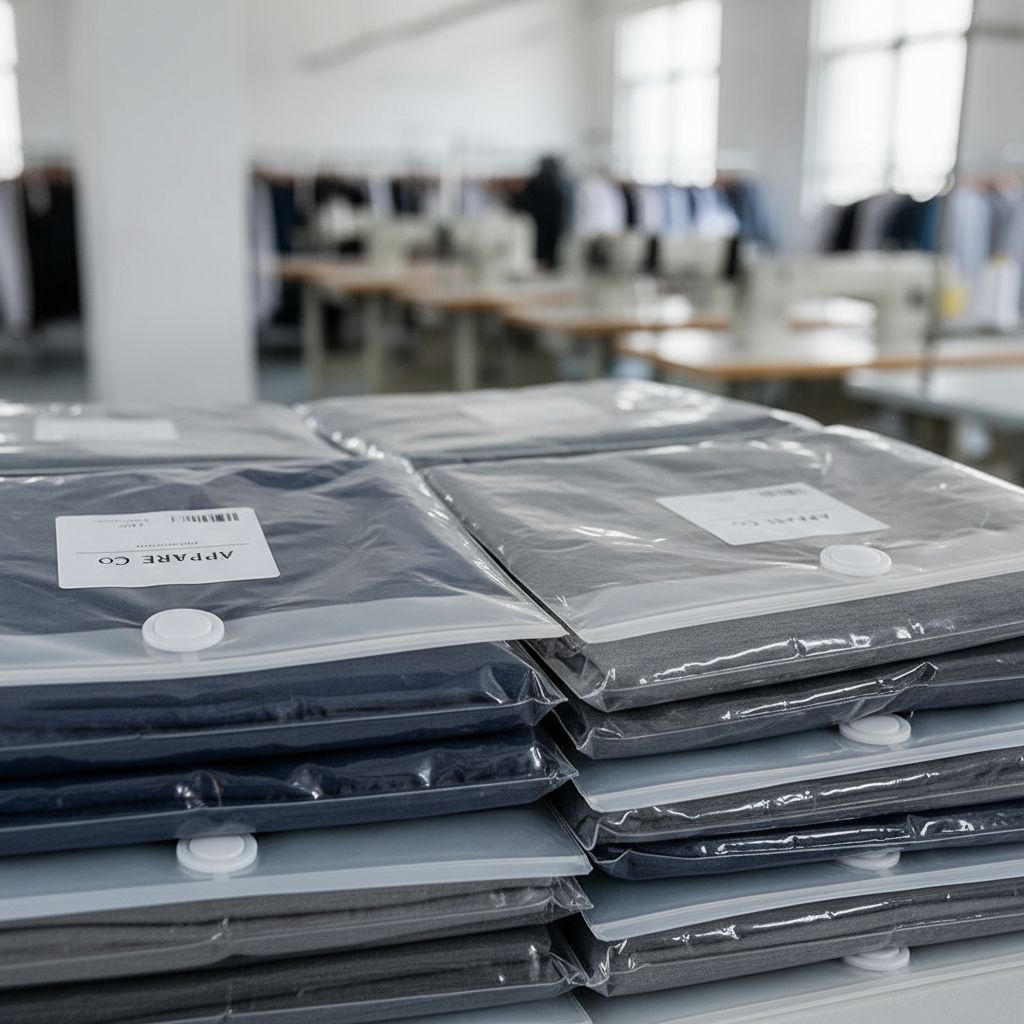
Poly bag consumption refers to the amount of plastic material required to manufacture the poly bags needed for a garment order. It is usually expressed as the weight of material required for every 1,000 poly bags, making it easier to estimate purchasing quantities for large production orders.
This calculation helps manufacturers:
- Estimate packaging costs.
- Plan raw material purchasing.
- Avoid packaging shortages.
- Improve production budgeting.
- Support accurate order costing.
Although each individual poly bag weighs very little, the total material required can become significant when producing thousands of garments.
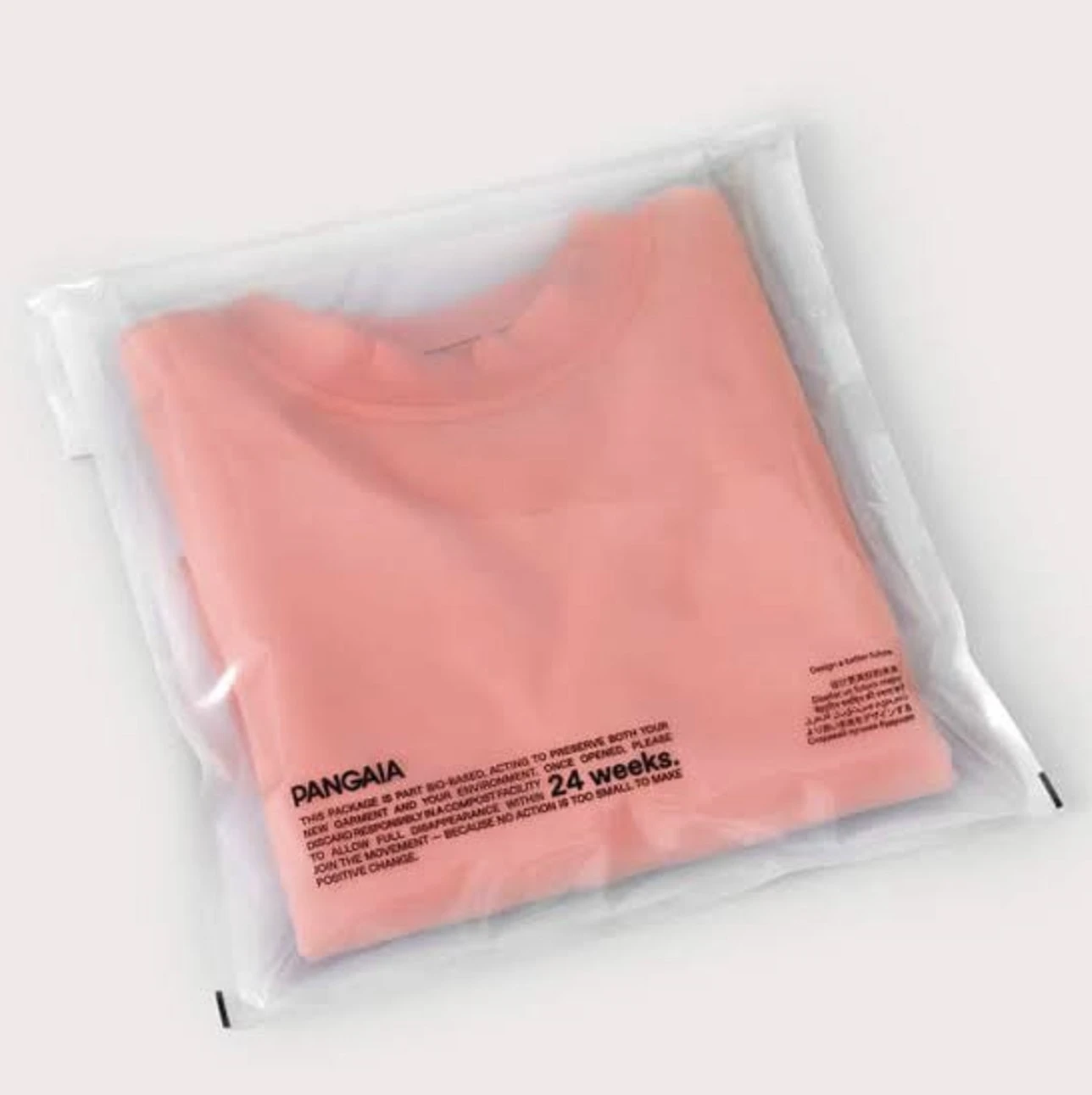

Poly bag consumption refers to the total raw material (usually polymer like LDPE) needed to produce bags for a specific order, typically calculated in kilograms per 1,000 pieces. This calculation helps sourcing teams avoid shortages during finishing and improve overall order budgeting.
Why Is Poly Bag Consumption Important?
Every finished garment requires appropriate packaging before shipment. Underestimating poly bag requirements may delay packing, while overestimating increases inventory and unnecessary costs. Accurate consumption calculations help ensure:
- Efficient purchasing.
- Reliable production planning.
- Accurate costing.
- Better inventory management.
- Smoother shipment preparation.
For export orders, even small packaging shortages can interrupt the final packing process and delay delivery schedules.
The Poly Bag Consumption Formula
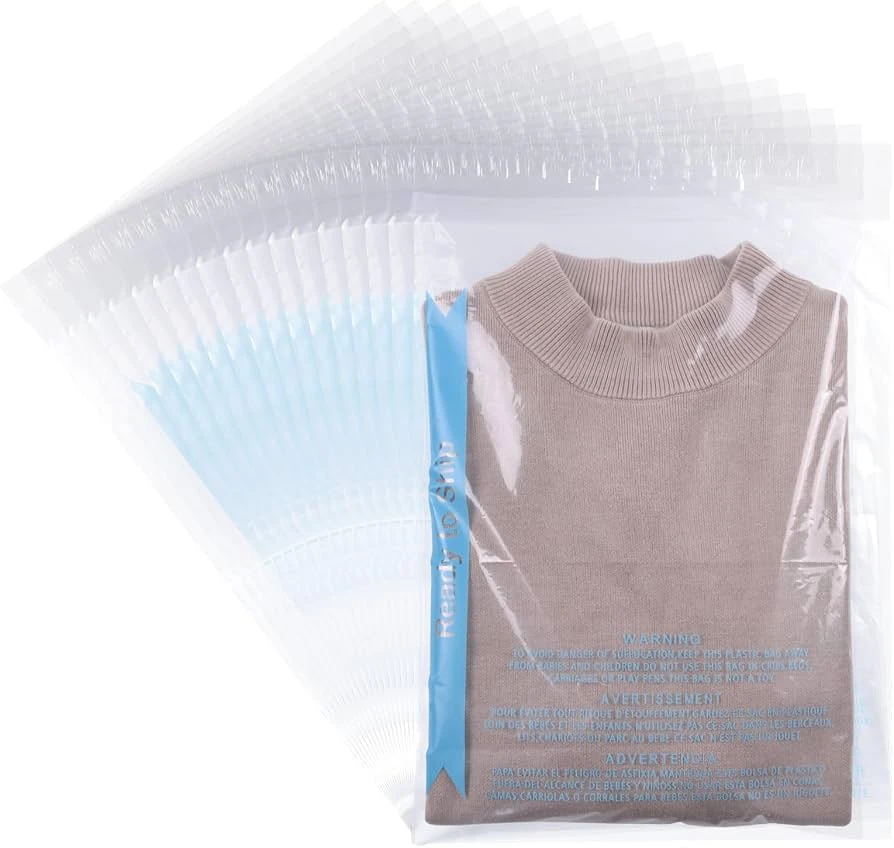
The standard quick formula used in garment merchandising for estimation is: Poly bag consumption (kg/1,000 pcs) = ((Length + ½ flap) × Width × Thickness) / 3300
Key Factors in the Formula:
- Length & Width: Measured in inches.
- Thickness: Measured in Gauge.
- ½ Flap: Added to the length for bags with sealing flaps.
- 3300: The industry constant used to convert these dimensions into kilograms for 1,000 units.
Worked Example: 10,000 Pieces Order
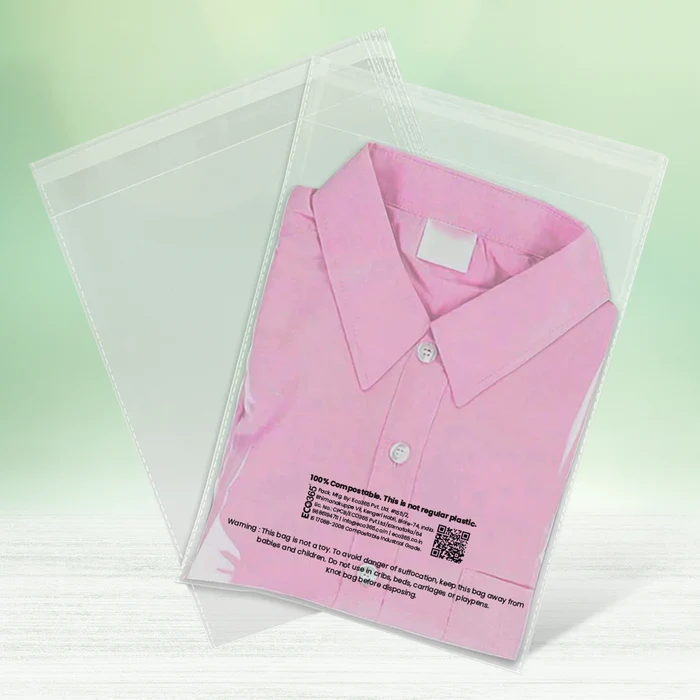
Suppose your poly bag specification is: Length (30″), Width (25″), Thickness (160 Gauge), and Half Flap (3″).
- Step 1: ((30 + 3) × 25 × 160) / 3300
- Step 2: (33 × 25 × 160) / 3300 = 132000 / 3300
- Result: 40 kg per 1,000 pieces.
For an order of 10,000 pieces, you will need 400 kg of raw material.
| Item Details | Value |
|---|---|
| Poly bag length + Half flap | 33 inches |
| Poly bag width | 25 inches |
| Thickness | 160 gauge |
| Consumption per 1,000 pcs | 40 kg |
Should You Include Wastage?
Yes. Most garment factories include an additional allowance for packaging losses during production. A typical wastage allowance ranges from:
- 2% for well-controlled production.
- 3–5% for normal manufacturing conditions.
Including a small safety margin helps avoid packaging shortages during the final packing process.
Factors That Affect Poly Bag Consumption
Although the formula provides a useful estimate, several practical factors can influence actual consumption.
- Bag Size: Larger garments require larger bags, increasing material usage.
- Bag Thickness: Higher gauge bags contain more plastic material and therefore weigh more.
- Material Type: Different materials such as LDPE, LLDPE, PP, and HDPE have different densities and physical properties. Actual supplier specifications may vary slightly from theoretical calculations.
- Packing Method: Single-piece packing and multi-piece bulk packing require different quantities and bag sizes.
- Buyer Requirements – Additional features may increase material usage, including: Self-adhesive flaps, Gussets, Zip-lock closures, Vent holes, Printed artwork.
Common Mistakes Need To Avoid When Calculating Poly Bag Consumption
To ensure accuracy, merchandisers must avoid:
- Forgetting to add the half flap to the total length.
- Using the wrong units (e.g., mixing centimeters and inches).
- Ignoring material density differences between LDPE and HDPE.
- Failing to account for a 2-5% wastage allowance for packing loss.
Conclusion / Final Words
Calculating poly bag consumption is a basic yet essential part of garment merchandising. Although poly bags represent only a small portion of the total production cost, inaccurate estimates can lead to purchasing errors, packaging shortages, unnecessary inventory, and shipment delays. Using the standard industry formula provides a fast and practical method for estimating material requirements during order planning. However, successful production also requires confirming actual bag specifications, material type, supplier data, and packaging requirements before bulk purchasing. By combining accurate calculations with careful planning, garment manufacturers can improve costing accuracy, streamline packaging operations, and ensure every finished product reaches the customer safely and professionally.