CVC Cotton vs 100% Cotton vs TC (Poly-Cotton): Balancing Comfort, Durability, and Care

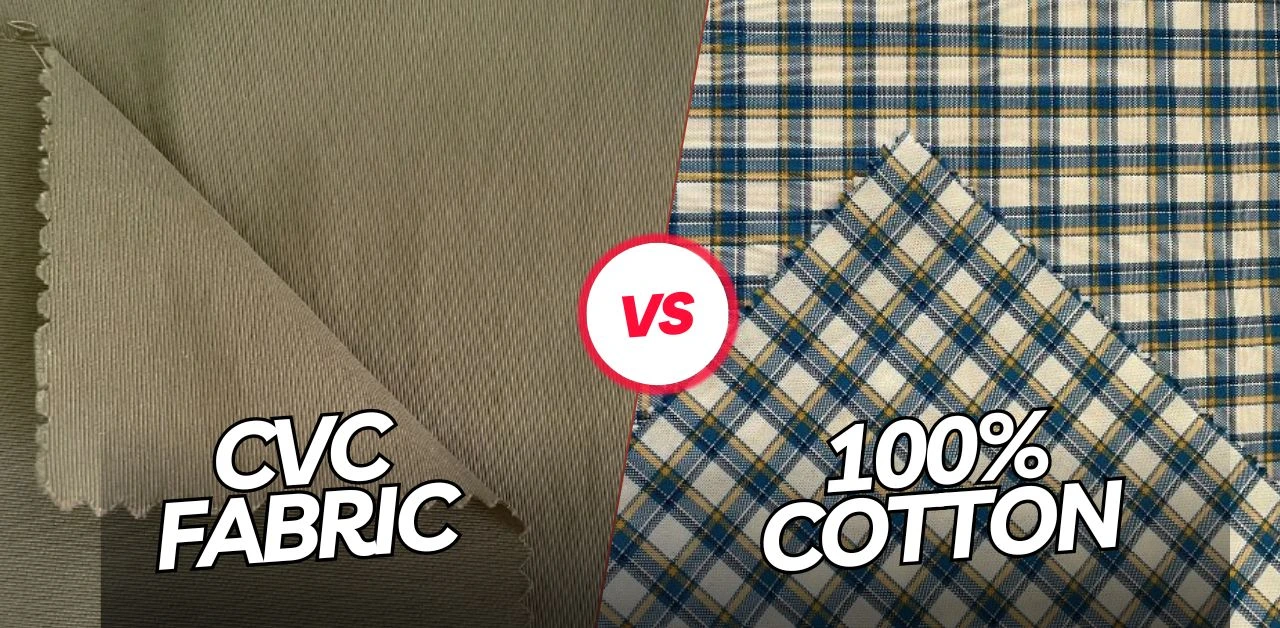
Understanding how CVC, 100% cotton, and TC differ is essential for picking the best fabric for your garments. CVC blends deliver a balance of comfort and durability, 100% cotton offers superior breathability and softness, while TC (poly-cotton) provides excellent wrinkle resistance and easy care. This guide explores how each affects fit, longevity, and laundering for your manufacturing or retail decisions.
Quick Choice Guide:
| Priority | Best Starting Choice | Why |
|---|---|---|
| Natural hand feel | 100% Cotton | No polyester content and strong cotton character |
| Balanced comfort and easy care | CVC | Cotton-dominant blend with added polyester performance |
| Wrinkle resistance | TC | Higher polyester content generally improves crease recovery |
| Fast drying | TC | Polyester absorbs much less moisture than cotton |
| Uniforms and frequent washing | CVC or TC | Better dimensional stability and easy-care performance |
| Premium cotton-focused apparel | 100% Cotton | Suitable when cotton character is a major product feature |
About CVC, 100% Cotton, and TC Fabrics
CVC Cotton: The Perfect Middle Ground
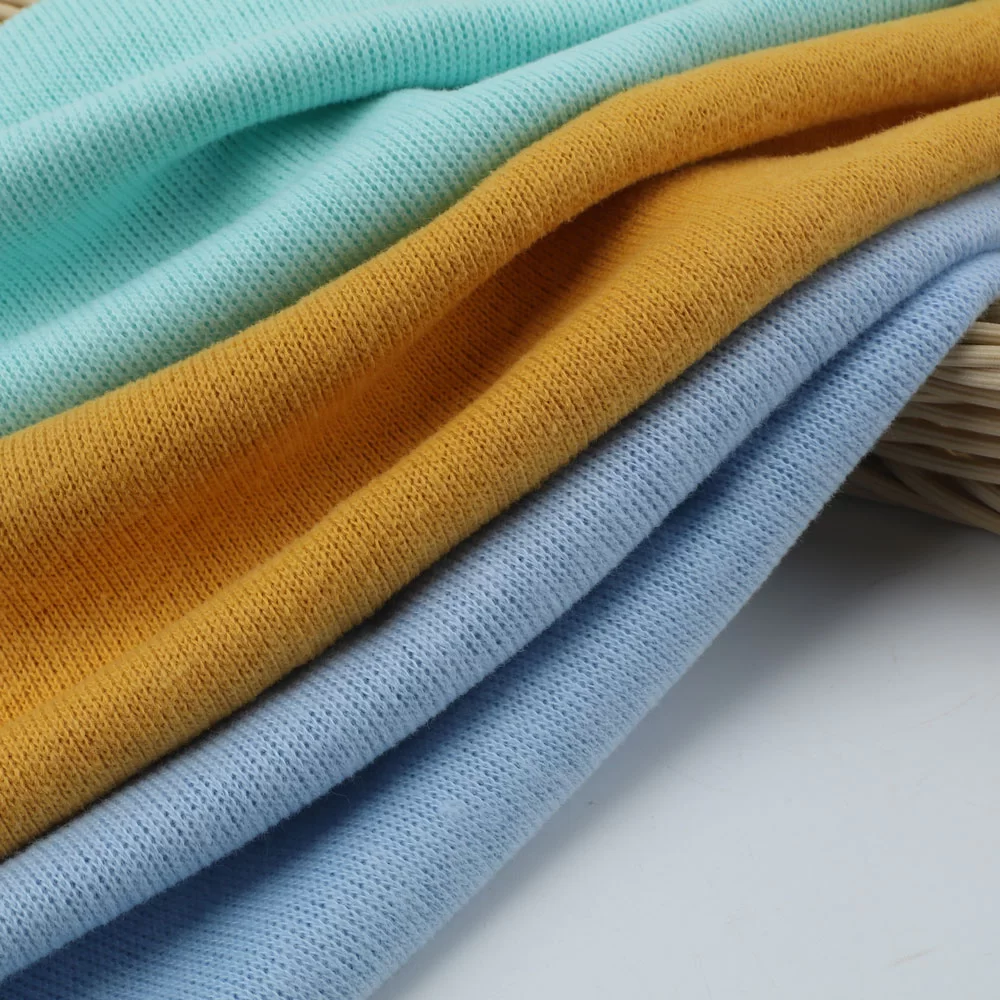
CVC (Chief Value Cotton) refers to blends where cotton typically makes up 60 – 80% and polyester 20 – 40%. It is designed to preserve the soft, breathable hand of cotton while adding the resilience and fast-drying properties of polyester.
- Comfort: Feels almost as soft as pure cotton.
- Maintenance: Resists wrinkles and shrinkage significantly better.
- Durability: Polyester content improves strength and garment longevity.
CVC is ideal for: High-quality uniforms, workwear, and premium retail T-shirts.
=> Read More: Cotton CVC: Cotton and Polyester – A Perfect Combination
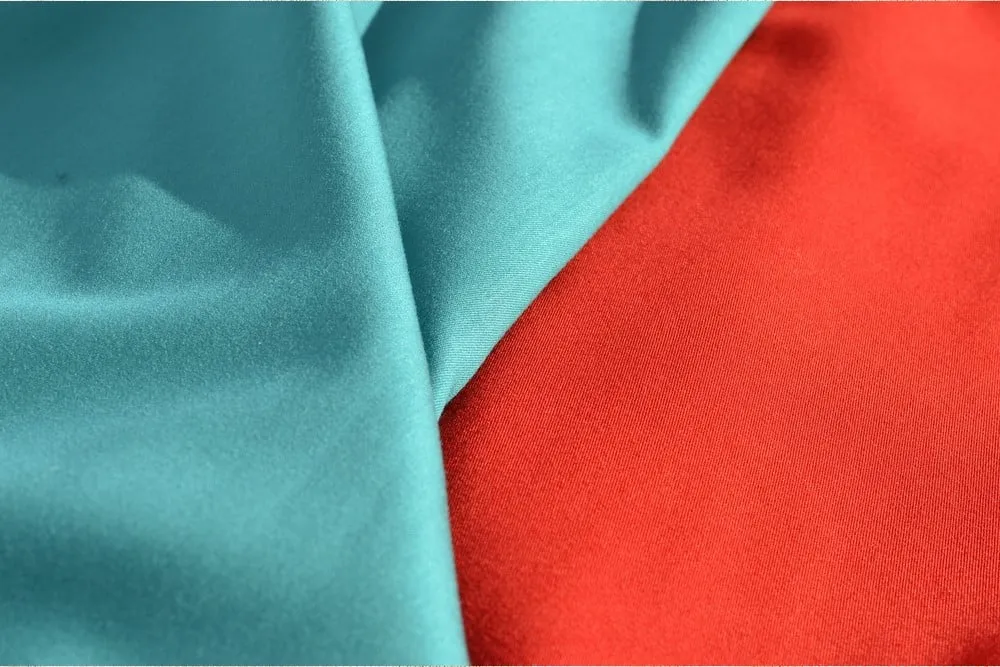
CVC is designed to keep much of the comfort and moisture absorption associated with cotton while adding some of polyester’s strength, wrinkle resistance, drying speed, and dimensional stability. This makes CVC especially useful when a brand wants a cotton-rich feel without all the maintenance characteristics of pure cotton. Common CVC Cotton examples include:
- 80% Cotton / 20% Polyester
- 65% Cotton / 35% Polyester
- 60% Cotton / 40% Polyester
100% Cotton: Pure Comfort, Natural Feel
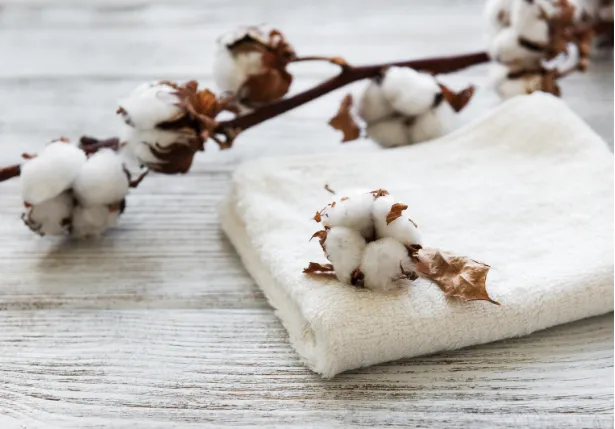
100% cotton is a natural fiber prized for its 8–9% moisture regain, making it the king of breathability. However, it requires more care as it wrinkles easily and may shrink if not pre-treated.
- Superior softness and gentle touch for sensitive skin.
- Keeps you cool in warm weather.
- Eco-friendly and biodegradable appeal.
Best for: Baby clothing, luxury bedding, and high-end casual wear.
=> Read More: 100% Cotton Fabric: Pure Cotton Yarn, Naturally Soft

100% cotton can be made into: Single jersey, Rib, Piqué, French terry, Fleece, Poplin, Oxford, Twill, Canvas – Pure natural 100% cotton fabric
TC Fabric: Durable and Easy to Maintain
TC (Terylene-Cotton) contains more polyester than cotton (typically 65/35 ratio). It is the workhorse of the industry strong, wrinkle resistant, and affordable.
- High Durability: Holds shape and color after intensive washing.
- Quick Drying: Ideal for industrial use and heavy laundering.
- Trade-off: Lower breathability and a slightly synthetic feel.
Best for: Mass-market uniforms, hotel linens, and budget-friendly apparel.
=> Read More: TC Fabric (Poly-Cotton): Durable and Easy to Maintain
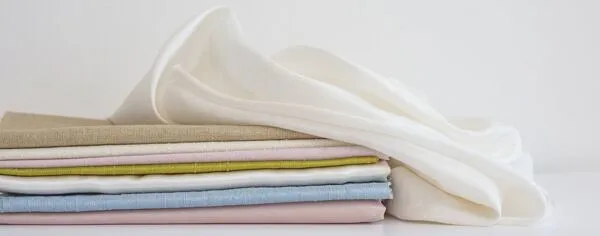
TC is commonly used in the garment industry to describe a polyester-cotton blend in which polyester is the dominant fiber. A common example is: 65% Polyester / 35% Cotton – Durable TC fabric application
Side-by-Side Comparison Table
| Feature | 100% Cotton | CVC | TC |
|---|---|---|---|
| Natural Hand Feel | Excellent | Very Good | Moderate |
| Moisture Absorption | High | Medium to High | Lower |
| Drying Speed | Slower | Faster | Fastest |
| Wrinkle Resistance | Lower | Good | High |
| Dimensional Stability | Moderate | Good | Very Good |
| Abrasion Resistance | Depends heavily on construction | Generally improved | Generally strong |
| Pill Persistence | Usually lower | Can be higher | Can be higher |
| Easy Care | Moderate | Good | Very Good |
Comfort and Hand Feel
- 100% Cotton Fabric: Pure cotton usually provides the strongest natural cotton hand feel. Good-quality combed or compact-spun cotton can feel especially smooth and comfortable against the skin. This makes it popular for: Premium T-shirts, Underwear, Sleepwear, Children’s clothing, Casualwear.
- CVC Fabric: CVC can remain very cotton-like because cotton is still the main fiber. Higher-cotton CVC blends often feel closer to pure cotton, while higher polyester percentages make the synthetic component more noticeable.
- TC Fabric: TC generally feels smoother and less absorbent than cotton-rich fabrics. However, yarn quality and finishing can significantly improve its hand feel. A well-finished TC fabric can still be comfortable for uniforms, shirts, and daily workwear.
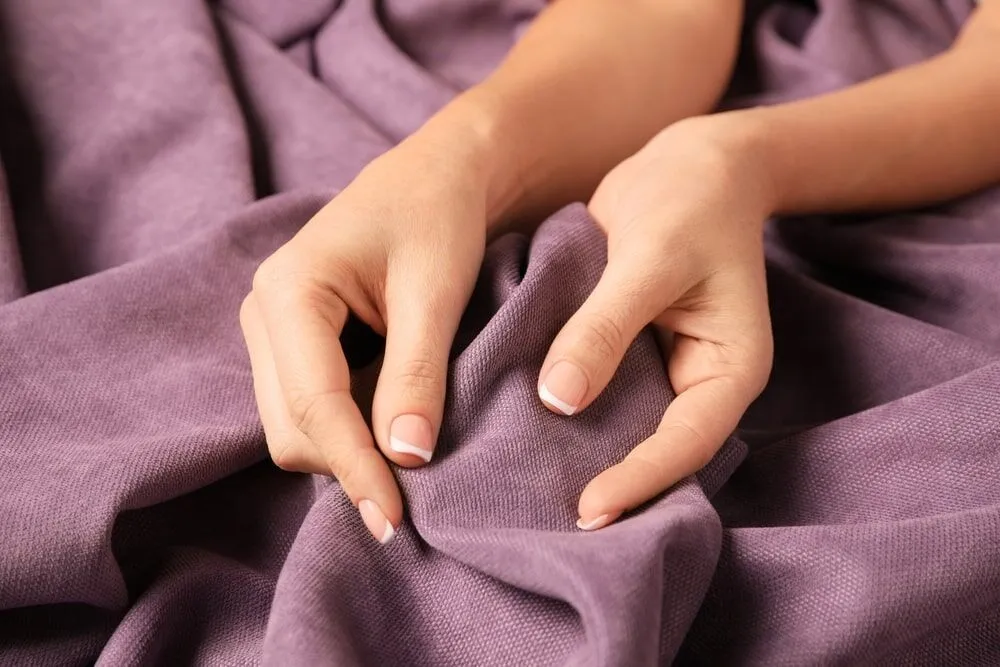
Breathability and Moisture Absorption
Cotton naturally absorbs considerably more moisture than polyester. This means 100% cotton often performs well when the priority is moisture absorption and a natural feel against the skin.
However, breathability is not determined by fiber composition alone. A lightweight TC fabric with an open construction may feel more breathable than a very thick cotton fabric. Other important factors include: GSM, Fabric density, Knitting or weaving structure, Thickness, Finishing. As a general trend: 100% Cotton → CVC → TC. represents decreasing cotton moisture absorption as polyester content rises.
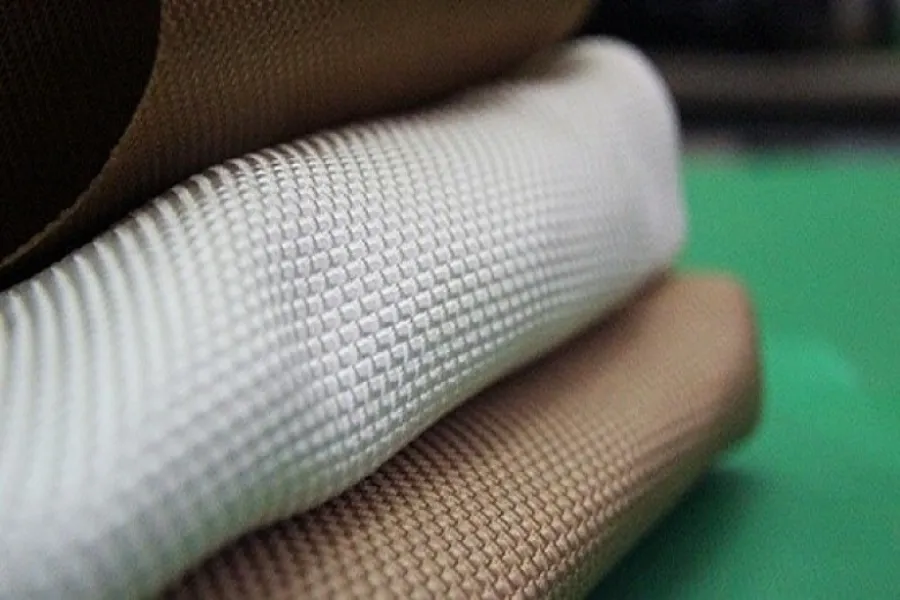
Breathability test on cotton blends – 100% cotton is the safest bet for eczema or sensitive skin due to low friction and fewer chemical finishes. CVC remains a strong second choice if it has ≥60% cotton. TC fabrics can sometimes increase static and micro-abrasion during prolonged wear in dry climates.
Drying Speed
One of polyester’s major advantages is that it absorbs much less moisture into the fiber than cotton. Therefore:
- 100% cotton generally dries slowest.
- CVC usually dries faster than pure cotton.
- TC generally dries faster than both because of its higher polyester content.
This can make TC and CVC useful for uniforms, hospitality garments, and other products that are washed frequently.
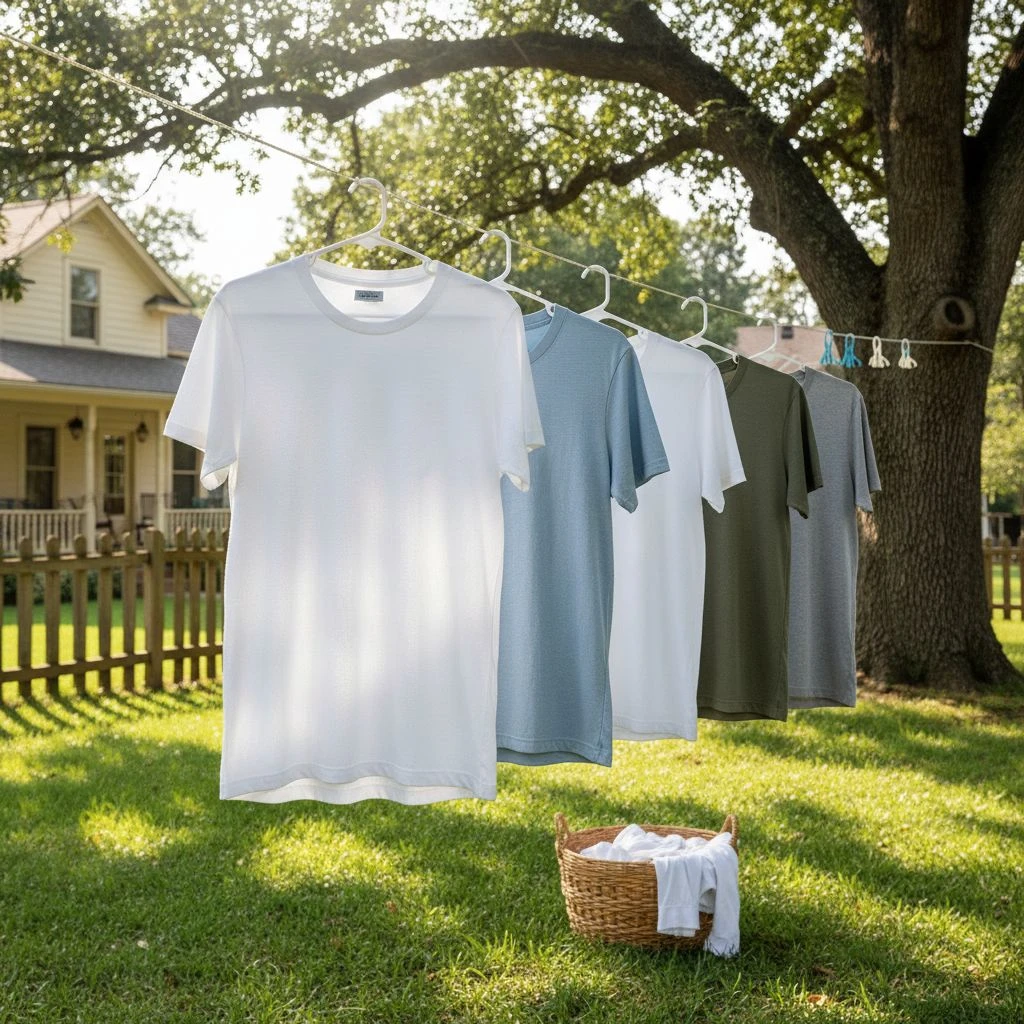
Wrinkle Resistance
Wrinkle recovery is another major difference between the three fabrics.
- 100% Cotton: Cotton tends to hold creases because it has relatively low elastic recovery. Finishing treatments can improve wrinkle resistance, but pure cotton still generally requires more ironing or steaming.
- CVC: The polyester content helps the fabric recover from creasing more effectively. CVC therefore offers a useful middle ground between natural feel and easy care.
- TC: TC typically offers the strongest wrinkle resistance of the three because polyester is the dominant fiber.
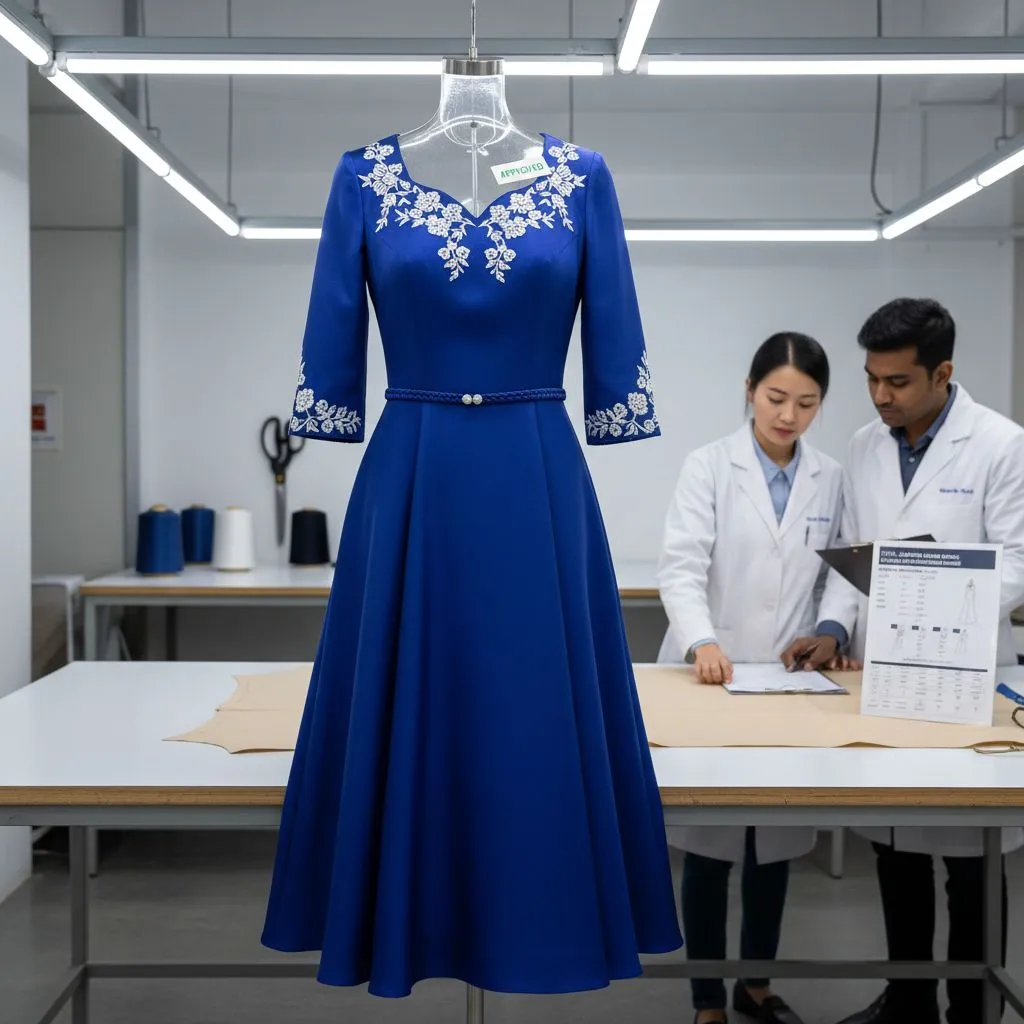
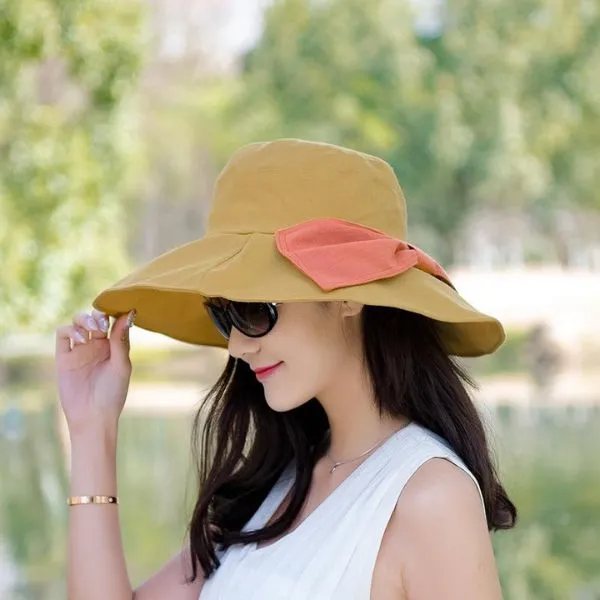
Industry abrasion tests show that TC and CVC fabrics often survive 20–30% more rub cycles than 100% cotton. This makes them ideal for high-stress zones like cuffs and collars in workwear. While pure cotton tees may show wear after 50 washes, CVC garments typically maintain their structure for much longer. – Garment durability and pilling test.
Printing Performance
Fiber composition also affects which printing method works best.
- 100% Cotton – Very suitable for: Screen printing, Pigment printing, Water-based printing, Direct-to-garment printing.
- CVC: CVC is widely printed, but polyester content may require more careful ink and heat selection. For some printing processes, dye migration from polyester can become an issue if production conditions are not controlled.
- TC: Higher polyester content may make the fabric suitable for polyester-oriented printing systems, depending on the exact blend and fabric construction. Printing compatibility should therefore be checked during development rather than assumed from the blend name alone.

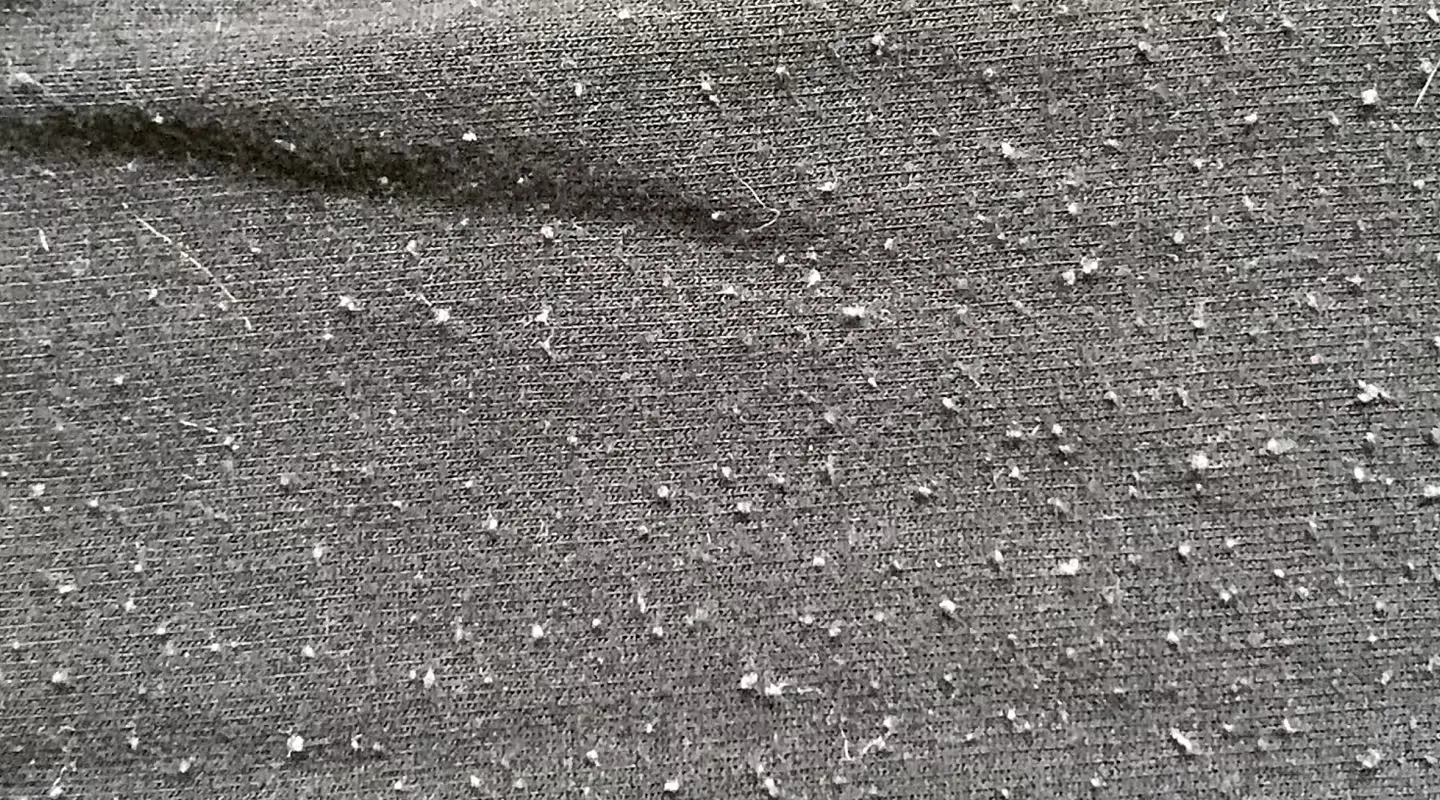
About Fabrics Pilling Problem
All three fabric categories can pill under certain conditions.

100% Cotton
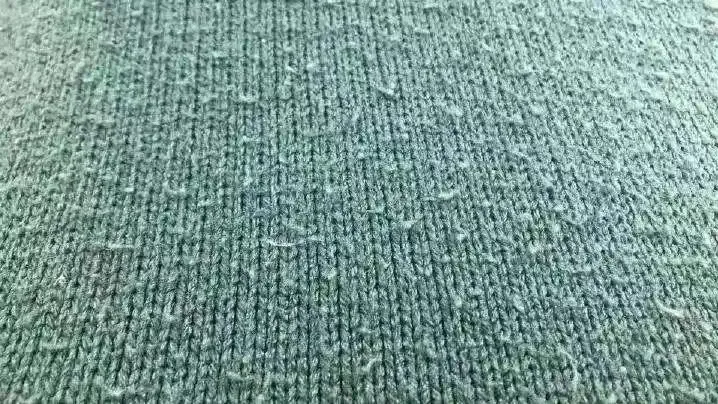
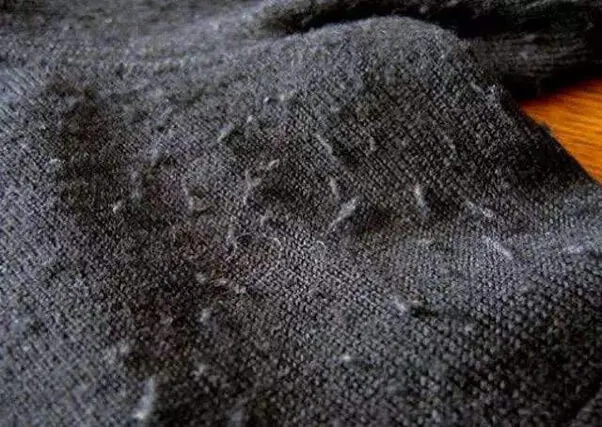
Cotton may develop surface fuzz and pills when the fabric contains short fibers, low-twist yarn, or a loose construction. However, cotton pills can sometimes break away more readily because natural fibers are weaker than polyester.
=> Related Article: Does Cotton Fabric Tend to Pill or Not? Causes, Prevention, and Fabric Quality
CVC and TC
Polyester can make pills more persistent. When loose cotton and polyester fibers become tangled, strong polyester strands may continue holding the pill onto the surface. This means cotton-polyester blends can sometimes show more visible long-term pilling.
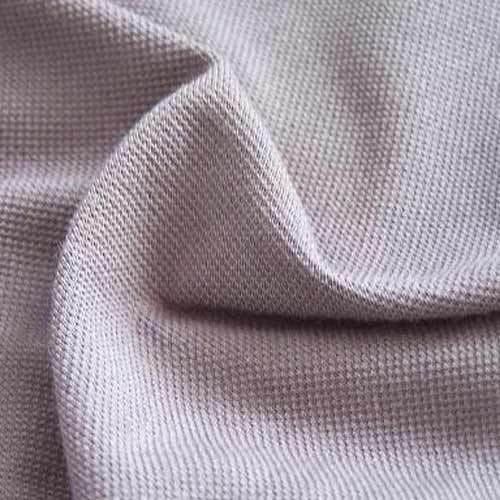
=> Read More: Do Cotton Blends Pill More Than Pure Cotton?
Pilling resistance can be improved through:
- Better fiber selection
- Compact spinning
- Controlled yarn twist
- Singeing
- Enzyme treatment
- Anti-pilling finishing
Conclusion / Final Words
To wrap up, pick 100% cotton if you prioritize natural softness and maximum breathability. Choose TC (poly-cotton) when absolute durability, wrinkle resistance, and easy maintenance are your top concerns. For most modern brands, CVC offers the perfect middle path, preserving the premium hand-feel of cotton while boosting the lifespan of the garment. At Mekong Garment, we help you source the perfect fiber ratio to match your brand’s quality and budget goals.
FAQs About CVC vs 100% Cotton vs TC
What do the terms CVC, 100% cotton, and TC (poly-cotton) mean?
CVC (Chief Value Cotton) is a cotton-dominant blend commonly 60–80% cotton with polyester designed to keep a cotton handfeel while adding polyester performance. 100% cotton is pure natural fiber, noted for softness and breathability. TC (triacetate is different; in this context TC stands for poly-cotton or polyester/cotton blends) usually indicates a polyester-dominant blend such as 65% polyester/35% cotton, prioritizing durability and dimensional stability.
How do these fabrics compare for comfort and breathability?
100% cotton offers the best natural softness and breathability, making it ideal for hot-weather and next-to-skin garments. CVC closely approximates cotton comfort while reducing wrinkling and drying time due to polyester content. TC (poly-cotton) is less breathable than the other two but warmer and better at wicking moisture when engineered; it feels less natural against the skin than pure cotton.
Which fabric is most durable and resistant to wear?
Polyester content improves strength and abrasion resistance. TC (poly-cotton, polyester-dominant) is typically the most durable and holds shape well. CVC offers moderate durability better than pure cotton but not as resilient as high-polyester blends. 100% cotton is prone to more abrasion, stretching, and pilling over long-term heavy use.
What are the care and maintenance differences among them?
100% cotton tolerates hot washes but is prone to shrinkage and more wrinkles; pre-shrunk or preshrink processing helps. CVC and TC handle machine washing with lower shrinkage and faster drying; avoid high dryer heat to prevent heat-set damage to polyester fibers. Use mild detergents and low-heat ironing for blends; spot-test strong bleaching agents, as blends react differently than pure cotton.
How do they behave with dyes, printing, and colorfastness?
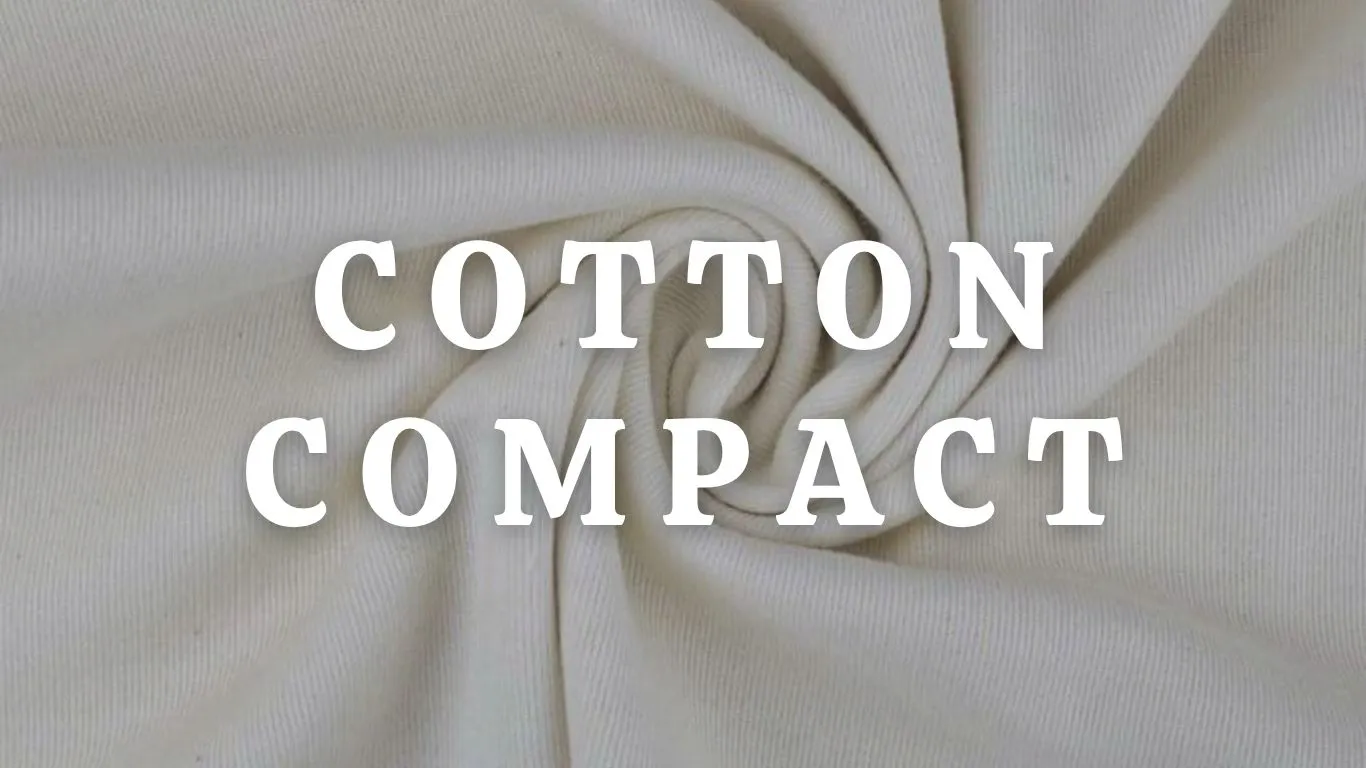
100% cotton accepts reactive and vat dyes with excellent washfastness and vibrant results. CVC offers good printability but polyester content can mute reactive-dye results; pigment printing or blended dye systems are common. TC and polyester-rich fabrics require disperse dyes or specialized printing (sublimation for polyester-heavy fabrics) to achieve bright, durable colors. Polyester improves UV and wash color retention compared with untreated cotton.
For which garment types is each fabric best suited?
100% cotton is preferred for premium tees, underwear, babywear, and high-comfort garments. CVC suits everyday shirts, casual wear, and products where a cotton feel with easier care is desired. TC (poly-cotton, polyester-heavy) is ideal for uniforms, workwear, budget t-shirts, and items that need wrinkle resistance, quick drying, and long-term shape retention.
What are the environmental and end-of-life considerations for each option?
100% cotton is biodegradable and renewable but can be resource-intensive (water, land, pesticides) unless certified organic. Polyester is petroleum-based, not biodegradable, and sheds microfibers during washing; recycled polyester reduces some impacts. Blends (CVC, TC) are harder to recycle mechanically because mixed fibers need specialized separation. Look for certifications (GOTS, OEKO-TEX, GRS) and prefer recycled inputs or take-back programs to lessen environmental impact.