
Nobody wants clothes soaked with sweat uncomfortable, unflattering, and confidence-breaking. In hot, humid climates like in Vietnam, choosing the right fabric matters even more, especially for people who perspire heavily. In this article, Mekong Garment will guide you through 10 ideal fabric types for heavy sweaters to ensure your garments feel comfortable and look great.
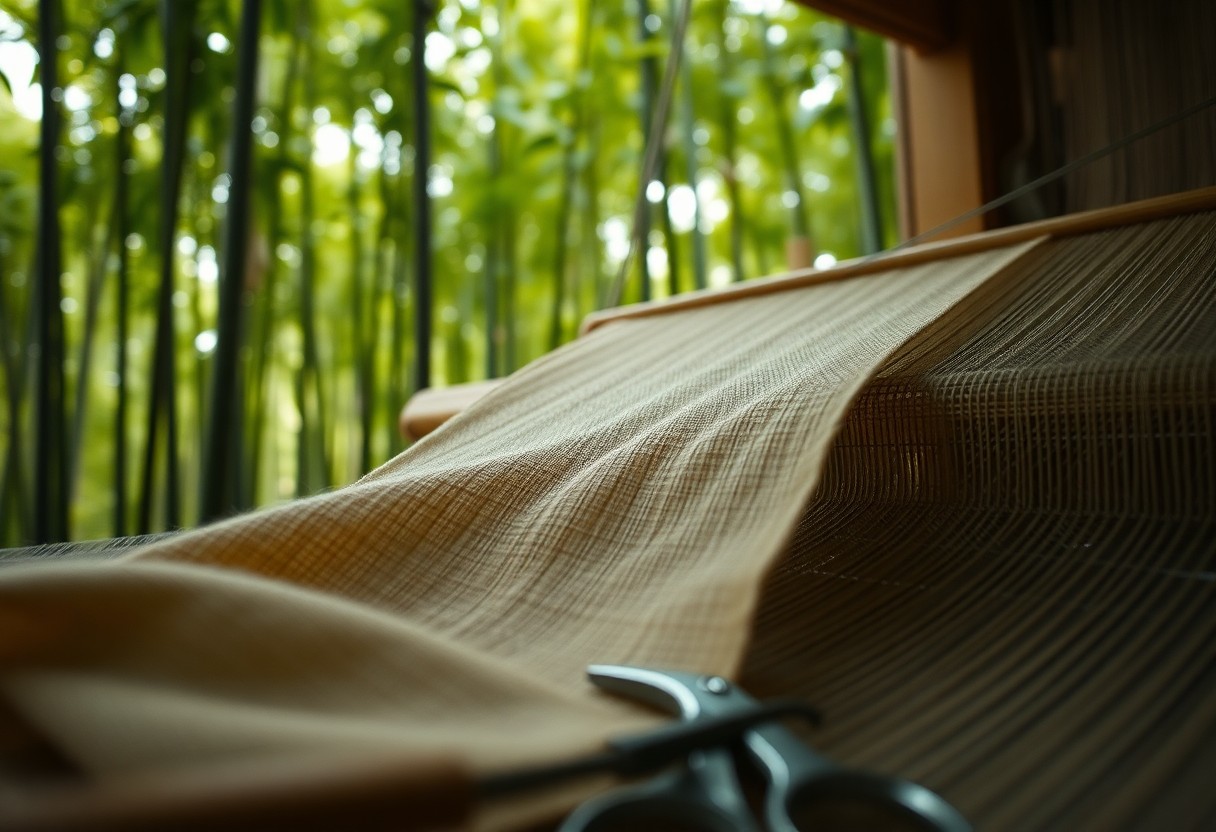
What Does “Breathable Fabric” Mean?
Breathable fabrics are materials whose fiber structure allows air to pass freely through them. This helps sweat and body heat escape quickly, keeping you cool, dry, and fresh. Unlike fabrics that trap heat, breathable materials act like a “natural air conditioner,” reducing moisture buildup and odor.
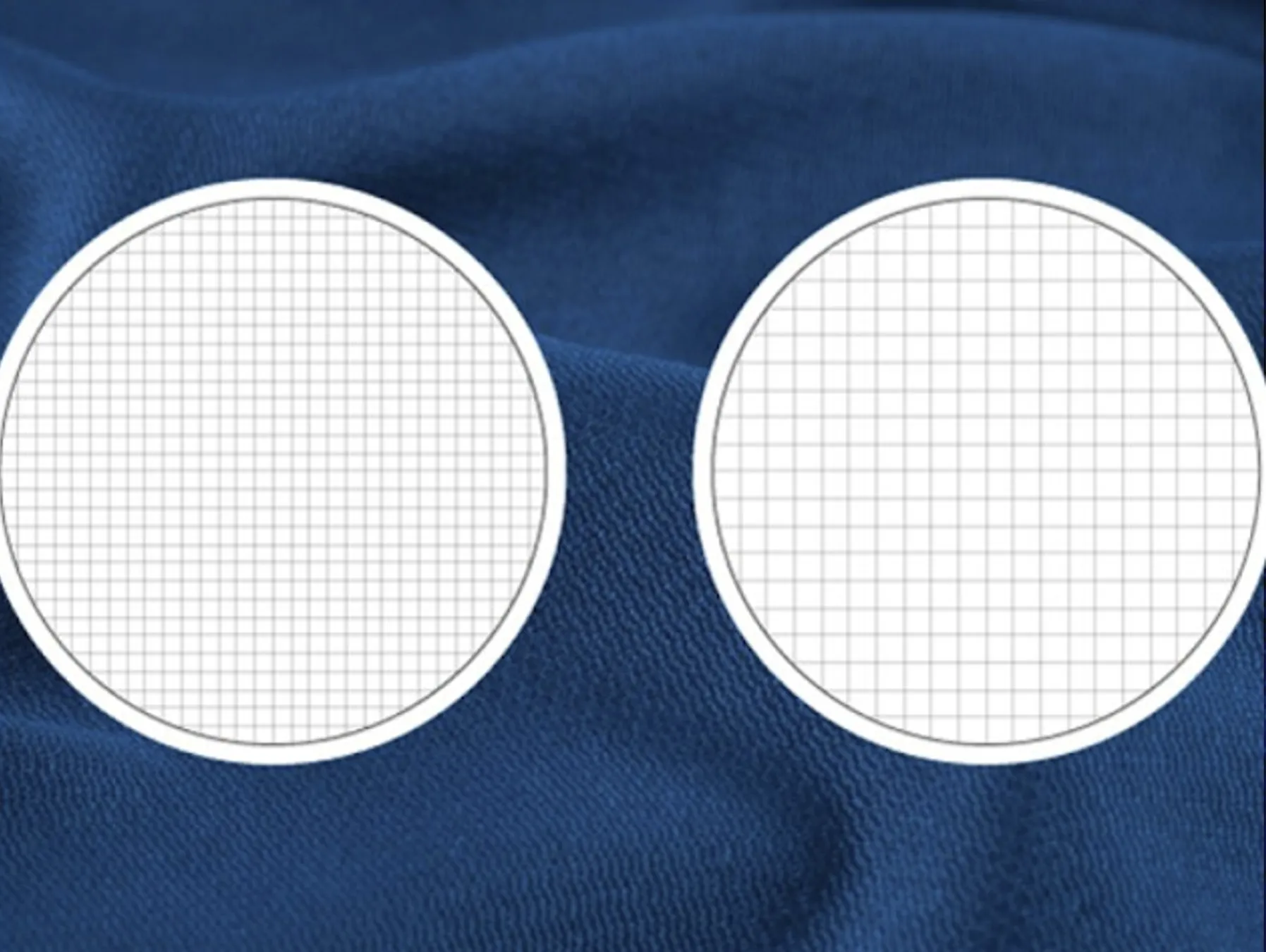
However, breathability is not determined by fiber type alone. It is also affected by:
- Yarn thickness;
- Fabric weight;
- Weave or knit density;
- Pore size and openness;
- Number of clothing layers;
- Garment fit;
- Linings and interlinings;
- Moisture-management finishes.
10 Best Fabrics for People Who Sweat Heavily
If you often deal with sweat stains, fabric choice is everything. Below are ten fabrics that balance softness, breathability, and freshness—perfect for daily wear, sports, or office work in warm weather.
- Bamboo: Absorbs moisture quickly, keeps skin dry, and has natural antibacterial properties to reduce odor. Ideal for eco-friendly comfort.
- Cotton: Soft, breathable, and affordable. It absorbs sweat fast so it can evaporate, making it perfect for daily T-shirts and uniforms.
- Linen: The ultimate fabric for coolness. It dries faster than many fabrics and has a sophisticated, effortless look. (Note: wrinkles easily).
- Silk (Mulberry Silk): Feels luxurious and helps regulate temperature. Best for formalwear or high-end elegant garments.
- Hemp: Strong, naturally breathable, and more durable than cotton. Great for garments meant to last in tropical heat.
- Lotus Silk: A rare, handcrafted fiber that is moisture-wicking and UV-resistant. A premium choice for luxury fashion.
- Polypropylene (PP): While good for heat retention in cold climates, it is not recommended for heavy sweaters in hot weather as it can trap moisture.
- Rayon (Viscose): Lightweight and affordable with a soft drape. It feels cool to the touch but needs careful care in humid environments.
- Merino Wool: A hidden gem that controls odor and stays dry even when absorbing moisture. Excellent for high-performance activewear.
- Muslin: Extremely lightweight with an open weave. Used for baby clothes but also perfect for airy adult summer wear.
1. Linen
Linen is one of the strongest choices for tropical clothing. It is made from flax fibers and is often woven into fabrics with good airflow and a crisp, dry surface. Unlike some soft fabrics that cling when damp, linen generally sits away from the skin. This reduces the sticky feeling that often occurs in humid conditions.
=> Read more: Linen Fabric Types by Weave: Everything You Need to Know
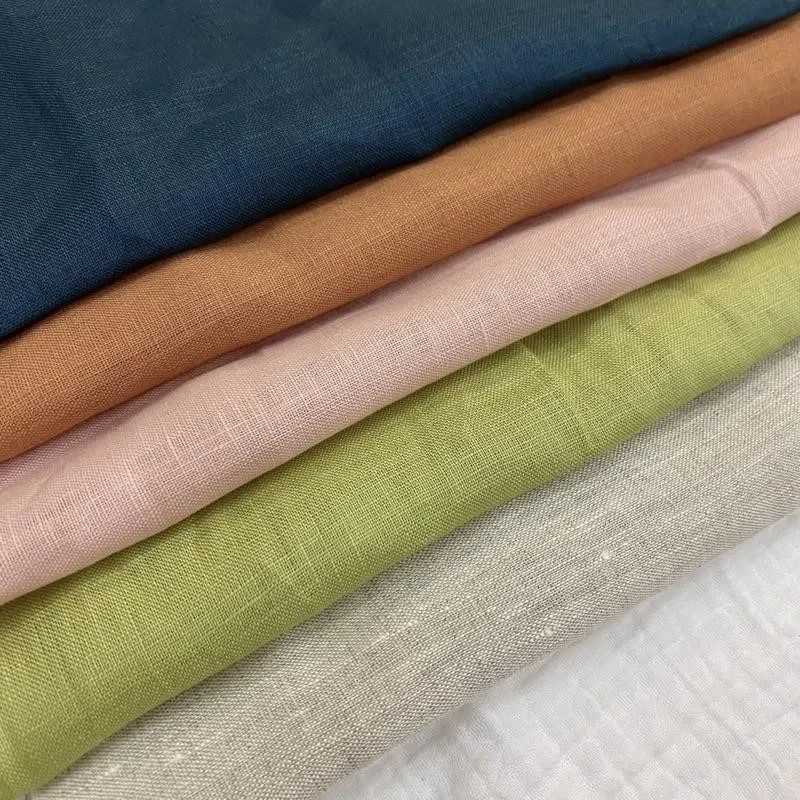
Linen is one of the best-known fabrics for tropical and summer clothing.
Advantages of Linen
- Excellent airflow;
- Comfortable dry touch;
- Suitable for relaxed and formal clothing;
- Becomes softer with use;
- Strong fiber with good durability;
- Works well in loose-fitting garments.
=> Read more: Linen Blends: Types, Pros, Cons, and Their Uses
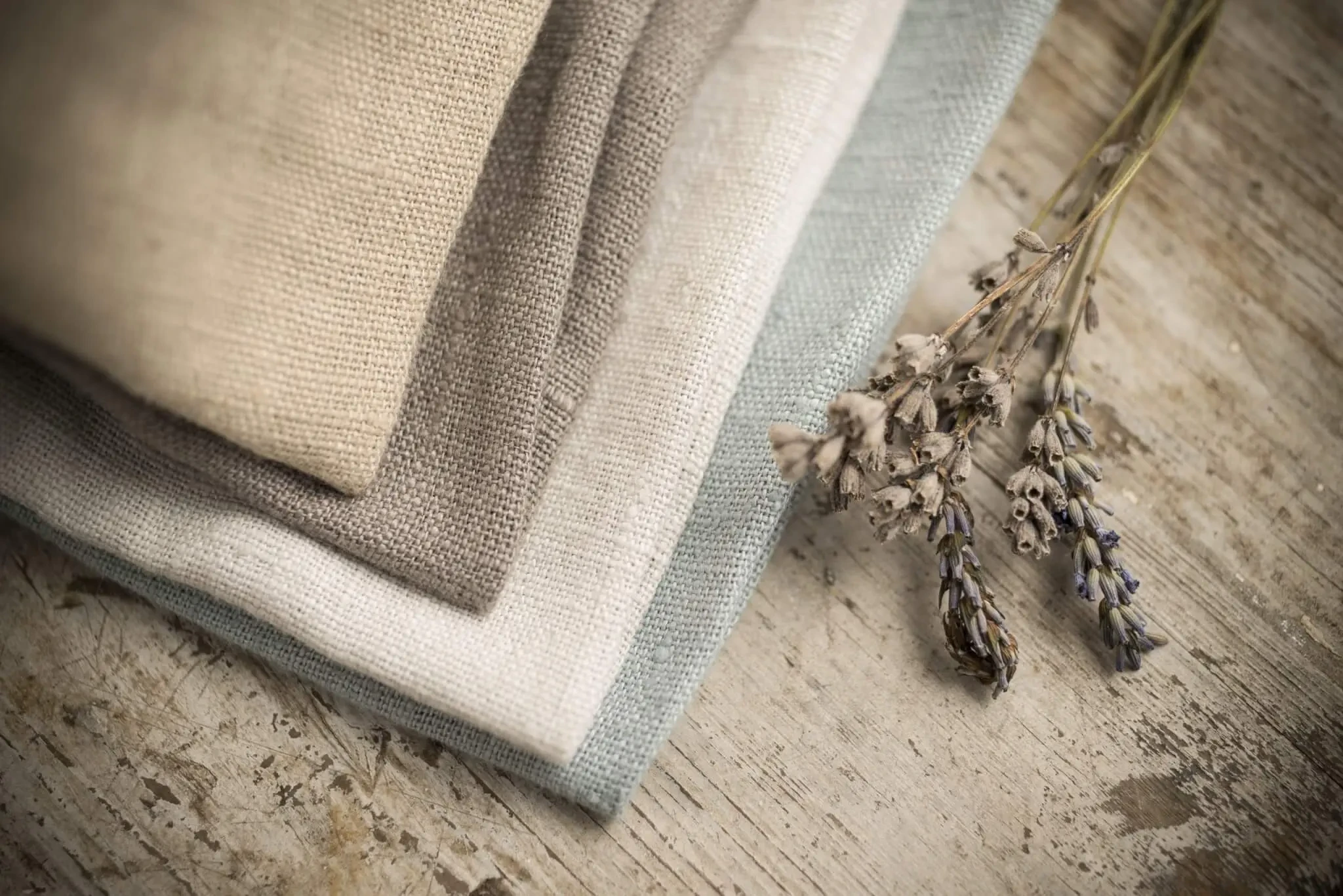
Why Linen Feels Cool Linen has a crisp structure that tends to sit slightly away from the skin. This reduces the sticky feeling that occurs when damp fabric clings directly to the body. It also releases moisture relatively quickly compared with many heavier fabrics.
Limitations
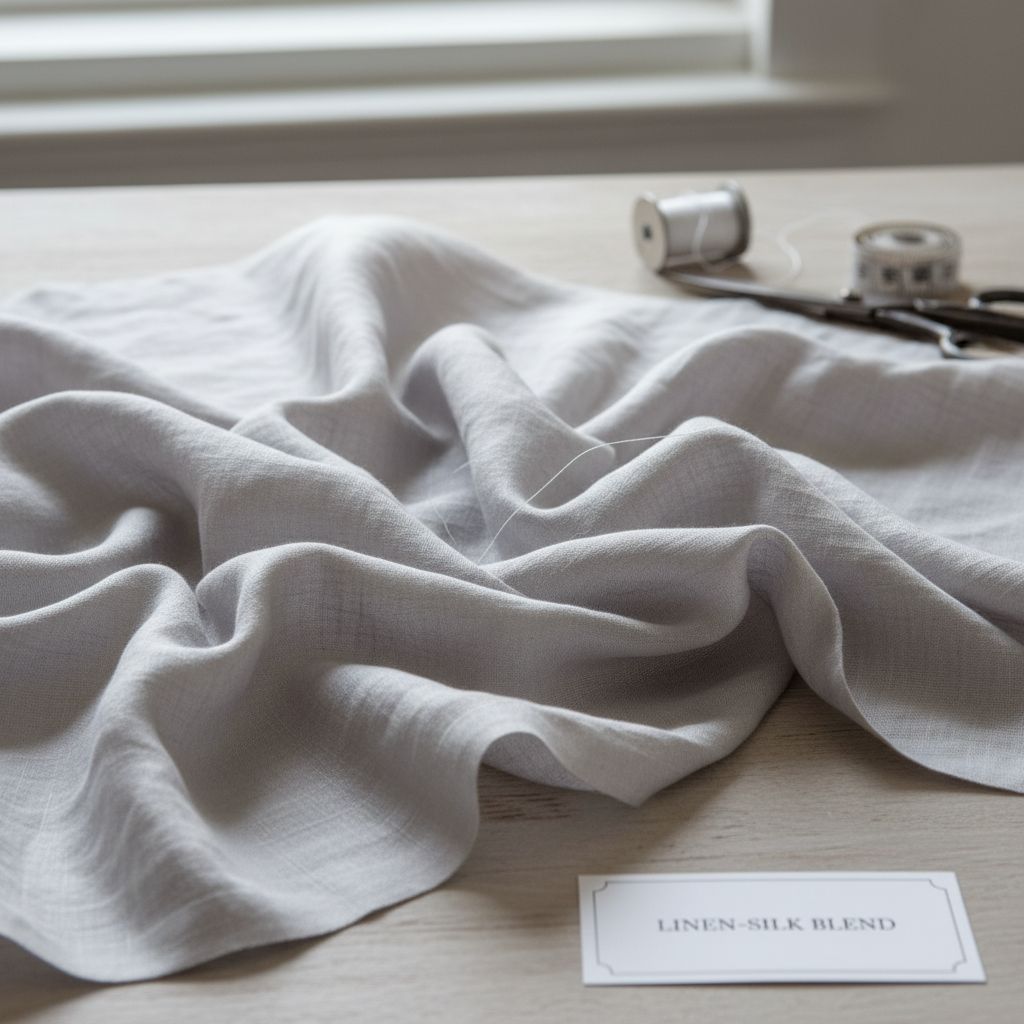
Linen wrinkles easily. Some consumers enjoy its natural creased appearance, while others may find it too casual for formal uniforms. For a neater look, brands can use linen blended with cotton, lyocell, viscose, or a small amount of synthetic fiber.
=> Read more: Different Types of Linen Fabric: Pros & Cons and Their Uses
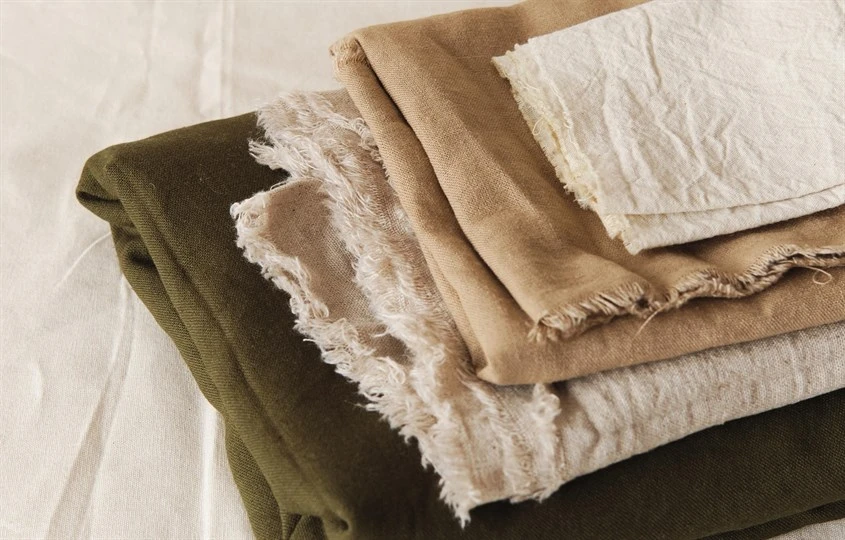
Linen wrinkles easily. This is not necessarily a defect, but it may be undesirable in strict corporate environments.
Best Applications
Linen is ideal for summer shirts, dresses, trousers, resort wear, overshirts, loose uniforms, and tropical fashion collections.
=> Read More: What Are Cotton Linen Blends? Benefits, Uses, and Comparison
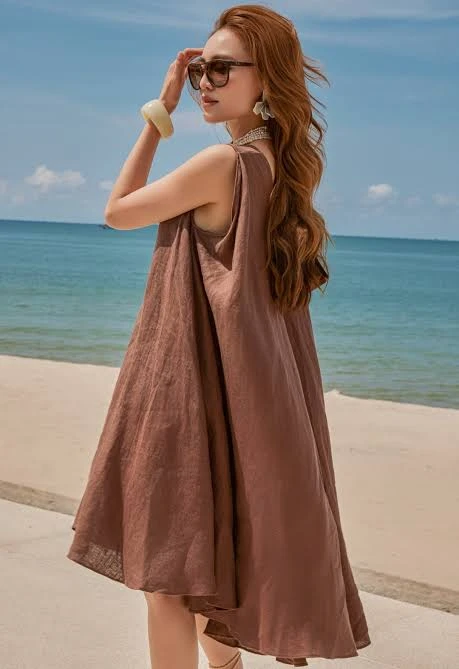
Summer shirts, trousers, dresses, resort wear, blazers, overshirts, tropical uniforms, and casual tailoring.
2. Lightweight Cotton
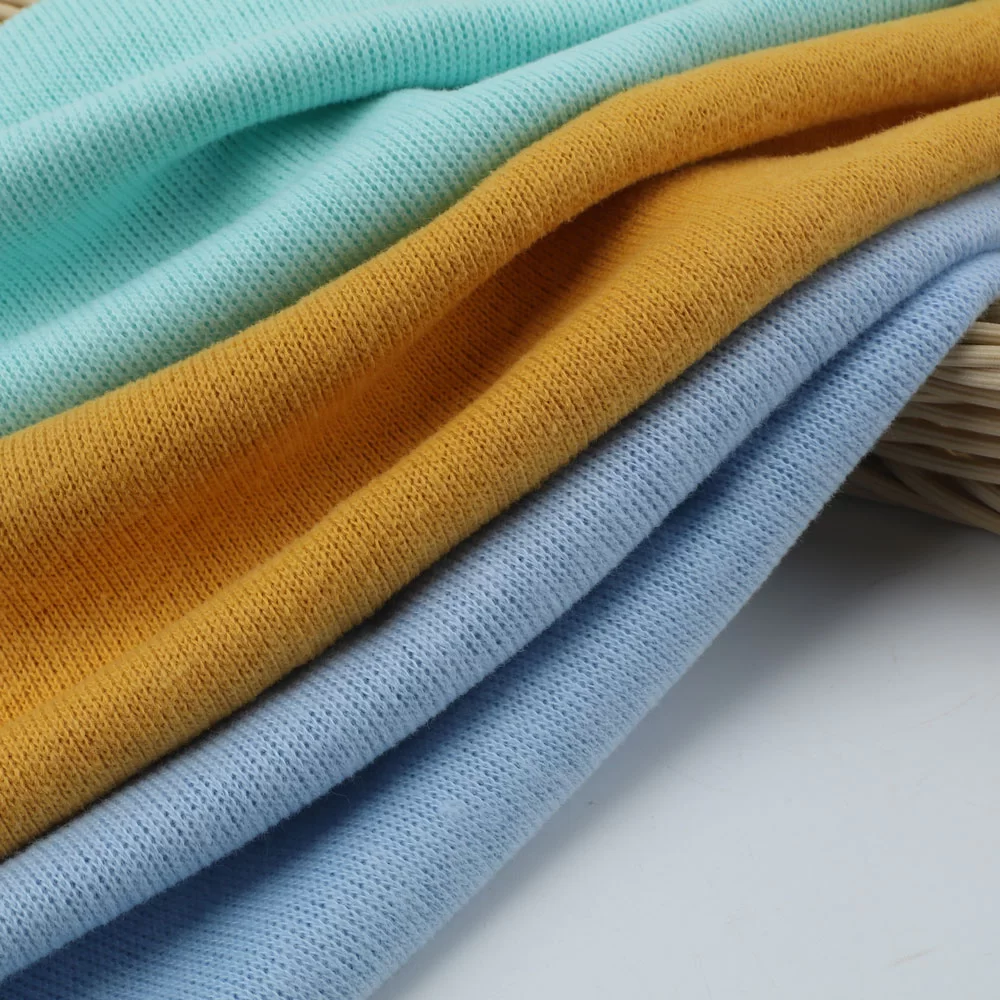
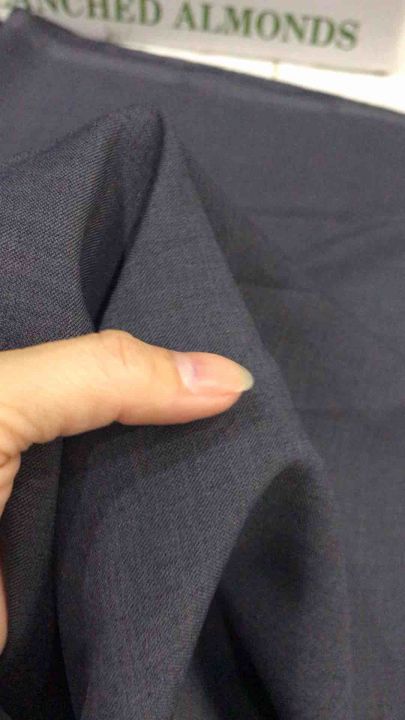
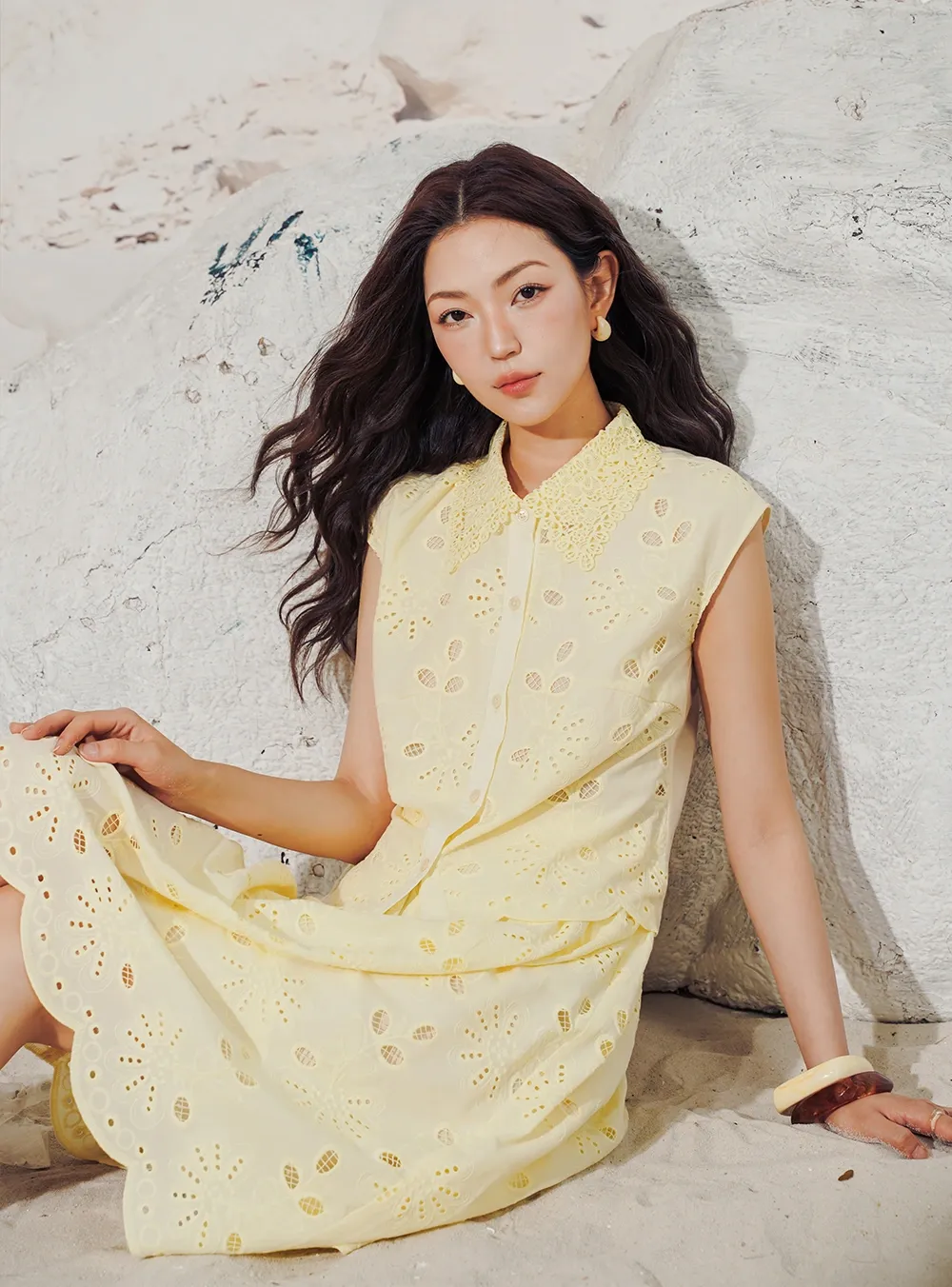
Cotton is soft, familiar, versatile, and widely available. It absorbs perspiration and usually feels comfortable against the skin, making it a dependable option for daily clothing. However, cotton is not always quick-drying. Heavy cotton fabrics may hold moisture and become damp during intense activity. The best cotton fabrics for hot weather are usually lightweight and not woven or knitted too densely.
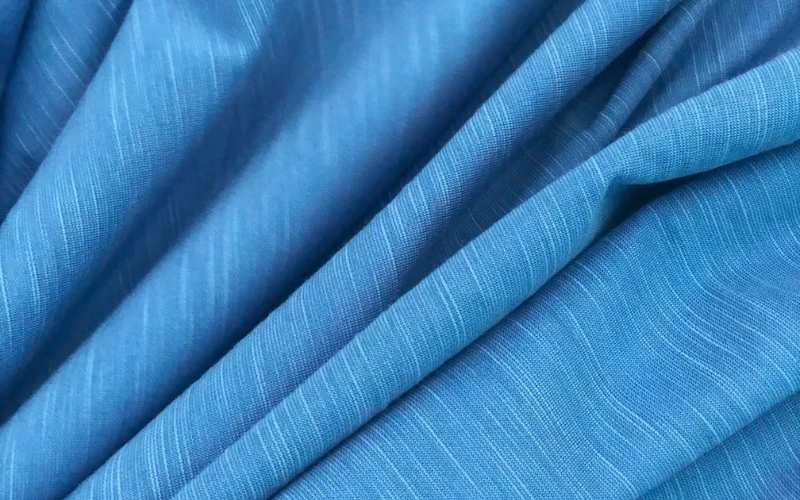
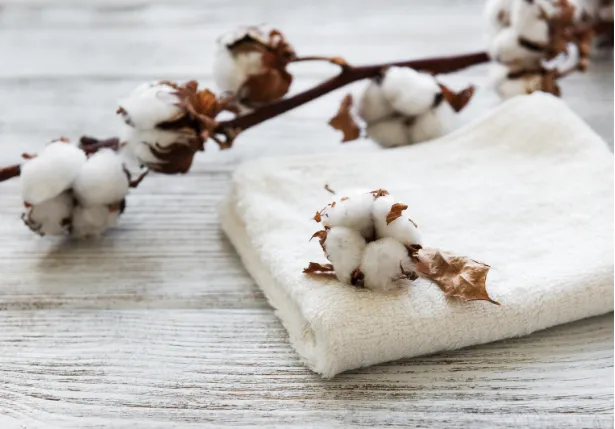
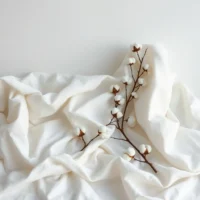
Cotton is widely used in hot-weather clothing because it is soft, breathable, familiar, and comfortable against the skin.
Recommended Cotton Constructions
- Cotton voile;
- Cotton lawn;
- Lightweight poplin;
- Seersucker;
- Single jersey;
- Cotton gauze;
- Lightweight piqué;
- Muslin.
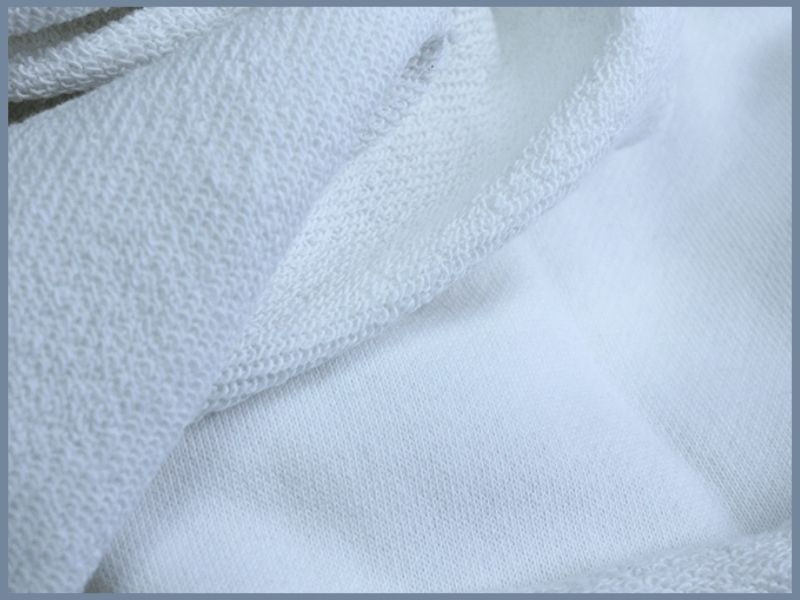
Cotton is excellent for everyday wear but may be less suitable for intense exercise.
Advantages of Cotton
- Soft and skin-friendly;
- Good moisture absorption;
- Easy to dye and print;
- Suitable for many garment categories;
- Widely available at different price levels.
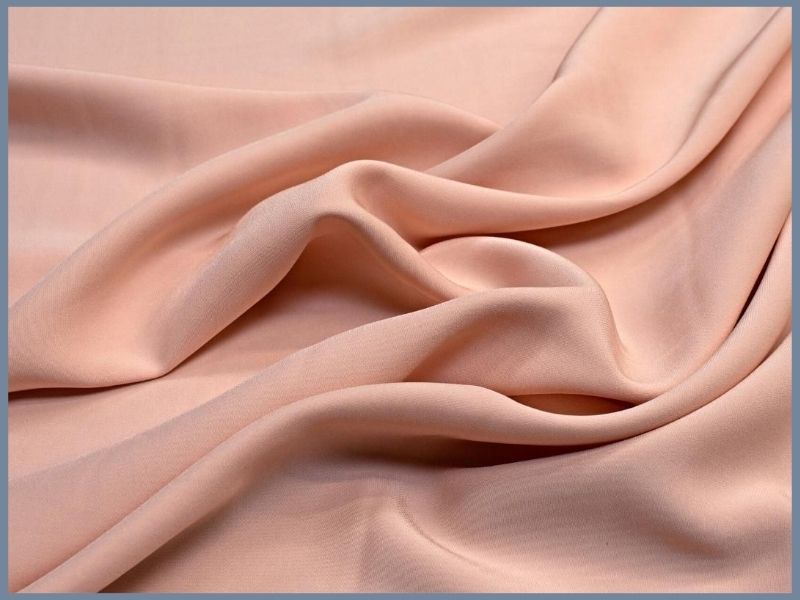
It absorbs perspiration well, which can help reduce the feeling of wetness during light activity.
Limitations
Cotton may remain wet after absorbing a large amount of sweat. It may also shrink or wrinkle unless the fabric receives suitable finishing.
Best Applications
Cotton works well for T-shirts, uniforms, casual shirts, dresses, children’s clothing, sleepwear, and everyday basics.
3. Lyocell
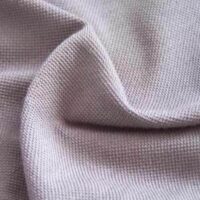
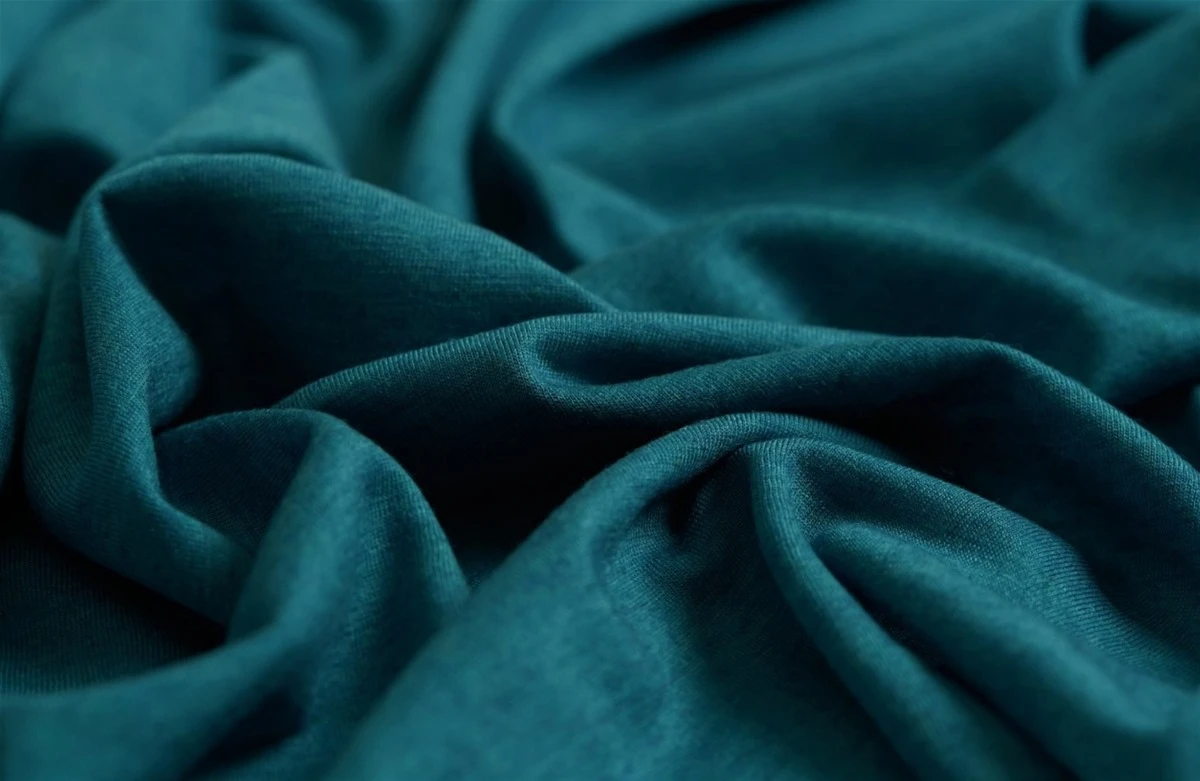
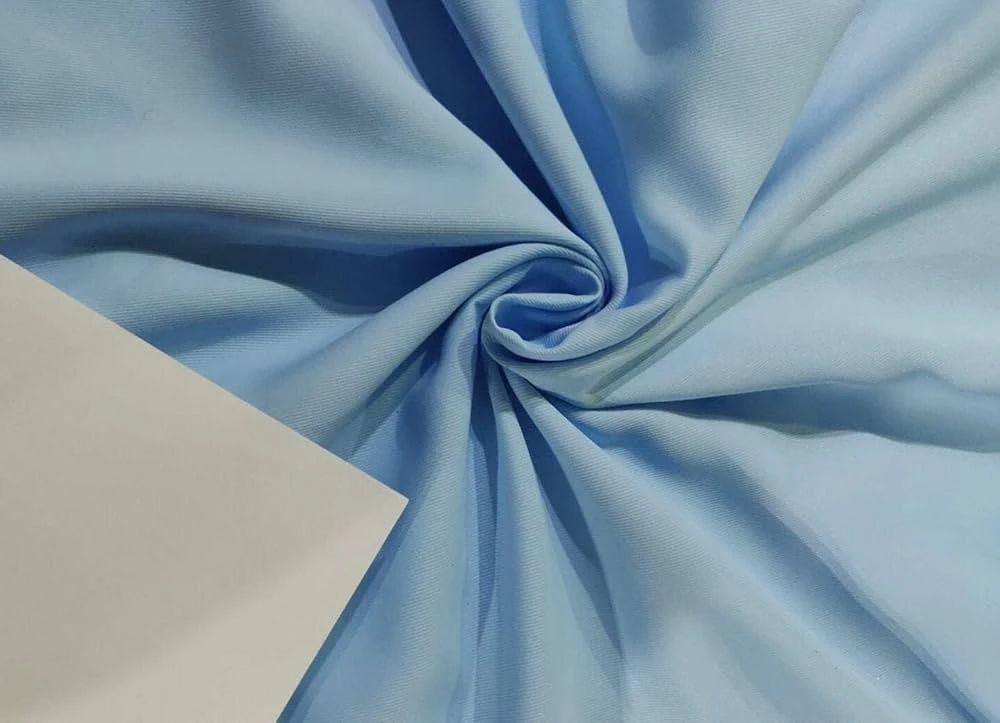
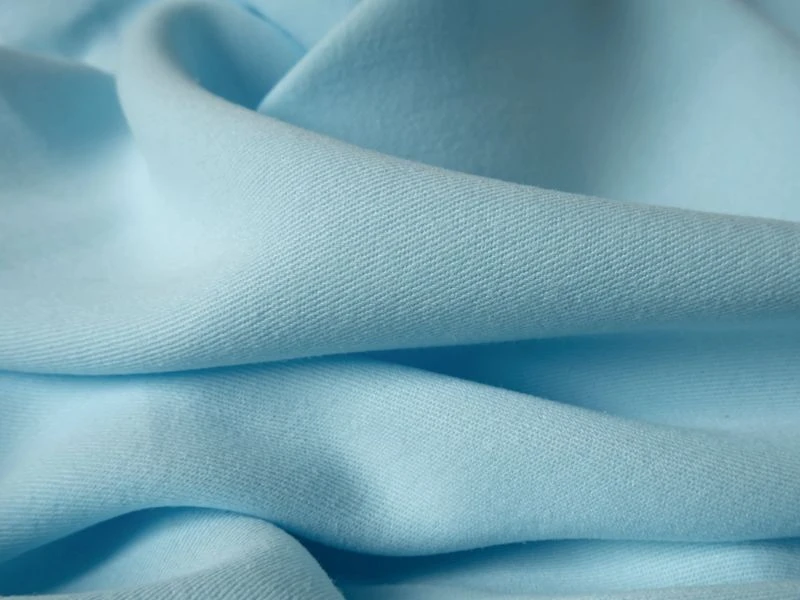
Lyocell is a regenerated cellulose fiber commonly produced from wood pulp. TENCEL is a well-known branded form of lyocell, although not every lyocell product carries that trademark. Lyocell is valued for its soft surface, fluid drape, and moisture-management potential. It can absorb moisture while maintaining a smoother, cooler hand feel than many heavier cotton fabrics.
Advantages of Lyocell
- Soft and smooth;
- Comfortable against the skin;
- Good moisture absorption;
- Elegant drape;
- Suitable for lightweight woven and knitted fabrics;
- Useful in blends with cotton, linen, or wool.
Limitations
Very lightweight lyocell fabrics may wrinkle, show water marks, or require careful washing. Fabrics with a loose construction may also be more vulnerable to abrasion.
Best Applications
Lyocell is well suited to shirts, blouses, dresses, wide-leg trousers, premium T-shirts, underwear, and lightweight uniforms.
4. Hemp
Hemp is a bast fiber with several characteristics that make it suitable for hot climates. It can create breathable, durable fabrics with a texture similar to linen. Pure hemp may feel firm at first, but it usually softens with washing and wear. It is often blended with cotton or lyocell to create a softer hand while retaining strength.
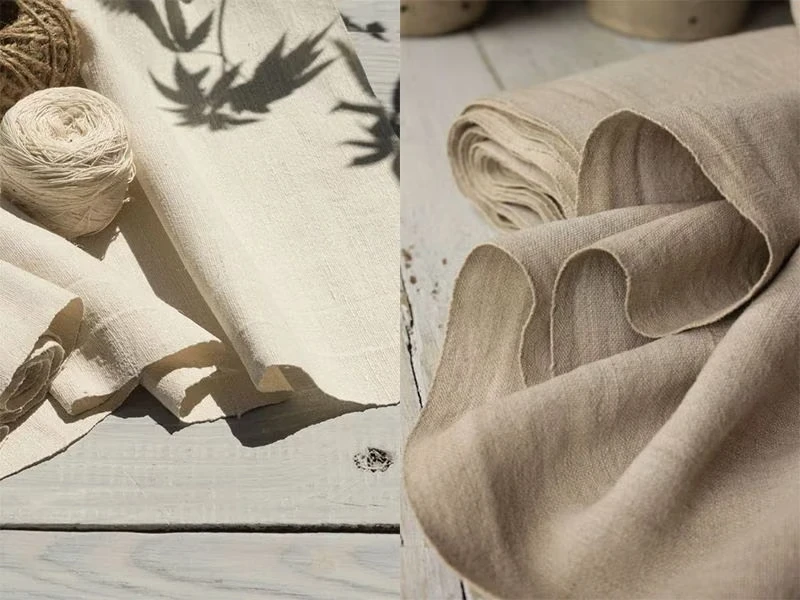
Advantages of Hemp
- Good airflow;
- Strong and durable;
- Suitable for long-lasting garments;
- Develops a softer feel over time;
- Works well in structured summer clothing.
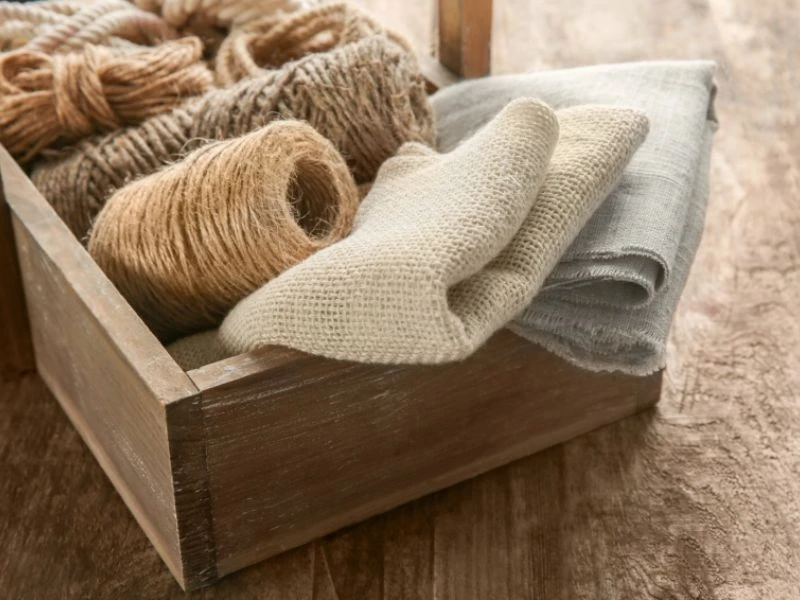
Limitations
Pure hemp can feel coarse or stiff depending on fiber quality and processing. It may also wrinkle, although this usually suits its natural appearance.
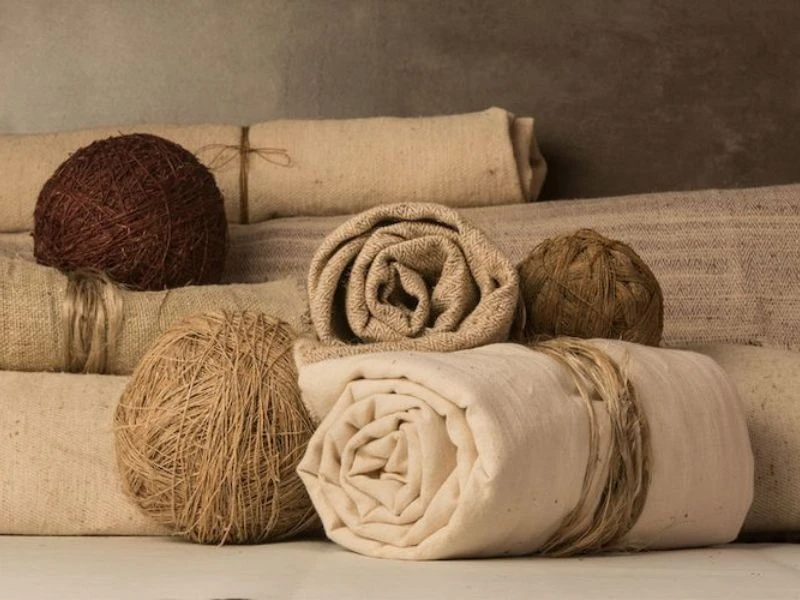
Best Applications
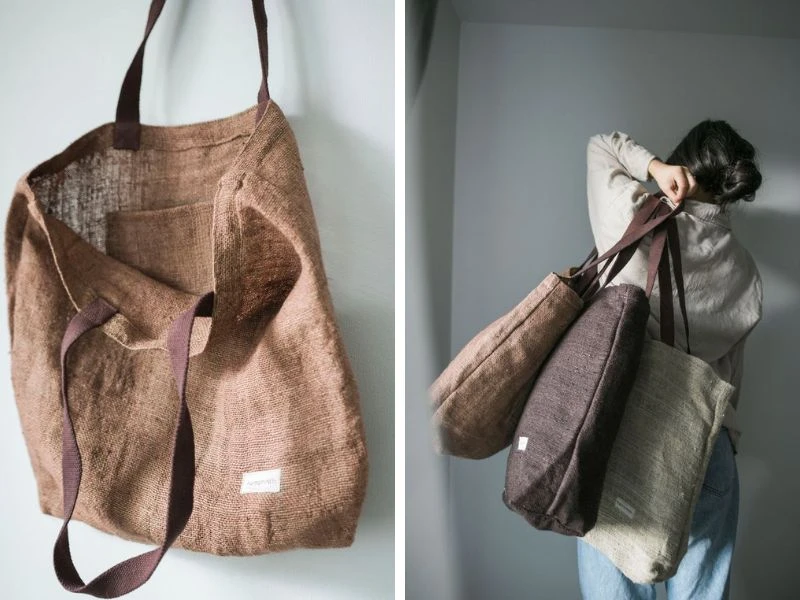
Hemp works well for casual shirts, trousers, jackets, workwear, bags, dresses, and sustainable fashion collections.
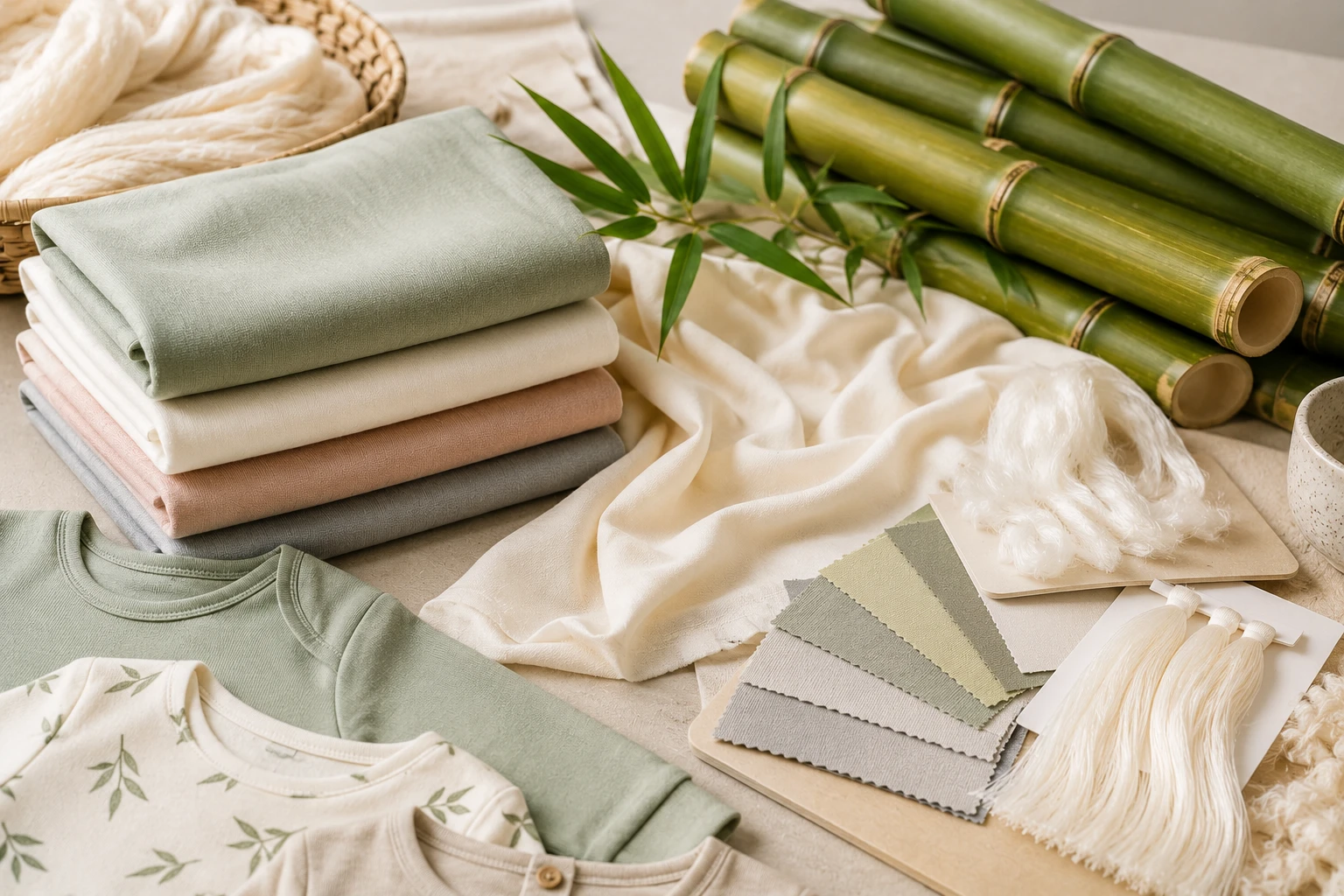
5. Bamboo Viscose
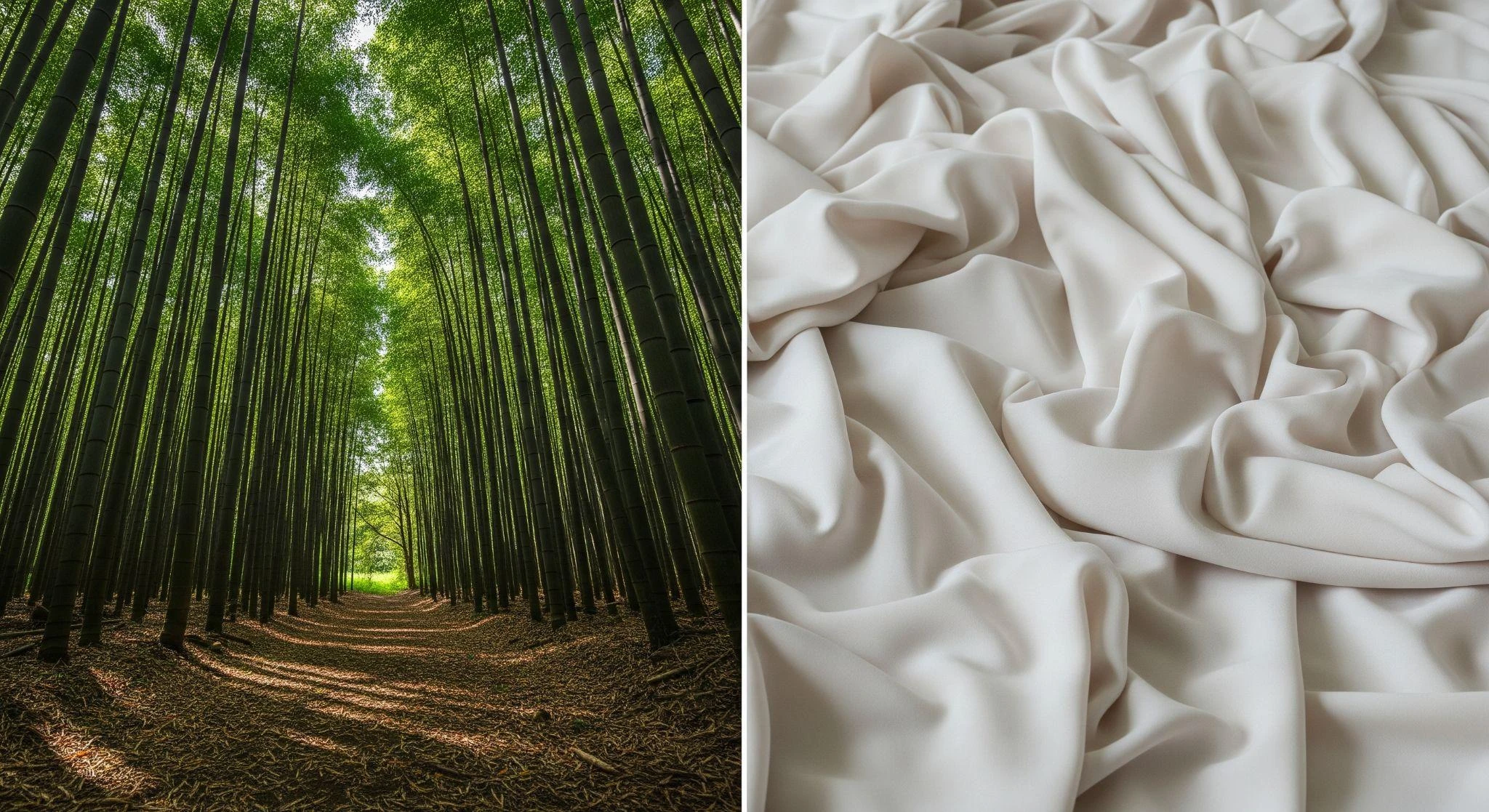
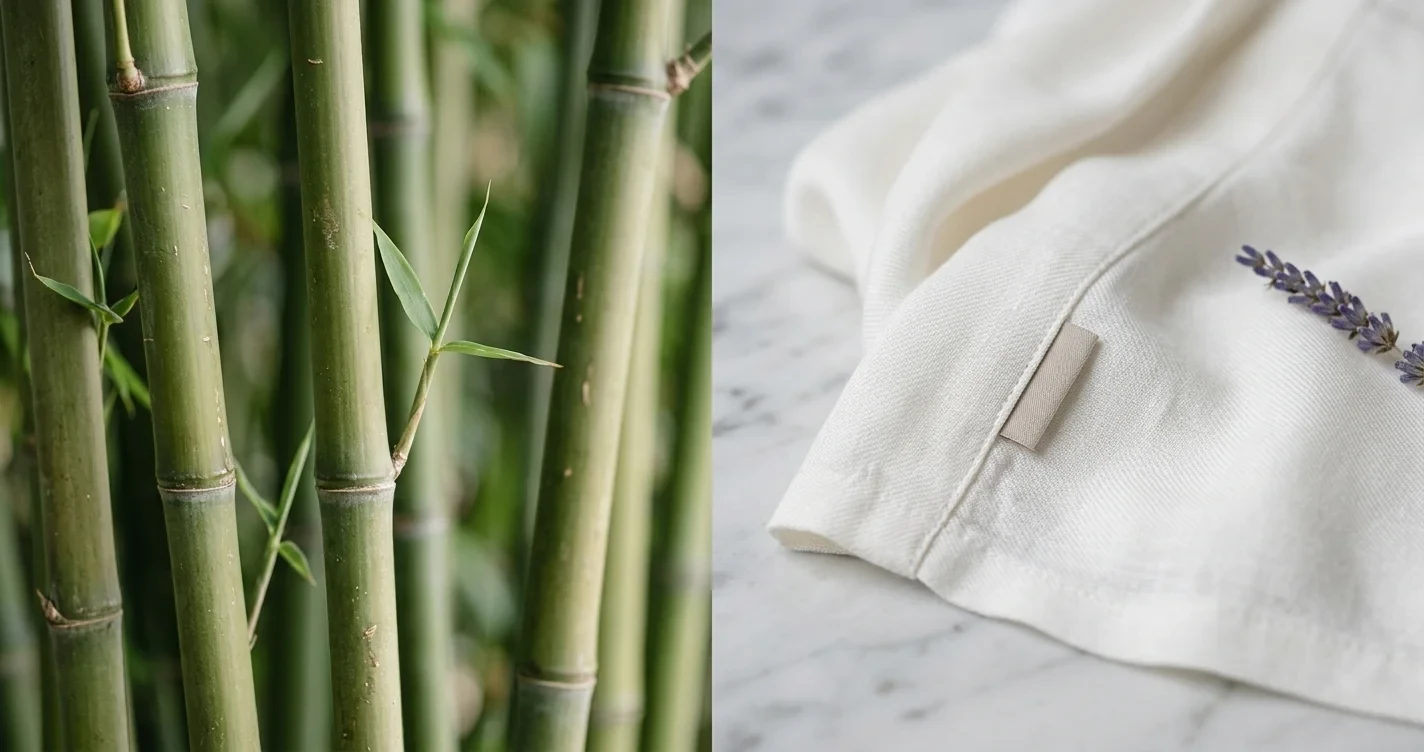
“Bamboo fabric” often refers to bamboo viscose or bamboo rayon rather than a fiber mechanically extracted from the bamboo plant. During production, bamboo cellulose is dissolved and regenerated into soft filaments. The finished fabric is usually smooth, absorbent, and comfortable against the skin.
Advantages of Bamboo Viscose
- Soft hand feel;
- Good drape;
- Absorbs moisture;
- Comfortable for close-to-skin products;
- Suitable for lightweight knits.
Limitations
Bamboo viscose is not automatically more sustainable than every other fiber. Its environmental impact depends on forestry practices, chemical recovery, wastewater treatment, and manufacturing controls. Claims that all bamboo fabrics are naturally antibacterial should also be treated carefully. Any antibacterial performance should be supported by testing on the finished fabric, especially after repeated washing.
Best Applications
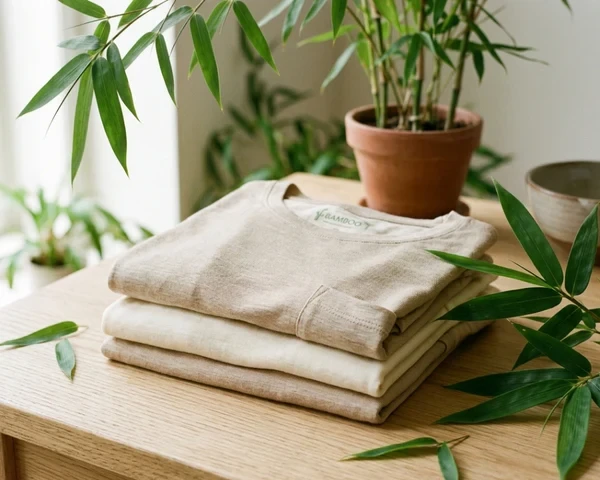
Bamboo viscose is commonly used for underwear, socks, sleepwear, T-shirts, baby clothing, and soft loungewear.
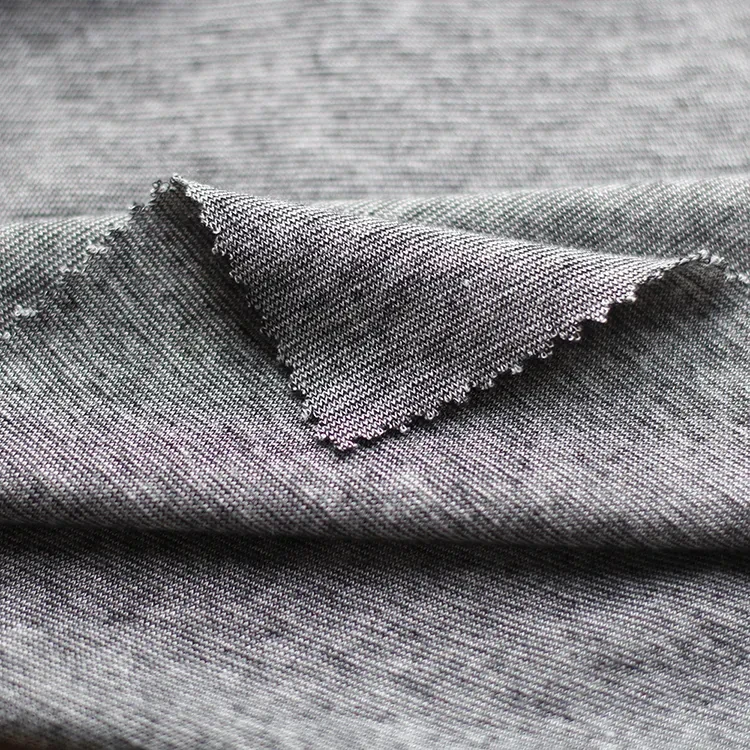
6. Lightweight Merino Wool
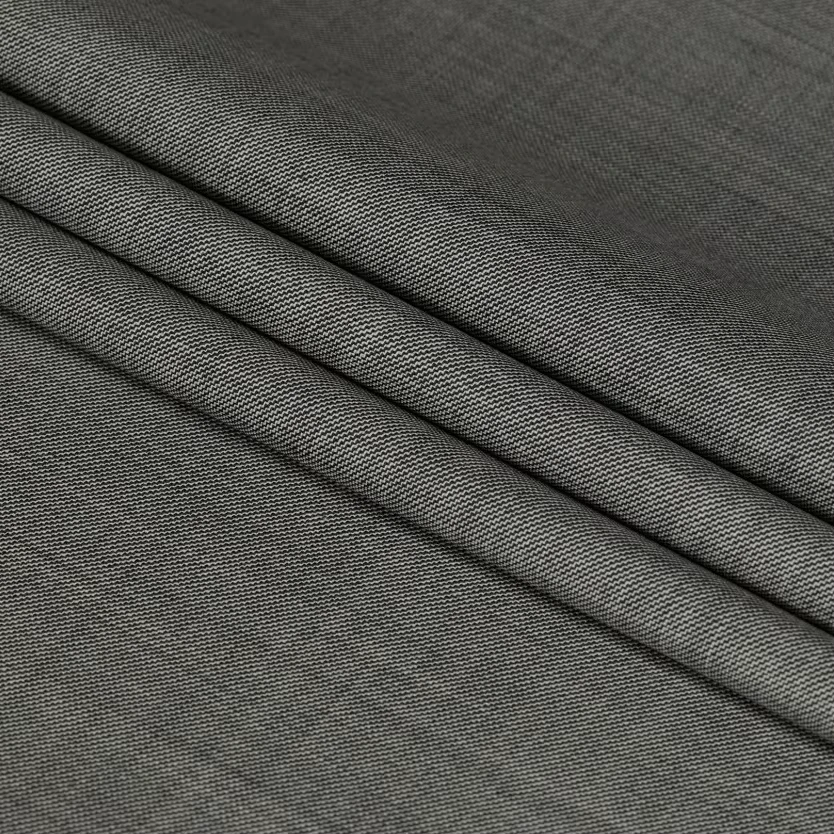
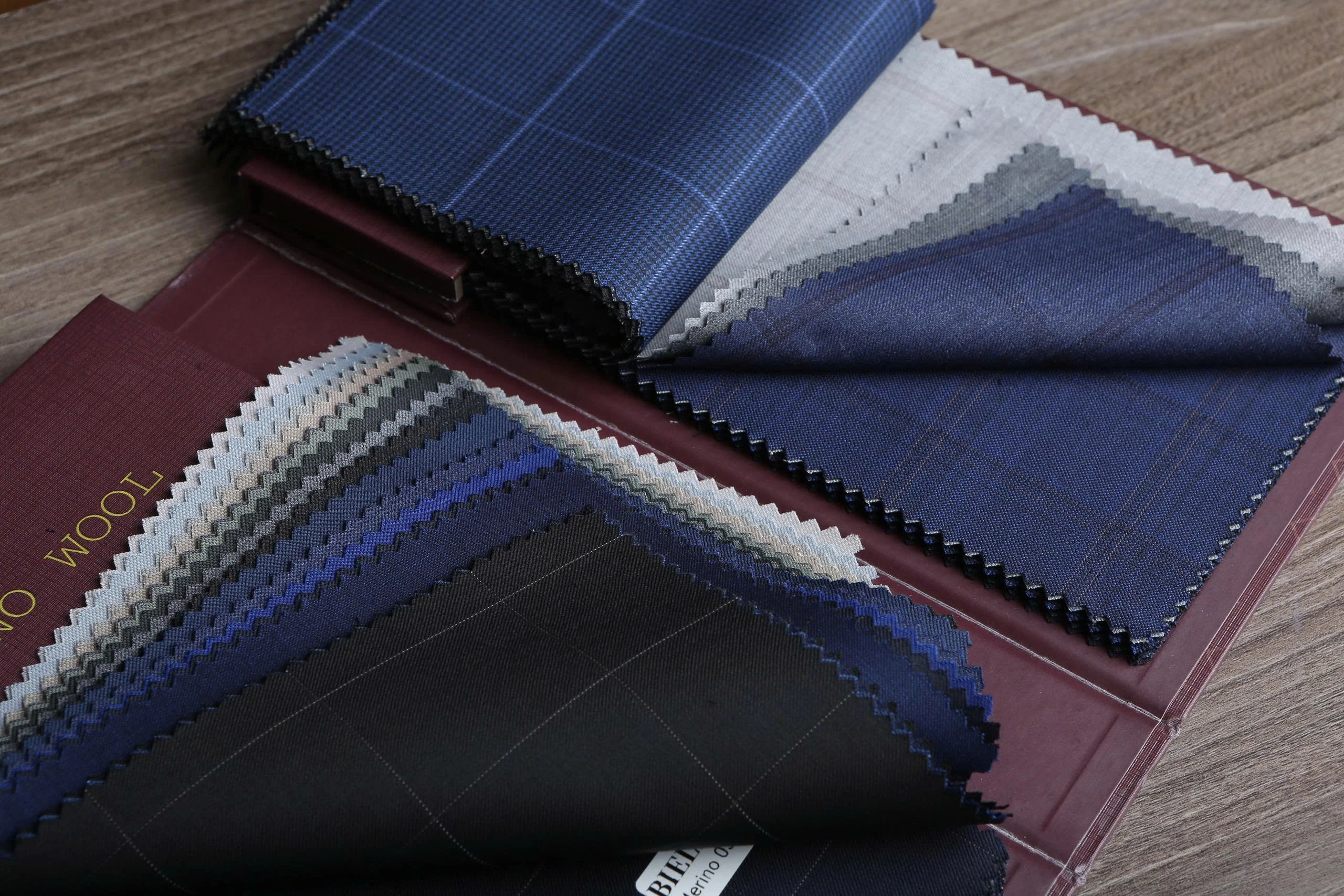
Wool may sound unsuitable for warm weather, but fine merino wool behaves differently from thick winter wool. Lightweight merino fibers can absorb water vapor while the surface of the garment still feels relatively dry. Merino is also valued for odor management, making it useful for travel and repeated wear.
Advantages of Lightweight Merino
- Helps regulate the body’s microclimate;
- Manages water vapor effectively;
- Resists odor better than many common fibers;
- Comfortable across changing temperatures;
- Suitable for travel and outdoor use.
Limitations
Merino is more expensive than cotton or polyester. It also requires careful washing and may be less abrasion-resistant when made into an ultralight fabric.
Best Applications
Lightweight merino is suitable for travel T-shirts, base layers, polo shirts, socks, hiking clothes, and performance uniforms.
7. Performance Polyester
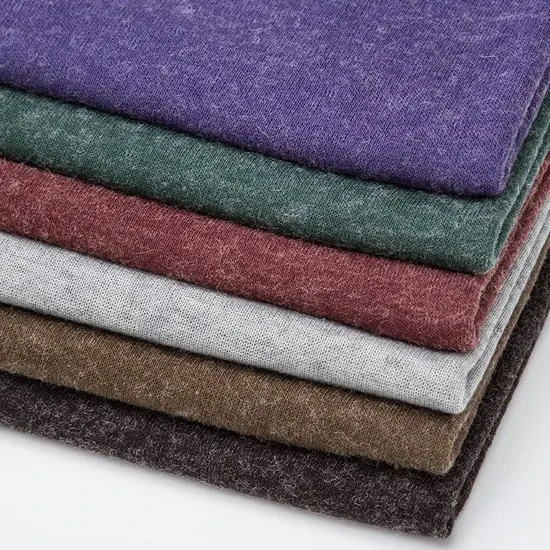
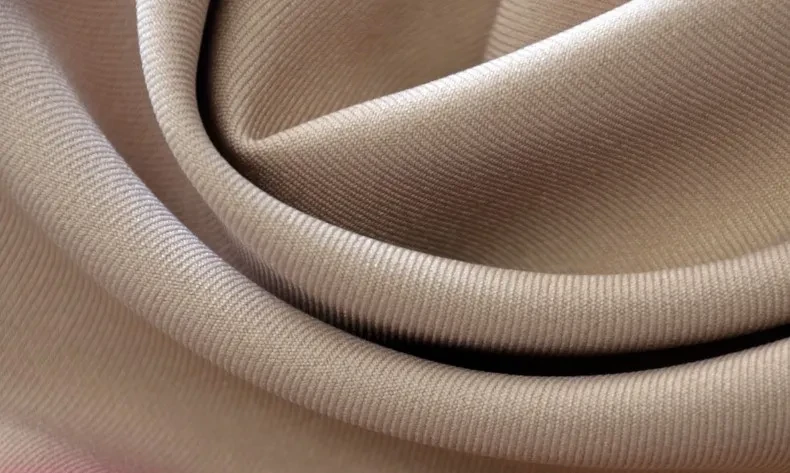
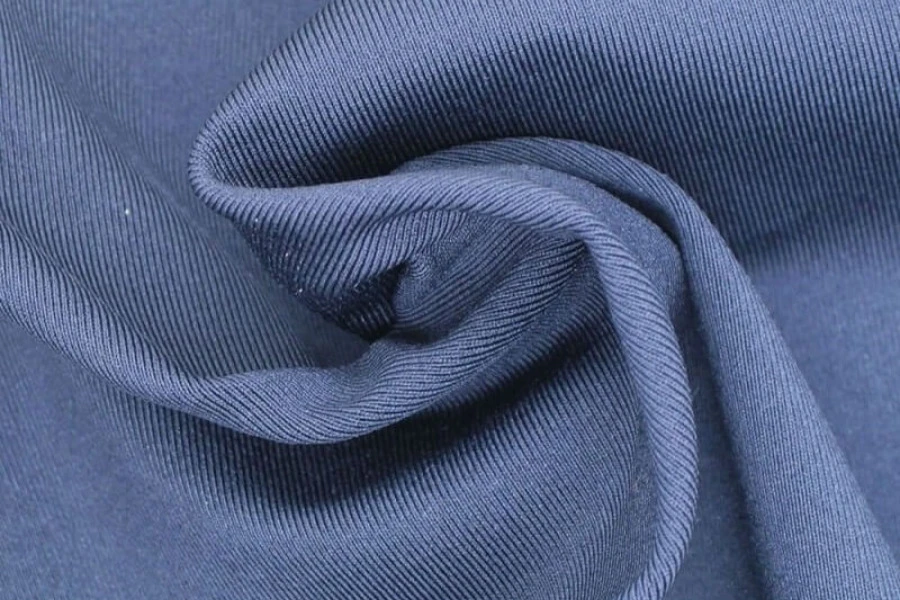
Ordinary dense polyester can feel warm and may retain odor. However, engineered performance polyester is designed differently. A lightweight polyester knit can use capillary channels, mesh structures, textured yarns, or moisture-wicking finishes to move sweat away from the skin. Because polyester absorbs relatively little water into the fiber, it can also dry much faster than cotton.
Advantages of Performance Polyester
- Fast drying;
- Durable;
- Lightweight;
- Good shape retention;
- Suitable for sublimation printing;
- Can be engineered for effective sweat transport.
Limitations
Polyester performance varies widely. Cheap, dense polyester may trap heat and develop odor. Some moisture-wicking finishes may also lose effectiveness after repeated washing.
Best Applications
Performance polyester is suitable for sportswear, running shirts, cycling jerseys, team uniforms, outdoor workwear, and quick-dry travel clothing.
8. Nylon and Polyamide Blends
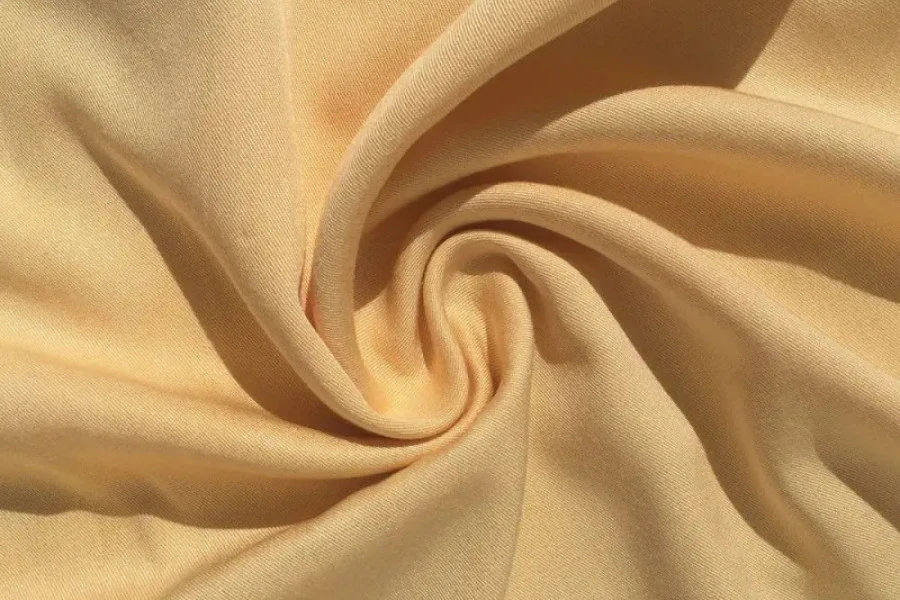
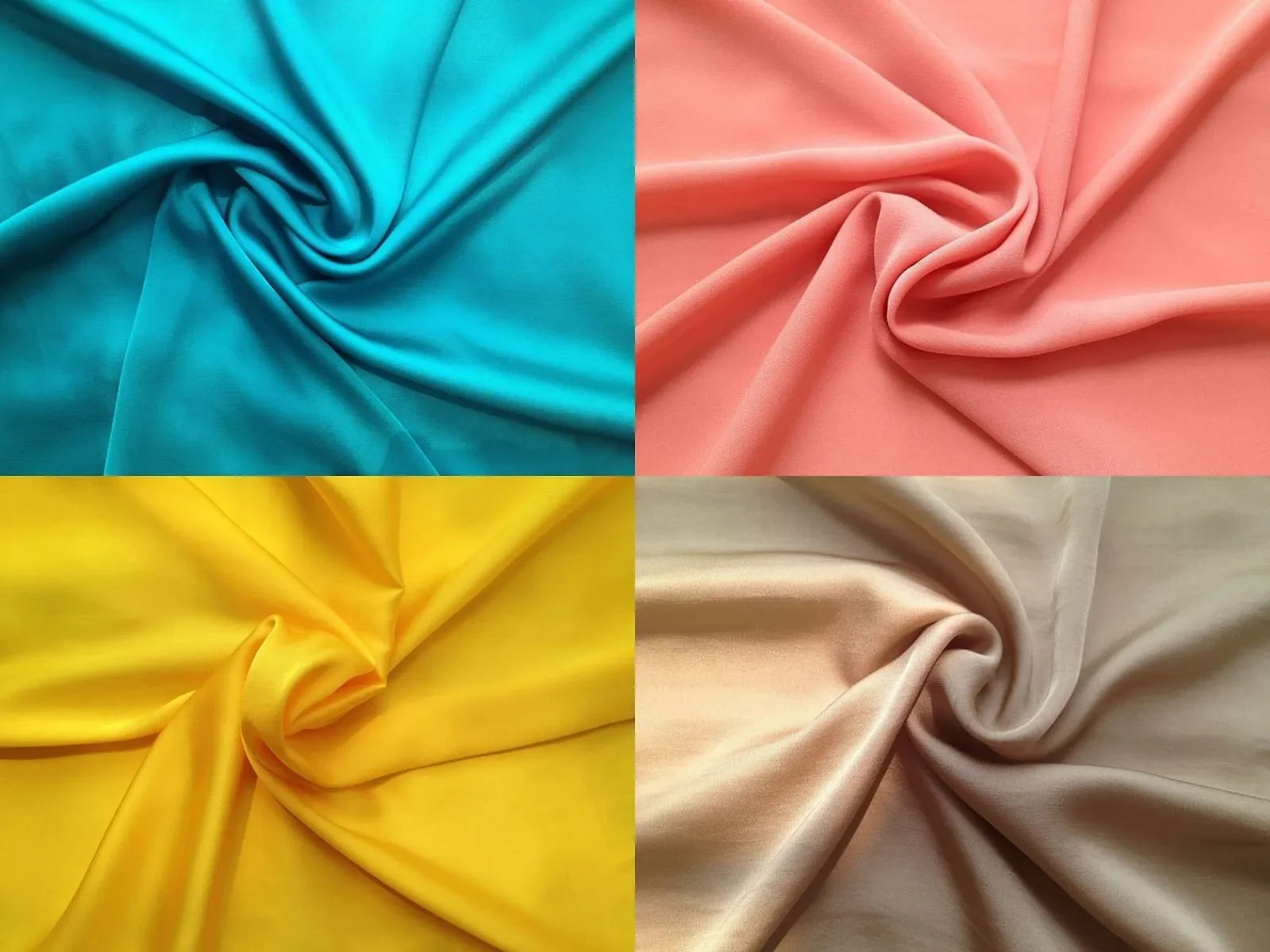
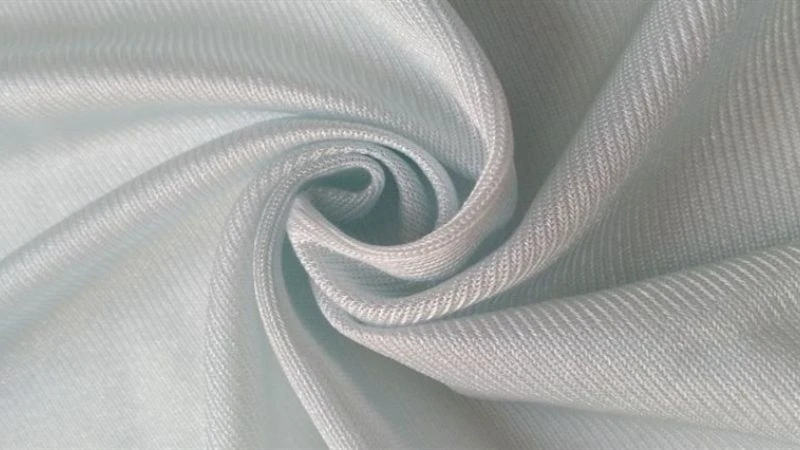
Nylon, also known as polyamide, is lightweight, smooth, and strong. It absorbs more moisture than polyester but generally dries faster than cotton. A thin nylon or polyamide blend can work well for active clothing, especially when paired with elastane and constructed as a breathable knit.
Advantages of Nylon Blends
- Strong for their weight;
- Smooth hand feel;
- Good abrasion resistance;
- Flexible and comfortable for movement;
- Suitable for lightweight performance fabrics.
Limitations
Dense nylon may feel warm or sticky. The fabric must be engineered with a suitable weight, knit structure, and moisture-management design.
Best Applications
Polyamide blends are commonly used for activewear, yoga clothing, fitted tops, underwear, swim cover-ups, and lightweight outdoor garments.
9. Rayon, Viscose, and Modal
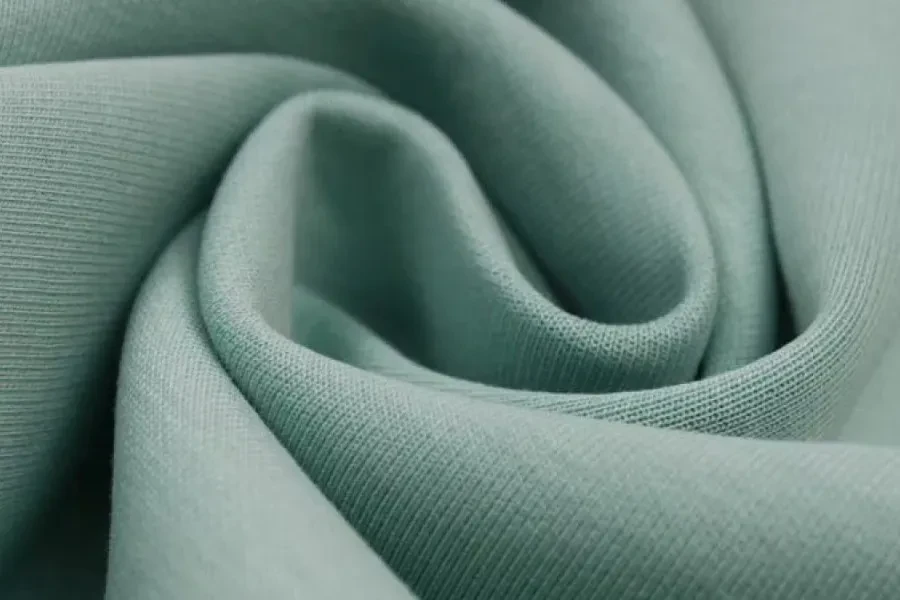
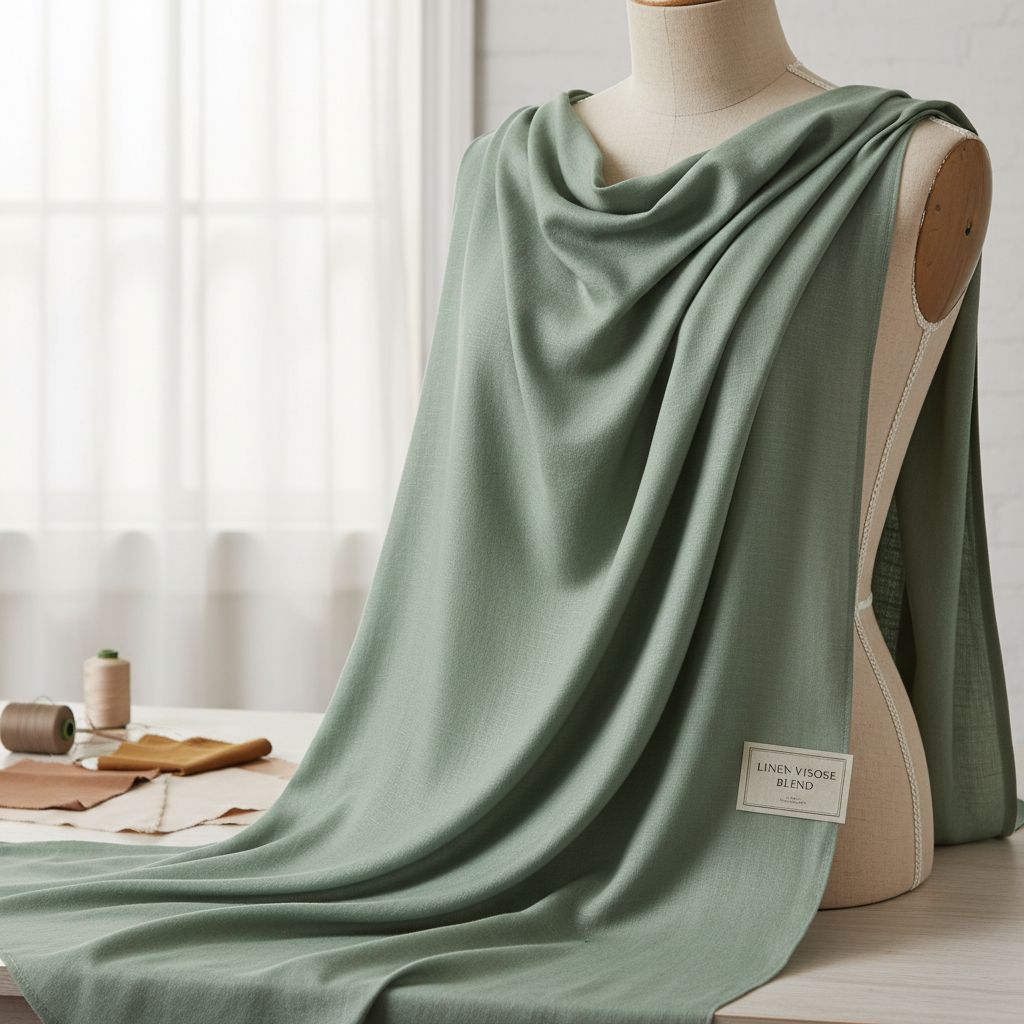
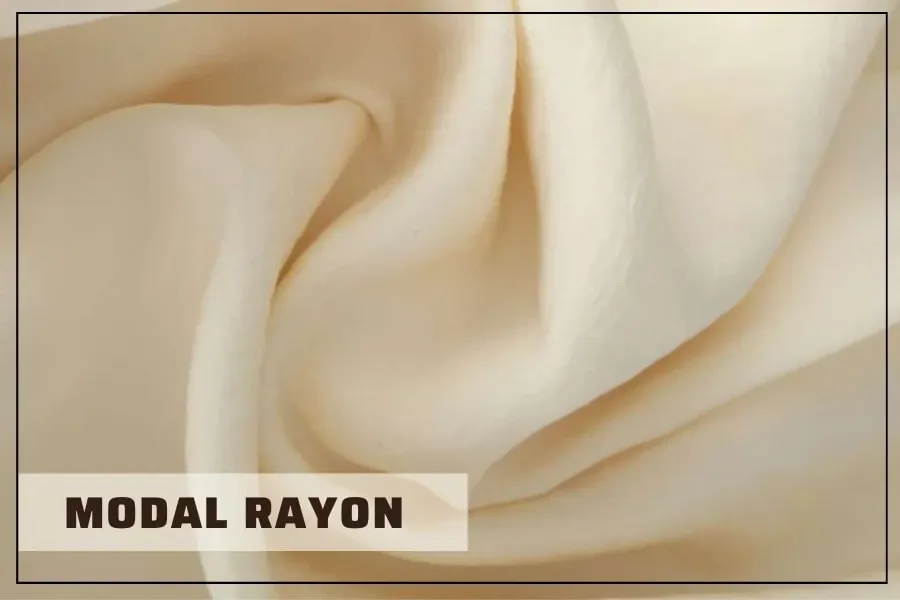
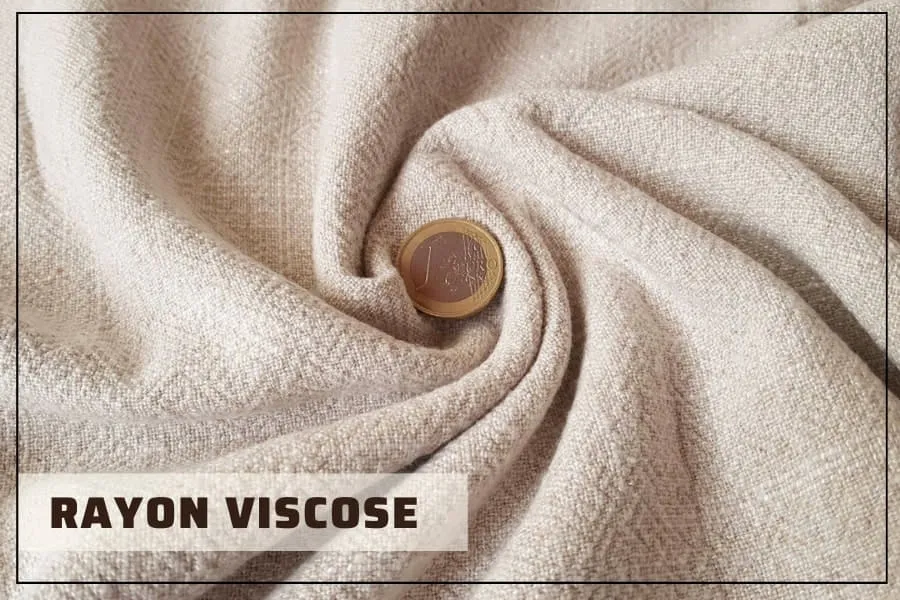
Rayon is a broad category of regenerated cellulose fibers. Viscose and modal are common types within this group. These fabrics are often soft, absorbent, and cool to the touch. Their fluid drape makes them popular for loose summer clothing. Modal generally has better wet strength and dimensional stability than standard viscose, although performance depends on the manufacturer and fabric construction.
Advantages
- Soft surface;
- Cool initial touch;
- Good moisture absorption;
- Fluid and flattering drape;
- Suitable for lightweight fashion products.
Limitations
Standard viscose can weaken when wet and may shrink, distort, or wrinkle if handled poorly. Because it absorbs moisture, it may not dry as quickly as performance polyester.
Best Applications
Viscose and modal work well for dresses, blouses, loose trousers, loungewear, underwear, and fashion T-shirts.
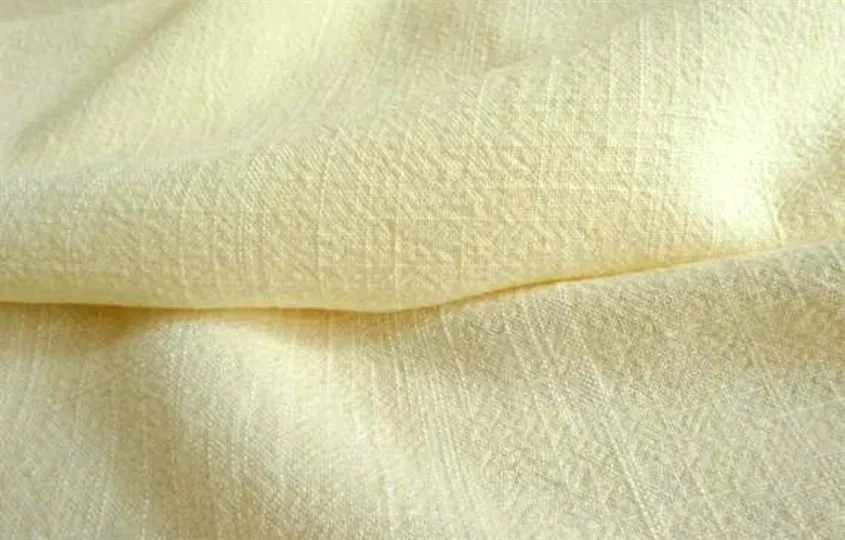
10. Silk and Silk Blends
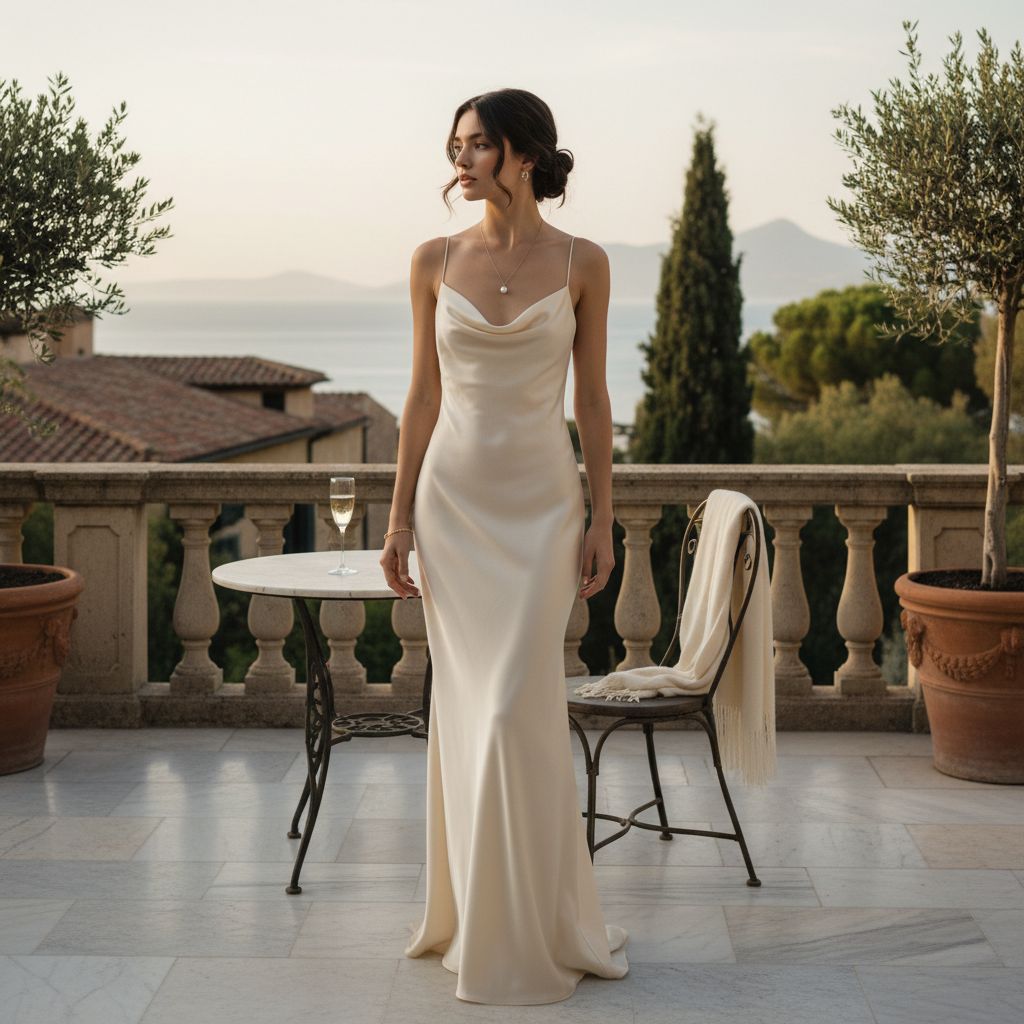
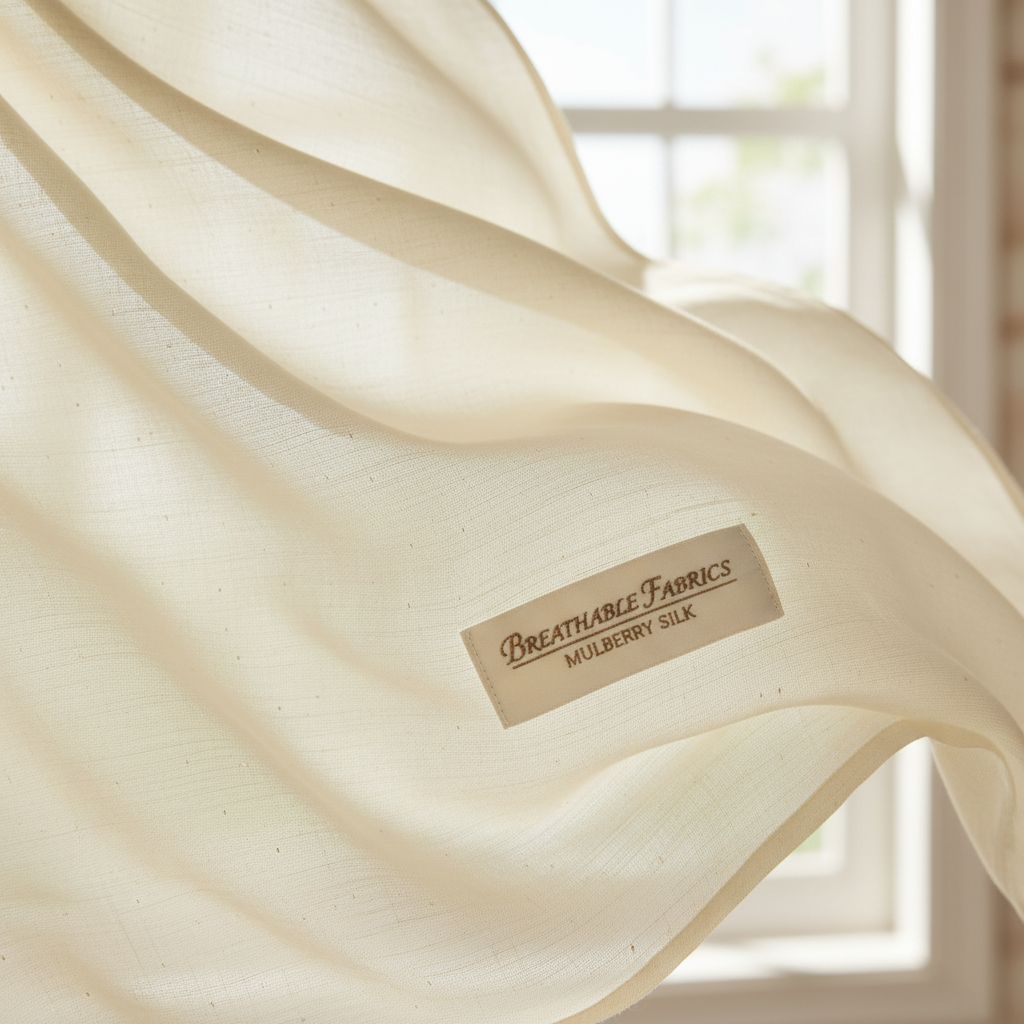
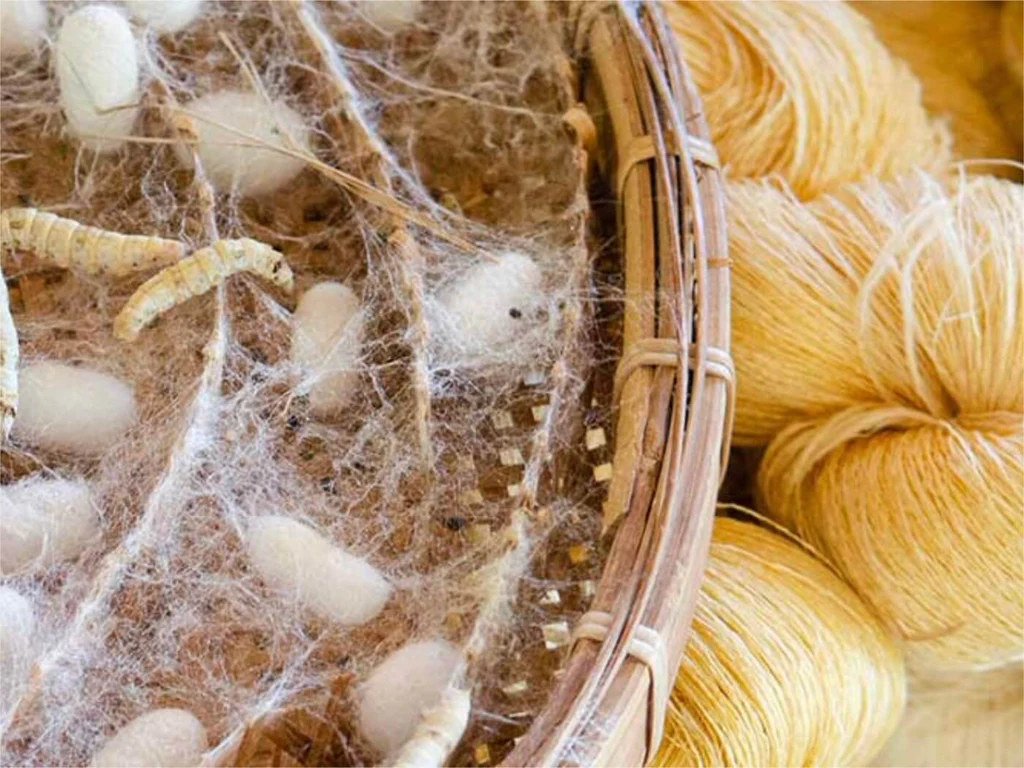
Silk is a fine protein fiber with a smooth surface and elegant appearance. Lightweight silk fabrics can feel comfortable in warm conditions, particularly when used in loose garments. However, silk is not always the best choice for people who sweat heavily. Perspiration may create visible marks, affect color, or weaken some dyed fabrics over time. For this reason, silk belongs on the list mainly as a premium option for light wear rather than intense activity.
Advantages of Silk
- Lightweight;
- Smooth and luxurious;
- Comfortable in loose-fitting garments;
- Suitable for formal and premium fashion;
- Elegant natural drape.
Limitations
- May show perspiration marks;
- Requires careful cleaning;
- Sensitive to deodorant and body oils;
- More expensive than most common fabrics;
- Not ideal for vigorous exercise.
Best Applications
Silk is most suitable for blouses, loose shirts, dresses, scarves, occasion wear, and premium linings.
Final Word / Conlusion
The best breathable fabric for hot and humid weather depends on how the garment will be used. Linen is excellent for airflow. Lightweight cotton is comfortable and versatile. Lyocell offers softness and moisture control. Hemp provides durability. Merino helps manage temperature and odor, while performance polyester and nylon blends are ideal when fast drying is essential. The most important lesson is that fiber content alone does not determine comfort. Fabric weight, weave, knit structure, finishing, lining, and garment fit all influence how clothing performs in tropical weather.
At Mekong Garment, we support brands in developing T-shirts, uniforms, shirts, and other garments using fabrics selected for their intended market, climate, and performance needs. Through fabric sourcing, sampling, and product development, we help turn design ideas into comfortable, practical garments made for real-world use.
FAQs Breathable Fabrics for Hot and Humid Weather
What does “breathable fabric” mean and why is it important for hot, humid weather?
What are the top 10 breathable fabrics recommended for heavy sweaters in Vietnam?
Which fabric and weave combinations work best for office shirts and uniforms in humid conditions?
How should I care for these breathable fabrics to maintain performance and lifespan?
Are synthetic performance fabrics suitable for hot, humid climates or should I stick to natural fibers?
How can heavy sweaters avoid visible sweat stains while staying comfortable?