What is Cotton 60s? Its Advantages, Comparison with Cotton 40s,… Real Life Applications

Cotton 60s is a term commonly used in textile sourcing to describe fabric made from relatively fine cotton yarn. Compared with lower yarn counts such as 20s, 30s, or 40s, 60s yarn is thinner and can be used to produce fabrics with a smoother surface, lighter structure, and more refined appearance. However, the number “60s” does not describe cotton percentage, fabric weight, or overall quality by itself. It only refers to yarn fineness within a particular yarn-count system. The final performance of the fabric still depends on cotton fiber quality, yarn spinning, fabric construction, GSM, finishing, and intended use.
In this guide, we explain what Cotton 60s actually means, how yarn count works, the main advantages and limitations of 60s cotton, how it compares with Cotton 40s, and where these yarns are commonly used in real apparel and textile production.
Meaning of “60s” and “40s”
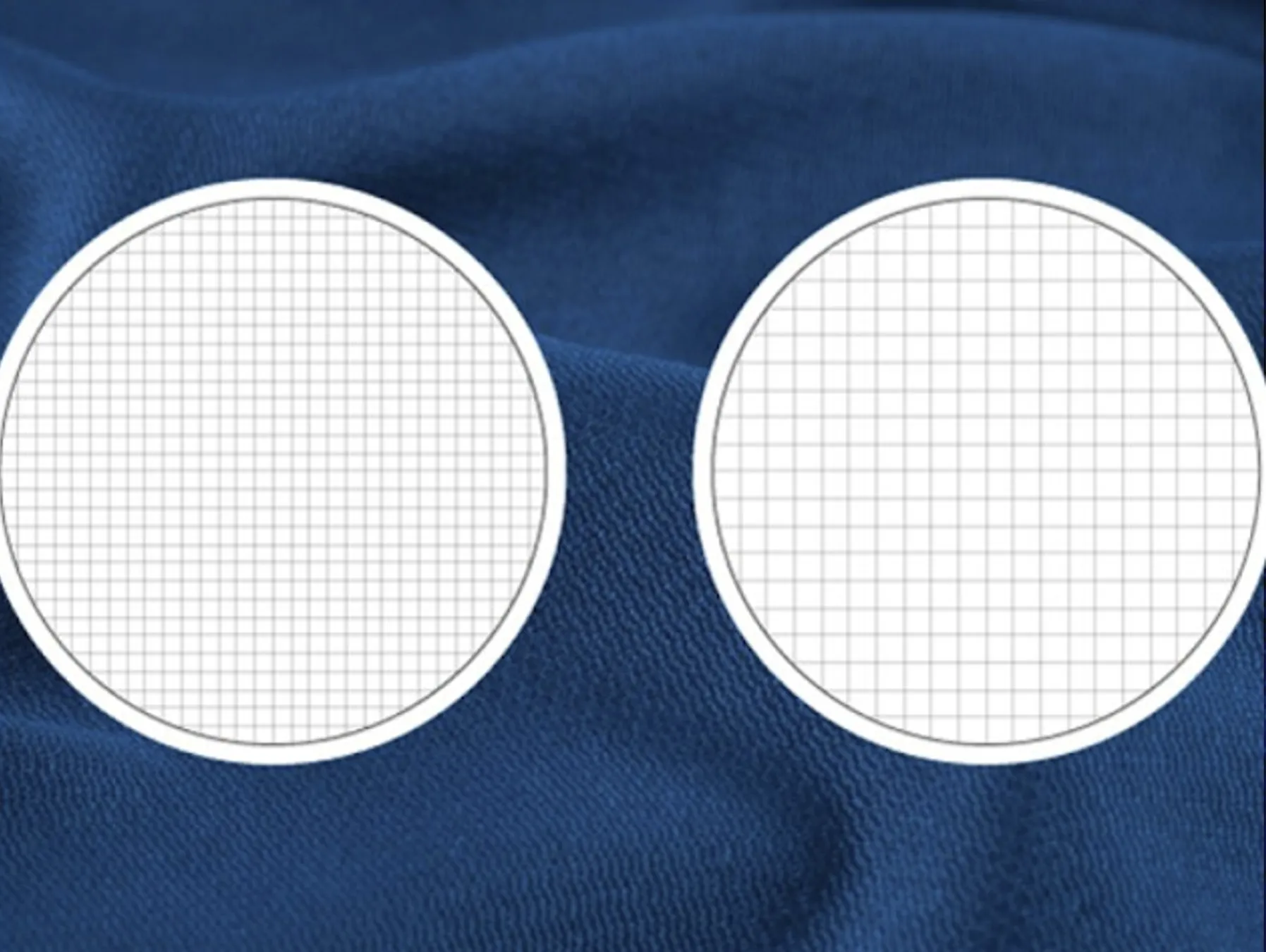
The numbers “40s” and “60s” describe yarn fineness. A higher count, like 60s, means thinner yarn and a finer weave. This leads to a lighter, softer fabric compared with 40s. The “s” in 40s or 60s stands for “count.” If one gram of cotton can be spun into 40 threads of 1 meter each, that is 40s; if it can be spun into 60 threads, that’s 60s. In practical terms: Higher count (60s) means the yarn is finer, the weave is tighter, and the fabric feels smoother and more refined.
- Cotton 20s = relatively coarse yarn
- Cotton 30s = medium yarn
- Cotton 40s = thicker yarn → heavier / sturdier fabric.
- Cotton 60s = finer yarn → lighter fabric with a premium hand feel.
- 80s or 100s = very fine yarn.
That finer yarn can help manufacturers create lighter, smoother, and more refined fabrics, although the final fabric does not automatically become thinner or better simply because the yarn count is higher.
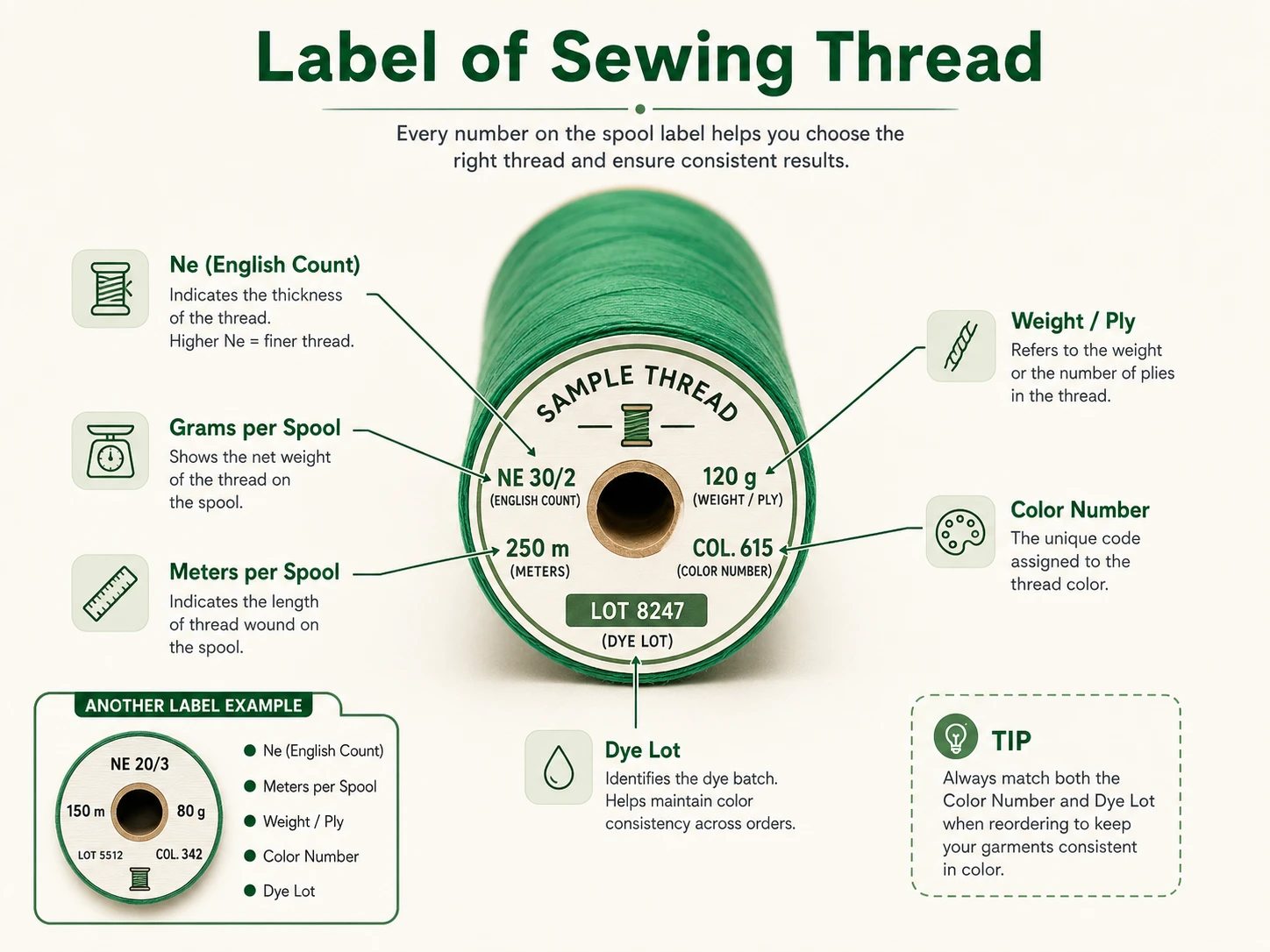
Cotton 60s generally refers to cotton yarn with a yarn count of 60 Ne in the English cotton count system. The English cotton count, commonly written as Ne, is an indirect yarn-count system. A higher number indicates a finer yarn – Comparison of Cotton 60s vs Cotton 40s yarn
Cotton 60s Is Not the Same as 60% Cotton
This is one of the most common misunderstandings among people who are new to fabric sourcing. 60s describes yarn fineness. It does not describe fiber composition. For example:
- 100% Cotton, 60s yarn
- 60% Cotton / 40% Polyester, 40s yarn
These are completely different specifications. Fiber composition tells you what the yarn is made from, while yarn count tells you how fine or coarse that yarn is.
Why Does Yarn Count Matter?
Yarn count influences several important fabric characteristics. It can affect: Fabric weight, Surface smoothness, Softness, Drape, Opacity, Breathability, Strength, Production cost. However, yarn count should never be evaluated alone.. A 60s yarn used in a dense construction can produce a fabric that feels more substantial than a loosely constructed 40s fabric. GSM, stitch density, weave structure, ply, and finishing all change the final result.
Advantages of Cotton 60s
Compared to 40s fabric, Cotton 60s offers several notable benefits for premium collections:
- Softer & smoother texture: The fine yarn creates a surface that is incredibly comfortable against the skin.
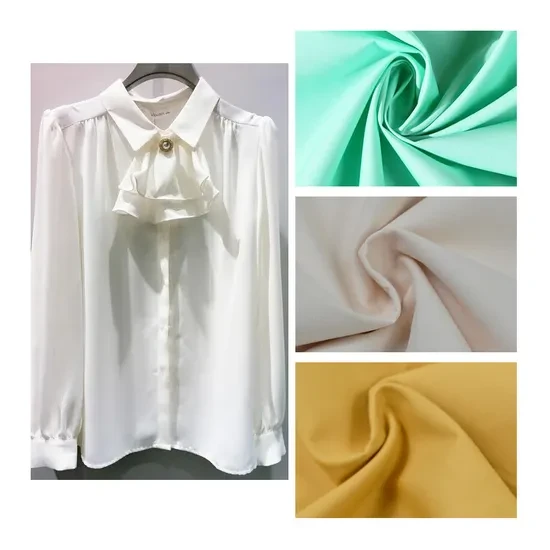
- Better drape and finish: Provides an elegant look suitable for high-end apparel or luxury bedding.
- Refined breathability: Balances durability and comfort perfectly for lightweight garments.
- Premium appearance: Fabrics labeled 60s often command a higher value due to more demanding production standards.
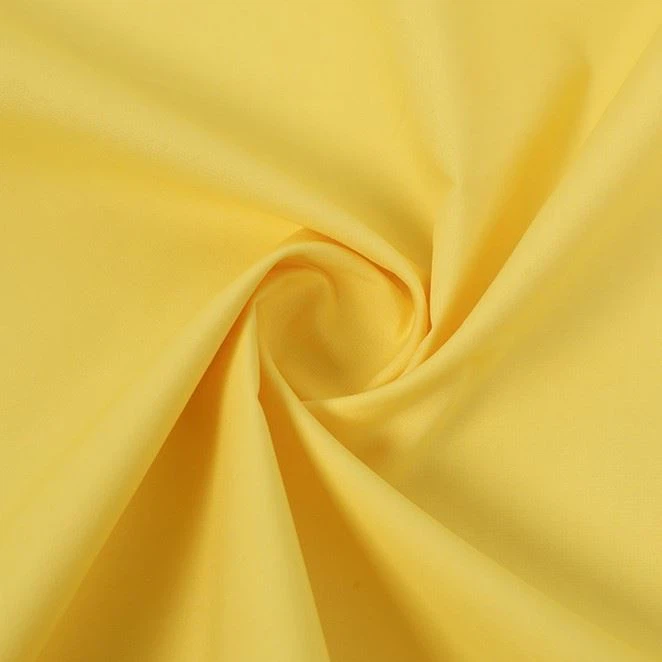
Soft and Comfortable
One of the main reasons brands select 60s cotton is its potential for a smoother and softer hand feel. Fine yarn produces a more delicate surface, especially when the cotton is combed, ring-spun, or compact-spun. This makes it suitable for garments where skin comfort is a major priority.
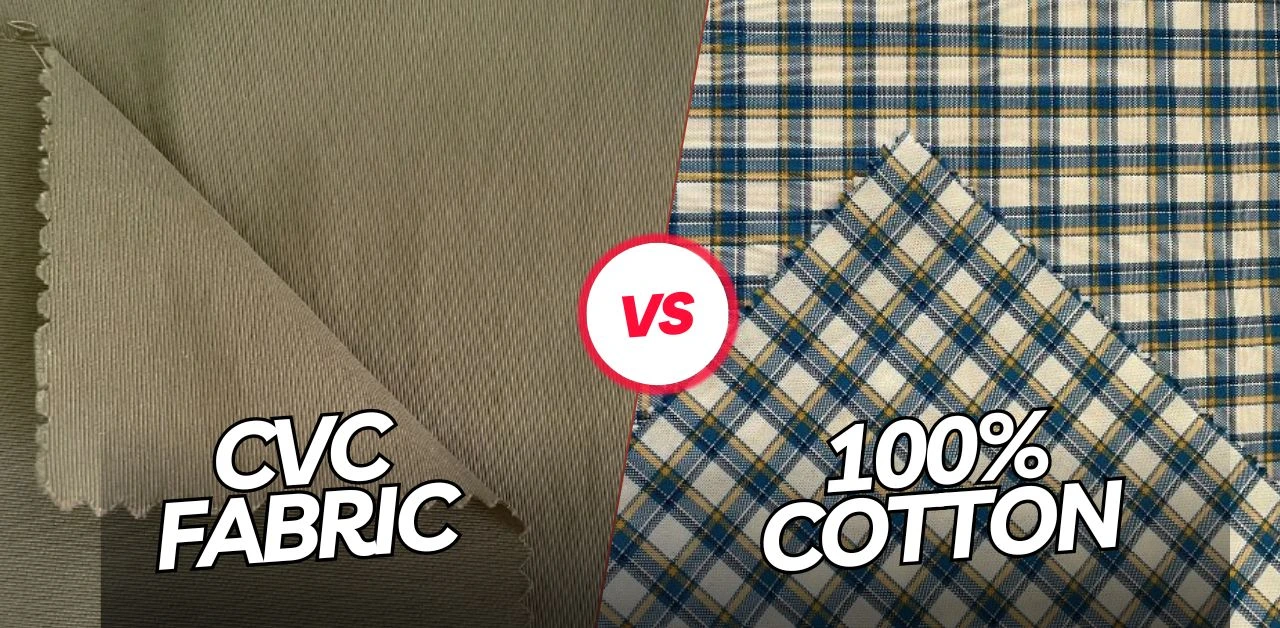
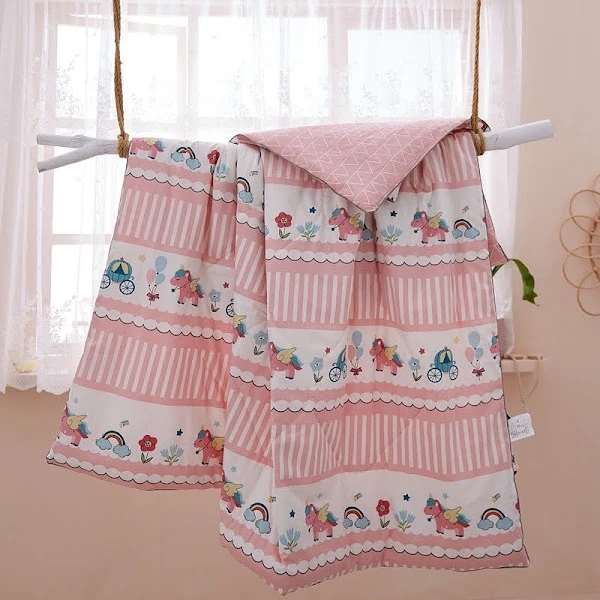
Premium Appearance
Fine yarn can create cleaner fabric surfaces with smaller visible yarn structures. This often gives the material a more refined appearance compared with coarse-yarn fabrics. For premium shirts, dresses, and lightweight tops, this visual difference can be important.
=> Related Article: Cotton Tee Fabrics: Types, GSM, From Basic to Premium T Shirts For Brands
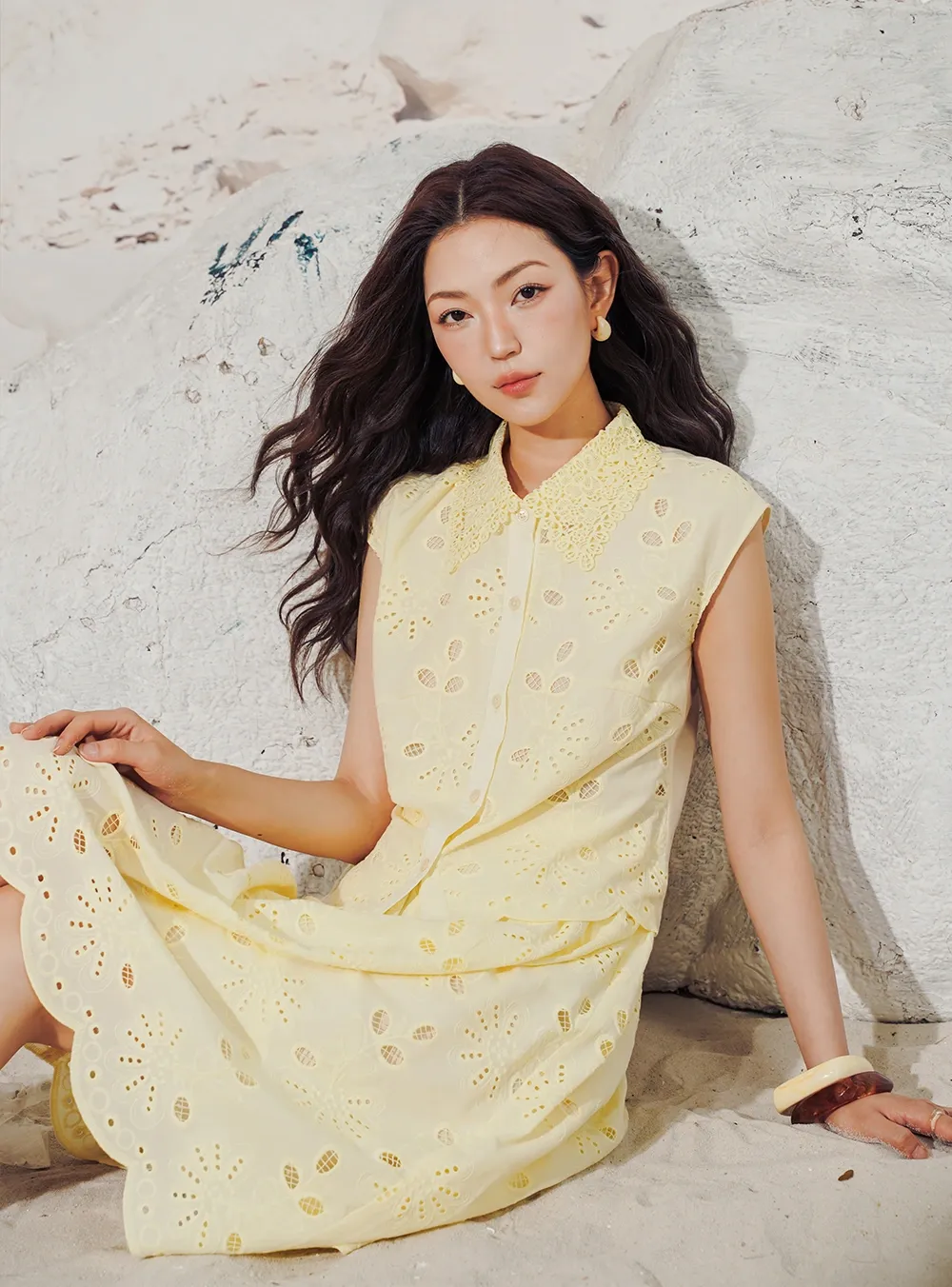
Suitable for Lightweight Fabrics
Because the yarn itself is fine, 60s can be used to produce lightweight fabrics with relatively good coverage. This is useful in warm climates where the garment needs to feel light without appearing overly loose or coarse.

Good for Fine Weave and Knit Structures
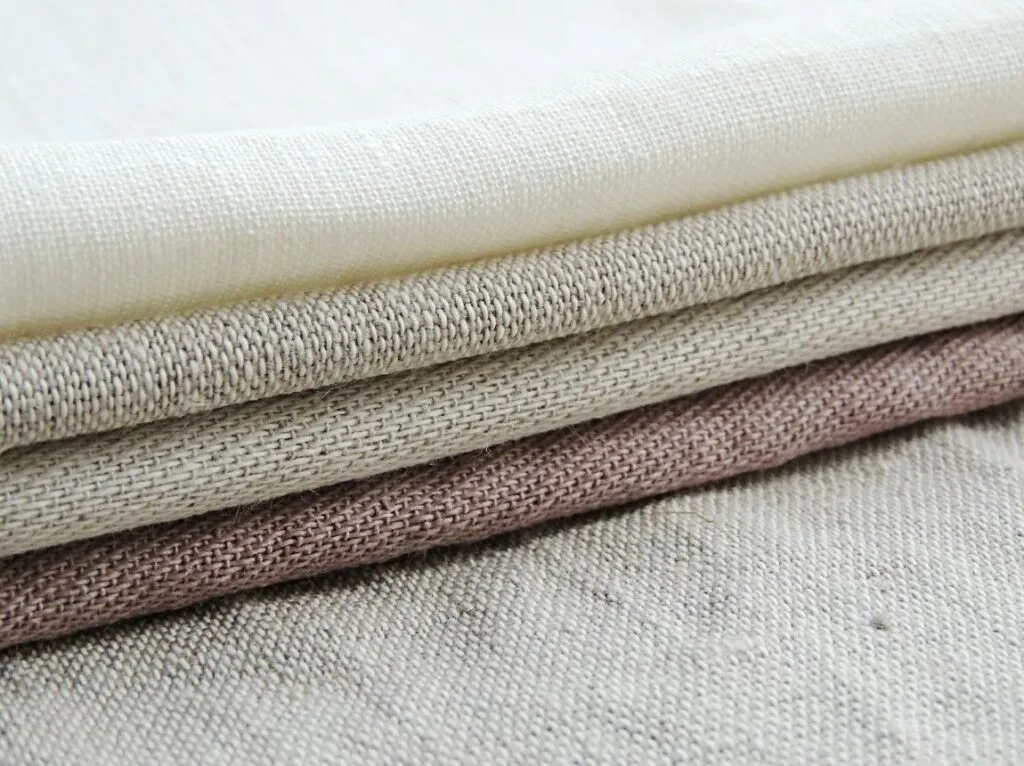
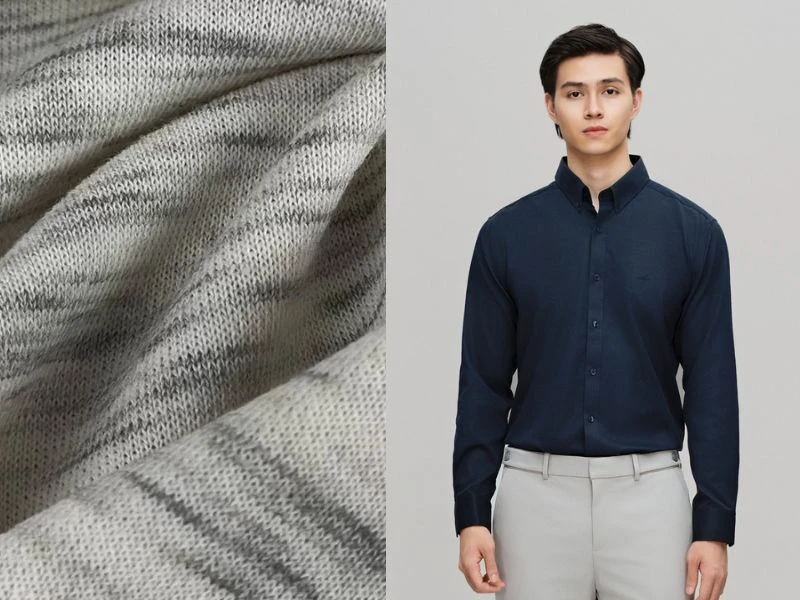
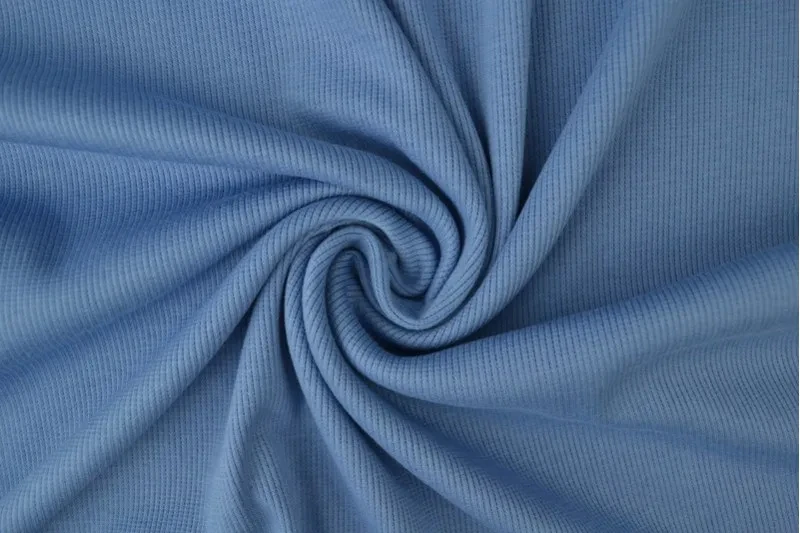
Fine yarn allows textile mills to create more detailed constructions. For woven fabrics, it may be used in high-density poplin, voile, lawn, or fine shirting. For knitted fabrics, fine yarn can help create smooth lightweight jersey or other refined knit constructions.
Comfortable in Warm Weather
When combined with an appropriate lightweight construction, 60s cotton can feel cool and breathable. This makes it useful for summer shirts, lightweight dresses, blouses, and other warm-weather garments.
Limitations of Cotton 60s
Higher Production Cost
Fine yarn generally requires better-quality fiber and greater production control. The spinning process must manage fine fibers and yarn structure more carefully, which can increase cost.
Can Be More Delicate
If a 60s yarn is used to create a very lightweight or loose fabric, the final material may be less resistant to abrasion or rough use than a heavier 40s construction. Durability therefore depends on fabric engineering, not just yarn count.
=> Related Article: Does Cotton Fabric Tend to Pill or Not? Causes, Prevention, and Fabric Quality

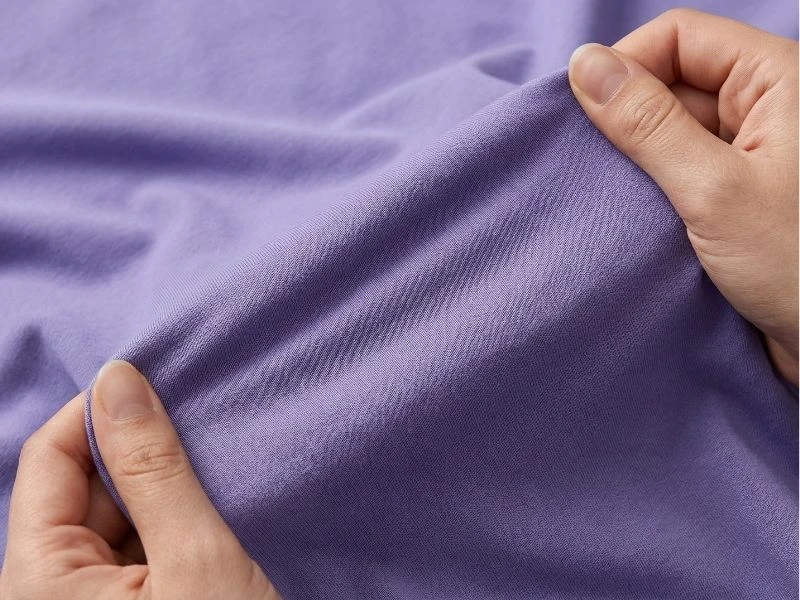
Requires Better Cotton Quality
Fine yarn is more difficult to spin successfully from very short or inconsistent cotton fibers. Higher-count yarns often benefit from longer, cleaner, and more uniform fibers.
=> Related Article: Do Cotton Blends Pill More Than Pure Cotton?
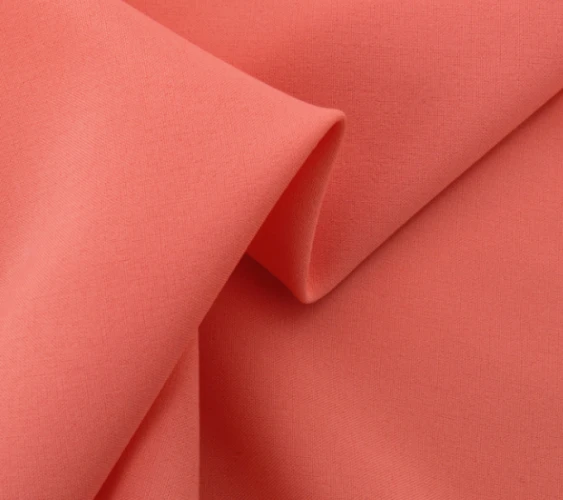
Not Suitable for Every Product
Fine 60s yarn is not the best choice for products that require heavy structure, high abrasion resistance, or a rugged appearance. Workwear and heavy casual garments may perform better with coarser yarns.
=> Related Article: 100% Cotton Fabric: Benefits, Drawbacks, and Common Uses (Pure Cotton Yarn, Naturally Soft)
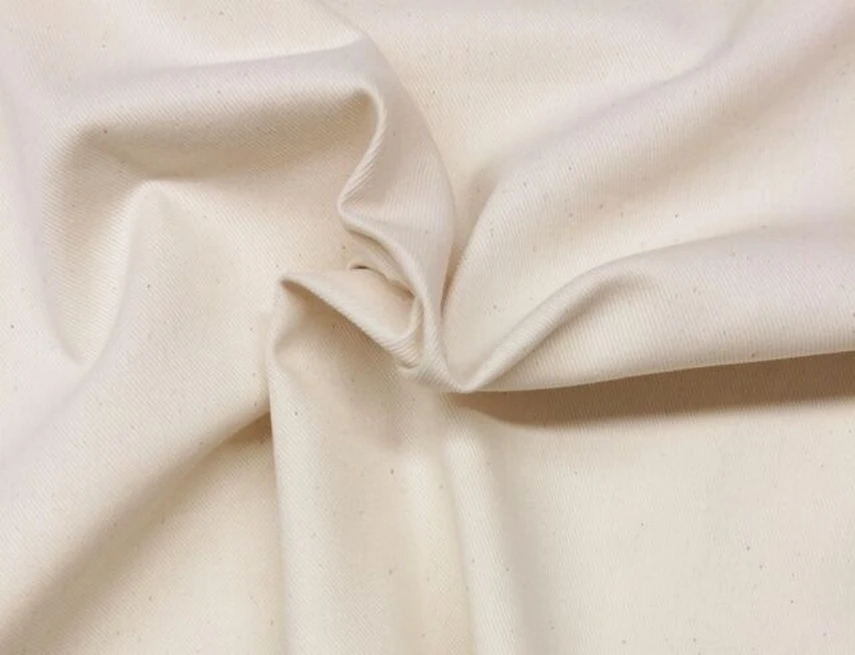
Comparison Table: 40s vs. 60s vs. 100s
Use this table to quickly match the fabric choice to your specific goal and budget:
| Attribute | 40s Count | 60s Count | 100s Count |
|---|---|---|---|
| Thickness | Relatively thick yarn. | Thinner and more refined. | Extremeley fine yarn. |
| Texture | Solid and stiffer. | Medium; balanced feel. | Delicate “cicada wing” feel. |
| Softness | Moderate; slightly rough. | High; very comfortable. | Highest; gentle but fragile. |
| Typical Use | Workwear, heavy curtains. | Everyday T-shirts, dresses. | Luxury shirts, premium bedding. |
Is Cotton 60s Better Than Cotton 40s?
Not necessarily. The higher number only means the yarn is finer. It does not mean the fabric is automatically better.
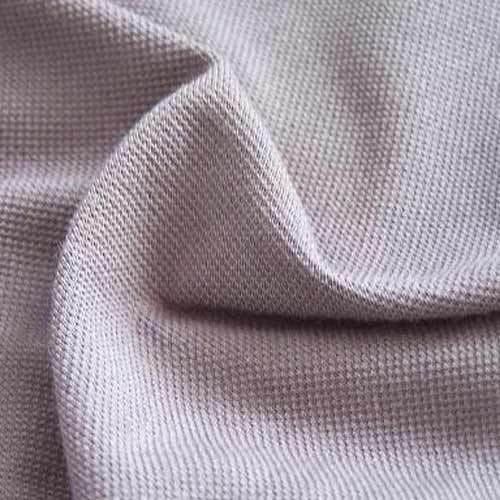
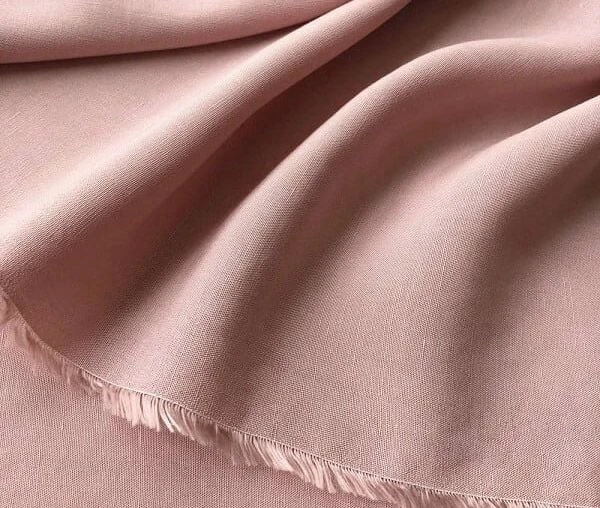
Cotton 60s may be the better choice when you want:
- A smoother surface
- Fine lightweight fabric
- More elegant drape
- A refined appearance
- Premium shirting or lightweight apparel
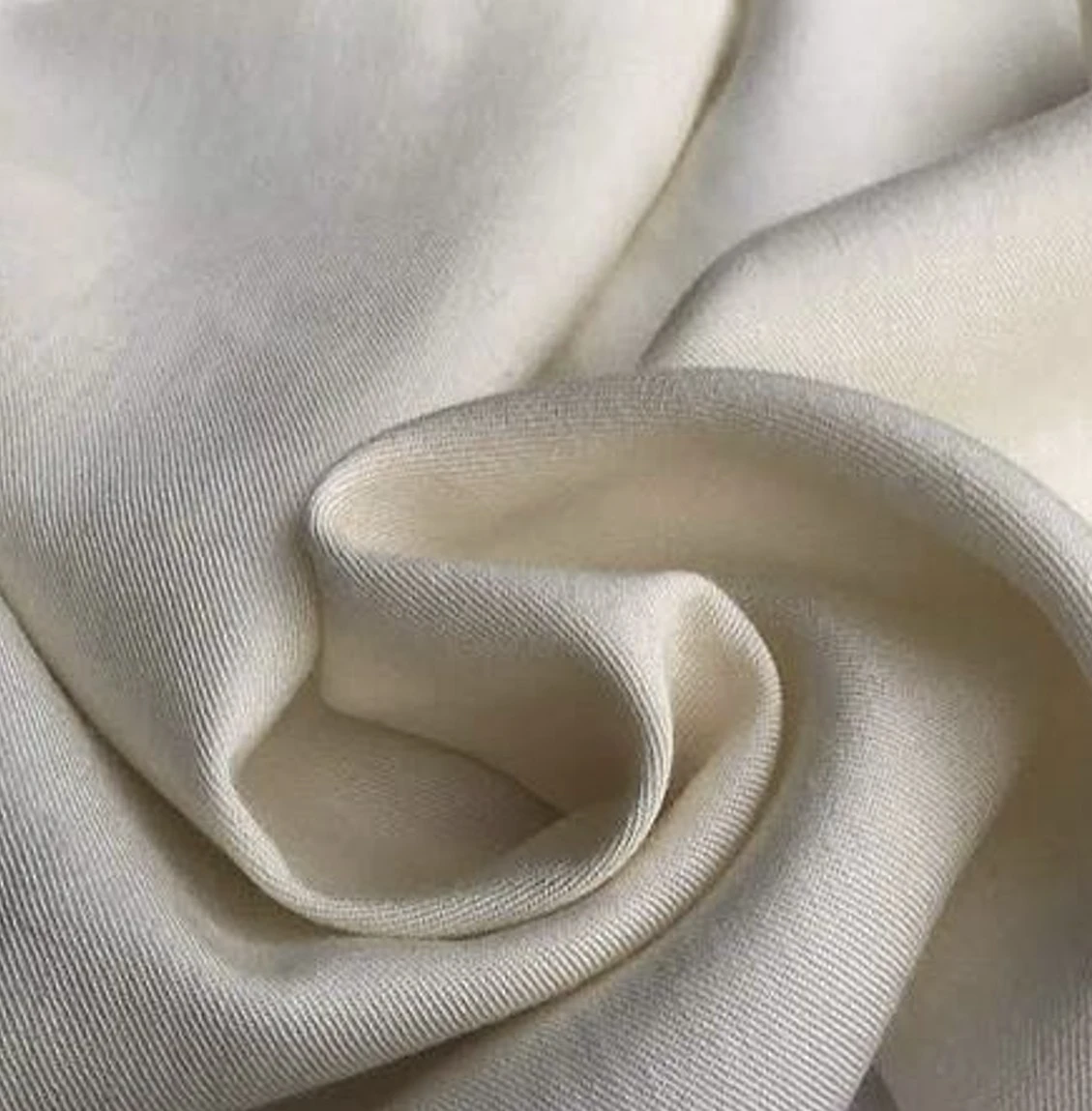
Cotton 40s may be a better choice when you want:
- A more substantial hand feel
- Greater fabric body
- Potentially better resistance to rough daily wear
- Lower material cost
- Medium-weight casual garments
The correct choice depends on the product rather than the number alone.
Is Cotton 60s More Durable Than Cotton 40s?
Not automatically. A finer yarn does not necessarily create a stronger finished fabric. A dense 40s construction may be much more durable than a very lightweight 60s fabric. Durability depends on:
- Cotton fiber strength
- Yarn twist
- Yarn ply
- Fabric density
- Garment construction
- Finishing
- End use
This is why buyers should choose yarn count based on the product’s actual performance requirements.

Is Cotton 60s More Expensive?
It often can be. Producing fine cotton yarn generally requires:
- Better fiber selection
- Greater spinning control
- More consistent yarn quality
- Suitable textile machinery
- More careful processing
But yarn count is only one part of fabric cost. Actual cost also depends on cotton quality, fabric GSM, construction, dyeing, finishing, order volume, and market conditions.
Practical Applications of Cotton 60s
Cotton 60s shines in products that touch the skin directly. Its fine yarn creates a clean, premium look that many brands love:
- Apparel: Polos, casual shirts, and dresses where a soft hand feel is desired.
- Home Textiles: Premium bedding like sheets and pillowcases for smoother skin contact.
- Premium Lines: Positioning collections in the high-quality market segment.
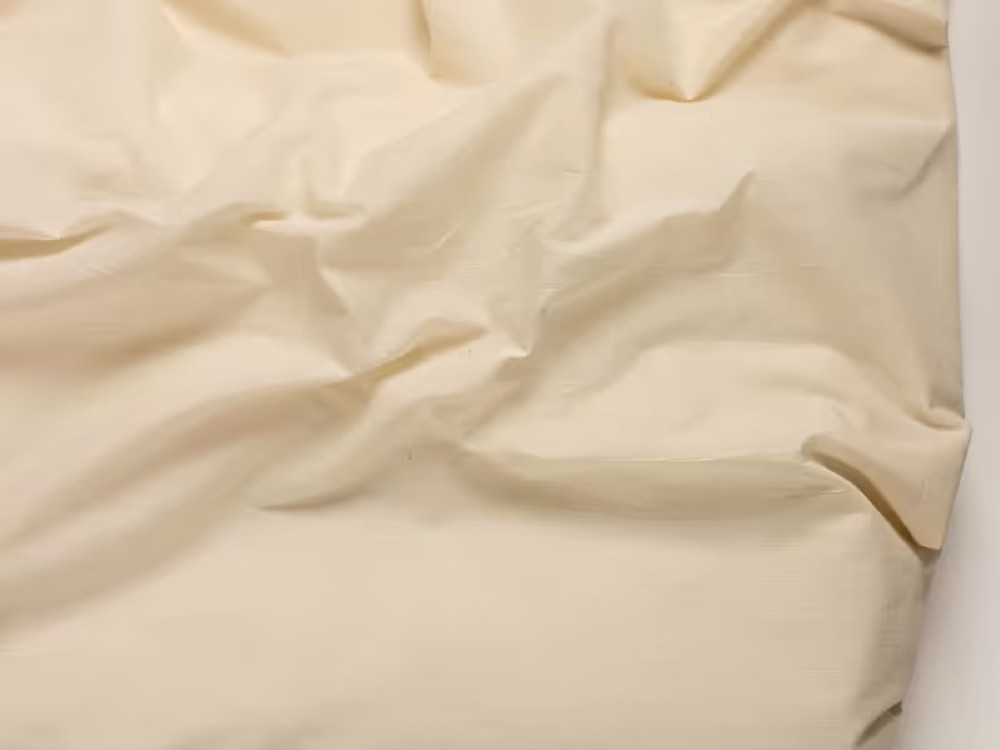
Fine Dress Shirts
Cotton 60s is commonly suitable for fine woven shirting where manufacturers want a smooth surface, relatively lightweight feel, and refined appearance. Depending on weave and finishing, it can be used for business shirts, dress shirts, and premium casual shirts.
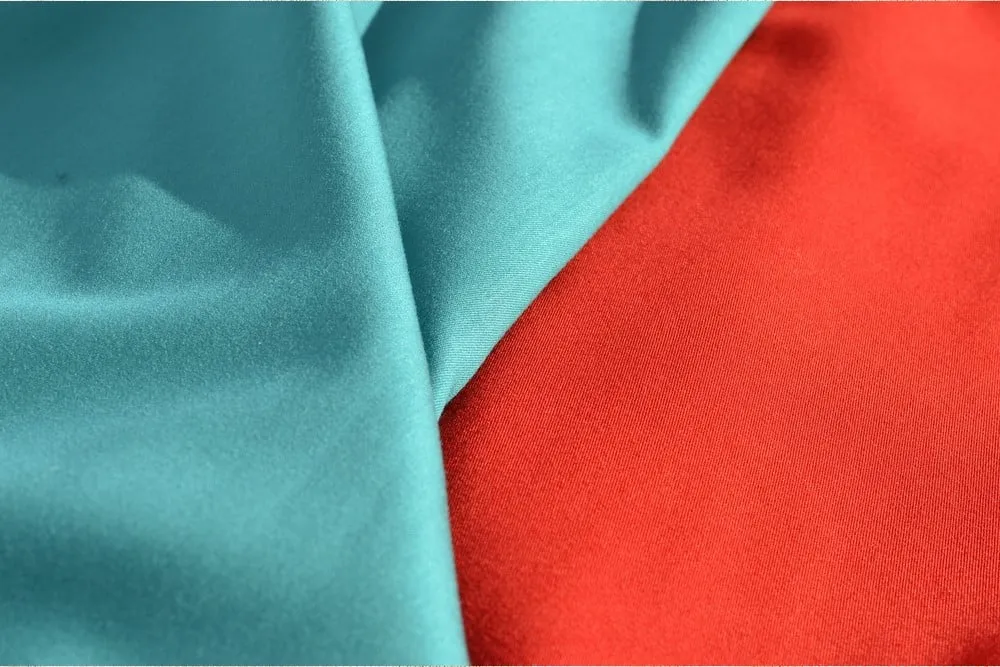
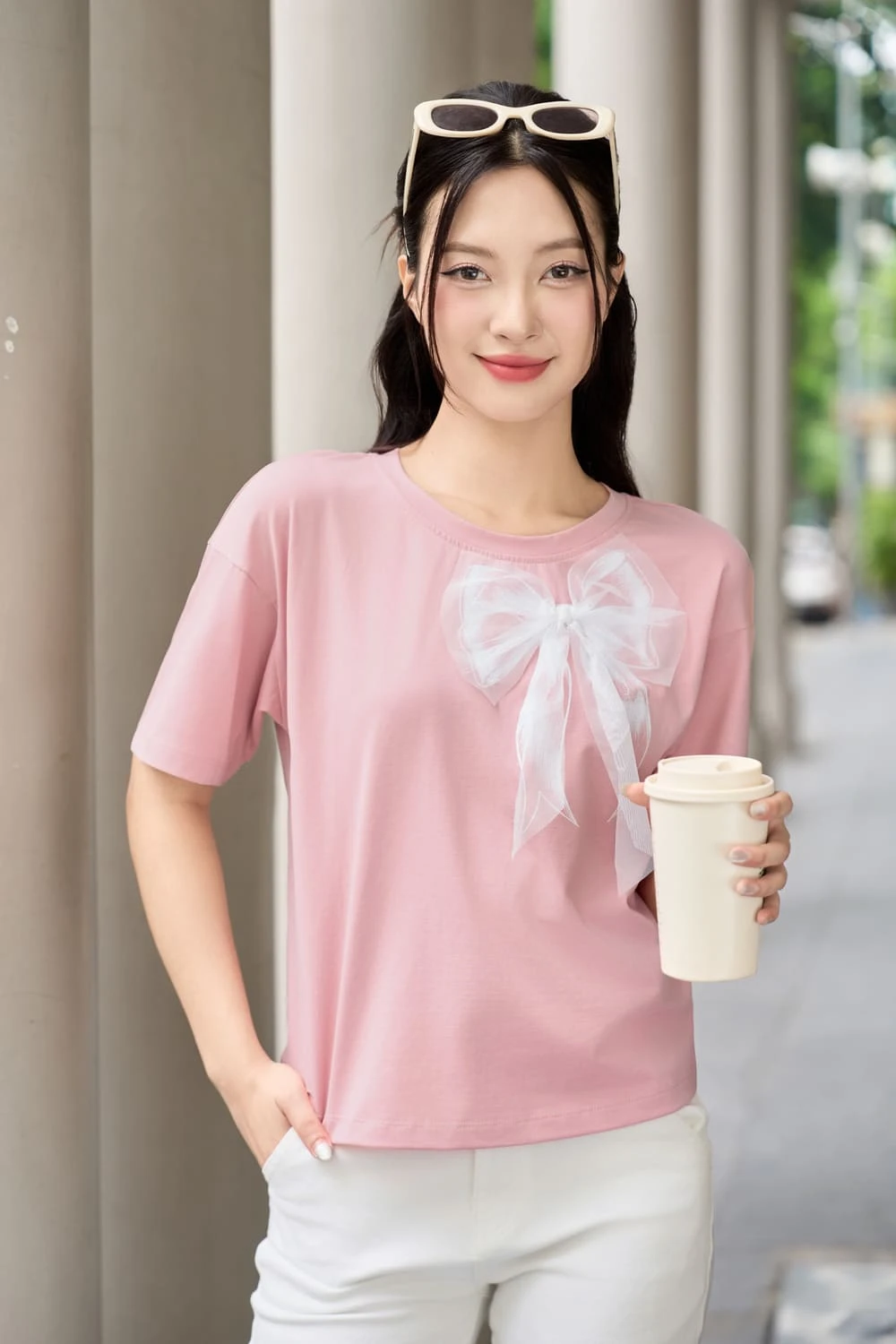
Blouses
The finer yarn can produce lightweight fabrics with good drape, making it suitable for women’s blouses and soft woven tops. Fine poplin, lawn, and similar structures can benefit from higher yarn counts.
Dresses
Lightweight 60s cotton fabrics can be used for summer dresses and casual dresses that require softness and comfortable movement. Printed cotton fabrics made from fine yarn can also produce cleaner pattern definition.

Premium T-Shirts
Fine cotton yarn can be used in lightweight knitted T-shirts when the desired result is a smooth surface and soft feel. However, many heavyweight premium T-shirts intentionally use lower yarn counts because they need a thicker, denser construction. Therefore, “premium T-shirt” does not automatically mean 60s yarn.
Underwear and Base Layers
Fine cotton fabrics can feel comfortable against the skin, making them suitable for certain lightweight underwear and base-layer products. The exact yarn selection depends on required stretch, GSM, durability, and garment construction.
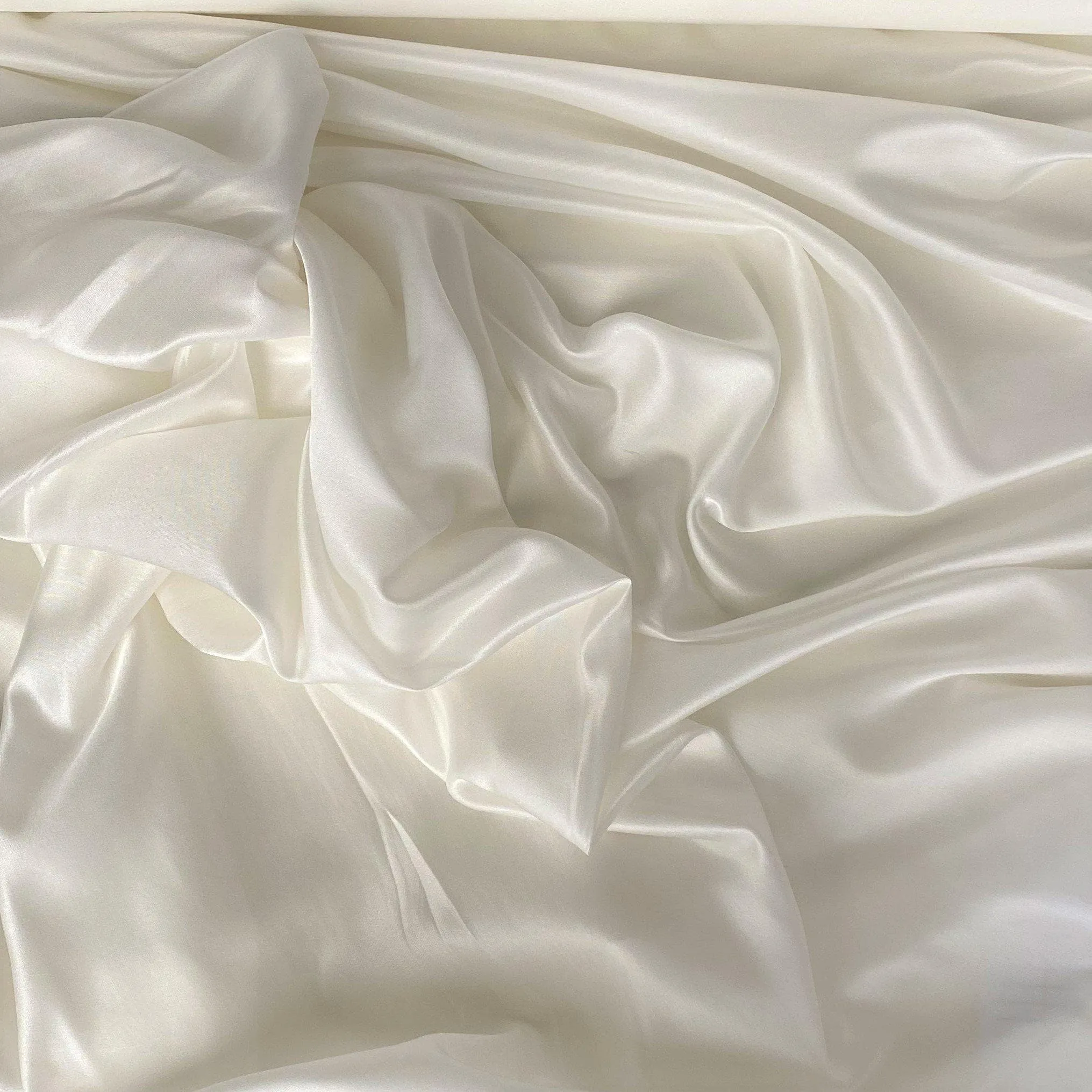
Children’s Clothing
Lightweight fine cotton fabrics may be used for children’s shirts, tops, dresses, and summer clothing where softness is important. For children’s apparel, yarn count should be considered together with chemical safety, colorfastness, shrinkage, and fabric durability.
Premium Bed Sheets
Fine cotton yarn is commonly used in higher-quality bedding because it can help create smooth, dense woven surfaces. However, just like in apparel, high yarn count alone does not guarantee premium bedding. Fiber quality, ply, weave density, and finishing also matter.
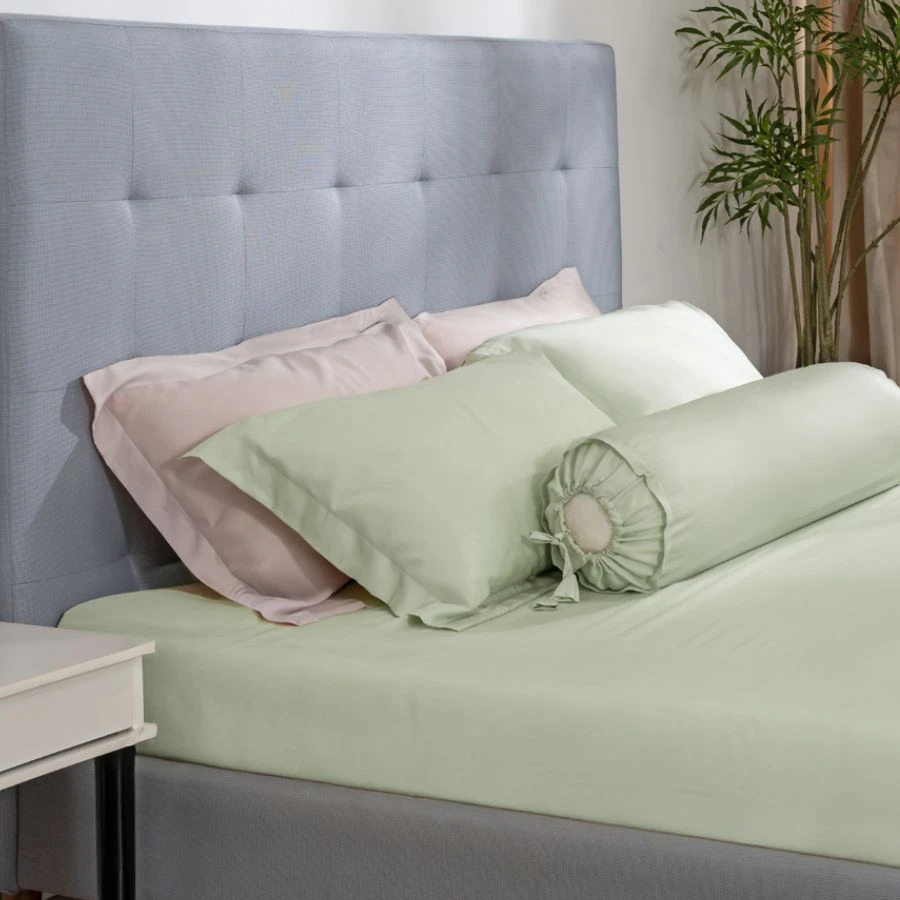
Pillowcases and Duvet Covers
Fine cotton constructions can provide smooth contact surfaces for bedding products that touch the skin for long periods. 60s yarn may therefore be appropriate in selected premium home textile applications.
What to Consider: Checklist
- Budget: If cost is constrained and you need durability, 40s suffices. For premium comfort, pick 60s.
- Intended Use: Workwear needs 40s. Garments close to the skin deserve 60s.
- Label Accuracy: A “60s” label alone doesn’t guarantee quality; ensure the fiber length and finishing also meet high standards.
Conclusion / Final Words
Choosing between Cotton 40s and 60s comes down to how you value comfort versus cost. If you want comfort and elegance, go with Cotton 60s; if you need strength and long-lasting wear, Cotton 40s is your match. At Mekong Garment, we help brands select the perfect yarn count to ensure every collection meets its purpose with style.
FAQs About Cotton 60s and Yarn Counts
In Short, What does “Cotton 60s” mean?
“60s” is a yarn count. It describes how fine (thin) the cotton yarn is. In the common English cotton count (Ne) system, the number tells how many 840-yard hanks of yarn make one pound. So a higher number means finer yarn
Does “60s” mean 60% cotton?
No. This is a very common mistake. “60s” is not a percentage. It does not tell you cotton vs polyester. It only talks about yarn fineness.
Is a higher number (60s) always better than a lower number (40s)?
Not always. “Better” depends on what you need. Yes, finer yarn often feels smoother. But fine yarn can also be more delicate if the fabric is made light.
So if someone tells you “60s is always premium,” challenge that. Ask: premium for feel, or premium for durability?
What is the simple difference between cotton 40s and cotton 60s?
A practical way to think – 40s: yarn is thicker, fabric often feels more solid. 60s: yarn is finer, fabric often feels smoother and lighter.
Why is cotton 60s usually more expensive?
Finer yarn usually needs: better fiber selection, tighter process control, more careful spinning and fabric making. So the cost often rises compared to thicker counts like 40s.
Does cotton 60s always mean the fabric is thinner?
Usually, it can be thinner, but it’s not guaranteed. Fabric thickness is also controlled by: fabric construction (knit/weave), stitch density, GSM (fabric weight). So two “60s” fabrics can feel very different in real life.
Is cotton 60s more durable than cotton 40s?
Not automatically. The article’s comparison points out 40s often feels more “solid,” while 60s leans smoother and lighter.In real use, durability depends on build choices (density, finishing, stitching, care). A strong 40s can outlast a light 60s.