Does Cotton Fabric Tend to Pill or Not? Causes, Prevention, and Fabric Quality

Cotton has earned its reputation as one of the world’s most popular fabrics thanks to its softness, breathability, and everyday comfort. From T-shirts and shirts to bedding and baby clothes, cotton is everywhere. However, one question often concerns both consumers and clothing brands:
Does cotton fabric pill? The answer is YES! but not always, and not to the same degree. Some cotton garments remain smooth for years, while others develop small fuzzy balls after only a few washes. The difference is not simply whether the fabric is cotton. It depends on fiber quality, yarn construction, fabric structure, finishing processes, and garment care. In this guide, we’ll explain why cotton pills, what affects its pilling resistance, and how you can choose and care for cotton garments that stay looking newer for longer.
=> Read More: Does Polyamide Pill on Clothes?
About Fabric Pilling?
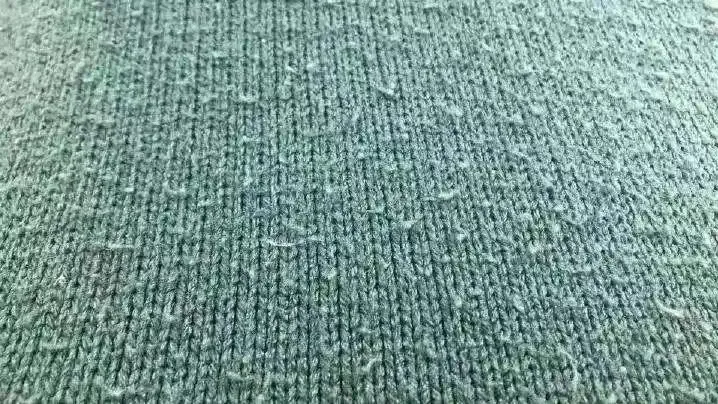
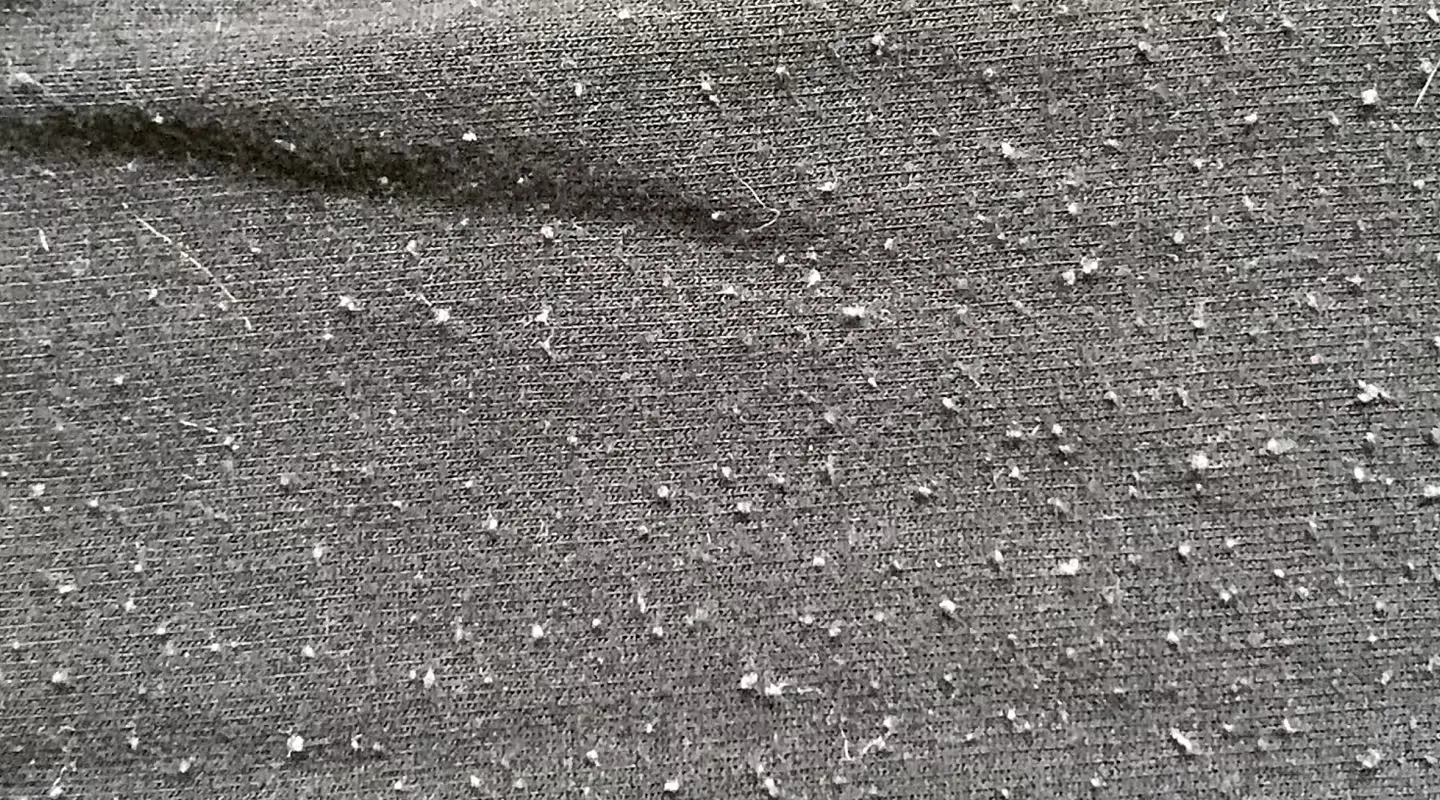
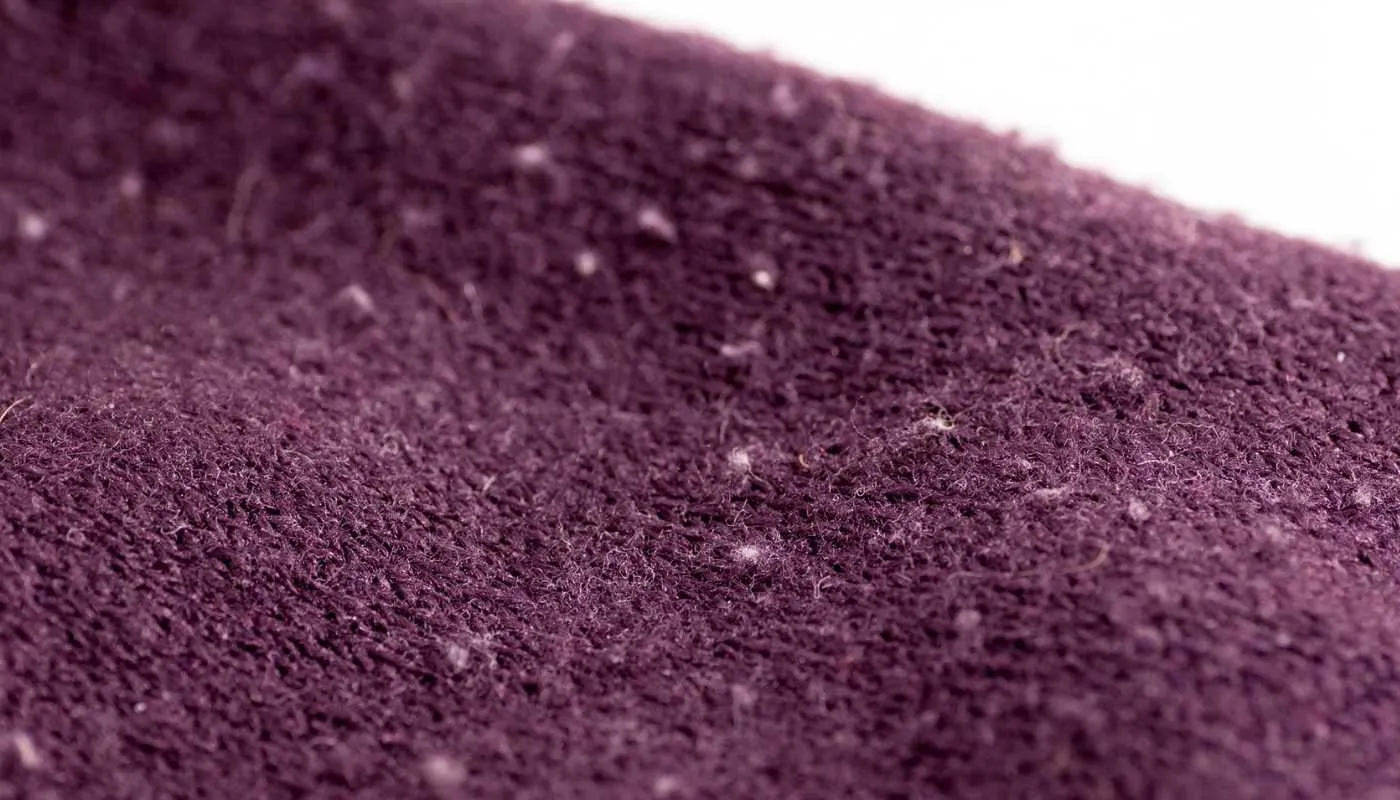
Pilling is the formation of small balls of tangled fibers on the surface of fabric. As clothing experiences everyday friction from wearing, washing, drying, or rubbing against other surfaces—loose fibers begin to work their way out of the yarn. These fibers twist together and form visible pills. Pilling mainly affects appearance rather than durability. A garment may still perform perfectly well even if small pills appear on its surface.
Does Cotton Fabric Pill?
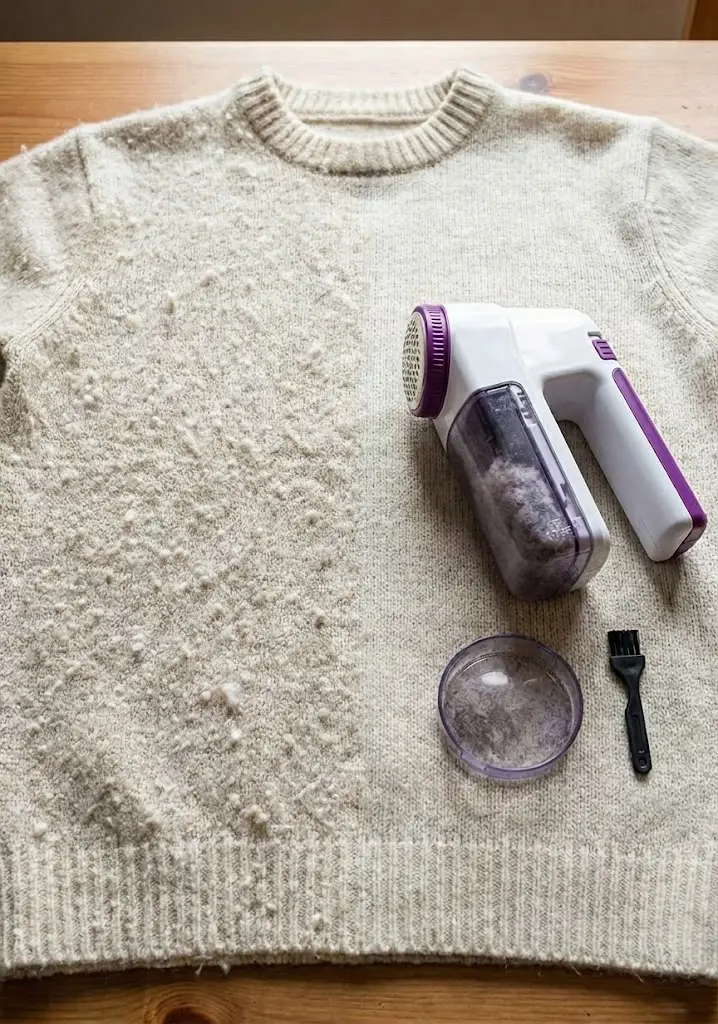
Yes, cotton can pill. However, compared with many synthetic fabrics, cotton generally shows low to moderate pilling. In many cases, cotton pills naturally break away during wear and laundering, making the problem less noticeable than with fabrics containing polyester. The amount of pilling depends on how the cotton fabric is produced—not simply on the fact that it is cotton.
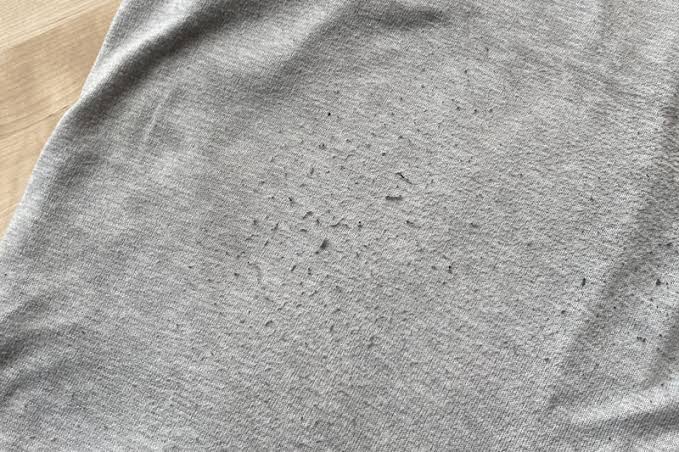
Does Pilling Mean the Cotton Is Poor Quality?
Not necessarily. Even premium cotton garments can develop some pilling after extended wear. Pilling depends on many factors, including: Fiber length, Yarn twist, Fabric construction, Surface finish, Garment care… A soft luxury cotton shirt may pill slightly because of its low-twist yarn, while a tightly woven work shirt may remain pill-free for much longer. Pilling should always be considered alongside comfort, durability, and overall fabric quality.
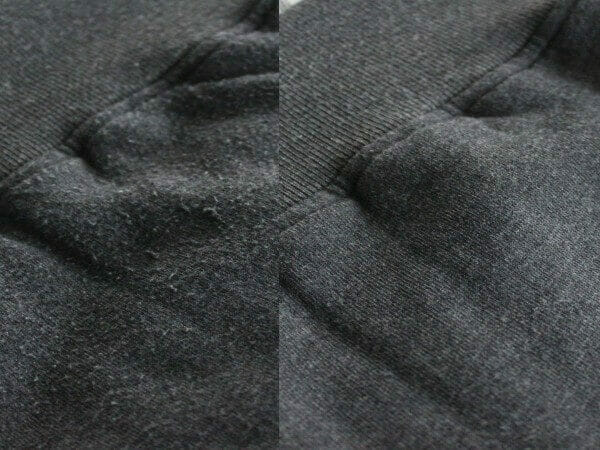
Cotton Fabric Pilling Comparison Polyester/Cotton and Cotton/Viscose
This comparison chart illustrates how different fabric blends react to abrasion and friction over time.
| Fabric Type | Pilling Tendency |
|---|---|
| 100% Cotton (C) | Low to Moderate (Pills often drop off naturally). |
| Polyester/Cotton (T/C) | High (Strong synthetic fibers hold pills in place). |
| Cotton/Viscose (C/V) | Moderate (Softer drape but more delicate). |

Why Some Cotton Fabrics Pill More Easily?
1. Fiber Length: The “Staple” Factor
One of the biggest factors is the length of the cotton fiber, often called the staple length.
- Long-staple cotton contains longer fibers that stay securely inside the yarn, producing a smoother surface with fewer loose fiber ends.
- Short-staple cotton contains more fiber ends, making it easier for fibers to escape and form pills.
Premium cotton varieties such as Pima cotton and Egyptian cotton are well known for their longer fibers and improved resistance to pilling.
=> Related Article: Polyamide Pilling: Why It Happens, Causes, Care,… and How to Reduce It
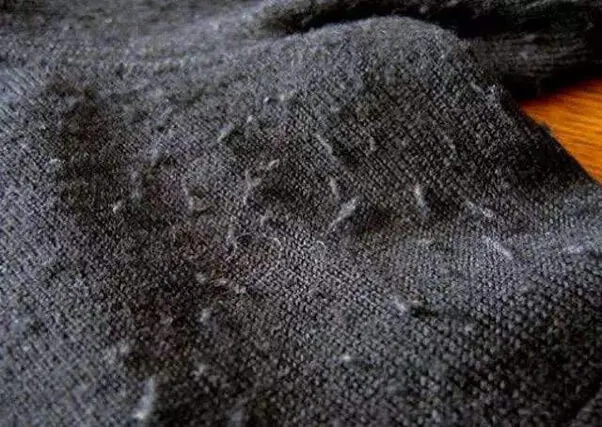
Cotton fibers come in different lengths. Short fibers tangle and break easily, leading to fuzz. Long-staple fibers, like Pima or Egyptian cotton, stay smooth and strong, significantly reducing the chance of pilling.
2. Yarn Twist
The way yarn is spun also influences pilling. Higher yarn twist locks fibers together more tightly, reducing fiber movement and surface fuzz. Lower yarn twist creates a softer hand feel but allows fibers to migrate more easily, increasing the likelihood of pilling. Manufacturers often balance softness and durability when selecting the appropriate yarn twist.
=> Related Article: Do Cotton Blends Pill More Than Pure Cotton?
3. The “Strength” Trap of Blended Fabrics
The construction of the fabric affects how securely fibers remain in place. Tightly woven fabrics generally resist pilling because the yarns are held firmly together.
Examples include:
- Poplin
- Twill
- Oxford cloth
Loosely knitted fabrics allow greater fiber movement, making pilling more likely.
=> Related Article:
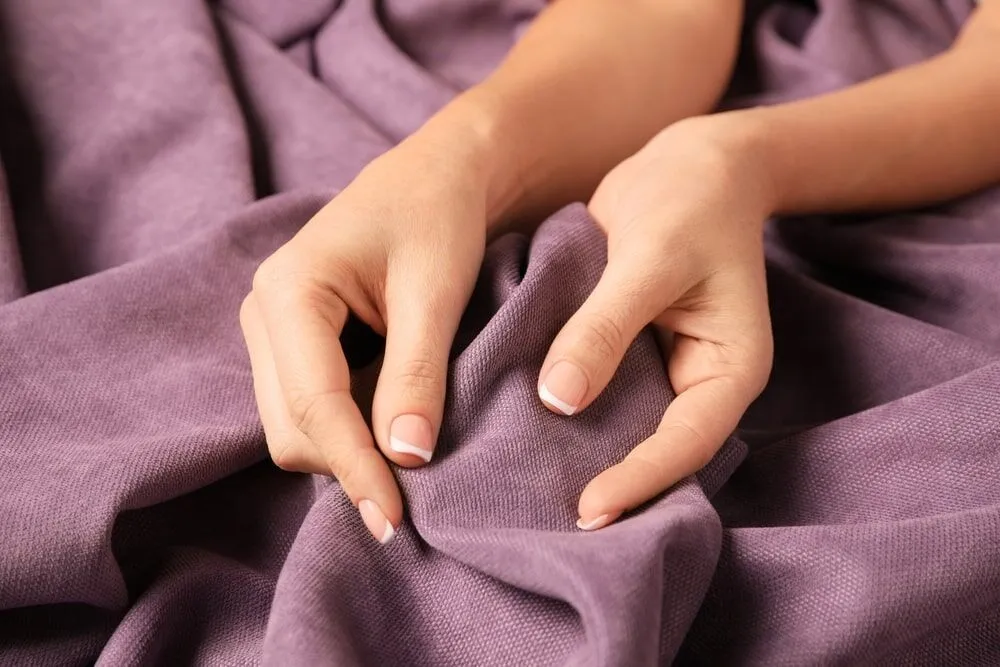
Examples include:
- Jersey
- Rib knit
- Interlock knit
- Sweater knits
4. Yarn Twist and Surface Finish
The way yarn is spun also influences pilling. Higher yarn twist locks fibers together more tightly, reducing fiber movement and surface fuzz. Lower yarn twist creates a softer hand feel but allows fibers to migrate more easily, increasing the likelihood of pilling. Manufacturers often balance softness and durability when selecting the appropriate yarn twist.
A higher yarn twist creates a tighter, smoother thread that keeps fibers locked inside. Conversely, low-twist yarns are used for “extra soft” shirts, which are more prone to pilling because the loose fibers can easily migrate to the surface.
How Fabric Construction Influences Quality
- Tight Weave: Densely woven fabrics like Poplin lock fibers in place. Less movement = Less pilling.
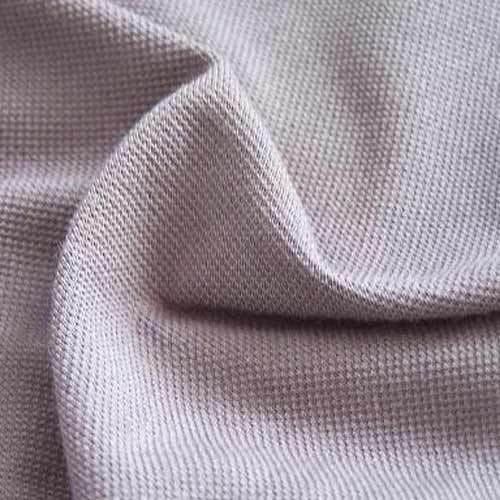
- Loose Knits: Stretchy jerseys or sweaters allow fibers to pop out, leading to heavy pilling in high-friction areas like underarms and cuffs.
- Surface Texture: Brushed fabrics (fleece/flannel) have surface fuzz by design, making them more likely to pill than flat-surface fabrics.
=> Related Article: Does Cotton Fabric Tend to Pill or Not ?
Professional Tips to Reduce Pilling
You can significantly extend the life of your cotton garments with proper care:
- Wash Inside Out: This minimizes surface-to-surface friction inside the machine.
- Use Cold Water & Gentle Cycles: High heat and aggressive spinning break delicate cotton fibers.
- Separate Harsh Fabrics: Never wash soft cotton with heavy items like denim or towels.
- Air Dry: Tumble dryers increase surface agitation and weaken fibers.

Conclusion / Final Words
Cotton pilling is a natural characteristic, not always a sign of poor quality. By choosing high-quality long-staple cotton and following a gentle care routine, you can keep your garments looking smooth and professional. At Mekong Garment, we help our clients select the best fabric constructions for their specific designs, ensuring a perfect balance between comfort and long-term durability.
FAQs About Cotton Fabric Pilling
What does “pilling” mean?
Pilling happens when loose fibers on the fabric surface roll into tiny balls due to rubbing or friction. These pills often appear in places that move or rub the most, such as cuffs, sleeves, underarms, or the sides of pants. It is a natural effect that occurs on many fabrics—especially those made from short fibers or soft, low-twist yarns. Even high-quality natural fibers can pill over time because friction slowly pulls fibers outward.
Does cotton fabric pill?
Yes, cotton can pill, but not all cotton behaves the same. Cotton made with long fibers, tight weaves, or high-twist yarns pills far less than cotton made with short fibers or loose structures. Soft or fluffy cotton fabrics, such as brushed cotton or flannel, pill more quickly because the surface has more loose fibers. So, cotton can pill, but the level of pilling depends on how the fabric is designed and what type of cotton is used.
Why do some cotton clothes pill more than others?
Some cotton clothes pill more because they use short-staple cotton, which has weaker and shorter fibers that easily slip out of the yarn. Others may use low-twist yarns to improve softness, but this reduces yarn stability and increases pilling. Fabrics with too much surface fuzz also pill more because exposed fibers can easily tangle. Even fabric finishing plays a role: materials that skip anti-pilling treatments tend to pill earlier.
Do cotton blends pill more than pure cotton?
Often they do. When cotton is blended with synthetic fibers like polyester, the pills cling to the strong synthetic surface and do not fall off. Pure cotton pills may break away naturally, making the pilling less noticeable. Cotton–poly blends also have mixed fiber lengths, which encourages pilling because short fibers wrap around longer fibers and stick together during friction.
Do fine fibers pill more easily?
Yes. Fine fibers are soft and comfortable, but they also break more easily. Once these tiny broken fibers appear on the surface, they twist into pills. Fabrics made with extra-fine yarns like superfine cotton jersey may feel luxurious but can pill sooner than fabrics made with thicker, sturdier fibers. Fiber fineness is one of the biggest factors affecting pilling in high-comfort cotton clothing.
Does fabric tightness affect pilling?
Absolutely. Tight weaves or knits (like poplin or twill) hold fibers tightly together, reducing friction between fibers and lowering pilling. Loose or stretchy knits (like rib knit, interlock, or jersey) give fibers more room to move and pop out of the yarn structure. This is why lightweight T-shirts often pill faster than tightly woven cotton shirts.
Does pilling mean the cotton is low quality?
Not necessarily. High-quality cotton with long fibers may still pill slightly because of friction or a soft yarn design. Conversely, cotton that never pills may feel stiff or rough because it has a high twist or heavy finishing. Pilling alone is not a perfect indicator of quality you must also consider fiber length, softness, and overall construction.