Polyamide Pilling: Why It Happens, Causes, Care,… and How to Reduce It

Polyamide, commonly known as nylon, is one of the most widely used synthetic fibers in modern apparel. It is valued for its strength, smooth texture, lightweight feel, and excellent resistance to abrasion. From activewear and swimwear to hosiery and outerwear, polyamide is found in countless garments because it combines durability with comfort. However, despite its many advantages, one question often comes up: Does polyamide pill? The short answer is yes. Like many fabrics, polyamide can develop small balls of tangled fibers on its surface after repeated friction. The good news is that not every polyamide garment pills to the same degree. Fabric construction, yarn quality, garment design, and proper care all play an important role in determining how well a garment resists pilling. In this guide, we’ll explain why polyamide pills, which garments are most likely to develop pills, and the best ways to keep your clothing looking smooth and new for longer.
=> Related Article: Does Cotton Fabric Tend to Pill or Not?
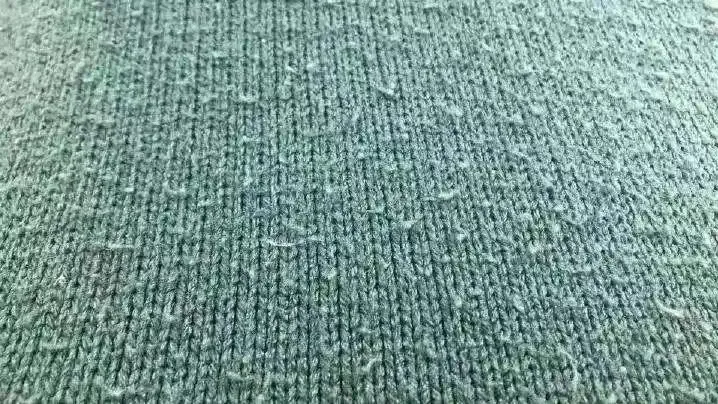
What Is Fabric Pilling?
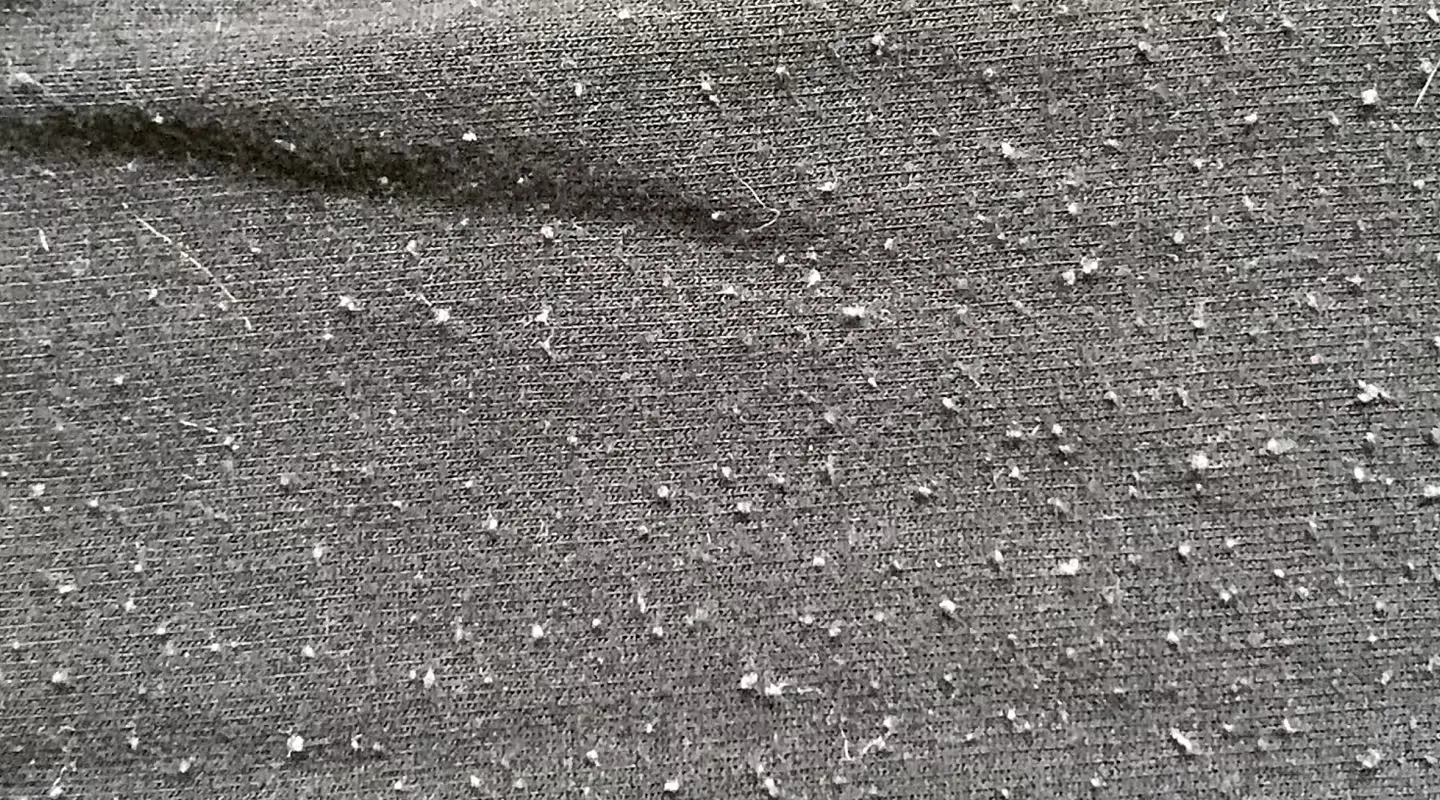
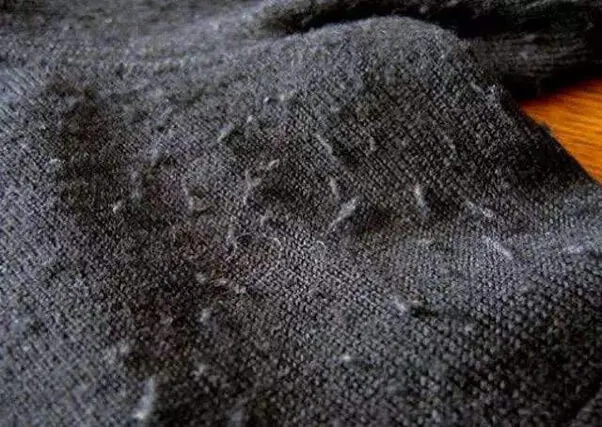
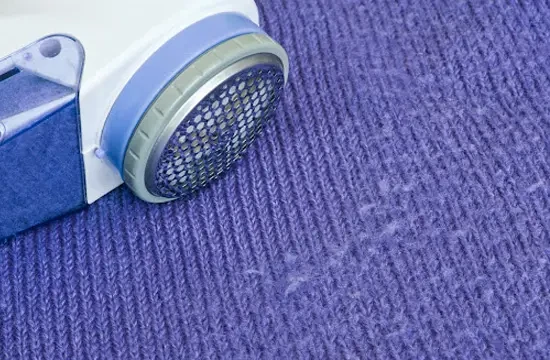
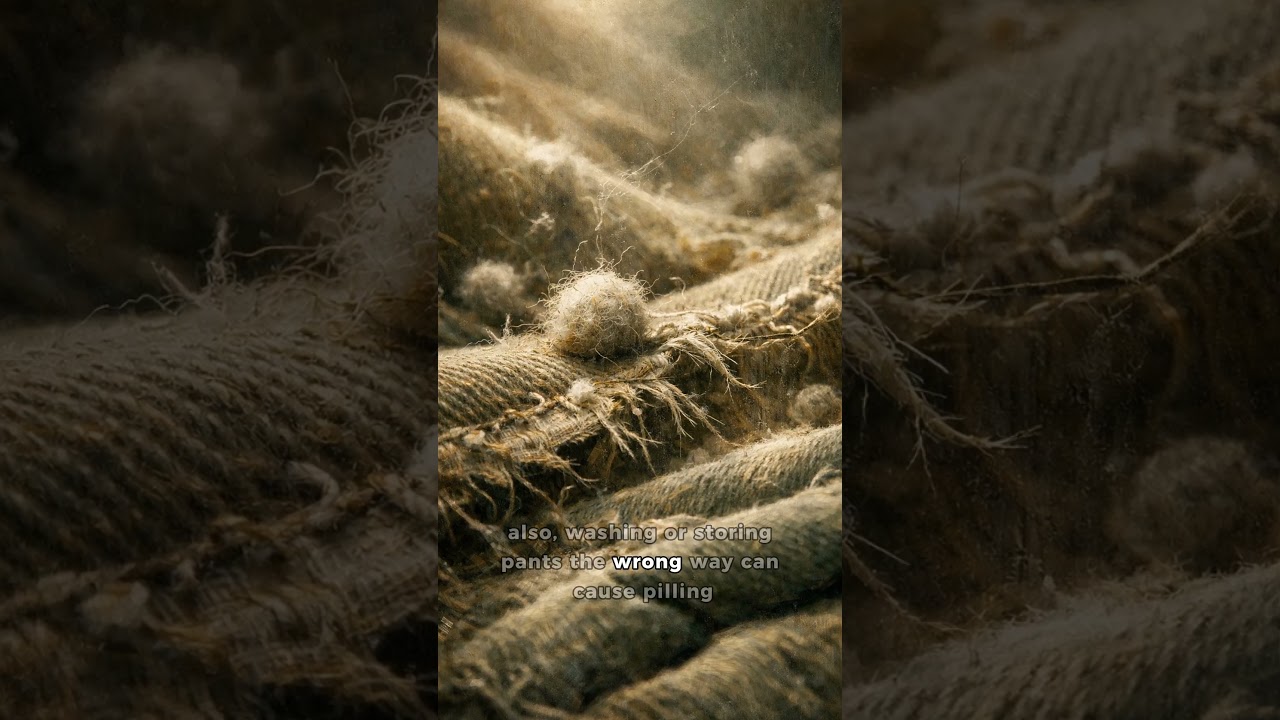
Pilling is the formation of small fiber balls on the surface of fabric. These tiny balls develop when loose fibers are pulled from the yarn through rubbing and repeated movement. As the fibers twist together, they create visible pills that remain attached to the fabric. Pilling is mainly a cosmetic issue. It rarely affects the strength of the garment, but it can make clothing appear worn even when it is still in excellent condition.
=> Related Article: How to Remove Pilling from Fabric?
Does Polyamide Pill?
Yes, polyamide can pill. Although polyamide is known for its exceptional durability, that same strength also explains why pills often remain attached to the fabric. Natural fibers such as cotton or wool may eventually shed loose pills during washing and everyday wear. Polyamide fibers, however, are much stronger. Instead of breaking away, the pills stay connected to the garment, making them more noticeable over time. Fortunately, high-quality polyamide fabrics are generally more resistant to pilling than lower-quality synthetic materials.
=> Related Article: Do Cotton Blends Pill More Than Pure Cotton?
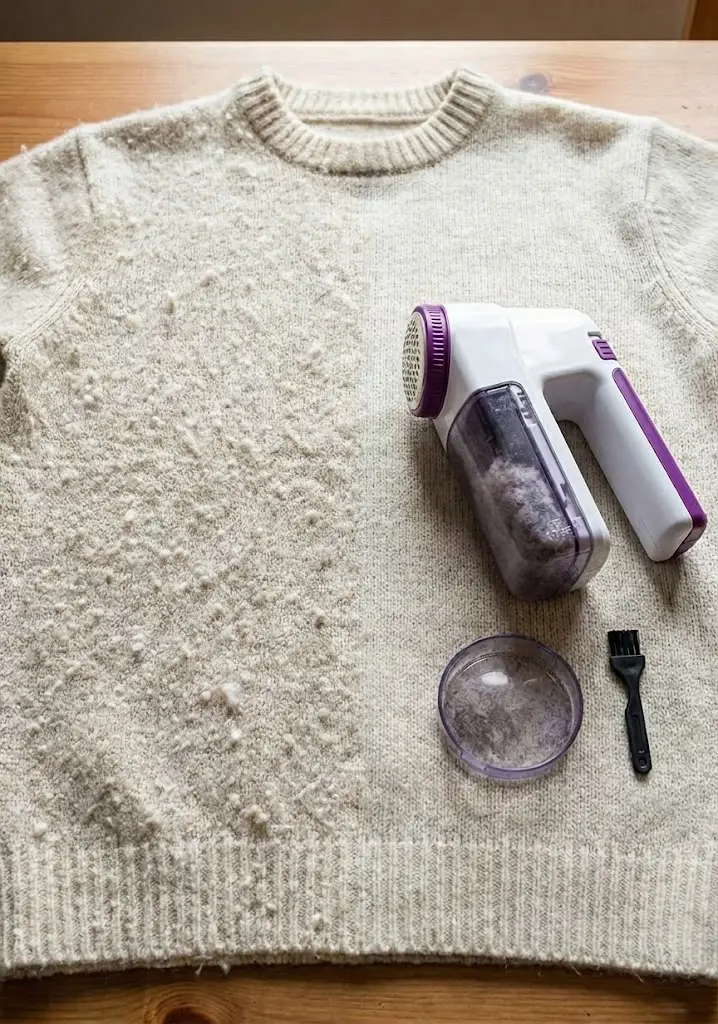
Why Does Polyamide Pill?
Pilling occurs whenever fabric experiences repeated friction. The process usually follows four stages:
- Loose fibers rise to the fabric surface.
- Friction causes the fibers to twist together.
- Small pills begin to form.
- The pills remain attached because polyamide fibers are highly durable.
Everyday activities such as walking, stretching, carrying a backpack, or sitting for long periods create enough friction to start this process.
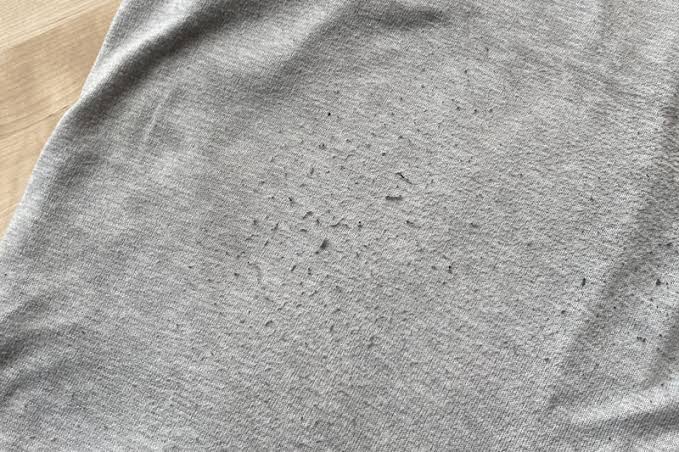
Factors That Affect Polyamide Pilling
1. Fiber Type
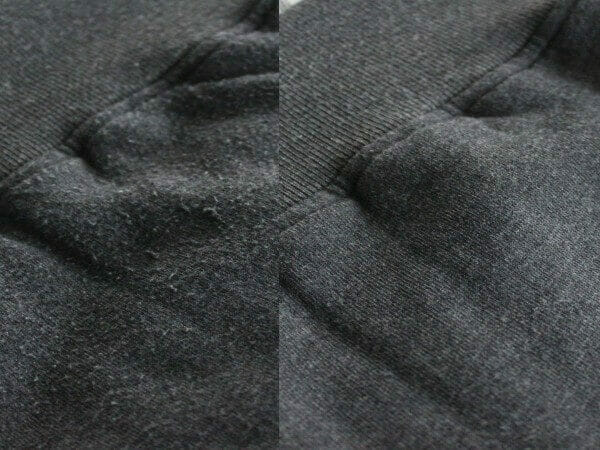
Not all polyamide yarns perform the same. Continuous filament yarns are made from long, uninterrupted fibers. Because they have fewer loose fiber ends, they generally resist pilling much better. Staple fiber yarns consist of shorter fibers spun together. More loose fiber ends mean a greater chance of fibers escaping and forming pills. High-quality activewear and performance garments often use continuous filament polyamide to improve durability and appearance.
2. Fabric Construction

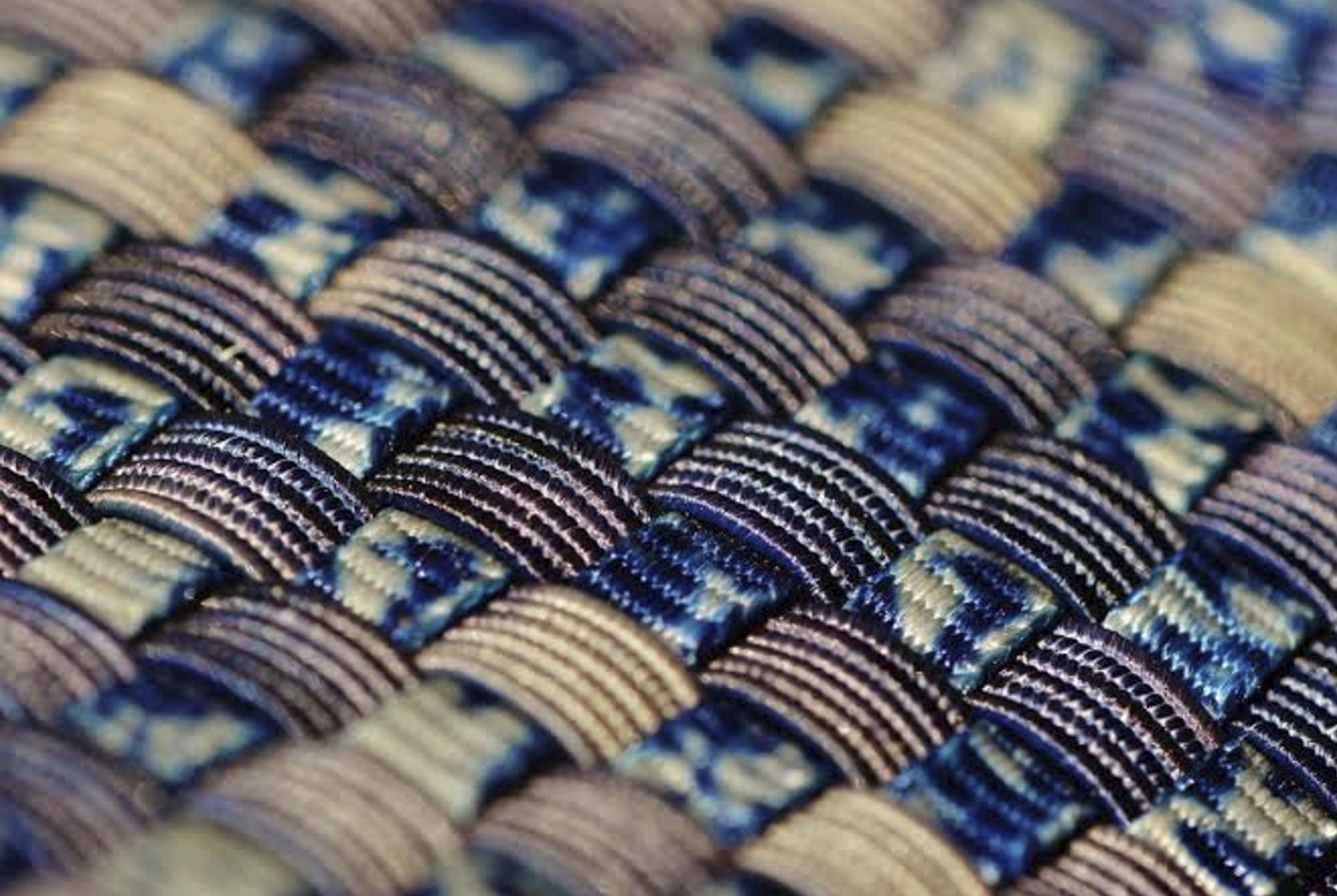
The way a fabric is knitted or woven also influences pilling resistance. Tightly woven fabrics hold fibers securely, making it harder for loose ends to reach the surface. Loosely knitted fabrics allow greater fiber movement, increasing the likelihood of pilling. For example:
- Tightly woven nylon jackets usually resist pilling very well.
- Soft knit tops may develop pills more easily.
- Brushed fabrics often pill faster because more fibers are exposed.
3. Fabric Finish
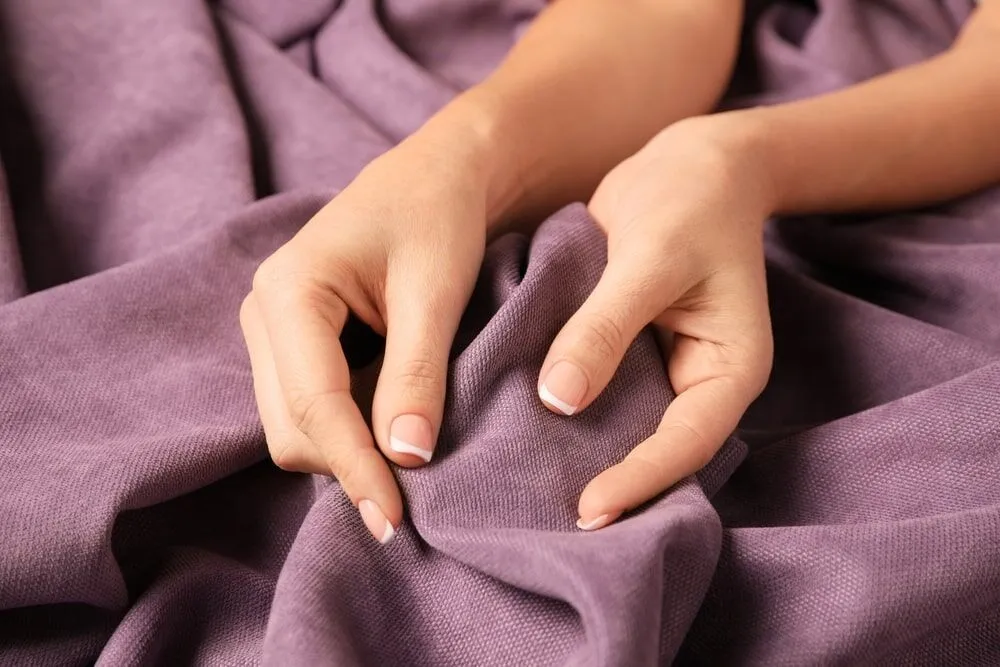
Certain finishing techniques intentionally create a soft surface by raising fine fibers. Examples include:
- Brushed fabrics
- Peach-skin finishes
- Fleece surfaces
While these finishes improve softness, they also expose more loose fibers that can develop into pills over time.
4. Daily Friction
The more often an area rubs against another surface, the greater the chance of pilling. Common high-friction areas include:
- Under the arms
- Inner thighs
- Sleeve cuffs
- Waistbands
- Shoulders where backpack straps rest
- Hip areas where handbags rub
These locations typically show pilling first.
Which Polyamide Garments Pill the Most?
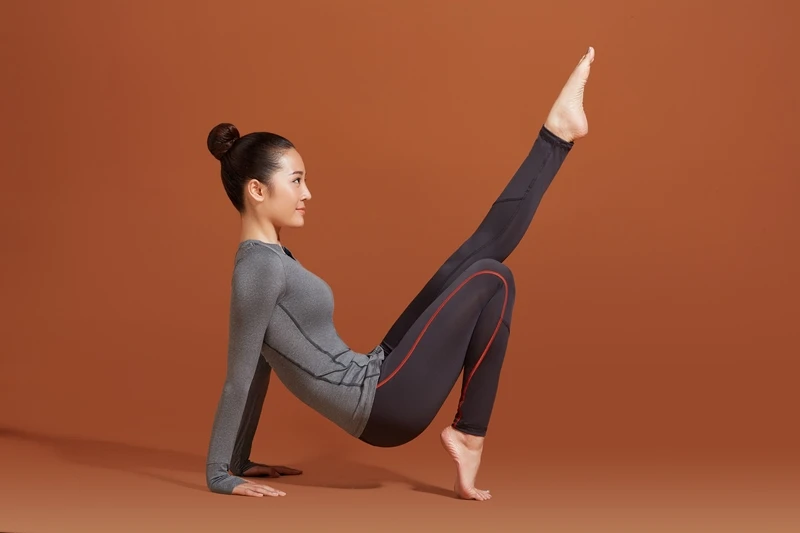
Some garments naturally experience more friction than others. Items more likely to develop pilling include:
- Leggings
- Sports bras
- Yoga pants
- Athletic T-shirts
- Running jackets
- Sweaters blended with polyamide
- Soft knit tops
- Hosiery
This does not necessarily indicate poor quality. Many of these garments are simply subjected to continuous movement during everyday wear.
How to Prevent Polyamide from Pilling
Although pilling cannot always be eliminated completely, proper care can significantly reduce its appearance.
- Wash Inside Out: Turning garments inside out protects the visible fabric surface from rubbing against other clothing during washing.
- Use Cool Water: Cool or lukewarm water is generally safer for synthetic fibers. Excessive heat may weaken fibers over time and increase surface damage.
- Choose a Gentle Wash Cycle: A gentle cycle reduces mechanical agitation, helping prevent loose fibers from forming pills.
- Wash Similar Fabrics Together: Avoid washing delicate polyamide garments with rough fabrics such as denim or heavy towels. Different fabric textures rubbing together create unnecessary abrasion.
- Use a Mesh Laundry Bag: A mesh laundry bag provides additional protection for lightweight or delicate garments. It limits friction while still allowing proper washing.
- Avoid Overloading the Washing Machine: When the drum is overcrowded, garments rub together more aggressively. Giving clothing enough space helps reduce unnecessary wear.
- Skip High Heat Drying: If possible, air dry polyamide garments. When using a dryer, select a low-heat setting to minimize fiber damage.
Washing and Care: Preventing Damage
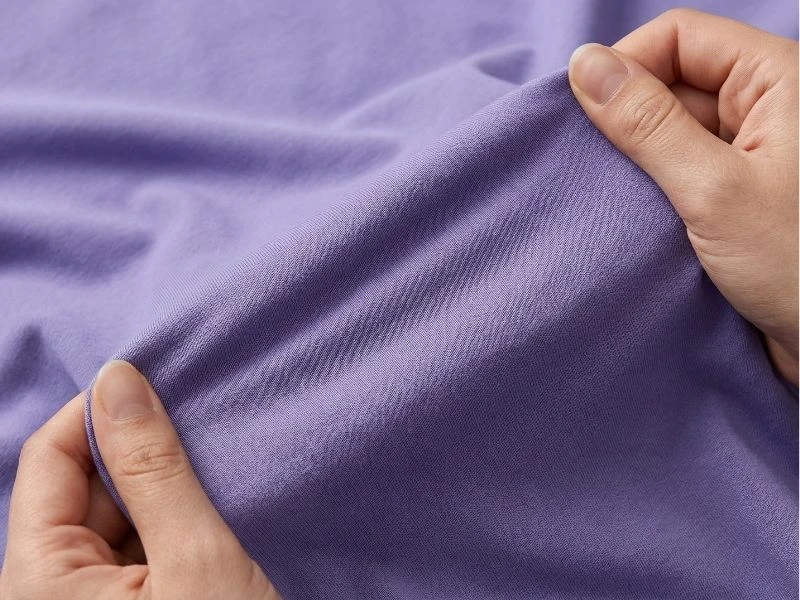
Laundry routines can either cause or cure pilling. High heat and heavy agitation break fibers, leading to more knots. To protect your polyamide garments:
- Wash in cold water: High temperatures make synthetic fibers more brittle.
- Turn inside out: This protects the “face” of the fabric from rubbing against other clothes.
- Use a mesh bag: Essential for delicate knits to reduce friction inside the machine.
- Avoid harsh detergents: Use mild soaps that don’t weaken the polymer bonds.
Buying Tips for Pill-Resistant Clothes
When shopping for your next collection or personal wardrobe, look for these indicators of quality:
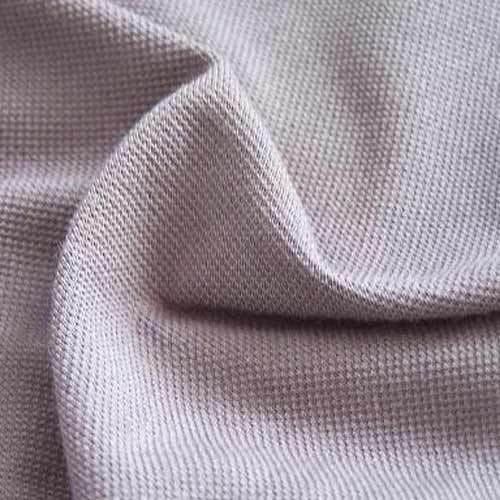
- Choose smooth, tightly woven polyamide instead of fuzzy, loose knits.
- Look for “Anti-pilling” or “Durable Finish” labels on high-performance sportswear.
- Avoid heavily brushed or “fluffy” synthetic surfaces if you prefer a clean look over time.
Conclusion / Final Words
Yes, polyamide can pill, but it doesn’t have to be a deal-breaker. By choosing high-quality continuous filament yarns and following proper care instructions, you can significantly reduce the appearance of fabric balls. Polyamide remains one of the most reliable and versatile fabrics in modern fashion due to its sheer strength. At Mekong Garment, we prioritize sourcing pill-resistant materials to ensure your brand delivers long-lasting quality to every customer.
FAQs About Polyamide Pilling
Inshort, Does polyamide (nylon) pill on clothes?
Yes. Polyamide can pill when loose or broken fibers at the surface tangle into small balls after friction. Because polyamide fibers are strong, pills that form often stay attached longer than on some natural fibers, making them more visible and persistent.
What causes pilling on polyamide garments?
Pilling is caused by friction and mechanical stress that bring fibers to the surface, where they break, curl and entangle. Factors that increase pilling on polyamide include short staple fibers or textured yarns, loose knit or weave structures, repeated rubbing in high-contact areas, and aggressive washing or drying.
Which polyamide garments pill most and where do pills usually appear?
Soft knits, brushed finishes, and garments made with short staple polyamide or textured yarns pill more than smooth, tightly woven items. Pills commonly appear in high-friction spots: under the arms, along sleeve cuffs, inner thighs, the seat area, and where backpack straps or bag edges rub.
How should I wash and dry polyamide to reduce pilling?
Use a gentle cycle with cool or lukewarm water, mild detergent, and avoid overfilling the machine. Turn garments inside out, place delicate polyamide items in a mesh laundry bag, and skip heavy agitation. Air-dry flat or use a low-heat tumble setting; high heat and long tumbling increase fiber damage and pilling.
What should I look for when buying polyamide garments to avoid future pilling?
Choose garments made from continuous filament yarns or tightly woven constructions rather than short staple or heavily textured yarns. Look for labels mentioning anti-pilling treatments or higher-quality finishing, inspect fabric surface for smoothness, and check care instructions-tighter weaves and pill-resistant finishes give better long-term appearance.