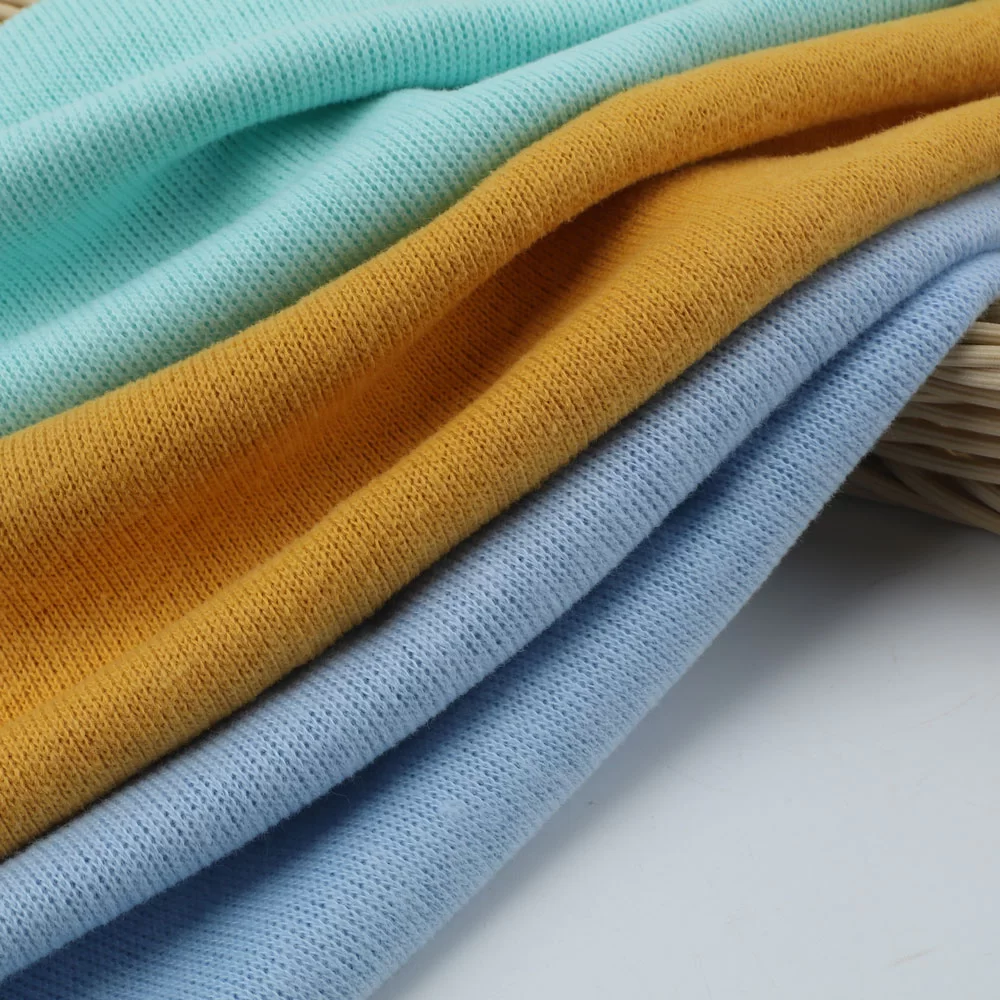

Polyester blends are ubiquitous because they promise a low-maintenance lifestyle: fewer wrinkles, rapid drying, and a silhouette that remains sharp throughout the day. However, “polyester blend” is a broad technical label, not a specific performance guarantee. Two jackets with the same label can feel entirely different based on the weave, finish, and whether they utilize elastane or mechanical stretch. Understanding the nuances of these “fiber team-ups” is essential for choosing a fabric that aligns with your climate and design intent.
What Exactly Is Polyester Blend Fabric?
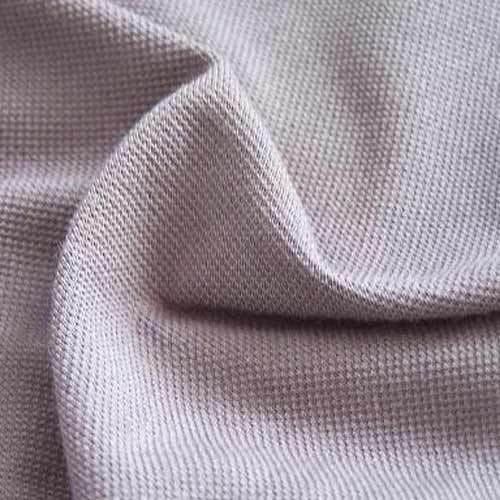
A polyester blend is a strategic mixture where polyester (typically PET) is combined with other fibers to modify hand-feel, stretch, durability, or price points. In the outerwear industry, polyester is favored for its hydrophobic nature—absorbing only about 0.4% moisture which allows it to dry quickly and resist water-logging. While often compared to nylon, the real-world performance of a polyester blend is dictated by its finishing treatments and construction rather than the fiber name alone.
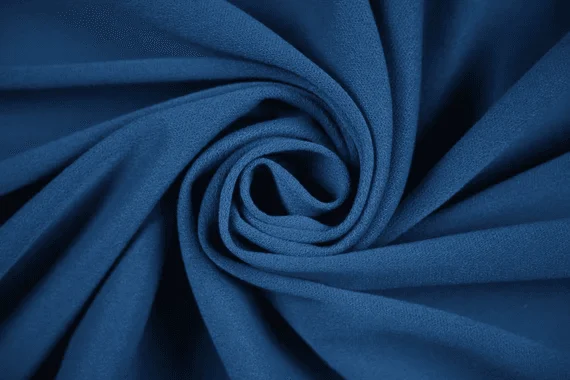
Polyester blend fabric is made by combining polyester fibers with one or more additional fibers – Technical polyester blend fabric for outerwear
Common combinations include:
- Polyester + Elastane: Provides superior stretch and recovery for tailored movement.
- Polyester + Nylon: Balances polyester’s dimensional stability with nylon’s extreme abrasion resistance.
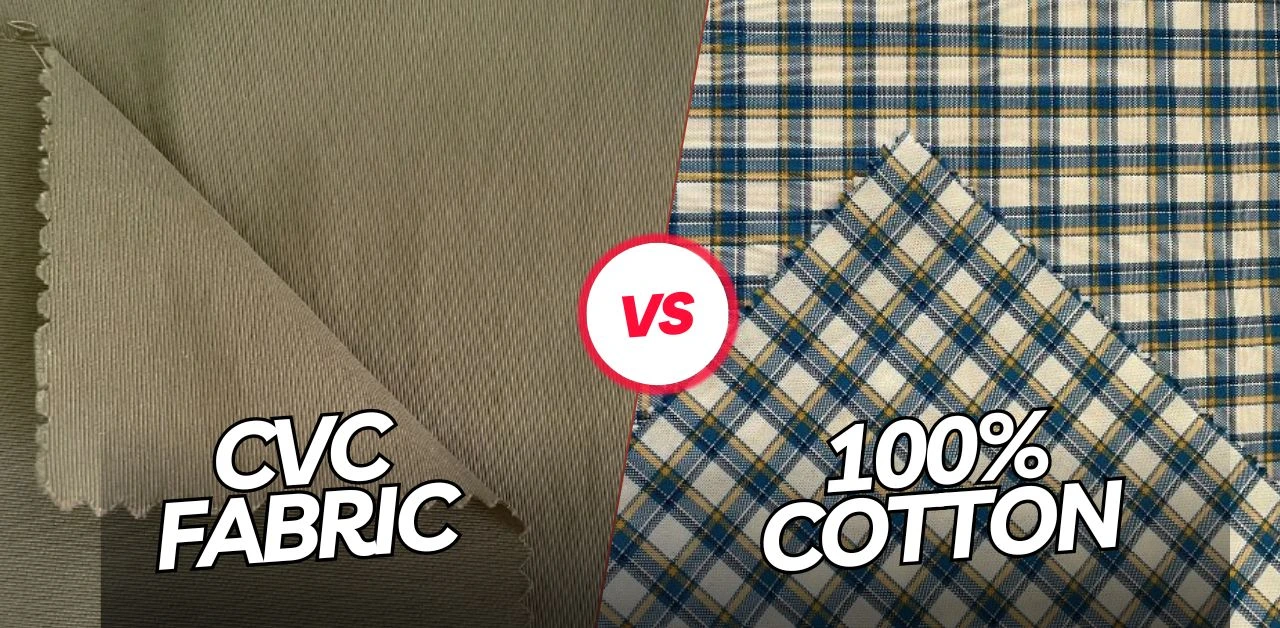
- Polyester + Cotton (TC/CVC): Offers a natural, soft aesthetic with improved drying speed over 100% cotton.
- 100% Polyester with Mechanical Stretch: Achieves flexibility through yarn crimp and weave structure, avoiding the recycling complexities of spandex.
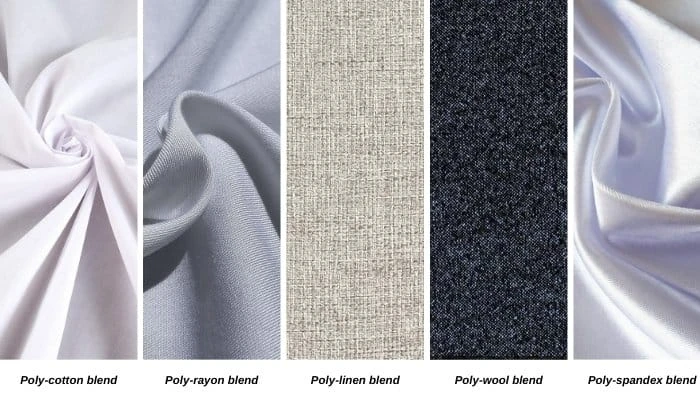
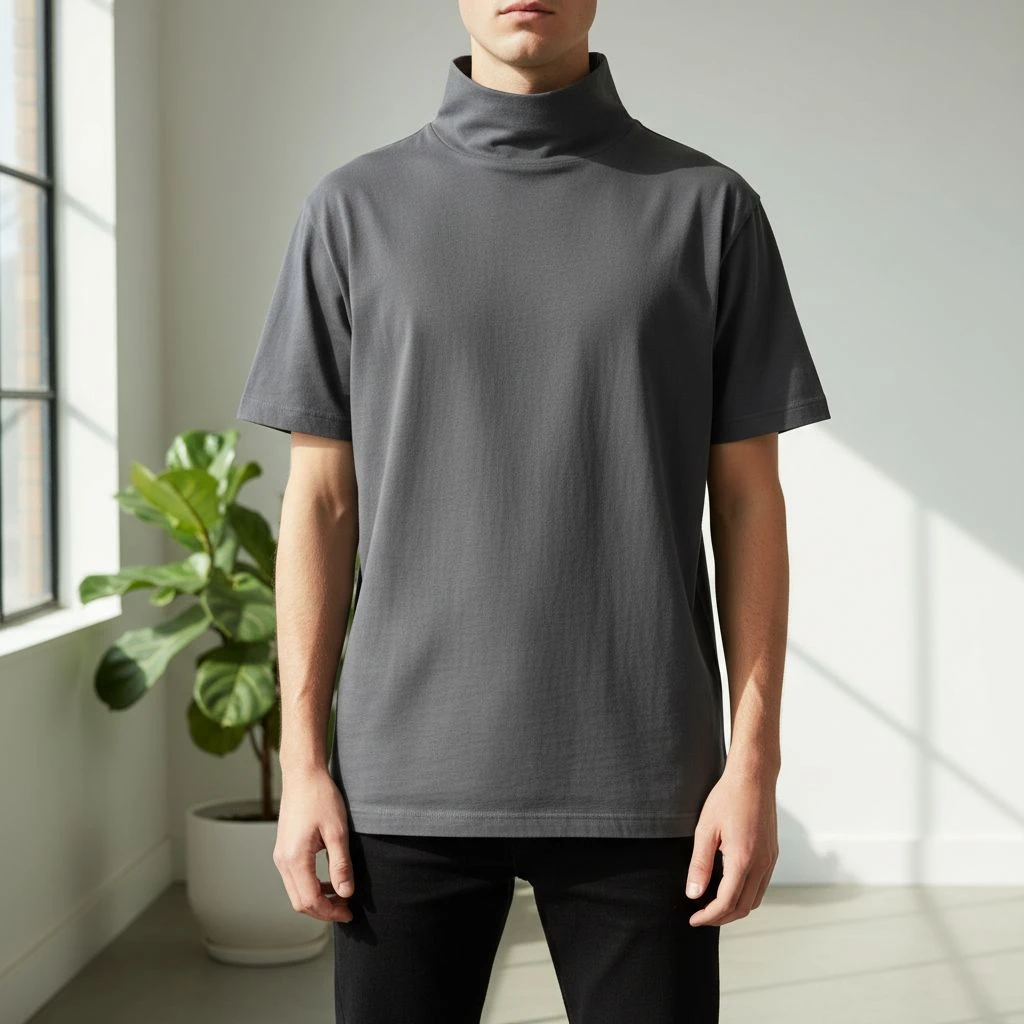
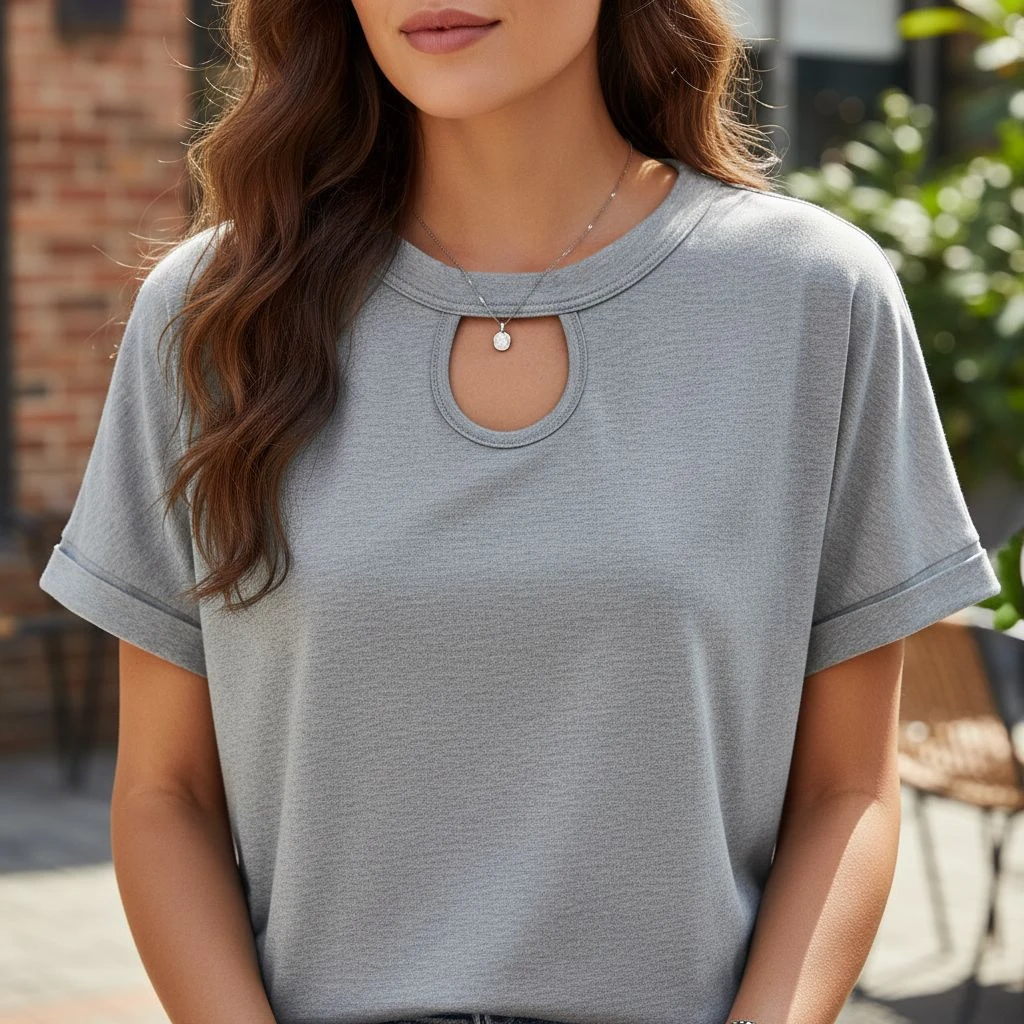
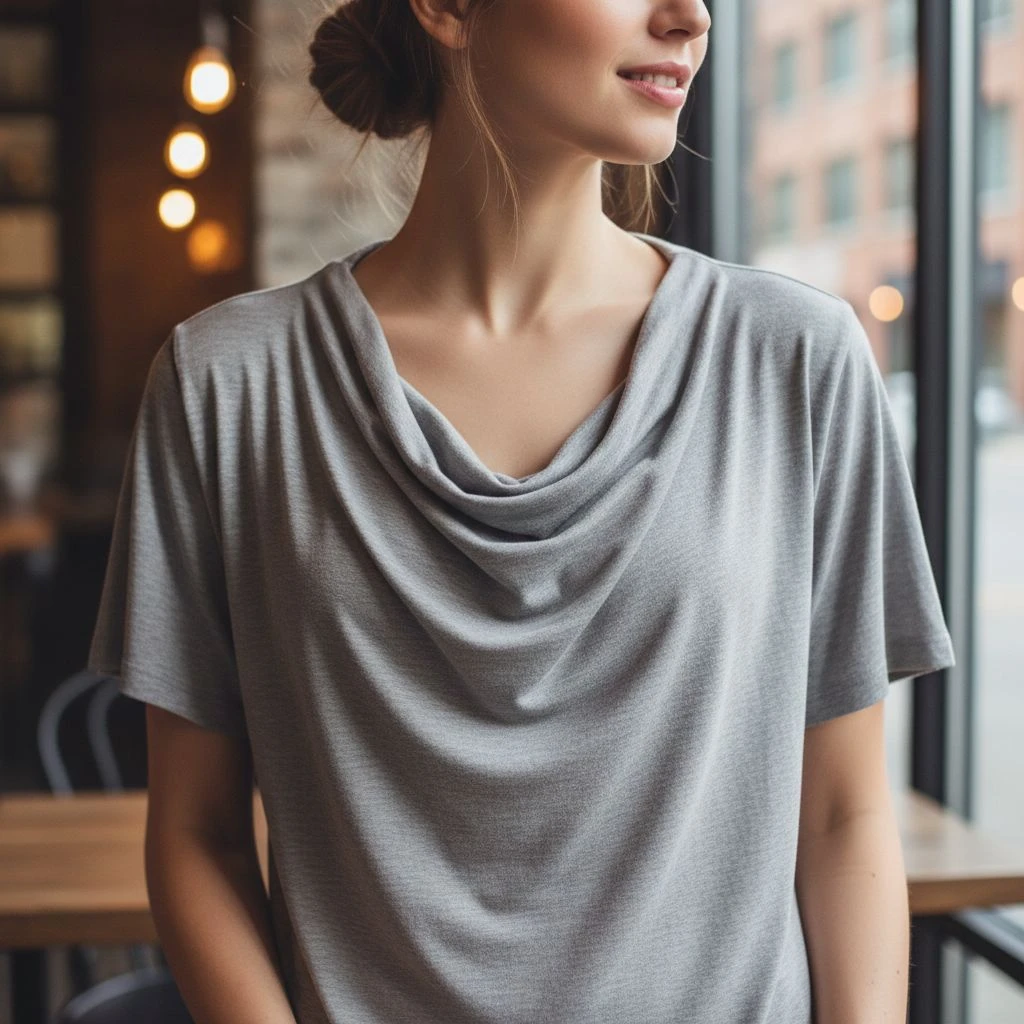
Each blend is designed to improve a particular property. For example, cotton can improve softness and comfort, elastane adds stretch, nylon improves abrasion resistance, while viscose can create a softer and more fluid drape.
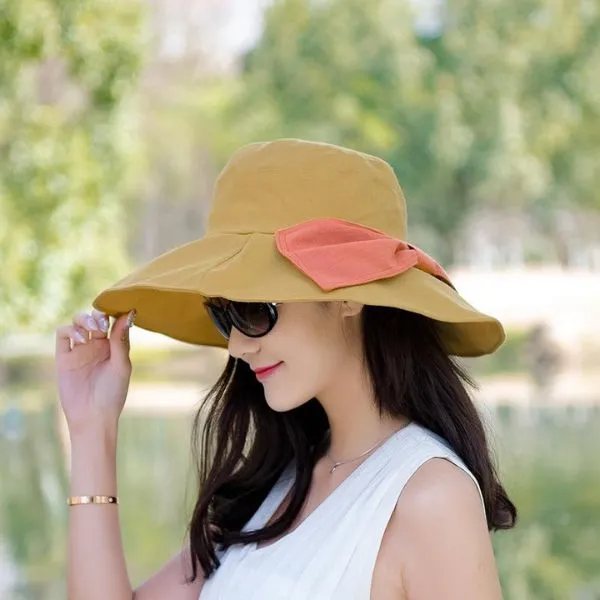
Is Polyester Blend Good for Hot Weather?
It depends on the blend and construction. A dense polyester-rich fabric may feel hot in tropical weather, while a lightweight polyester-cotton poplin or breathable performance knit can work well. For hot climates, buyers should look at:
- Lower fabric weight
- Open weave or knit
- Moisture-wicking properties
- Ventilation features
- Relaxed garment fit

The fiber label alone is not enough to predict comfort.
Does polyester blend pill?
Yes, polyester blends can pill. Pilling often develops when loose surface fibers become tangled through friction. Because polyester fibers are strong, pills can remain attached for a long time. High-friction areas include:
- Underarms
- Side seams
- Elbows
- Backpack contact areas
- Seat areas
Higher-quality yarns, tighter constructions, singeing, and anti-pilling finishes can help reduce this problem.

Pros & Cons: A Technical Evaluation
Advantages for Brands and Manufacturers
- Wrinkle Management: Famous for holding shape, making it ideal for packable travel bombers and city commuter shells.
- Dimensional Stability: Polyester fibers do not shrink or stretch easily, ensuring long-term garment fit.
- Engineered Hand-feel: Can be manufactured as “crisp,” “silky,” or “cotton-like” through texturing (DTY) and filament engineering.
- Fast-Dry Performance: Low moisture pickup ensures the garment remains lightweight even in humid or damp conditions.

Good Durability
One of the biggest strengths of polyester blends is durability. Polyester fibers help improve resistance to:
- Repeated washing
- Stretching
- Abrasion
- Shape distortion
- Everyday wear
This makes polyester blends suitable for uniforms, workwear, sportswear, jackets, and other garments designed for frequent use.
Better Wrinkle Resistance
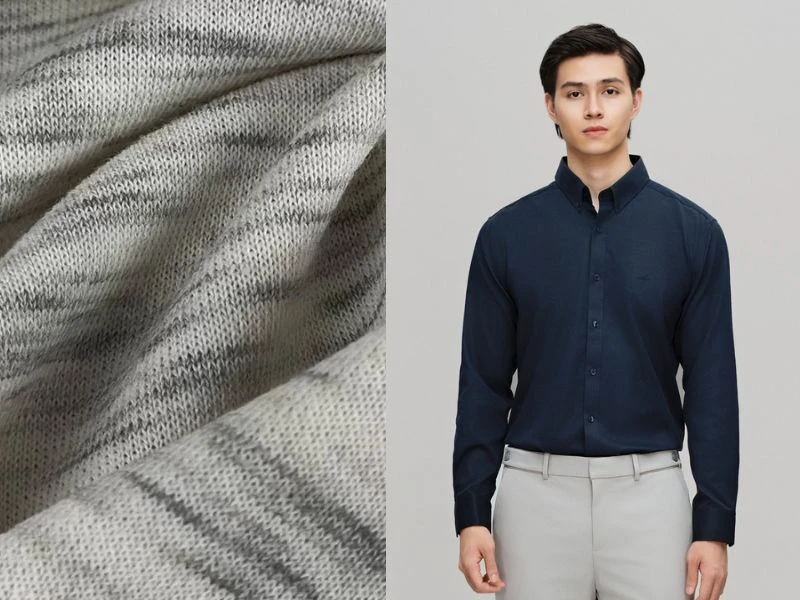
Polyester helps fabrics resist creasing better than many natural fibers. This is especially useful in:
- Office shirts
- Uniforms
- Trousers
- Travel clothing
- Hospitality garments
Garments can maintain a neater appearance for longer and usually require less ironing.
Faster Drying
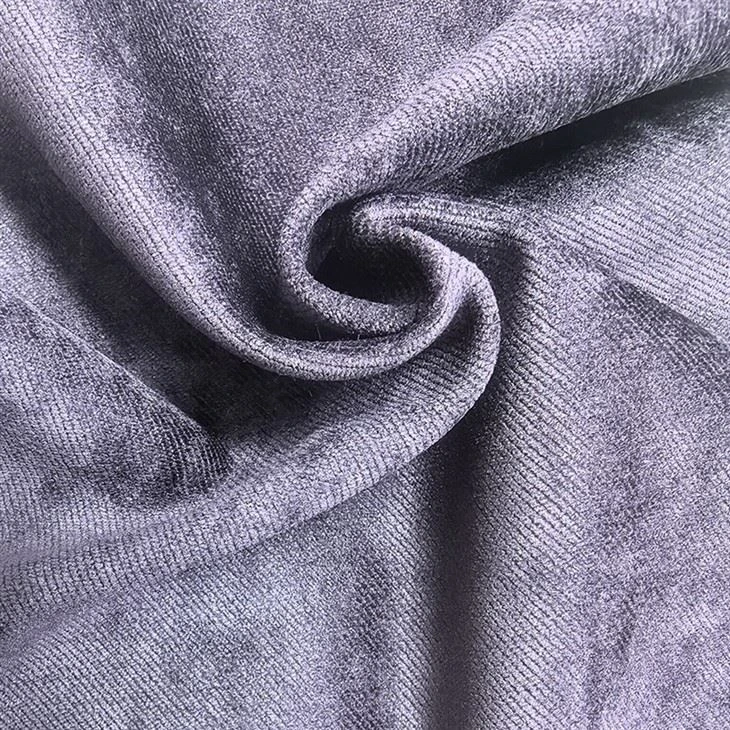
Polyester absorbs relatively little moisture into the fiber itself. As a result, polyester blends usually dry faster than fabrics made entirely from absorbent fibers such as cotton. This can be useful for:
- Sportswear
- Outdoor clothing
- Travel garments
- Uniforms that require frequent washing
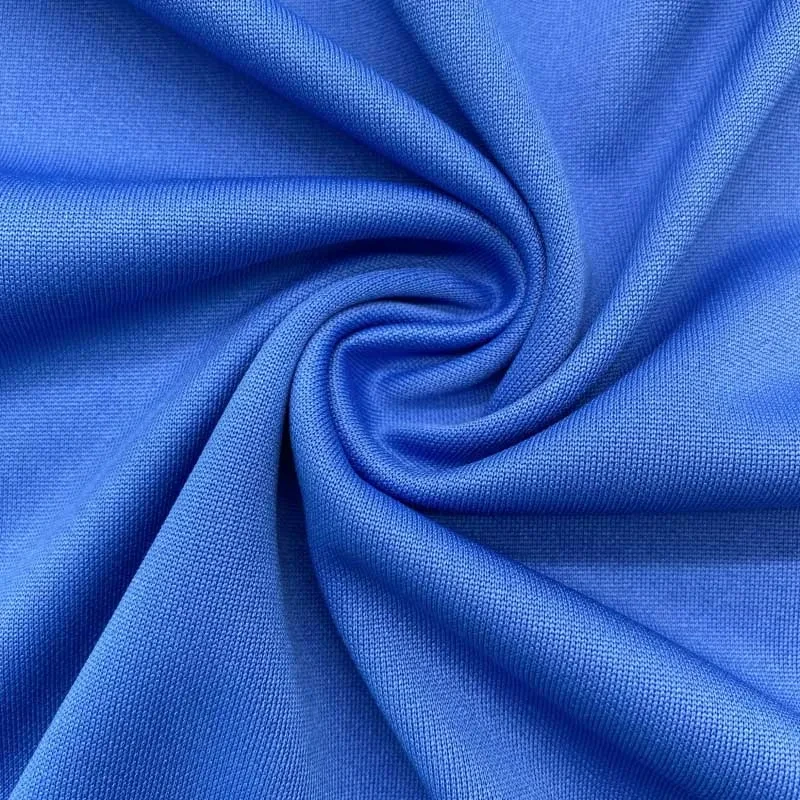
Good Shape Retention
Polyester provides excellent dimensional stability. When blended properly, it can reduce:
- Shrinkage
- Sagging
- Stretching out
- Loss of garment shape

This is important for structured apparel such as trousers, jackets, collars, cuffs, and uniforms.

Versatile Hand Feel
Polyester can be engineered in many different ways. Depending on the yarn and finishing process, it may feel:
- Soft
- Silky
- Crisp
- Brushed
- Peached
- Cotton-like
This allows manufacturers to create very different products from the same base fiber.
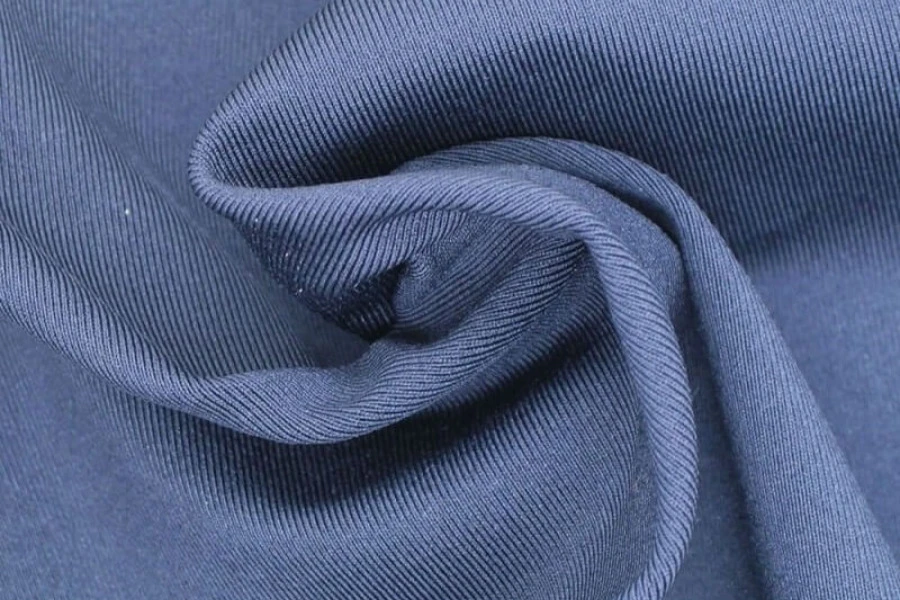
Easy Care
Many polyester blends are designed for low-maintenance clothing. Typical benefits include:
- Less ironing
- Faster drying
- Reduced shrinkage
- Good shape recovery
- Better resistance to repeated washing
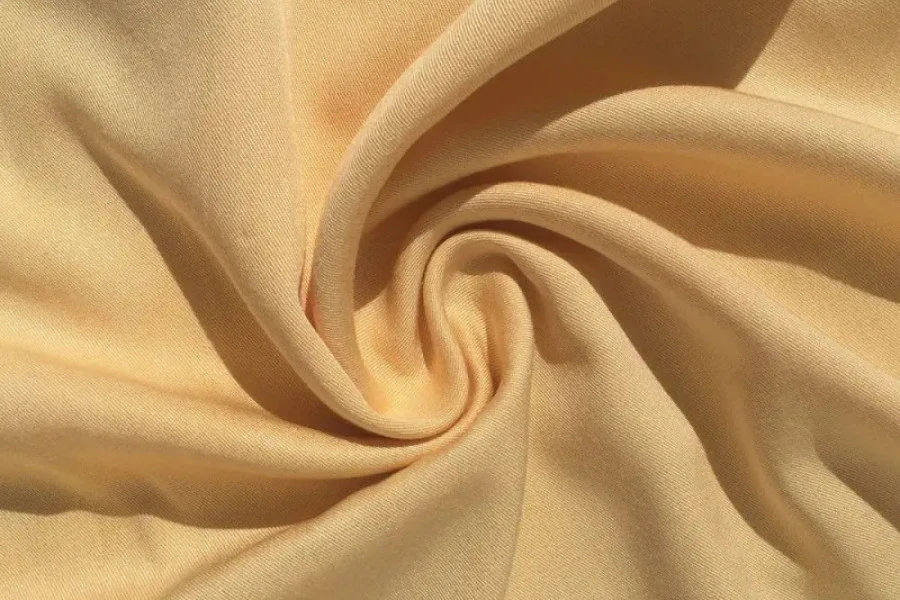
Cost Efficiency
Polyester can also help control fabric cost. In some applications, adding polyester to cotton, wool, or other fibers allows manufacturers to create durable garments at a more competitive price. This is one reason polyester blends are widely used in large-scale uniform and retail programs.
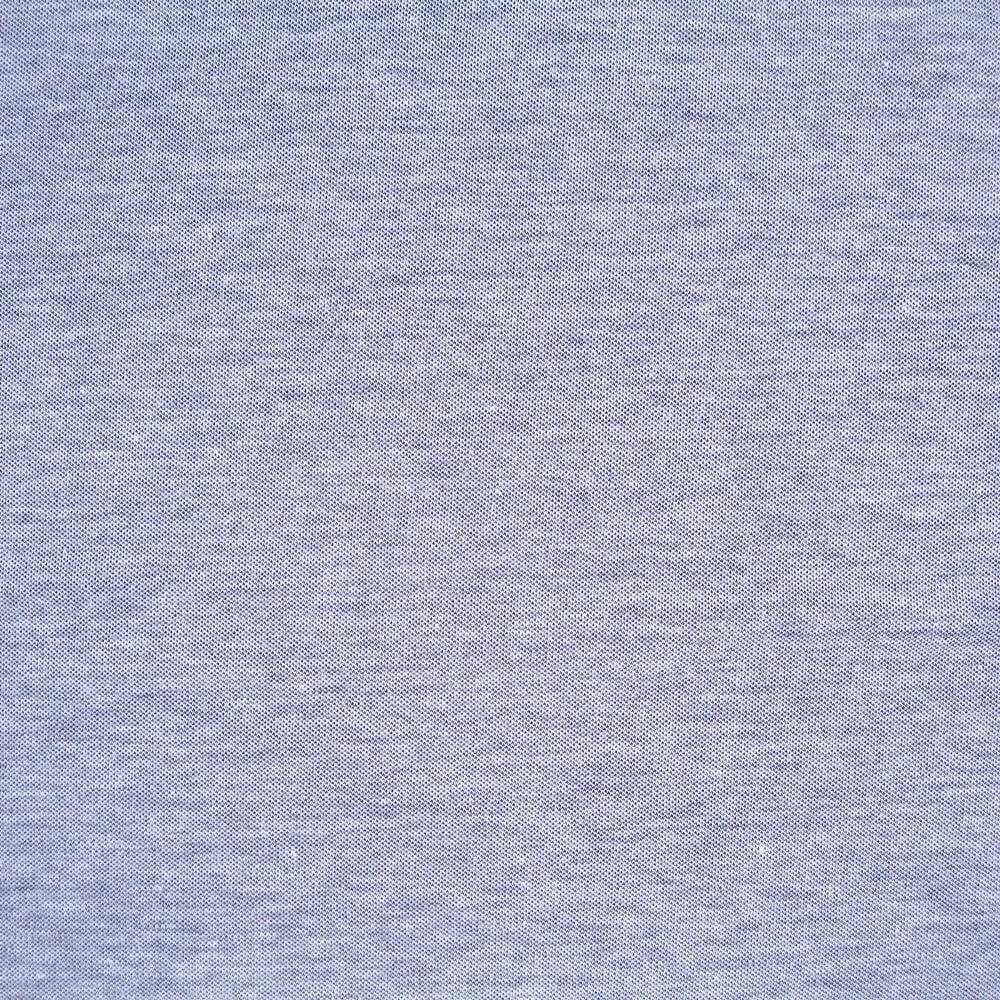
Critical Trade-offs to Consider
- Breathability Challenges: Without moisture-wicking finishes or smart ventilation, polyester can feel clammy in hot, tropical climates.
- Odor Retention: Synthetic fibers are prone to bacterial buildup; anti-odor treatments are often necessary for active-use garments.
- Pilling Risk: Lower-quality blends or brushed surfaces can develop “fuzz balls” in high-friction zones like backpack contact points.
- Recycling Complexity: Blending polyester with elastane or natural fibers makes chemical separation difficult, impacting the garment’s circularity.
Breathability Can Be Lower
Polyester is less absorbent than cotton, linen, or many regenerated cellulose fibers. Dense polyester-rich fabrics may feel warm or clammy in hot and humid climates. However, this depends strongly on fabric construction. A lightweight polyester mesh can feel much more breathable than a heavy cotton fabric.

Odor Retention
Polyester-rich fabrics can retain body oils and odor more easily than some natural fibers. This is especially noticeable in:
- Sportswear
- Activewear
- Close-fitting garments
Manufacturers may use anti-odor finishes or moisture-management technologies to improve performance.

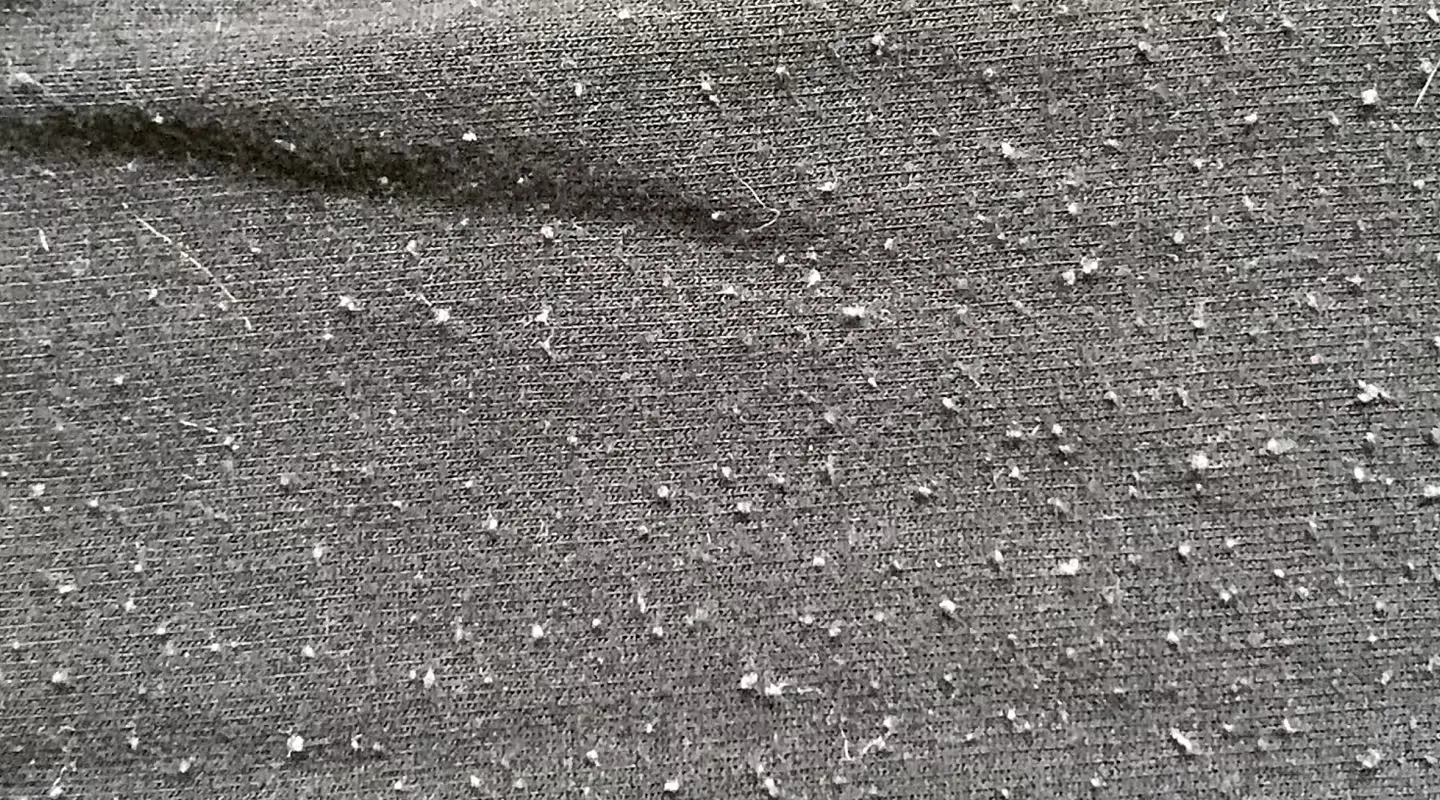
Pilling Risk
Some polyester blends can pill, particularly when the fabric uses short fibers, brushed surfaces, low-quality yarns, or loose knit structures. Polyester fibers are strong, so when pills form, they may remain attached to the fabric surface for longer. Pilling resistance depends on:
- Yarn quality
- Fiber length
- Fabric density
- Surface finishing
- Garment care
Static Electricity
Polyester can generate static electricity, especially in dry environments. This may be more noticeable in lightweight linings, dresses, skirts, and synthetic knitwear.
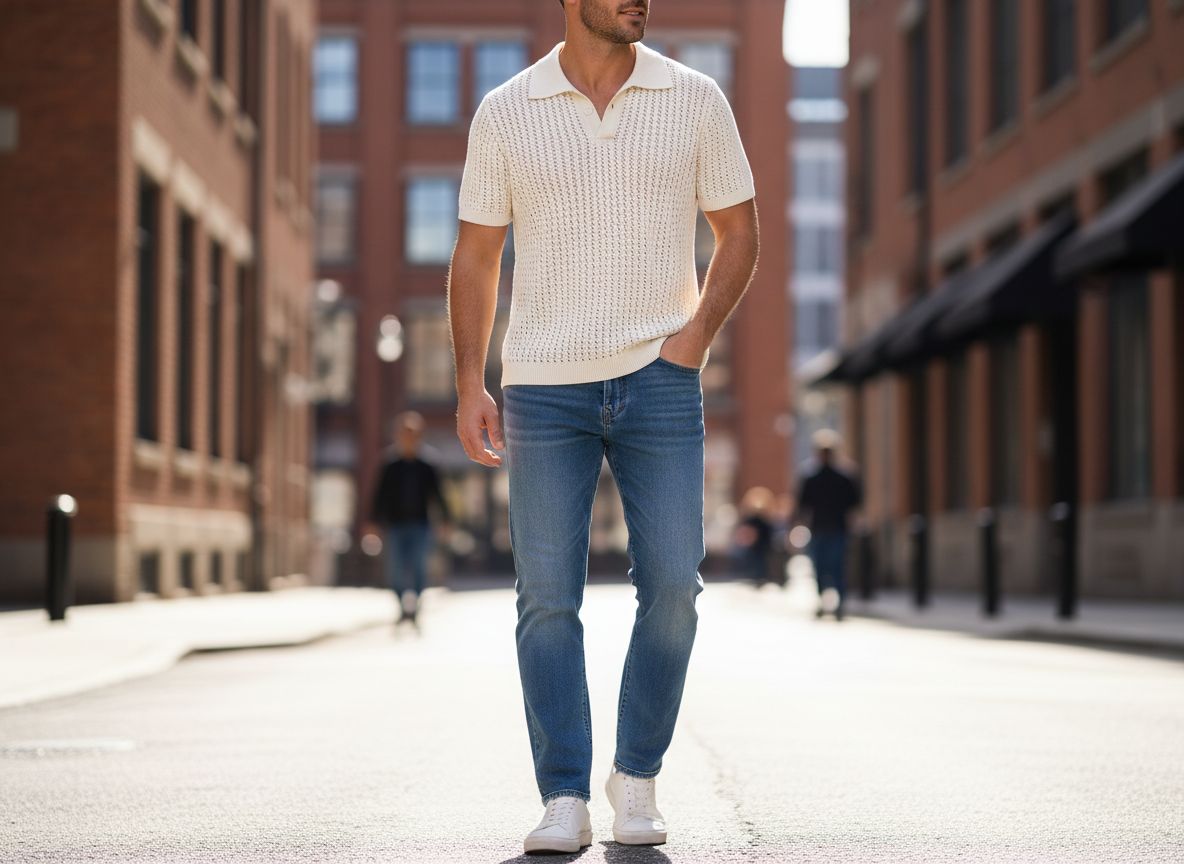
Less Natural Hand Feel
High-polyester blends can sometimes feel more synthetic than cotton-rich or natural-fiber fabrics. This is particularly important for premium casualwear where softness and a natural touch are major selling points.
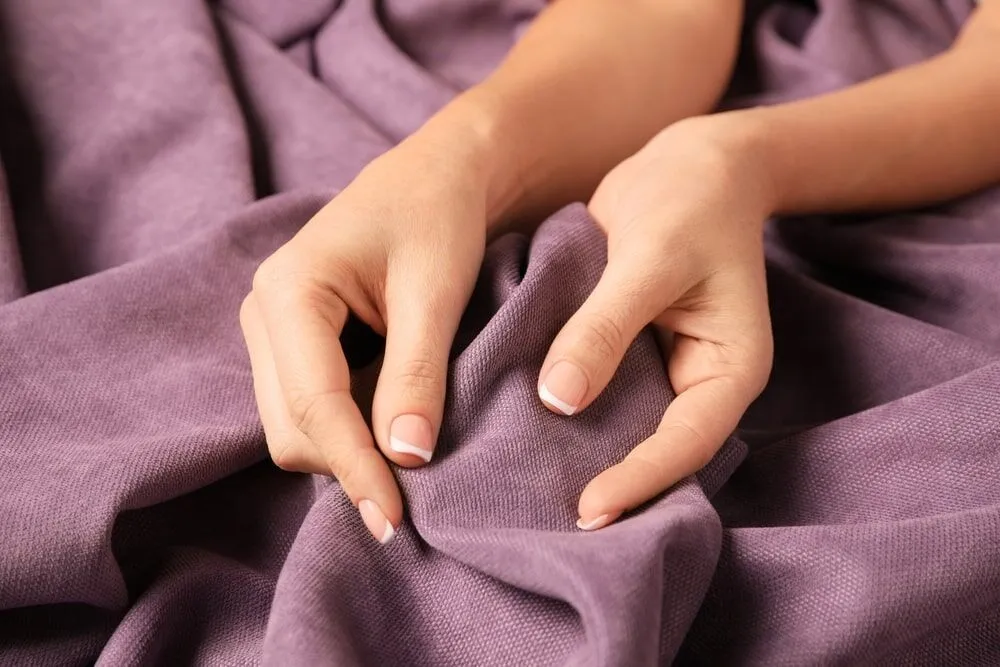
Recycling Can Be More Difficult
Blended fabrics can be harder to recycle than single-fiber fabrics. For example, separating polyester from cotton or elastane requires more complex recycling technology. This can create challenges for brands trying to improve circularity.
Comparison of Common Polyester Blends
| Blend | Main Benefit | Main Limitation | Best Use |
|---|---|---|---|
| Polyester + Cotton | Durability + comfort | Less breathable than pure cotton | Uniforms, shirts, T-shirts |
| Polyester + Elastane | Stretch and recovery | More difficult to recycle | Activewear, leggings |
| Polyester + Nylon | Strength and abrasion resistance | Can feel warm in dense constructions | Outerwear, technical apparel |
| Polyester + Viscose | Soft drape and easy care | Can pill depending on quality | Suits, trousers, uniforms |
| Polyester + Wool | Durability with wool character | Less natural than pure wool | Coats, suiting |
| Polyester + Linen | Better wrinkle resistance | Less natural feel than pure linen | Summer apparel |
Polyester Cotton
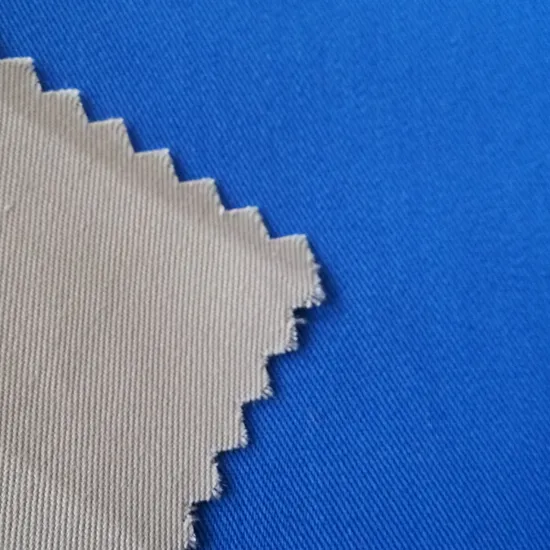
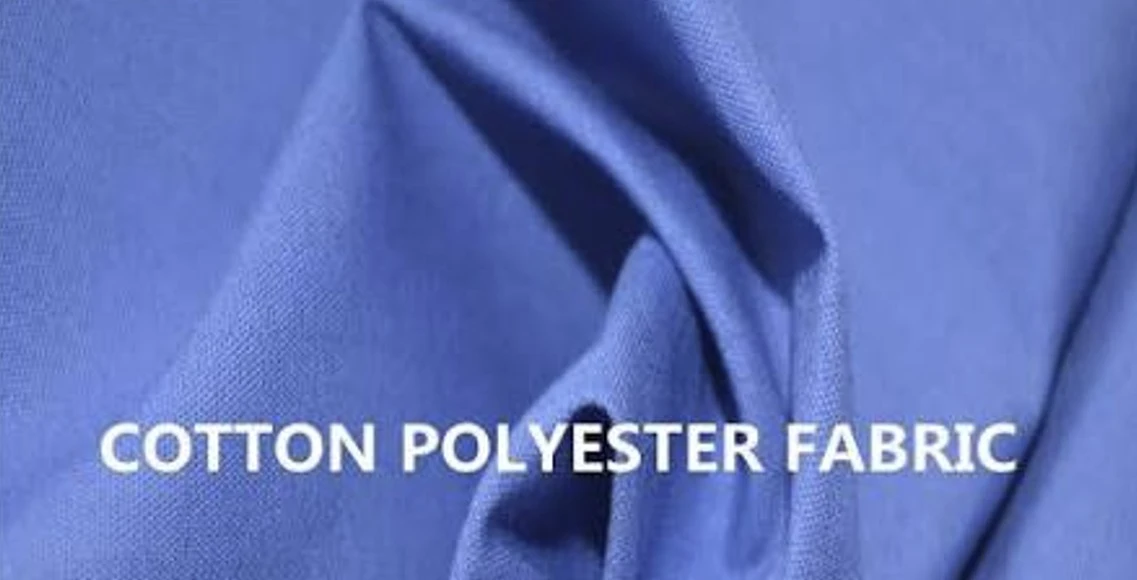
Polyester-cotton is one of the most common blends in apparel manufacturing. It combines polyester’s durability with cotton’s softness and moisture absorption.

Common examples include:
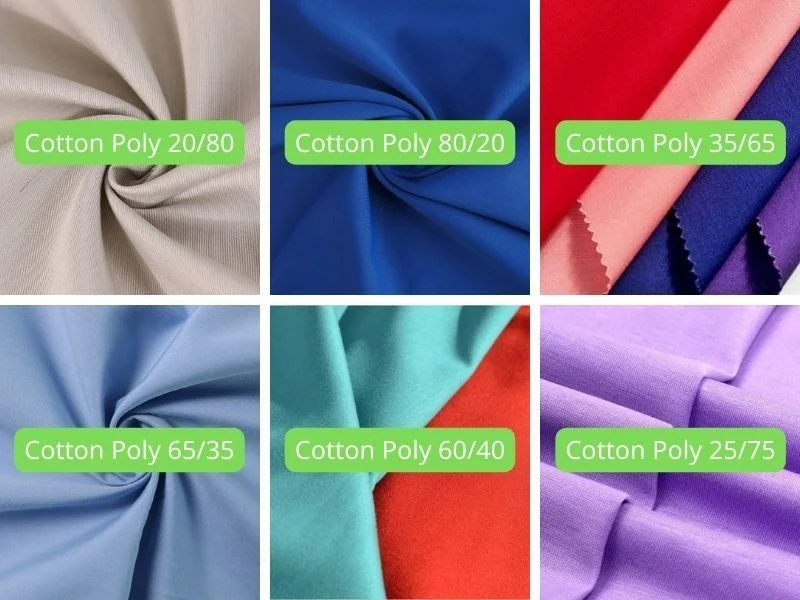
- 65% polyester / 35% cotton
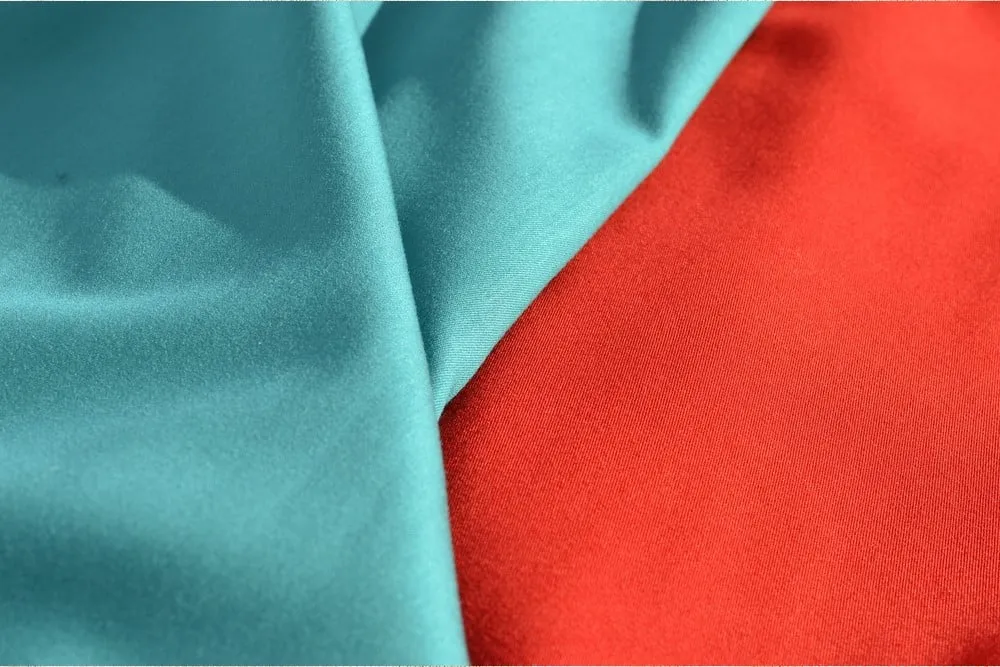
- 60% polyester / 40% cotton
- Cotton-rich CVC blends with polyester
- …
Main Advantages:
- Wrinkles less than pure cotton
- Dries faster
- Improved durability
- Lower shrinkage
Best Uses:
Uniforms, workwear, shirts, polo shirts, T-shirts, trousers, and schoolwear.

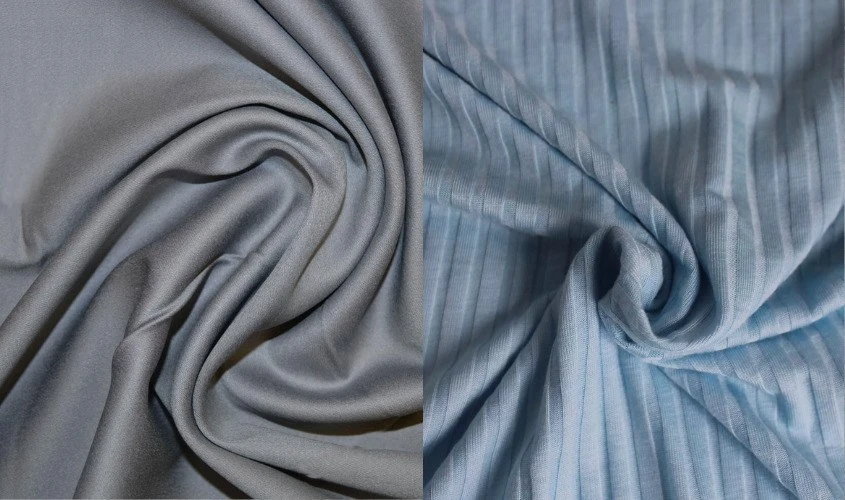
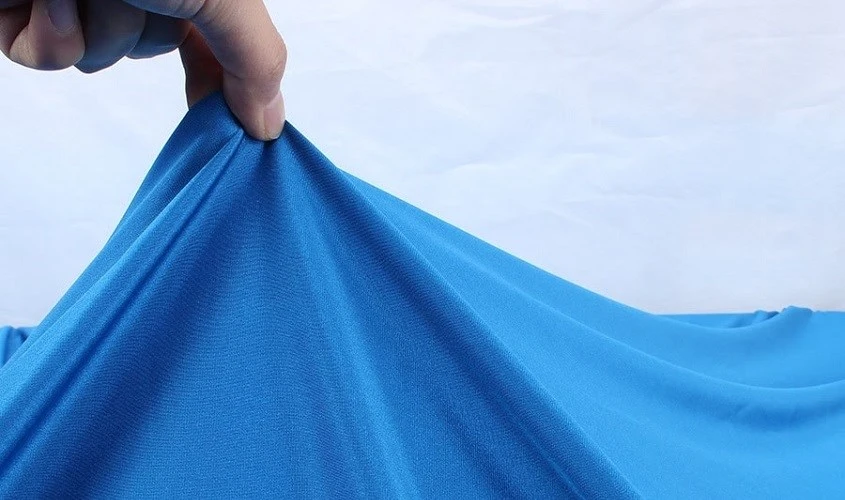
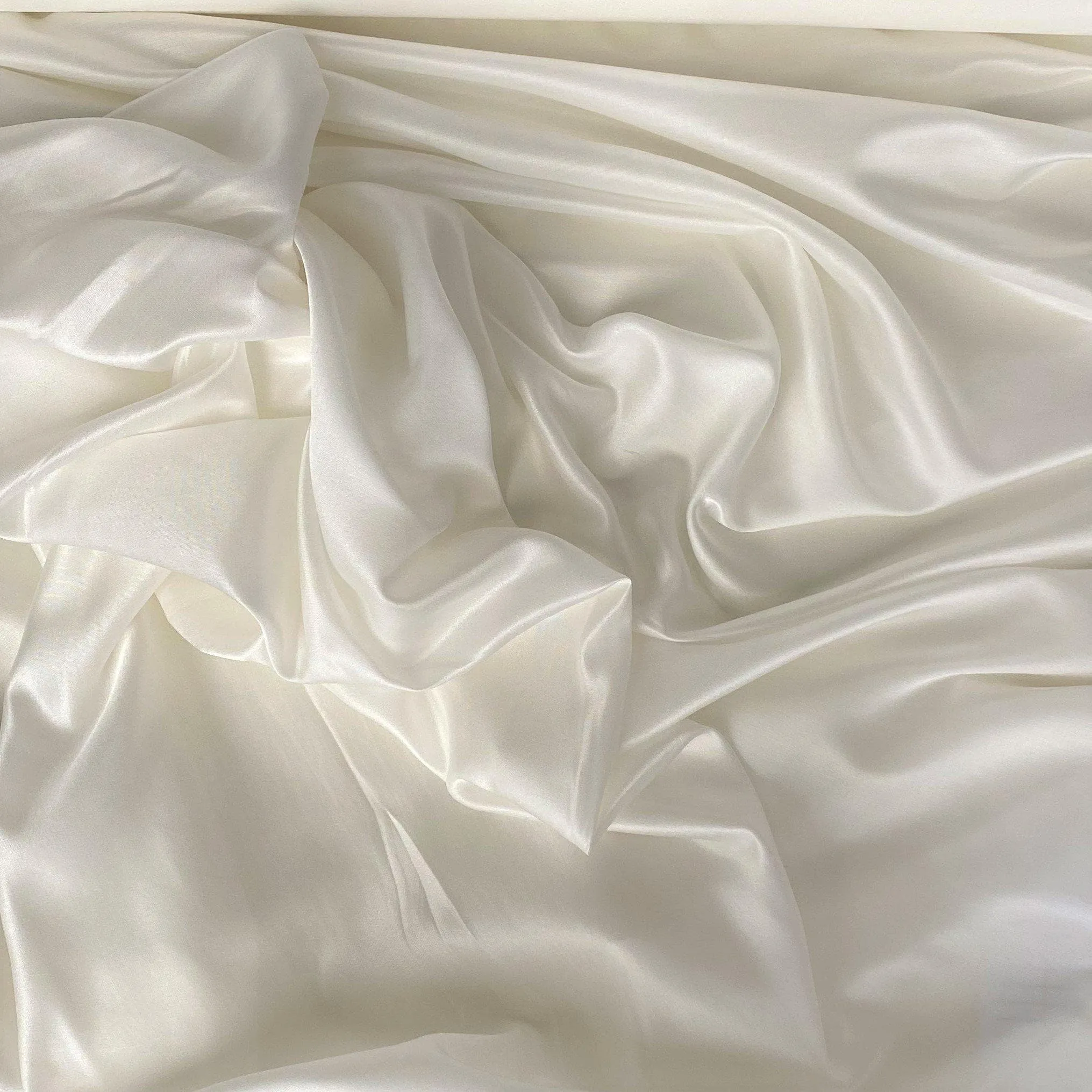
Polyester-Elastane
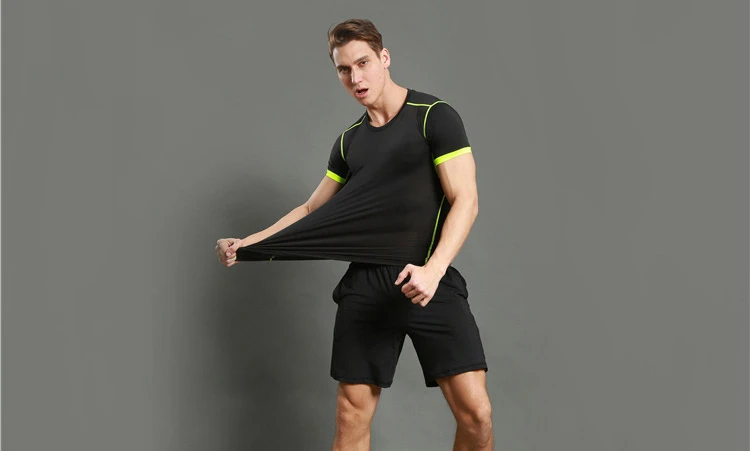
Polyester-elastane blends are widely used in stretch garments. Elastane adds flexibility and helps the fabric return to its original shape after stretching.
Main Advantages:
- Excellent stretch
- Good recovery
- Comfort during movement
- Close-fitting performance
Best Uses:
Leggings, sportswear, cycling clothing, fitted tops, swimwear, and stretch trousers.
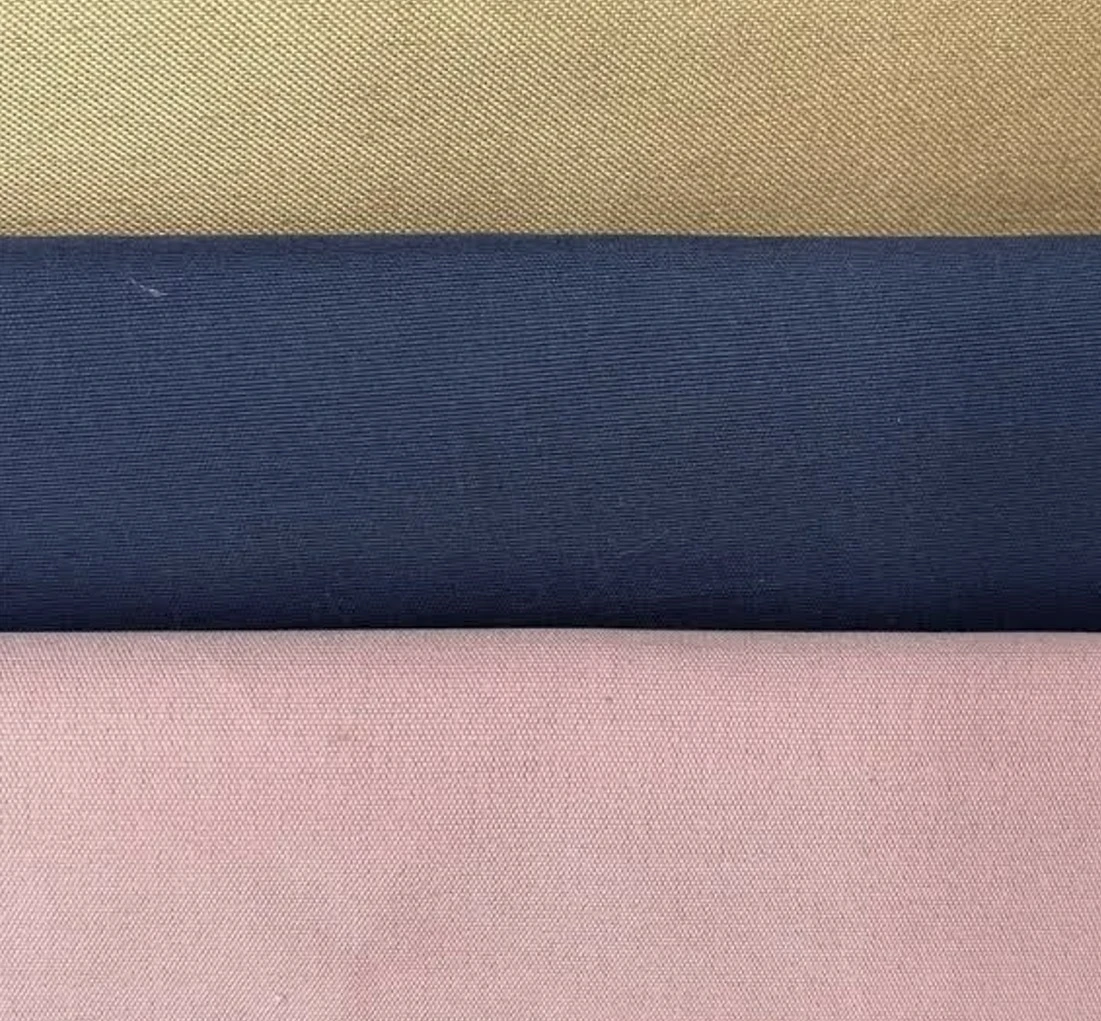
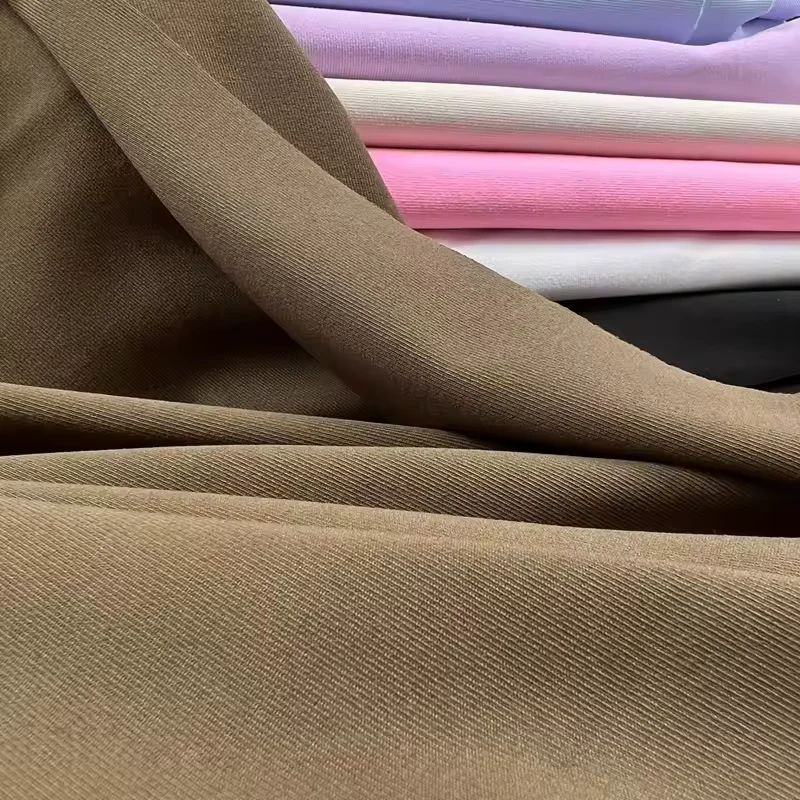
Polyester Nylon
This combination brings together polyester’s shape stability and nylon’s excellent abrasion resistance.
Main Advantages:
- Strong
- Lightweight
- Good abrasion resistance
- Suitable for technical applications
Best Uses:
Outdoor jackets, bags, sportswear, lightweight shells, and performance clothing.
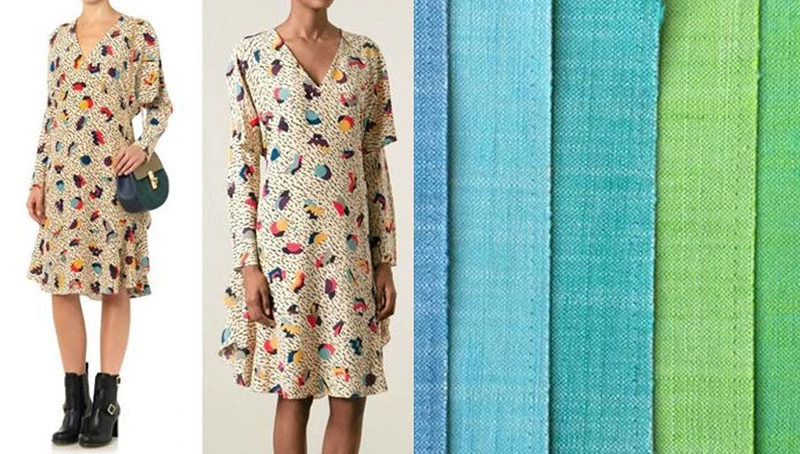
Polyester Viscose
Polyester-viscose blends are widely used when manufacturers want better drape and a softer hand feel.
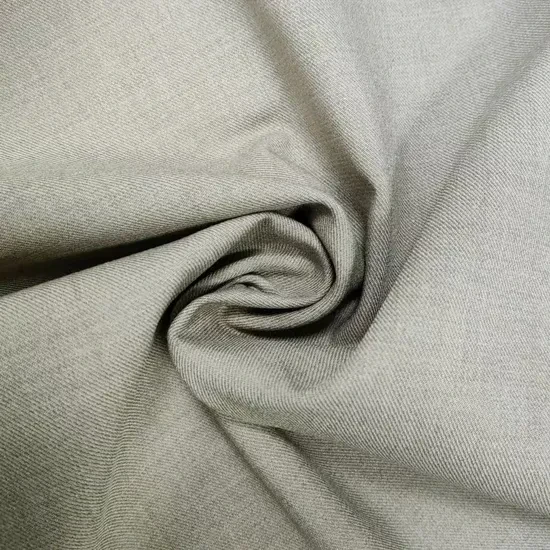
Main Advantages:
- Better drape than pure polyester
- Soft touch
- Good wrinkle resistance
- Suitable for structured apparel
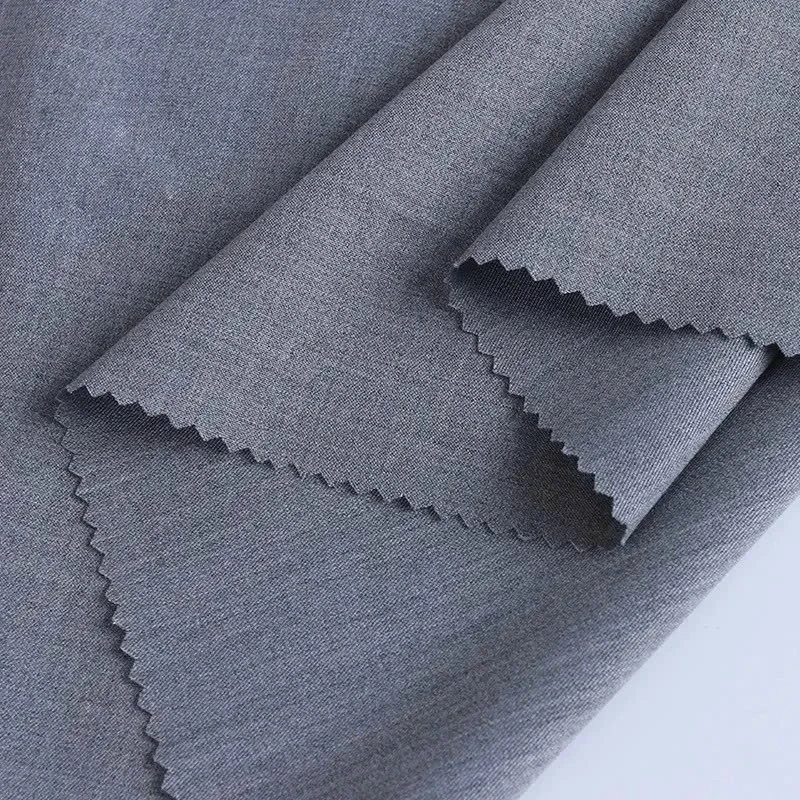
Best Uses:
Office trousers, skirts, suits, uniforms, blazers, and dresses.
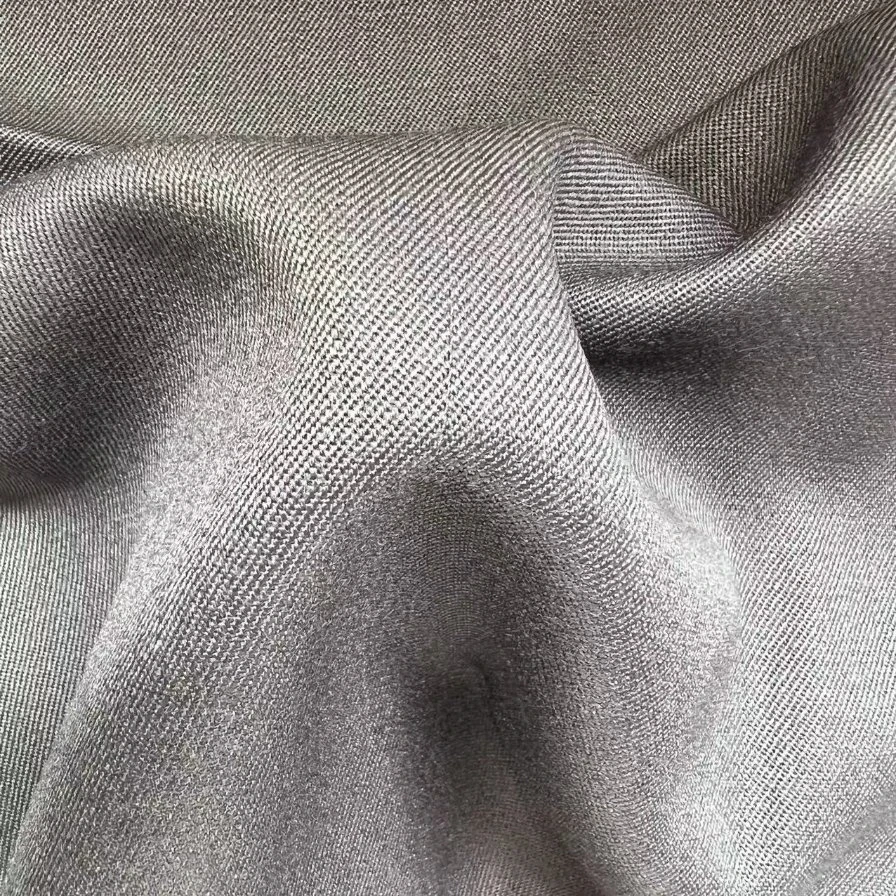
Polyester Wool
Polyester may be blended with wool to improve durability and reduce cost while preserving some of wool’s warmth and natural appearance.
Best Uses:
Suiting, coats, school uniforms, trousers, and formalwear.
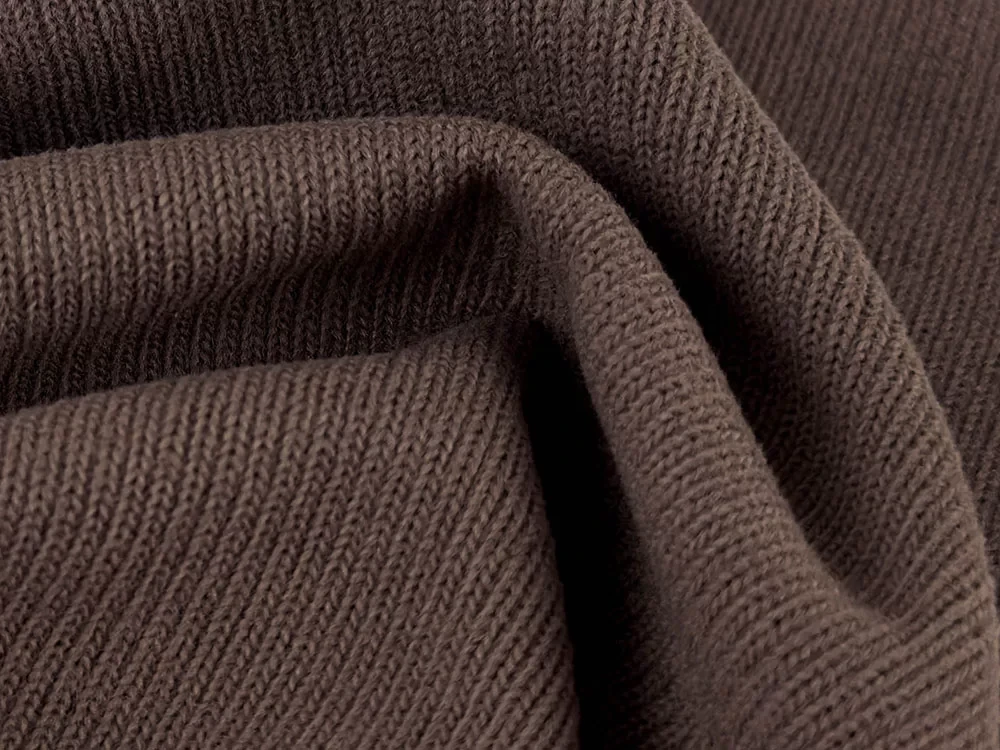
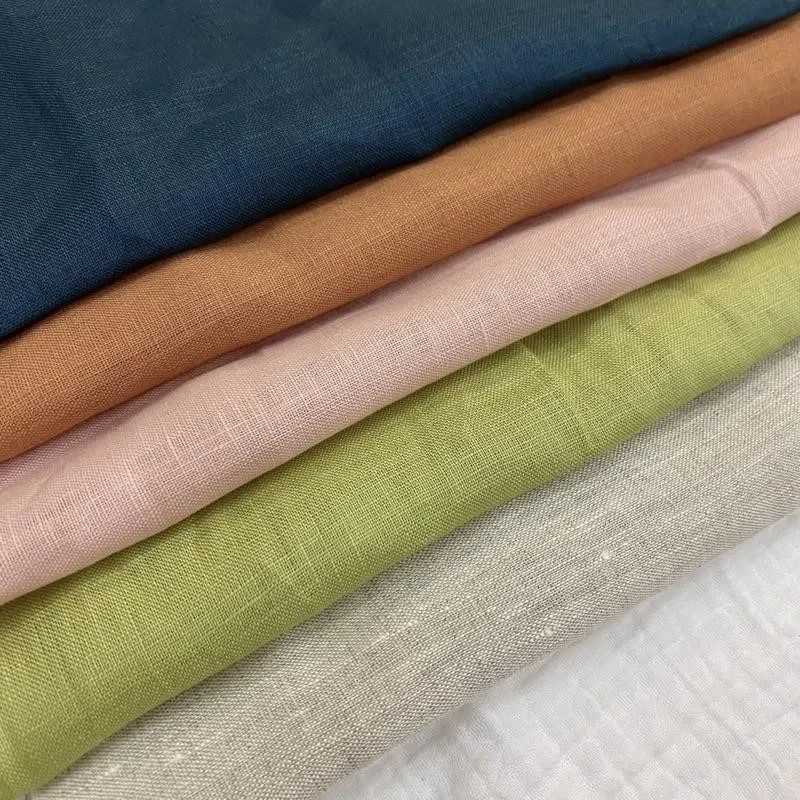
Polyester Linen
Polyester-linen blends combine linen’s natural texture and breathability with improved wrinkle resistance and easier care.
Best Uses:
Summer shirts, trousers, dresses, blazers, and resort wear.
Sourcing Checklist for Polyester Blend Fabric
Before approving a fabric for production, garment buyers should review more than the fiber composition. Important specifications include:
- Exact blend ratio
- Fabric weight or GSM
- Yarn type
- Weave or knit structure
- Stretch percentage
- Stretch recovery
- Shrinkage
- Pilling resistance
- Colorfastness
- Abrasion resistance
- Hand feel
- Air permeability
- Moisture-management performance
For outdoor products, also check:
- Water resistance
- DWR performance
- Coating or membrane specifications
Conclusion / Final Words
Polyester blends are popular because they allow manufacturers to combine different fiber strengths in one fabric. Polyester provides durability, wrinkle resistance, quick drying, and shape stability, while the second fiber can add softness, stretch, breathability, drape, or abrasion resistance. The main disadvantages can include lower breathability in dense fabrics, odor retention, static, pilling, and more complicated recycling. For brands and sourcing teams, the most important lesson is simple: do not choose a polyester blend based on the fiber label alone. Blend ratio, yarn type, GSM, fabric construction, finishing, stretch, pilling resistance, and end use all affect final garment performance. A polyester blend works best when it is designed around the needs of the product—whether that product is a uniform, jacket, sports garment, pair of trousers, or everyday shirt.

Contact Information – Mekong Garment Factory
- VN Phone/WhatsApp/WeChat: +84 947 729 829
- Email: hanh@kimmy.vn