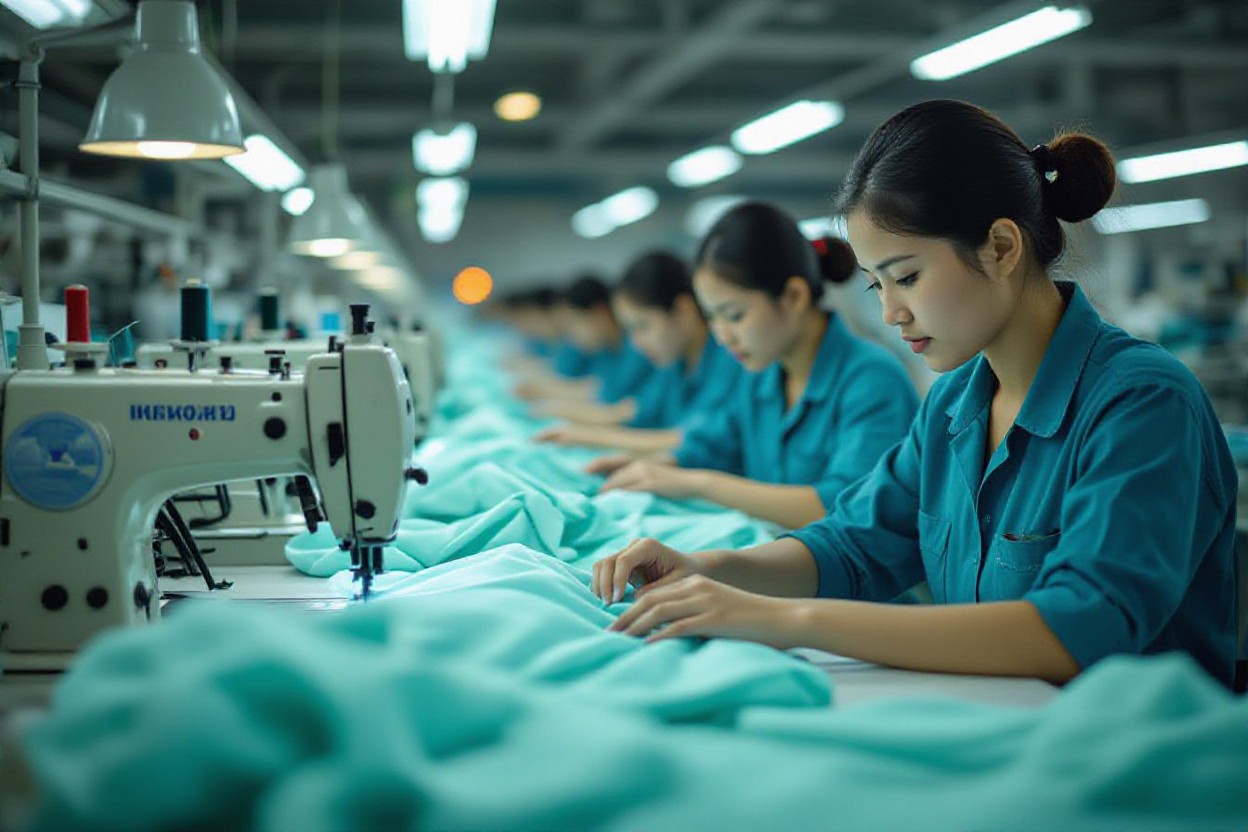
Tips on Choosing the Best Clothing Manufacturer for Small Runs

Producing small runs doesn’t mean you should accept compromises. Insist on flexible or low MOQs (150 – 300 pieces), confirm the factory’s technical capabilities, and plan for higher unit costs in your budget. Prioritize quality, transparent communication, and scalability so your manufacturer can adapt as your brand grows. This guide helps you find a partner that acts as a collaborative extension of your brand.
Why Small-Run Clothing Manufacturer Is Different
Small-run clothing production has different challenges from mass manufacturing. Large factories may be optimized for thousands of units at a time. A new brand, however, may only need:
- 150 pieces
- 200 pieces
- 300 pieces
- A small test collection
- A first market launch
That means the manufacturer must be flexible enough to handle lower quantities while still maintaining consistent workmanship. For a small brand: Low Order Quantity isn’t Low Importance.
Every piece matters because a problem in even a small batch can affect:
- Cash flow
- Brand reputation
- Customer satisfaction
- Launch timing
- Future reorder decisions
1. About Minimum Order Quantity (MOQ)
For small-run production, MOQ (Minimum Order Quantity) is often the first major hurdle. Many factories built for mass manufacturing require thousands of units, which can overwhelm a new brand. Finding a partner who works with flexible MOQs—between 150 and 300 pieces—allows you to start without huge financial pressure.
- Look for manufacturers that accept lower MOQs (50-300 units) without sacrificing workmanship.
- Be realistic: lower volume inherently means higher cost per unit.
- Confirm if small orders receive the same production priority to avoid unexpected delays.
Look for Flexible or Low MOQs
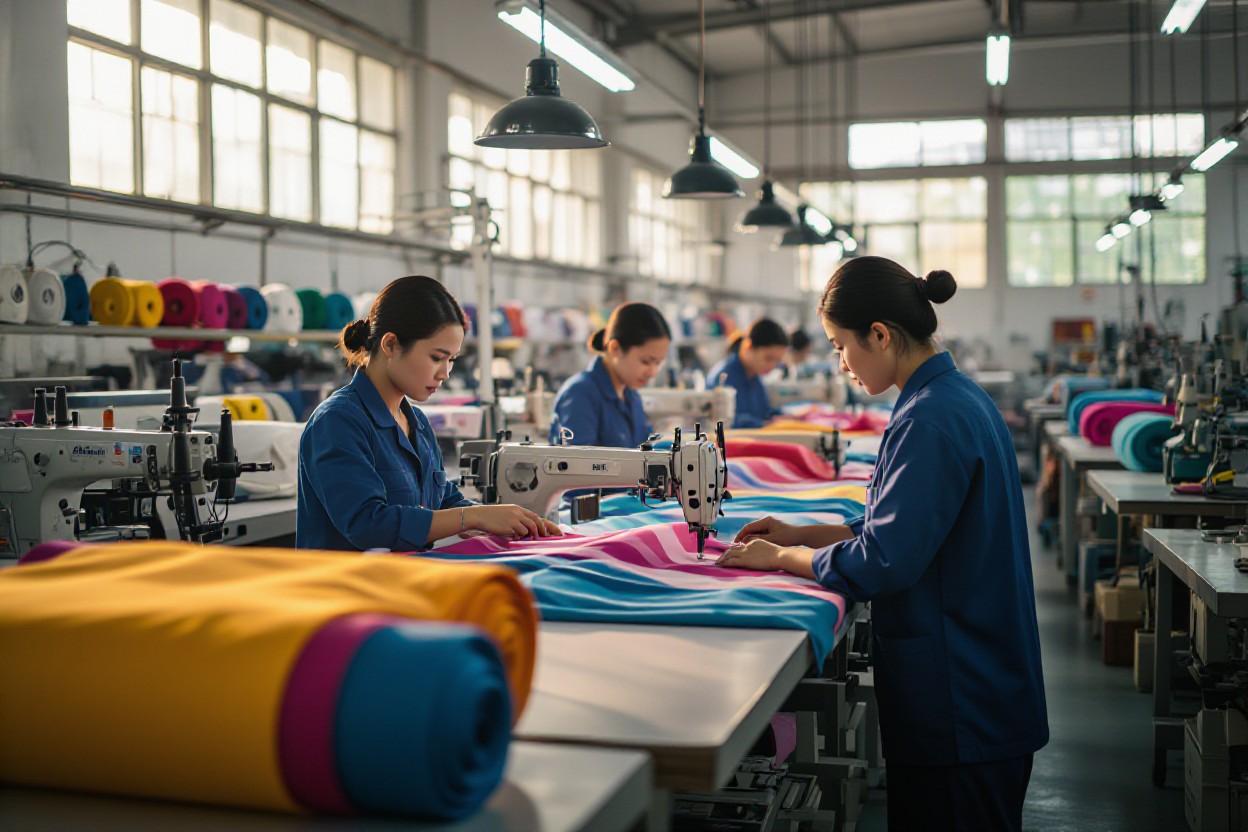
The source recommends finding manufacturers that can work with lower quantities rather than requiring thousands of pieces. It highlights typical small-run ranges such as: 150–300 pieces and also suggests looking for factories that may accept approximately: 50–300 units. depending on the order. This gives new brands more flexibility and reduces the financial pressure of committing to a very large first order.
Ask How the MOQ Is Calculated
Do not ask only: “What is your MOQ?” Ask whether the MOQ applies to:
- One style
- One color
- One size
- One fabric
- One total production order
This matters because a 300-piece MOQ could mean very different things.
- For example: 300 Pieces Total
- is very different from: 300 Pieces per Color
The exact breakdown should be confirmed before placing an order.
Ask Whether Colors or Styles Can Be Combined
The source suggests discussing whether several colors or styles can be combined to meet the factory minimum. For example:
- 100 black pieces
- 100 white pieces
- 100 navy pieces
may be easier for a small brand than producing 300 pieces of one color. This depends on the manufacturer’s production setup, so it should be clarified in advance.
Low MOQ Usually Means Higher Unit Cost
Lower quantities reduce the number of garments over which fixed production costs can be spread. These costs may include:
- Pattern making
- Grading
- Sampling
- Machine setup
- Cutting preparation
- Production planning
Therefore: Lower Quantity => Higher Setup Cost per Garment => Higher Unit Price. Small brands should build this reality into their budget.
Confirm Whether Small Orders Receive Normal Production Priority
A factory may accept your small order but still prioritize larger customers. The source recommends confirming whether smaller runs receive proper production attention. Ask about:
- Planned production date
- Estimated lead time
- Sewing-line allocation
- Expected completion date
A low MOQ is not very useful if the order is repeatedly delayed.
2. Check Production Capabilities and Restrictions
Every factory has a technical “sweet spot.” Before committing, ensure they excel in your specific garment type, whether it’s complex outerwear or stretch knits. A factory that forces you to fit their limitations is not the right match for a small brand needing innovation.
- Request examples of past small-batch jobs similar to your designs in fabric and construction.
- Assess if they offer “full-package” services (Design → Sourcing → Production) to simplify your workflow.
- Verify lead times: agile small-run operations should move faster than rigid mass-production lines.
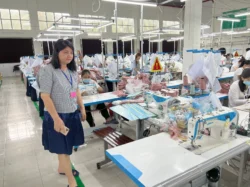
Match the Factory to Your Garment Type
Before placing an order, make sure the manufacturer has experience with garments similar to yours. For example, a factory that performs well with basic woven shirts may not automatically be the right factory for:
- Stretch knit garments
- Complex outerwear
- Bonded seams
- Specialized finishing
The important principle is: Factory Capability Should Match Product Complexity.
Ask for Similar Production Examples
The source recommends asking the manufacturer for examples of previous small-batch jobs that are similar in:
- Fabric
- Construction
- Garment type
- Sewing complexity
This can help you understand whether the factory has practical experience with your product.
Request a Factory Capability List
Ask what machinery and technical processes are available. The source recommends checking areas such as:
- Equipment
- Sewing specialists
- Finishing machines
- Sampling capability

For specific products, also confirm whether the factory can handle required techniques such as:
- Stretch knit sewing
- Complex outerwear construction
- Embroidery
- Laser cutting
- Bonded seams
Do not assume every garment factory can perform every process.
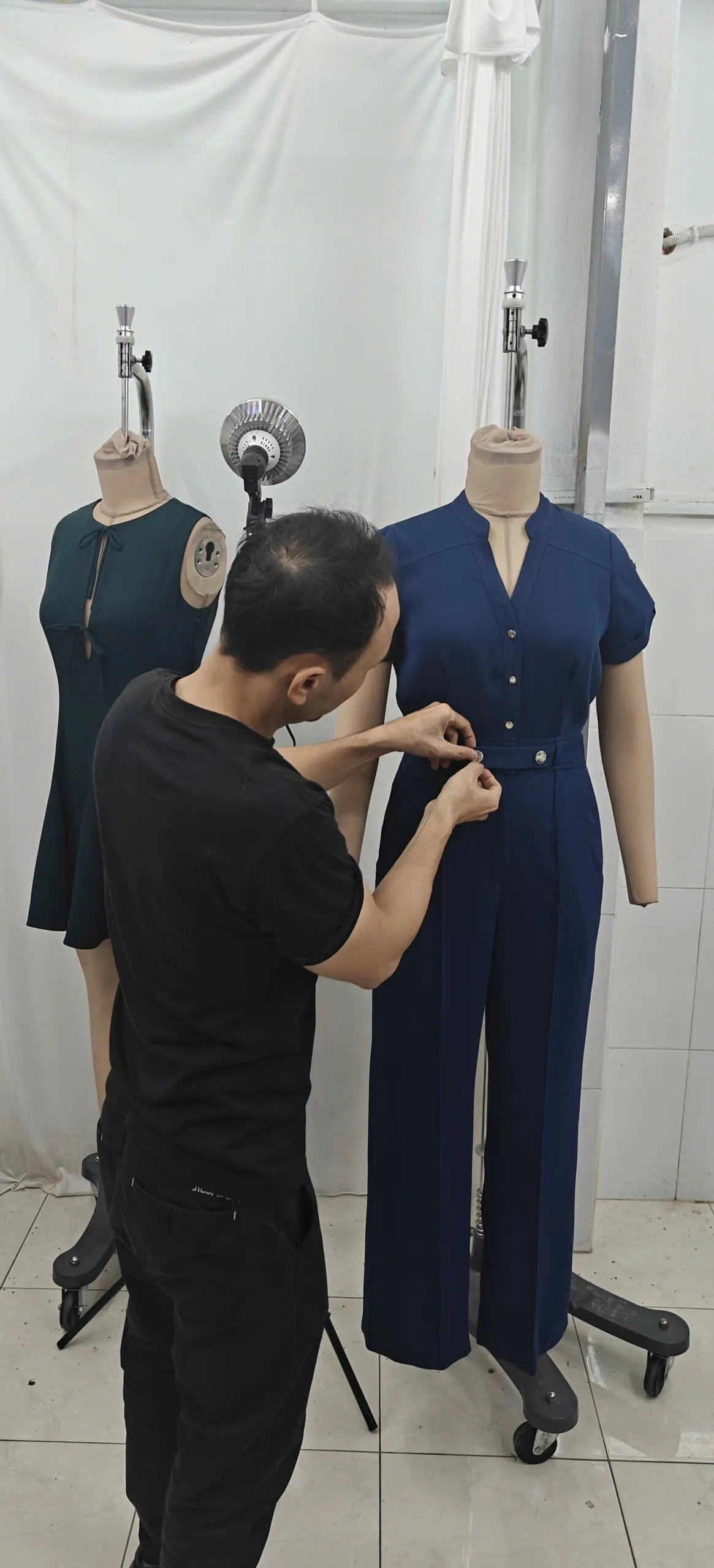
Confirm Whether Sampling and Bulk Production Are Done On-Site
The source recommends checking whether both sampling and bulk production happen at the same location. If work is frequently handed off to outside suppliers, communication and quality control may become more complicated. A simple principle is: Fewer Production Handoffs = Better Process Visibility.
3. Check Whether the Factory Offers Full-Package Services
For a small brand, managing too many separate suppliers can create additional complexity. The source recommends checking whether the manufacturer offers full-package services such as: Design => Sourcing => Production. This can simplify the process.
What Full-Package Support May Include
Depending on the factory, support may involve:
- Design assistance
- Fabric sourcing
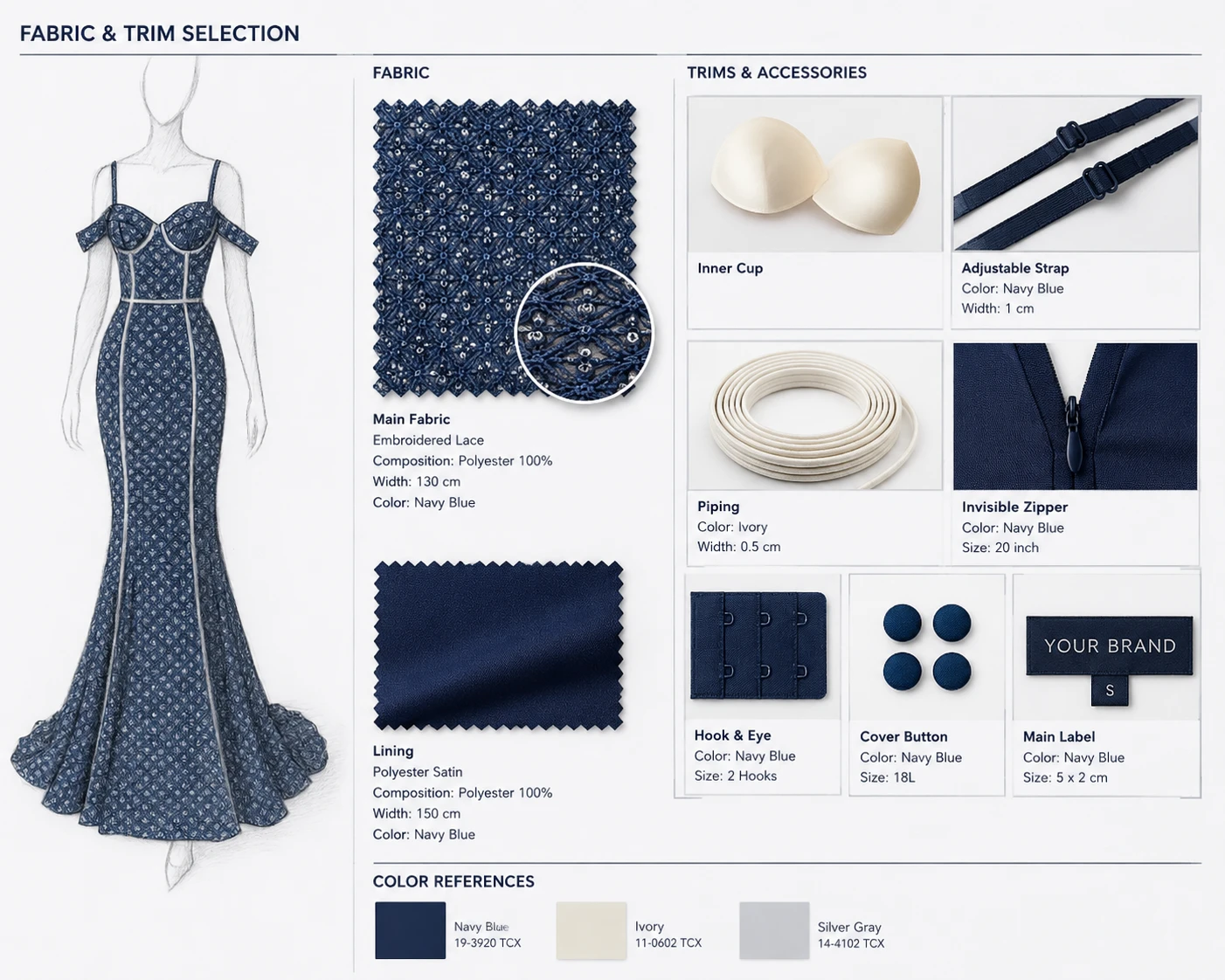
- Trim sourcing
- Pattern development
- Sampling
- Production
- Finishing
- Packaging
For a new brand, this can reduce the need to coordinate multiple suppliers separately.
Why This Matters for Small Brands
Small teams often have limited:
- Time
- Technical knowledge
- Supplier networks
- Production management resources
A factory that can manage several production stages may help make the workflow more efficient.
4. Verify Sampling Capability Before Bulk Production
Sampling is one of the most important stages in small-run manufacturing. The source recommends confirming a clear sample approval process before starting bulk production. A practical sequence can include: Initial Sample => PPS => Production Approval, where PPS refers to the Pre-Production Sample.
Why Sampling Is Important
Sampling allows the brand and factory to check:
- Fit
- Measurements
- Construction
- Fabric
- Trims
- Sewing quality
- Design details
before producing the full order. Correcting a problem during sampling is much easier than discovering it after hundreds of garments have been sewn.
Ask How Many Sample Rounds May Be Needed
The source recommends budgeting for multiple sample rounds if necessary. Do not assume the first sample will automatically be ready for bulk production. Small adjustments may be needed before the final production standard is approved.
Confirm Sampling Costs
Ask whether:
- Initial samples are charged separately
- PPS samples are charged separately
- Sampling costs are credited toward the production order
These costs should be clarified before development begins.
5. Align Budget and Cost Expectations
Small-batch fashion requires grounding dreams in realistic cost structures. Factories cannot spread setup costs (pattern making, grading, machine calibration) across thousands of items, so per-unit prices will be higher. Discuss every cost component—from sampling to logistics—to avoid surprises.
- Budget for extras like fabric minimums, wastage, and import duties.
- Clarify payment terms and deposit requirements upfront.
- Treat your manufacturer as a partner helping you achieve a vision, not just a vendor.
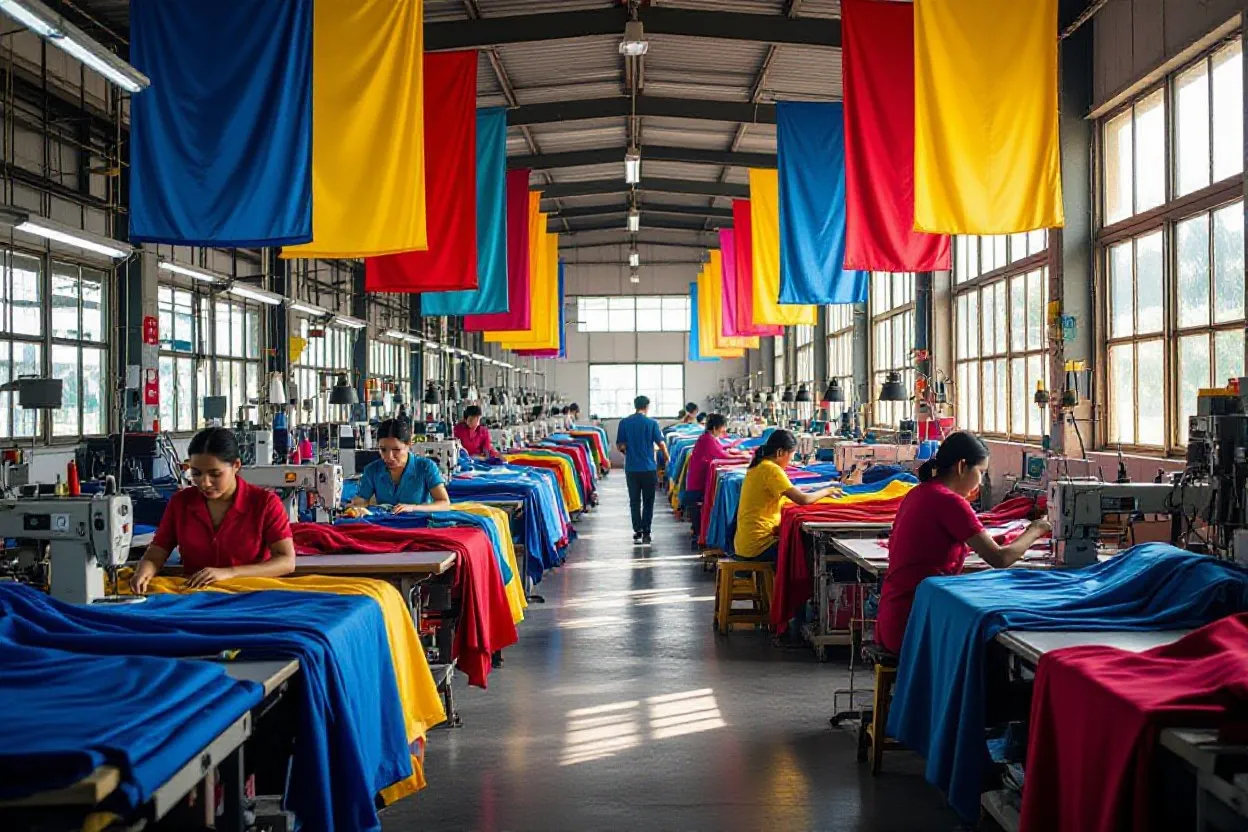
Why Small Runs Cost More?
Factories still need to complete setup work even when the order is small. These costs can include:
- Pattern making
- Grading
- Machine adjustment
- Cutting preparation
- Sampling
- Production planning
With a large order, these costs are spread across many pieces. With a small order, fewer pieces absorb the same setup work. Therefore: Same Setup Cost ÷ Smaller Quantity = Higher Cost per Garment
Request a Full Cost Breakdown
The source recommends asking for a detailed costing that may include:
- Sampling
- Fabric sourcing
- Trim sourcing
- Pattern grading
- Marker preparation
- Cutting
- Sewing
- Finishing
- Packaging
- Inspection
- Shipping
This helps prevent unexpected charges later.
Ask for Tiered Pricing
Request pricing at several quantity levels. For example:
- 150 pieces
- 300 pieces
- 500 pieces
- 1,000 pieces
This can help you understand how unit cost changes as production volume increases. It also helps you plan future scaling.
6. Prioritize Communication and Transparency
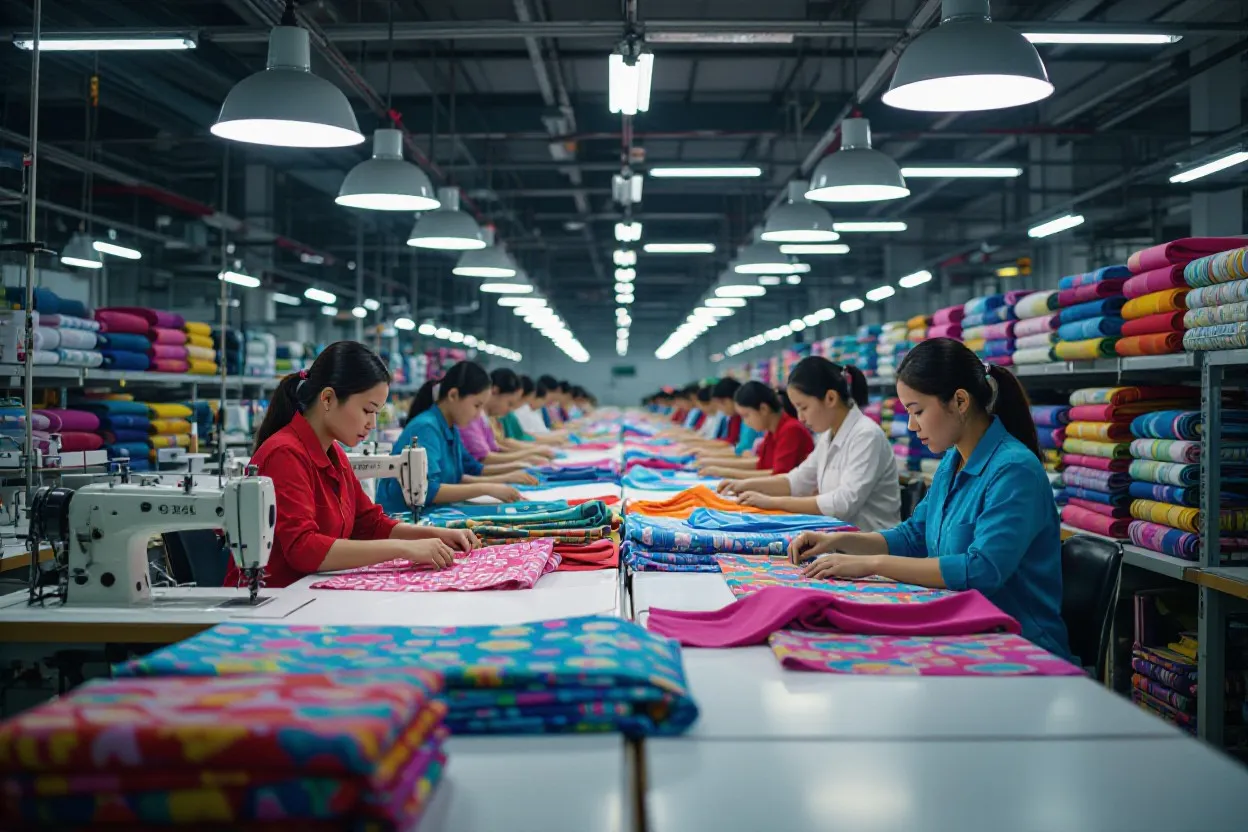
In small production, every single piece counts. Your relationship with the factory must be built on mutual trust and open dialogue. A good manufacturer will involve you in every step, from material sourcing to final QC checks.
- Look for prompt, solution-oriented communication during the sampling phase.
- Ensure they provide regular updates and are transparent about process constraints.
- Consider a virtual tour or factory visit to understand their work culture and equipment.
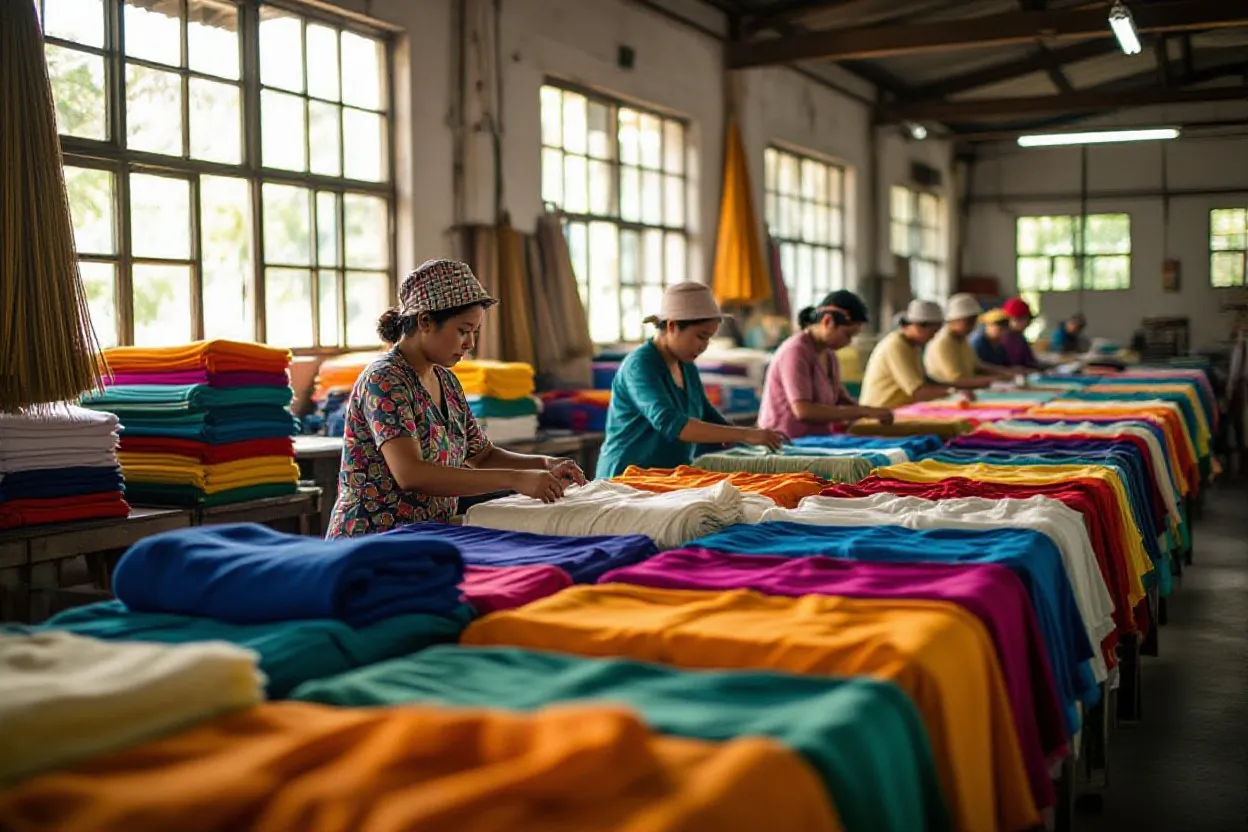
Clarify Fabric Minimums
Even if the factory accepts a small garment order, the fabric supplier may have its own minimum order requirement. This can affect:
- Fabric cost
- Color availability
- Material choices
The source suggests asking about cost-saving alternatives such as factory-stock fabrics where appropriate.
Plan for Wastage
Fabric and trims are not always consumed with zero waste. Cutting and production may create:
- Fabric remnants
- Defective pieces
- Setup waste
This should be considered in the cost plan.
7. Clarify Payment Terms Before Production
Payment terms should be agreed before the order starts. The source recommends confirming:
- Deposit requirements
- Payment schedules
- Sampling charges
- Final payment timing
This helps both sides understand the financial process.
Ask About Additional Setup Fees
Depending on the product, additional charges may include:
- Pattern fees
- Grading fees
- Tooling
- Dies
- Setup fees
Confirm these before approval rather than discovering them after production has started.
8. Factor in Scalability and Future Growth
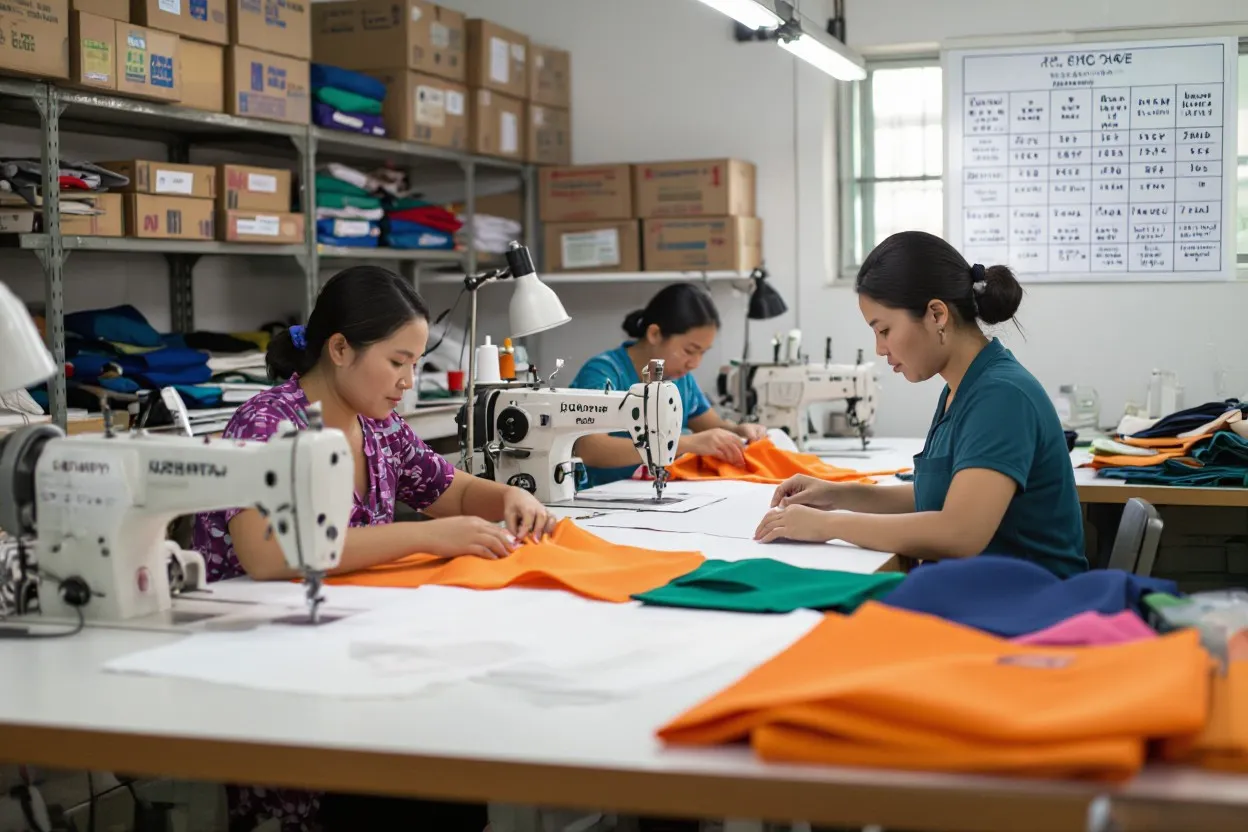
Always think one step ahead. If your product sells out, can your factory handle a quick reorder? A flexible partner should be able to scale volumes without disrupting quality. Choosing a manufacturer that grows with you creates long-term consistency in brand identity.
- Evaluate how they handle small tweaks or color changes in subsequent runs.
- Consider location: proximity influences shipping costs and the speed of sample iterations.
- Ensure they have the infrastructure to support you as your 300-piece run becomes 3,000.
Conclusion / Final Words
Choosing a partner like Mekong Garment Vietnam ensures you get the attention your brand deserves regardless of order size. By prioritizing low MOQs, technical matching, and transparent communication, you protect your margins and speed up your time-to-market. A successful small run is the foundation for a global fashion brand. Select a manufacturer that acts as a collaborative extension of your team to ensure every garment meets export standards.
FAQs: Choosing the Best Manufacturer for Small Runs
What minimum order quantities (MOQs) can I expect from Mekong Garment Vietnam for small runs, and how can I negotiate them?
Mekong Garment Vietnam typically offers flexible MOQs for small brands, often in the 150 – 300 pieces range depending on style and construction. Ask for MOQs by style, color, and size breakdown; propose mixing colors or styles within a single run to meet factory minimums; request a tiered pricing table showing unit costs at different quantities; negotiate on setup fees, grading costs, and shared cutting runs; and confirm whether sampling and pre-production samples (PPS) are billed separately or credited against the production order.
How do I confirm Mekong Garment Vietnam has the right production capabilities for my specific garments?

Request a detailed capabilities list (equipment, sewing specialists, finishing machines), ask for examples of past small-batch projects similar to your garments, and request photos or videos of samples and the production floor. Confirm they can handle required techniques such as stretch knits, complex outerwear, embroidery, laser cutting, or bonded seams. Verify if sampling and bulk production occur on-site to avoid handoffs, and ask for lead times for sampling versus full production.
How should I budget for small-batch production with Mekong Garment Vietnam to avoid unexpected costs?
Obtain a full cost breakdown including sampling, fabric and trim sourcing, pattern grading, marker and cutting charges, sewing, finishing, packaging, inspections, and shipping. Expect higher per-unit costs for low volumes and budget for multiple sample rounds. Ask about cost-saving options like using factory-stock fabrics, standard trims, consolidated shipments, or combining styles. Clarify payment terms, deposit schedules, and whether tooling or die fees apply.
What quality control and communication processes should I insist on with Mekong Garment Vietnam?
Require a clear sample approval workflow (initial sample, PPS, production approval), request inline and final inspections with defect reporting, and agree on an AQL level for acceptance. Insist on detailed tech packs with measurements, construction notes, and tolerance tables. Establish a single point of contact, regular progress updates (photos, video calls), and turnaround times for replies. Ask about material certificates, test reports, and corrective action plans for defects.