What Is CMPT (Cut, Make, Pack & Trim) in the Garment Industry?

In the fast-moving world of apparel manufacturing, brands seek ways to simplify supply chains and reduce lead times. The CMPT (Cut, Make, Pack & Trim) model provides a seamless solution. By partnering with a factory that handles every step from fabric cutting to final retail packaging, buyers free themselves from juggling multiple vendors while maintaining consistent quality at scale.
What Is CMPT (Cut, Make, Pack & Trim)?
CMPT is the most comprehensive production model in garment manufacturing. Unlike basic models, CMPT factories take care of everything from cutting fabric to packing finished garments. This all-in-one service ensures each piece is ready for export or direct retail sale, significantly reducing coordination efforts for the brand.
The Integrated Process Flow
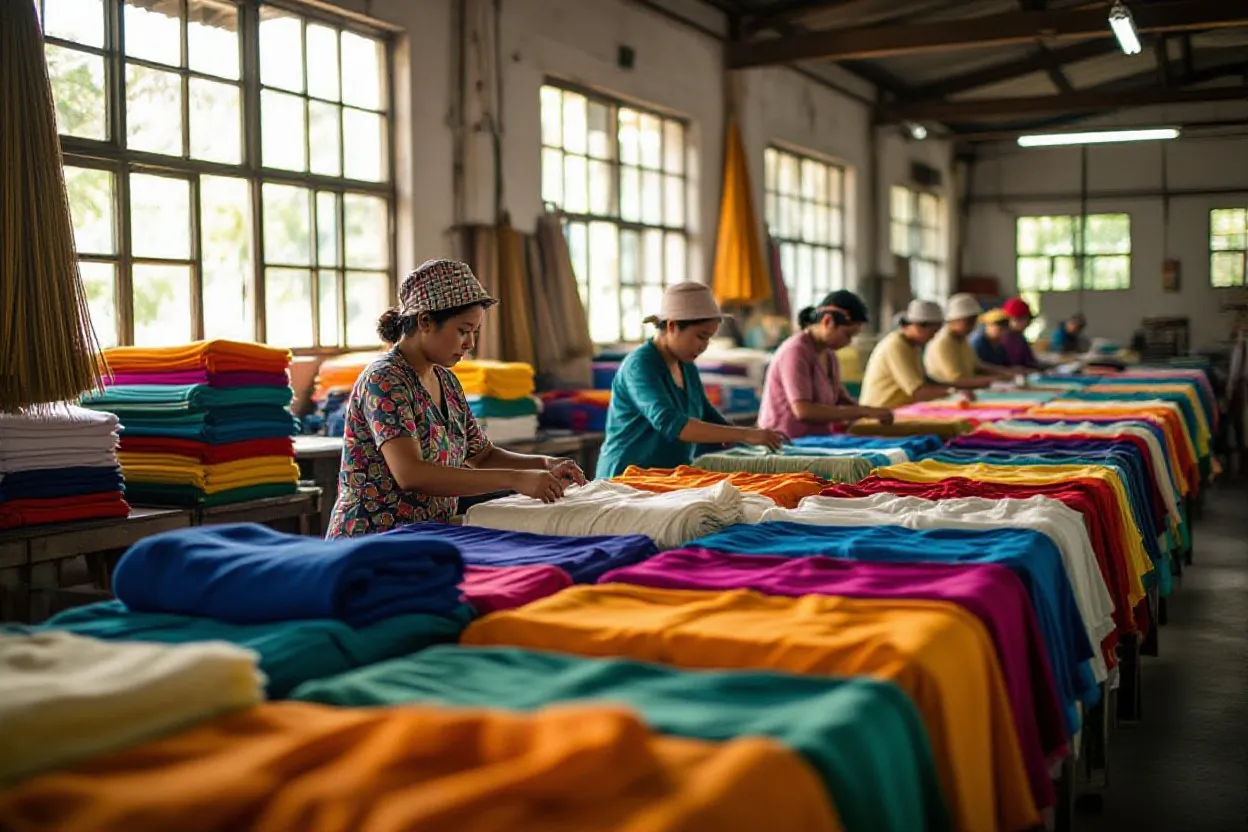
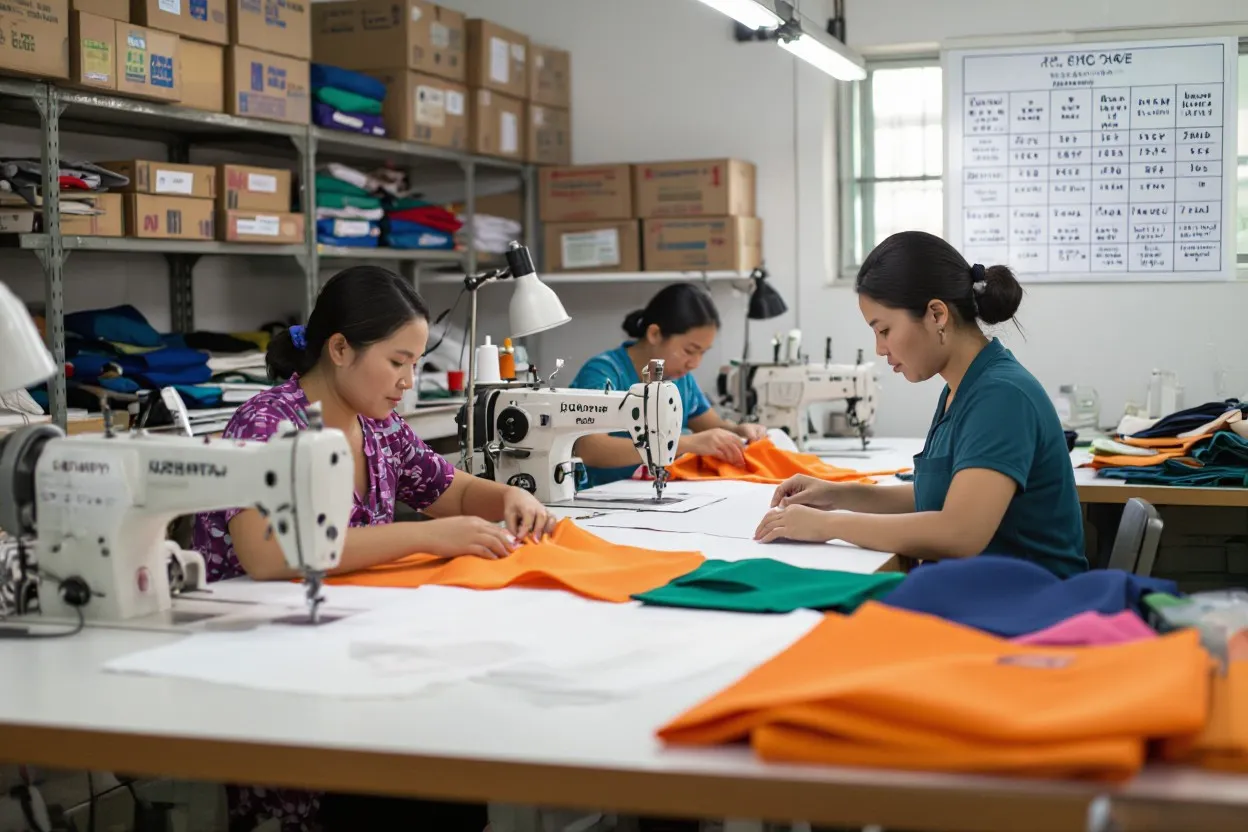
In the CMPT model, the production flow is fully integrated under one roof. This allows for better quality control and faster communication. Here is how the typical CMPT workflow unfolds:
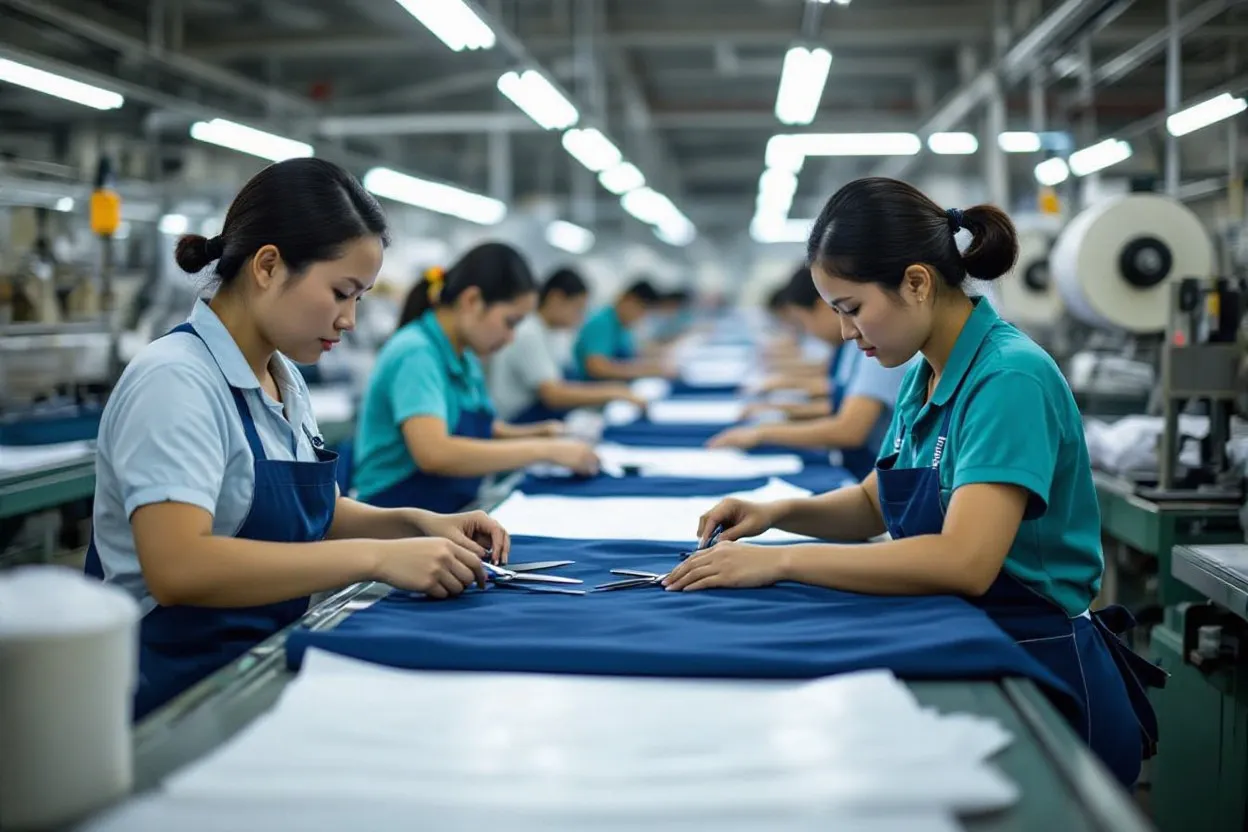
- Cutting: The factory cuts the fabric following approved patterns and markers, ensuring precision in size and shape.
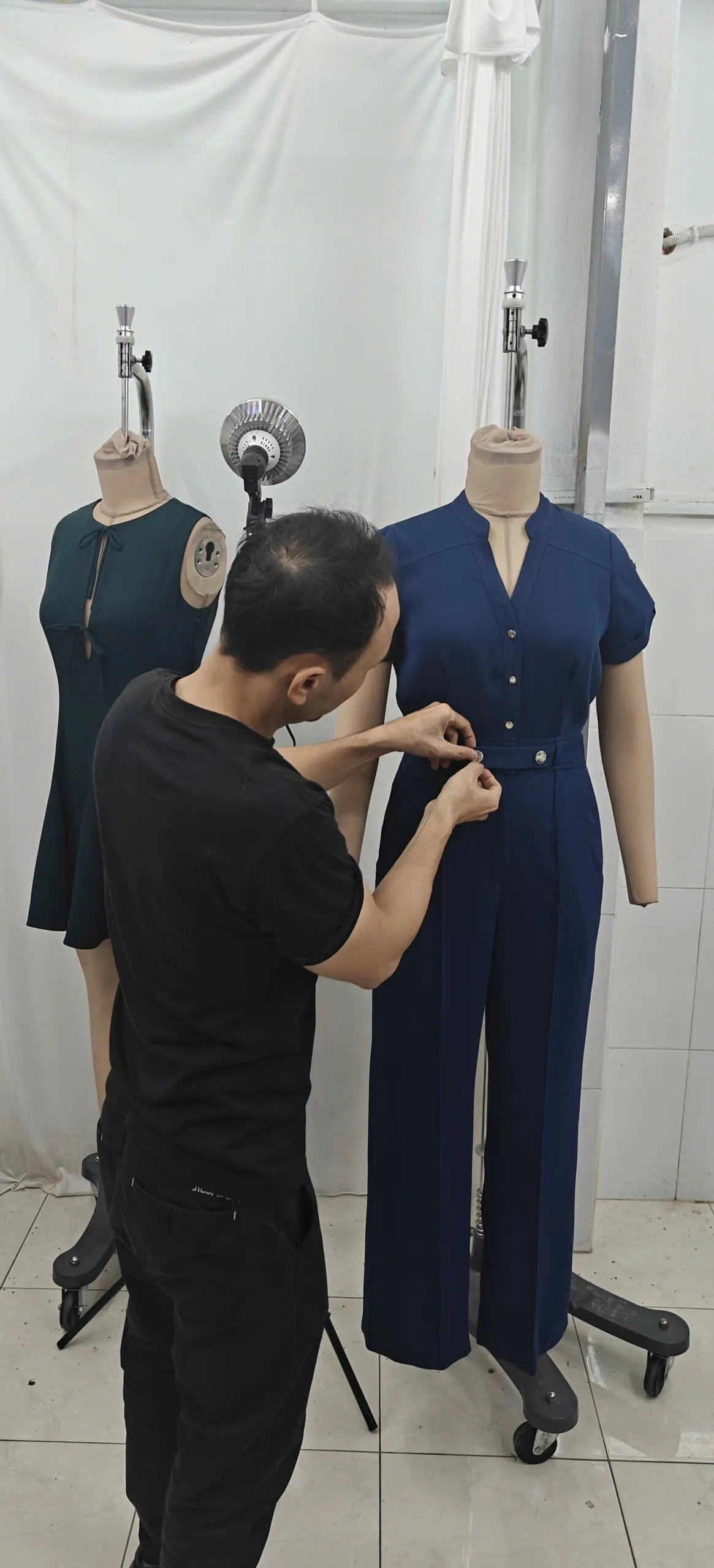
- Making (Sewing): Skilled operators assemble the pieces into finished garments using standardized quality checkpoints.
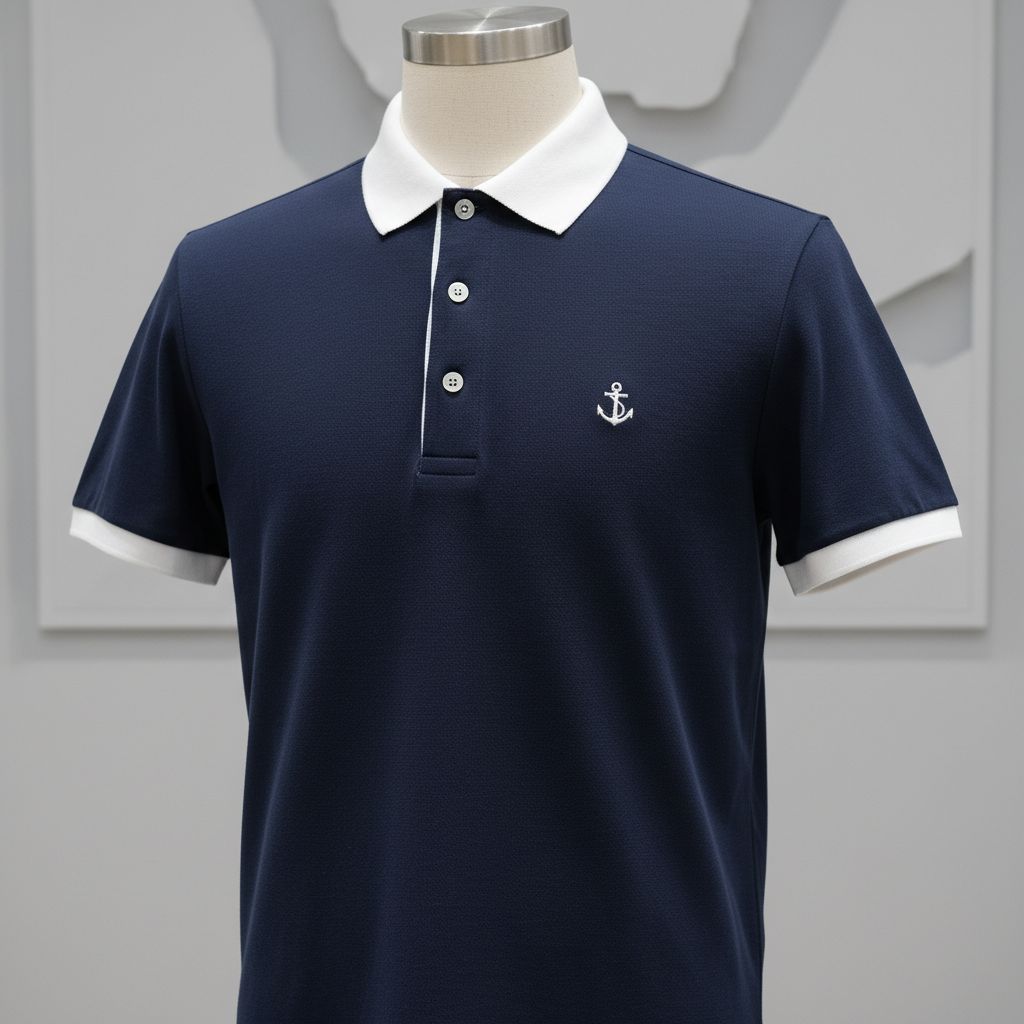
- Trimming & Finishing: Excess threads are removed, garments are ironed, and accessories like buttons and brand labels are attached.
- Packing: Products are folded, tagged, and boxed according to the buyer’s retail manual—ready for immediate shelving or export.
- Logistics Support: Many CMPT partners also manage export documentation and container loading for a truly hands-off experience.
Who is CMPT Best For?
CMPT is designed for companies that value efficiency and scalability over direct control of every production stage. It is ideal for:
- Large Retailers: Needing high-volume bulk orders with retail-ready packaging.
- Global Brands: Operating on tight timelines that require simplified vendor coordination.
- Sales-Focused Brands: Companies that want to focus on marketing and design rather than production management.
Example: A major retailer places a bulk order with Mekong Garment. We source the fabric, execute the tech pack, attach all tags, and pack the goods into retail-ready boxes with export paperwork included. The buyer simply receives the shipment ready for their store floors.
Pros and Cons of the CMPT Model
Advantages
- End-to-End Convenience: Simplifies the supply chain by using a single point of contact.
- Consistent Quality: One factory controls every quality check from the first cut to the final box.
- Faster Lead Times: Integrated operations eliminate the downtime often found between different vendors.
- Reduced Workload: Frees your team from managing pre-production and post-production logistics.
Disadvantages
- Higher Service Fees: Managing the full process increases the per-unit service cost.
- Limited Sourcing Control: The buyer has less hands-on influence over internal production decisions.
- High Capability Requirement: Not all factories can handle CMPT; it requires robust logistics and QA systems.
Conclusion
CMPT represents efficiency, trust, and scalability in today’s global market. It transforms garment manufacturing into a seamless ecosystem where every detail is handled under expert supervision. For brands aiming to grow internationally, CMPT is a strategic partnership that delivers speed and peace of mind. At Mekong Garment, we provide full-service CMPT solutions to help your brand scale effortlessly.
FAQs About CMPT (Cut, Make, Pack & Trim)
What does CMPT stand for and how does it differ from CMT or CM?

CMPT stands for Cut, Make, Pack & Trim. Unlike CM (Cut & Make) or CMT (Cut, Make & Trim), CMPT adds full packing and final retail preparation to the factory’s responsibilities. In CMPT the factory typically sources or coordinates fabric and trims, performs cutting and sewing, completes finishing (trims, labels, pressing), and packs garments into retail-ready cartons or hangers, including export documentation if required.
What are the specific production stages in the CMPT workflow?
The CMPT workflow begins with fabric inspection and cutting using approved patterns, proceeds to sewing and assembly (make), moves to trimming and finishing to remove loose threads and attach labels or accessories, and ends with ironing/pressing and packing to buyer specifications. Final steps often include quality inspections, carton labeling, cartonizing for export, and completing necessary shipping paperwork.
Which types of brands or buyers are best suited for CMPT services?
CMPT is best for large retailers, established fashion brands, and global distributors handling high-volume orders or tight lead times. These buyers value a single vendor that manages the full production chain, reducing vendor coordination, ensuring consistent quality across lots, and delivering garments ready for direct sale or export.
What advantages does partnering with a CMPT factory like Mekong Garment Vietnam provide?
Partnering with Mekong Garment Vietnam under CMPT offers end-to-end coordination, reduced lead times, fewer handoffs between vendors, consistent quality control across production stages, and ready-for-retail packing. Mekong’s integrated operations can also streamline logistics and export paperwork, letting buyers focus on design, marketing, and distribution rather than day-to-day production management.
What trade-offs or limitations should buyers consider before choosing CMPT?
Trade-offs include higher service costs compared with partial models, potentially less direct control over raw material sourcing and certain production decisions, and dependency on the factory’s capacity and systems. Not every factory can handle CMPT reliably; buyers should confirm the factory’s experience, quality systems, capacity, and export capabilities before contracting.
How are quality control and lead times managed within a CMPT setup?
Quality control in CMPT is managed through in-line inspections, end-of-line checks, and final audits before packing. Integrated production under one roof enables faster communication and quicker corrections when issues arise, which helps maintain consistent quality and predictable lead times. Clear sampling approval, agreed inspection checkpoints, and defined corrective action plans are important to keep schedules on track.
What criteria and questions should buyers use to select a CMPT partner like Mekong Garment Vietnam?
Key criteria include demonstrated CMPT experience, production capacity, quality management systems (ISO, AQL practices), sample and prototyping turnaround, sourcing capabilities for fabrics and trims, packing and export services, and logistics support. Ask for references, factory tour or virtual walkthrough, sample timelines, defect rates, lead time guarantees, and details on how they handle sourcing, customs documentation, and contingency plans for delays.