10 Different Types of Designers in the Fashion Garment Industry

The fashion industry is built on creativity, function, and constant innovation. Behind every piece of clothing is a team of designers each with a specific focus, skill set, and purpose. At Mekong Garment, we collaborate with a variety of designers to create clothing that fits well, looks stylish, and meets the needs of modern consumers. Let’s explore the main types of fashion designers, what they do, and how they contribute to the overall garment development process.
Types of Designers in the Fashion Garment Industry:
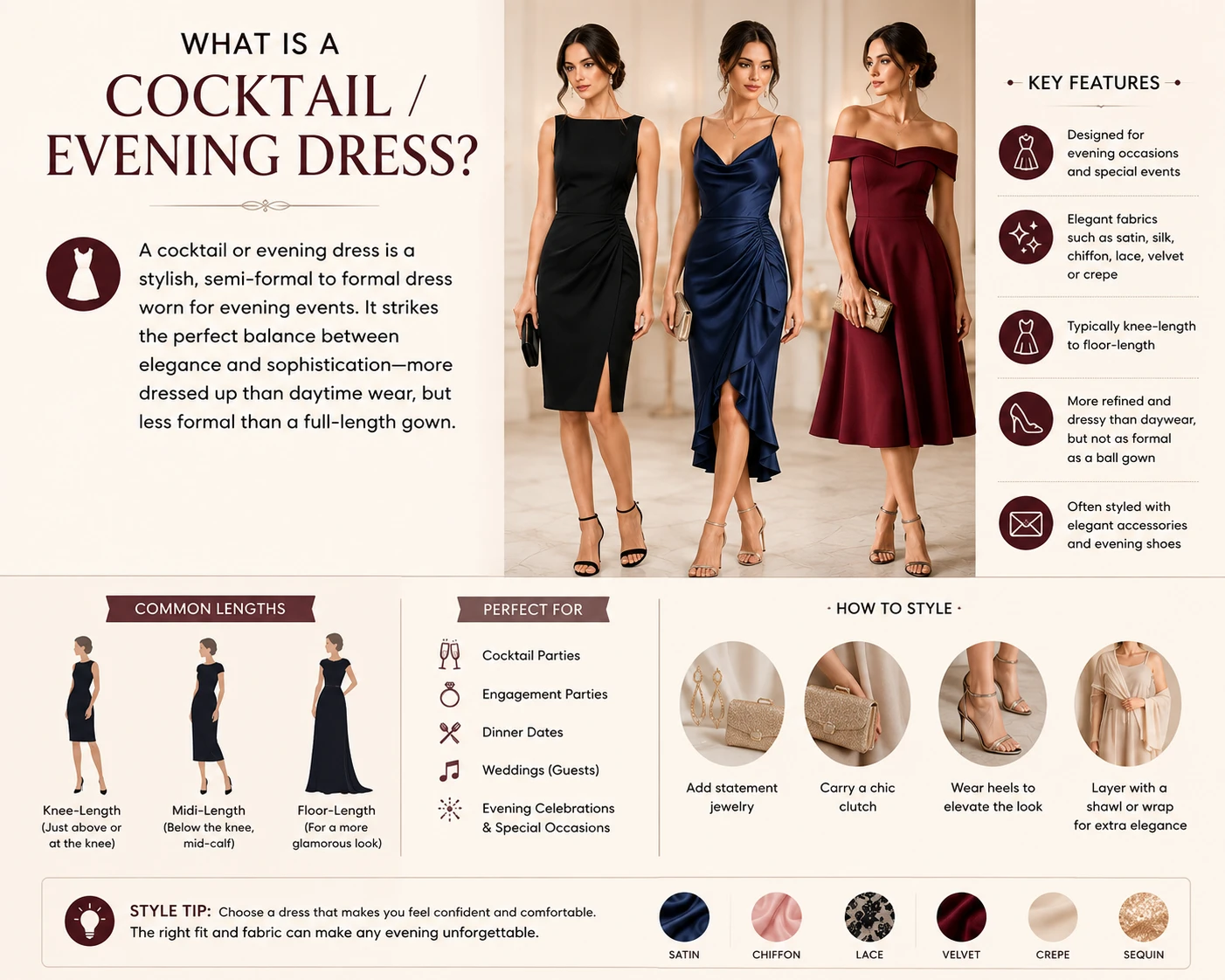
Haute Couture Designers: Crafting exclusive, high-end fashion
These designers create one-of-a-kind, custom-made garments for private clients. Every piece is handmade with incredible attention to detail, using luxurious fabrics and often requiring several fittings. This type of fashion is not mass-produced it’s about exclusivity and artistry.
- The designer may: Develop original fashion concepts, create detailed sketches and mood boards, select luxury fabrics and trims, work closely with skilled artisans, attend multiple client fittings, adjust proportions and construction for one specific wearer, create runway or presentation collections.
- Who they serve: Celebrities, elite clients, or high-fashion collectors.
- Where they work: Couture fashion houses in cities like Paris, Milan, and New York.
- Why they matter: They push the boundaries of design and set trends that influence the entire industry.
=> Related Article: Effortless Elegance: A Fashionista’s Travel Companion

Ready-to-Wear (RTW) Designers: Bringing style to everyday wardrobes
RTW designers create seasonal collections that are produced in standard sizes and sold in retail stores. These clothes are fashionable but more practical than haute couture. The focus is on wearable, stylish garments that suit a wider audience while maintaining design integrity.
- The designer must balance creativity with practical considerations such as: Target customer, production cost, fabric availability, size range, manufacturing capability, seasonal trends.
- Who they serve: Fashion-conscious consumers.
- Where they work: Brands like Zara, Calvin Klein, or independent RTW labels.
- Why they matter: They balance trend and comfort to make fashion more accessible.
=> Related Article: Fashion Style Classifications & Trend Insights – Mekong Garment Explains
Mass-Market Designers: Designing for everyone, everywhere
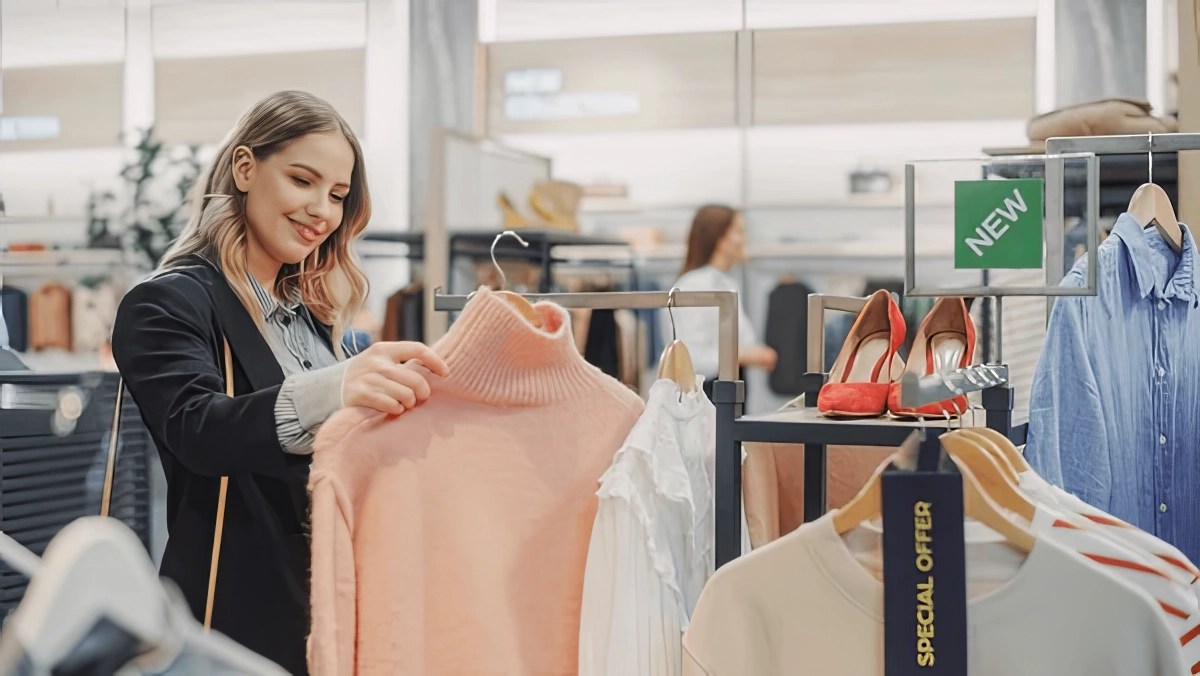
Mass-market designers work with large-scale clothing brands that produce affordable garments for everyday wear. These designs are often simple, cost-effective, and cater to current fashion trends.
- They usually pay close attention to: Consumer trends, affordable materials, efficient construction, fast production, target retail price, commercial colors, broad customer appeal.
- Who they serve: The general public (think supermarkets, chain stores).
- Where they work: Big fashion retailers and manufacturers.
- Why they matter: They ensure millions of people have access to stylish, affordable clothes.
=> Related Article: Fashion vs. Style: What’s the Real Difference?

Apparel (Trend) Designers: Turning fashion trends into finished garments
These designers closely follow fashion forecasts and consumer preferences. They choose fabrics, create sketches, and oversee samples. Their work is often guided by market demands and what’s trending globally.
- They may examine: Fashion trends, customer behavior, competitor products, colors, fabric developments, seasonal needs.
- Who they serve: Brands targeting trend-aware customers.
- Where they work: Clothing companies, fashion brands, or as freelancers.
- Why they matter: They ensure collections stay fresh, fashionable, and desirable.
=> Related Article: Skills Needed To Be A Successful Fashion Designer
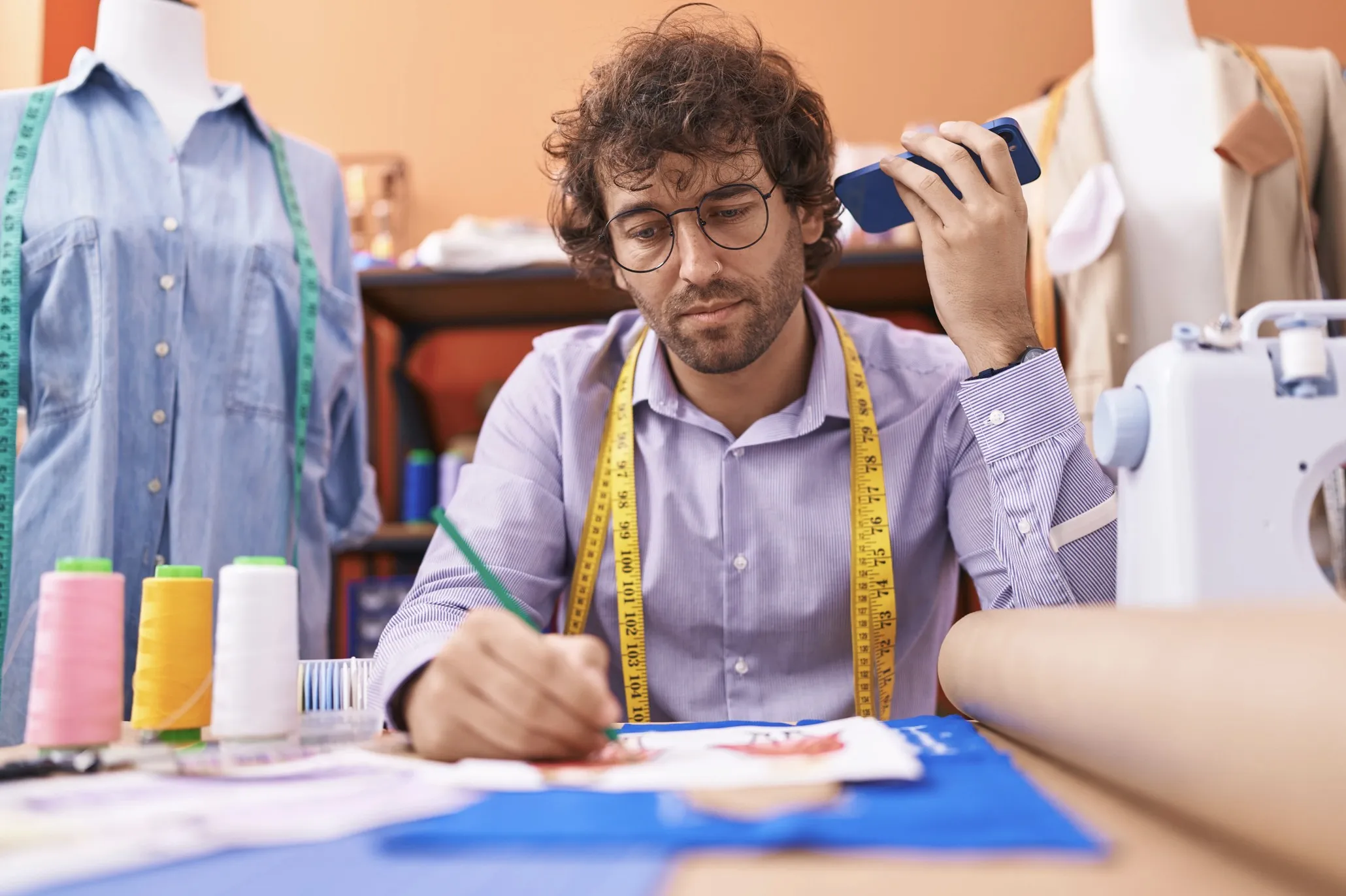
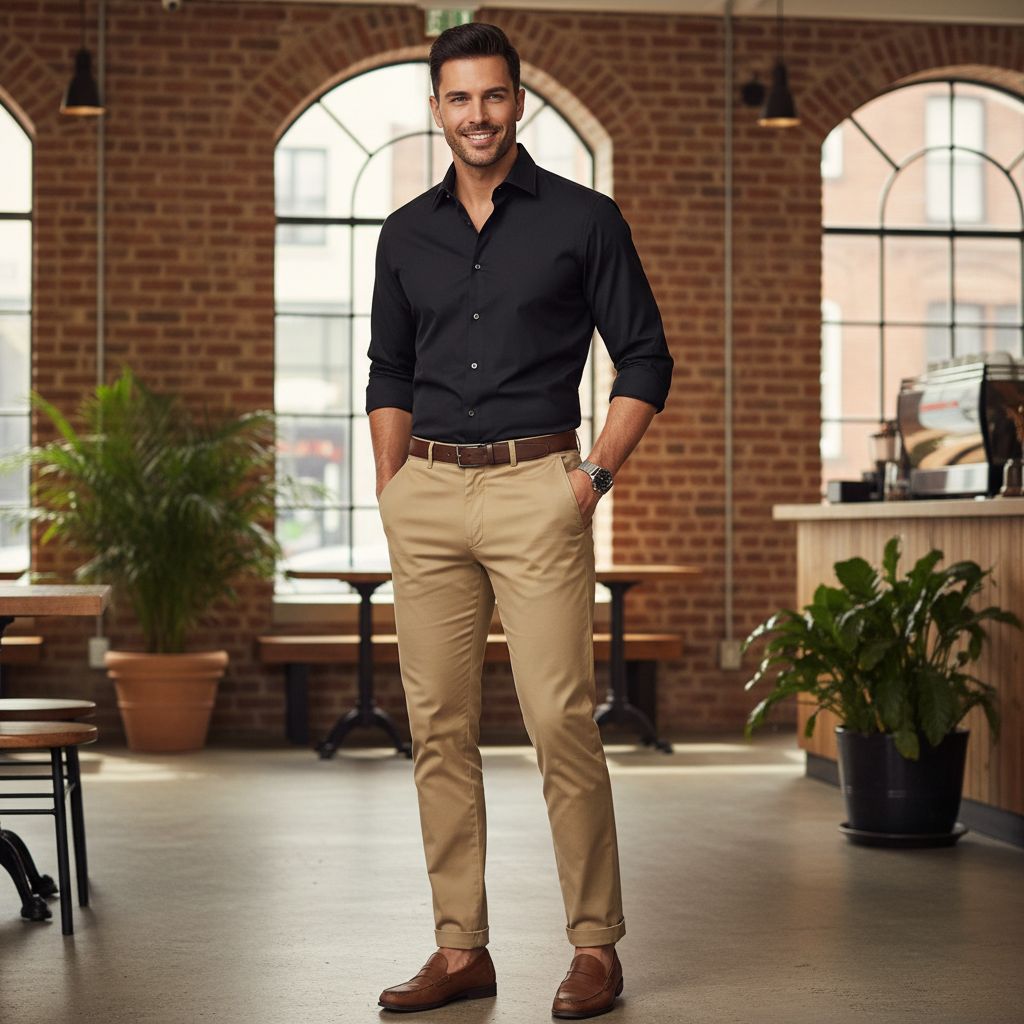
This is a broad category that can include designers specializing in: Menswear , Womenswear, Sportswear, Streetwear, Casualwear, Outerwear, Denim, Activewear , Uniforms.
Footwear Designers: Where style meets function one step at a time
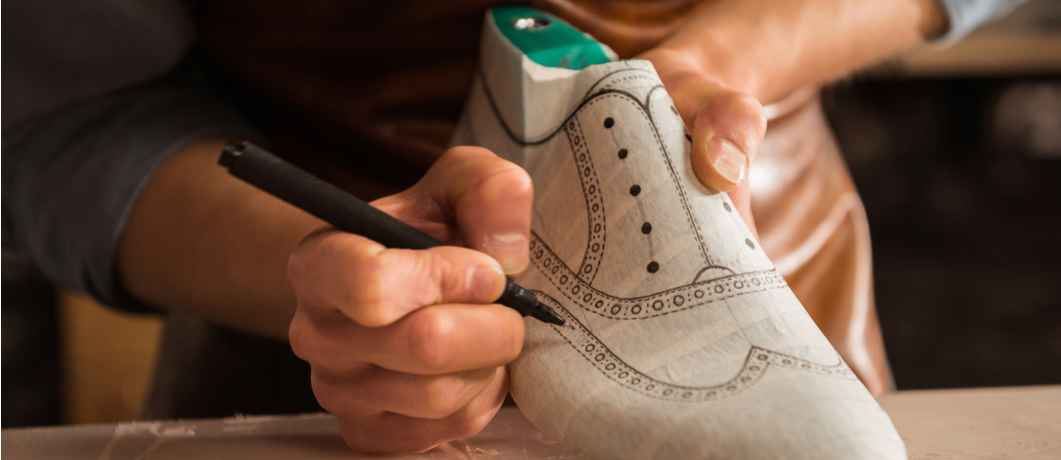
Footwear designers specialize in shoes, blending aesthetics with engineering. They consider support, material, shape, and even biomechanics to create shoes that are both stylish and comfortable.
- Who they serve: From athletes to high-heel lovers
- Where they work: Shoe brands, sportswear companies, or fashion houses
- Why they matter: The right shoes complete an outfit and keep us moving comfortably
=> Related Article: List of the Best Fashion Design Software: CLO, Sketch, CorelDraw, Adobe Illustrator, TUKAcad…
Kidswear Designer: Fun, safe, and easy-to-wear clothing for children
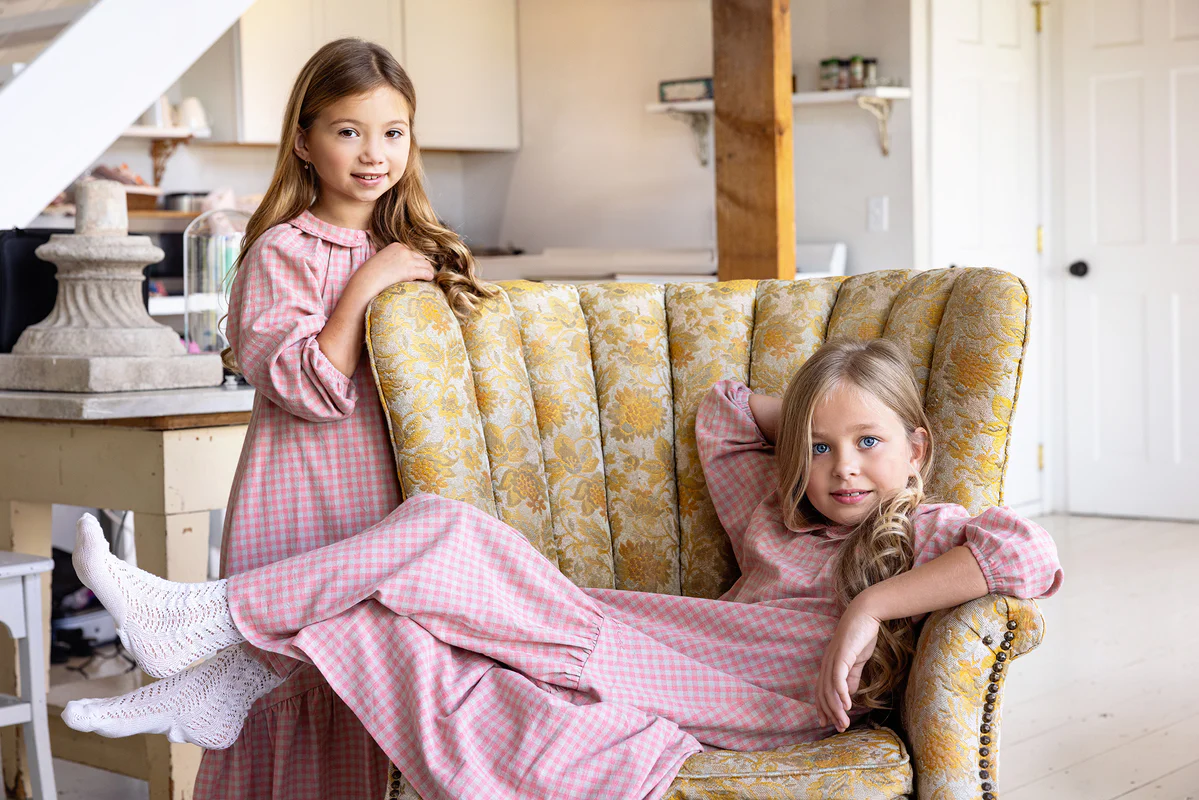
Designing clothes for children means focusing on comfort, durability, and safety. Kidswear designers choose soft fabrics, avoid sharp elements, and make sure the clothing is easy to put on and take off.
- Designers must think about: Comfort, Movement, Easy dressing, Fabric softness, Durability, Wash performance, Age-appropriate styling, Product safety.
- Who they serve: Babies, toddlers, and children up to pre-teens
- Where they work: Kidswear brands or specialized divisions within larger companies
- Why they matter: Children grow fast clothing needs to be functional and age-appropriate
=> Related Article: Essential Fashion-Design Tools Every Beginner Should Have
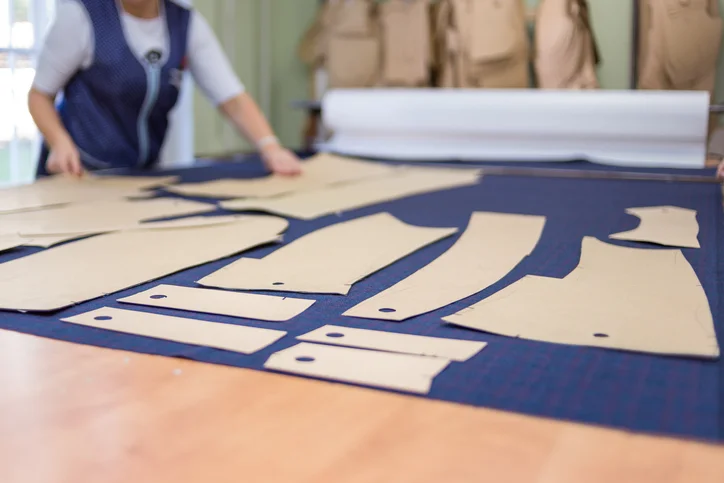
Technical Designers & Patternmakers: Turning ideas into physical garments
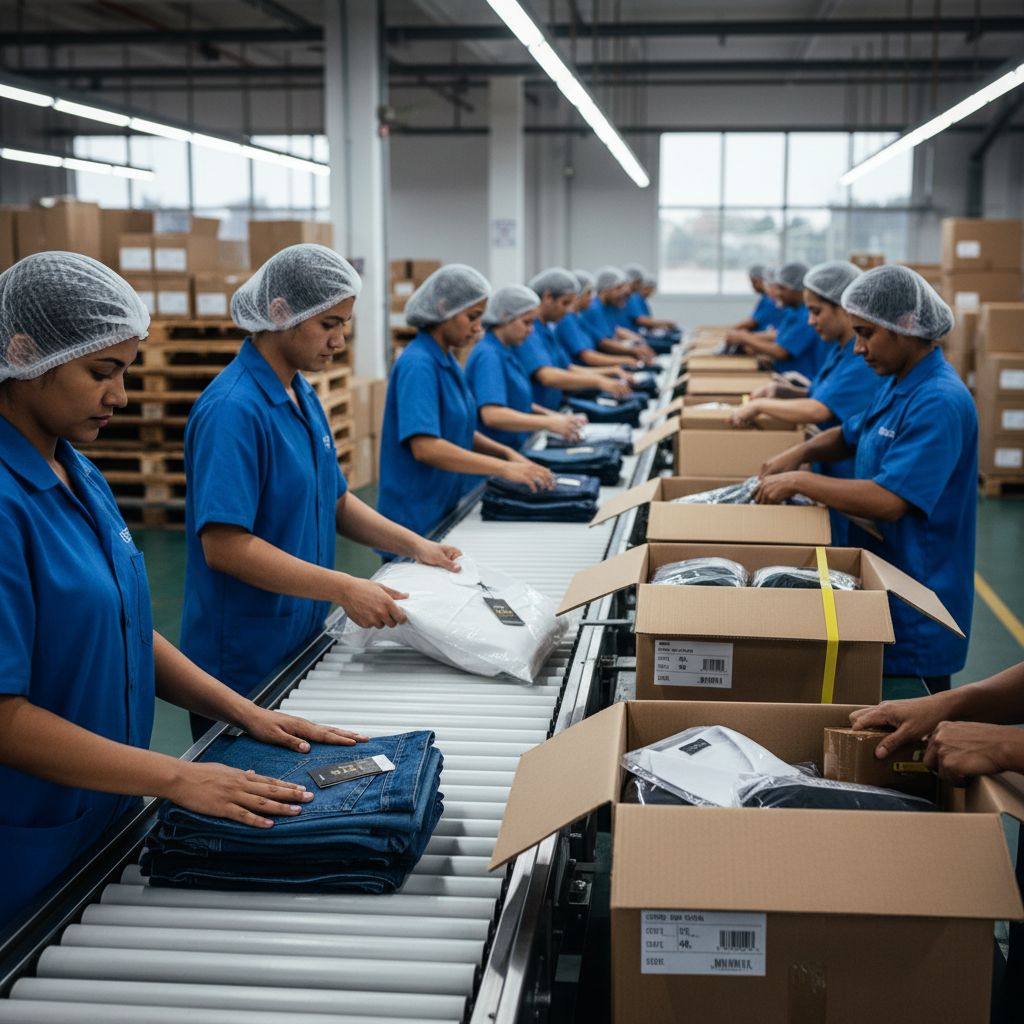
These professionals bridge the gap between design and production. They take sketches from fashion designers and develop technical specifications. Patternmakers create the blueprint of each garment, ensuring a proper fit and efficient assembly.
- Who they serve: Design and manufacturing teams
- Where they work: Garment factories, fashion houses, or with brands like Mekong Garment
- Why they matter: Without them, beautiful designs wouldn’t become wearable clothes
=> Related Article: Fashion Guide: Dressing Right for Your Body Type
Textile & Fabric Designers: Designing the textures and prints you wear
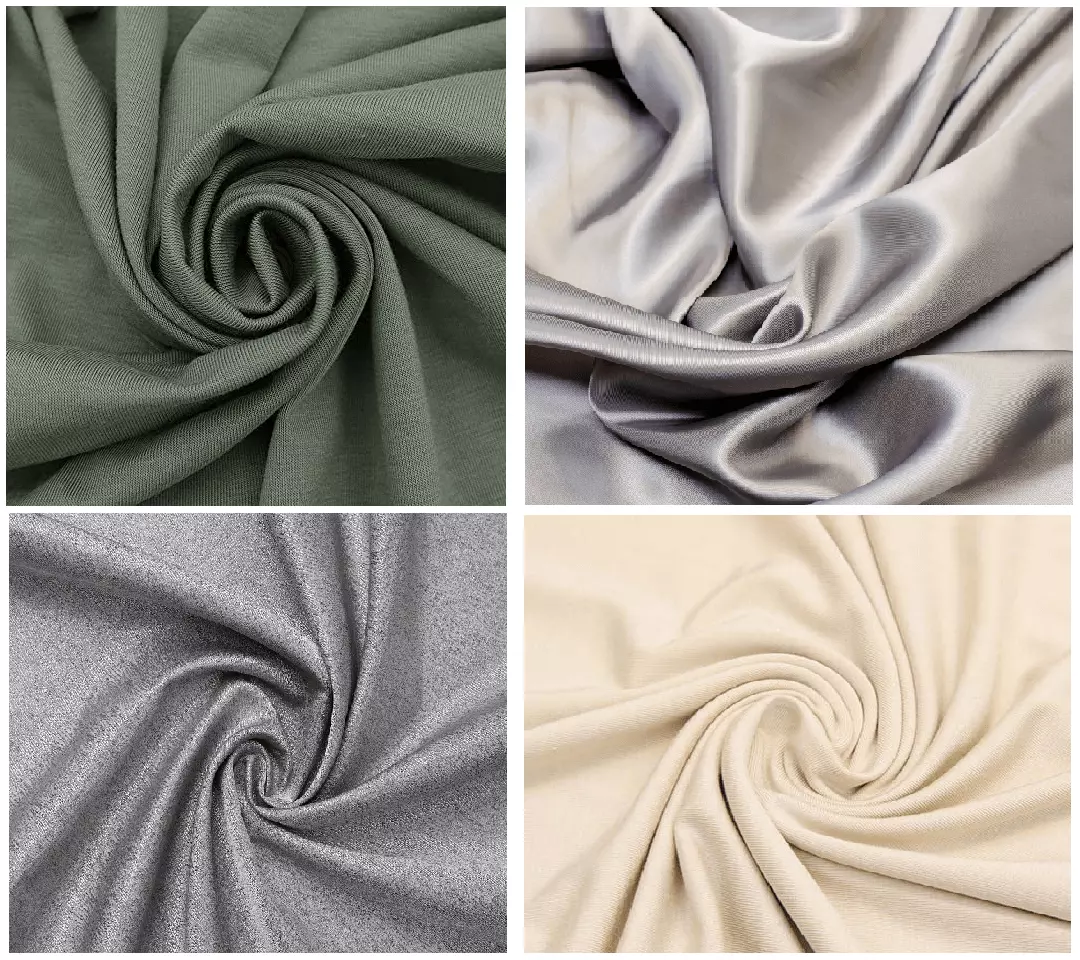
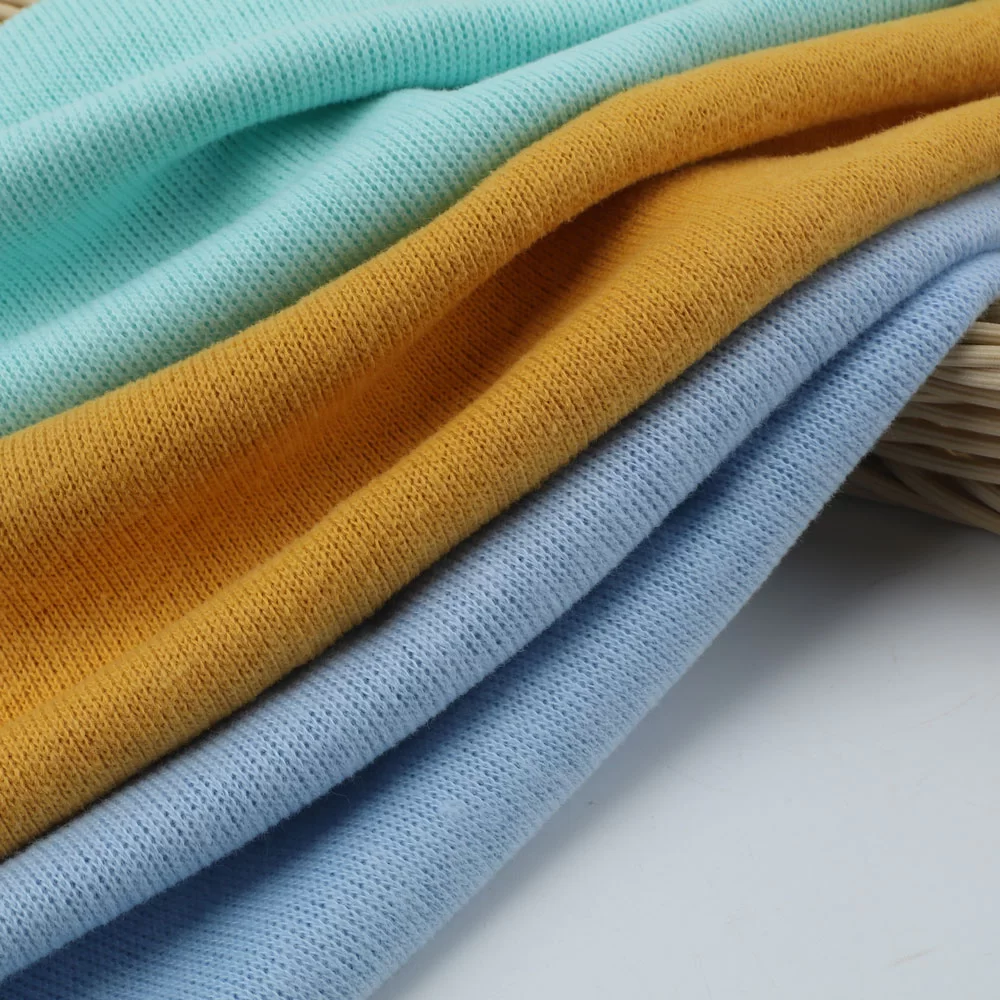
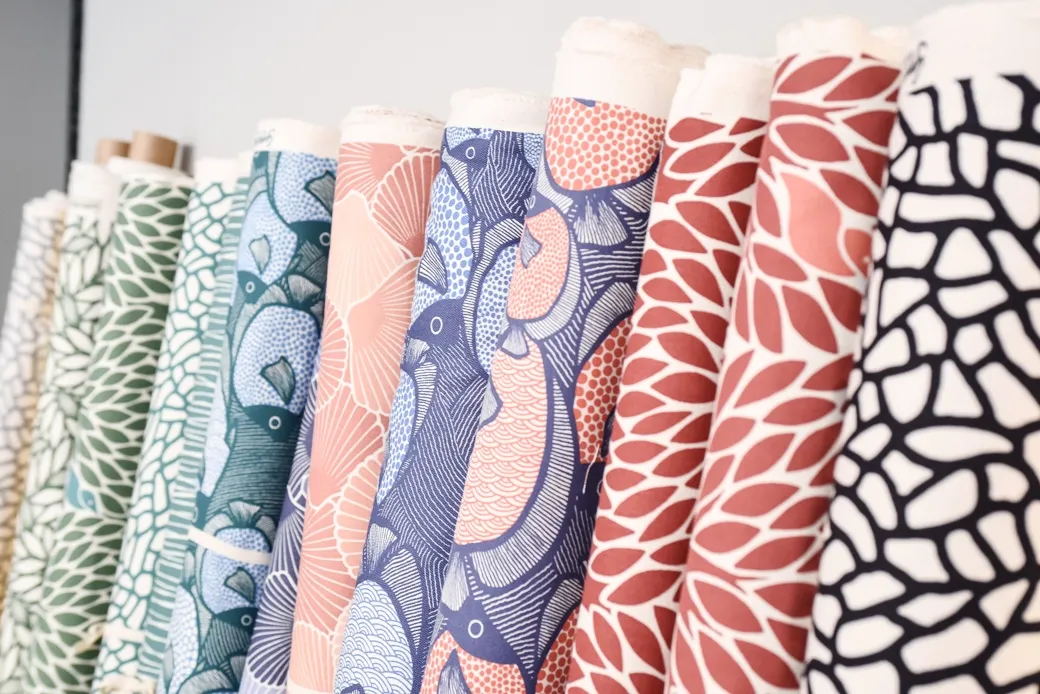
Textile designers create patterns, textures, and weaves for fabrics used in fashion. From floral prints to denim textures, they make sure the fabric aligns with the garment’s style and purpose.
- Who they serve: Apparel and home décor industries
- Where they work: Fabric mills, fashion houses, or freelance studios
- Why they matter: Fabric is the foundation of fashion and design gives it personality
=> Related Article: Inverted Triangle Body Shape? Here’s How to Dress with Confidence
Adaptive Fashion Designers: Making clothing more inclusive
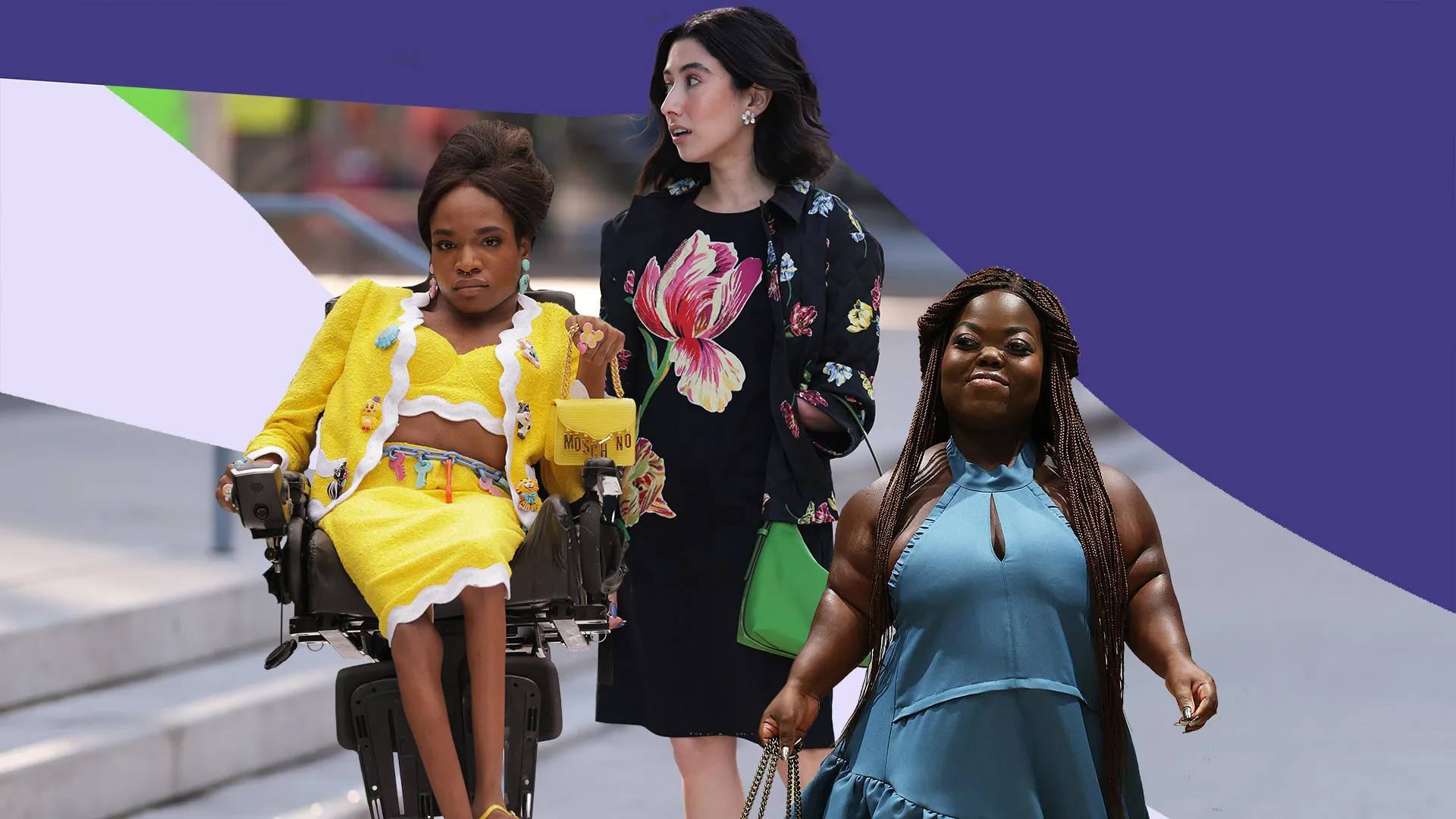
These designers create clothing for individuals with disabilities or mobility challenges. They consider features like magnetic buttons, seated comfort, and easy-open closures.
- Who they serve: Individuals with physical or sensory needs
- Where they work: Inclusive brands, healthcare fashion, or NGO collaborations
- Why they matter: Fashion should be accessible to all, not just some
=> Related Article: 10 Different Types of Designers in the Fashion Industry
Digital Fashion Designers: Designing for the virtual world
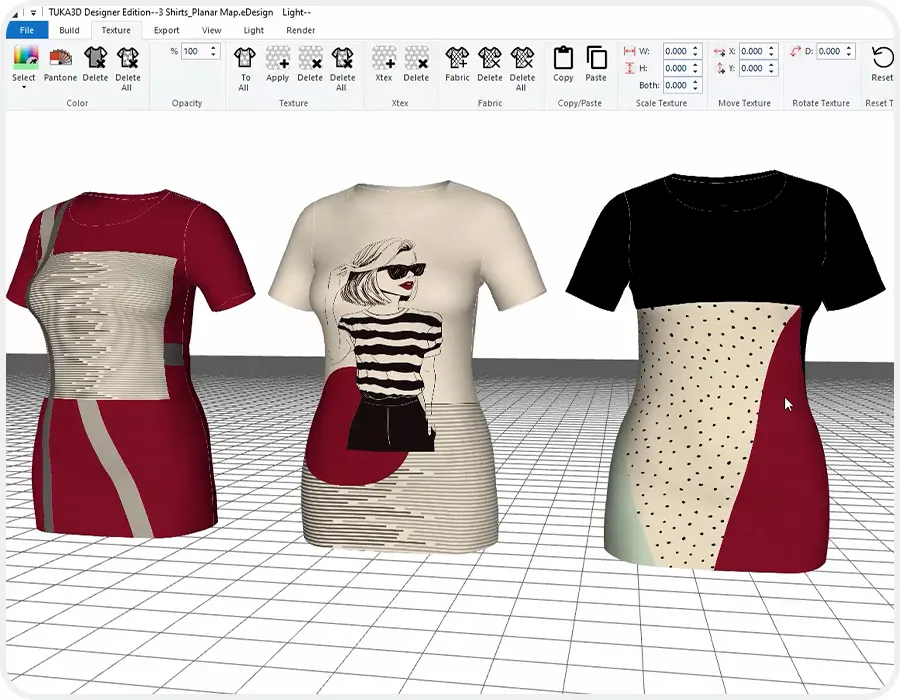
These forward-thinking designers create virtual garments used in online games, avatars, or fashion metaverses. They work with 3D modeling software to design realistic, animated outfits that don’t exist physically.
- Who they serve: Gamers, influencers, brands exploring the metaverse
- Where they work: Tech-fashion startups, gaming platforms, virtual marketplaces
- Why they matter: They represent the future of sustainable, creative fashion
=> Related Article: How Colour Defines Your Style: A Mekong Garment Guide
Which Type of Fashion Designer Should You Become?
The right design career depends on what part of fashion interests you most.
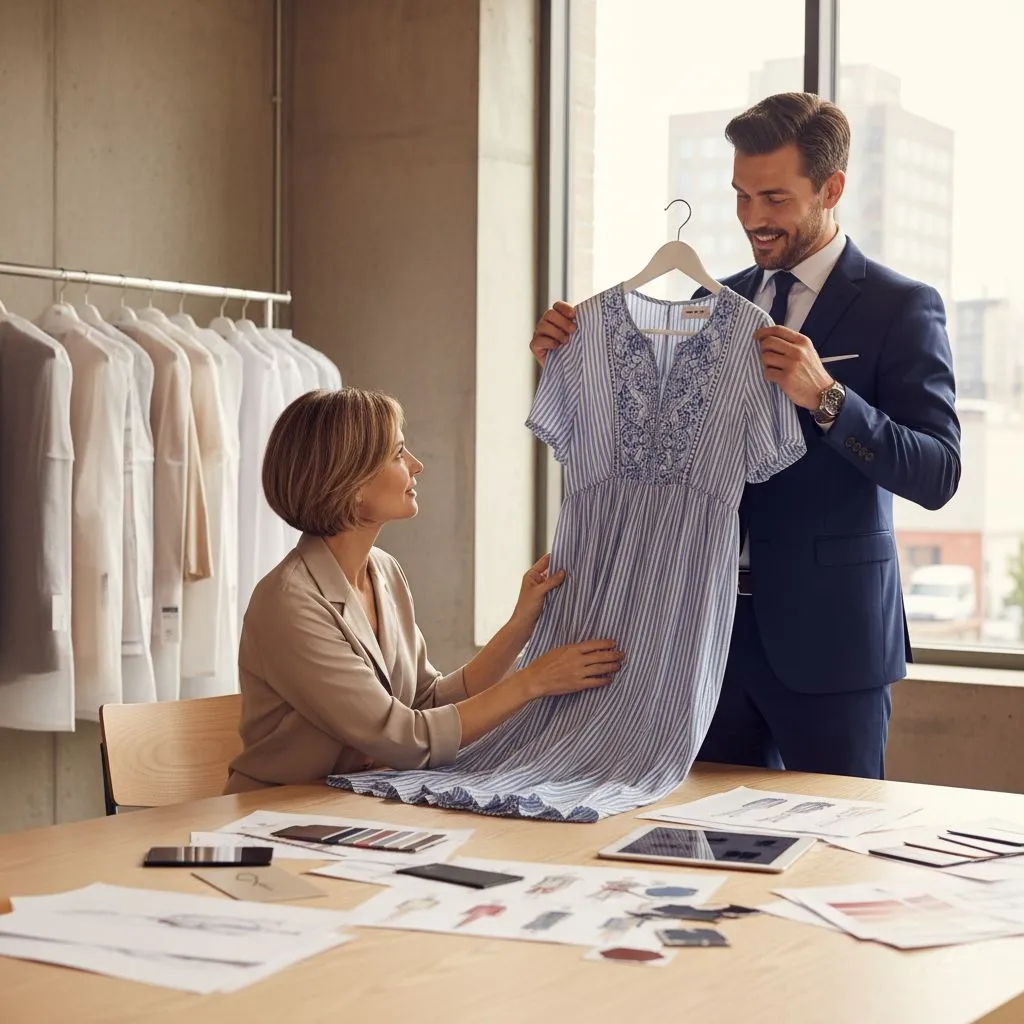
If You Love Artistic Expression
Consider:
- Haute couture design
- Ready-to-wear design
- Textile design
- Digital fashion design
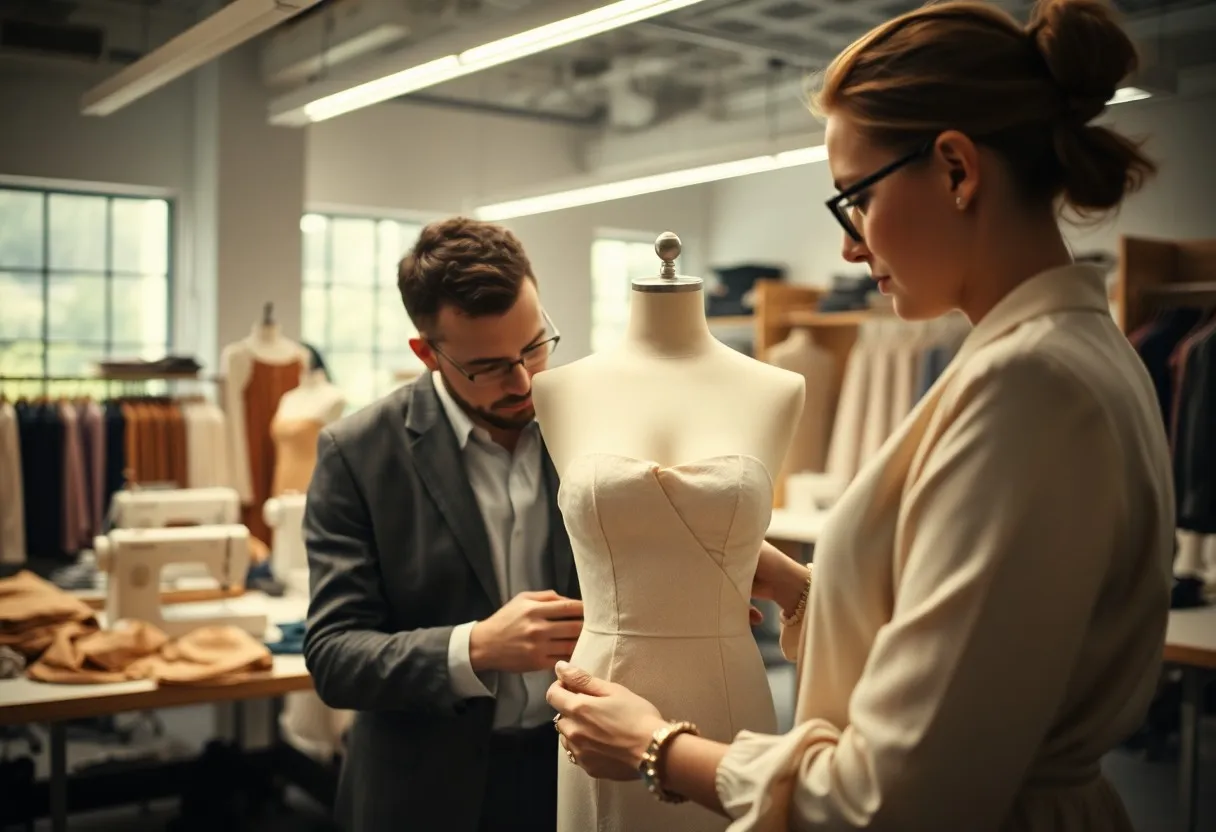
If You Enjoy Solving Fit and Construction Problems
Consider:
- Technical design
- Patternmaking
- Product development
If You Like Commercial Fashion and Trends
Consider:
- Apparel design
- Mass-market design
- Ready-to-wear design
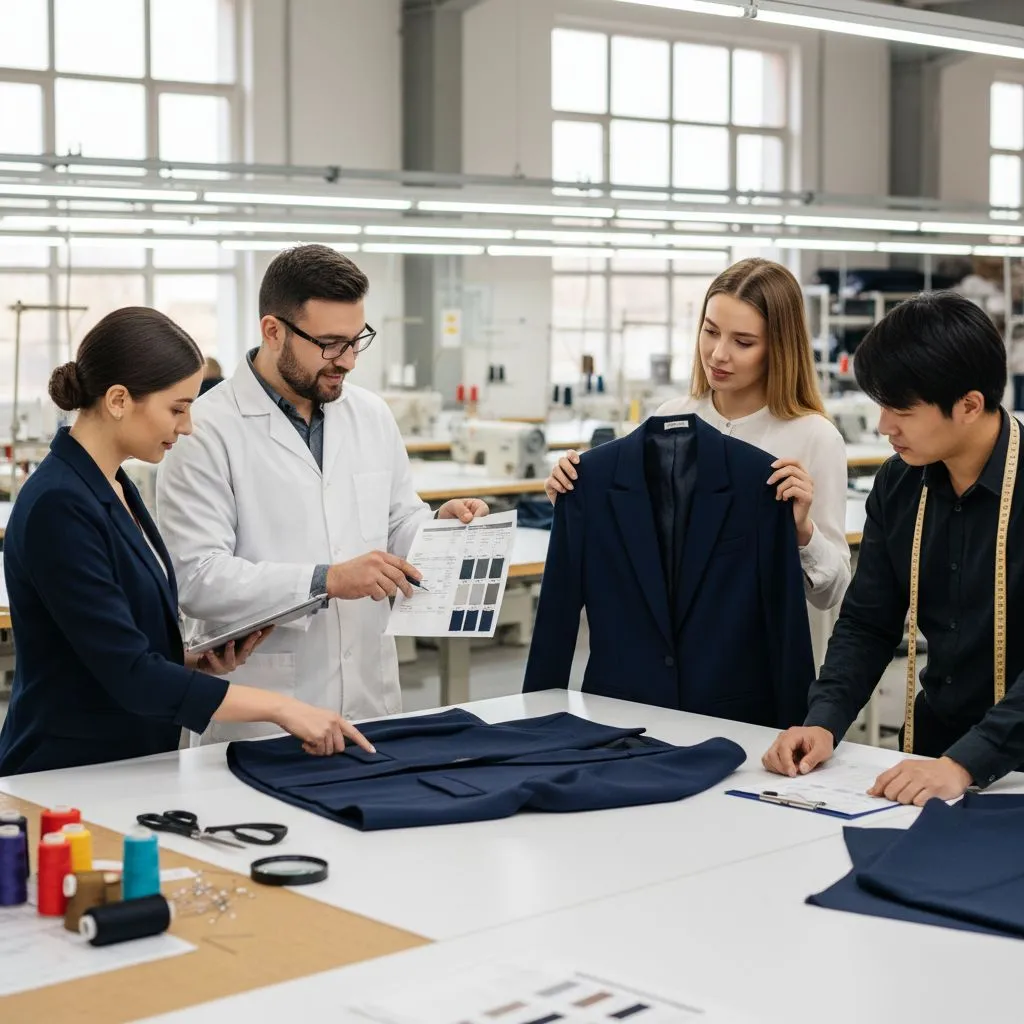
If You Enjoy Specialized Product Categories
Consider:
- Footwear design
- Kidswear design
- Adaptive fashion design
Important Skills Fashion Designers Need
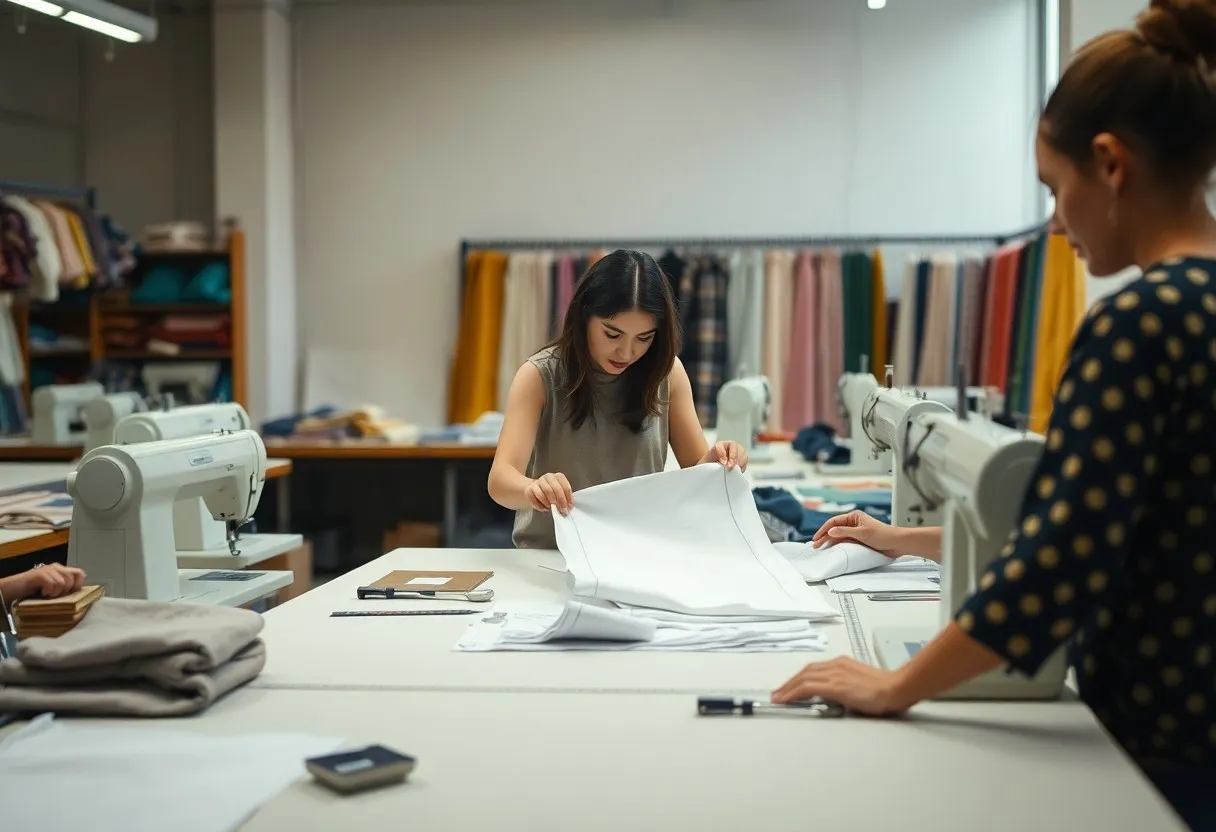
The exact skills vary by role, but successful fashion designers commonly develop a combination of creative, technical, and communication abilities.
Important skills include:
- Drawing and visual communication
- Understanding fabrics
- Color knowledge
- Garment construction
- Fit awareness
- Patternmaking basics
- Trend research
- Computer-aided design
- 3D garment software
- Cost awareness
- Production knowledge
- Communication and teamwork
The modern fashion designer is increasingly expected to understand not only how a product should look but also how it will be manufactured.
Do Fashion Designers Need to Know Garment Manufacturing?
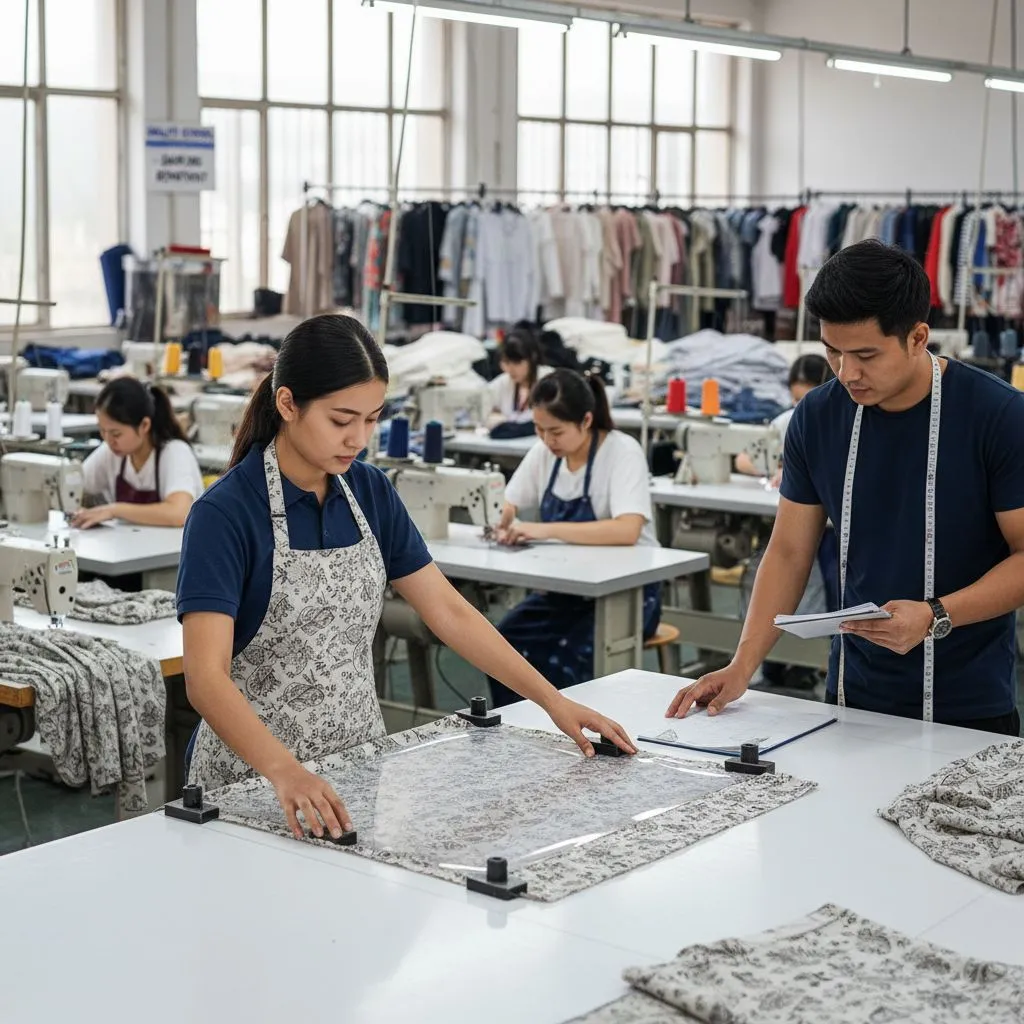
They do not need to become sewing operators or production engineers, but manufacturing knowledge is extremely valuable. A designer who understands garment production can make better decisions about:
- Seam construction
- Fabric selection
- Pattern complexity
- Trim placement
- Production cost
- Quality problems
- Lead time
- Factory capability
A design that looks excellent on paper may become expensive or difficult to manufacture if production has not been considered. Good designers therefore learn to balance creative ambition with manufacturing reality.
Final Thoughts / Conclusion
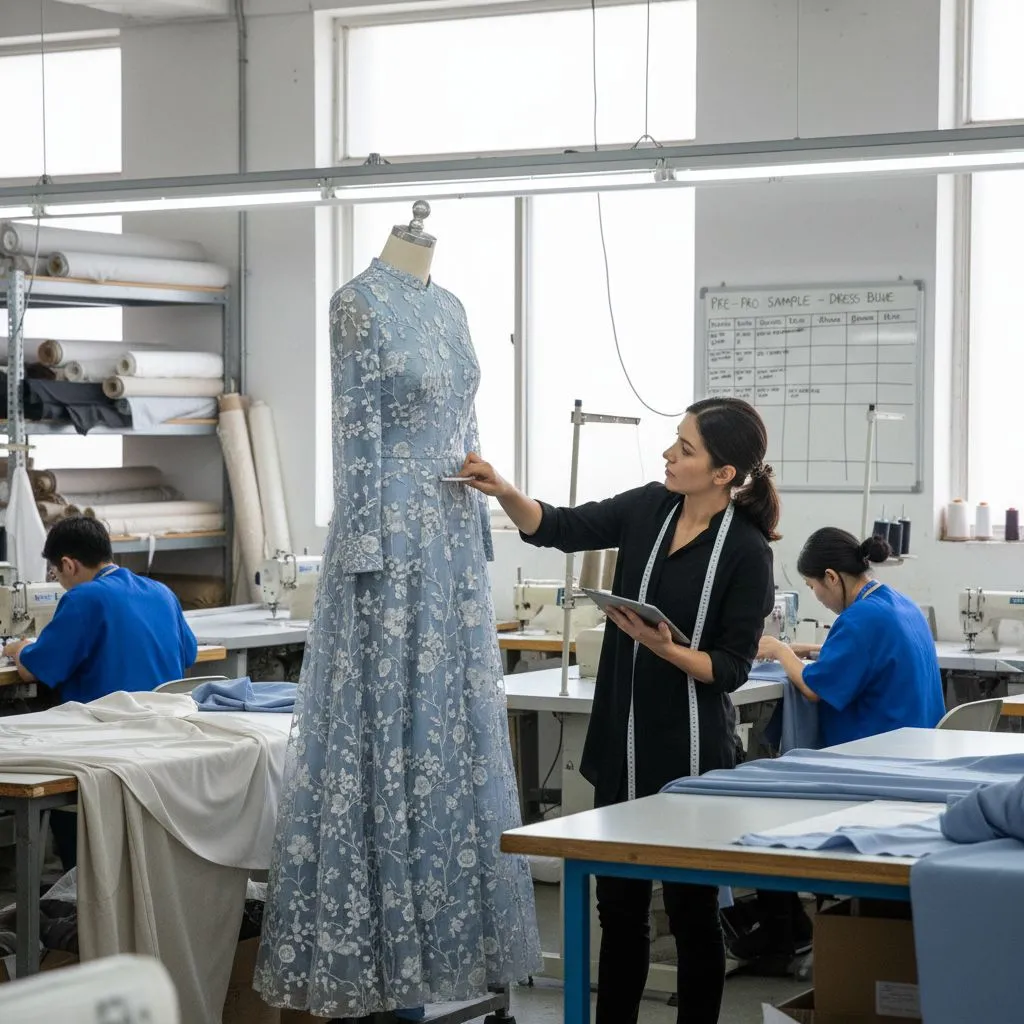
The fashion industry depends on many different types of designers, each contributing a different piece of the product-development process. Haute couture designers explore craftsmanship and artistic expression. Ready-to-wear and mass-market designers translate ideas into commercial collections. Apparel and footwear designers specialize in specific products, while kidswear and adaptive designers respond to the needs of particular groups of wearers.
Behind those creative roles, technical designers and patternmakers ensure that concepts can actually fit, function, and be manufactured consistently. Textile designers shape the fabrics and surfaces that give clothing its character, while digital designers are changing how garments are developed and presented.