
Fabric consumption is one of the most important calculations in garment merchandising. A small mistake in consumption can affect costing, booking quantity, fabric sourcing, and final profit. That is why merchandisers, production planners, and sourcing teams need a clear and practical method to estimate fabric usage before production starts. In knitwear production, a basic T-shirt is one of the most common styles. Even though the garment looks simple, the consumption must still be calculated carefully by using garment measurements, fabric GSM, sewing allowance, and wastage percentage. In this article, we will explain the knit fabric consumption formula for a basic T-shirt in a simple way.
What Is Knit Fabric Consumption?
Knit fabric consumption means the amount of fabric required to produce a garment or a group of garments. For a basic T-shirt, the consumption depends mainly on Body length, Sleeve length, Chest width, Fabric GSM, Sewing allowance, and Wastage percentage. The purpose is to estimate how many kilograms of knit fabric will be needed for the entire order.
For knit garments, consumption is often expressed as:
- Kilograms per piece
- Kilograms per dozen
- Kilograms per 100 pieces
- Total kilograms for the order
For example, if a T-shirt consumes approximately: 3.80 kg per dozen then an order of 10,000 pieces would require roughly: 10,000 ÷ 12 × 3.80, before any other booking adjustments are considered.
Why Fabric Consumption Matters:

Fabric is often one of the largest material costs in a garment. A consumption error can affect:
- Costing
- Fabric purchase quantity
- Fabric booking
- Production planning
- Order profitability
- Delivery schedule
For this reason, consumption should be reviewed carefully before confirming bulk fabric requirements.
Factors Required for Calculation
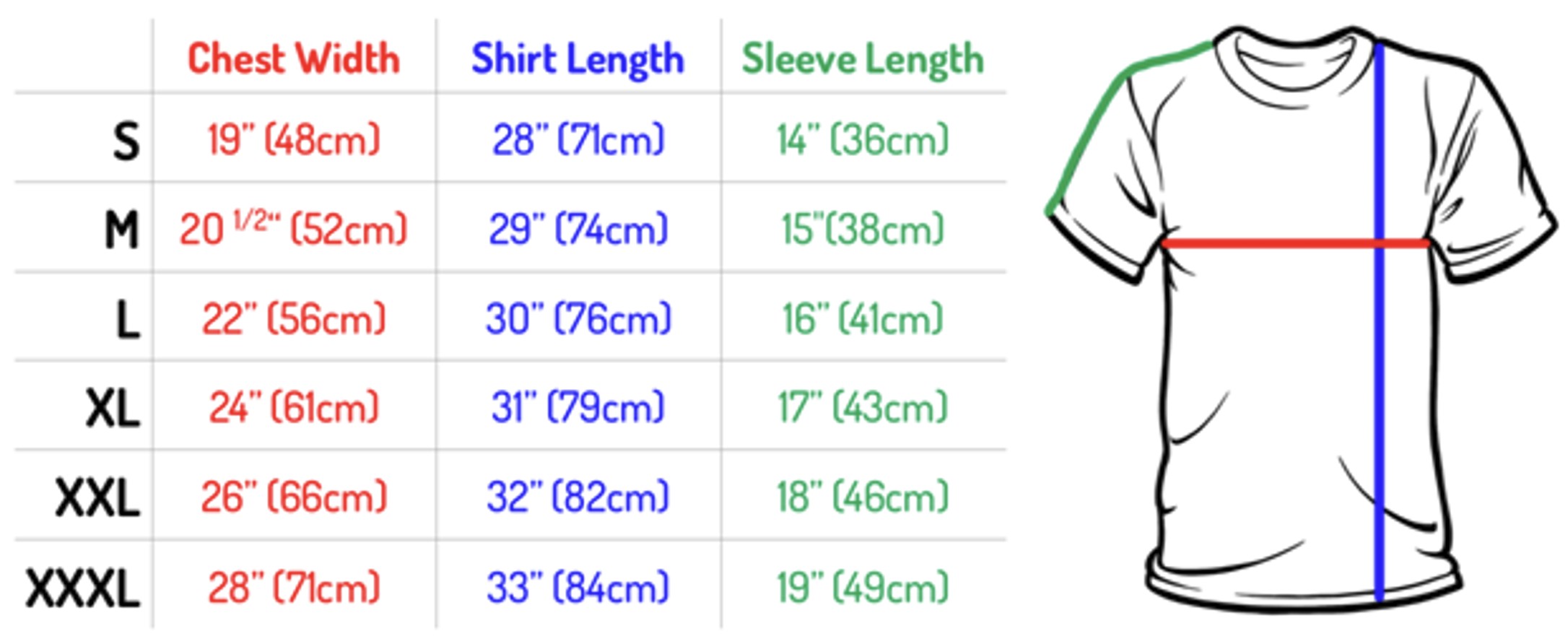
- 1. Garment Measurements: Usually based on the largest size or base size of the chart (Body length, Sleeve length, Half chest).
- 2. Fabric GSM: Grams per square meter (e.g., 160 GSM Single Jersey).
- 3. Sewing Allowance: Standard buffers are usually 12 cm for total length and 6 cm for width.
- 4. Wastage Percentage: Covers losses in cutting, spreading, and defects (commonly estimated at 10%).
Garment Measurements
For a basic T-shirt, useful measurements may include:
- Body length
- Half chest
- Sleeve length
- Sleeve width
- Shoulder
- Neck opening
The simplified formula normally uses:
- Body length
- Sleeve length
- Half chest
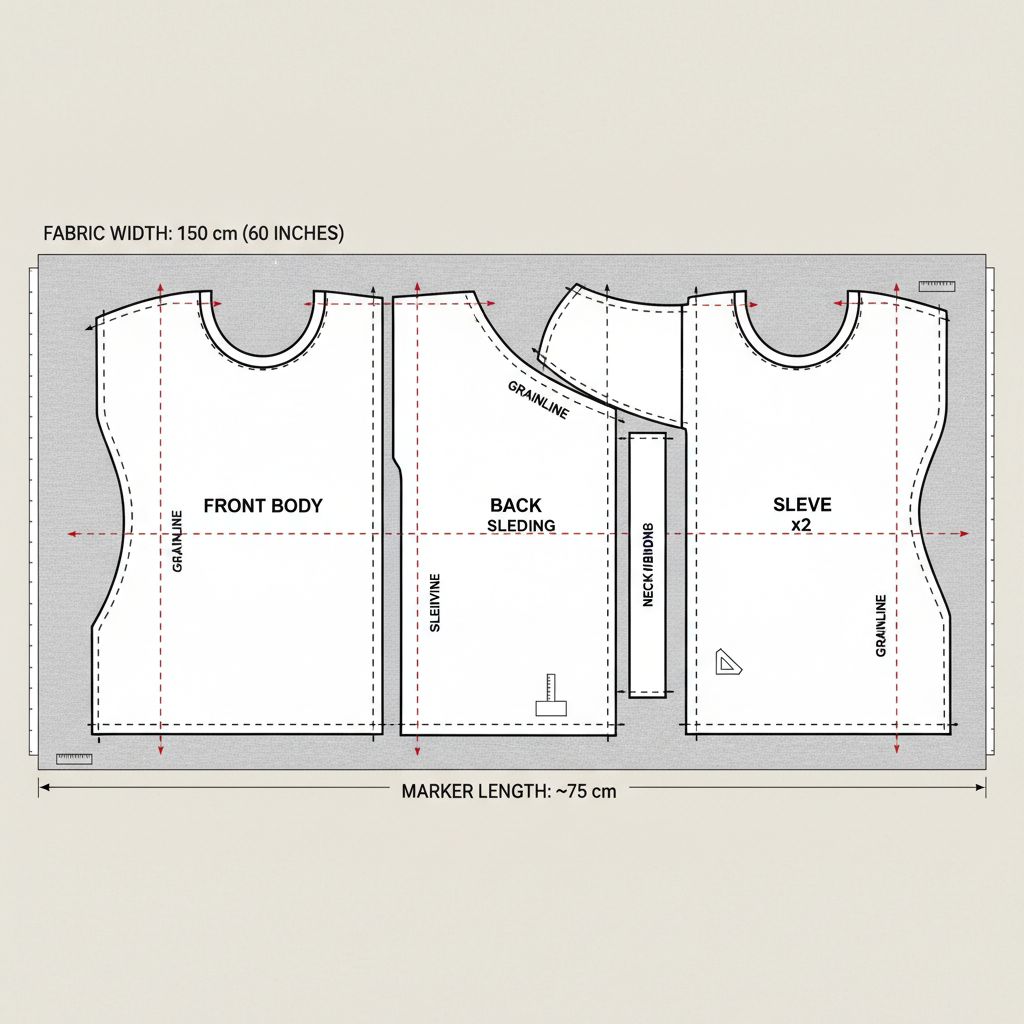
However, actual pattern or marker data gives a more accurate result.
Fabric GSM
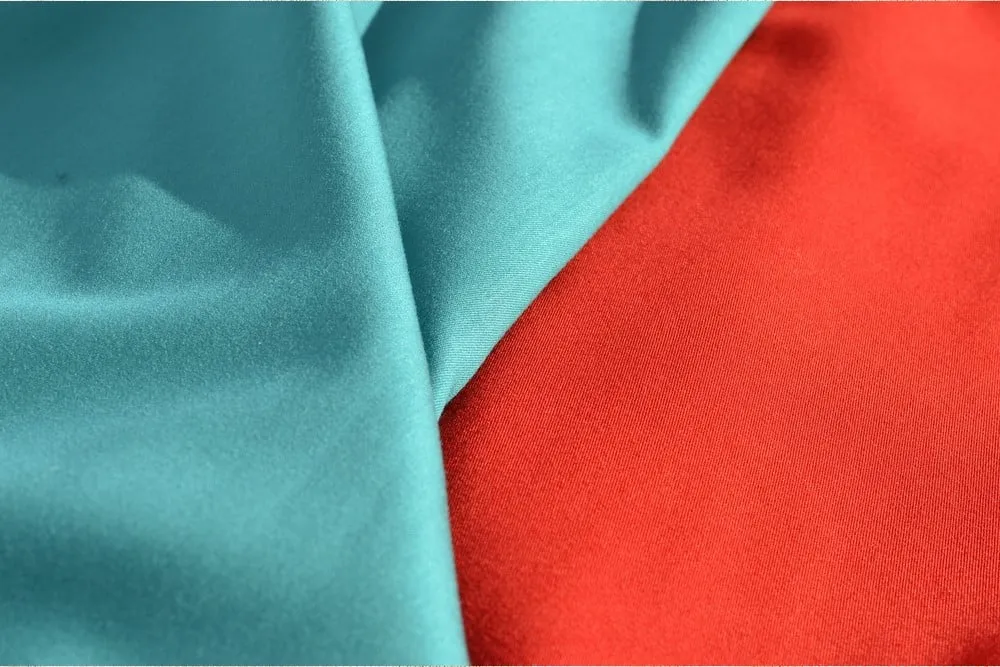
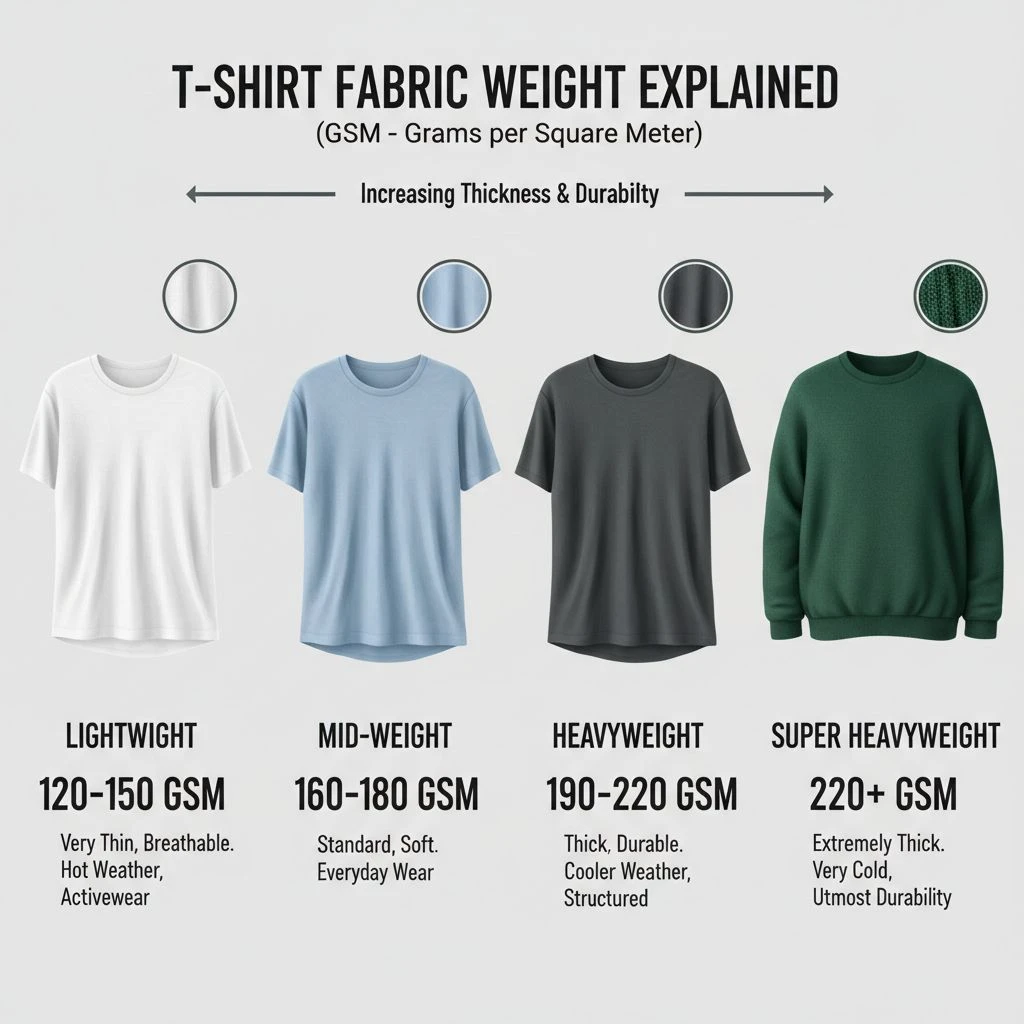
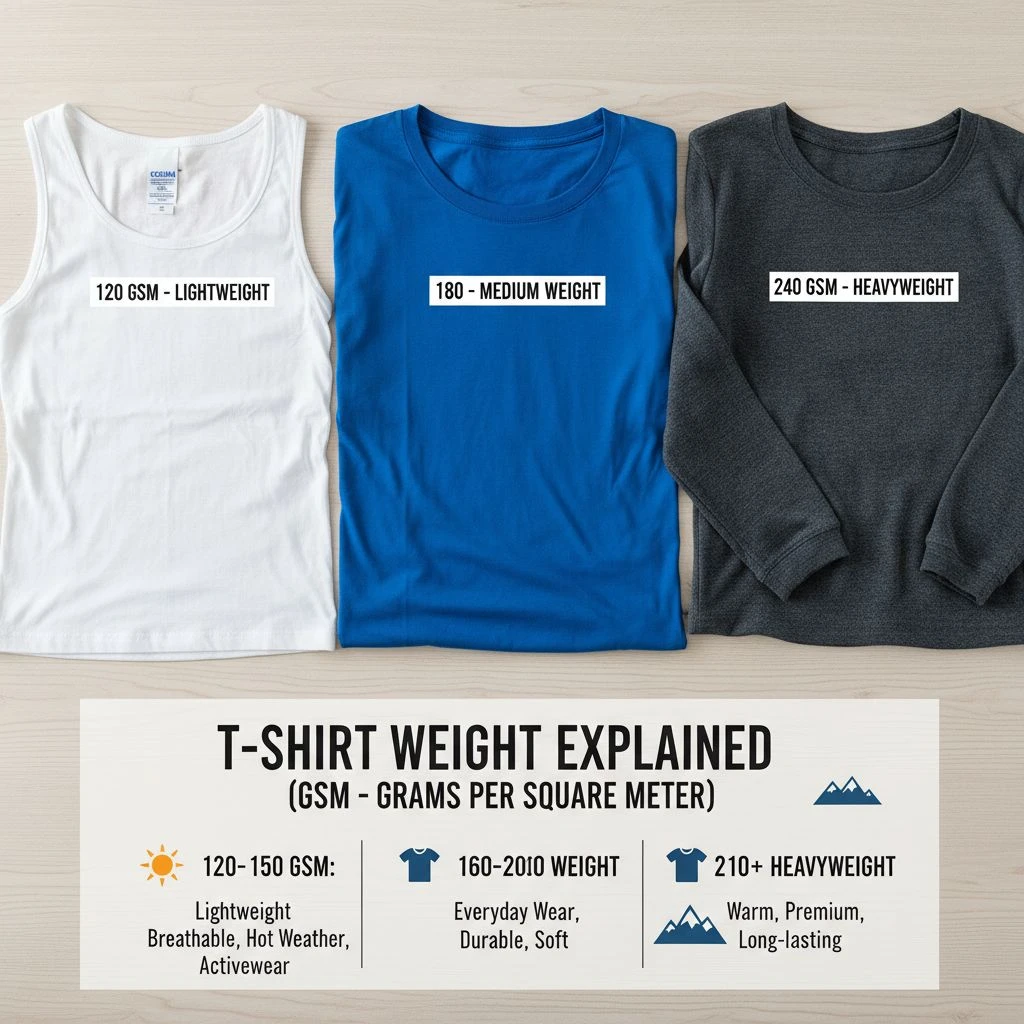
GSM means grams per square meter. For example: 160 GSM single jersey, means one square meter of the fabric has a mass of approximately 160 grams under the stated condition. Higher GSM means more mass per unit area. It does not automatically mean the fabric is higher quality.

Fabric Width
Fabric width affects how pattern pieces can be arranged during cutting. Two fabrics with the same GSM may produce different consumption if their usable widths are different.
Fabric Construction
The fabric may be:
- Single jersey
- Interlock
- Rib
- Piqué
- Other knit structure
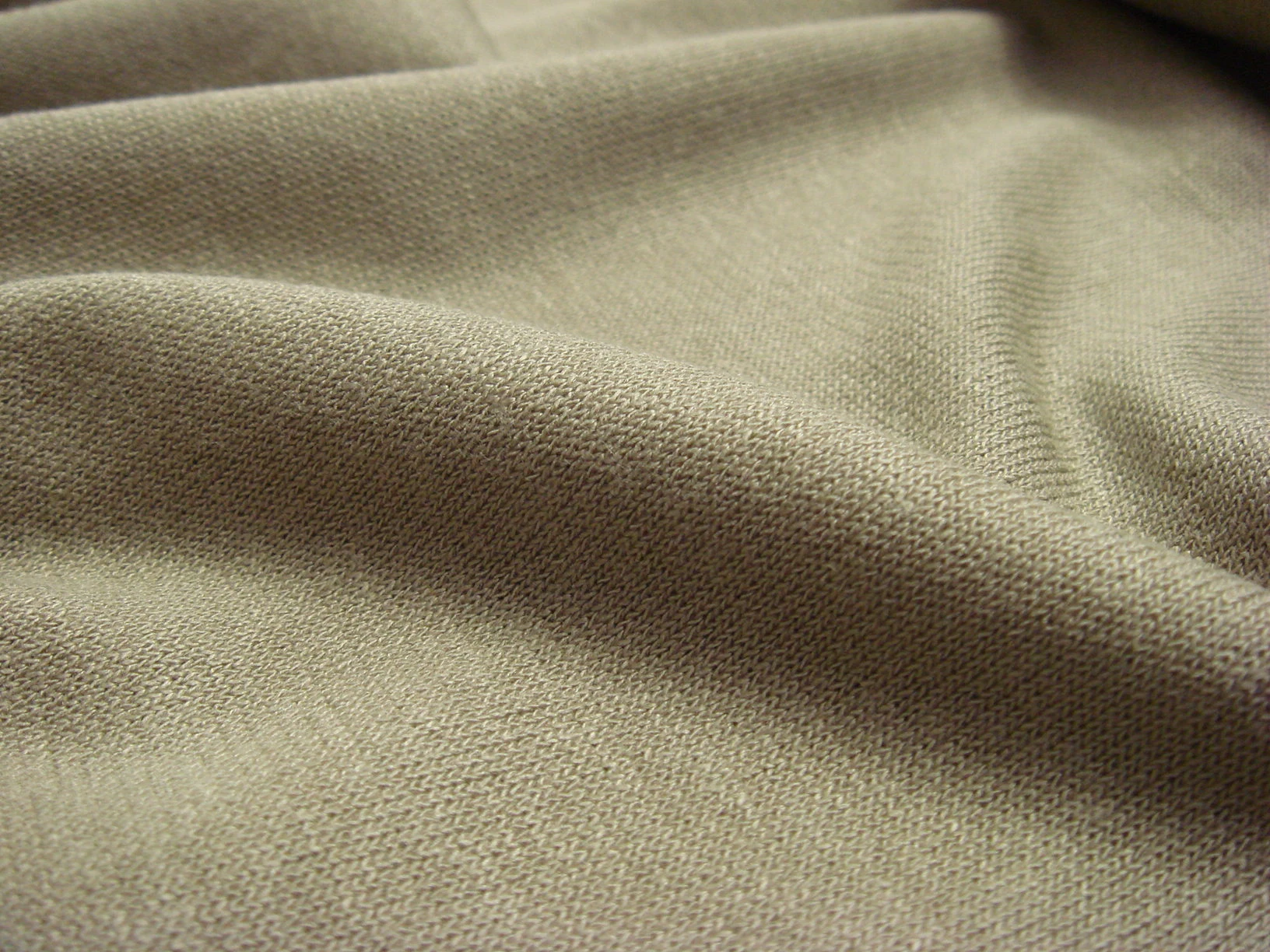
Construction can affect:
- GSM
- Stretch
- Shrinkage
- Width
- Marker performance

Knit Fabric Consumption Formula


Formula breakdown:
- (Body Length + Sleeve Length + 12 cm): Total length with allowance.
- (1/2 Chest Width + 6 cm): Total width with side seam allowance.
- × 2: For front and back panels.
- ÷ 10,000,000: Converts square cm and grams into kilograms.
Example: Calculating for 10,000 Pieces
Order specs: 160 GSM Single Jersey | Size XL (Body: 79cm, Sleeve: 43cm, Chest: 61cm).
- Step 1 (Length): 79 + 43 + 12 = 134 cm
- Step 2 (Width): 61 + 6 = 67 cm
- Step 3 (Basic Main Formula): (134 × 67 × 2 × 160 × 12) / 10,000,000 = 3.45 kg/dozen
- Step 4 (Add 10% Wastage): 3.45 + 10% = 3.795 kg/dozen
- Total Requirement: (10,000 / 12) × 3.795 ≈ 3162.5 kg
Practical Tips for Accuracy
Formulas are a starting point, but actual production results are influenced by Marker Efficiency, Fabric Shrinkage, Usable Width, and the Size Ratio of the bulk order. Always review these variables before final fabric booking.
Conclusion / Final Words
Mastering the knit fabric consumption formula is essential for fast and accurate decisions in merchandising. While the formula provides a reliable base for costing and sourcing, real production data ensures your estimate remains professional and profitable. For simple styles like basic T-shirts, this method is the gold standard for material planning.