



When people ask, “Can cotton thread be used for stretch fabrics?” the usual answer is no. The common logic is that cotton thread doesn’t stretch, so when the fabric expands, the thread snaps. While this is partly true, it misses the technical nuance of garment construction. Understanding the relationship between fiber elasticity, stitch type, and seam stress is essential for professional apparel manufacturing.
What Exactly is Stretch Fabric?
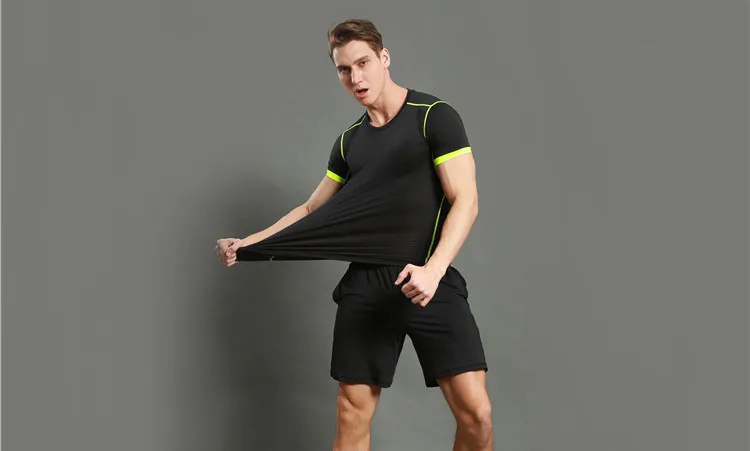
Stretch fabrics are engineered to move with the body and bounce back into shape. This elasticity comes from either the physical structure (like knits) or elastic fibers like Spandex/Lycra. Because these materials expand significantly during wear, the seams must be able to handle repeated pulling without failure. This makes thread choice a critical quality factor.
The DNA of Cotton Thread
Cotton thread is a natural fiber product valued for its soft hand-feel and matte appearance. However, it is inherently non-elastic. When a seam is forced to stretch beyond the thread’s limit, the stress leads directly to popped stitches. In professional production, regular cotton thread is typically reserved for stable woven fabrics rather than high-performance activewear.
Why the General Rule is “No Cotton Thread”
Most sewing standards advise against cotton thread for stretch materials because the thread cannot “give” along with the fabric. This failure is most common at high-stress points such as waistbands, underarms, and crotch seams. If the garment is intended for high-movement activities like yoga or swimming, using 100% cotton thread is a major production risk.

Challenging the Rule: Technical Exceptions
Thread choice is not the only factor controlling stretch. In some cases, cotton thread can be used successfully if specific technical conditions are met:
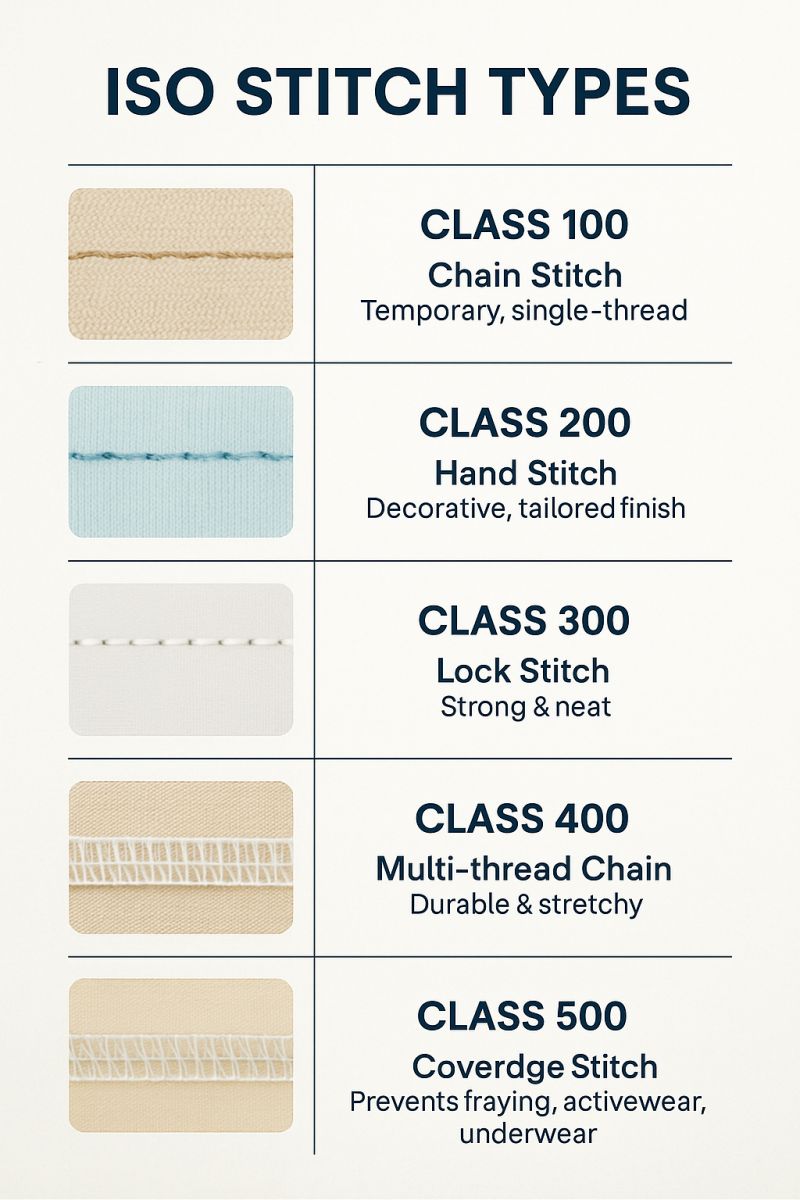
- Stitch Selection: Using a zigzag stitch or an overlock (serged) stitch provides mechanical stretch to the seam, even if the thread itself is rigid.
- Mercerized Thread: This type of cotton is stronger and smoother, offering slightly better durability than raw cotton.
- Garment Fit: For loose-fitting knits where the seams aren’t actually pulled during wear, cotton thread may perform adequately.
Recommended Threads for Stretch Fabrics
For reliable, export-quality seams, professional manufacturers typically move away from pure cotton in favor of synthetic or hybrid options.
| Thread Type | Stretch Ability | Best Application | Technical Pro |
|---|---|---|---|
| Polyester | Medium | Jersey, Rib knits | Durable and widely available. |
| Nylon | High | Swimwear, Activewear | Excellent flex and recovery. |
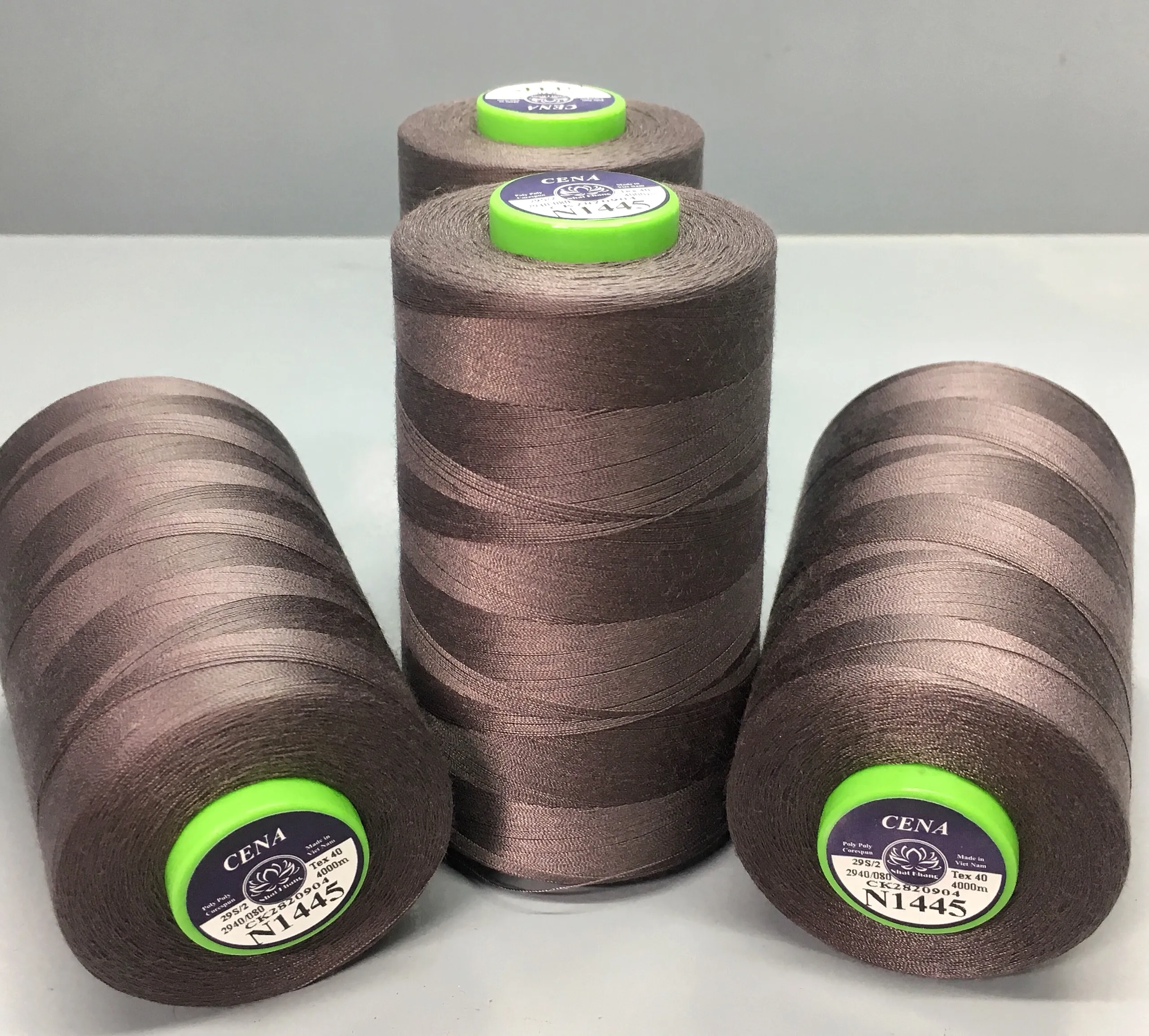
| Core-Spun | Medium-High | Industrial apparel | Strength of poly + look of cotton. |
| Textured Poly | Very High | Leggings, Underwear | Soft seams with loop elasticity. |
Quick Selection Guide
| Fabric Type | Recommended Thread | Notes |
|---|---|---|
| Light Jersey | Polyester / Core-spun | Cotton works only with stretch stitches. |
| Activewear | Polyester / Nylon | Requires high tensile strength. |
| Swimwear | Nylon / Polyester | Needs chlorine and UV resistance. |
| Topstitching | Cotton (Optional) | Focus on aesthetics over performance. |
Conclusion
Should you use cotton thread for stretch fabrics? Not as a primary choice for performance garments. However, the blanket “no” misses the importance of stitch engineering. If you are producing low-stress casual wear, high-quality cotton thread paired with a stretch-friendly stitch can work. But for high-stretch applications, polyester, nylon, or core-spun threads remain the industry standard for ensuring seam longevity and customer satisfaction.
FAQs: Cotton Thread and Stretch Fabric Performance
In Short, Can cotton thread be used for stretch fabrics?
In most cases, it’s not recommended. Cotton thread has very little elasticity, so it doesn’t move well when the fabric stretches. This can cause seams to pop or threads to break over time. That said, on low-stress knit garments with the right stitch, cotton thread may still work. The real issue isn’t just the fabric it’s how much the seam is forced to stretch during wear.
In Short, Why does cotton thread break on stretch fabric?
Cotton fibers don’t stretch much before reaching their breaking point. When a stretch fabric is pulled, the fabric expands but the thread resists. All that tension concentrates on the thread instead of being shared by the seam. Over repeated movement and washing, this leads to snapped thread or popped stitches. It’s a mechanical problem, not a sewing skill problem.
Is polyester thread stretchy enough for knit fabrics?
Polyester thread is not highly elastic, but it has more give and strength than cotton. More importantly, it tolerates repeated stress without breaking easily. When combined with zigzag or stretch stitches, polyester thread performs very well on knits. That’s why it’s the most common recommendation for stretch fabrics. It’s a balance of strength, flexibility, and durability.
Is nylon thread better than polyester for stretch fabrics?
Not always. Nylon is very strong and flexible, but it can be too stretchy or slippery for some home sewing projects. It’s excellent for swimwear, lingerie, and performance garments. For everyday knit sewing, polyester is often easier to control and more stable. So “stronger” doesn’t always mean “better” for every use.
What is core-spun thread, and why is it recommended?
Core-spun thread has a polyester core wrapped with cotton fibers. The polyester core provides strength and some stretch tolerance. The cotton wrap improves heat resistance and surface feel. This combination makes it popular in industrial sewing and ready-to-wear production. It’s a smart compromise when you want durability without a synthetic look.
Does stitch type matter more than thread type?
Many people underestimate stitch type—and that’s a mistake. A zigzag or stretch stitch can stretch even when the thread itself doesn’t. A straight stitch offers almost no give, no matter how good the thread is. In many seam failures, the stitch choice is the real culprit. Thread and stitch must work together.
Can I use cotton thread if I sew with a zigzag stitch?
Sometimes, yes but with limits. A zigzag stitch allows the seam to open and close, reducing stress on the thread. On lightweight knits with low stretch demand, this can be enough. However, on tight or high-stretch garments, cotton thread may still fail. It’s a risk-management decision, not a rule-breaker.
Why does my seam look fine but break after wearing or washing?
A seam can look perfect at rest and still fail in real use. Stretch stress happens during movement, sitting, bending, and pulling the garment on and off. Washing and drying also weaken cotton fibers over time. So first impressions don’t tell the whole story. Durability shows up after use, not at the sewing table.
What thread do professionals use for stretch garments?
Most professionals use polyester or core-spun thread. Factories prioritize seam durability, speed, and low failure rates. They also pair the thread with appropriate stitch types and machines. Cotton thread is rarely used for stretch seams in mass production. That alone tells you what works best in the long run.
What is the safest rule for beginners?
If the fabric stretches, don’t use cotton thread. Use polyester thread and a stretch-friendly stitch. This rule prevents most beginner frustration and seam failures. You can experiment later once you understand stress points. Safe defaults are better than learning the hard way.