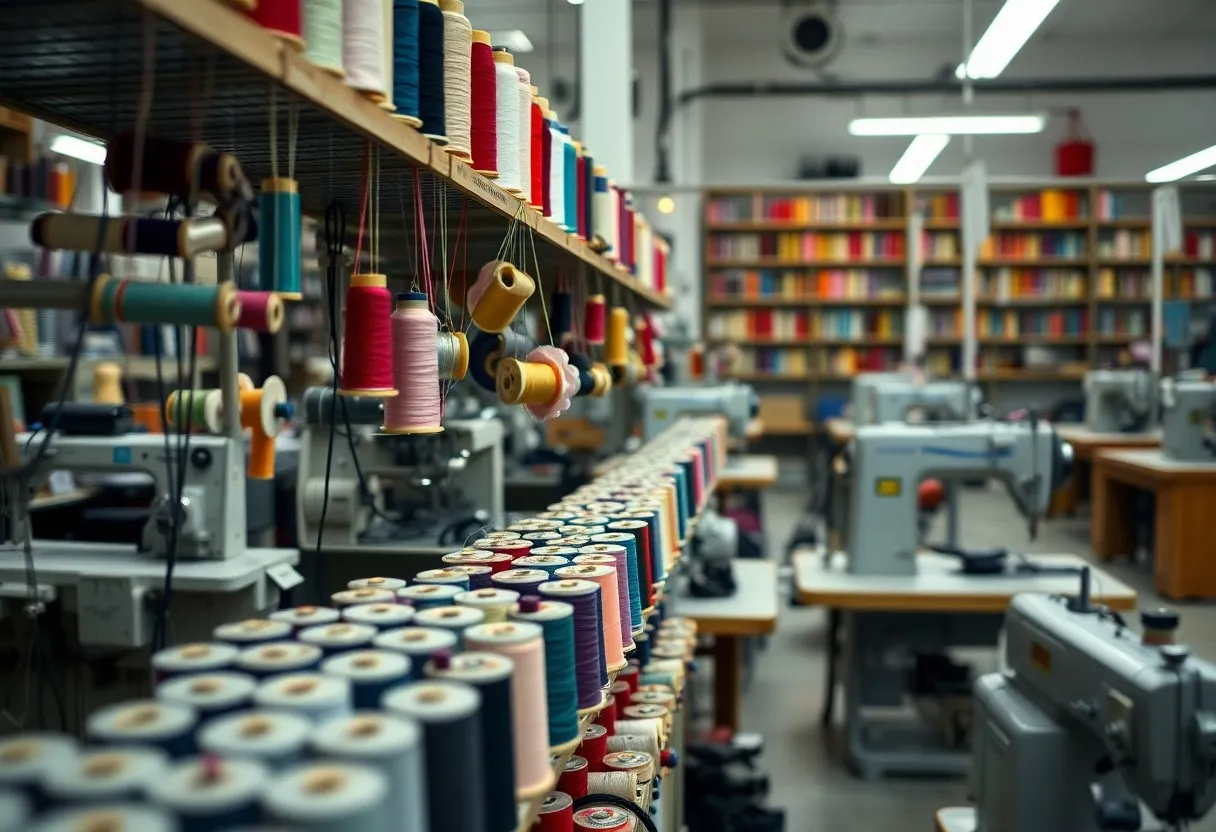
12 Common Types of Industrial Sewing Threads Used in the Garment Industry

Threads are the backbone of every garment. Understanding the twelve common industrial sewing threads ensures stronger seams, better aesthetics, and appropriate performance across fabrics from voile to denim. This guide explains composition, advantages, and selection tips so you can match cotton, polyester, nylon, silk, rayon, Kevlar, and blended options to the right product and production setting.
About Industrial Sewing Threads
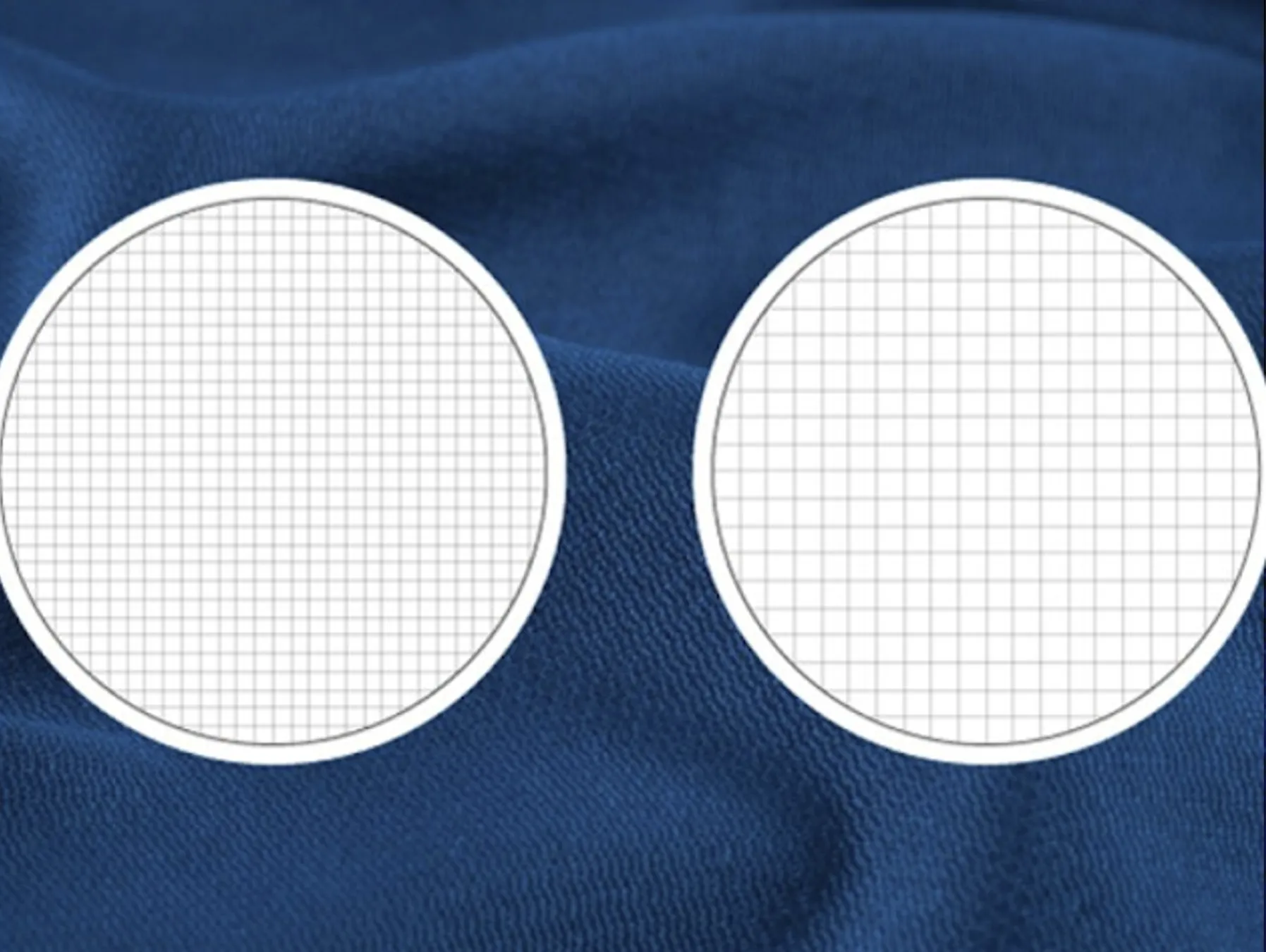
Every garment starts with fabric and thread. In industrial sewing, thread serves as the essential connector that joins materials together, enduring the strain of sewing machines and daily wear. Depending on the fabric type and purpose, different threads are chosen to balance durability, flexibility, and aesthetics. Industrial sewing threads are typically made from:
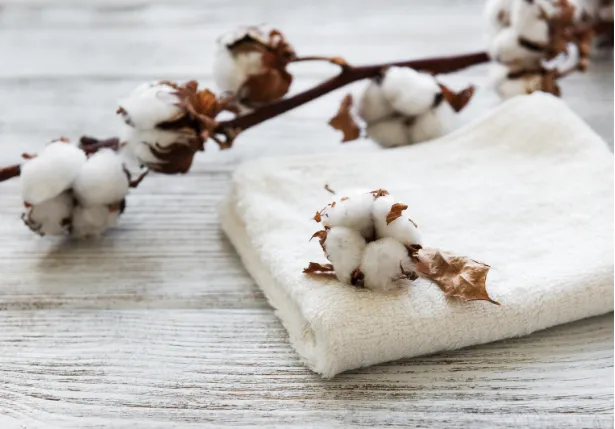
- Natural fibers: such as cotton and silk, offering softness and breathability.
- Synthetic fibers: like polyester and nylon, known for their strength and resistance.
- Blended fibers: combining both types for improved performance.
Natural Fiber Threads
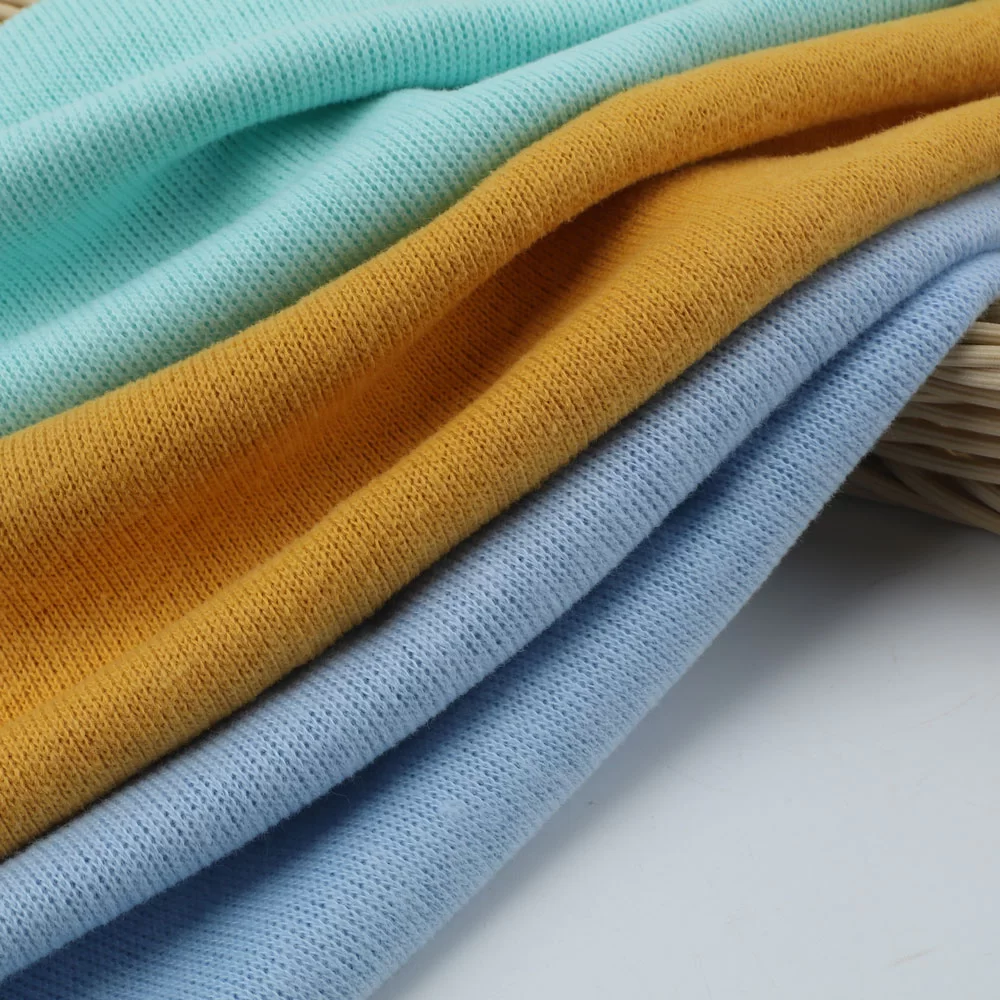
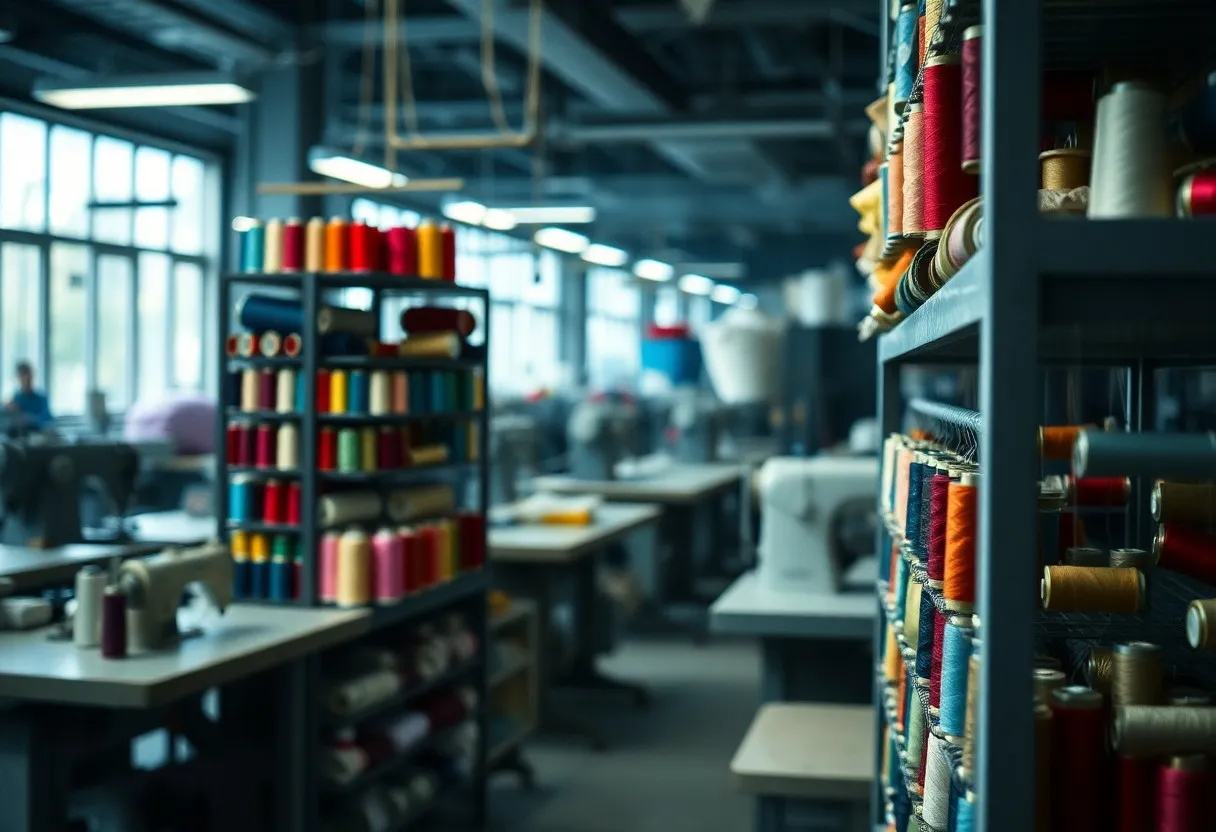
Cotton and silk dominate natural-thread options. Cotton gives a soft hand, good dye uptake, and tolerates high-heat pressing, making it ideal for poplin, shirts, and quilting. Silk delivers a smooth, low-bulk finish suited to luxury garments and fine hems. Typically, you’ll select 40–60 wt cotton for general seams and finer silk weights for couture details to preserve the garment’s drape.
Synthetic Fiber Threads
Polyester and nylon are essential when strength and abrasion resistance matter. Polyester is the go-to for general-purpose and high-speed production. Nylon is chosen where stretch recovery is required, such as swimwear and technical apparel. For heavy-duty seams, 30–40 wt high-tenacity polyester is commonly specified to avoid seam failure under repeated stress.
Blended Fiber Threads
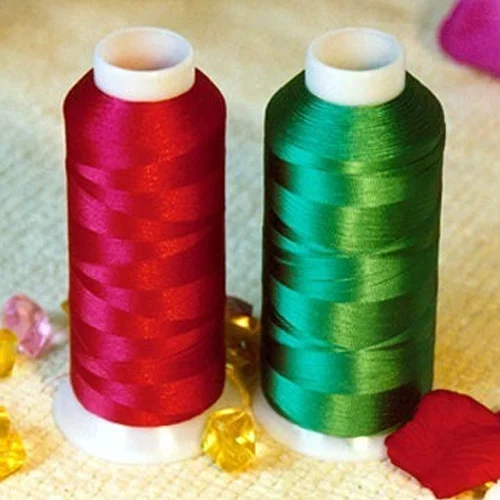
Blends combine appearance with performance. Cotton-wrapped polyester gives a natural cotton hand with polyester strength, common in shirting and visible seams. Blends reduce differential shrinkage and improve dyeing compatibility compared to pure synthetics, allowing for fine-tuned machine tension and needle selection.
12 Types of Industrial Sewing Threads
Understanding the composition of these 12 types helps manufacturers choose the most suitable one for every product line.
| Thread Type | Advantages | Common Uses |
|---|---|---|
| Cotton Thread | Soft, heat-resistant, easy to dye. | Shirts, lightweight cotton garments. |
| Polyester Thread | Strong, colorfast, mildew resistant. | General garments, denim, uniforms. |
| Core-Spun (Poly-Cotton) | High strength + natural look. | Jeans, workwear, high-speed sewing. |
| Nylon Thread | Excellent stretch and flexibility. | Swimwear, lingerie, leather goods. |
| Rayon Thread | Brilliant luster and sheen. | Embroidery, decorative stitching. |
| Aramid (Kevlar) | Flame and cut resistant. | Fire-resistant suits, safety gear. |
| Metallic Thread | Shiny, luxurious appearance. | Logos, fashion details. |
| Woolly Nylon | Highly elastic, covers seams neatly. | Overlock seams, knitwear, lingerie. |
| Silk Thread | High strength-to-size ratio, elegant. | Luxury tailoring, silk fabrics. |
| Bonded Nylon | Reduced friction, extremely strong. | Footwear, upholstery, leather. |
| Bonded Polyester | UV-resistant, great for outdoors. | Outdoor gear, car seats, bags. |
| Textured Polyester | Soft, bulky, good seam coverage. | Knitwear, coverstitch seams. |
Specialized Applications
Kevlar & Safety Threads
Kevlar (aramid) thread is used when heat and cut resistance are paramount. It retains strength under high temperatures (decomposes above 400°C). Commonly used in firefighter gear, racing suits, and industrial gloves, it requires heavy needles (90/14–150/22) and slower machine speeds.
Embroidery Threads
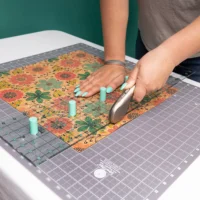
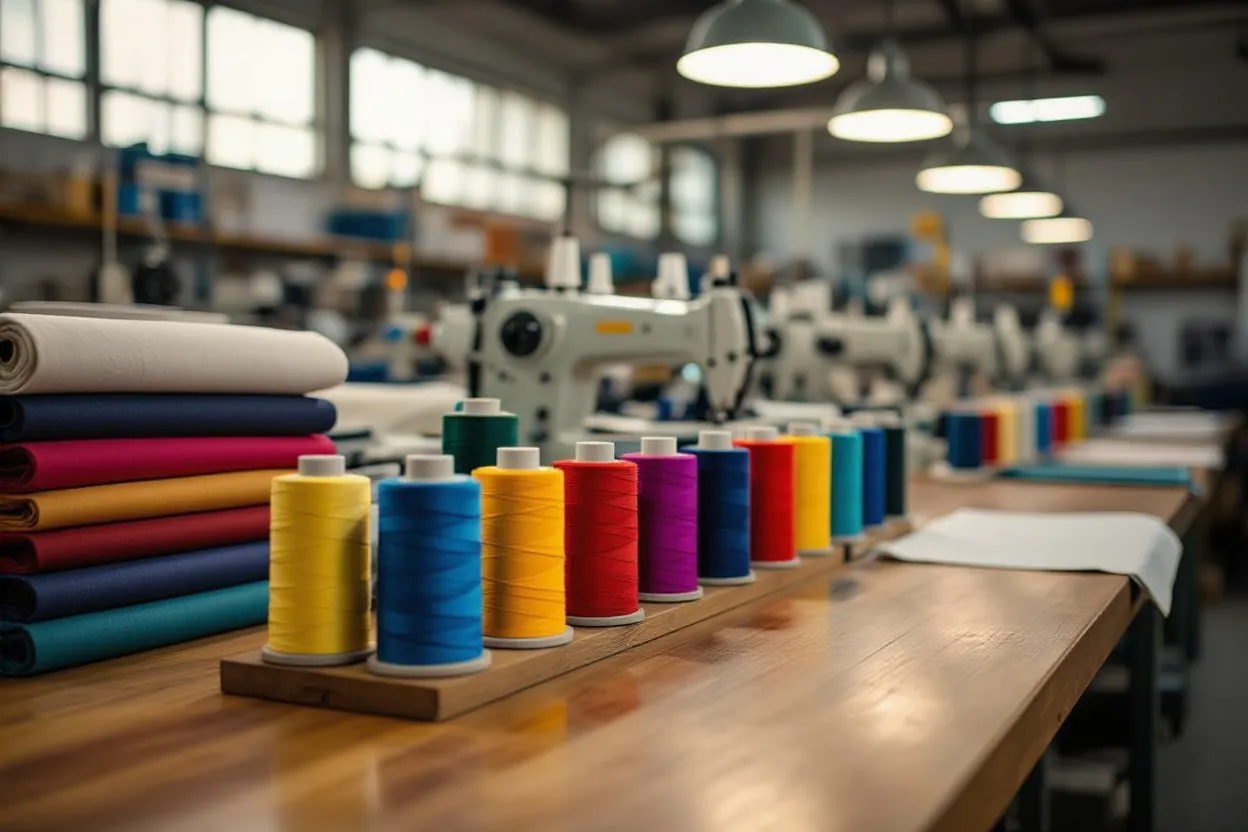
Select Rayon for maximum sheen or Polyester for superior colorfastness and bleach resistance. Rayon is ideal for fashion logos, while Polyester is preferred for sportswear that undergoes frequent heavy washing.
Heavy-Duty Applications
Bonded nylon or high-tenacity polyester are required for upholstery, denim, and automotive interiors. These threads are resin-coated to reduce fraying and breakage in heavy sewing environments, often paired with oversized needles (110/18–200/23).
How to Choose the Right Thread
- Light fabrics (Voile, Poplin): Choose cotton or fine polyester for flexible seams.
- Heavy materials (Denim, Canvas): Use high-tenacity polyester or bonded nylon.
- Luxury pieces: Select silk or rayon to enhance shine and softness.
- Protective gear: Kevlar is the top choice for strength and heat resistance.
Conclusion
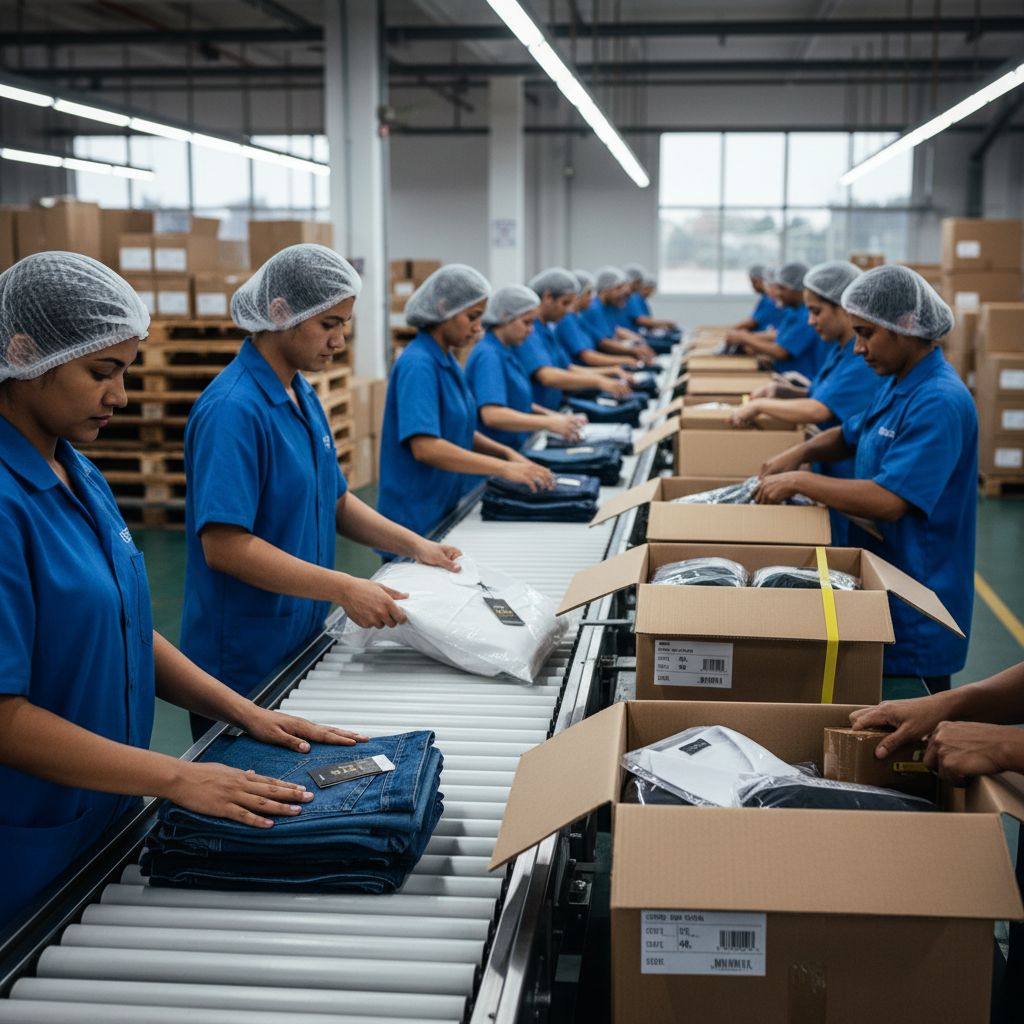
Thread choice should be based on fabric weight, garment function, and expected seam stress. Proper testing of tension, needle size, and machine settings ensures seam longevity and aesthetics. At Mekong Garment, we meticulously match the right industrial thread to each product to deliver the high-quality finish your customers expect.
FAQs About Common Types of Industrial Sewing Threads
What are the 12 common types of industrial sewing threads used by garment manufacturers like Mekong Garment Vietnam?
The 12 common types are: 1) Cotton thread: natural, soft, breathable for light fabrics; 2) Mercerized cotton: smoother, stronger and more lustrous than raw cotton; 3) Polyester thread: versatile, strong, colorfast for general use; 4) High-tenacity polyester: extra-strong for heavy-duty seams; 5) Nylon (polyamide): high elasticity and abrasion resistance; 6) Bonded nylon: coated for extra strength and reduced fuzz; 7) Rayon thread: high sheen for decorative and luxury garments; 8) Silk thread: smooth, fine and strong for couture finishes; 9) Polyester-cotton (core-spun/blended): balances strength and hand; 10) Kevlar/aramid: heat- and cut-resistant for protective wear; 11) Elastic/covered elastic thread: for stretch or stretch seams; 12) Monofilament (nylon or polyester): translucent, used for invisible seams and specialized applications.
How do polyester and nylon threads differ, and when should each be used?
Polyester offers excellent UV and chemical resistance, low shrinkage, good dimensional stability and broad compatibility with fabrics use it for shirts, outerwear, and general production. Nylon is stronger and more elastic with superior abrasion resistance, making it better for heavy-duty items Iand where stretch recovery is needed. Polyester tolerates higher temperatures in finishing better than nylon; choose based on fabric type, expected stress and finishing processes.
When are natural threads like cotton, rayon, or silk preferable?
Use cotton for lightweight, breathable garments (shirts, blouses) and when a soft hand and matte finish are desired. Rayon provides a high sheen and is chosen for decorative stitching and luxury-looking seams on dress fabrics where appearance matters more than extreme strength. Silk is selected for high-end tailoring and couture where strength, smooth feed and a premium finish are required. For each, test seam performance, shrinkage and colorfastness with the target fabric.
What is bonded thread and what production uses benefit most from it?
Bonded thread has a surface coating Iapplied to filaments or plied yarn to increase tensile strength, reduce lint and improve abrasion resistance. It is ideal for heavy seams, topstitching, high-speed sewing, outdoor garments, leather goods and upholstery where seam durability and reduced machine lint are priorities. Bonded threads also improve stitch appearance and reduce breakage on industrial machines.
Which threads are best for denim, canvas and other heavy fabrics?
For denim and canvas, choose high-tenacity polyester, bonded nylon or heavy-weight corespun/polyester-cotton topstitching threads. Use thicker thread counts for visible topstitching and reinforced seams, matched with heavy-duty needles and adjusted machine tension. Pre-test stitch density, seam allowance and wash cycles to ensure seam durability and appearance under heavy wear.
What thread types are recommended for protective, flame-resistant or stretch garments?
Protective and flame-resistant garments typically use aramid fibers such as Kevlar for exceptional heat, cut and flame resistance. For stretch garments, use elastic-covered threads, polyester-wrapped spandex or stretch-specific core-spun threads to preserve elasticity and seam recovery. Match the thread’s mechanical properties to the garment’s protective or stretch requirements and validate with performance testing.
What are best practices for matching thread to fabric, machine and production processes?
Produce sample seams using the intended fabric, thread, needle type and stitch settings; then test wash, wear and finishing processes. Match thread size and strength to fabric weight and seam load; choose bonded or glazed finishes for high-speed sewing; select the correct needle point and size to minimize skipped stitches and fabric damage; adjust tension and stitch length for seam appearance and durability; verify colorfastness and chemical compatibility with finishes and detergents before mass production.