Polypropylene Fabric: What It Is, How It’s Made, and Key Properties

Polypropylene fabric gives you a lightweight, moisture-repellent material made from thermoplastic resin. Valued for its chemical resistance and low cost, it is widely used in sportswear, medical supplies, and industrial applications. However, when specifying it for your products, you must account for its poor heat resistance, UV sensitivity, and environmental disposal impacts.
What is Polypropylene Fabric?
Polypropylene (often abbreviated as PP) is a synthetic thermoplastic polymer. When processed into textiles, it can take woven, knitted, or non-woven forms. Unlike polyester or nylon, PP resin is non-polar and hydrophobic, meaning it does not absorb water. This makes it one of the most effective materials for moisture management in technical apparel.
| Property | Technical Description |
|---|---|
| Density / Weight | Extremely low (0.895–0.93 g/cm³)—it actually floats on water. |
| Moisture Behavior | Hydrophobic; wicks sweat without absorbing it into the fiber. |
| Thermal Insulation | Highest heat retention among all synthetic fibers due to low conductivity. |
| Chemical Resistance | Highly resistant to acids, alkalis, and organic solvents. |
| Melting Point | Relatively low (130°C – 171°C); requires strict heat control. |
How Polypropylene Fabric Is Made
The journey from gas to garment involves a precise chemical and mechanical process. Manufacturers must maintain strict temperature controls to prevent the polymer from degrading or distorting during formation.
1. Polymer Production
Propylene gas (C₃H₆) is derived from petroleum. Through chain-growth polymerization using catalysts, it is converted into polypropylene resin pellets. These pellets are often combined with stabilizers or pigments before further processing.
2. Fiber & Fabric Formation
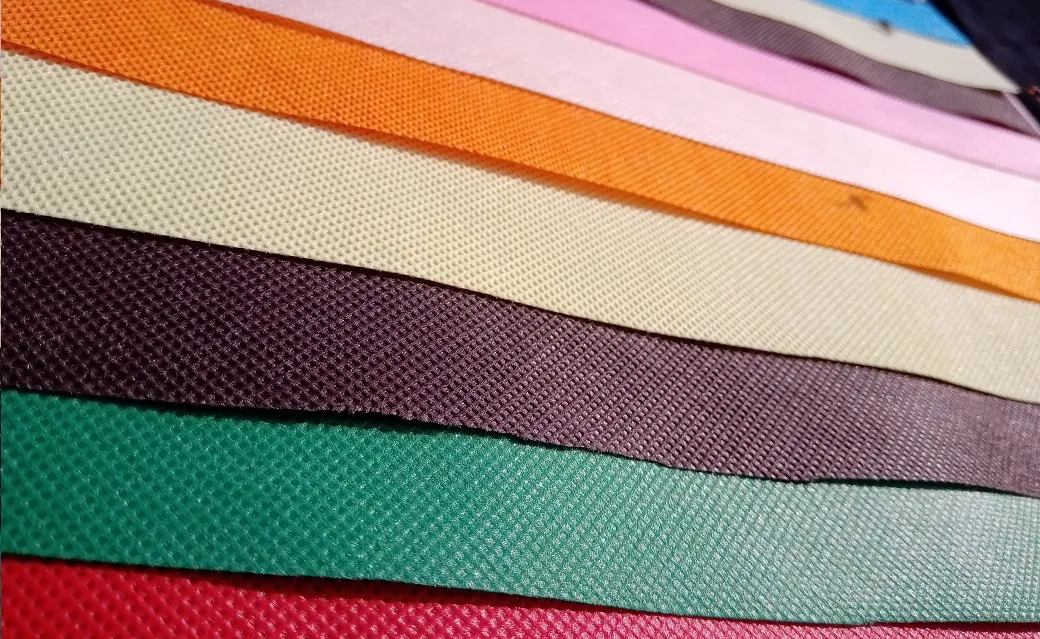
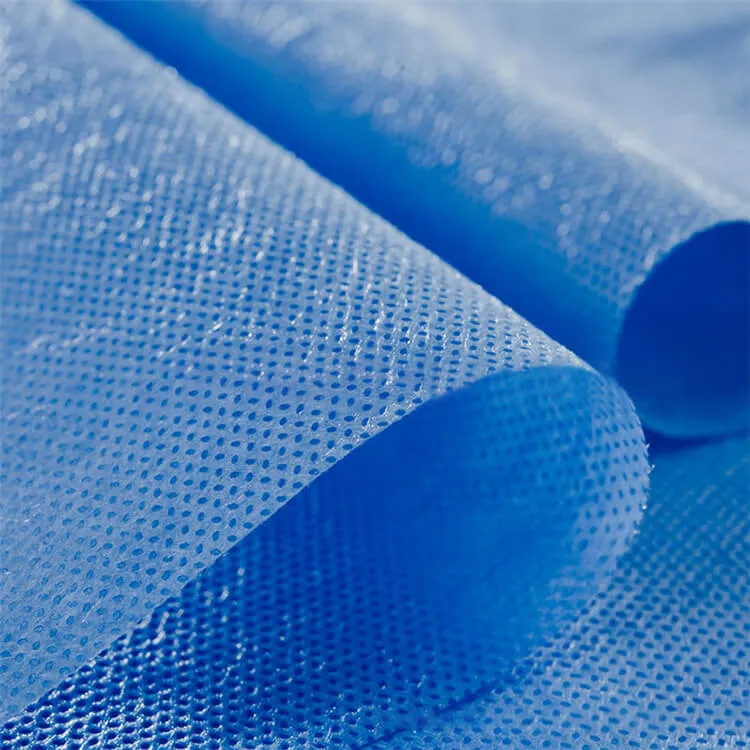
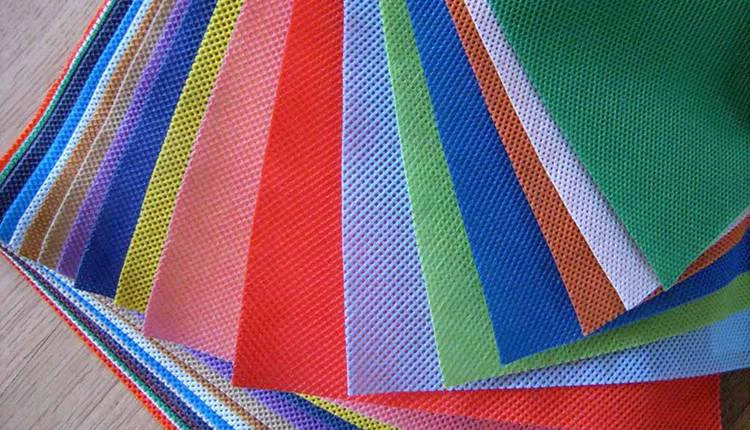
- Non-Woven Formation: The most common form. Fibers are laid in a web and bonded via heat or chemicals (Spunbond or Meltblown), used heavily in medical masks.
- Extruded Filaments: The resin is melted and pushed through spinnerets to create long filaments for weaving or knitting.
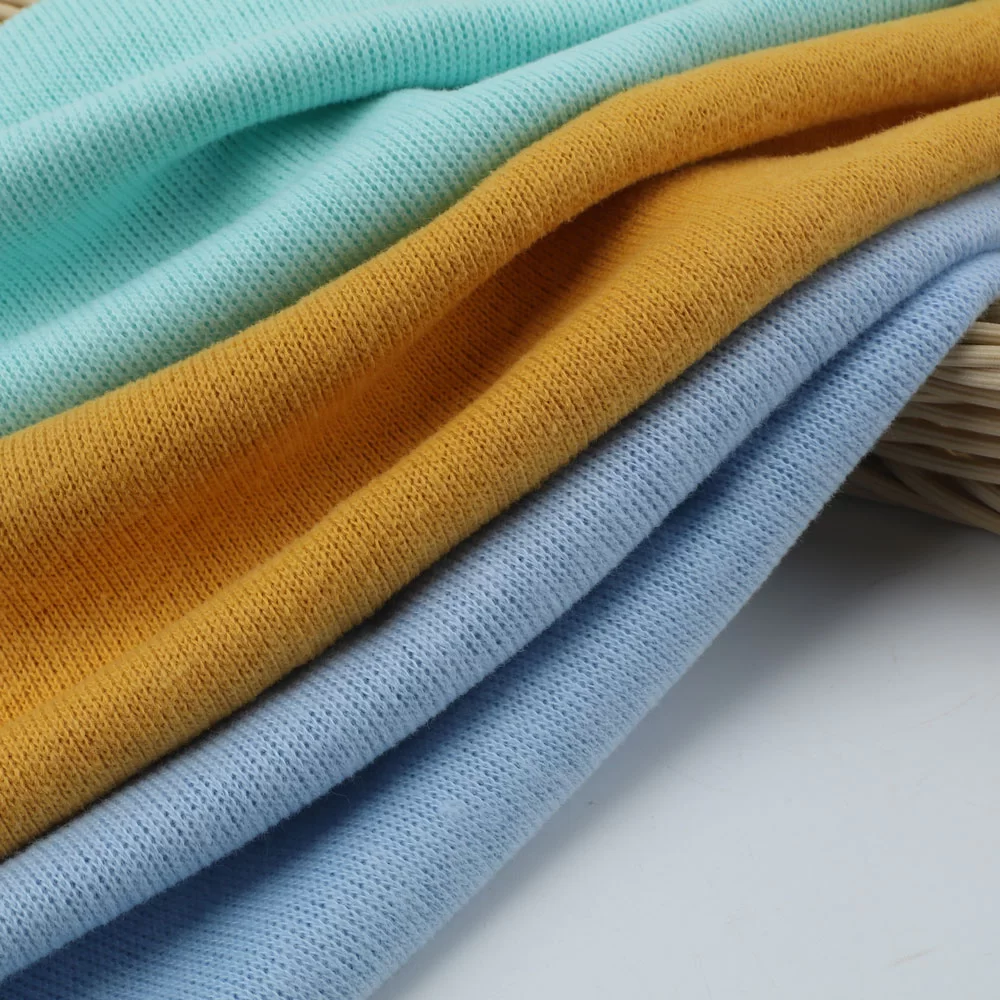
- Woven/Knitted: PP fibers are increasingly being used in technical knits for base layers, though dyeing must occur at the “melt” stage (Dope-dyeing).
Key Properties & Performance
Advantages:
- Superior Wicking: It moves liquid sweat away from the skin faster than almost any other fiber, keeping the wearer dry.
- Excellent Insulation: PP provides more warmth for its weight than wool or polyester.
- Durability: Highly resistant to abrasion, mildew, and pests, making it ideal for rugged outdoor gear.
Limitations to Manage:
- Dyeing Constraints: Colors must be added during production; you cannot “piece-dye” a finished PP fabric.
- UV Sensitivity: Without stabilizers, PP degrades quickly in direct sunlight.
- Heat Sensitivity: It cannot be ironed or washed at high temperatures without risking permanent shrinkage or melting.
Common Applications
Apparel & Performance Wear
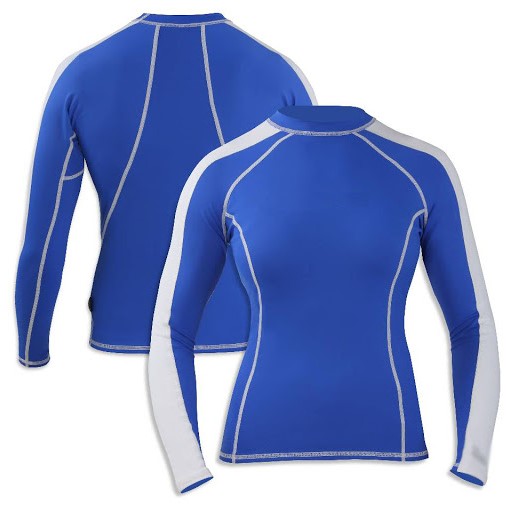
- Base Layers: Thermal underwear and performance socks for cold-weather sports.
- Sportswear: Lightweight moisture-wicking shirts (often blended with polyester).
Industrial & Medical
- Medical Disposables: Non-woven surgical gowns, masks, and caps.
- Geotextiles: Woven PP used for erosion control and soil stabilization.
- Packaging: Reusable shopping bags and heavy-duty industrial sacks.

Conclusion
Polypropylene fabric is a highly specialized textile that excels where lightweight performance and moisture transfer are critical. While it presents challenges in dyeing and environmental footprint, its technical benefits make it indispensable for performance sportswear and medical sectors. At Mekong Garment, we help you evaluate if PP is the right choice for your supply chain, balancing its cost-efficiency with the specific care requirements of your end-users.
FAQs About Polypropylene Fabric
What is polypropylene fabric and how does it differ from polyester, nylon, or cotton?
Polypropylene fabric is a textile made from polypropylene (PP) resin, a thermoplastic polyolefin. It can be produced as woven, knitted or non-woven material. Compared with polyester and nylon, PP is lighter, has lower moisture absorption (it pushes moisture away rather than wicking by absorption), and offers better chemical resistance. Versus cotton, PP is much faster-drying, less absorbent and more dimensionally stable, but has lower dye uptake and different thermal behavior.
How is polypropylene fabric manufactured from raw materials to finished textile?
Manufacturing begins with polymerisation of propylene into polypropylene resin. The resin is melted and processed into fibres, films or non-woven sheets by melt-spinning, extrusion or bonding methods. Fibres are then drawn, textured if needed, and converted into yarn for weaving or knitting, or bonded into non-woven webs. Careful heat control is required because PP has a lower melting point than many other synthetics; finishing steps can include calendaring, lamination, coatings or treatments for UV or flame resistance
What grades or types of PP polymer are used for textile applications?
Textile producers select PP grades by melt flow rate, molecular structure and additive packages. Typical choices include homopolymer and copolymer grades tailored for spinning performance, strength and elongation. Additives such as UV stabilisers, antioxidants and antistatic agents are often included. Different grades produce fibres suited for non-woven disposables, high-performance knitted sportswear, or durable woven technical textiles.
What are the primary advantages of polypropylene fabric for apparel and industrial uses?
Advantages include very low fabric weight, rapid drying, limited moisture absorption, good chemical and stain resistance, and reasonable tensile strength for its weight. PP provides thermal insulation by transferring heat slowly, offers cost efficiency in production, and is suitable for both disposable products and longer-life technical textiles used in sportswear, medical supplies and geotextiles.
What limitations or handling considerations should garment makers and buyers be aware of?
Polypropylene has limited dyeability with conventional aqueous dyes and requires solution or specific dye systems; it has lower heat resistance and can deform at elevated temperatures, so processing steps like ironing and high-temperature finishing must be managed. Untreated PP is susceptible to UV degradation over time. Environmental concerns include recyclability and lifecycle footprint, so sourcing, end-of-life options and regulatory compliance need attention.
In which apparel and non-apparel products is polypropylene fabric commonly used?
In apparel, PP is used for base layers, thermal underwear, socks, liners and outdoor gear where low weight and quick drying matter. Non-apparel uses include medical masks and disposables, filtration media, shopping bags, geotextiles, furniture components and industrial packaging. Its versatility makes it common across disposable products and durable technical applications.
Why might a garment supply-chain choose polypropylene fabric and what steps should they take before specifying it?
Supply-chains choose PP for weight-sensitive, fast-drying, chemically resistant or low-cost applications. Before specifying PP, assess required performance (dyeing method, UV stability, heat tolerance), select an appropriate polymer grade and finishing treatments, verify supplier capability for consistent melts and fibre formation, and plan testing for colour fastness, tensile performance and regulatory standards. Mekong Garment Vietnam can advise on grade selection, finishing options and production controls to meet export and performance needs.