
What Is the Old Money Style Aesthetic? Clothes, Colors and Styling Rules

The old money style aesthetic is more than a passing trend. It is a way of dressing that values timeless fashion, understated luxury, and clothes that look polished without trying too hard. Instead of chasing loud logos, flashy details, or short-lived trends, this aesthetic leans on classic wardrobe staples, quality fabrics, and clean tailoring. That is why so many people now link old money style with quiet luxury, refined elegance, and a wardrobe built to last. For many people, the appeal of the old money aesthetic lies in its balance. It looks expensive, but not showy. It suggests confidence, taste, and control. At its best, old money fashion is about dressing with restraint, choosing quality over quantity, and building elegant outfits from timeless pieces that work season after season.
=> Related Article: How to Wear Old Money for Men: 5 Timeless Colors Pairings
What Does Old Money Style Mean?
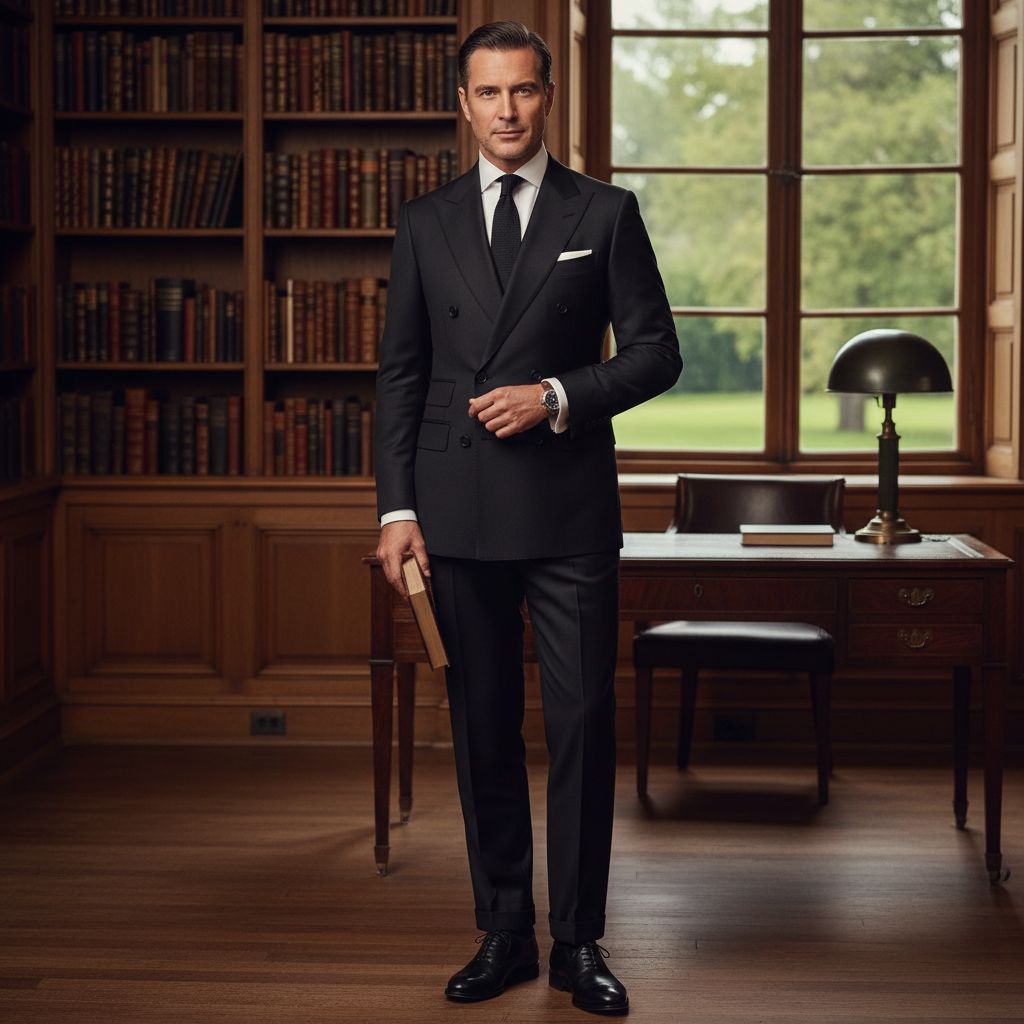
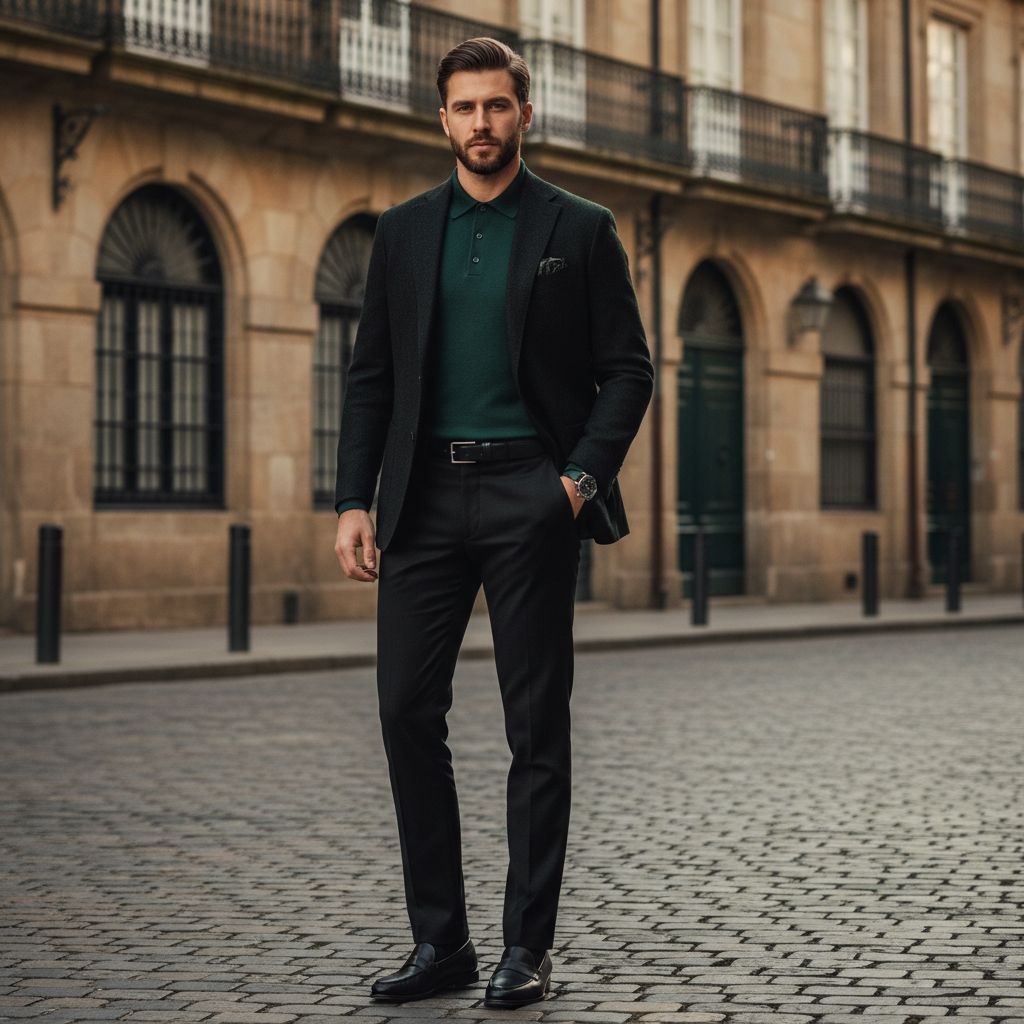
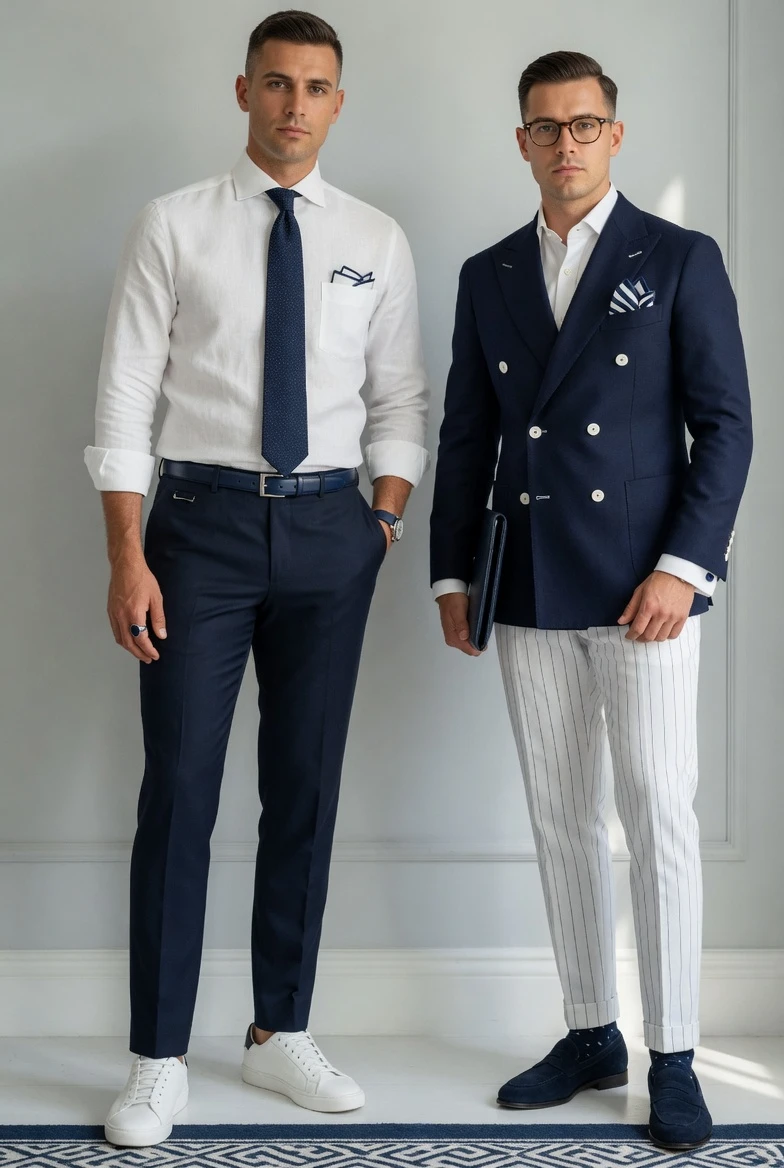
Old money style refers to a fashion language rooted in heritage, polish, and simplicity. Today the aesthetic usually means wearing well-fitted, classic pieces in a neutral color palette, with an emphasis on subtle details rather than obvious branding. The real foundation is fit, fabric, and restraint.
The modern version usually includes:
- Well-fitted clothing
- Neutral and muted colors
- Classic silhouettes
- Natural-looking fabrics
- Minimal branding
- Simple, refined accessories
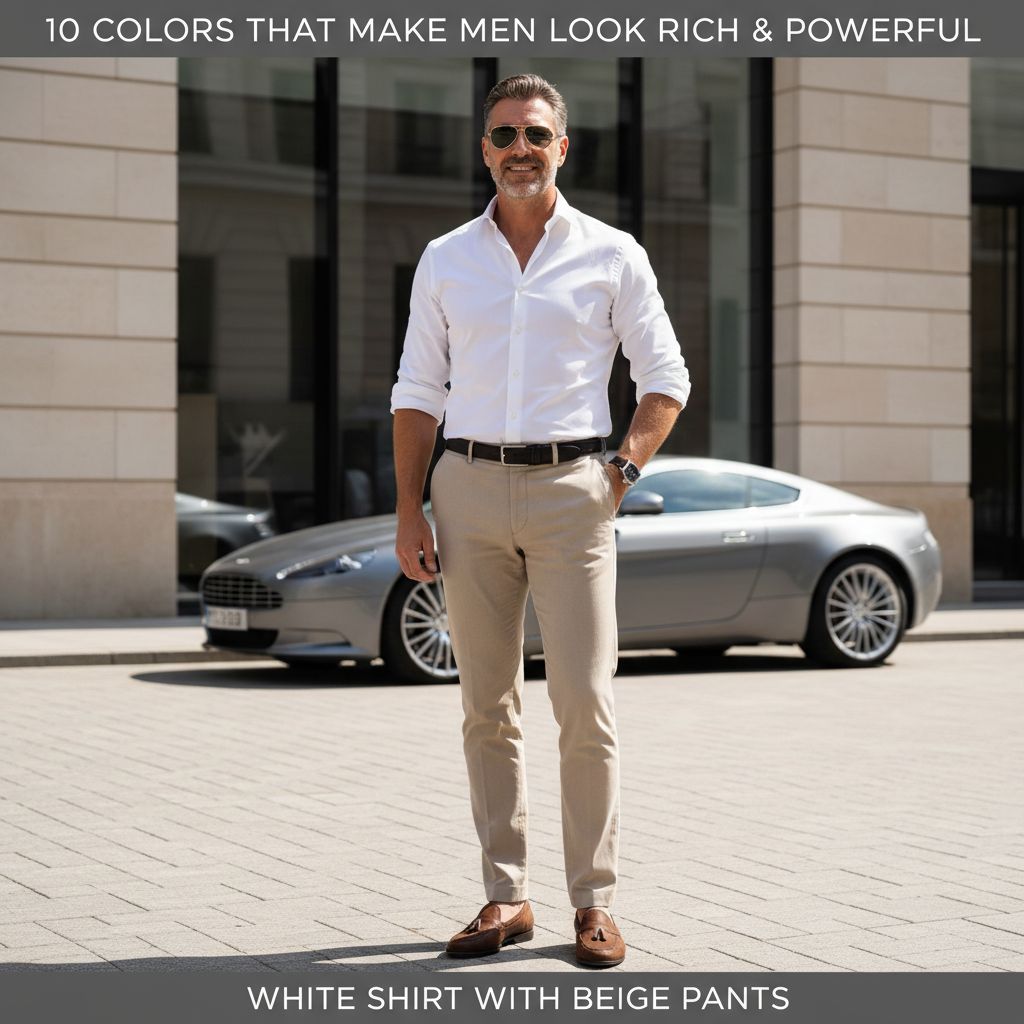
The foundation of the style is not the price of the clothing. It is the combination of fit, fabric, proportion, and restraint. A simple white shirt can suit this aesthetic when it fits well and is made from quality cotton. An expensive designer shirt may not suit it when the logo is oversized or the design is overly trendy.
=> Related Article: 5 Dresses Every Old Money Elegant Lady Must Have
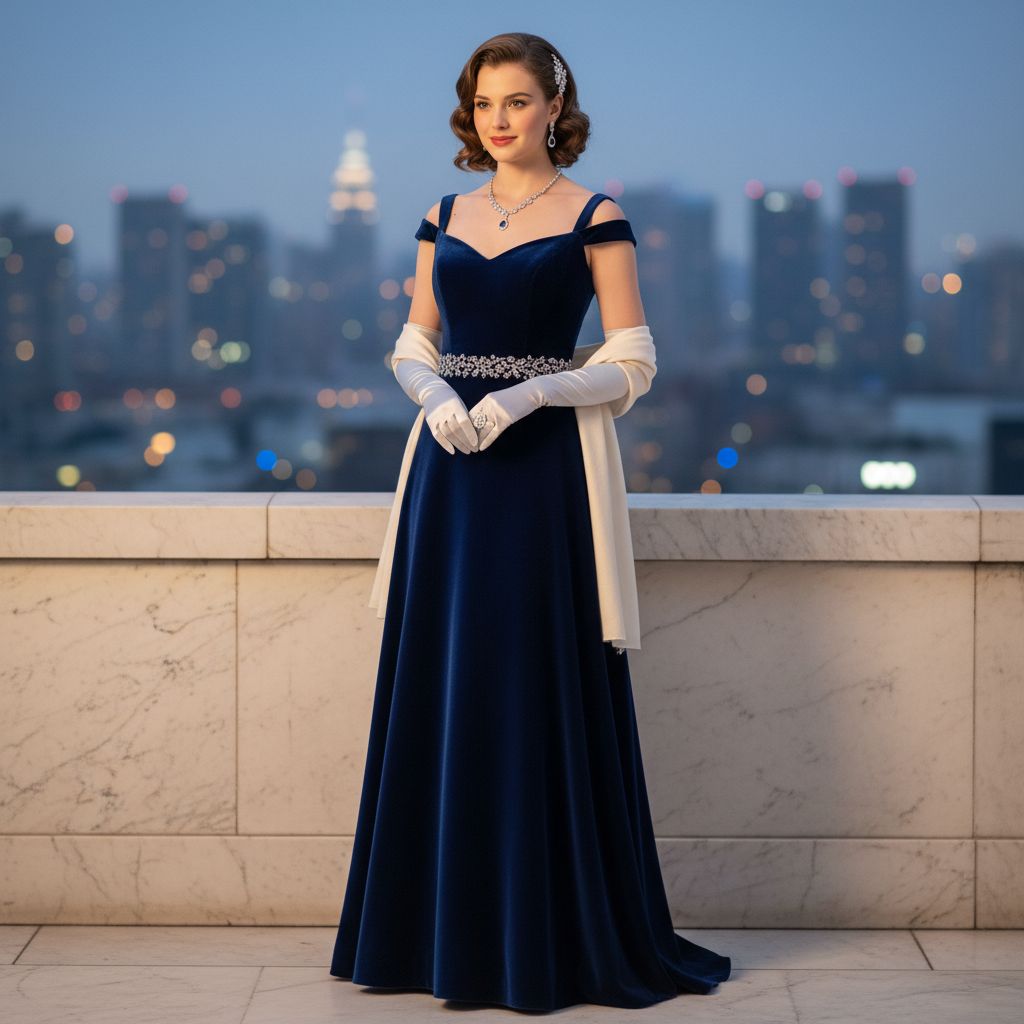
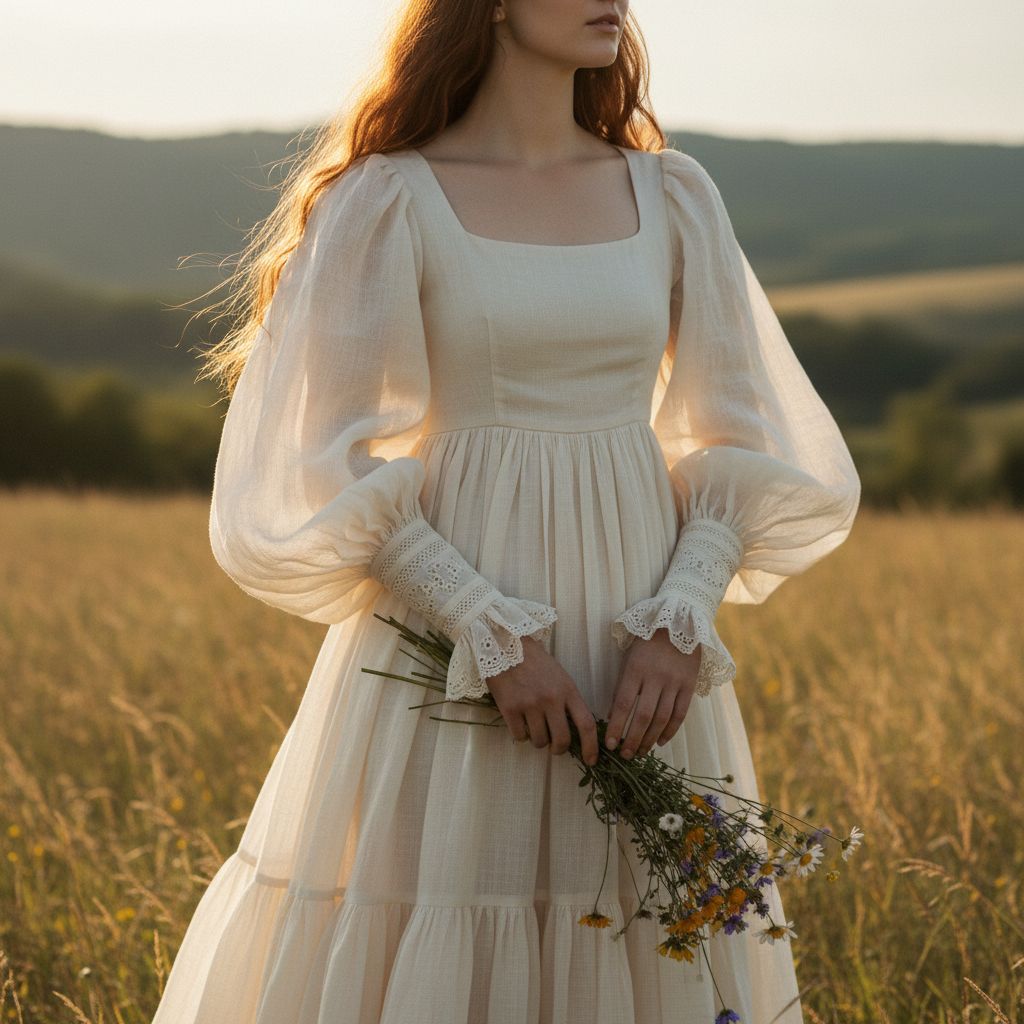
Old money style is more than a short-lived fashion trend. It is a way of dressing built around restraint, quality, and timeless design – Elegant old money evening gown for women
The Core of the Old Money Aesthetic
- Timeless Over Trendy: Focus on trench coats, blazers, and white shirts.
- Tailoring and Structure: A polished silhouette where skirts and dresses follow the body without looking tight.
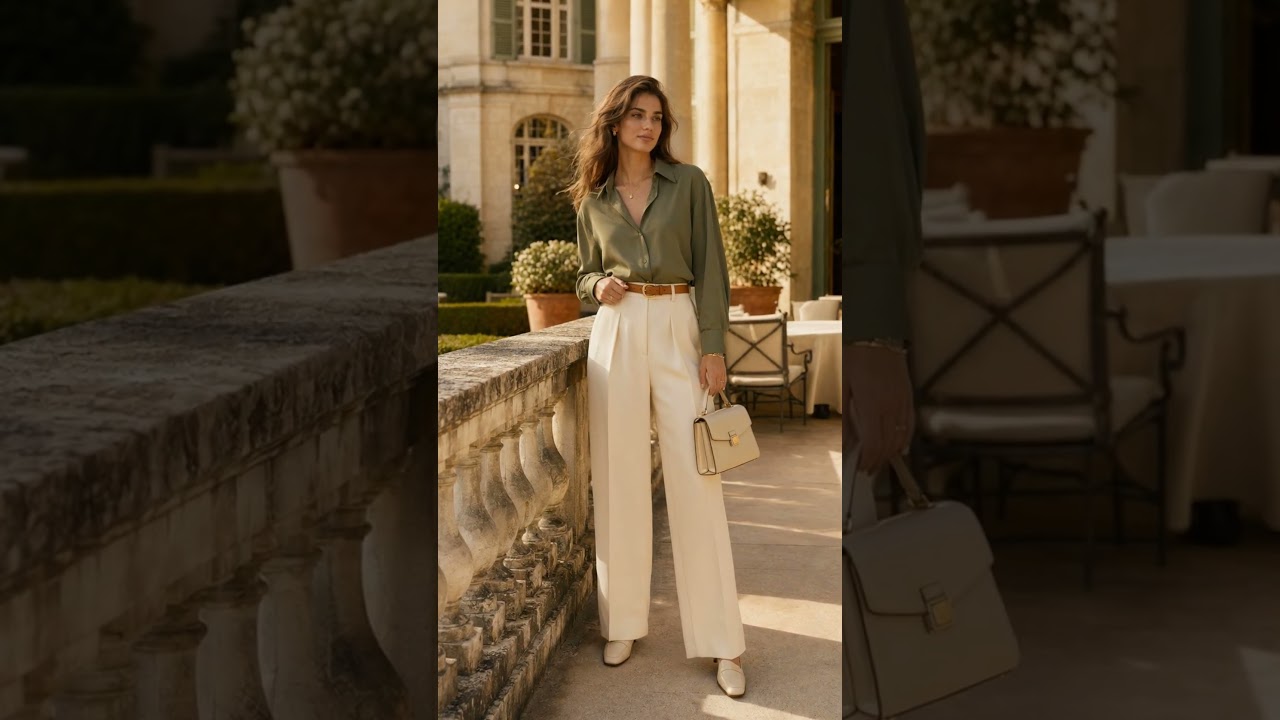
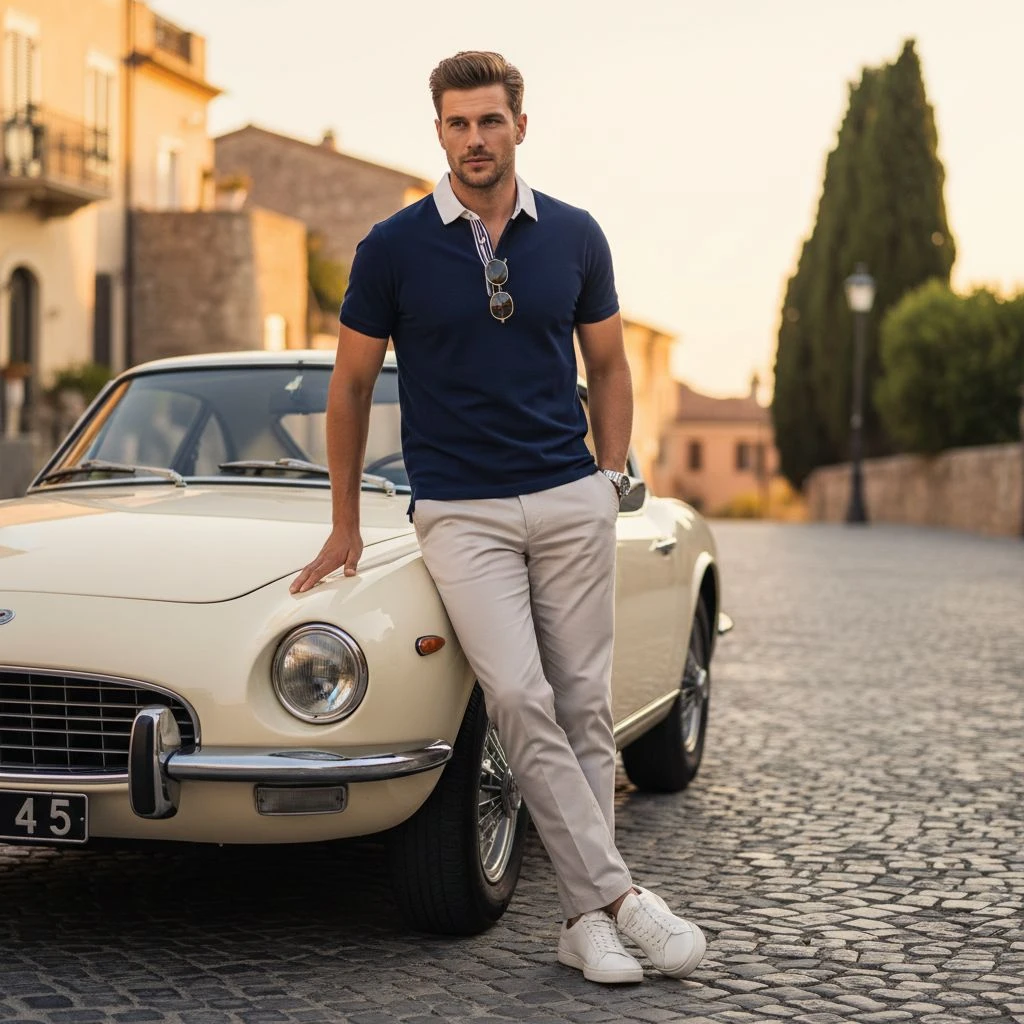
- Neutral Color Palette: Built around old money colors like cream, beige, navy, and camel.
- Quality Over Quantity: Valuing design choices that offer durability and craftsmanship.
=> Related Article: Old Money Fashion Women’s Color Combos – Top 6 That Look Instantly Elegant
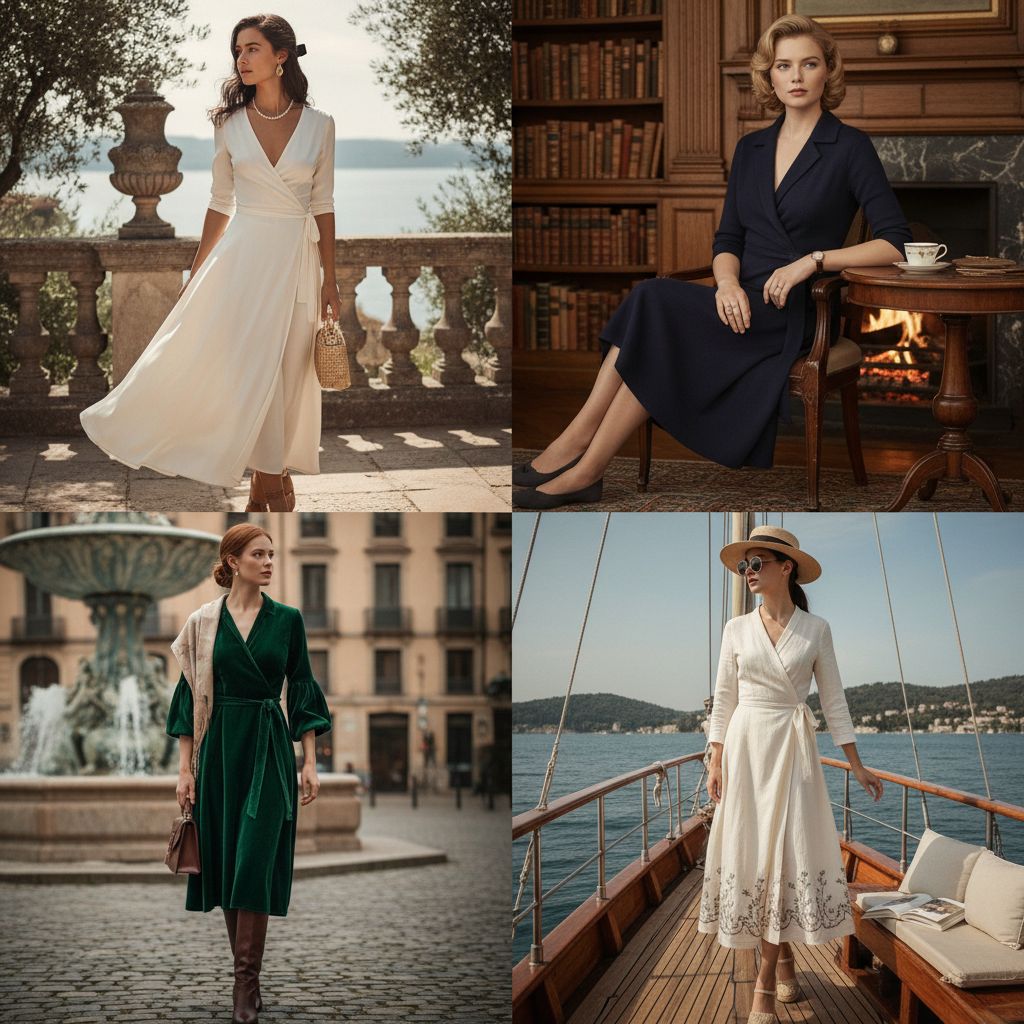
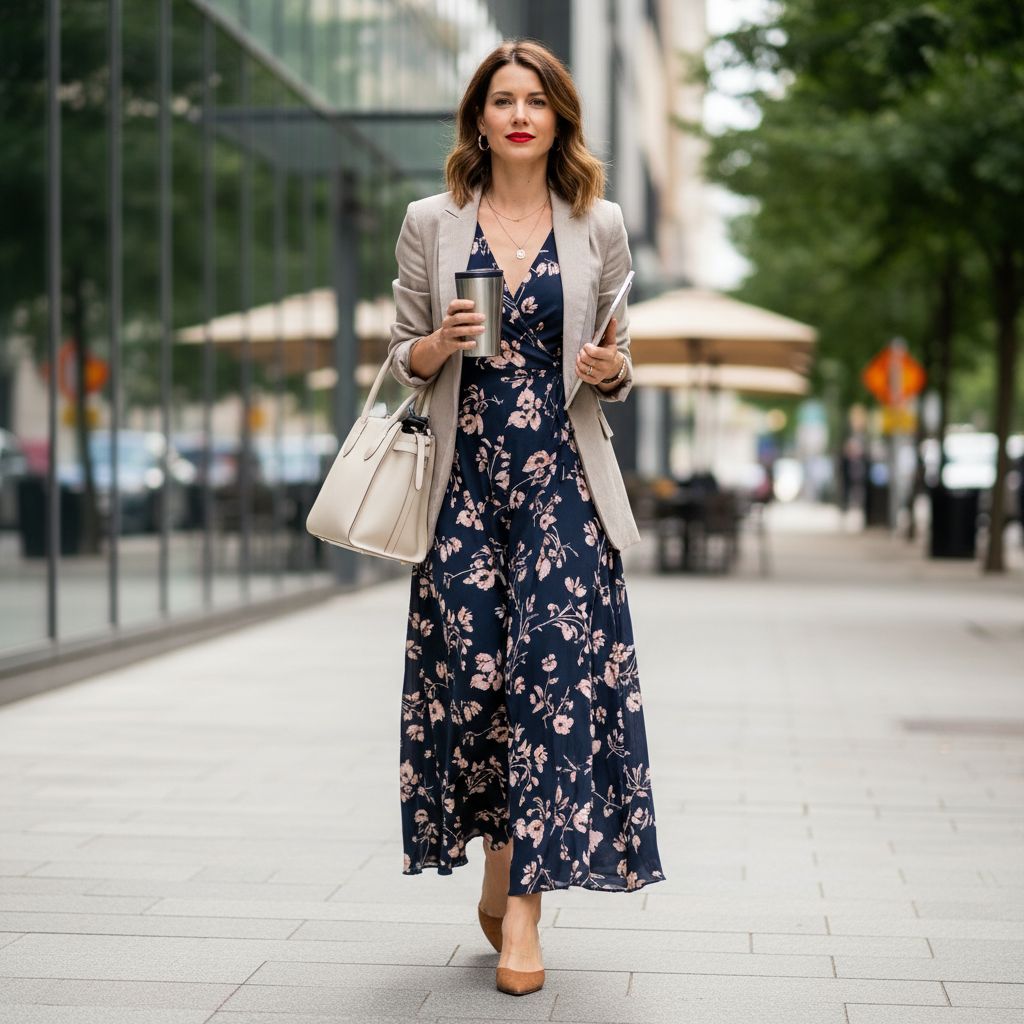
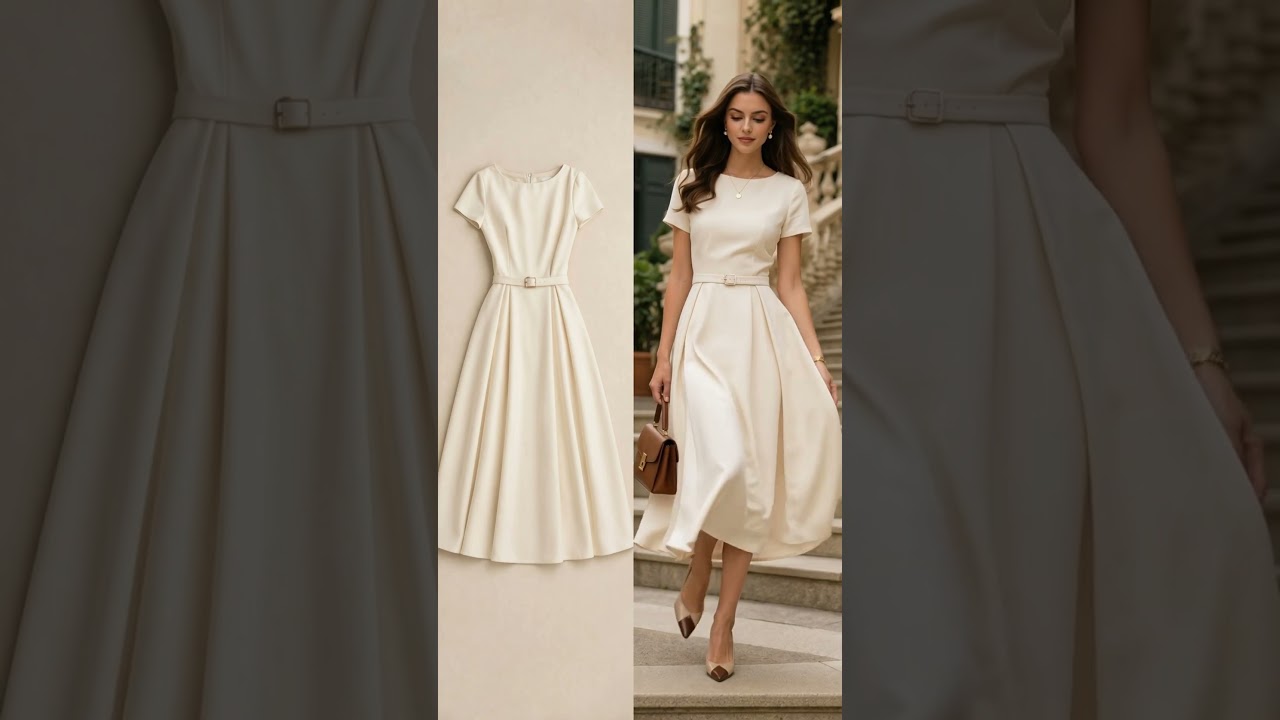
The aesthetic values timeless clothing, clean tailoring, balanced colors, useful accessories, and materials that look and feel refined. It favors quality over quantity and personal confidence over visible status – Classic wrap dress for timeless female fashion
A. Clothes: Timeless Clothing Over Fast Trends
Old money wardrobes are built around pieces that remain wearable across many seasons. Common examples include:
- White shirts
- Navy blazers
- Trench coats
- Straight-leg trousers
- Fine-knit sweaters
- Simple dresses
- Leather loafers
These garments may be updated slightly over time, but their basic shapes rarely disappear from fashion.
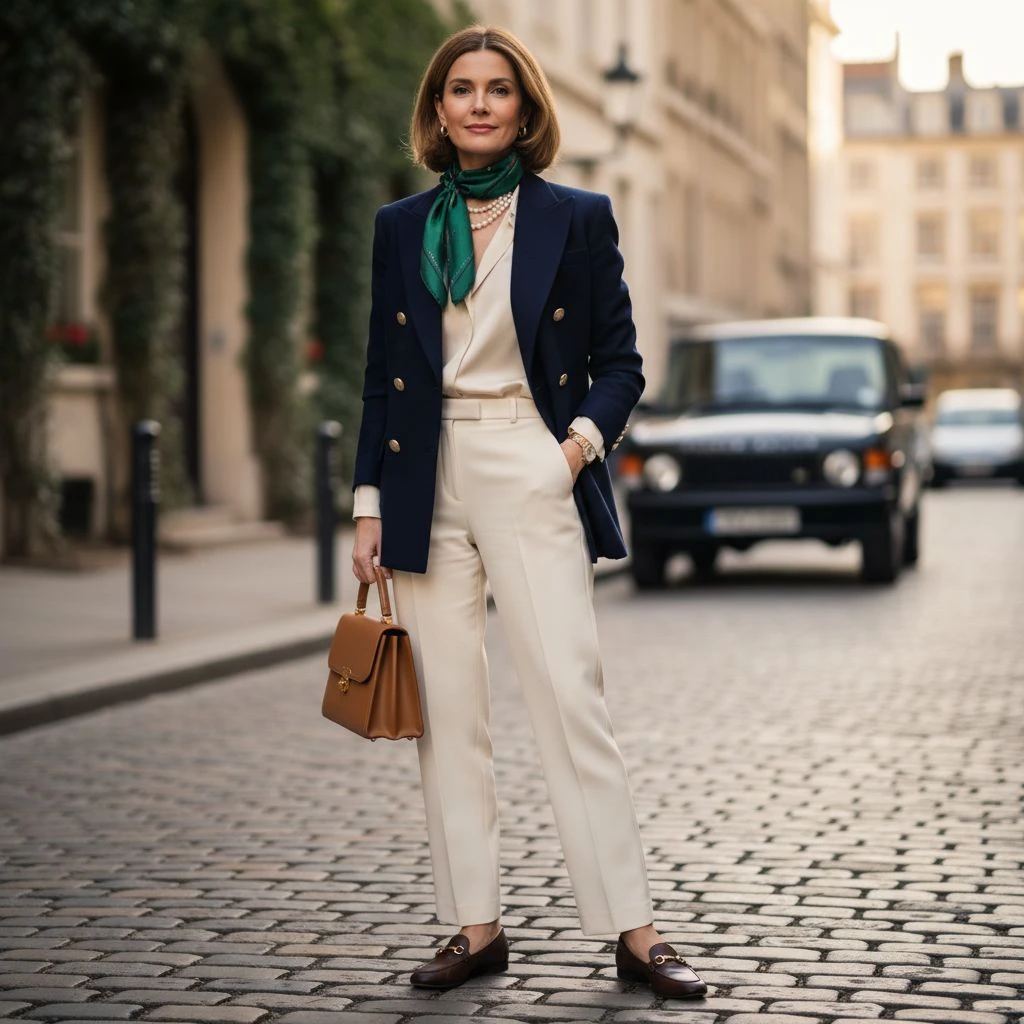
The best old money outfits do not look copied from a trend board. They look natural, appropriate, and well considered.
B. Colors: A Calm Color Palette

Old money colors are usually soft, natural, and easy to combine. Popular shades include:
- Cream
- Beige
- White
- Navy
- Camel
- Brown
- Burgundy
- Olive
- Grey
- Black
These colors allow clothing to mix easily and help create a wardrobe that feels consistent. Patterns are usually simple. Stripes, checks, herringbone, and subtle plaids are more suitable than loud graphics.
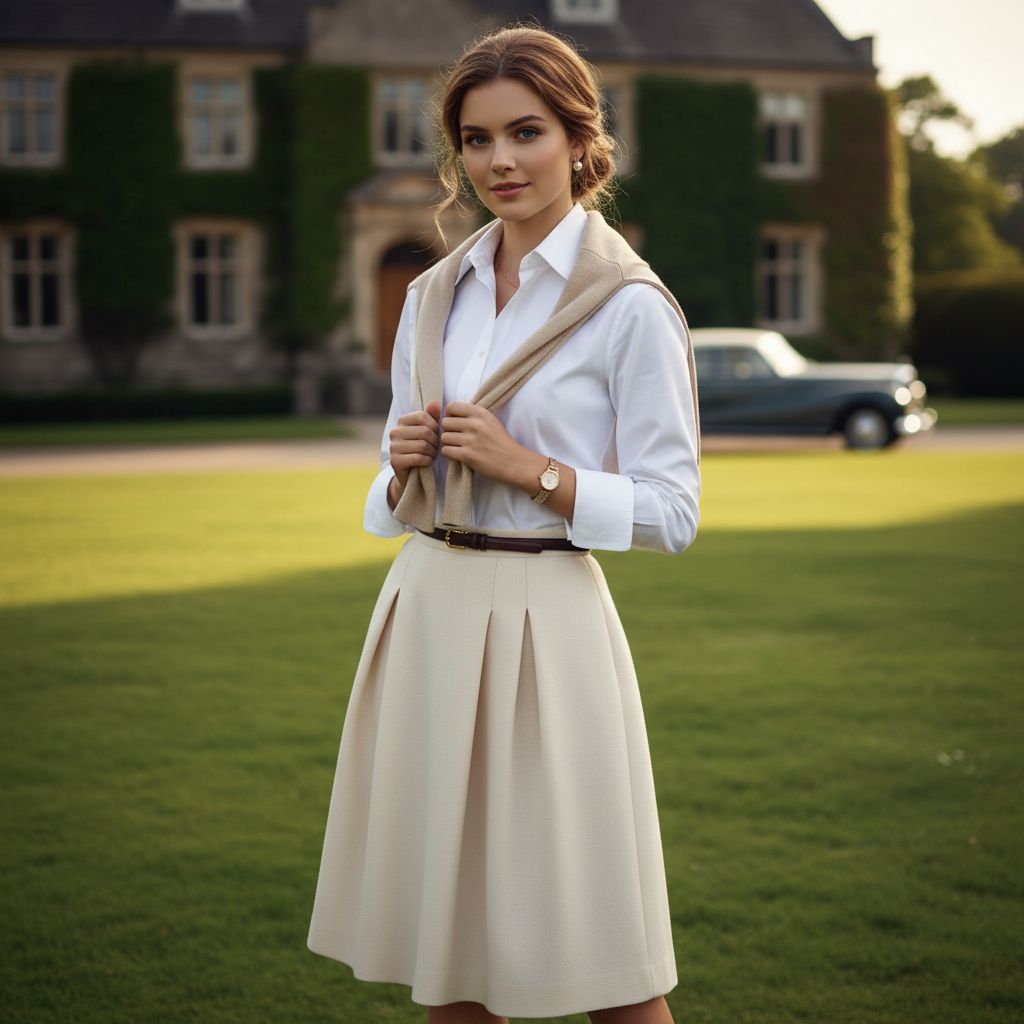
A reasonably priced garment with a good fit and clean finish may look better than a luxury item that does not suit the wearer
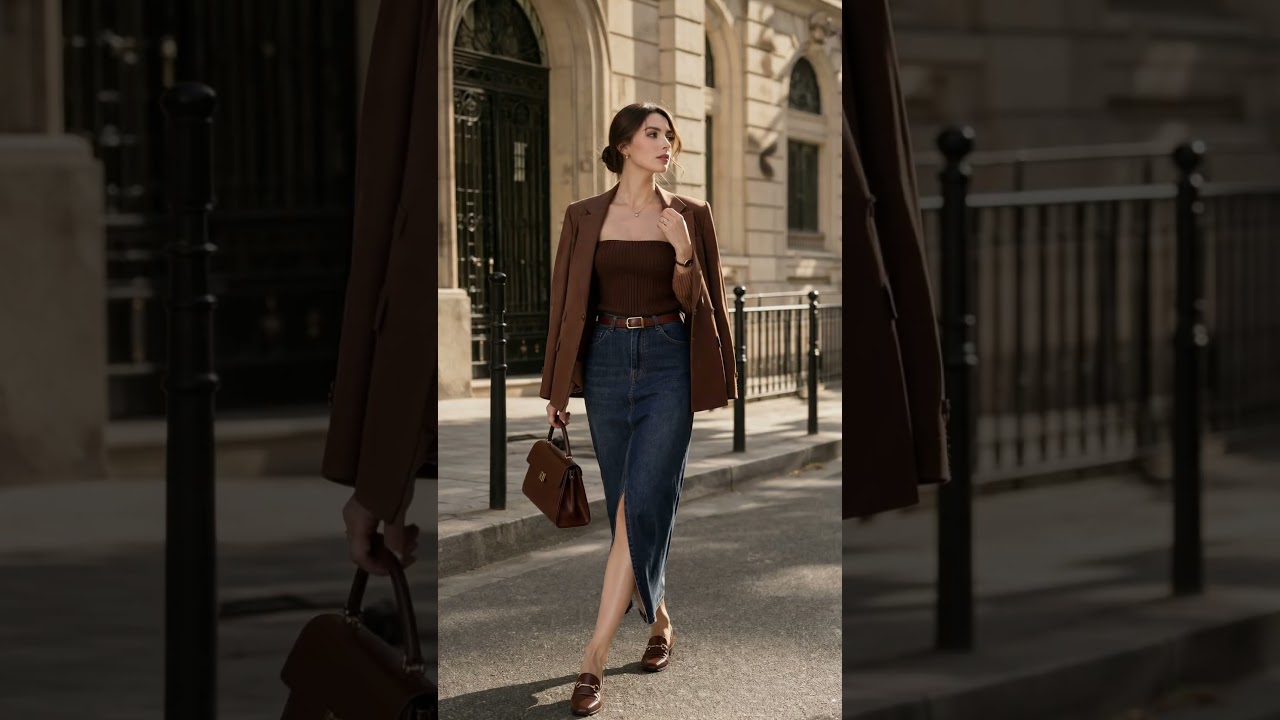
C. Styling Rules: Clean Tailoring, Structure and Quality Over Quantity
Clean Tailoring, Structure:
Fit is one of the most important parts of the aesthetic. Clothing should follow the body without appearing too tight. Jackets should sit neatly on the shoulders, trousers should fall cleanly, and dresses should create shape without becoming restrictive. Oversized clothing can still work, but it should look intentional rather than careless.
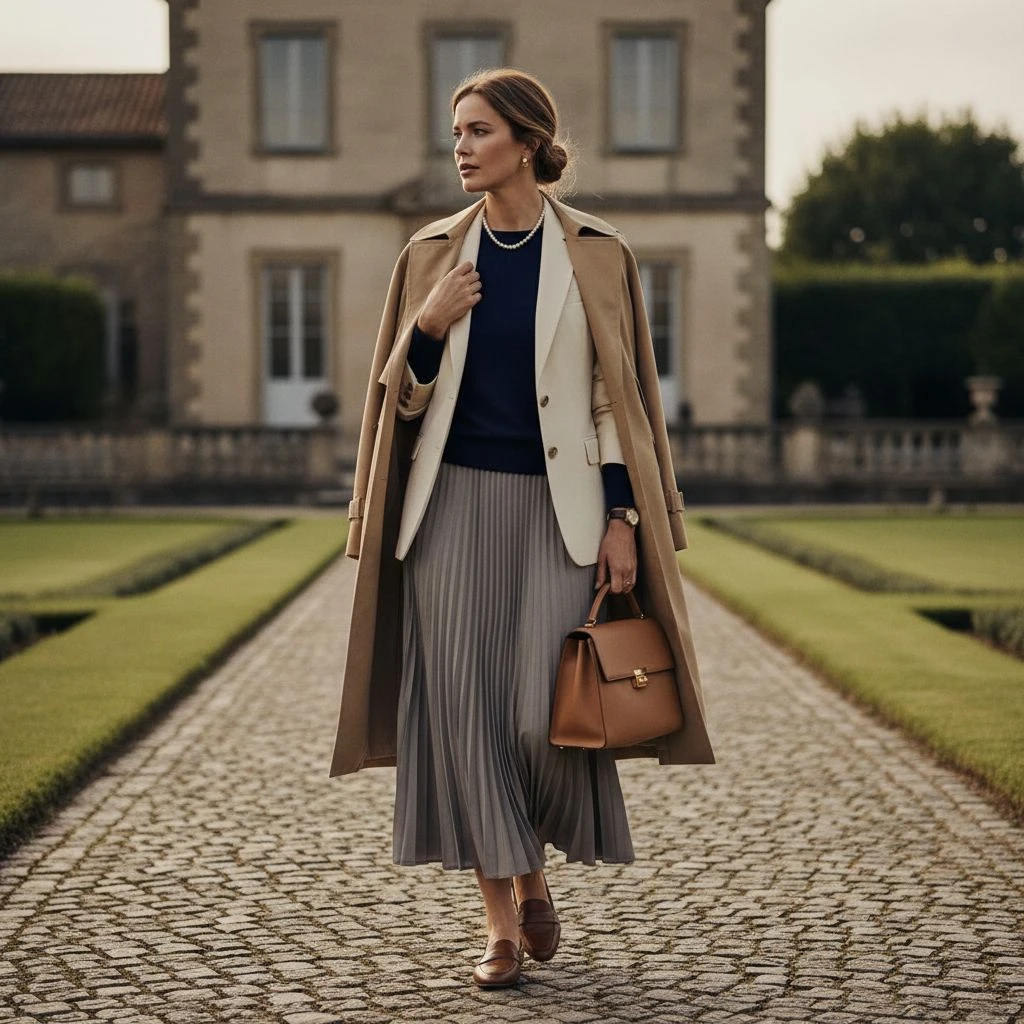
Using two or three coordinated colors usually creates a more refined result than combining many strong shades.
Quality Over Quantity:
A large wardrobe does not automatically create good style. Old money dressing usually places more value on a smaller number of versatile pieces. Each garment should fit well, work with several outfits, and remain useful over time. Durability, stitching, fabric, and
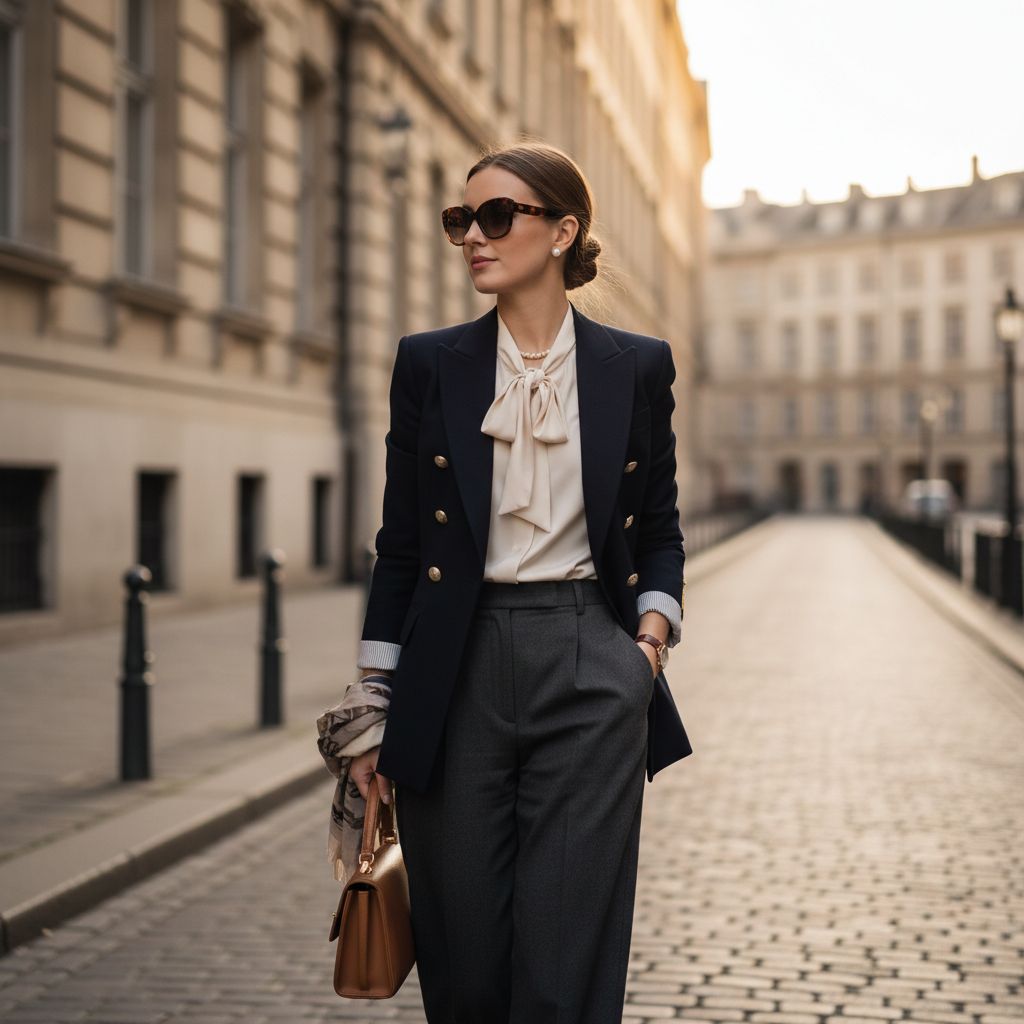
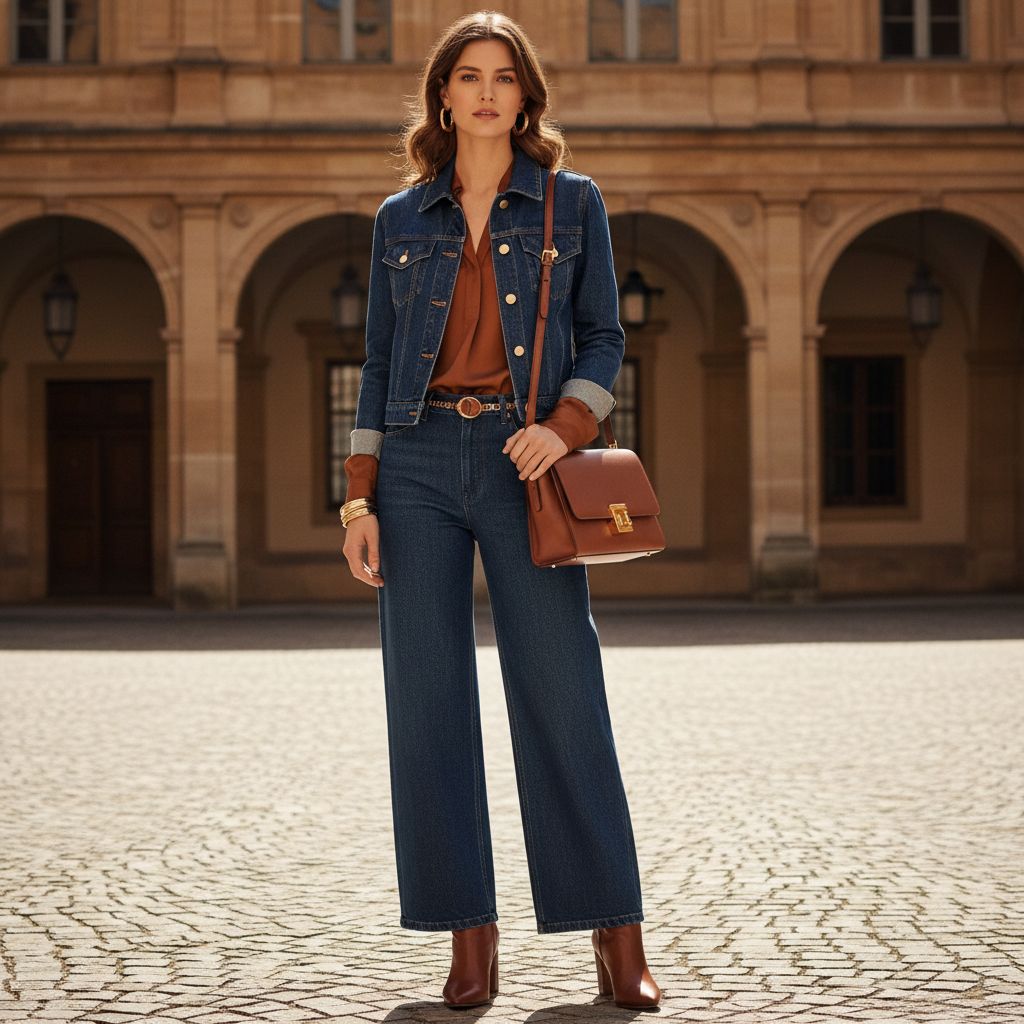
Fit should be checked before color, branding, or accessories. – Women wearing tailored blazer in old money style
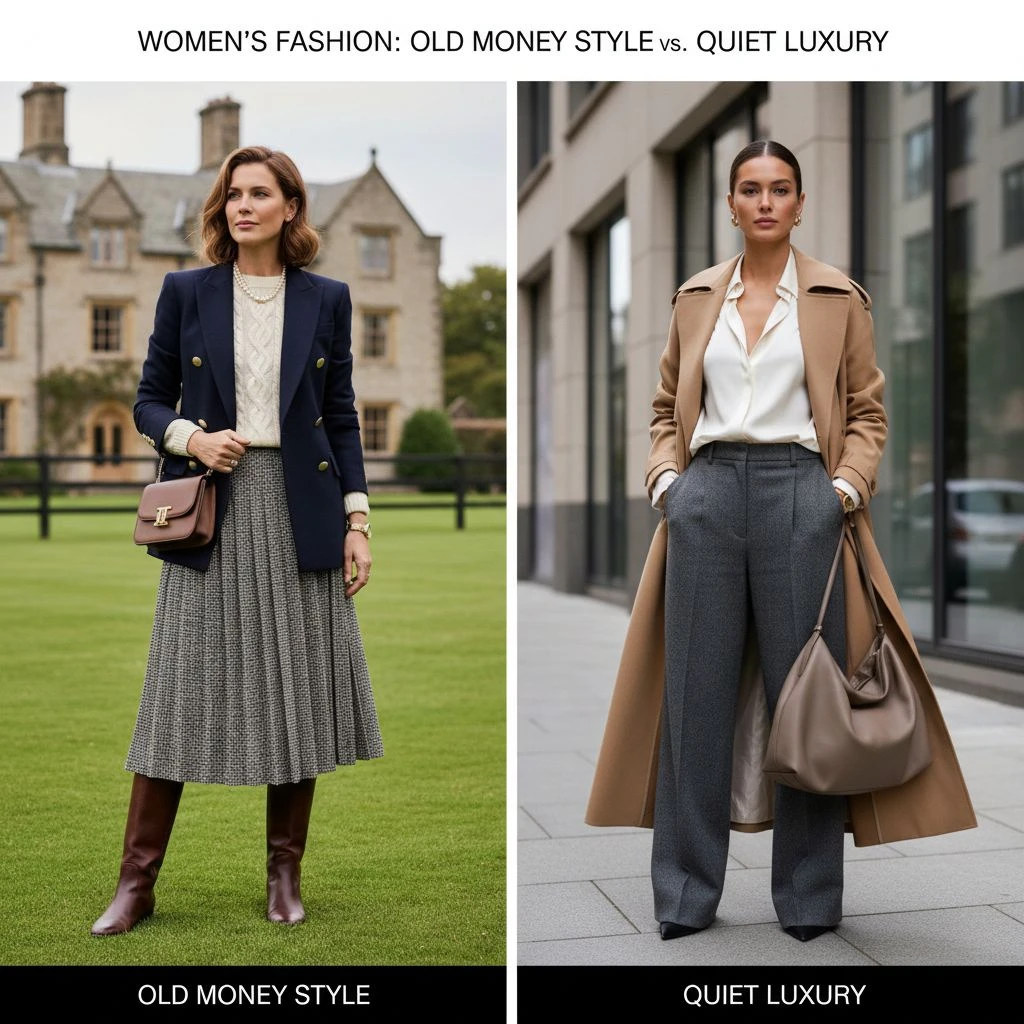
Old Money Style vs. Quiet Luxury
Old money style pull more from tradition and heritage staples such as loafers, silk scarves, tailored outerwear, and striped shirting. Quiet luxury is usually more modern and flexible, focusing on “less, but better.”
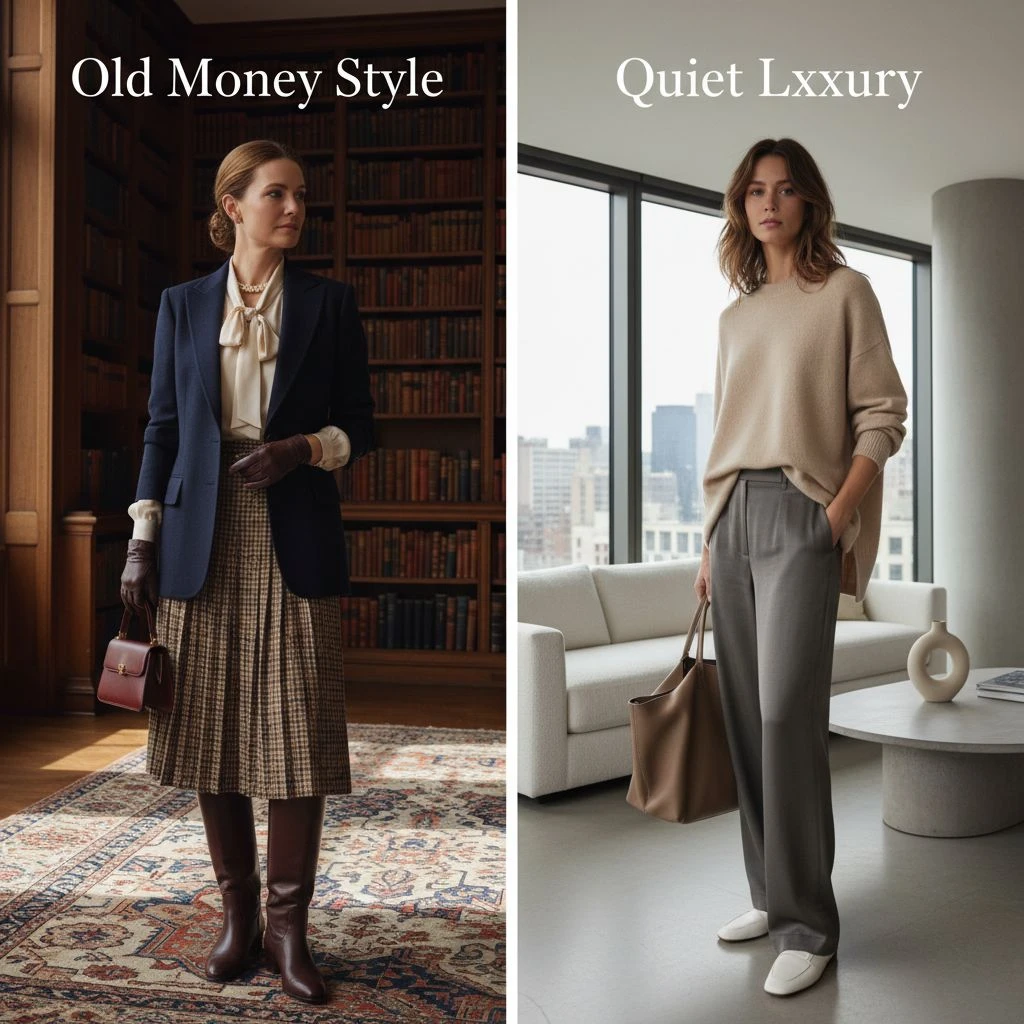
Old money style is not really about dressing rich. It is about dressing with care.
Old Money Style
Old money fashion draws more heavily from tradition and heritage.
It often includes pieces such as:
- Tailored blazers
- Oxford shirts
- Loafers
- Trench coats
- Pleated trousers
- Silk scarves
- Cable-knit sweaters
- Structured handbags
The look may be influenced by school uniforms, traditional tailoring, country clothing, or classic resort wear.
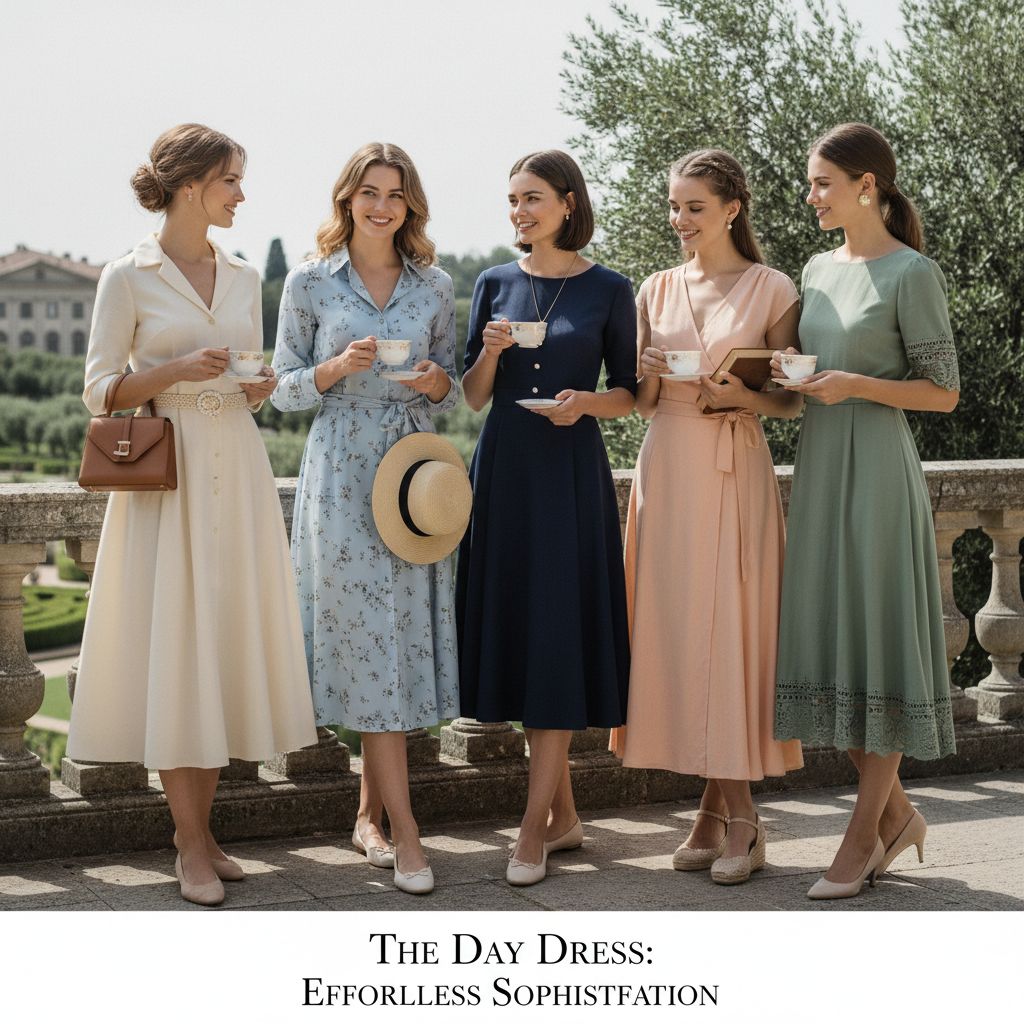

Fine knitwear adds softness and texture without making an outfit look bulky
Quiet Luxury
Quiet luxury is usually more modern and minimal. It focuses on high-quality pieces without obvious branding. The silhouettes may be cleaner, softer, and more contemporary than traditional old money outfits. Quiet luxury often follows the idea of buying fewer but better garments.
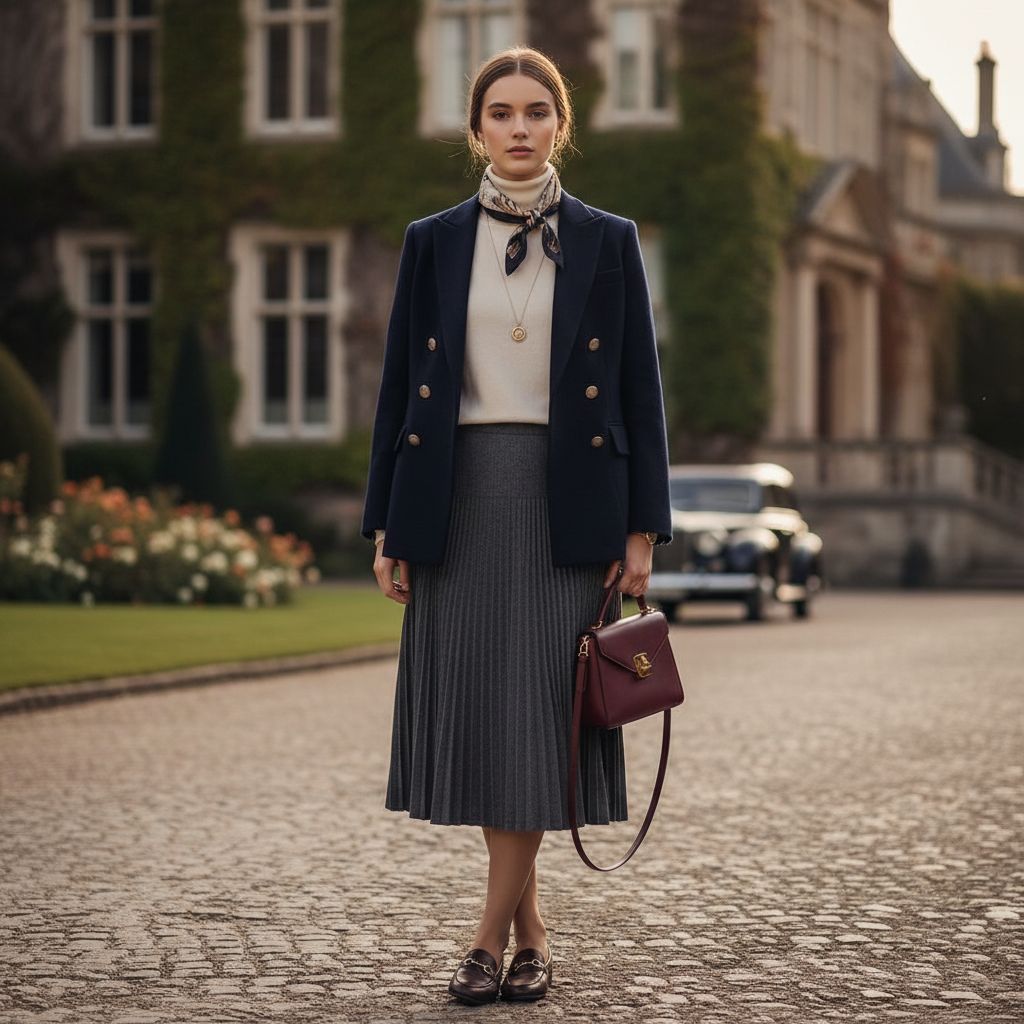
The foundation of the old money style is not the price of the clothing. It is the combination of fit, fabric, proportion, and restraint. – Quiet luxury and understated elegance styling
The Main Difference
Old money style is more connected to heritage and tradition. Quiet luxury is broader and more modern. In practice, the two aesthetics often overlap. Both favor quality, subtle colors, good construction, and clothing that does not depend on visible logos.
Old money colors are usually soft, natural, and easy to combine
How to Dress in the Old Money Aesthetic
Start with fit first. Avoid loud branding and instead mix textures like cotton, linen, silk, and wool to create depth. It is also about choosing the right outfit for the moment, ensuring your look is always controlled and appropriate.

Fit is one of the most important parts of the aesthetic – The essential little black dress for elegant ladies
Conclusion / Final Words
At its core, the old money aesthetic values classic wardrobe staples over short-lived trends. It is a fashion approach that feels refined, versatile, and lasting. The best old money outfits look composed and quietly powerful. It is not about dressing rich; it is about dressing well.