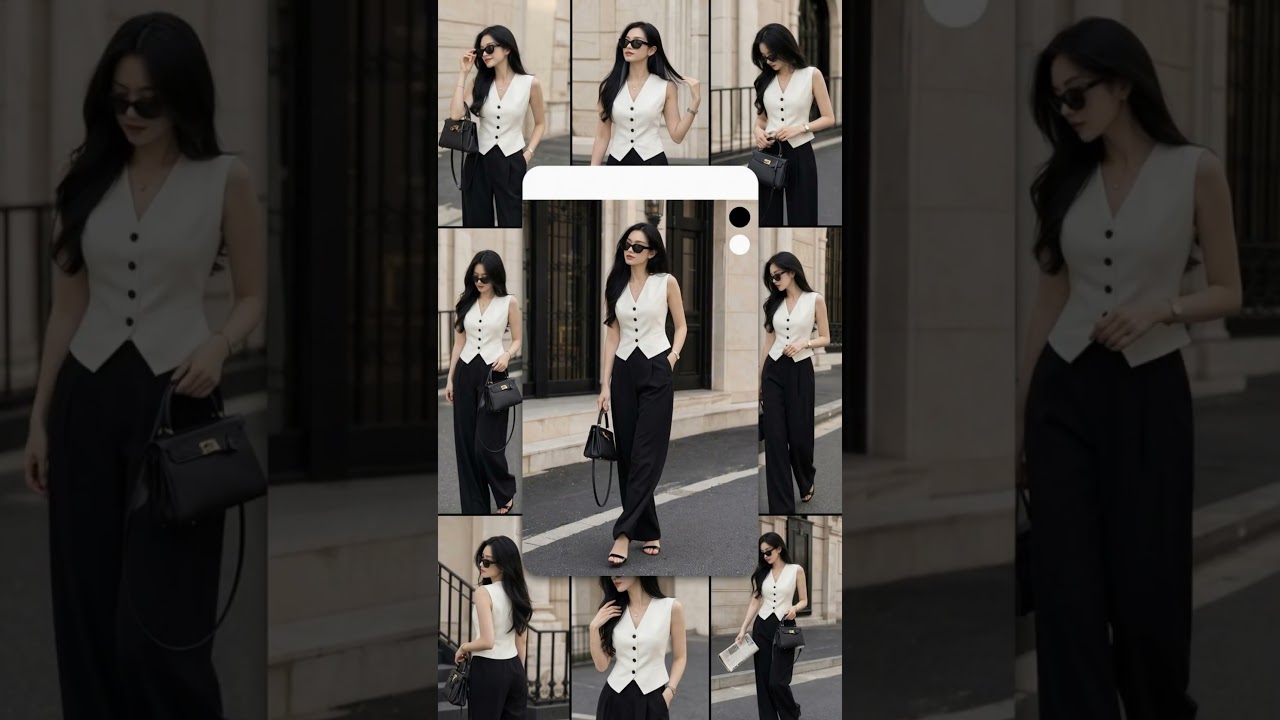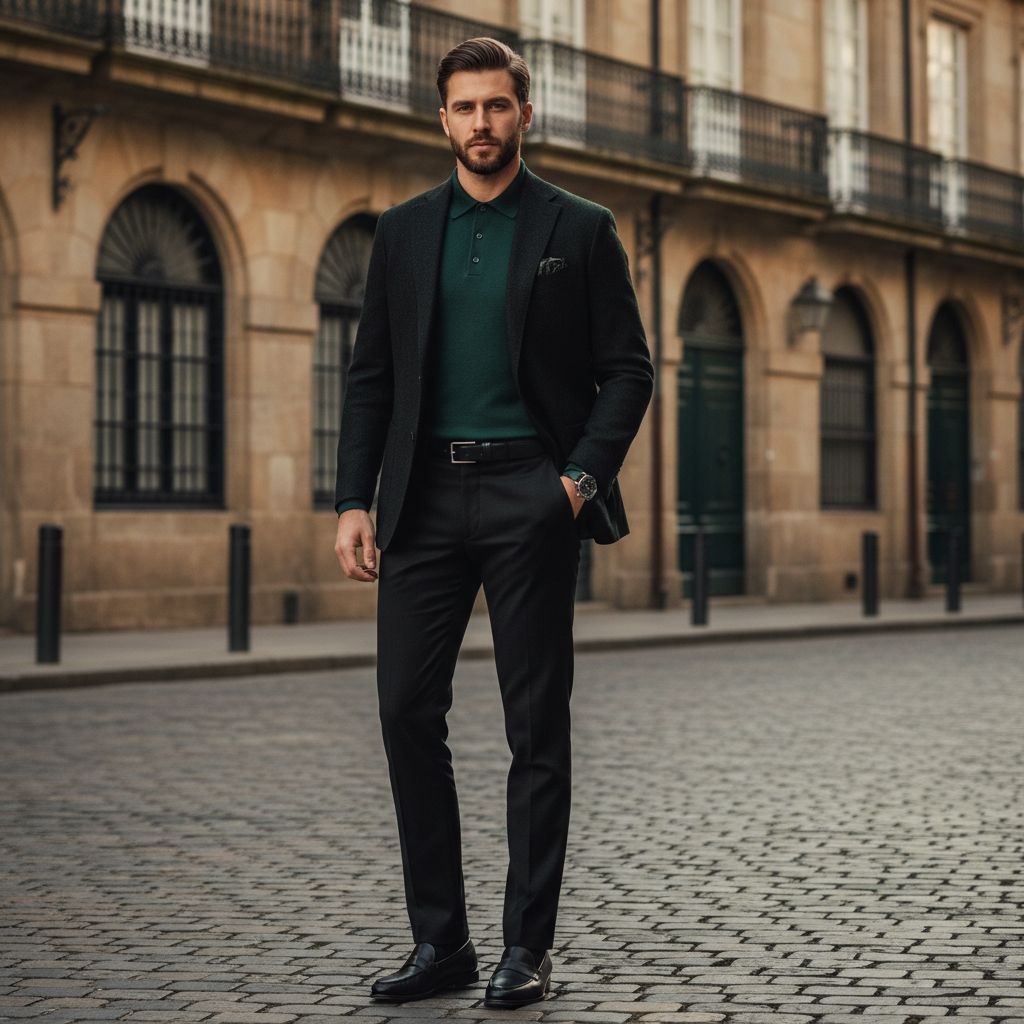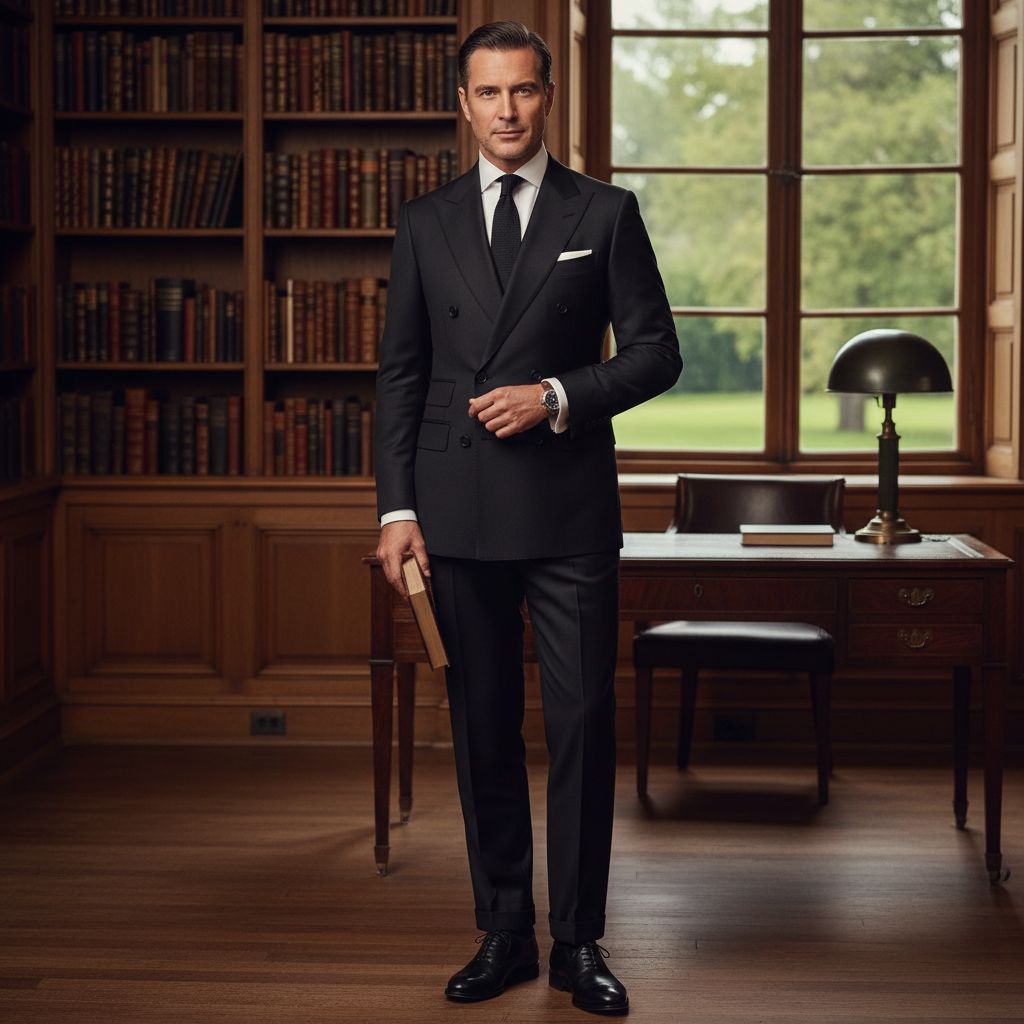
Old Money Fashion Women’s Color Combos – Top 6 That Look Instantly Elegant

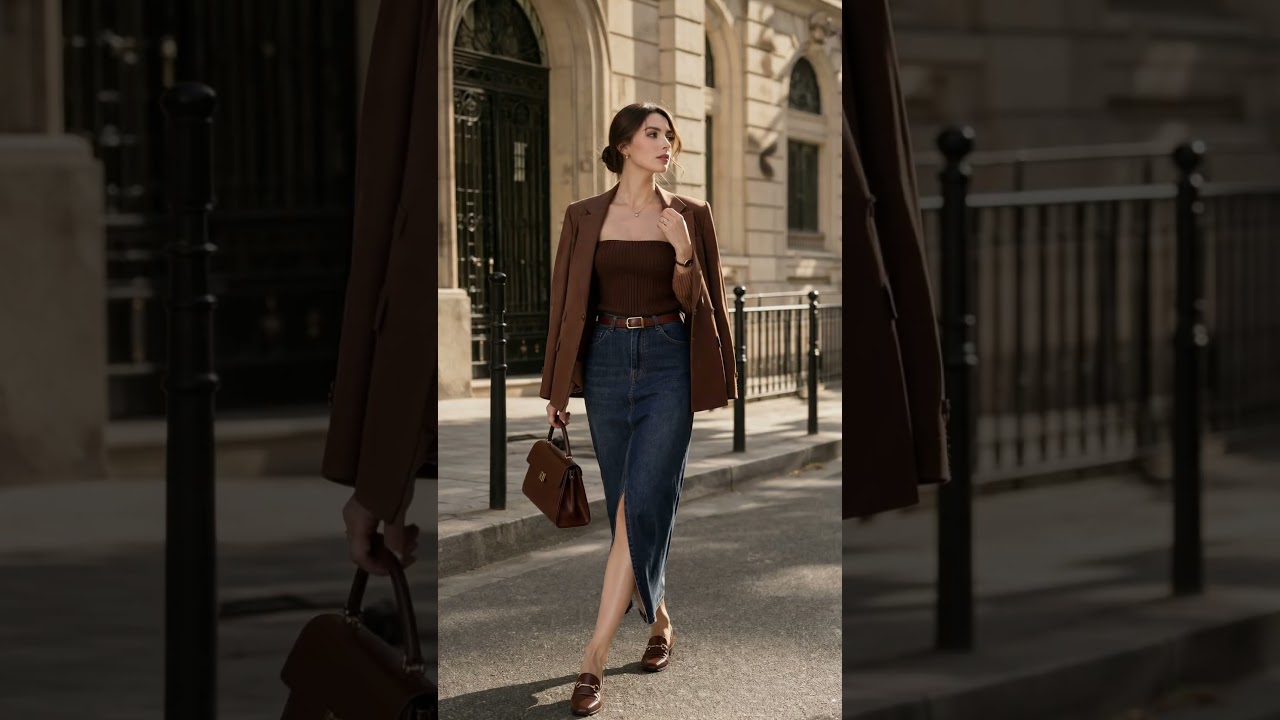
The “old money” aesthetic isn’t about flashy logos or trends. It’s about quiet confidence, refined taste, and timeless color harmony. If you look closely at classic wardrobes from Ivy League style to European tailoring you’ll notice one thing: Color combinations do most of the work. The right pairing can instantly make an outfit look more expensive, even if the fabric or design is simple. In this guide, we’ll break down 6 old money color combinations that consistently deliver a polished, elegant look and how to use them effectively.
What Makes a Color Combo Look “Old Money”?
The old money aesthetic is built on restraint. It favors colors that feel mature, natural, and timeless. These tones support the overall outfit and let the quality of the fabric, cut, and styling speak for itself. They often borrow from nature, such as cream, olive, navy, burgundy, and brown, creating a sense of harmony. Common colors include:
- Navy
- Cream
- Beige
- Chocolate brown
- Olive
- Burgundy
- White
- Soft blue
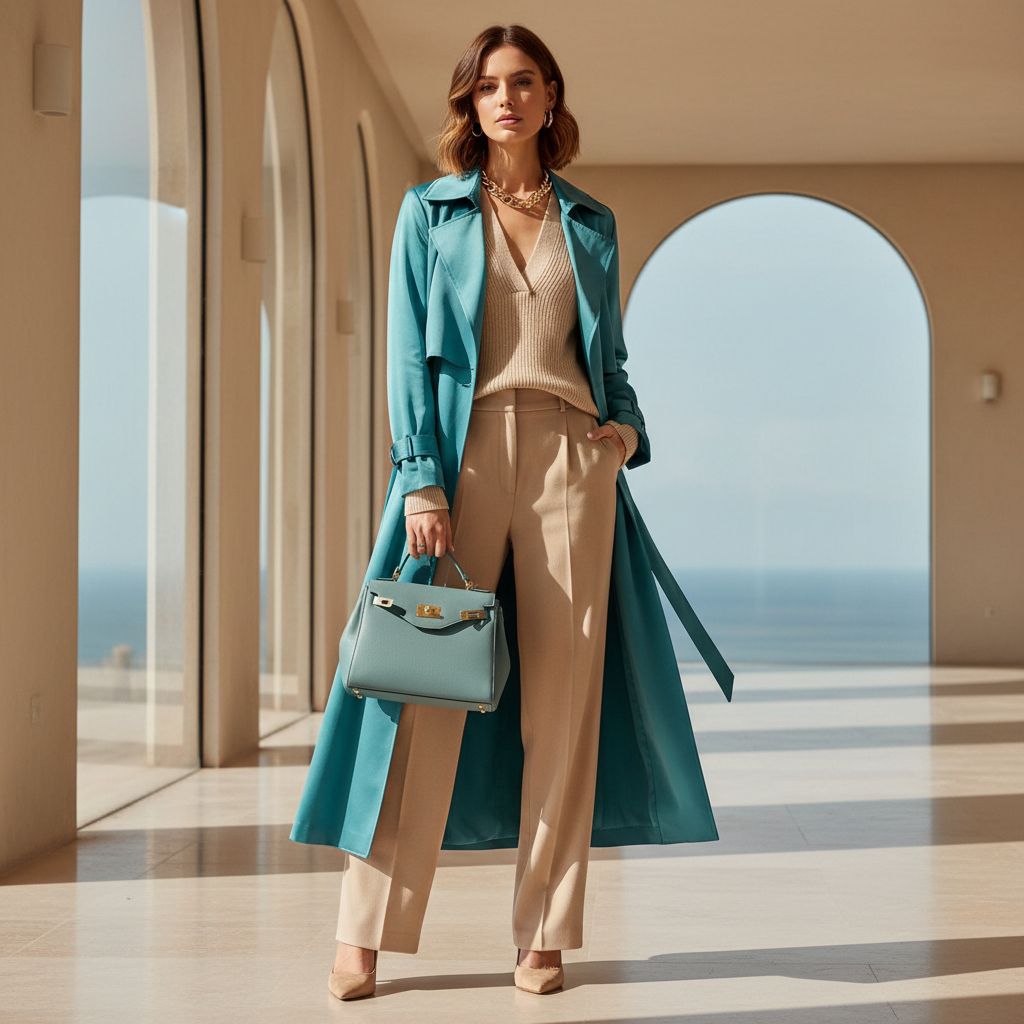
Many of these shades are inspired by nature and traditional menswear or womenswear. They are easy to combine and allow the quality of the fabric, fit, and construction to stand out.
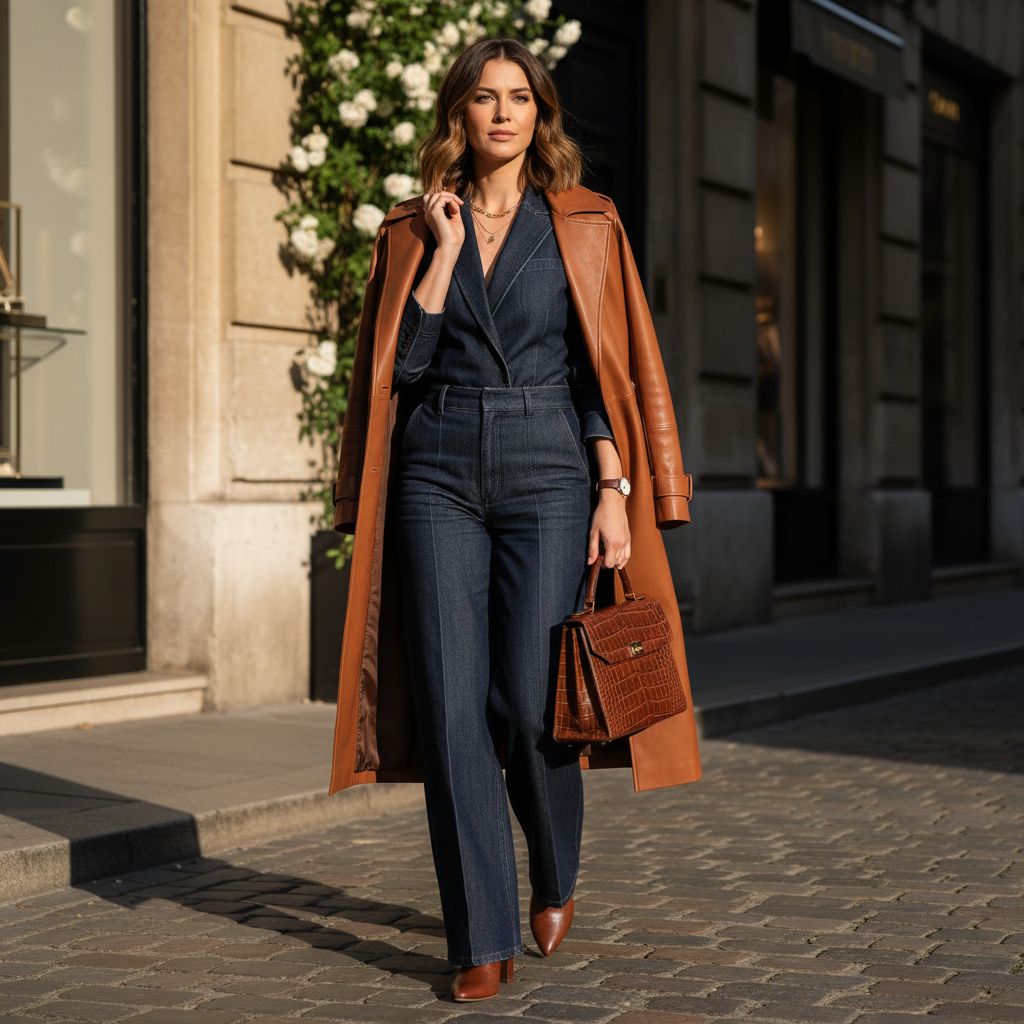
However, color alone cannot create an elegant outfit. Poorly fitted clothing will still look untidy, even when the palette is beautiful. The strongest old money outfits combine balanced colors with clean tailoring, suitable fabrics, and simple accessories.
Why Color Pairing Matters in Elegant Dressing
A good color combination can shape the whole mood of an outfit, making it look sharper and more intentional. It also helps build a practical capsule wardrobe where pieces are easy to mix and match. While these combinations are powerful, they work best when paired with clean silhouettes and quality materials.
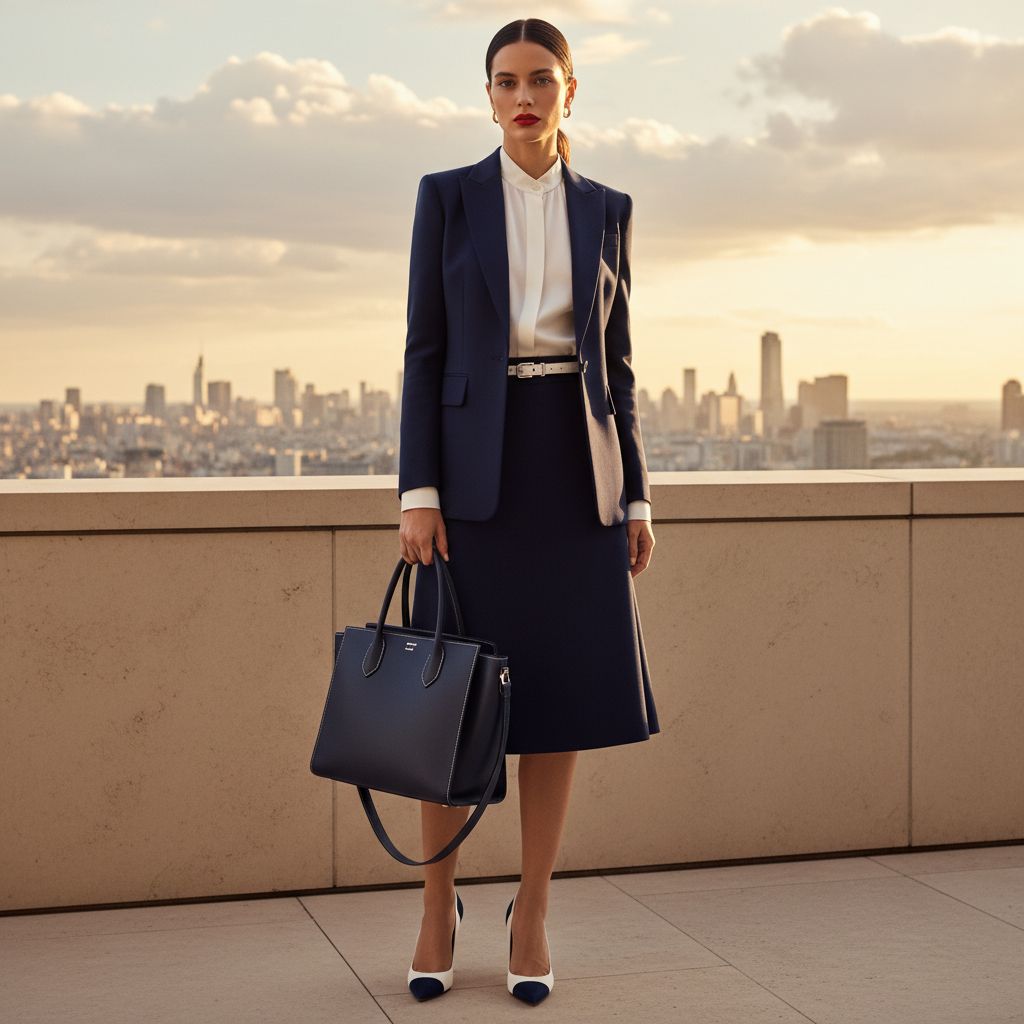
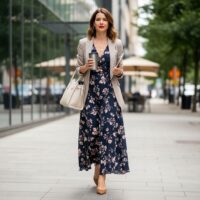
Good color combinations also make a wardrobe more practical. When most pieces share a similar palette, shirts, trousers, jackets, knitwear, and accessories become easier to mix and match.
This is one reason old money wardrobes often appear simple. They do not necessarily contain more clothing. They contain pieces that work well together.
6 Old Money Color Combinations
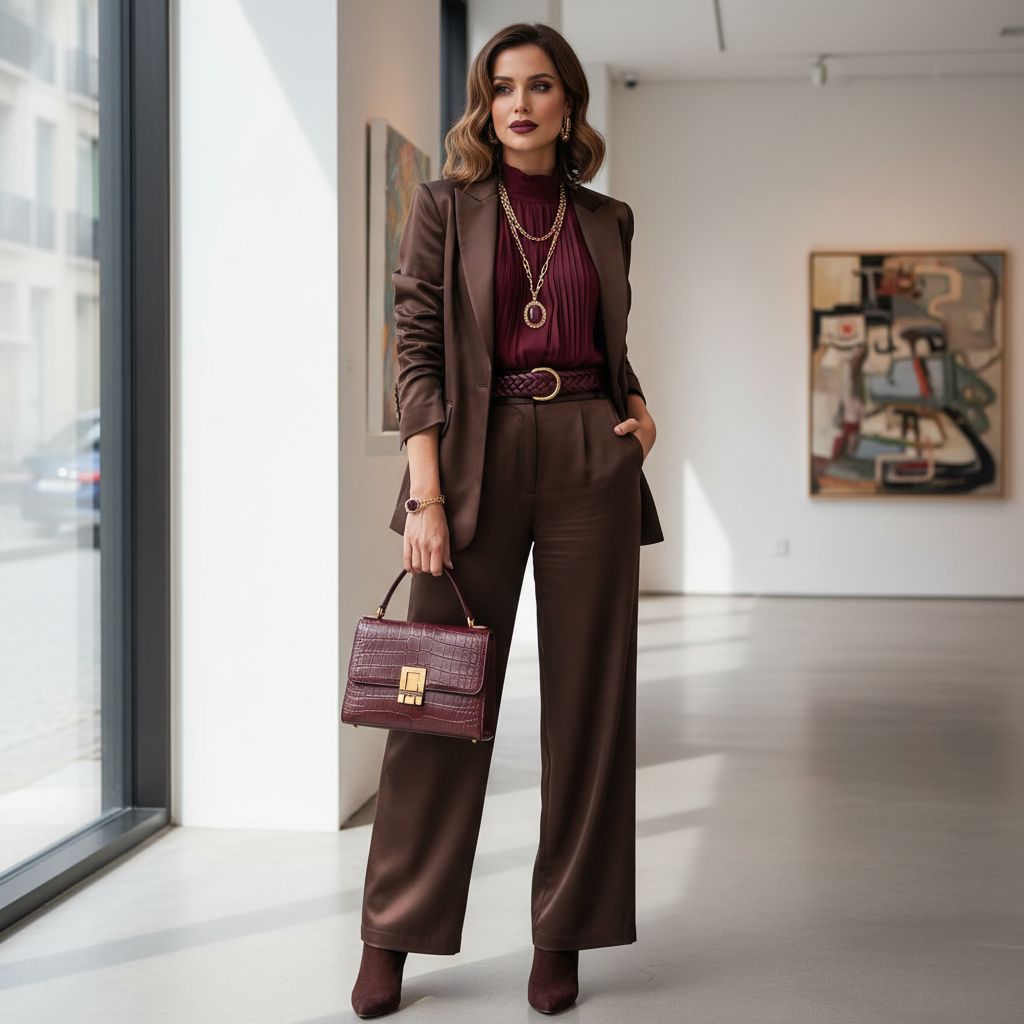
1. Chocolate Brown and Burgundy
This pairing creates a deep, rich, and quietly luxurious effect. Both colors have depth, creating contrast without looking sharp. It works beautifully in tailored coats, knitwear, and leather accessories. Styling Tip: Keep tones rich and muted; a cream shirt can help keep the outfit balanced.
Both shades have depth, but they are different enough to create gentle contrast. Chocolate brown provides an earthy foundation, while burgundy adds character and sophistication.
However, color alone cannot create an elegant outfit. Poorly fitted clothing will still look untidy, even when the palette is beautiful. The strongest old money outfits combine balanced colors with clean tailoring, suitable fabrics, and simple accessories. This pairing works especially well with:
- Tailored wool coats
- Fine-knit sweaters
- Corduroy trousers
- Leather shoes and handbags
- Suede jackets
- Burgundy scarves or ties
For a balanced outfit, try a chocolate brown blazer with a burgundy knit and cream trousers. A white or cream shirt can also brighten the look and prevent the darker tones from feeling too heavy. Choose muted burgundy rather than a bright red-purple shade. Deep wine tones usually look more timeless.
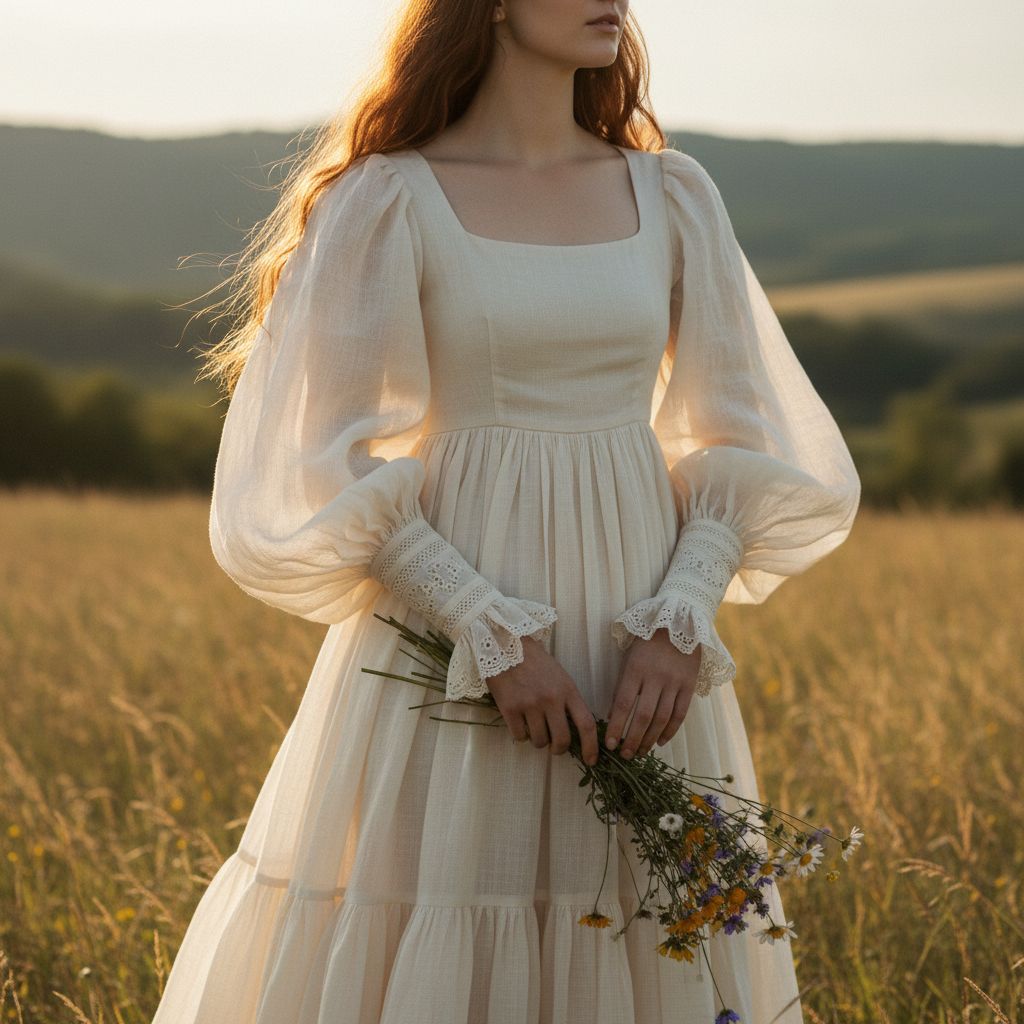
2. Khaki and Cream
Khaki and cream offer an understated, fresh elegance, especially for warm-weather dressing. Khaki adds an earthy quality while cream keeps the look clean. Fabric quality matters here—structured tailoring in linen or soft wool helps the look stay polished.
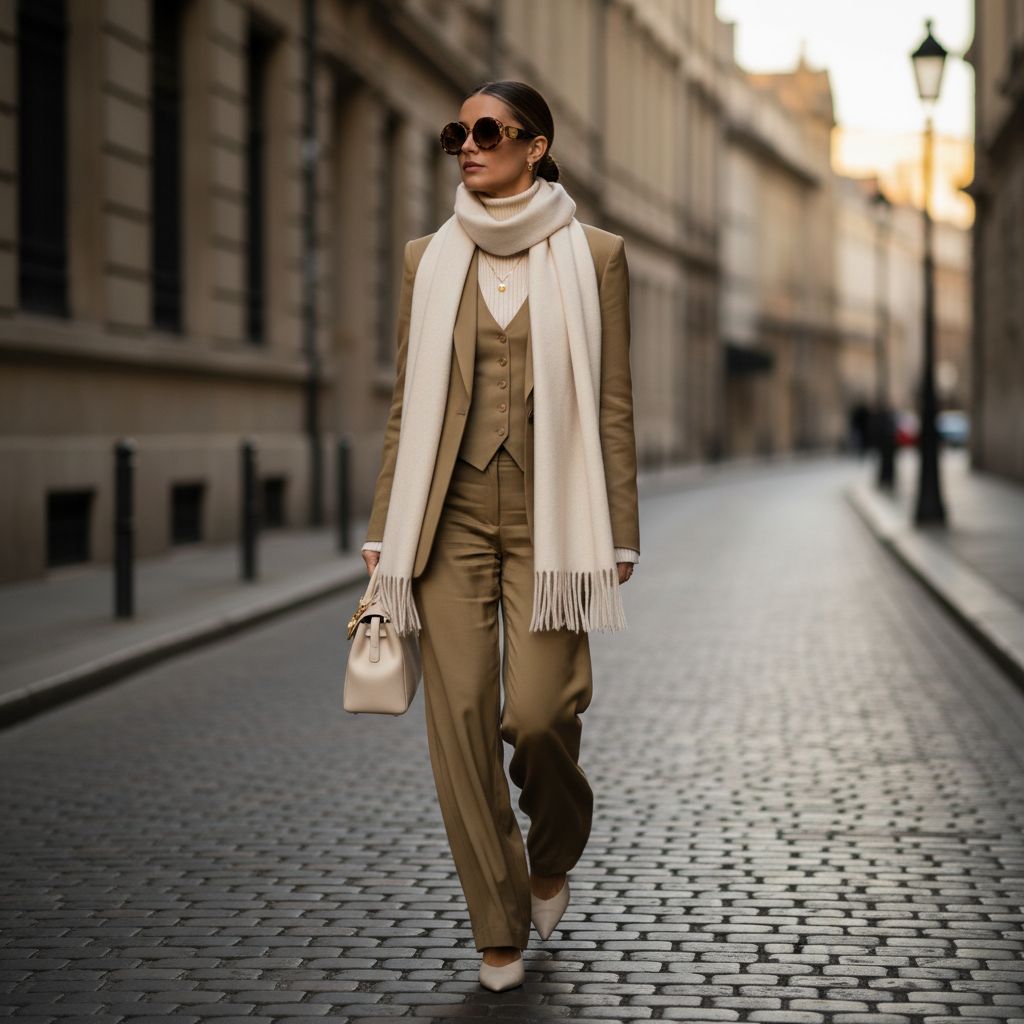
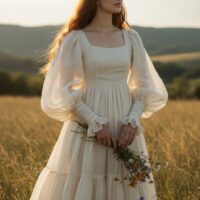
Khaki brings an earthy, practical quality, while cream adds lightness and refinement. Together, they feel less sharp than black and white but still look clean and carefully styled.
This combination is suitable for:
- Linen shirts
- Chino trousers
- Lightweight suits
- Safari-style jackets
- Polo shirts
- Pleated skirts
- Summer dresses
A cream polo with tailored khaki trousers is a simple option for everyday wear. For a more formal look, combine a cream blouse or shirt with a structured khaki blazer. Fabric quality matters with pale neutral colors. Thin, shiny, or poorly structured materials can make the outfit look flat. Linen, cotton twill, soft wool, and quality knitwear give the colors more depth.
3. Denim and Chestnut
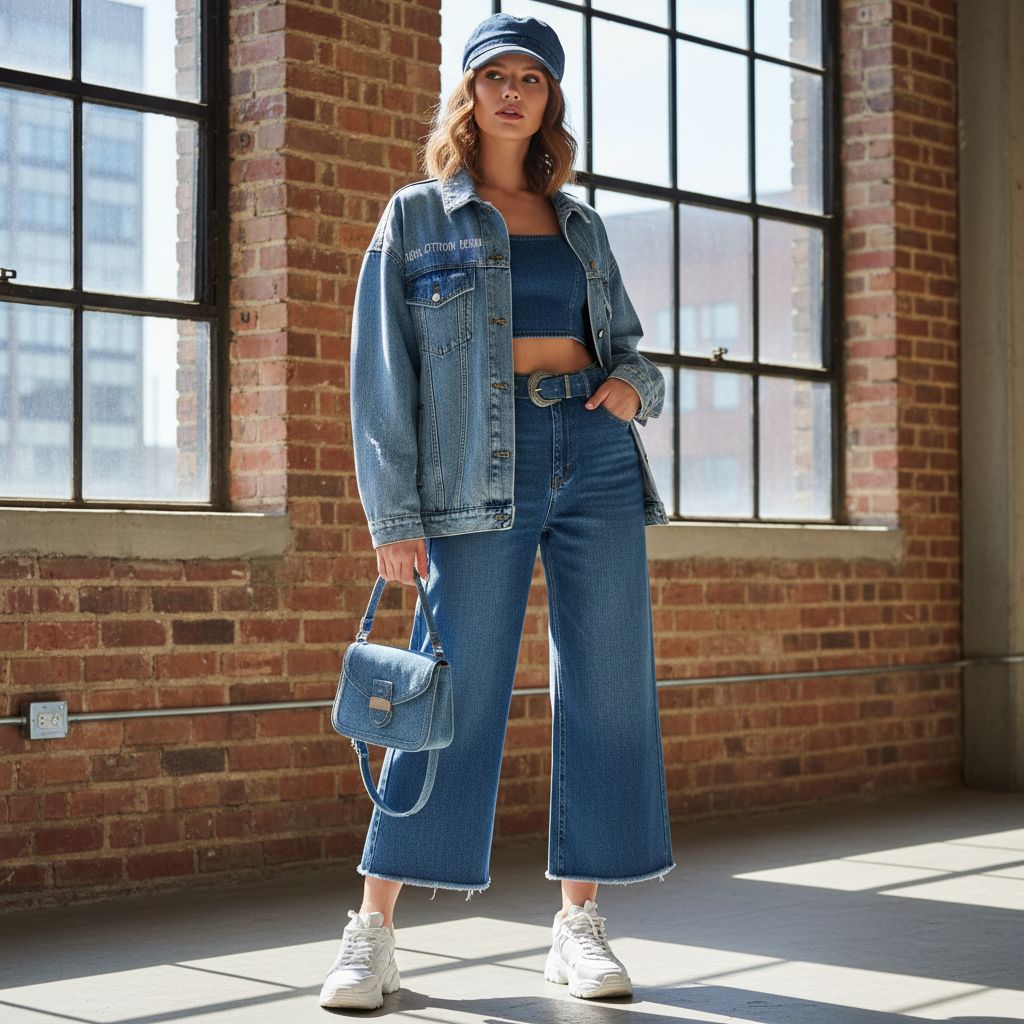
This pairing shows that elegance does not always have to look formal. Dark-wash denim provides a familiar base, while chestnut leather (on loafers or belts) adds warmth and refinement. Avoid ripped or distressed styles to support the old money mood.
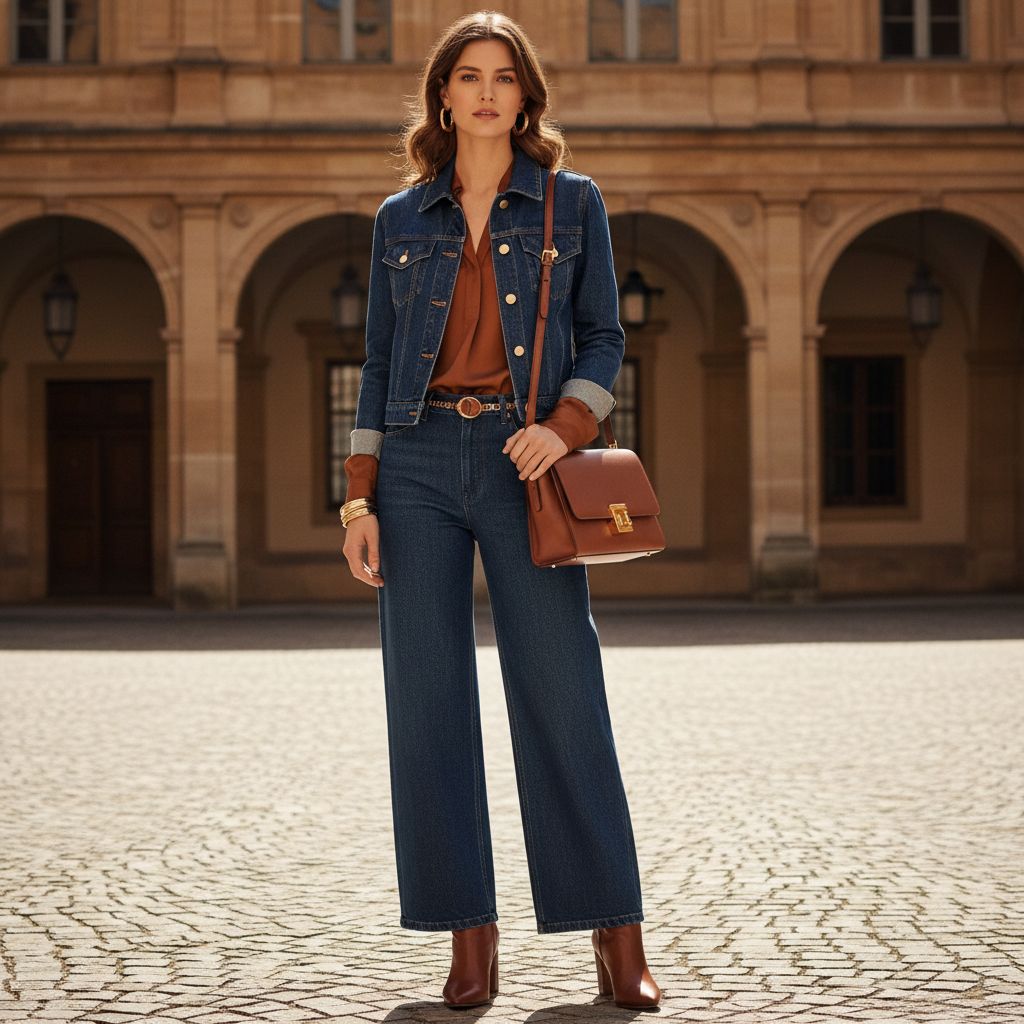
Dark-wash denim creates a clean base, while chestnut leather adds warmth. The contrast feels natural and works well for casual weekends, travel, and informal social settings.
Try pairing dark denim with:
- Chestnut loafers
- A brown leather belt
- A suede jacket
- A leather tote or handbag
- A cream Oxford shirt
- A camel or navy blazer
The condition of the denim is important. Choose a clean, dark wash with little or no fading. Ripped jeans, heavy distressing, and oversized decorative details can weaken the timeless effect. A straight or gently tapered fit will usually look more polished than an extremely tight or extremely loose cut.
4. Cyan and Beige
A breezier take on elegance. Beige provides warmth while muted cyan adds a cool touch. This works well for spring shirts and dresses. Styling Tip: Choose a dusty cyan or pale blue rather than a vivid tone to keep it timeless.

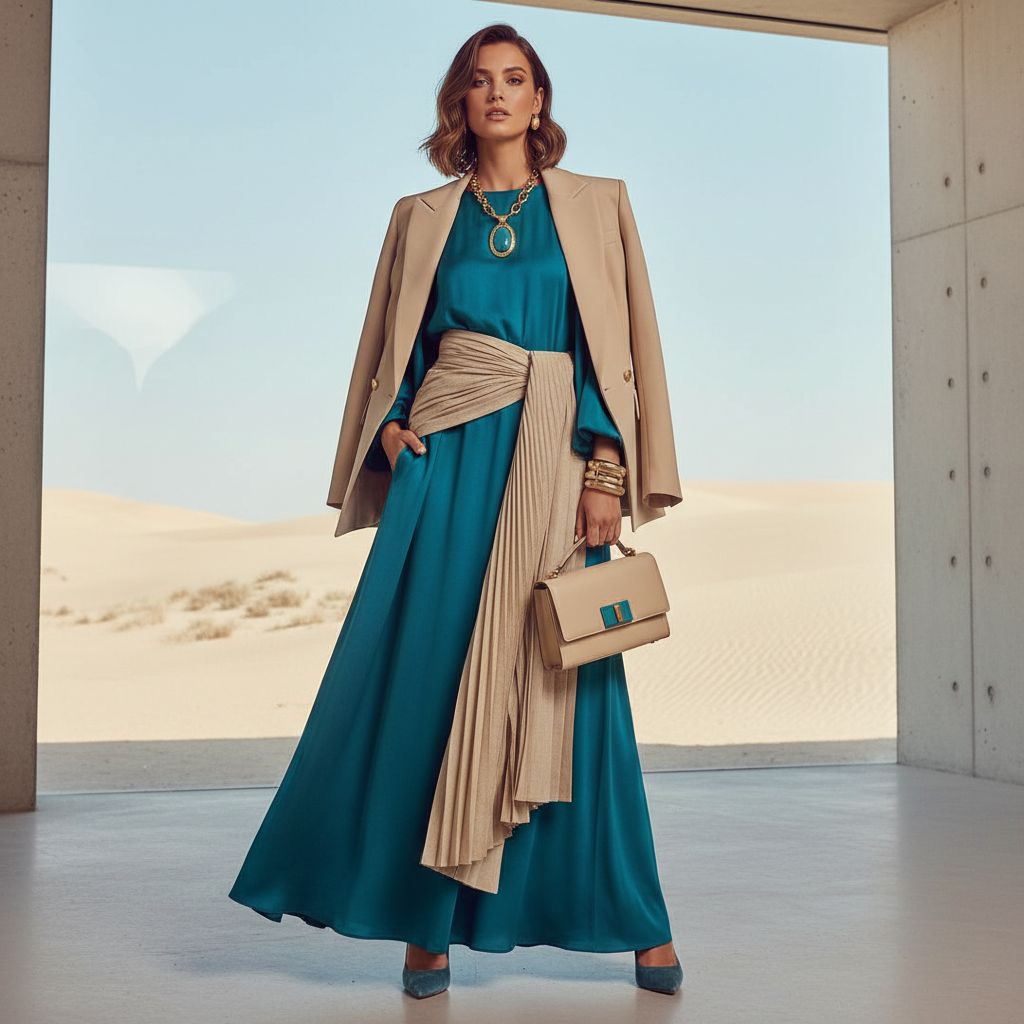
This combination works well with:
- Pale blue shirts
- Beige trousers
- Lightweight blazers
- Summer dresses
- Fine-knit cardigans
- Linen separates
For an easy outfit, wear a pale blue button-down shirt with beige tailored trousers and brown loafers. You can also add a cream sweater over the shoulders for a classic preppy finish. Avoid mixing several bright blues in one outfit. One muted blue piece is often enough.
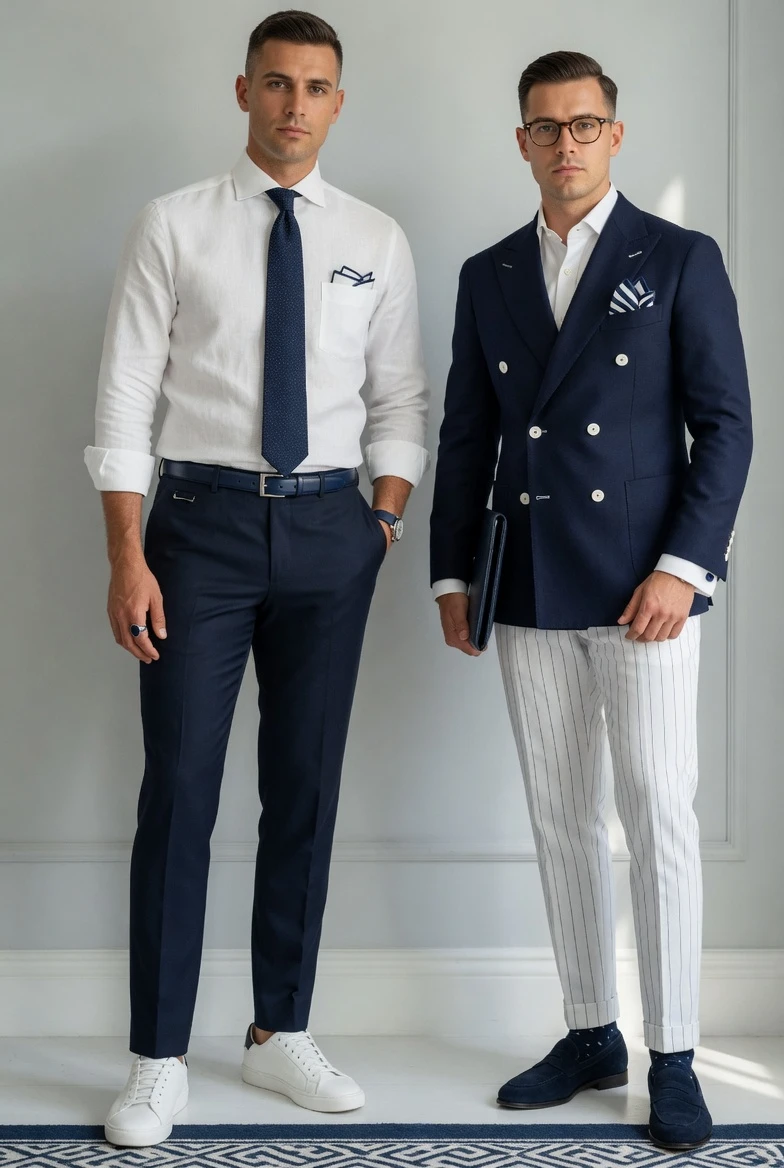
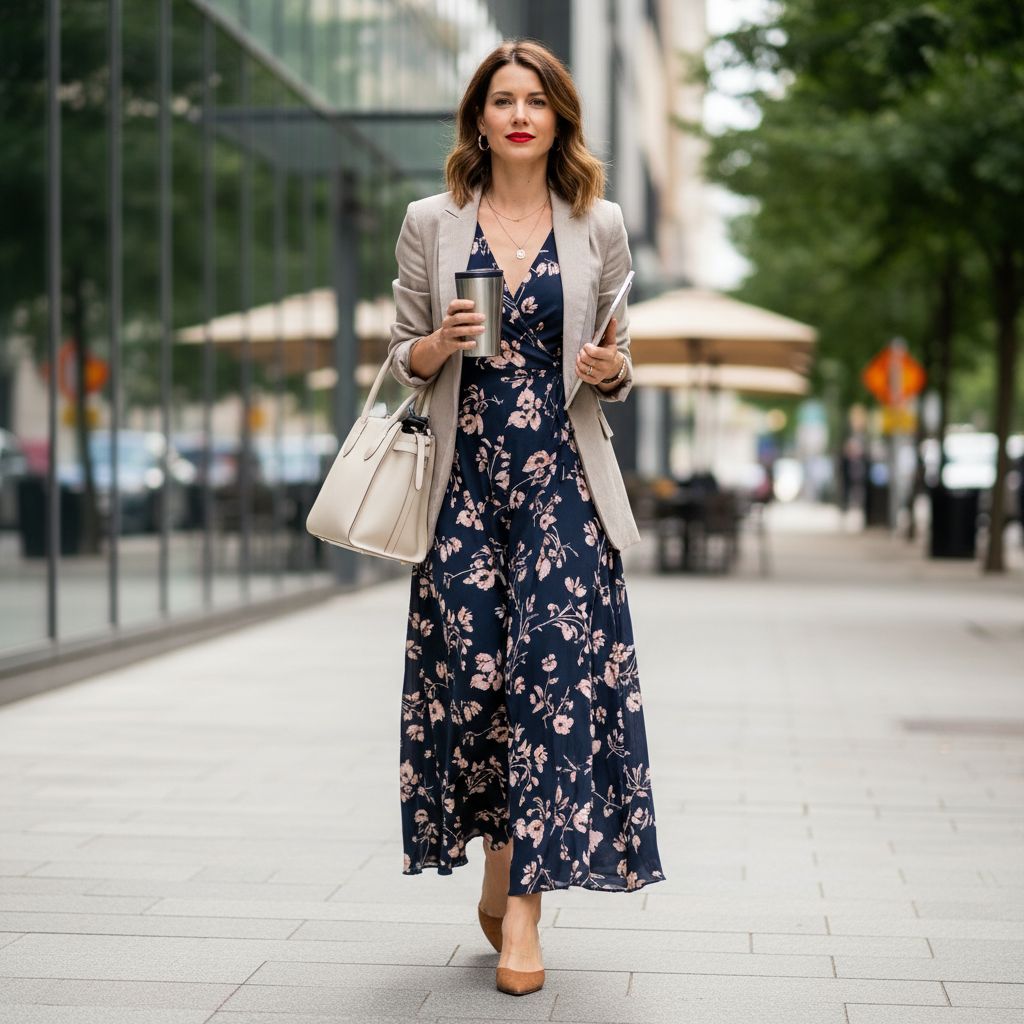
5. Navy and White
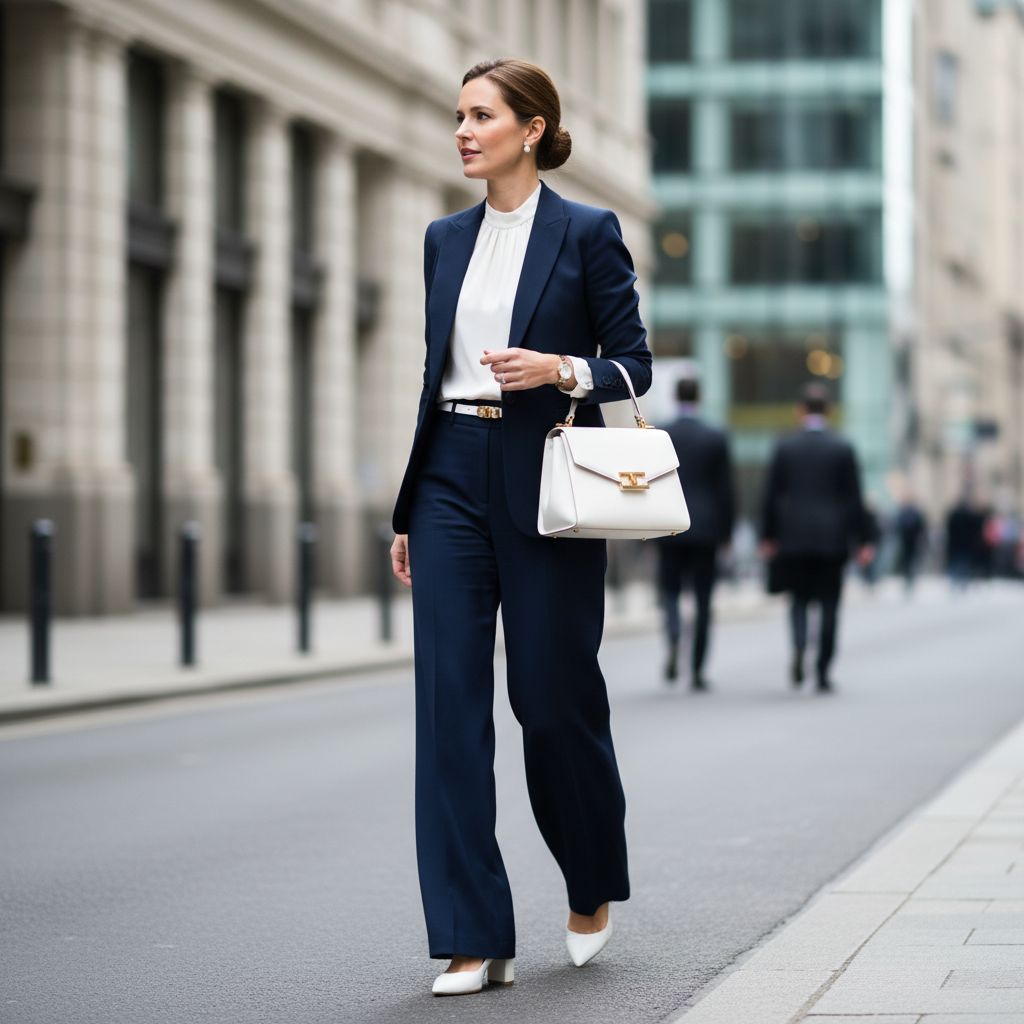
Navy and White (Endlessly versatile) pairing. Navy brings authority while white adds clarity. A navy blazer with white trousers is a true classic. Styling Tip: Opt for deep navy instead of royal blue, and use off-white if pure white feels too stark.
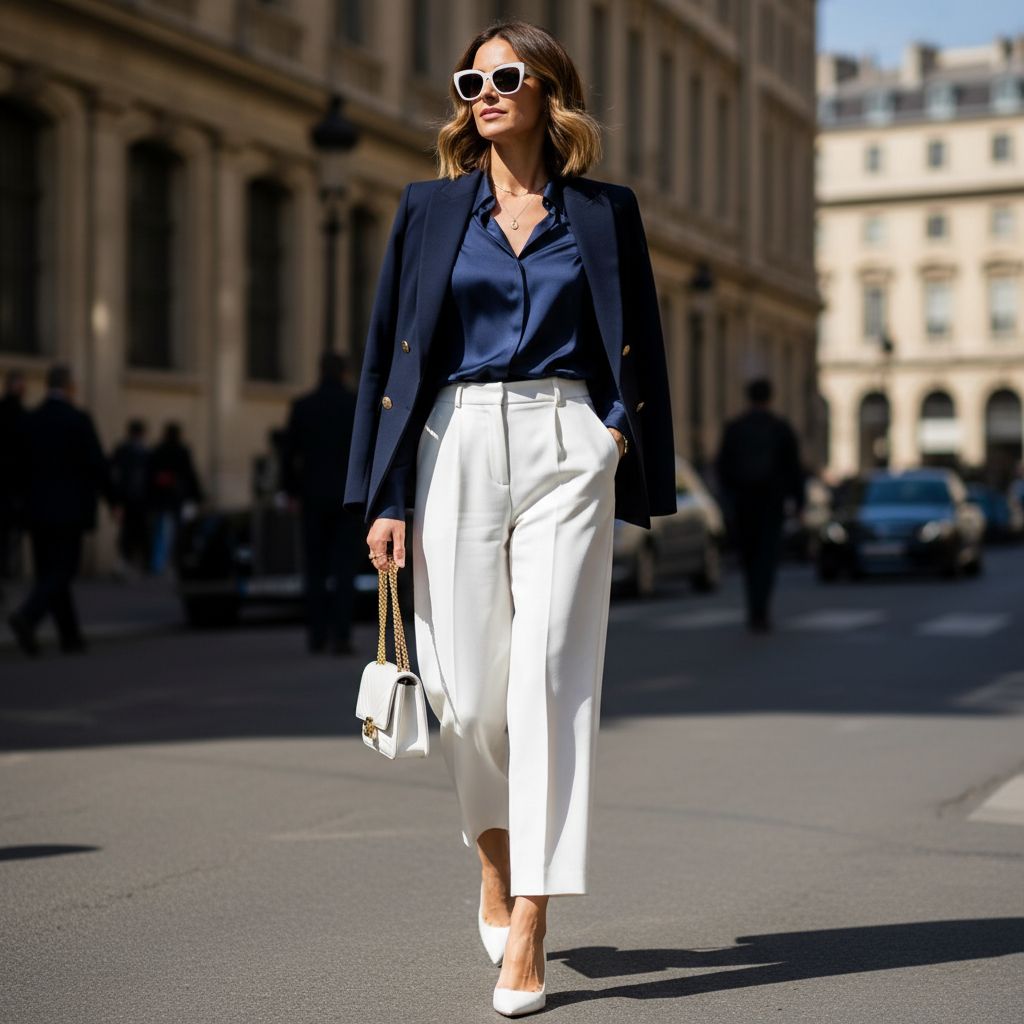
Navy color provides structure, depth, and authority. White creates contrast and keeps the outfit looking crisp. This combination is connected with nautical style, school uniforms, traditional tailoring, and elegant resort wear.
Popular ways to wear navy and white include:
- A navy blazer with white trousers
- A white shirt with navy chinos
- A navy dress with white accessories
- A navy sweater over a white collared shirt
- A striped Breton top with tailored navy trousers
For a softer appearance, replace pure white with ivory or off-white. This can make the contrast feel less severe and may be easier to wear with warm-toned accessories. Deep navy is usually a better choice than bright royal blue. It is more versatile and pairs naturally with brown, burgundy, cream, gray, and olive.
6. Olive and White
Creates a balanced, natural elegance that feels calm and sophisticated. Olive trousers with a white shirt or an olive knit with white denim are excellent choices for transitional weather. Styling Tip: Muted olive usually looks more elegant than a harsh green.
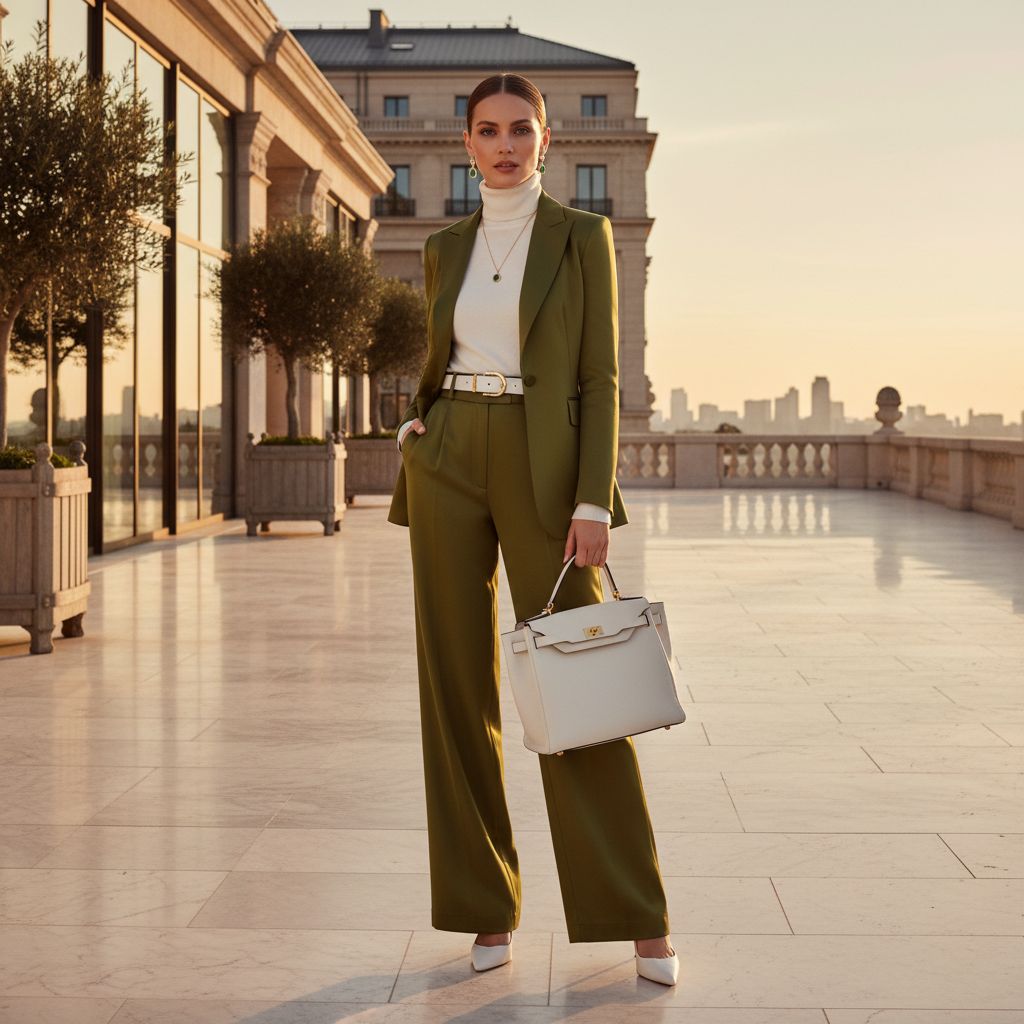
Olive is more subtle than bright green and works almost like a neutral. White adds freshness and prevents the outfit from looking too dark or military-inspired.
You can use this combination with:
- Olive trousers and a white shirt
- An olive knit with white jeans
- A white dress with an olive jacket
- Olive shorts with a white polo
- An olive overshirt with cream trousers
Muted olive shades tend to look more refined than harsh or highly saturated greens. Look for tones such as moss, sage, army olive, or deep khaki. Brown leather accessories complete this palette naturally. Black accessories can also work, but they may make the outfit feel sharper and less relaxed.
How to Enhance the Old Money Effect
- Focus on Fabric: Natural materials like wool, linen, and cashmere add depth that synthetics cannot match.
- Clean Silhouettes: Well-fitted garments ensure classic color combos look refined, not sloppy.
- Limit Visual Noise: Avoid loud logos or overly trendy shapes; restraint is key to this aesthetic.
- Accessories: Use leather belts, loafers, and minimal jewelry to complete the color story.
Conclusion
Old money style is built on balance, quality, and thoughtful simplicity. These six color combinations provide a reliable framework for building a wardrobe that feels graceful and expensive without looking forced. By mastering these palettes, you can create a look that is timelessly elegant and effortlessly stylish.