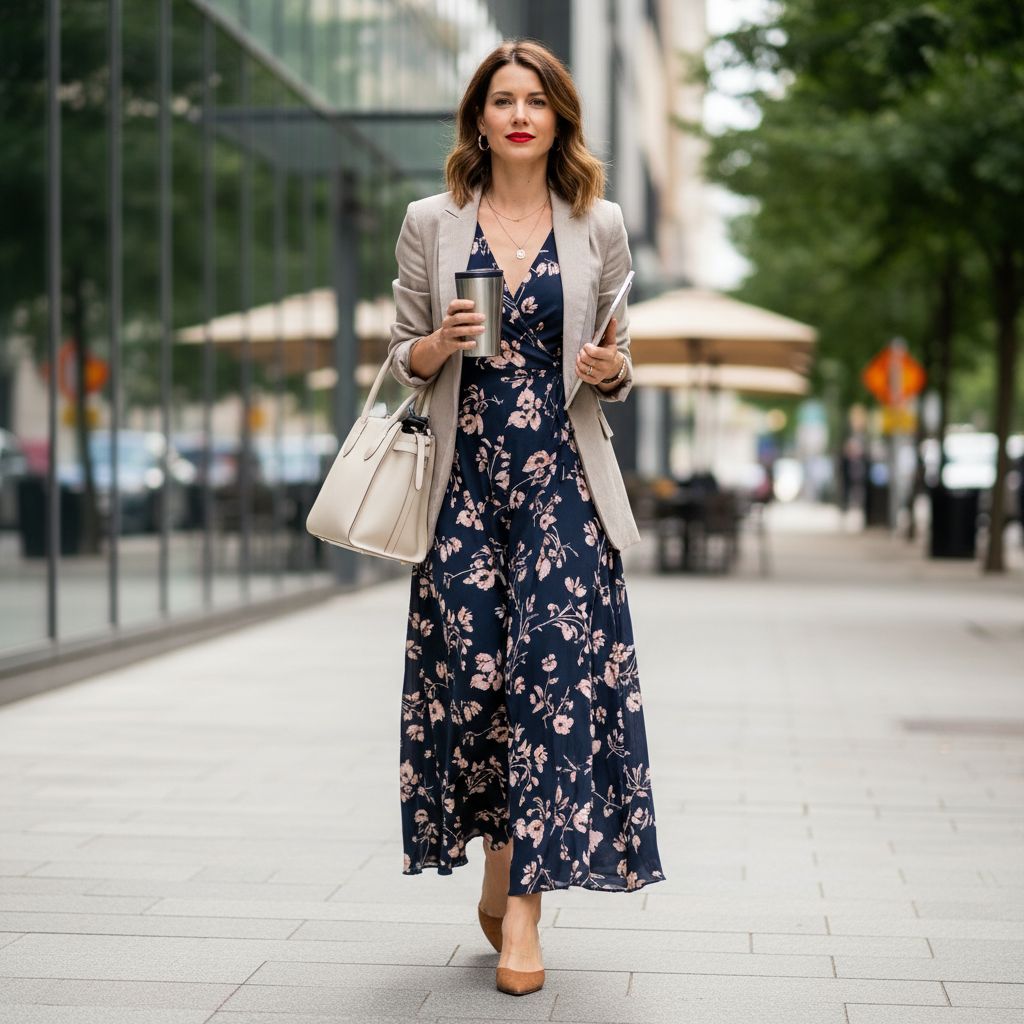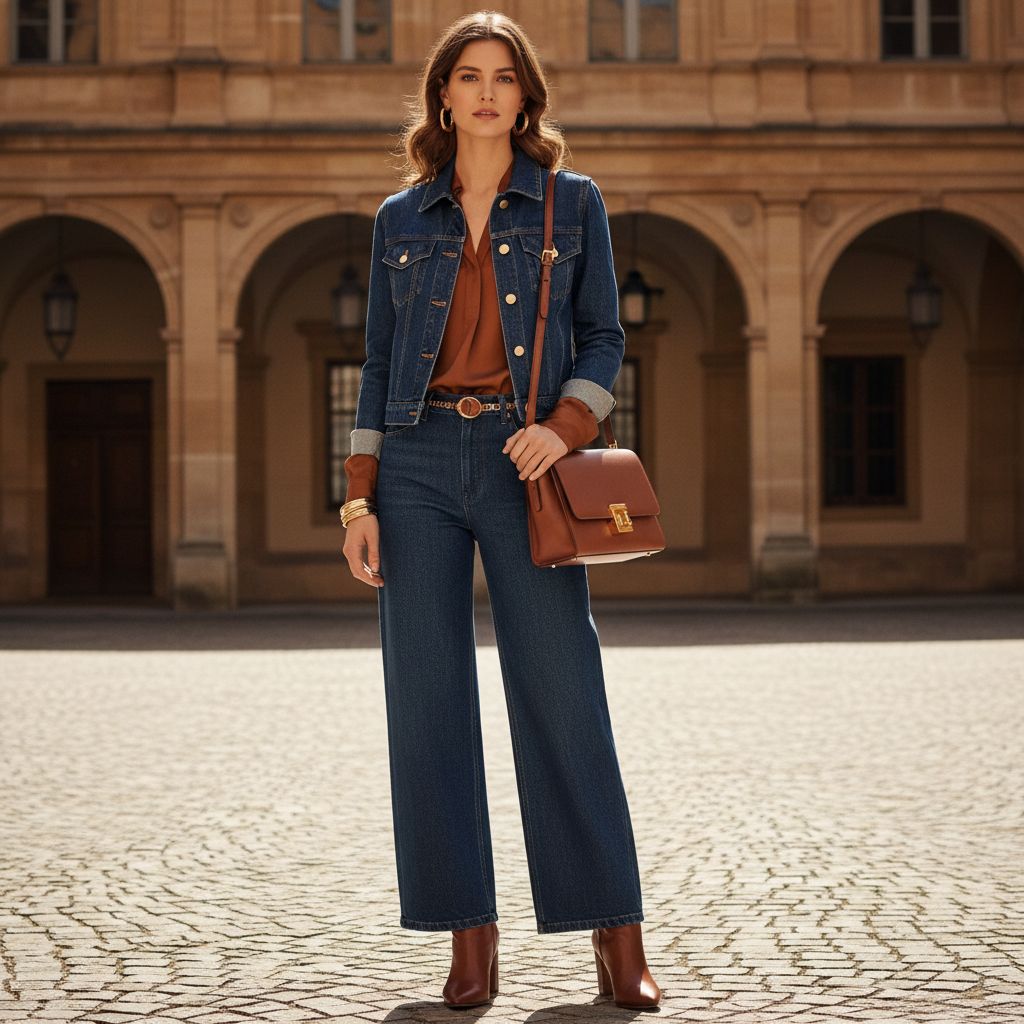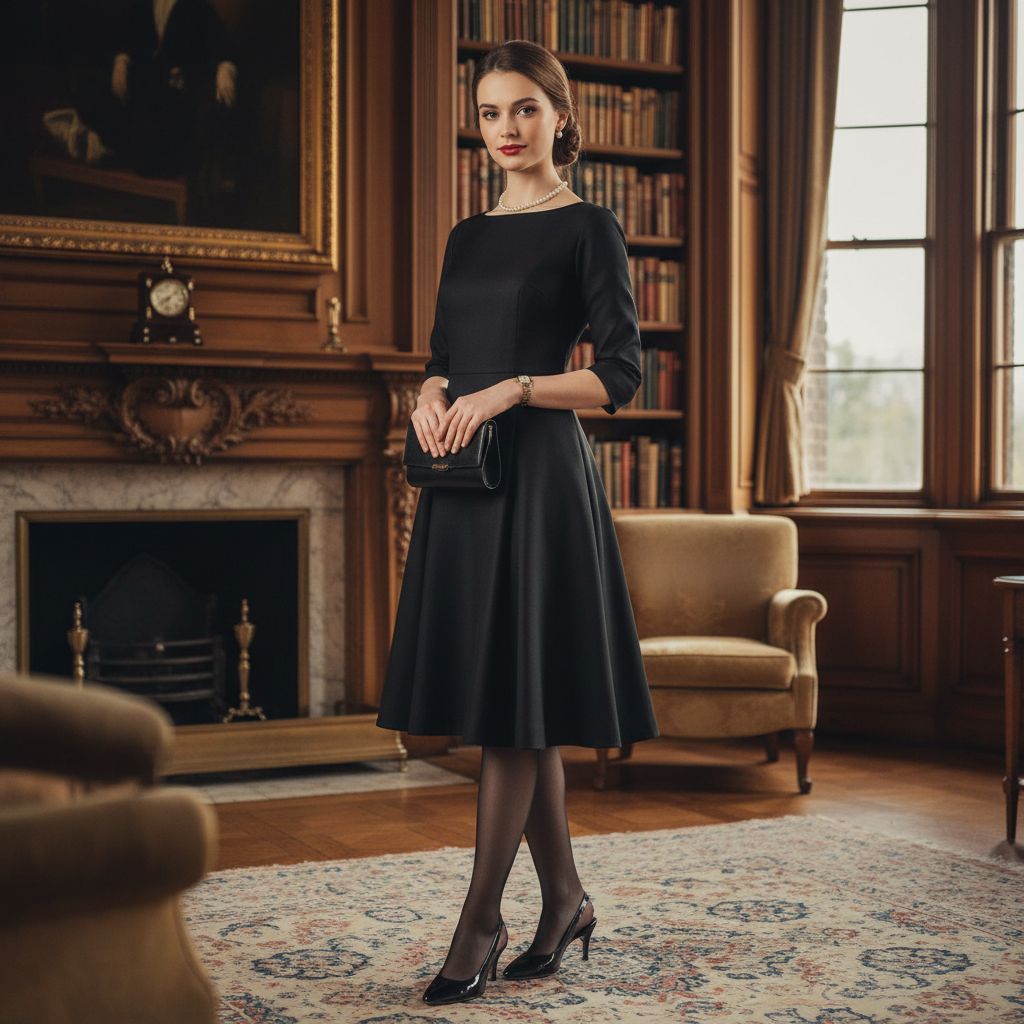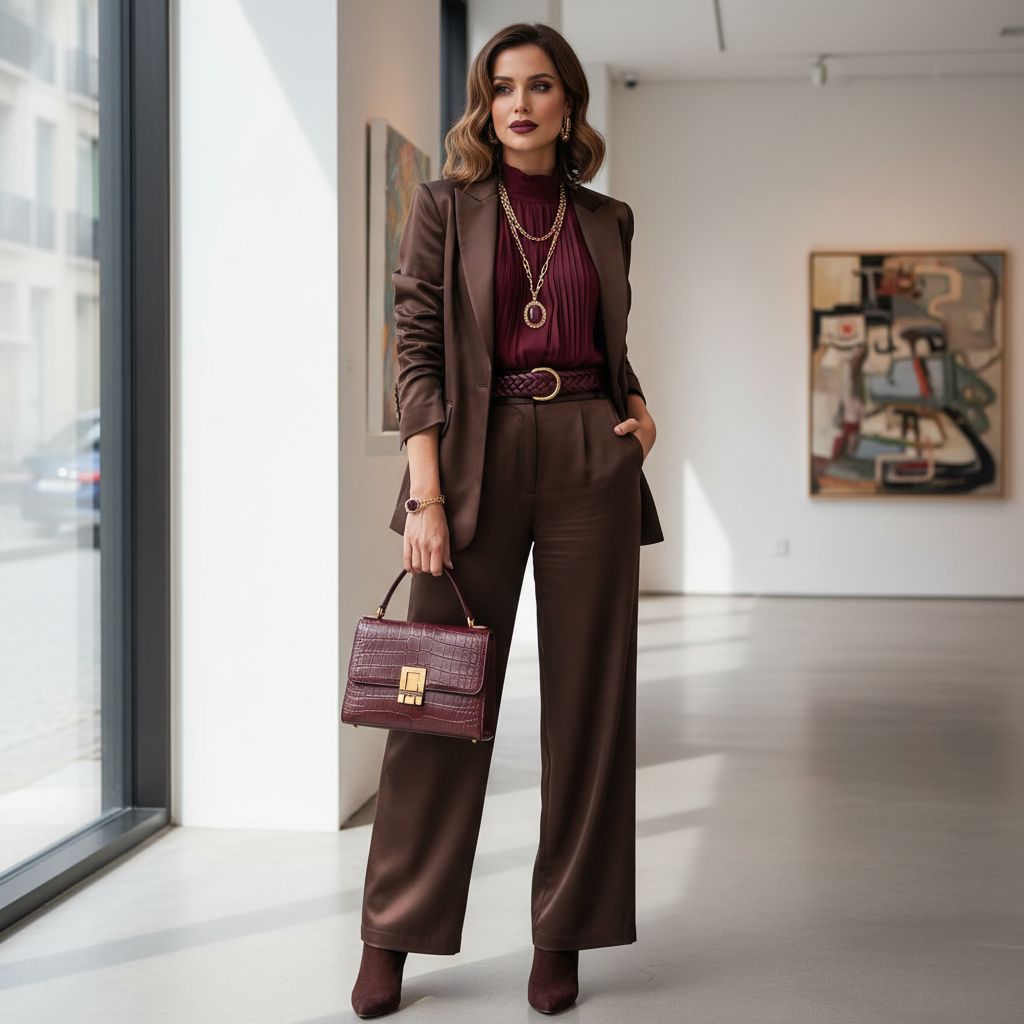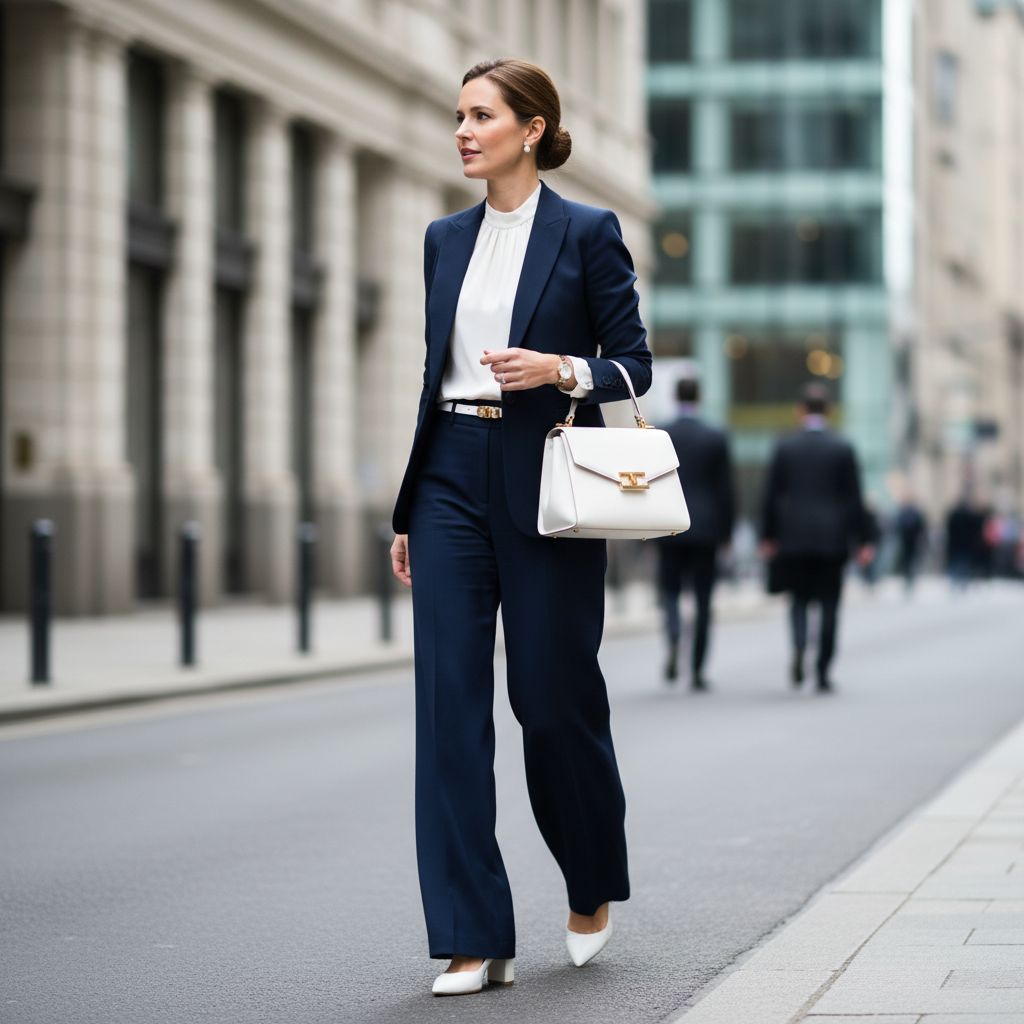
Sleeve Styles for Women: 16 Popular Sleeve Designs in Women’s Fashion

Sleeves do much more than cover the arms. In women’s fashion, sleeve styles help define the overall look of a garment, influence comfort, and add personality to tops, blouses, dresses, jackets, and gowns. A simple change in sleeve design can make the same garment look classic, romantic, elegant, dramatic, or casual. From clean and practical styles to soft and decorative silhouettes, sleeve variations play an important role in garment design and apparel manufacturing. Understanding different sleeve types is useful for fashion designers, garment merchandisers, and manufacturers who want to choose the right style for a specific occasion.
In this guide, we’ll explore the most popular sleeve styles in women’s fashion, their defining characteristics, advantages, and common applications.
What Is a Sleeve in Fashion?
A sleeve is the part of a garment that covers all or part of the arm. Sleeves are important in fashion for several reasons: they affect appearance, influence movement, balance body proportions, and determine seasonal suitability. In women’s fashion, sleeves are often used both for function and decoration.
Sleeve designs can make clothing look classic, feminine, modern, romantic, dramatic, or sporty. They also affect mobility, garment construction, fabric consumption, and production complexity, making sleeve selection an important consideration during apparel development – Delicate petal sleeve design in women’s fashion
Why sleeve types matter:
Sleeve choice matters in fashion design, pattern making, fabric consumption, and garment performance. For fashion brands and manufacturers, sleeve construction also affects:
- Garment silhouette
- Comfort and mobility
- Seasonal suitability
- Pattern complexity
- Fabric consumption
- Sewing difficulty
- Production cost
A carefully selected sleeve style helps create garments that are both attractive and practical. For example, a cap sleeve creates a feminine look, while a raglan sleeve feels sporty. This is why sleeve design is a key element in women’s apparel development.
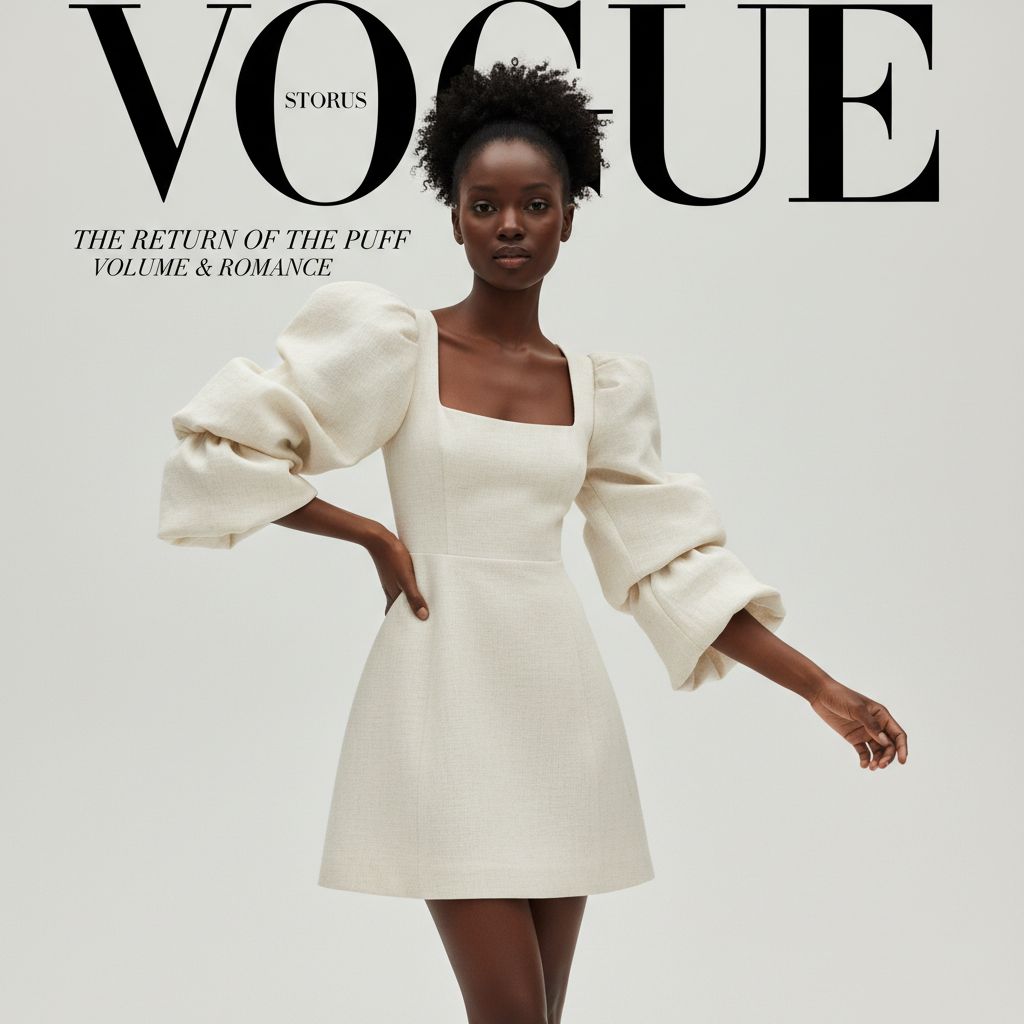

The right sleeve style is about more than appearance. Different sleeve designs influence how a garment fits, moves, and performs throughout the day. – Dramatic puff sleeve on a modern blouse
Sleeve Design in Garment Manufacturing
In production, sleeve styles affect pattern complexity, sewing difficulty, and fabric consumption. A basic set-in sleeve is easier to produce than a bishop sleeve, which requires extra gathering and cuff attachment. Sleeve selection directly influences both product cost and production time.
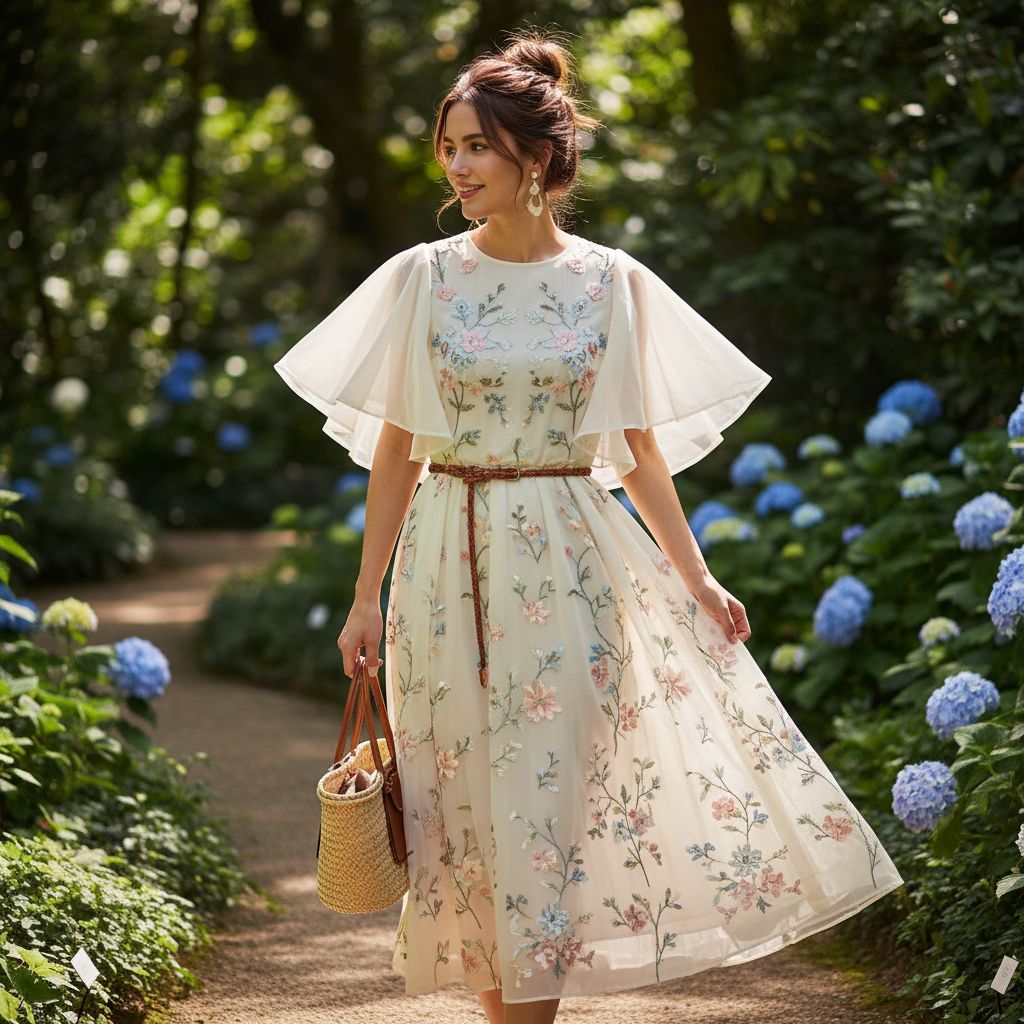
Main Types of Sleeves in Women’s Fashion
1. Set-In Sleeve
The Set-In Sleeve is one of the most widely used sleeve styles in apparel manufacturing. It is sewn into a separate armhole, creating a defined shoulder line and a clean, tailored appearance. Its simple construction makes it suitable for a wide range of garments, from business wear to casual clothing.
- Key Features: Classic shoulder seam, Structured silhouette, Easy to manufacture, Suitable for many fabric types
- Common Uses: Blouses, Shirts, Dresses, Blazers, Jackets, Uniforms.

Set-In Sleeve: Attached to the armhole seam with a clear shoulder point; used in shirts and jackets – Classic set-in sleeve construction
2. Cap Sleeve
Cap Sleeves are very short sleeves that cover only the shoulder without extending far down the upper arm. They create a feminine and lightweight appearance while offering minimal coverage.
- Key Features: Short sleeve length, Soft and elegant appearance, Comfortable in warm weather, Simple construction.
- Common Uses: Summer dresses, T-shirts, Casual tops, Cocktail dresses.
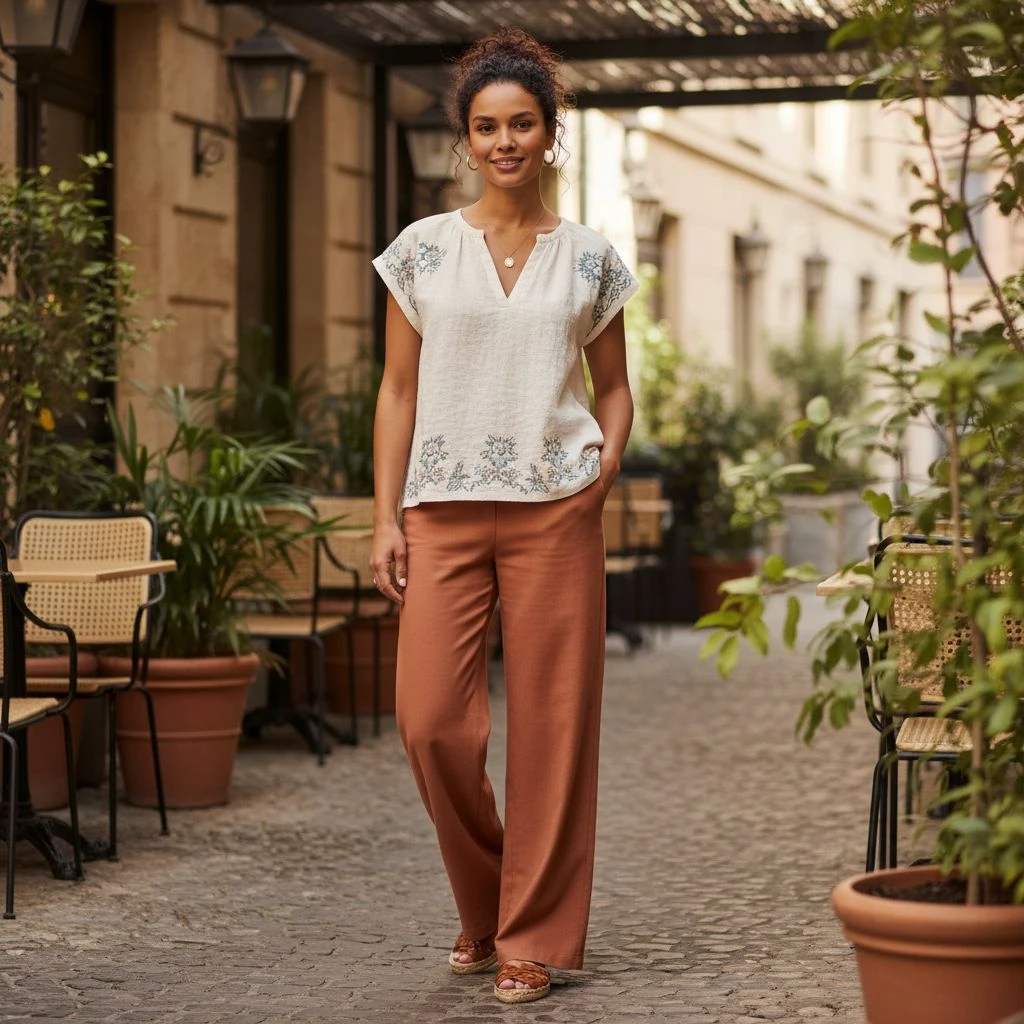
Cap sleeves offer a delicate and feminine look, especially suited for warm-weather garments.
3. Flutter Sleeve
Flutter Sleeves are loose, flowing sleeves that drape softly around the upper arm. Their gentle movement adds elegance and creates a romantic look.
- Key Features: Soft flowing silhouette, Lightweight appearance, Excellent drape, Feminine styling
- Common Uses: Blouses, Maxi dresses, Summer dresses, Resort wear
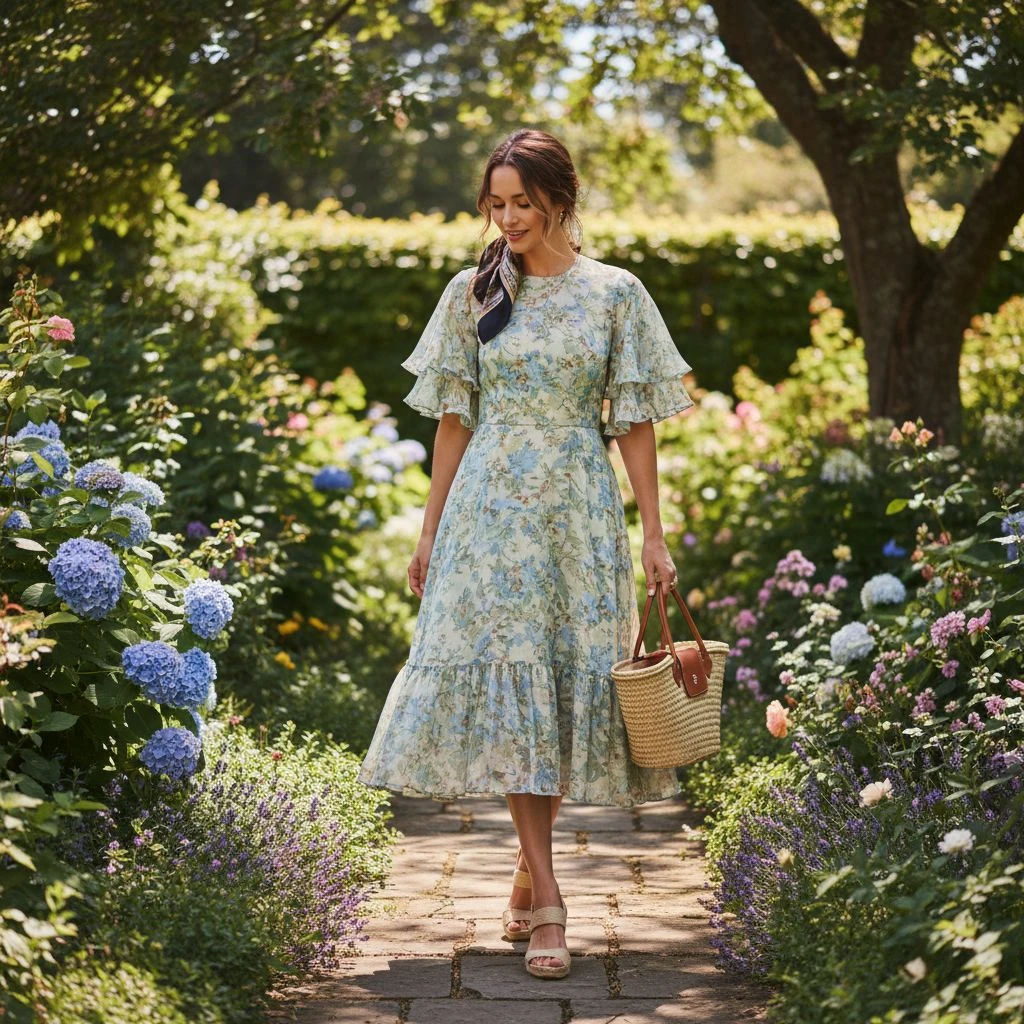

Flutter sleeves airy movement adds a romantic and elegant touch to garments.
4. Bell Sleeve
Bell Sleeves remain fitted through the upper arm before gradually widening toward the cuff, forming the shape of a bell. They add movement and visual interest while maintaining an elegant silhouette.
- Key Features: Flared sleeve opening, Graceful movement, Decorative appearance, Eye-catching design.
- Common Uses: Fashion blouses, Bohemian dresses, Evening wear, Designer collections.
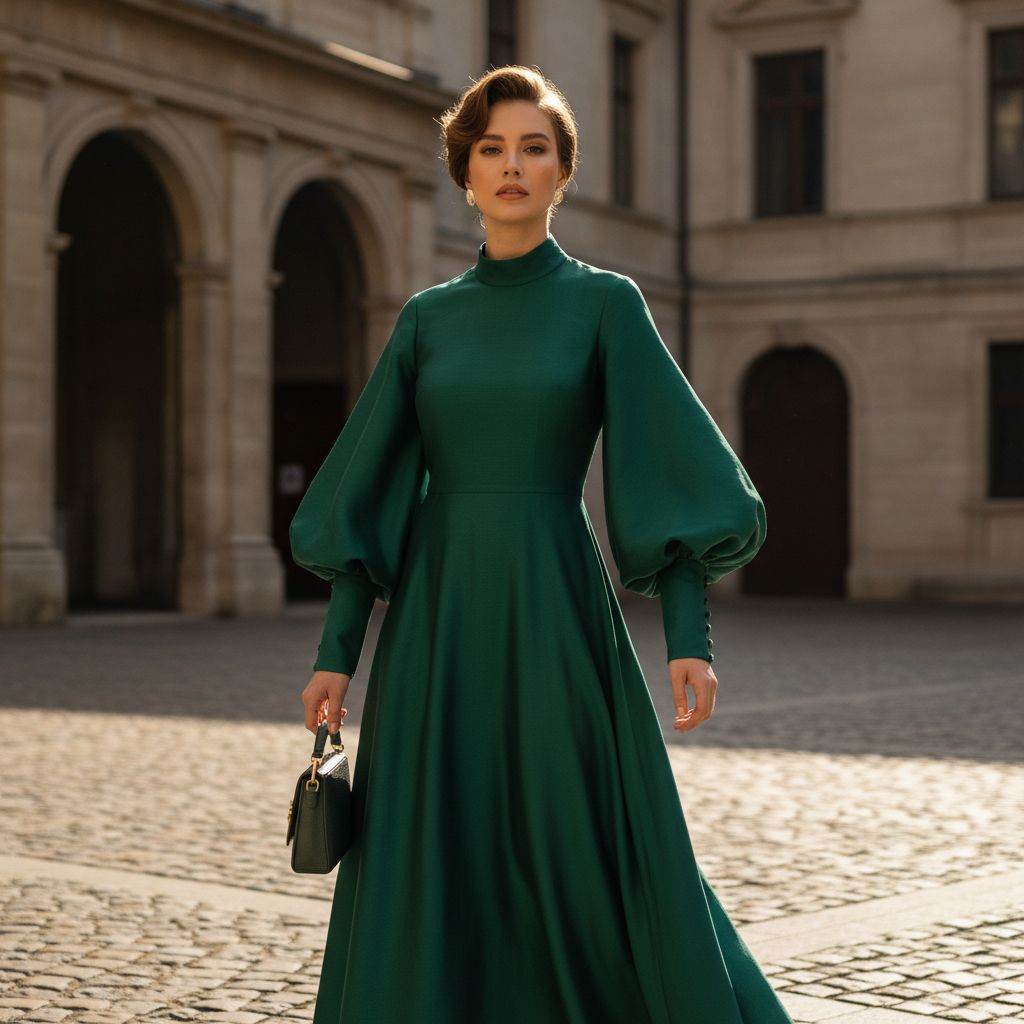
Bell sleeves widen toward the bottom, Modern lantern sleeve with architectural volume
5. Lantern Sleeve
Lantern Sleeves feature fullness around the middle of the sleeve before narrowing again near the cuff. This creates a rounded silhouette with distinctive volume.
- Key Features: Rounded shape, Gathered construction, Modern appearance, Fashion-forwar design.
- Common Uses: Statement blouses, Fashion dresses, Contemporary collections.
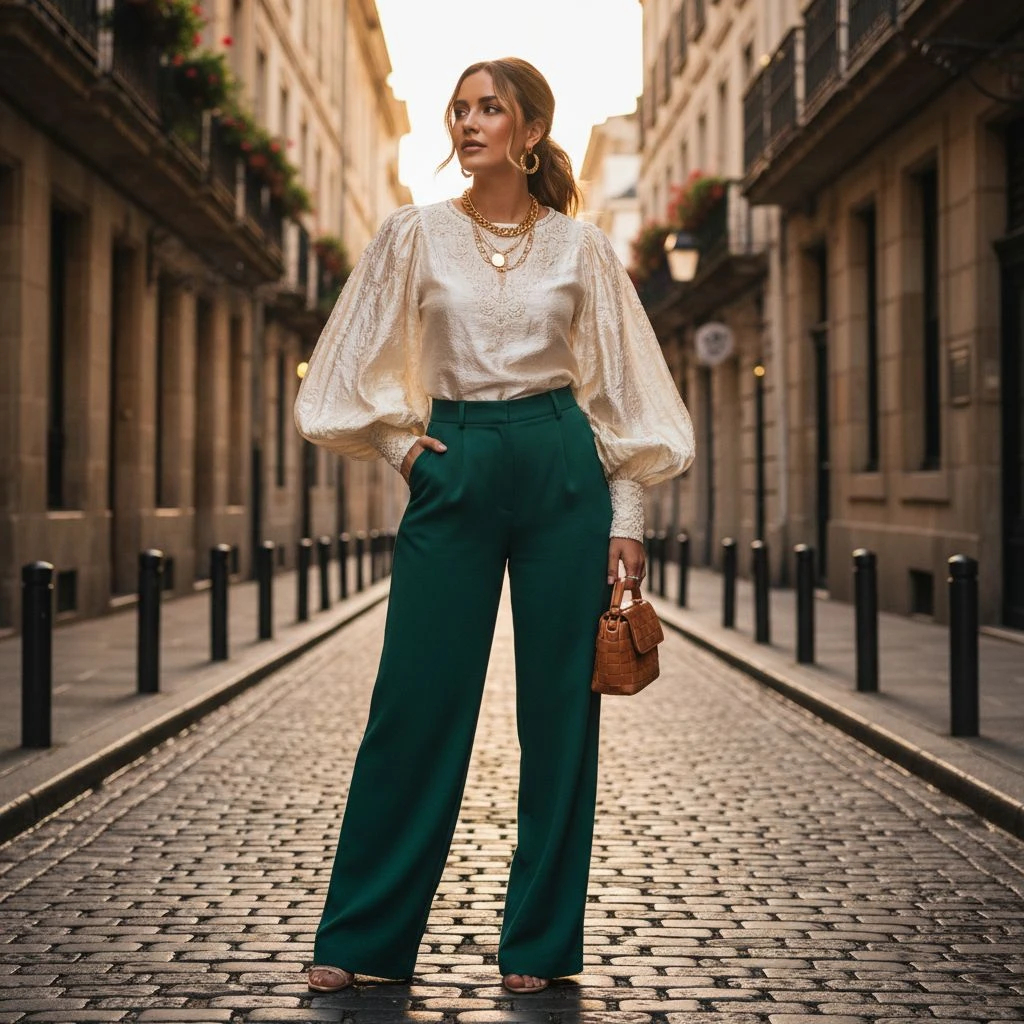
Lantern sleeves tapers at both the shoulder and cuff, creating a rounded, lantern-like shape.
6. Balloon Sleeve
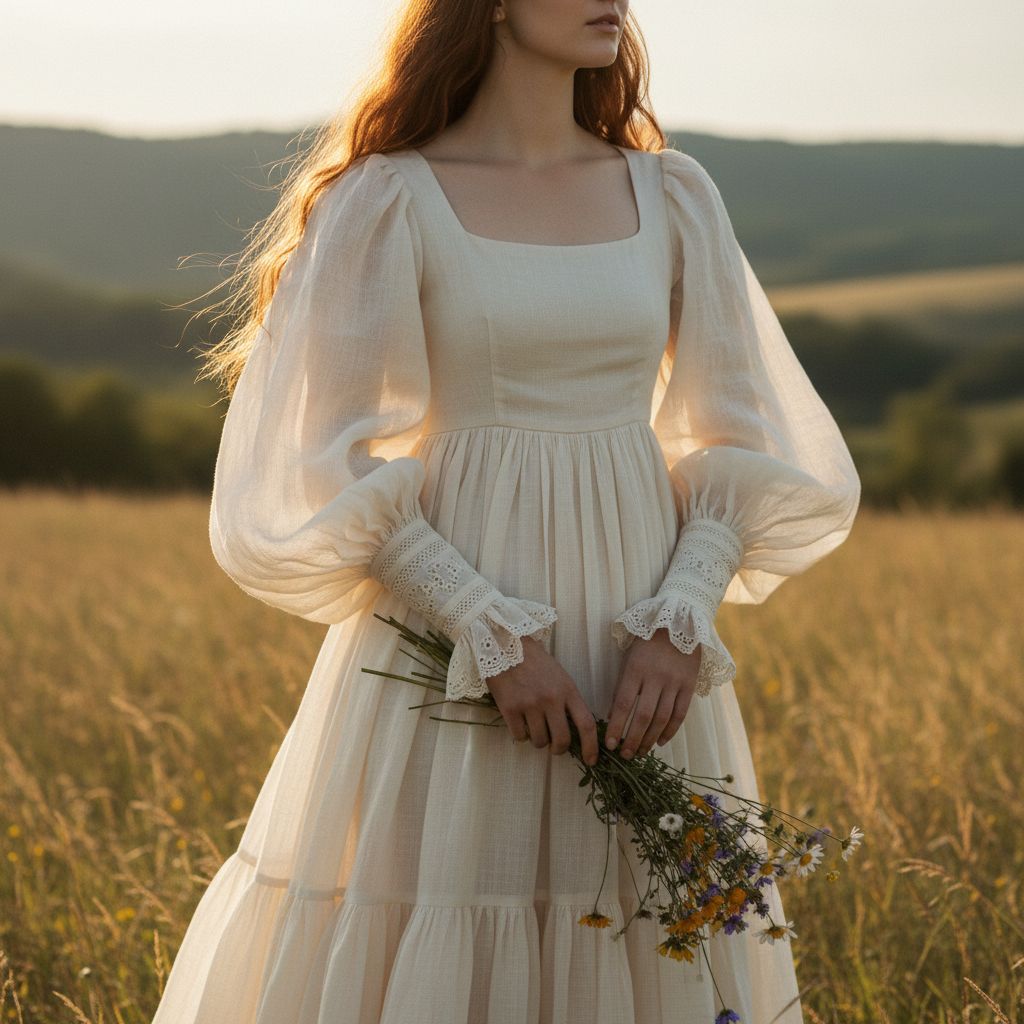
Balloon Sleeves are full and voluminous throughout most of the sleeve before being gathered tightly at the wrist. This dramatic silhouette has become increasingly popular in contemporary women’s fashion.
- Key Features: Large volume, Gathered cuffs, Bold silhouette, Fashionable appearance.
- Common Uses: Dresses, Fashion tops, Designer apparel, Premium collections.
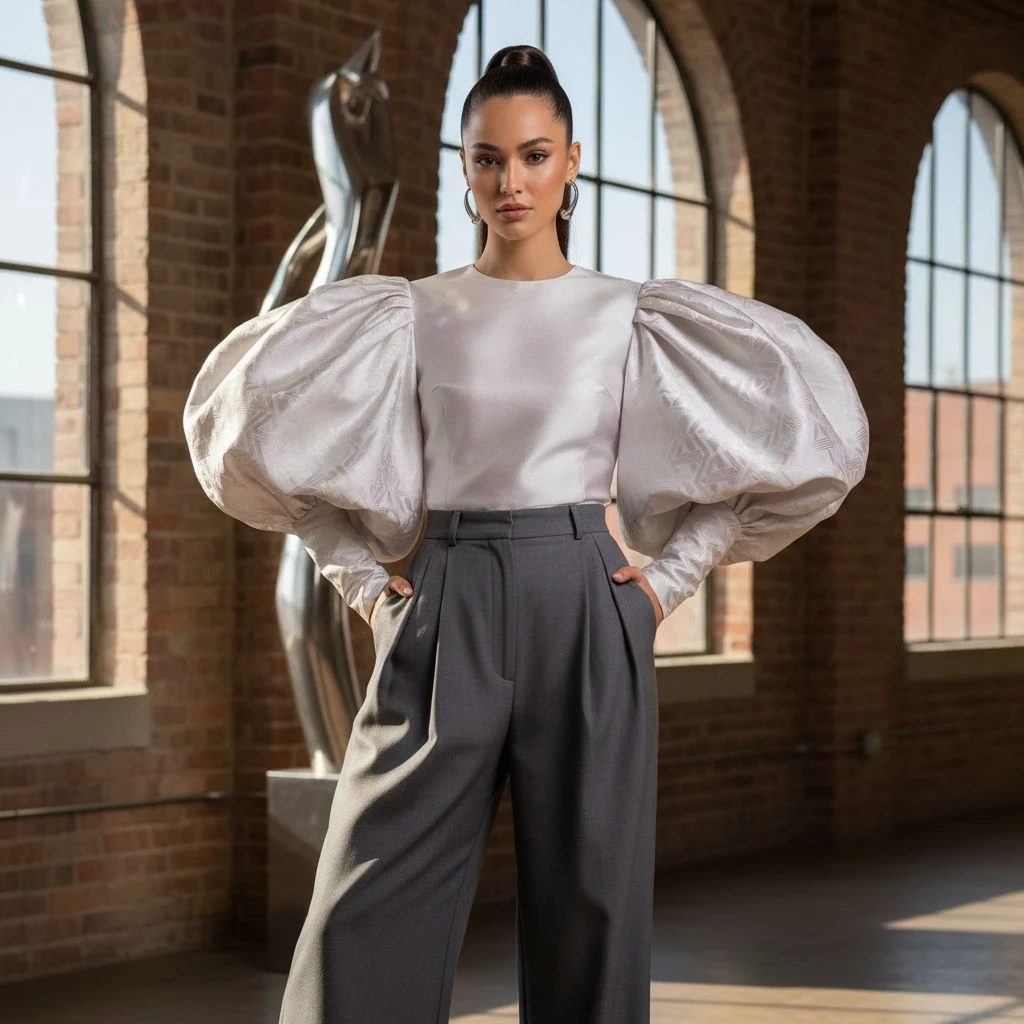
Balloon sleeves are full and voluminous throughout the sleeve and gathered tightly at the wrist, creating a dramatic puffed effect.
7. Raglan Sleeve
Unlike a traditional set-in sleeve, a Raglan Sleeve extends from the underarm to the neckline in one continuous seam. This construction improves arm mobility and creates a softer shoulder line.
- Key Features: Diagonal shoulder seam, Greater freedom of movement, Comfortable fit, Sporty appearance.
- Common Uses: Sportswear, Sweatshirts, Casual jackets, Activewear.
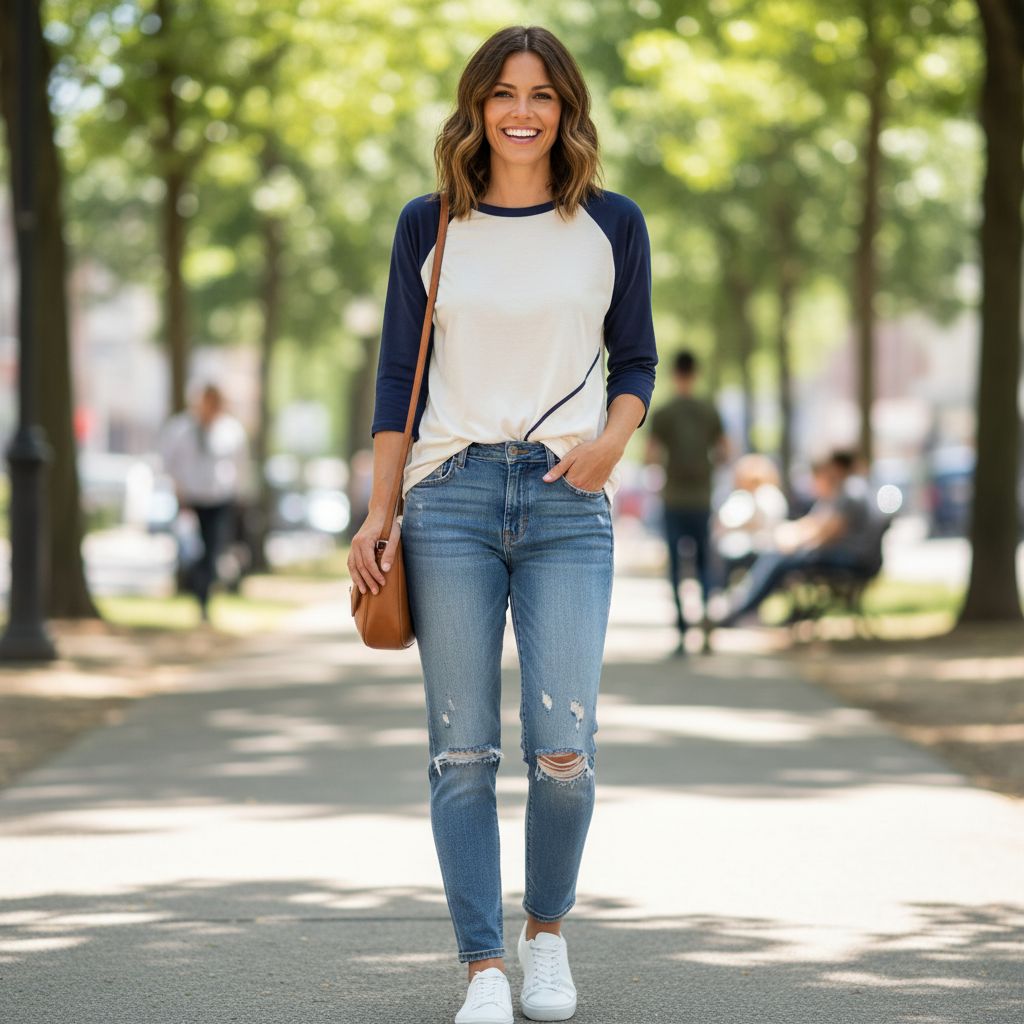
Raglan sleeves extend to the neckline (sporty) – Comfortable raglan sleeve sportswear style
8. Kimono Sleeve
Kimono Sleeves are cut as one piece with the bodice instead of being sewn separately. This creates a relaxed fit and eliminates the traditional shoulder seam.
- Key Features: One-piece construction, Loose silhouette, Comfortable fit, Minimal seam lines.
- Common Uses: Kimono-inspired garments, Loose dresses, Tunics, Casual fashion.
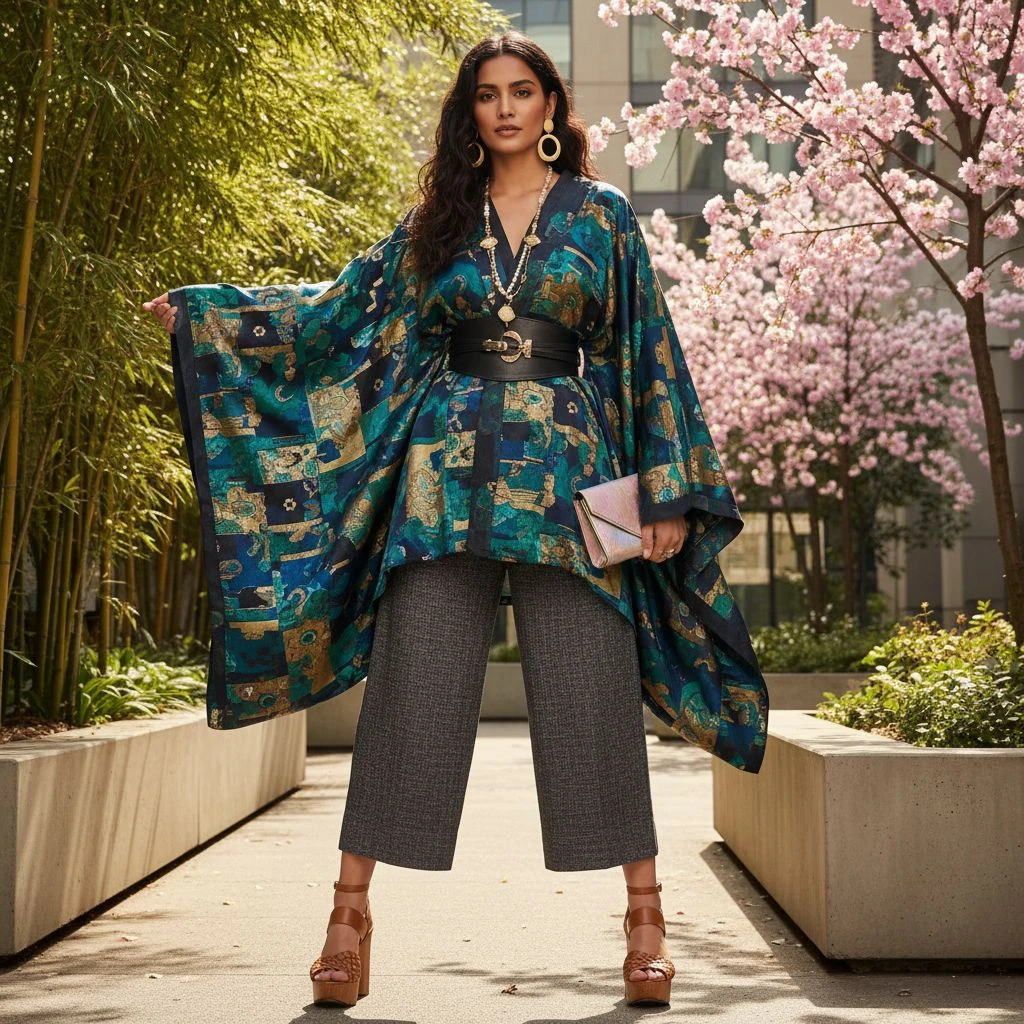
Kimono sleeves creates a loose, flowing silhouette inspired by traditional Japanese garments.
9. Dolman Sleeve
Dolman Sleeves feature a deep armhole with a wide upper sleeve that gradually narrows toward the wrist. This creates a relaxed yet stylish silhouette.
- Key Features: Deep armhole, Loose upper sleeve, Tapered wrist, Comfortable movement.
- Common Uses: Knit tops, Sweaters, Fashion blouses, Casual dresses.
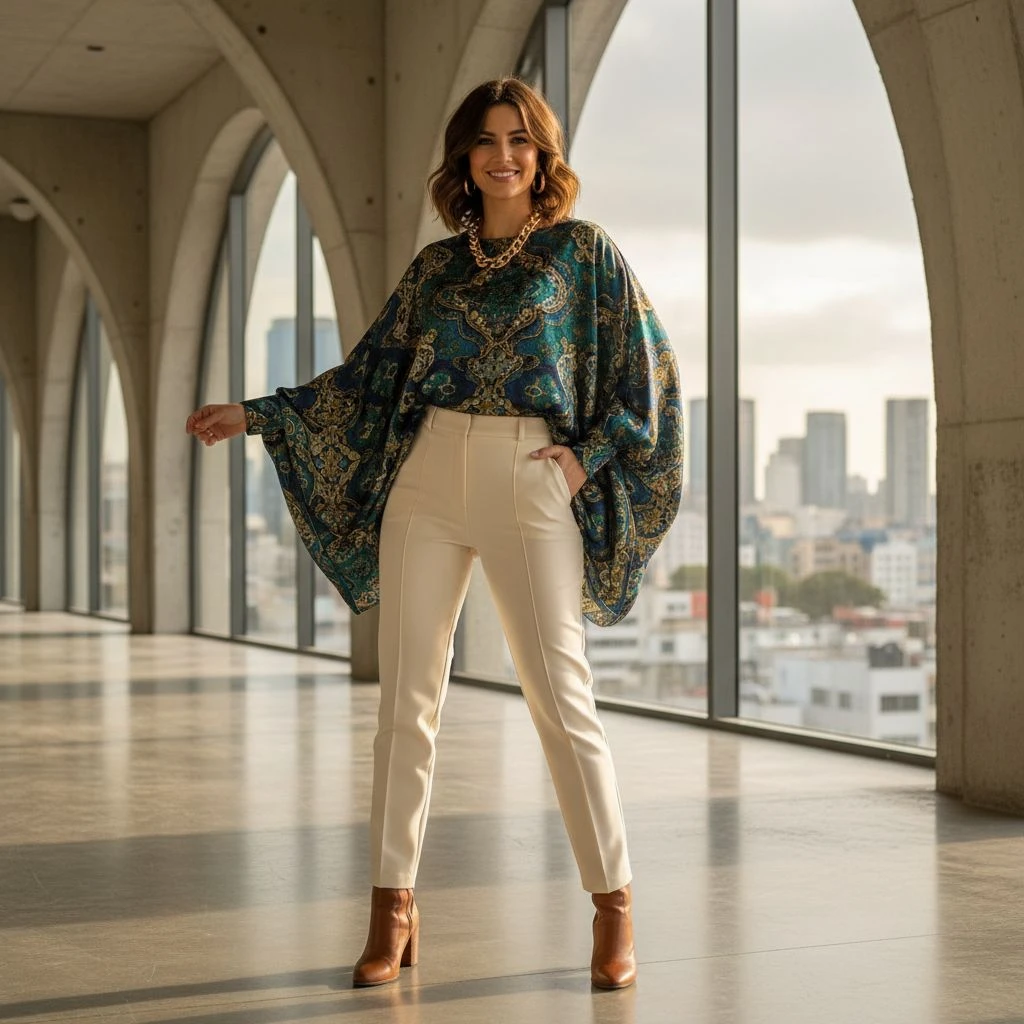
Dolman sleeves creating a relaxed yet stylish shape.
10. Bishop Sleeve
Bishop Sleeves are long sleeves gathered into fitted cuffs. The fullness throughout the sleeve creates a graceful and elegant appearance.
- Key Features: Full sleeve volume, Gathered cuffs, Romantic silhouette, Elegant drape.
- Common Uses: Evening dresses, Blouses, Formal wear, Vintage-inspired collections.
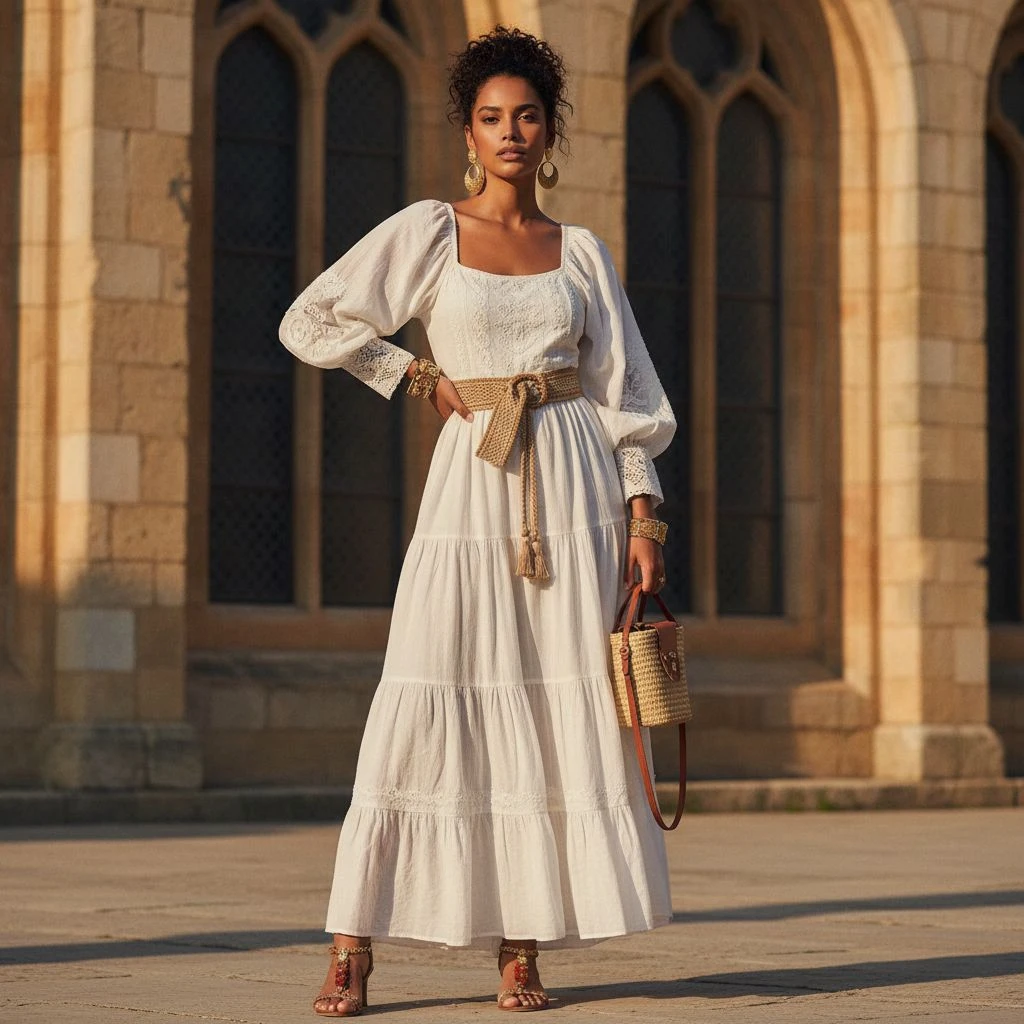
Bishop sleeves creates a soft, elegant, and romantic look.
11. Poet Sleeve
Poet Sleeves resemble bishop sleeves but are generally looser and more dramatic. Inspired by historical fashion, they create a flowing and artistic appearance.
- Key Features: Loose volume, Soft gathers, Dramatic silhouette, Vintage character.
- Common Uses: Bohemian fashion, Historical costumes, Fashion dresses, Designer collections.
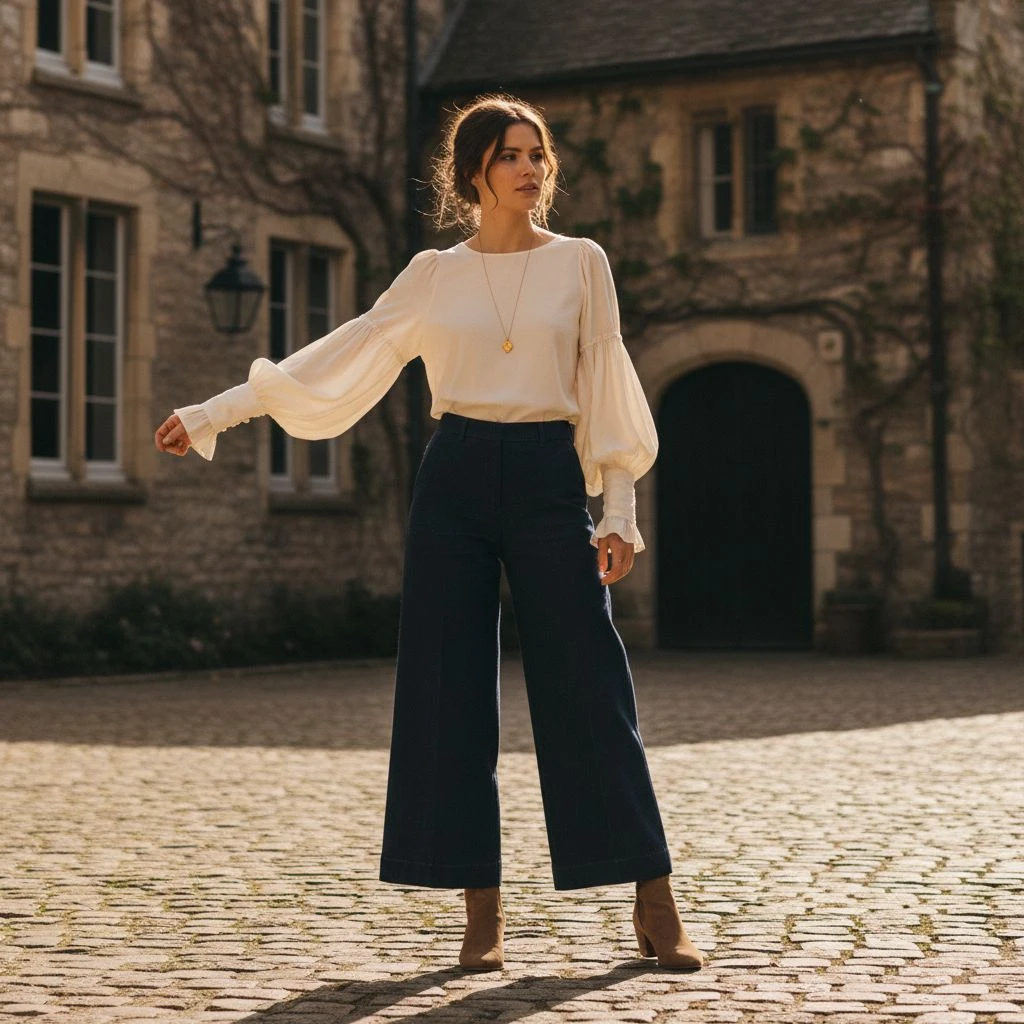

Poet sleeves often inspired by historical and bohemian fashion.
12. Leg-of-Mutton Sleeve
Also known as Gigot Sleeves, these sleeves feature dramatic fullness at the shoulder that gradually tapers toward the wrist. They were especially popular during the Victorian era and continue to appear in modern fashion.
- Key Features: Large shoulder volume Narrow lower sleeve Strong silhouette Vintage-inspired design.
- Common Uses: Formal dresses Bridal gowns Fashion collections Statement garments.
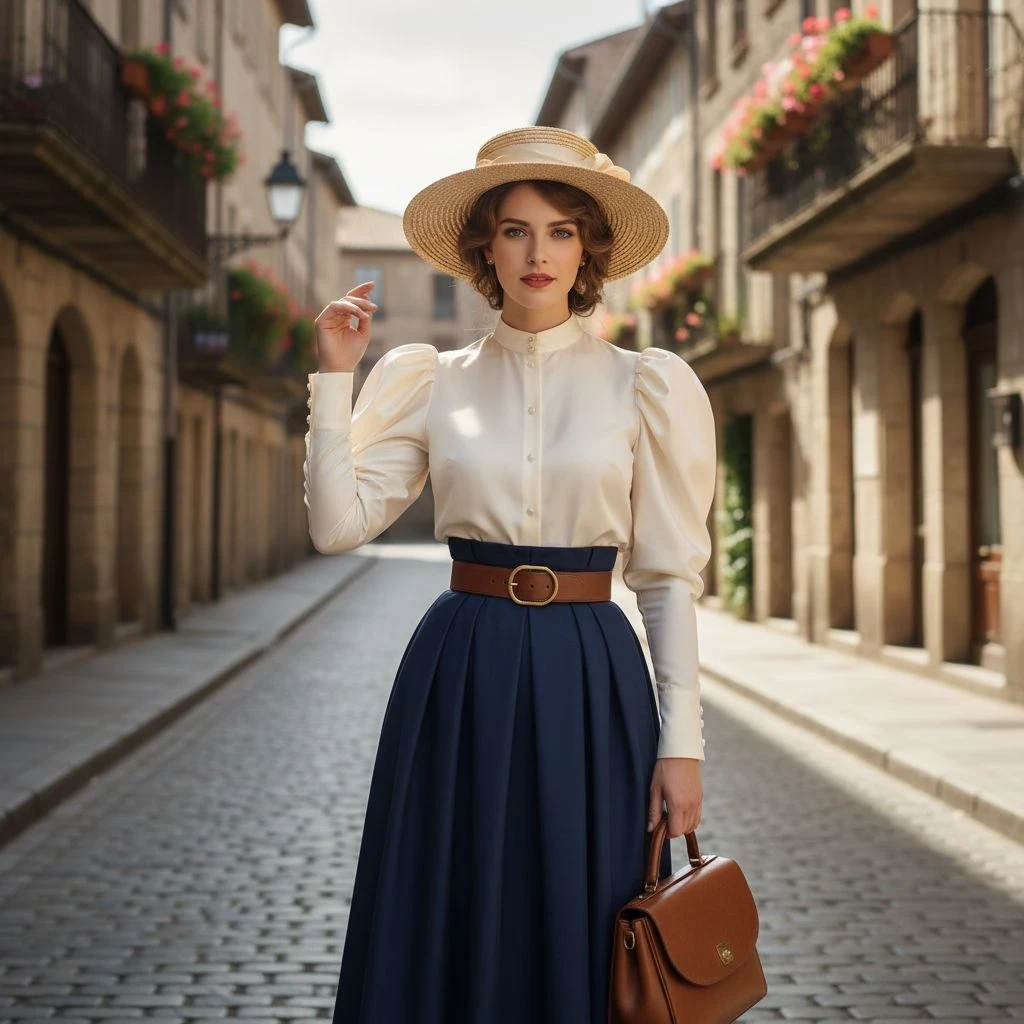
This style features dramatic fullness at the shoulder that narrows sharply toward the wrist.
13. Petal Sleeve
Petal Sleeves are formed by two overlapping fabric panels that resemble flower petals. Their delicate construction creates a soft and elegant appearance.
- Key Features: Overlapping design Feminine styling Lightweight construction Decorative finish
- Common Uses: Summer dresses Blouses Children’s clothing Casual fashion
Petal sleeves creating a soft and delicate effect.
14. Layered Sleeve
Layered Sleeves consist of multiple layers of fabric stacked together to add depth, texture, and movement.
- Key Features: Multiple fabric layers, Rich visual texture, Flowing movement, Decorative styling.
- Common Uses: Party dresses, Fashion blouses, Evening wear, Premium collections.
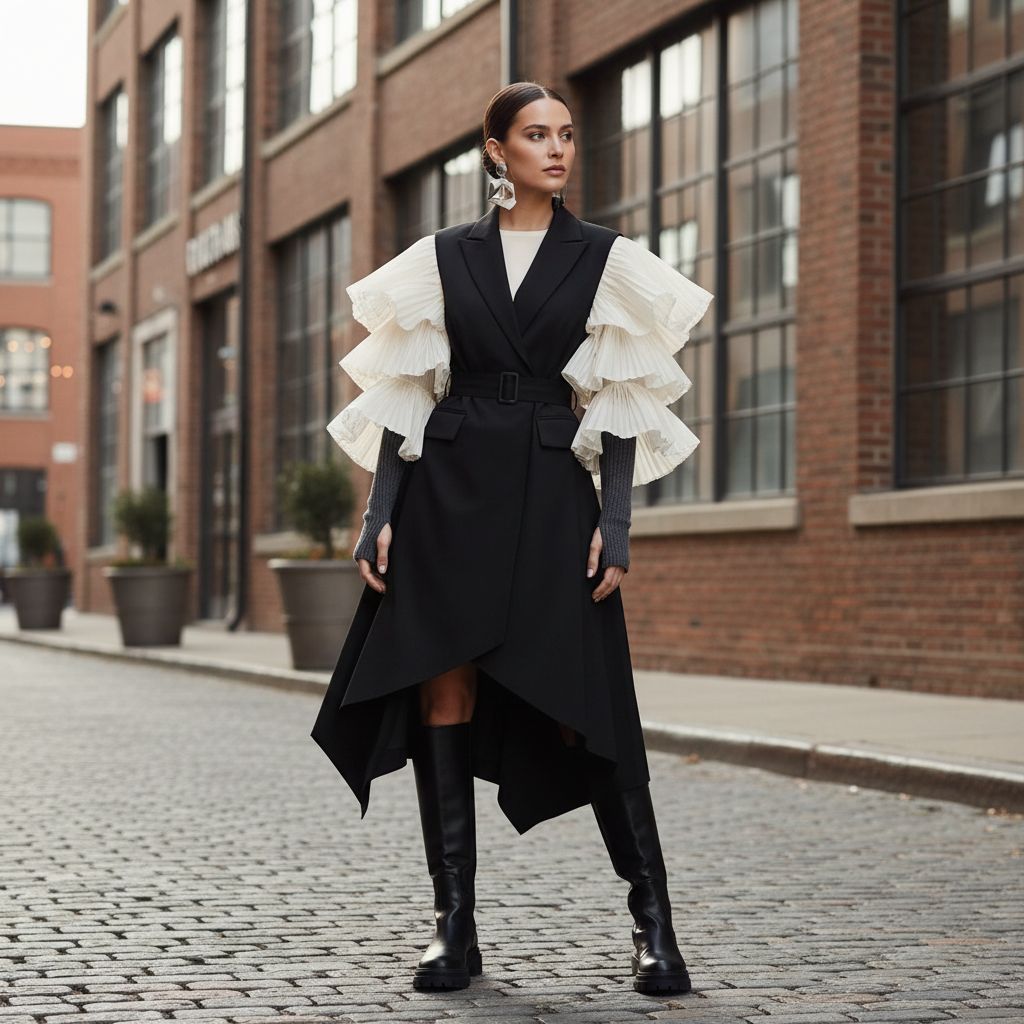
Layered sleeves consist of multiple fabric layers that add depth, texture, and movement to the garment
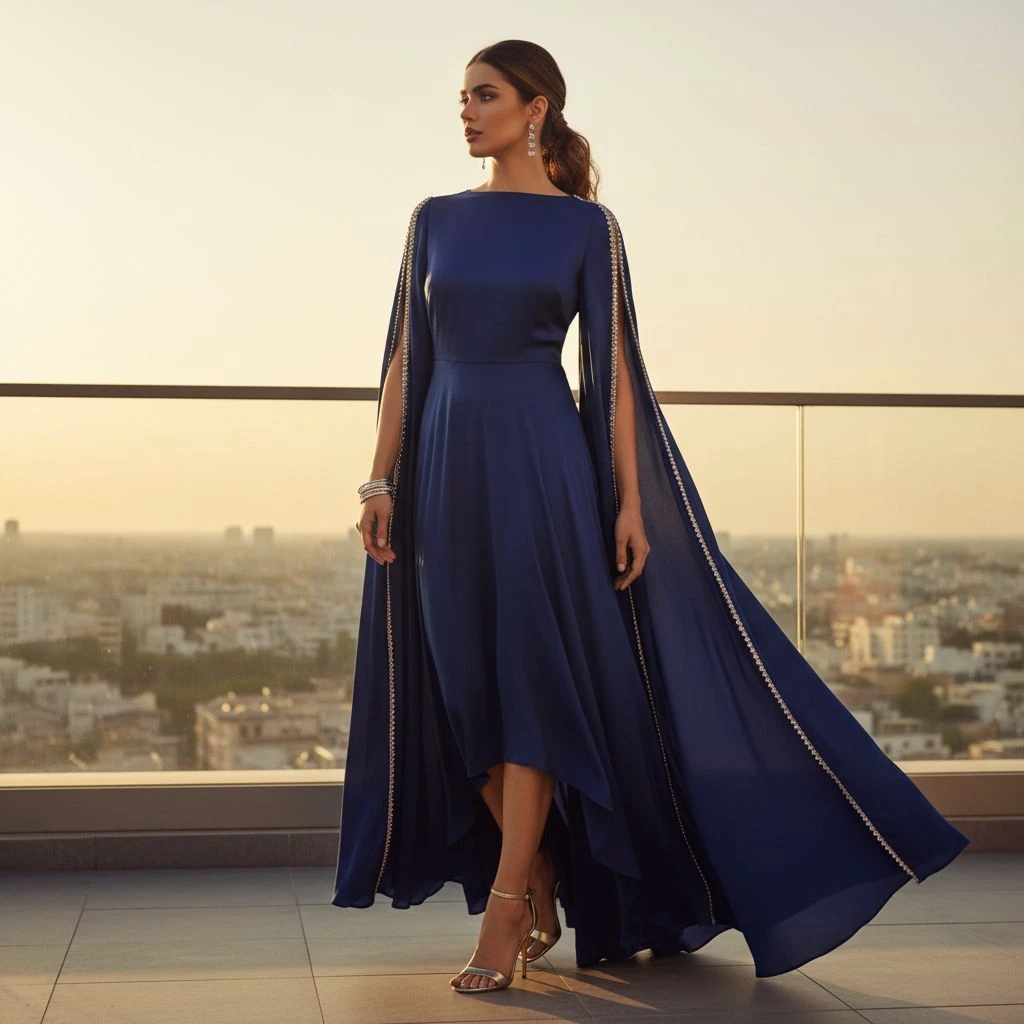
15. Cape Sleeve
Cape Sleeves extend over the shoulders like a small cape rather than fitting closely around the arm. They create dramatic movement while maintaining an elegant appearance.
- Key Features: Cape-like silhouette, Fluid movement, Sophisticated appearance, Eye-catching design,.
- Common Uses: Evening gowns, Formal dresses, Designer fashion, Luxury collections.
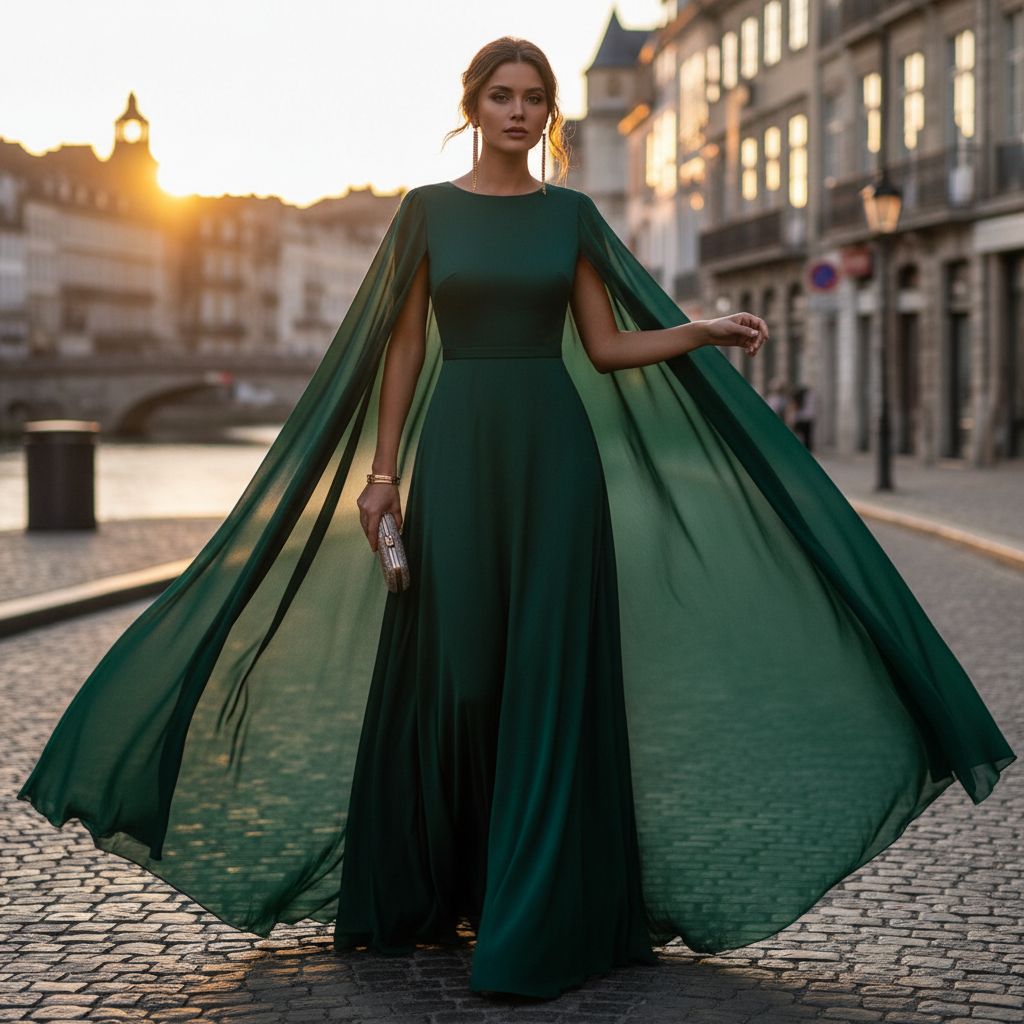

Cape sleeves extend over the shoulders like a draped cape rather than fitting closely around the arm, creating a dramatic and elegant effect.
16. Slit Sleeve
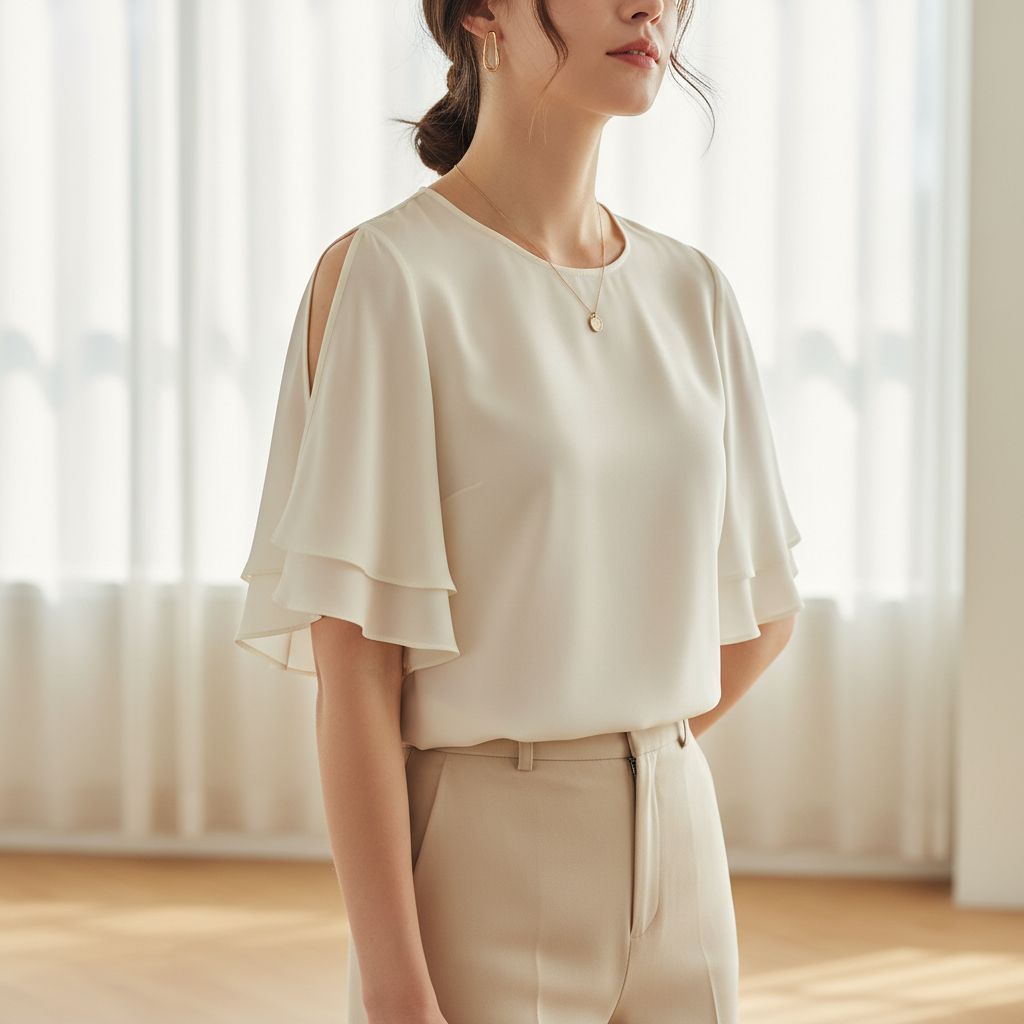
Slit Sleeves feature an opening along the sleeve that reveals part of the arm while maintaining sleeve coverage. They add a modern and elegant touch to formal garments. Key Features
- Key Features: Decorative opening, Modern styling, Elegant silhouette, Increased airflow.
- Common Uses: Evening gowns, Cocktail dresses, Fashion blouses, Designer apparel.
Conclusion / Final Words
Sleeves are a major design feature that shapes a garment’s identity and improves wearer comfort. Whether practical like a raglan sleeve or decorative like a bell sleeve, each type serves a unique purpose. Understanding these styles is essential for successful product development and apparel merchandising.