
Many people use the words denim and jeans as if they mean the same thing. In everyday conversation, that is common. However, in the fashion and garment industry, denim and jeans are not identical. They are closely related, but they refer to two different things. Understanding the difference between denim and jeans is important for fashion brands, garment manufacturers, and sourcing teams. In this article, we will explain what denim is, what jeans are, and the key differences in a simple and practical way.
=> Quick Answer: Are All Denim Products Jeans? No. Denim can be used to make many products besides jeans. Denim Is a Fabric; Jeans Are a Product.
- Denim = Fabric, Denim is the raw material used to manufacture clothing.
- Jeans = Finished Garment, Jeans are one of the products made from denim.
What Is Denim (Fabric)?
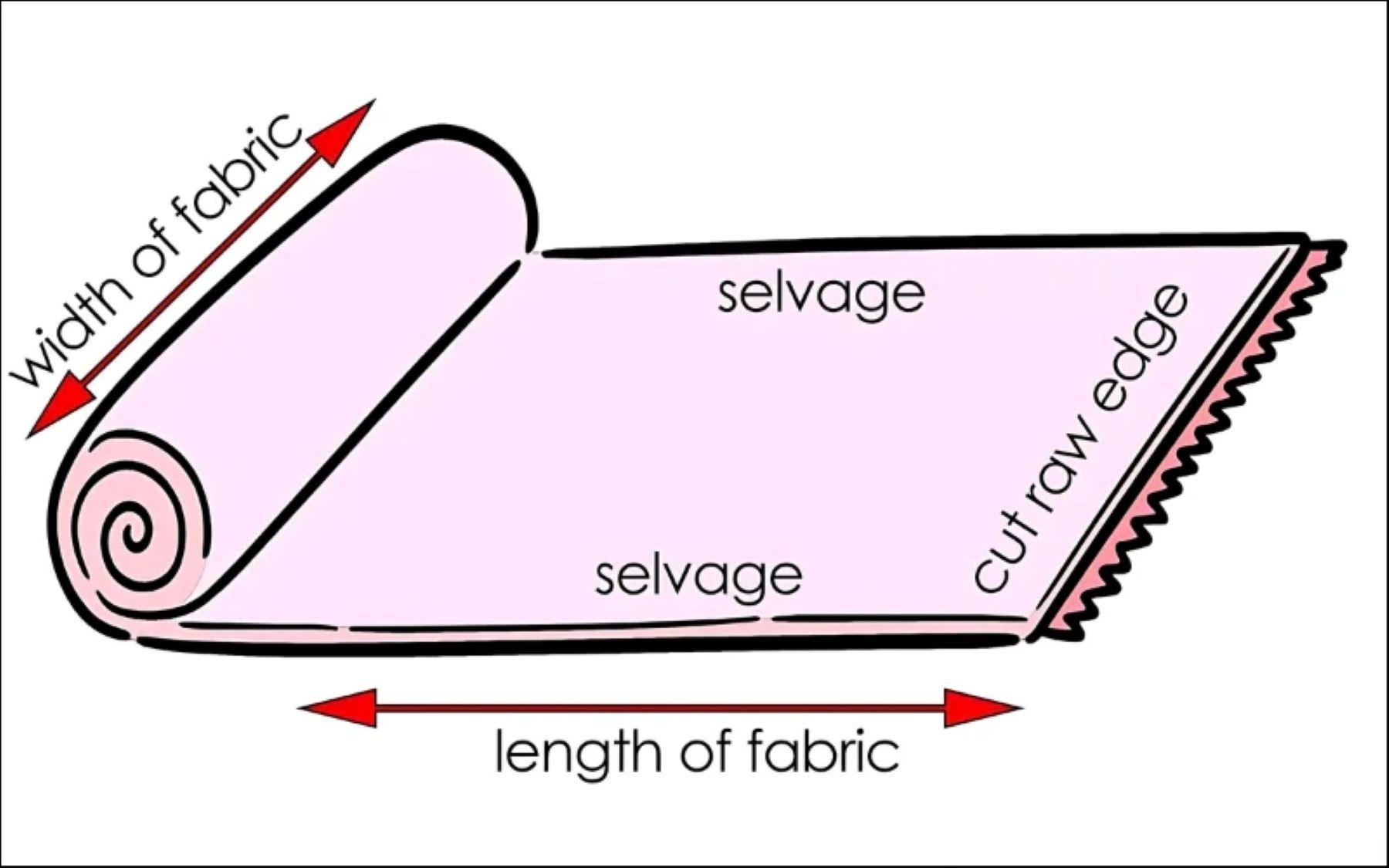
Denim is a durable woven fabric most commonly made from cotton. It is usually produced with a twill weave, which creates the diagonal lines visible on the surface of the fabric. Traditional blue denim is made with indigo-dyed warp yarns and undyed or white weft yarns. The warp yarns run lengthwise through the fabric, while the weft yarns run across it. Because the warp yarns are dyed and the weft yarns remain lighter, denim often has a blue outer surface and a paler reverse side. Denim is the material used to create many different products, not only jeans.
=> Related Article: 8 Polo Shirt and Jeans Looks That Never Go Out of Style
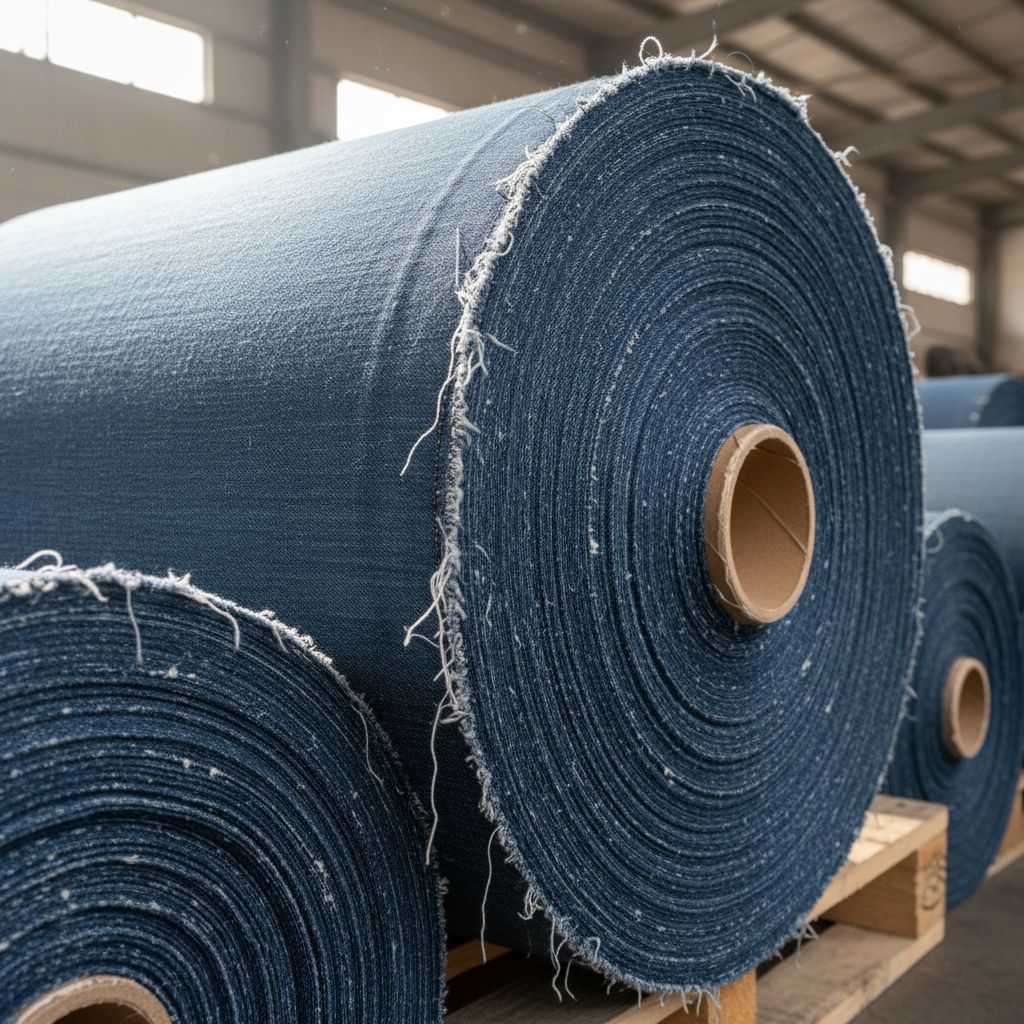
Because of its durability, denim has become one of the world’s most popular fabrics.
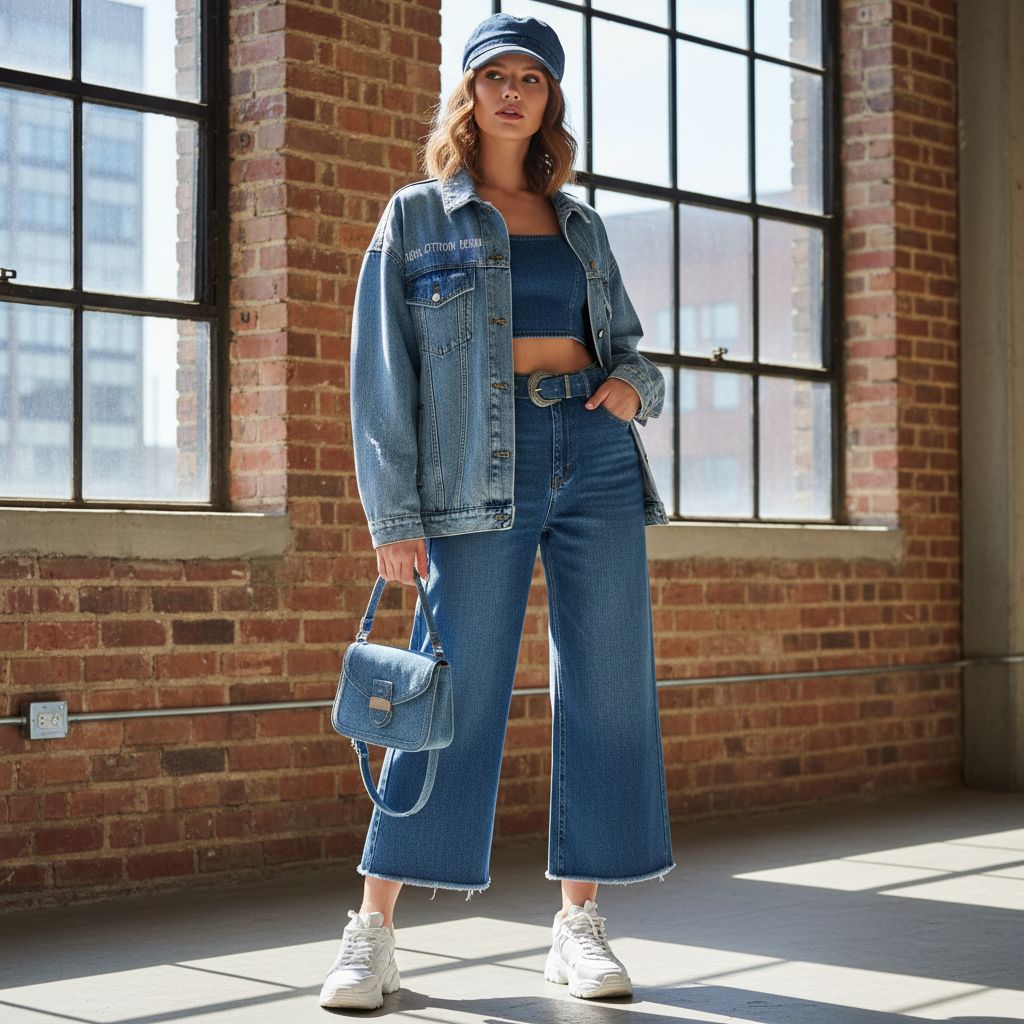
Today, denim is available in several variations, including 100% cotton denim, stretch denim, and selvedge denim. It is used to make many types of clothing and accessories beyond just pants, such as jackets, shirts, and bags.
How Is Denim Made?
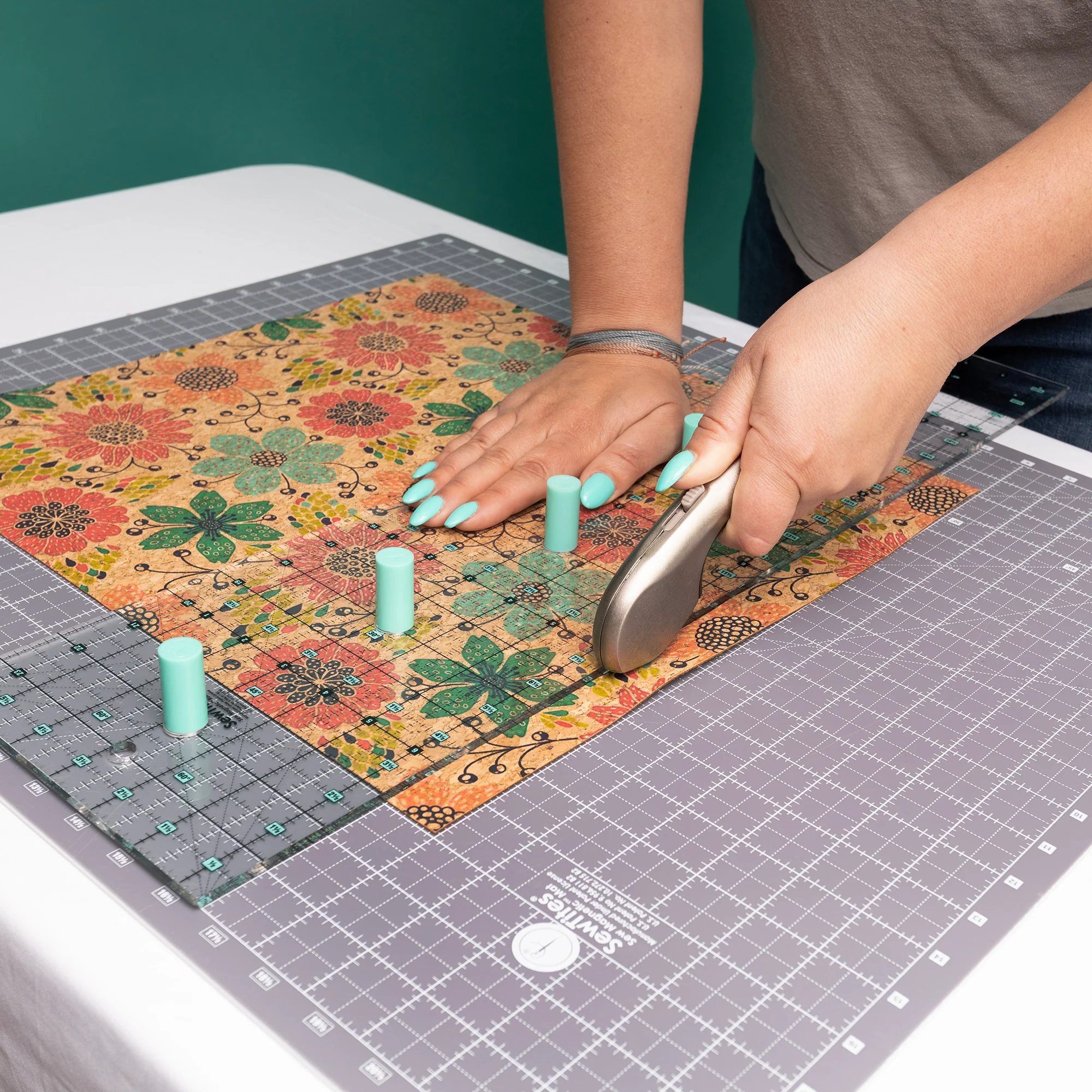
Denim production normally includes several stages:
- Yarn preparation
- Dyeing
- Weaving
- Finishing
- Fabric inspection
=> Related Article: What Is Denim Fabric? Types of Denim Fabrics and Their Pros and Cons
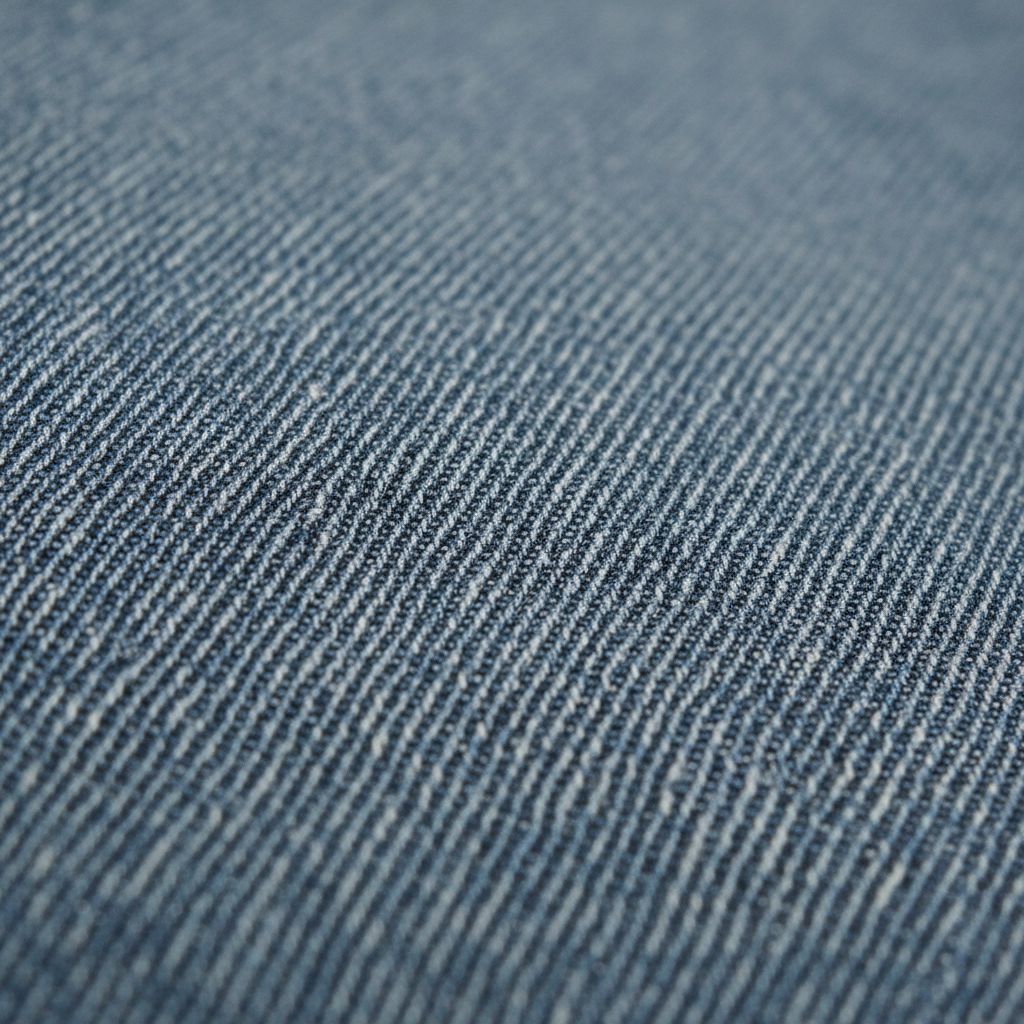
Denim, also commonly referred to as jean fabric, is a sturdy and durable textile usually made from cotton yarn and woven in a twill structure – Close-up of denim twill weave structure
Traditional denim is often woven in a 3/1 twill structure. This means one warp yarn passes over three weft yarns and then under one. This weave gives denim its familiar diagonal pattern, strength, and durability. After weaving, the fabric may be washed, softened, sanforized, coated, brushed, or treated to improve its appearance and performance.
Common Types of Denim
Denim is available in many forms. The right type depends on the design, fit, comfort, and intended use of the final product.
- 100% Cotton Denim: This is the traditional form of denim. It is usually strong, structured, and less flexible than stretch denim. It is commonly used for classic jeans, jackets, workwear, and heritage-style garments.
- Stretch Denim: Stretch denim contains elastic fibers such as elastane or spandex. This allows the fabric to move more easily and fit closer to the body. It is often used for skinny jeans, slim-fit jeans, fitted skirts, and stretch jackets.
- Selvedge Denim: Selvedge denim is woven on narrow shuttle looms. It has a clean, finished edge that helps prevent fraying. This edge is often visible when the jeans are cuffed. Selvedge denim is commonly associated with premium, traditional, or heritage products.
- Lightweight Denim: Lightweight denim is softer and thinner than standard denim. It is often used for: Shirts, Dresses, Skirts, Lightweight jackets, Children’s clothing
- Heavyweight Denim: Heavyweight denim is thicker and more structured. It is often selected for: Durable jeans, Workwear, Utility clothing, Jackets, Heavy-duty garments
- Blended Denim: Modern denim may include other fibers such as: Polyester, Viscose, Lyocell, Recycled cotton, Recycled polyester, Elastane. Blended fibers can change the softness, strength, drape, stretch, durability, and cost of the fabric..
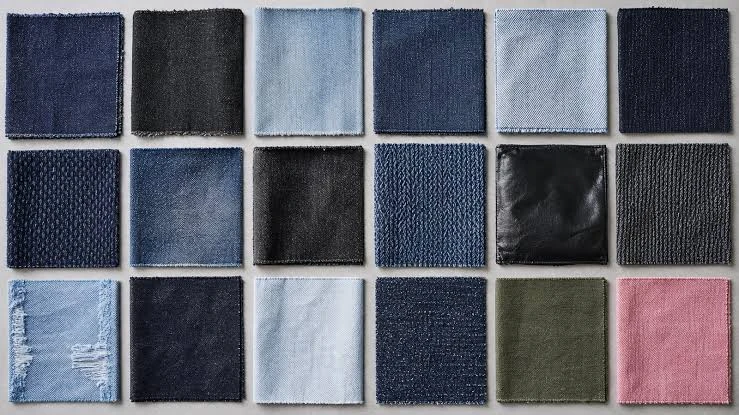
Modern denim is no longer limited to blue. It is available in black, white, grey, beige, brown, green, and many other colors.
What Are Jeans (Finished Garment) ?
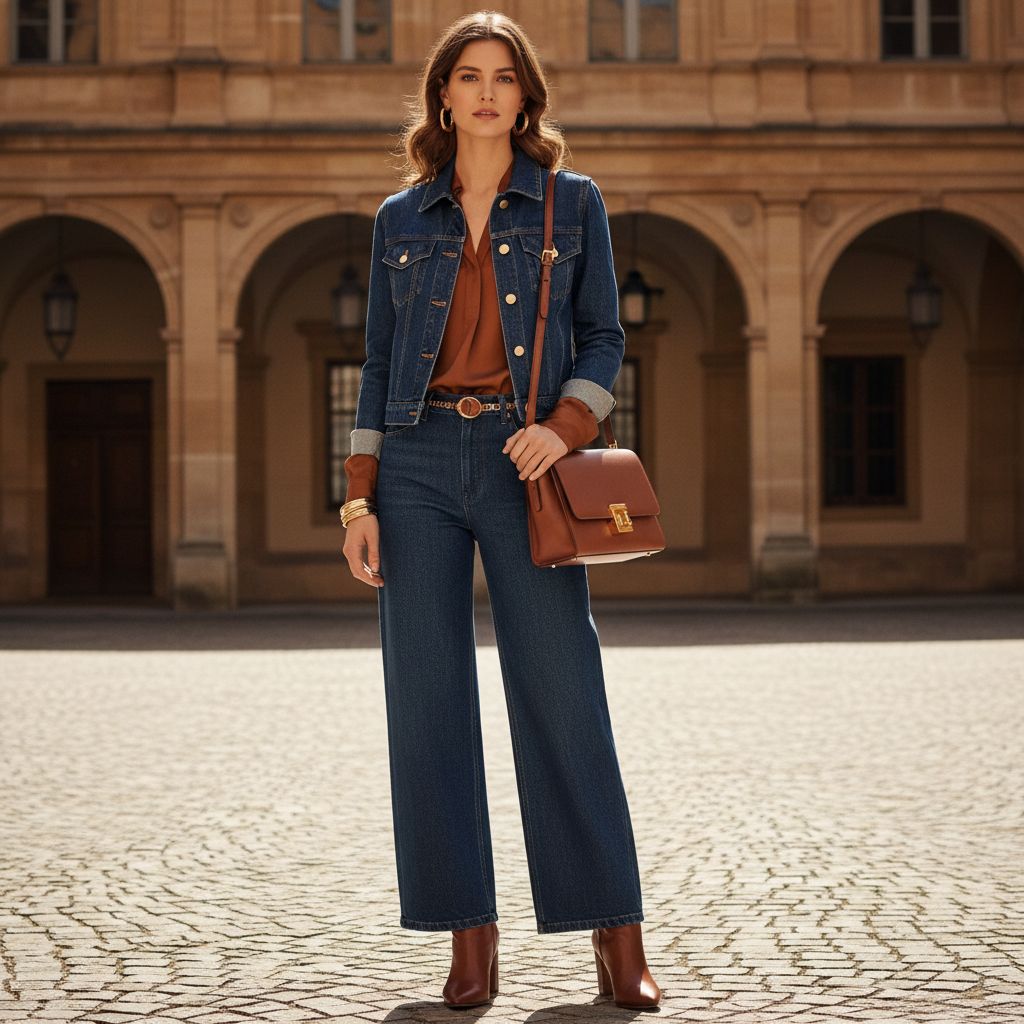
Jeans are a type of garment, usually trousers or pants, made specifically from denim fabric. Jeans became popular in the 19th century as durable workwear. Over time, they evolved into a global fashion staple available in many fits like skinny, slim, and wide-leg.
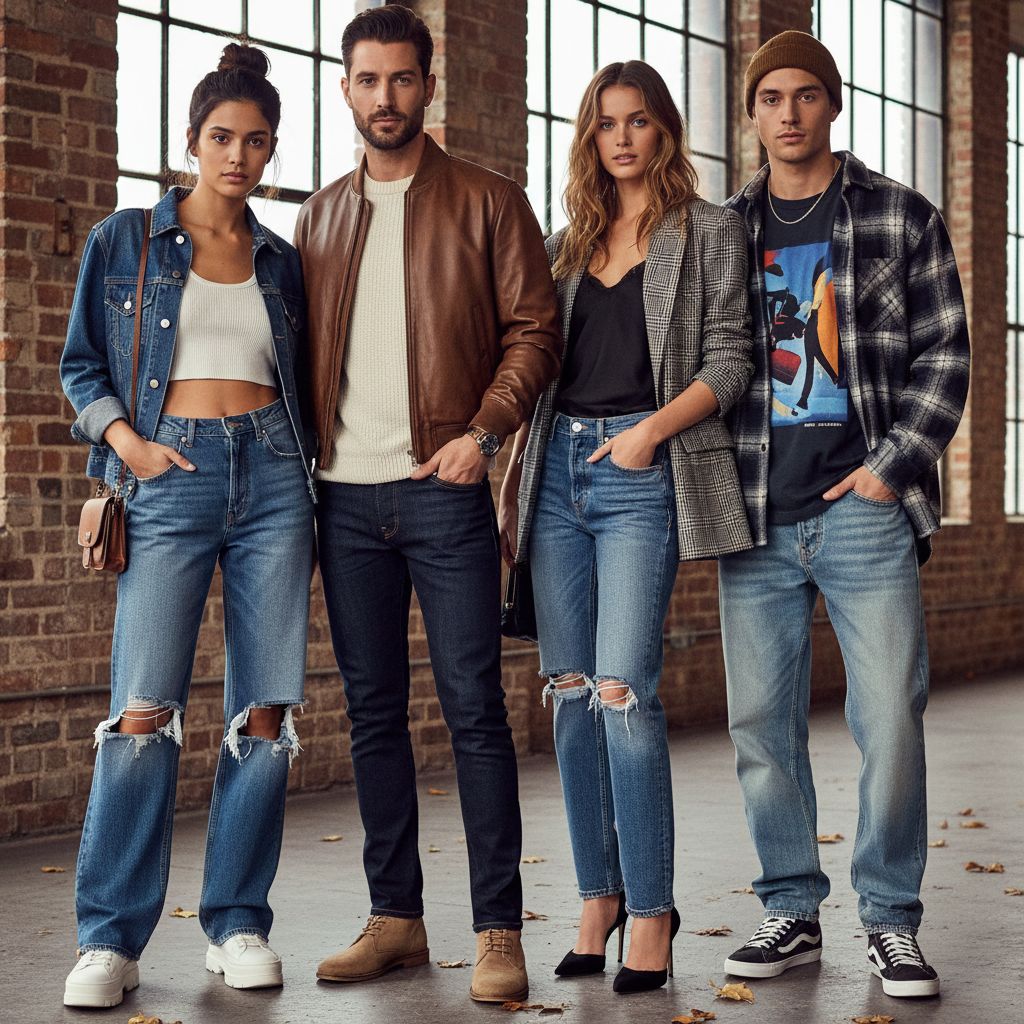
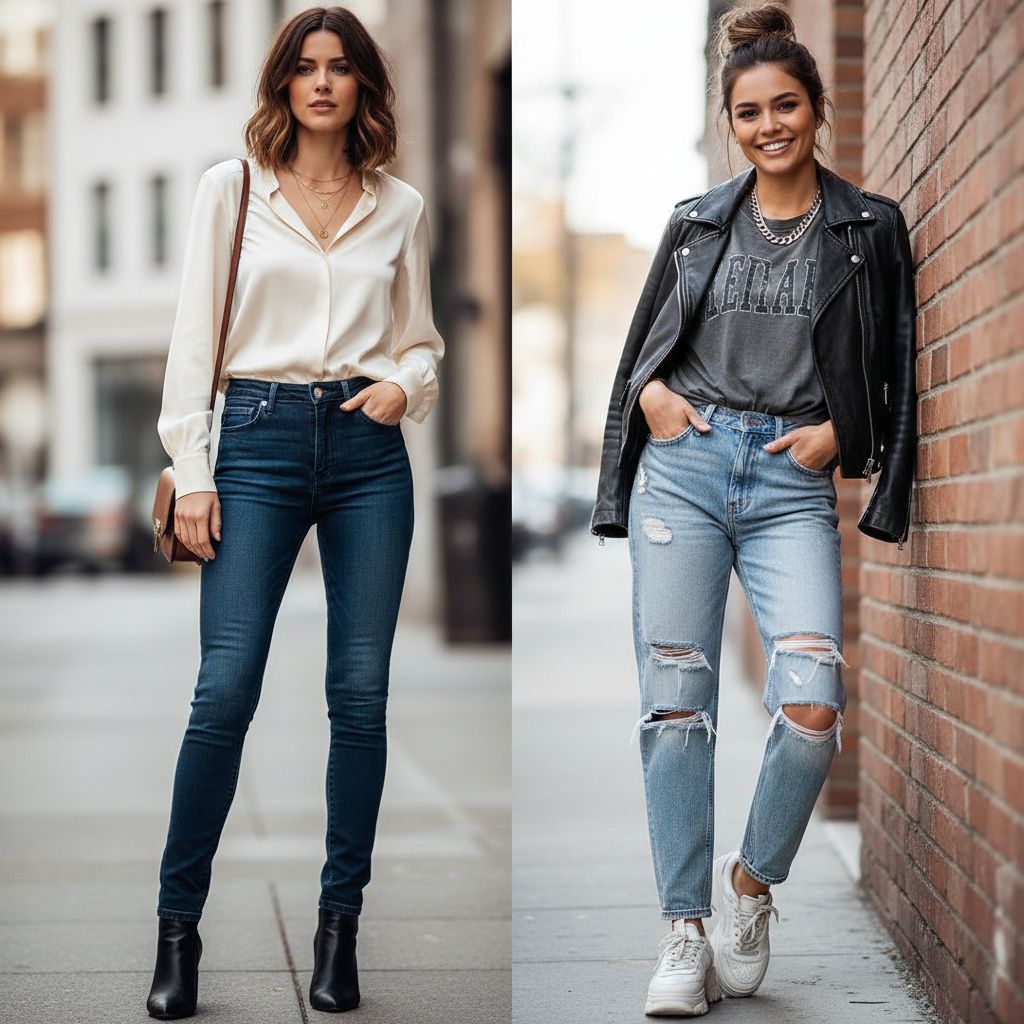
Jeans are a finished garment, usually trousers, made from denim fabric. The word “jeans” refers to the clothing item, not the raw material – Modern jeans fashion for men and women
A typical pair of jeans may include:
- A waistband
- Belt loops
- Front pockets
- Back pockets
- A zipper or button fly
- Metal rivets
- Topstitching
- Reinforced seams
Although blue jeans are the most common, jeans are available in many colors, washes, fits, and designs.
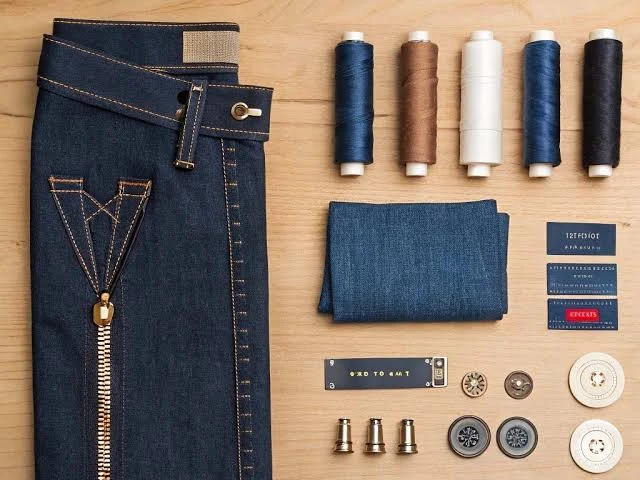
Jeans are a type of garment, most commonly trousers, constructed from denim fabric. Unlike denim, which is a textile material, jeans are the completed product people wear.
Common Types of Jeans:
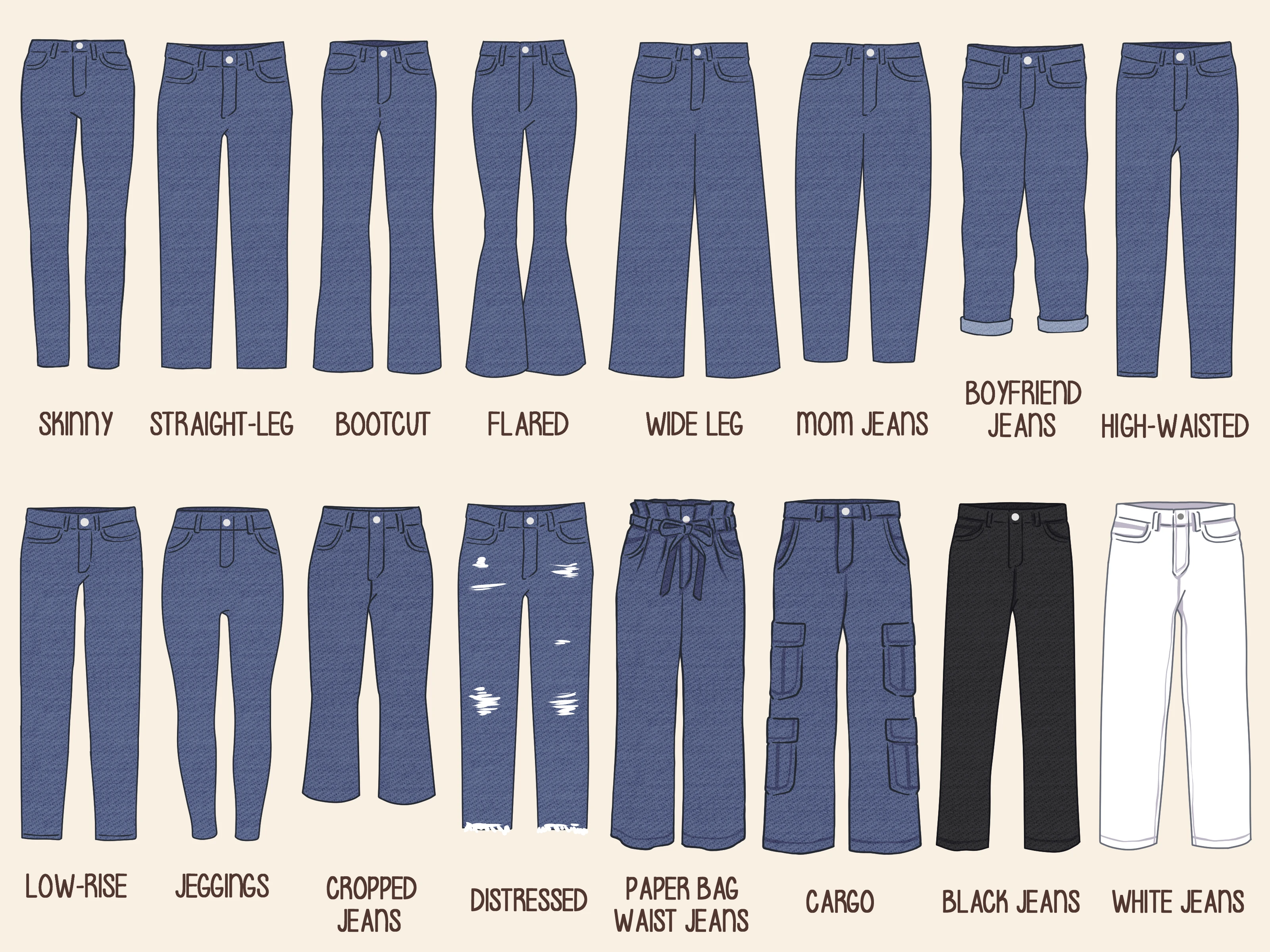
Jeans are usually classified by their shape, fit, rise, and leg design. Popular styles include:
- Straight-leg jeans
- Slim-fit jeans
- Skinny jeans
- Wide-leg jeans
- Bootcut jeans
- Flared jeans
- Relaxed-fit jeans
- Boyfriend jeans
- Mom jeans
- High-rise jeans
- Mid-rise jeans
- Low-rise jeans
These terms describe the finished garment. They do not describe the denim fabric itself. For example, two pairs of straight-leg jeans may look similar but use completely different denim weights, fiber blends, stretch levels, and finishing treatments.
Difference Between Denim and Jeans
The most important point to remember: Jeans are clothing. Denim is fabric. This distinction matters in apparel production because sourcing the material and constructing the garment are two different stages.
| Feature | Denim | Jeans |
|---|---|---|
| Definition | A durable woven fabric, usually made from cotton. | A finished garment, usually trousers made from denim. |
| Category | Textile material | Apparel product |
| Production Stage | Produced during fabric manufacturing. | Produced during garment cutting, sewing, washing, and finishing. |
| Main Material | Usually cotton, sometimes blended with elastane, polyester, lyocell, or recycled fibers. | Usually made from rigid, stretch, lightweight, or heavyweight denim. |
| Main Use | Used to make jeans, jackets, shirts, dresses, skirts, bags, and other products. | Worn as trousers or pants. |
| Common Types | Rigid denim, stretch denim, selvedge denim, lightweight denim, and heavyweight denim. | Straight-leg, slim-fit, skinny, bootcut, flared, relaxed, and wide-leg jeans. |
| Typical Features | Diagonal twill lines, strong construction, and a lighter reverse side. | Waistband, belt loops, pockets, fly, topstitching, buttons, and rivets. |
| Color | Commonly blue but also available in black, white, grey, brown, and other colors. | Available in many colors, washes, fades, and finishes. |
| Industry Example | “We need 12-ounce stretch denim for this order.” | “The buyer ordered straight-leg jeans with a vintage wash.” |
| Simple Meaning | The material | The finished product |

Conclusion / Final Word
The difference is simple: Denim is a fabric, and jeans are a garment made from it. Denim is the material; jeans are the finished product. This distinction is useful for fashion professionals and garment manufacturers alike. If you want to communicate accurately in the industry, use the right term in the right context: they are related, but they are not the same thing.