Canvas Fabric: Definition, Types, Properties, and Uses Explained

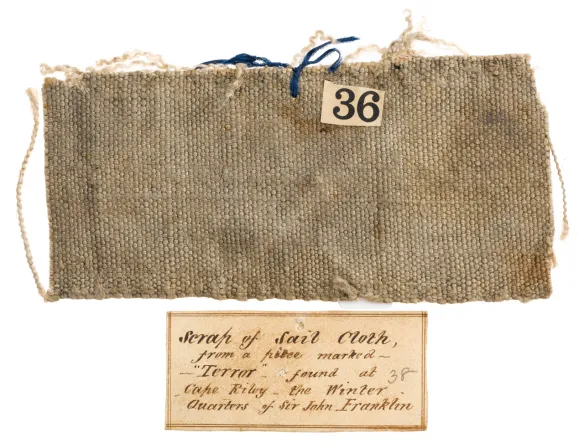
Canvas fabric is one of the most trusted materials in the textile world, known for its strength, versatility, and natural beauty. Woven tightly from thick cotton, linen, or hemp yarns, it creates a dense surface that can stand up to years of use. From ancient ship sails to today’s high-end tote bags and workwear, canvas remains a timeless fabric that blends practicality with style.
What is Canvas Fabric?
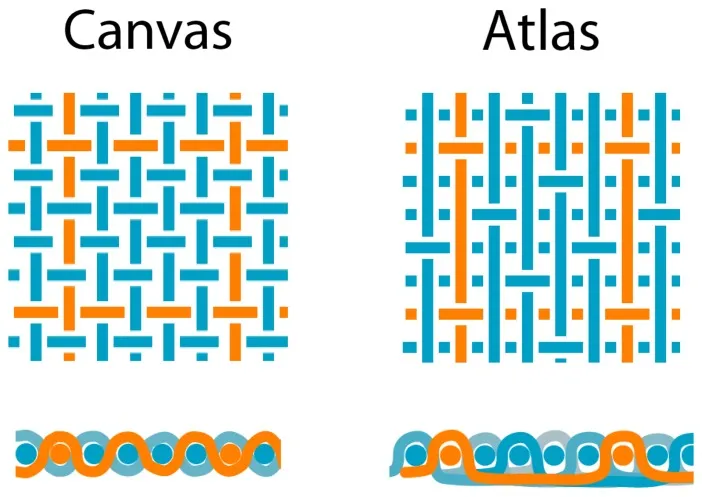
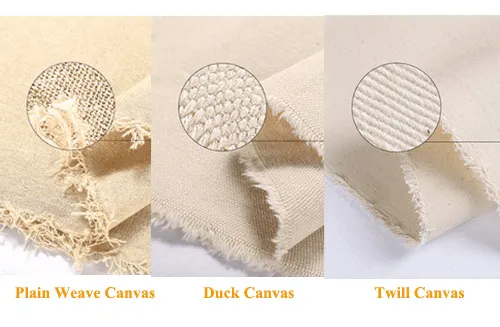
Canvas is a heavy-duty, strong, and tightly woven fabric. It is primarily defined by its plain weave structure (one over, one under), which provides remarkable stability. While historically made from hemp (from the Greek κάνναβις), modern textile manufacturing typically uses cotton or cotton blends to achieve a balance of durability and cost.
The Industrial Revolution and inventions like the cotton gin made cotton canvas widely available. Today, it is the standard for military gear, upholstery, and commercial accessories. Brands like Filson built their reputation on waxed canvas, proving that with the right treatment, this rugged material can handle any environment.
Composition and Weave
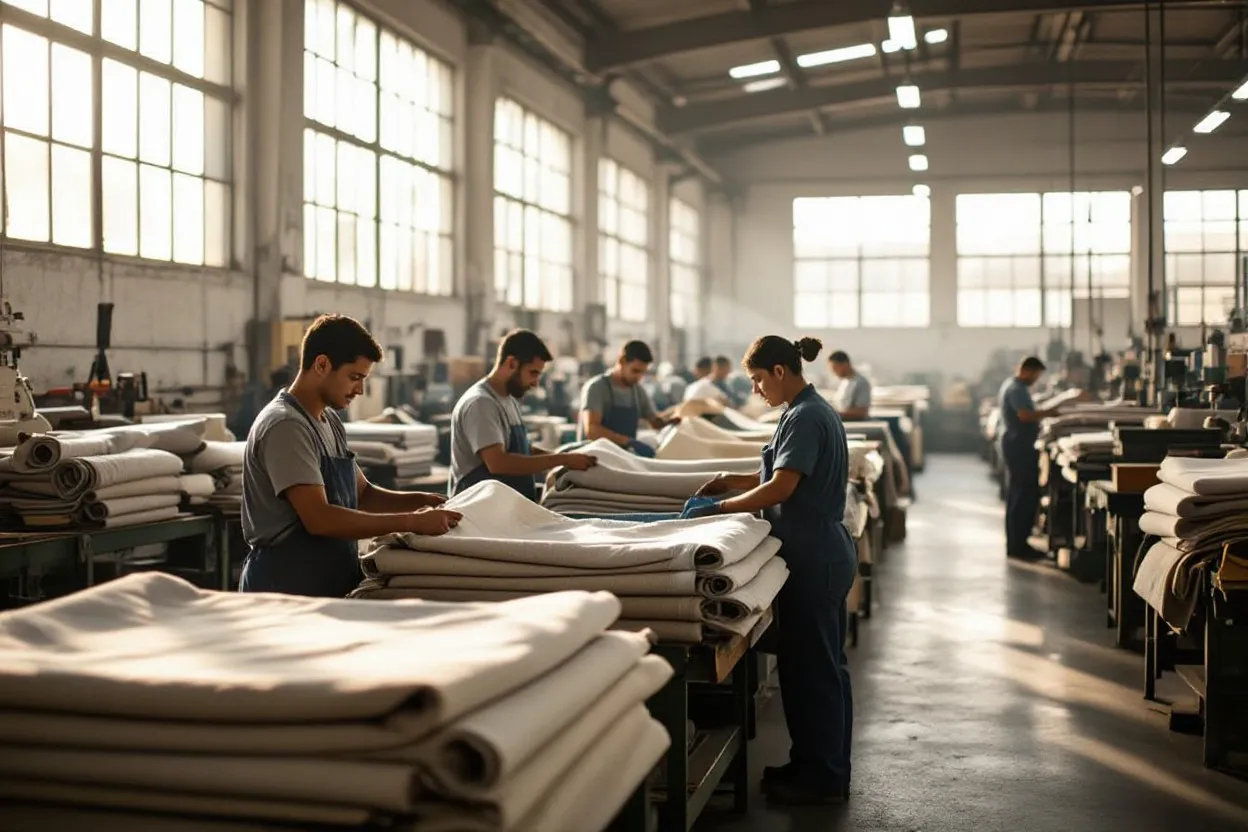
The secret to canvas’s toughness lies in its construction. Unlike denim (which uses a twill weave), canvas uses a plain weave combined with coarse, strong yarns.
- Fibres: Mostly carded cotton today. Smoothness isn’t the goal—durability is.
- Duck Canvas: A specific variant (from Dutch doek) featuring an even tighter weave and heavier yarns, common in premium workwear.
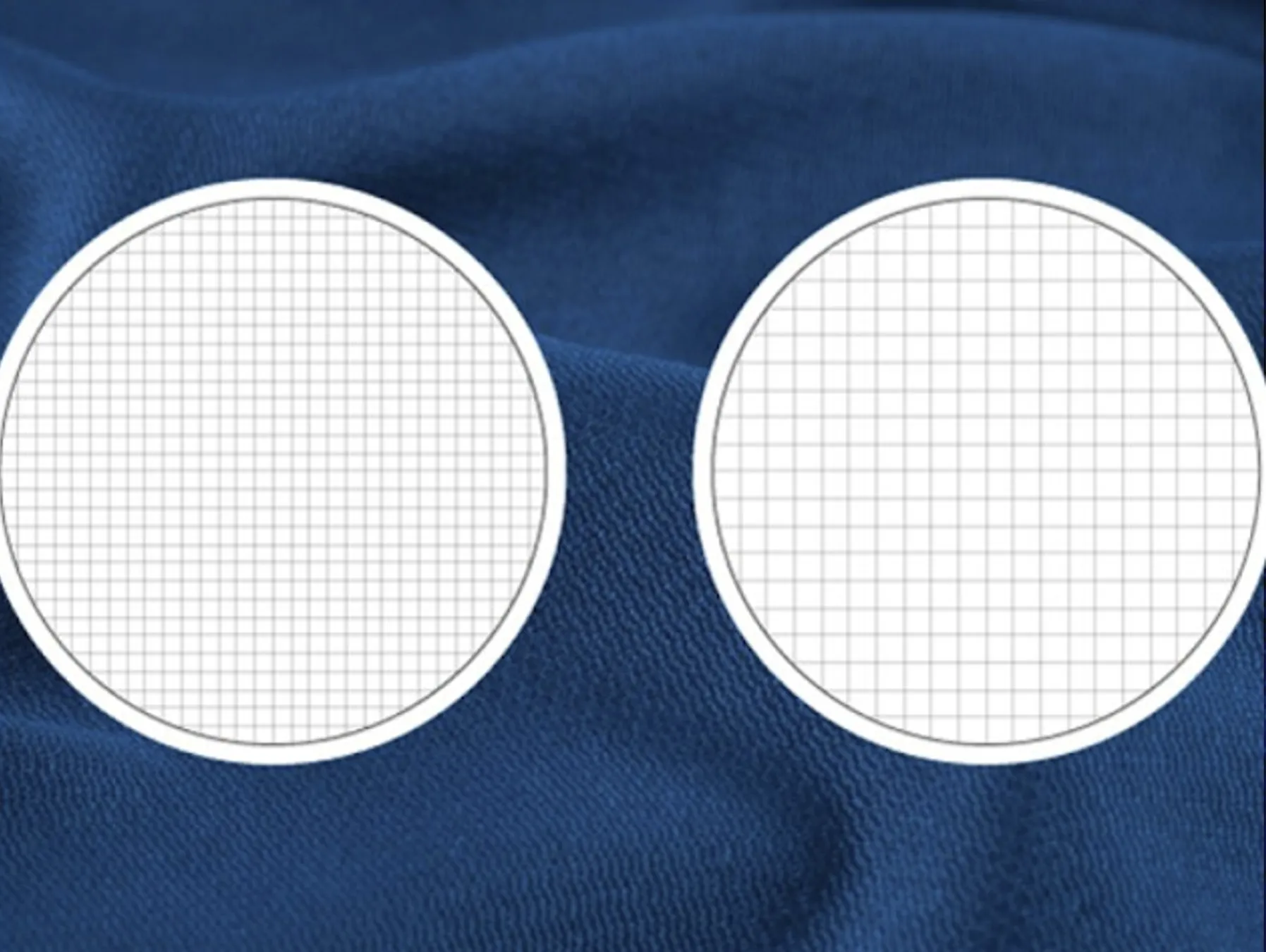
- Weight & Density: Typically classified by ounces per square yard. Thread counts are lower (50-100) because the yarns are so thick.
Key Properties of Canvas Fabric
When sourcing canvas for manufacturing, these functional attributes are critical:
- Abrasion Resistance: High resistance to wear and tear due to the dense structure.
- Dimensional Stability: It retains shape well, providing necessary support for bags and upholstery.
- Weather-proofing: Naturally water-resistant; can be coated with wax or PVC to become nearly waterproof.
- Aging/Patina: Canvas acquires a unique “worn-in” look over time, adding aesthetic value to heritage garments.
Types & Classification
Classification by Fibre
- Cotton Canvas: Most widespread, cost-effective, and versatile.
- Linen Canvas: More expensive and durable, often preferred for fine art.
- Blended/Synthetic: Mixed with polyester to enhance strength or ease of cleaning.
Classification by Finish
- Waxed Canvas: Vintage, water-repellent surface loved by outdoor brands.
- Artist Canvas: Lighter weight, usually primed with gesso for painting.
- PVC-Coated: Used for heavy-duty industrial tarps and tents.
Practical Uses & Applications
For a garment factory and export supply chain, canvas is relevant in several high-demand areas:
- Bags & Accessories: Tote bags, backpacks, and messenger bags—canvas supports heavy hardware and prints beautifully.
- Outerwear & Workwear: Heritage-style jackets, vests, and sturdy uniforms.
- Footwear: Essential for casual sneakers due to its breathability and structure.
- Home Décor: Upholstery for sofas, cushions, and durable wall coverings.
Summary
In short, canvas is the workhorse material of the textile world. For sourcing and manufacturing, paying attention to the specific weight (e.g., 12 oz vs 18 oz) and finish is key to ensuring product performance. At Mekong Garment, we utilize these technical specs to help brands create durable, high-quality products that stand the test of time.
FAQs About Canvas Fabric
In Short, What is Canvas Fabric?
Canvas is a strong, tightly woven plain-weave fabric historically made from hemp or linen and today most commonly made from cotton. It has coarse yarns and a dense surface that provide a heavy feel and a rugged texture, originally used for sails and tents and now used for clothing, bags, footwear, and home goods.
How is canvas constructed and what fibres are used?
Canvas is made with thick, durable yarns (cotton, linen, or hemp) interlaced in a plain weave where each yarn passes over and under one at a time. The fibre choice affects hand and strength: cotton offers softness and lower cost, linen and hemp offer greater tensile strength and longevity. Weight and density are controlled by yarn thickness and picks per inch.
What are the key properties of canvas fabric?
Canvas is durable, tear-resistant, and abrasion-resistant due to its dense plain weave and coarse yarns. It provides moderate natural water resistance and becomes highly water-repellent when coated or waxed. Canvas softens with use while retaining structural strength, accepts dyes and prints well, and performs strongly in outdoor and utility applications.
What types of canvas should I know about?
Types vary by fibre, weave, and finish: cotton canvas (soft, affordable), linen/hemp canvas (stronger, longer-lasting), duck canvas (smoother, tightly woven for bags and shoes), and waxed canvas (coated for vintage look and water repellence). Classification also includes differences in weight and finish—uncoated, coated, or laminated—for different end uses.
How does canvas weight and finish affect its applications?
Weight determines suitability: lighter canvas (for apparel and linings), mid-weight (tote bags, upholstery), and heavy-weight (outdoor gear, tents). Finishes and coatings add water resistance, stain repellence, or aesthetic effects (wax, PVC, or acrylic coatings). Choose weight and finish to balance durability, flexibility for cut-and-sew, and cost.
What are the main uses of canvas in garment manufacturing and accessories?
Canvas is used for outerwear, jackets, and workwear; footwear like sneakers and boots; bags and totes; upholstery, cushions, and curtains; and industrial items like tents and sails. In garment factories, canvas is selected for items needing structure and durability; it’s easy to print and dye, making it popular for branded and fashion pieces as well as functional goods.