



How Do Tech Packs Improve Your Apparel Quality Control?

Tech packs are more than “factory instructions.” They are a quality control system in document form. When every detail is written, drawn, and measured, quality stops being a debate and becomes a standard. That standard helps your factory build the garment the same way, every time. It also helps your QC team inspect faster, with fewer arguments and fewer surprises. Below are the key factors inside a tech pack that directly raise quality and why each one works.

10 Ways Tech Packs Improve Your Apparel Quality Control

Tech Packs Create Objective, Measurable Quality Standards

Quality problems often start with one simple issue: people see the same garment differently. One inspector thinks a stitch line is “fine,” another thinks it is “bad,” and both feel correct. A tech pack fixes this by turning opinions into numbers and rules. When you define the target clearly, QC becomes repeatable across shifts, teams, and factories. Most importantly, objective standards stop small problems early, before they turn into big claims, returns, or rework.

=> Related Article: How Do Tech Packs Improve Your Apparel Quality Control? 

What becomes measurable (examples you can specify)

  • Stitch density (SPI): exact stitches per inch for each operation
  • Seam allowance tolerance: allowed range (example: ± 1/8 inch)
  • Measurement tolerances: different limits for critical vs non-critical POMs
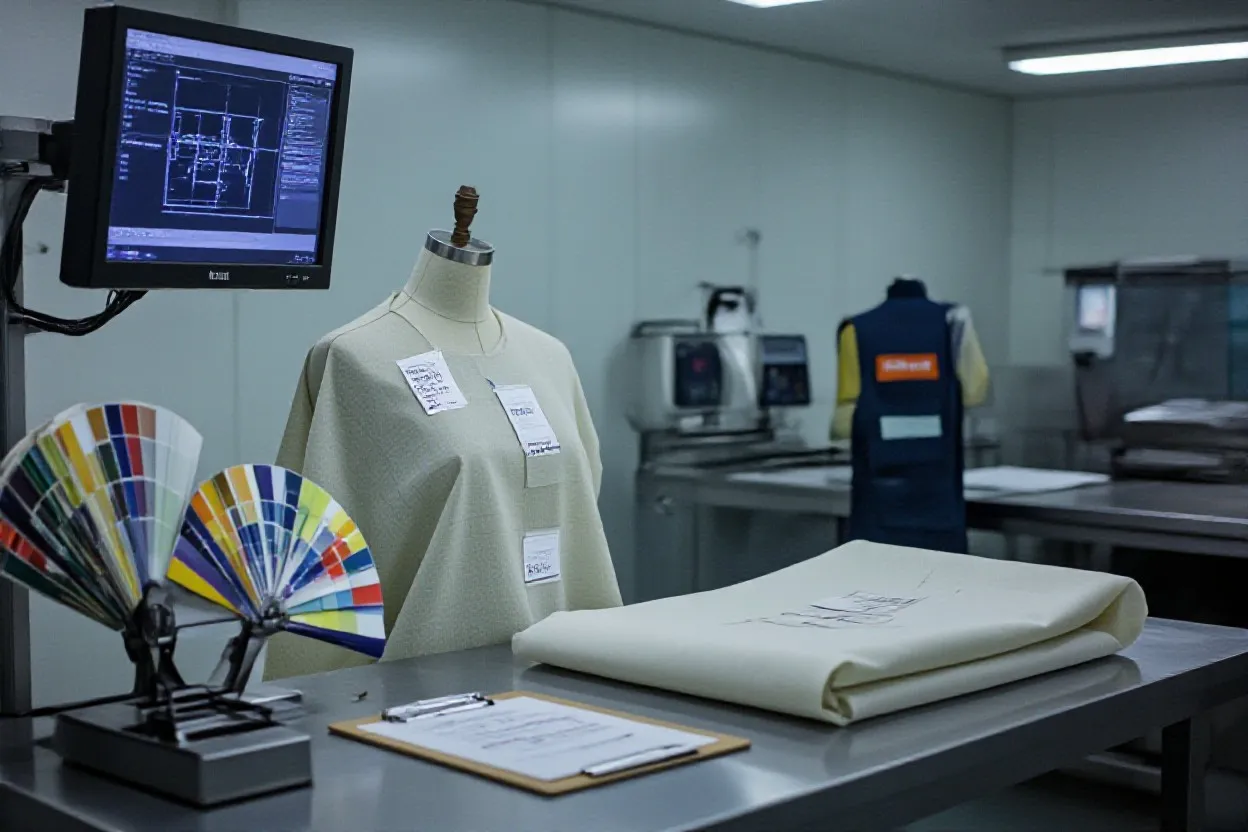
  • Color standards: lab values like Delta E for matching
  • Fabric performance: shrinkage %, pilling grade, colorfastness rating

Why this improves QC

  • Inspectors follow the same rule, not personal taste
  • Pass/fail decisions become clear
  • Rejection rates become consistent across shifts
  • Disputes drop because the tech pack is the “final judge”

Measurement Specs Prevent Fit Inconsistencies

Fit is one of the biggest reasons customers return clothes. And fit issues usually come from small measurement drift during cutting, sewing, or pressing. A tech pack measurement sheet gives the factory one “true blueprint” to follow, so size and shape do not change from batch to batch. When measurement points are defined clearly, QC can measure fast and accurately. Over time, this creates stable sizing that customers trust.

=> Related Article: Are Tech Packs Necessary For Custom Clothing Manufacturers? 

What measurement details matter most

  • Point of Measurement (POM) definitions: where to measure, and how
  • Tolerance per POM: tighter for critical areas (waist, hip, rise, chest)
  • Grade rules: how each size increases (consistent increments)
  • Stretch handling: relaxed vs stretched method, recovery notes
  • Control points: special measurements for complex parts (hood, pocket opening)

Why this improves QC

  • Less “fit drift” between sizes and production runs
  • QC can catch problems early, before full packing
  • Factories can apply simple statistical checks (spot trends)
  • Your final size chart becomes more accurate for customers

Material Specifications Prevent Quality Variation and Substitution

Two fabrics can look the same but behave very differently after wash, wear, and heat. That’s why material control is a major part of quality control. A tech pack locks in what the fabric and trims must be—not just “similar.” It reduces the risk of hidden substitutions, mixed lots, or cheaper components slipping into production. It also helps QC reject materials before they enter the line, which saves huge cost later. In short: strong BOM specs protect your product’s real performance.

=> Related Article: Are Digital Tech Packs Shaping the Future of Apparel Manufacturing?

What to specify in the BOM (Bill of Materials)

  • Fiber content + tolerance: e.g., 97/3 with allowable % range
  • Weight: GSM or oz/yd² range, not one single number
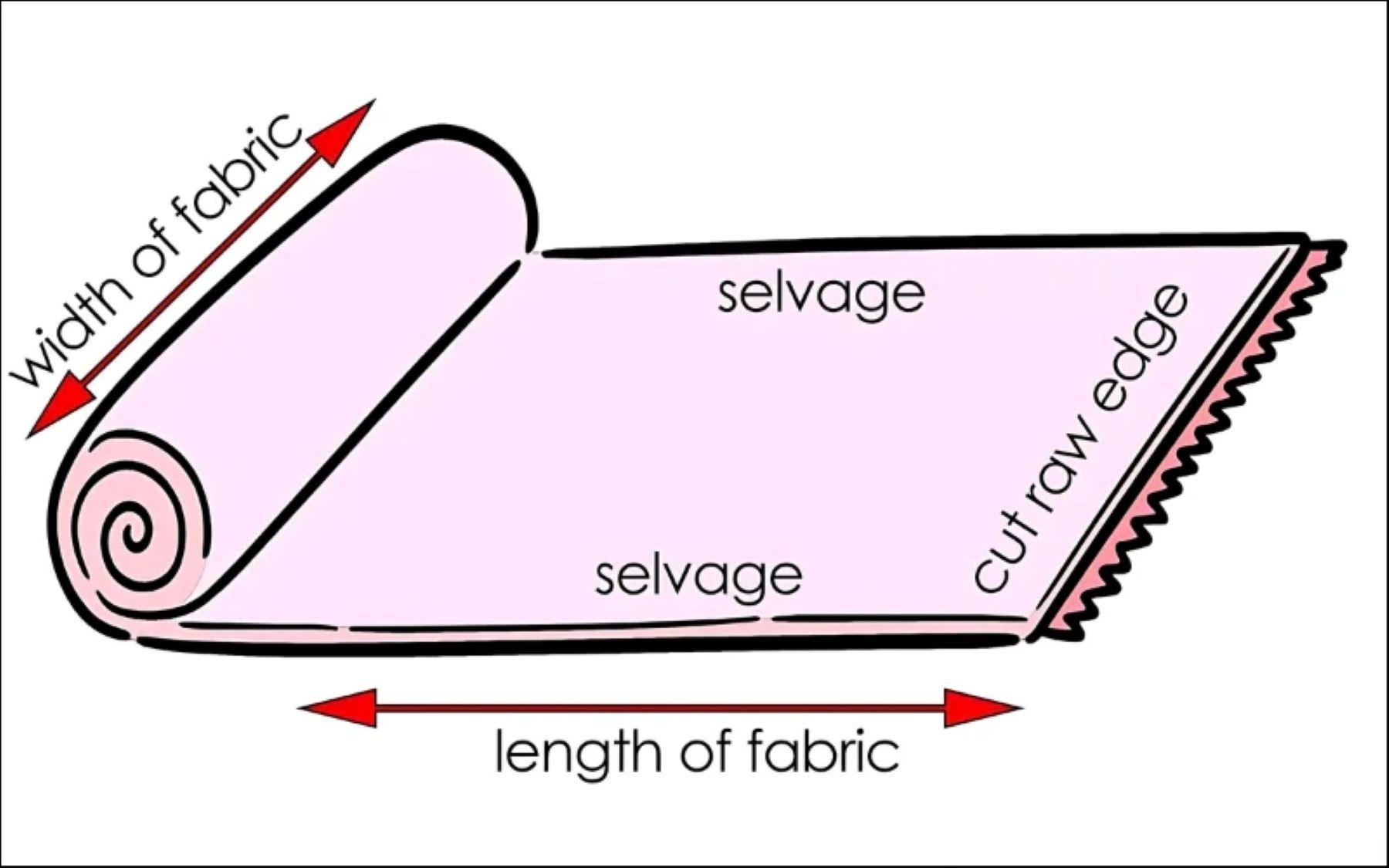
  • Width + usable width: especially important for markers and shrinkage
  • Performance targets: shrinkage %, pilling grade, colorfastness results
  • Approved supplier list: and what substitutes are allowed (if any)
  • Swatch approval system: physical reference tagged and dated

Why this improves QC

  • QC can test incoming materials against clear targets
  • Factories cannot “guess” or swap without approval
  • Consistency improves across different fabric lots
  • You reduce risk of customer complaints after laundering

Component and Trim Specs Prevent Common Defects

Many visible defects come from trims, not sewing. A zipper that waves, a button that cracks, a label that irritates skin, or a thread that doesn’t match can ruin the garment. Tech packs prevent these failures by specifying trim details like a mini “engineering plan.” When trims are defined, factories can source correctly and QC can test correctly. This is especially important for high-stress items like denim, outerwear, and kidswear. Trims may seem small, but they often decide whether a garment feels premium or cheap.

=> Related Article: How to Turn a Clothing Idea into a Professional Tech Pack

What trim specs should include

  • Zipper: brand, type, length, puller style, and strength requirements
  • Button: material, size, thickness, and attachment method
  • Thread: type (core-spun, spun poly), ticket size, and color standard
  • Interlining/fusing: weight, glue type, and bonding performance
  • Labels: material, placement, and stitch method (no scratchy edges)

Why this improves QC

  • Fewer failures during wear (breaks, detaches, deforms)
  • Cleaner appearance and better hand-feel
  • Less rework at final inspection
  • Better safety and compliance for sensitive markets

Construction Specs Prevent Durability and Appearance Defects

Construction is where most “factory interpretation” happens. If a tech pack says “topstitch,” one line might do 2.8mm and another might do 3.5mm, and both will claim it is correct. Tech packs solve this by specifying the exact stitch type, seam type, SPI, and finishing method. This makes your garment consistent in strength and appearance. It also helps factories train operators faster because the standard is written. In the end, fewer defects reach packing, and your product looks “the same” in every unit.

=> Related Article: No Tech Pack, No Scale: How Big Brands Really Produce 

Construction details that need precision

  • Seam types: plain, felled, bound, taped, overlock + cover
  • Stitch types: lockstitch, chainstitch, coverstitch, bartack
  • SPI by operation: higher SPI for strength areas, defined clearly
  • Seam allowances: exact width + trimming/finishing instruction
  • Reinforcement points: stress areas with bartack length and placement
  • Pressing notes: heat/steam limits to prevent shine or distortion

Why this improves QC

  • Lower seam failures and fewer warranty claims
  • Cleaner stitch appearance and symmetry
  • Reduced variation between operators and lines
  • Better performance for high-stress zones (crotch, pocket corners, placket)

Technical Flats and Visual Callouts Reduce Misunderstanding

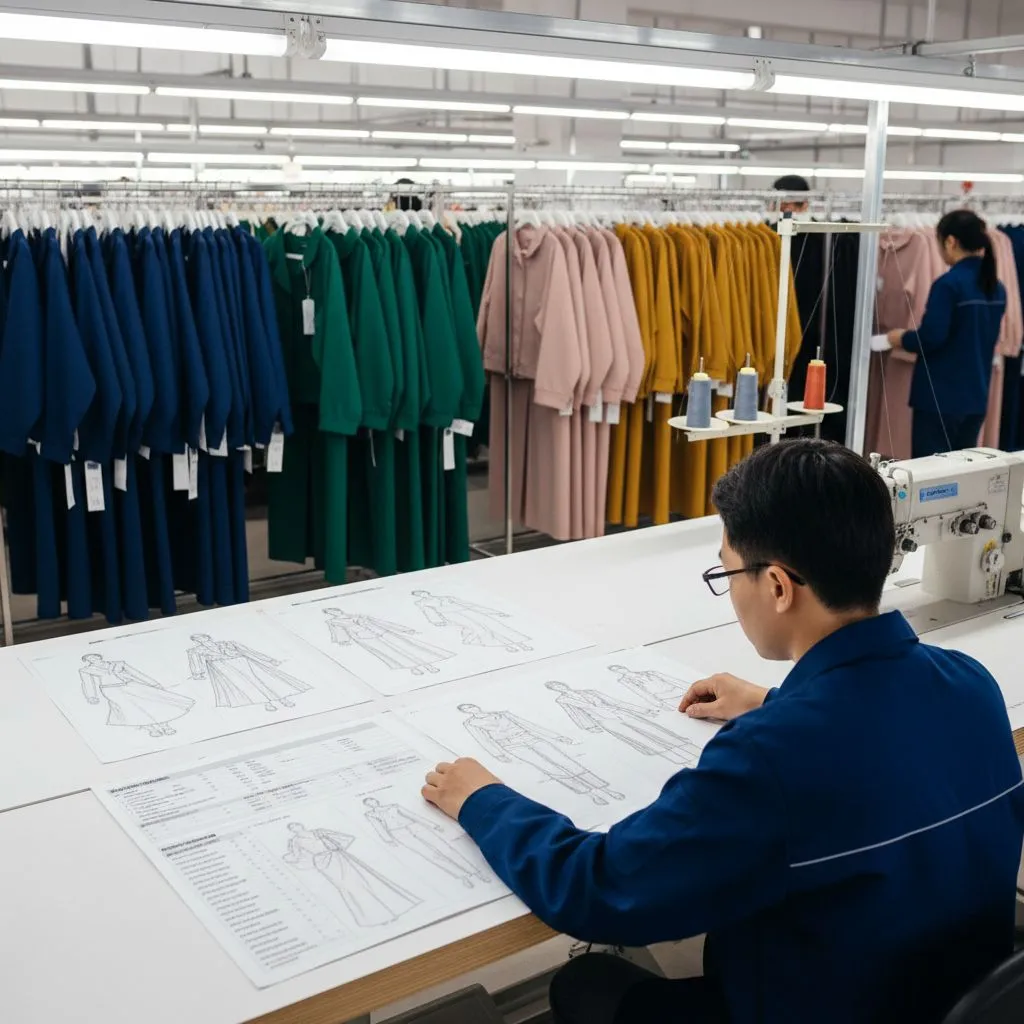
Words alone can be risky in manufacturing. Many errors happen because the factory imagined the detail differently than the brand intended. Technical flats act like a shared language between design, production, and QC. They show placement, proportion, and construction intent at a glance. Callouts (small notes pointing to details) reduce “missing parts” and wrong placements. For QC, visuals also become an inspection reference—inspectors can compare the garment to the drawing quickly.

=> Related Article: What Is the Biggest Misconception About Tech Packs? 

What to include in your technical flats

  • Front/back flats with clear proportions
  • Zoom-in callouts for complex areas (pocket, fly, collar, placket)
  • Placement measurements (pocket distance from side seam, label position)
  • Stitching lines and seam direction
  • Hardware placement and orientation

Why this improves QC

  • Fewer placement defects (pocket too high/low, label wrong spot)
  • Faster decision-making during inspection
  • Less back-and-forth between brand and factory
  • Better consistency for complex styles

Tech Packs Streamline Inspection and Improve Training

QC works best when it is systematic, not random. A tech pack naturally becomes a QC checklist: what to measure, what to test, what to check visually, and what counts as a defect. This helps inspectors work faster because they do not need to “think from scratch.” It also helps new inspectors learn quicker because the rules are written. Over time, tech-pack-based QC improves reporting because defects can be categorized clearly. That reporting is what allows real improvement, not just repeated repairs.

=> Related Article: Updating a Tech Pack: A Step-by-Step Guide for New Seasons

How tech packs improve QC efficiency

  • Clear pass/fail criteria reduces decision time
  • Standard inspection sequence reduces missed checks
  • Faster training because standards are documented
  • Better defect tracking because categories match tech pack specs
  • Better communication because QC can reference page/point numbers

Tools that pair well with tech packs

  • Digital checklists linked to spec pages
  • Mobile access on the factory floor
  • Photo defect logs attached to spec references
  • Measurement data capture for trend tracking

Tech Packs Protect Quality During Reorders and Scaling

Many brands have a great first production, then quality drops on the reorder. This happens when key details live in people’s memory, not in documentation. A complete tech pack preserves the exact recipe that made the style successful. That means you can reproduce the same garment months or years later, even if staff or factories change. It also allows multiple factories to follow one unified standard. For growing brands, this is the difference between “lucky good batches” and reliable brand consistency.

=> Related Article: How Tech Packs Help Brands and Manufacturers Speak the Same Language 

What tech packs preserve over time

  • Material and supplier standards
  • Color targets and approvals
  • Measurement and grading rules
  • Construction methods and reinforcement points
  • QC acceptance rules and defect definitions

Why this improves QC long-term

  • Consistent quality across seasons
  • Safer factory changes with less risk
  • Stable standards even if your team changes
  • Better analysis of recurring defects over time

Quality-Focused Tech Pack Enhancements (High Impact Add-ons)

A normal tech pack already helps. But a QC-optimized tech pack helps even more because it supports inspectors directly. These enhancements reduce confusion during inspection and improve speed on busy production days. They also make your standards easier for the factory to follow without constant questions. Think of this as turning a tech pack into a “field manual” for quality. Small additions here can deliver big improvements in first-pass acceptance.

=> Related Article: Garment Details That Are Often Missing From Tech Packs 

Practical enhancements that work well

  • Good vs reject photo examples for common defects
  • Critical measurement flags (must-pass points)
  • Inspection flow guide (check order aligned with production steps)
  • Golden sample tags (perfect reference specimen details)
  • One-page quick spec sheet for frequent checks

Tech upgrades that boost control

  • Cloud tech packs with version control
  • Real-time change logs (no outdated pages on the floor)
  • Digital measurement dashboards
  • Alerts when measurement trends drift

Conclusion / Final Words

Tech packs improve quality control because they create one shared truth: clear specs, clear visuals, and clear limits. They prevent the most common quality failures fit drift, material variation, trim defects, and construction inconsistency before the garment is fully produced. They also make inspection faster and more consistent, which saves time and reduces conflict. Finally, they protect your quality when you scale, reorder, or change factories. If you want consistent excellence, a strong tech pack is not extra work it is your strongest QC tool.

=> Related Article: How to Review a Tech Pack With Your Clothing Manufacturer

Contact Information – Mekong Garment Factory:

  • Vietnam Phone: +84 947 729 829
  • WeChat: +84 947 729 829
  • WhatsApp: +84 947 729 829
  • Email: hanh@kimmy.vn

Related posts