Acceptable Quality Limit (AQL): What It Means and How It Works in the Garment Industry

The Acceptable Quality Limit (AQL) is one of the most widely used tools in garment quality control. Brands, factories, and third-party inspection companies rely on it to decide whether a production batch should pass or fail. It sets a clear, objective limit for how many defects are allowed in a sample before the entire lot is rejected. Because it is simple and measurable, AQL serves as the global language between buyers and manufacturers.
=> Read More: Should You Use Third-Party Inspections in Vietnam?
What Does Acceptable Quality Limit (AQL) Mean?
AQL defines the maximum percentage of defects that can be accepted in a shipment based on a statistical sampling plan. Instead of checking every single piece (which is costly and slow), inspectors check a representative sample. If the number of defects found is below the agreed AQL limit, the shipment passes.
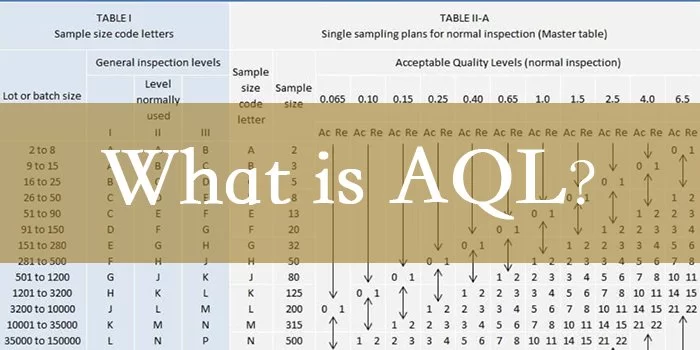
AQL statistical sampling method – AQL helps determine how many units to inspect and how many nonconforming findings can be observed in that sample before the lot is rejected under the selected sampling plan.
Classification of Defects in Apparel
In apparel production, defects are grouped into three levels, each with its own AQL standard:
- 1. Critical Defects (AQL 0%): Issues that make a product unsafe or violate regulations (e.g., a needle left in a garment). Even one critical defect leads to an automatic batch rejection.
- 2. Major Defects (Commonly AQL 2.5%): Issues that affect the garment’s appearance, fit, or function (e.g., open seams, broken stitches). Most customers would return the item if they saw these.
- 3. Minor Defects (Commonly AQL 4.0%): Small imperfections that do not affect usage and are often unnoticed by the average consumer (e.g., slight misalignment or small wrinkles).

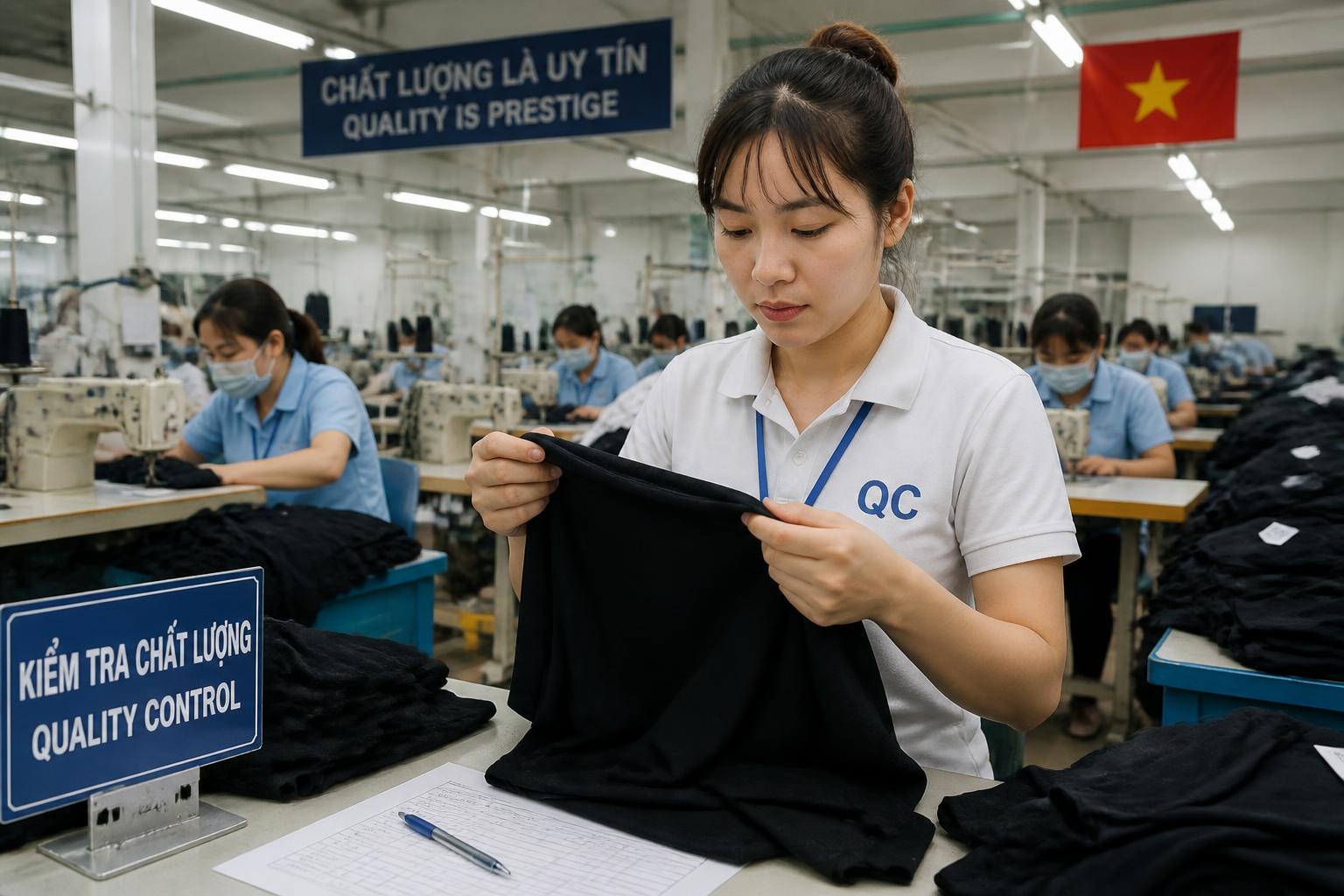
AQL Does Not Mean “Exactly X% Defects Are Allowed in the Shipment”
This is one of the most important AQL concepts to understand. If an inspection uses AQL 2.5, it does not simply mean: “2.5% of all garments in this shipment may be defective.” AQL is an index used by the sampling system. The inspection result is determined by the sample size and the corresponding acceptance and rejection numbers in the selected sampling plan. ASQ distinguishes the AQL from the actual quality of a particular lot and defines an acceptance sampling plan as a plan specifying sample sizes together with acceptance or nonacceptance criteria. This distinction matters because an AQL inspection does not inspect every item and therefore cannot directly calculate the exact defect percentage of the entire shipment.
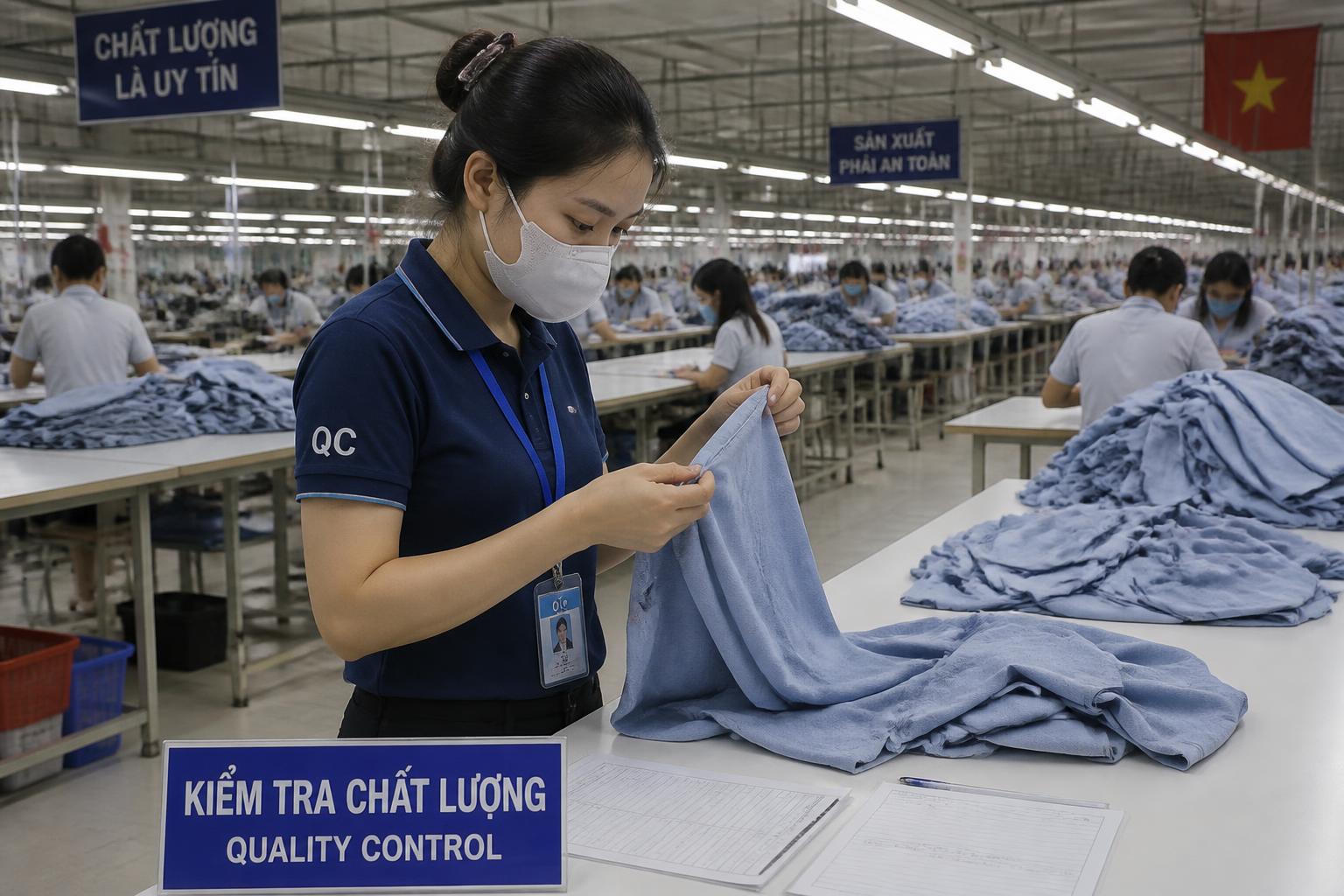
How AQL Works During Garment Inspection
Inspectors follow a standardized process, typically using ISO 2859-1 or ANSI/ASQ Z1.4 tables, to select units from a production lot.
The Step-by-Step Process:
- Choose Inspection Level: Most brands use “General Inspection Level II” (GII).
- Determine Sample Size: Based on the total lot size (e.g., from 3,000 pieces, check 125).
- Inspect the Sample: Look for Critical, Major, and Minor defects.
- Compare with AQL Table: Check the “Accept” and “Reject” numbers on the chart.
- Decision: If defects are within the limit → PASS. If they exceed it → FAIL.
Example: For an order using AQL 2.5 for major defects: If the inspector checks 125 pieces and finds 8 or more major defects, the entire batch fails. If they find 7 or fewer, it passes.
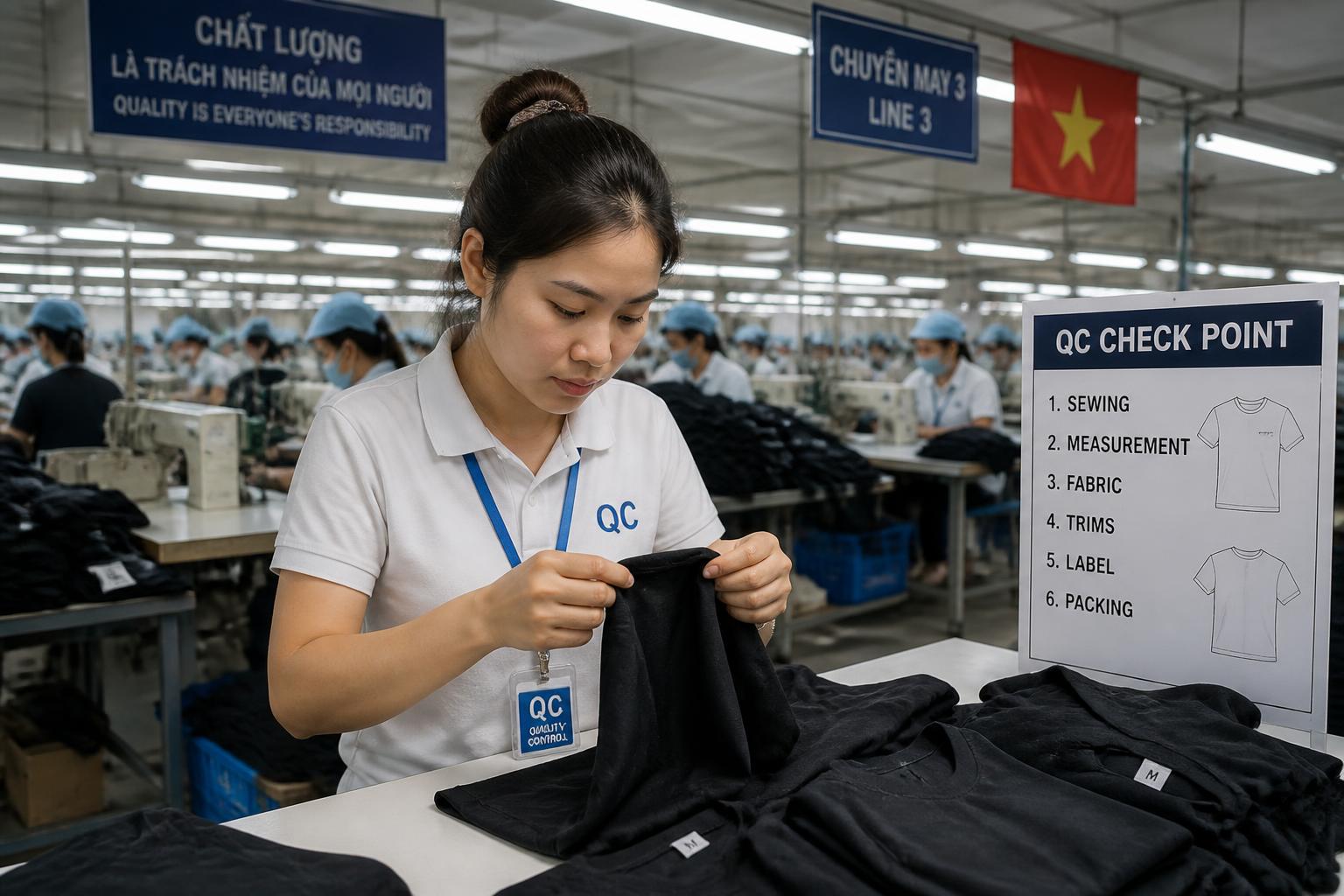
Benefits of AQL in Manufacturing
- Consistency: Ensures quality remains stable across thousands of pieces produced on multiple lines.
- Protection: Buyers get confidence in quality; factories get an objective standard to resolve disputes.
- Cost Control: Early detection through AQL sampling prevents massive rework and shipment delays.
- Universal Language: AQL works the same way whether you are exporting to the US, Europe, or Japan.

Why Is AQL Used in Garment Manufacturing?
Garment orders can contain thousands of individual units across multiple: Sizes, Colors, Styles, Purchase orders, Cartons, Production lines… A full 100% inspection may be justified for certain risks or products, but it is often unnecessary or inefficient for routine final lot acceptance. Acceptance sampling provides a way to inspect part of the lot and make a statistically structured acceptance decision. ISO describes this approach as a way to balance inspection effort with quality assurance rather than checking every item in every lot. For apparel production, AQL-based final inspection can help create consistency between the buyer, supplier, and inspector.
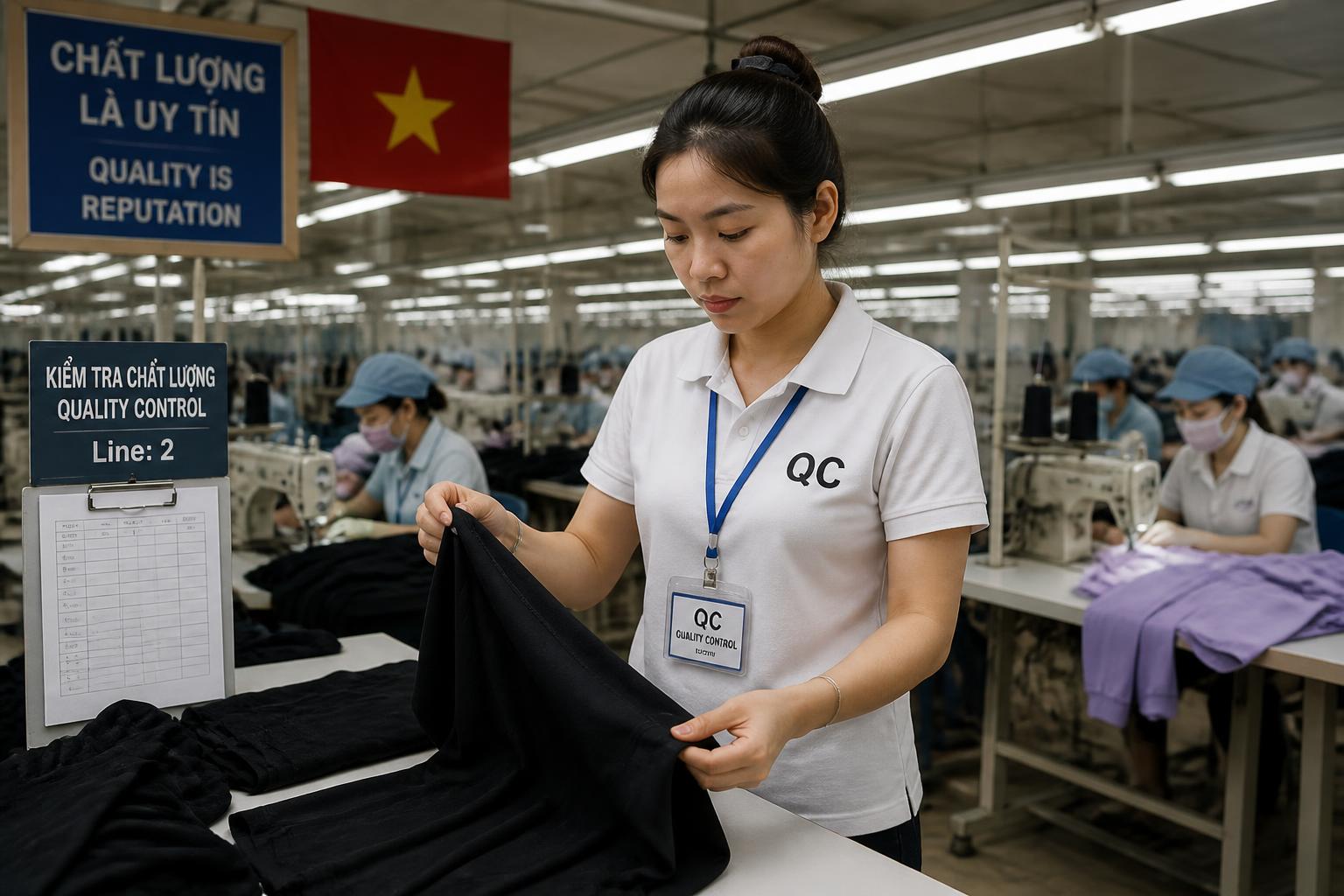
Typical AQL Standards in the Industry
Garment inspection programs commonly classify findings into three practical categories:
- Critical
- Major
- Minor
| Defect Type | Common AQL Level | Meaning |
|---|---|---|
| Critical | 0.0 | Zero tolerance (Safety/Legal) |
| Major | 2.5 | Appearance or Functional issues |
| Minor | 4.0 | Small aesthetic variations |
These categories are widely used in apparel quality specifications, but their exact definitions and acceptance rules should be established by the buyer. They should not be treated as automatic universal definitions created by AQL itself. For example: High-end luxury brands often tighten these limits to AQL 1.0 / 1.5, while fast-fashion retailers may use more flexible limits like 4.0 / 6.5.
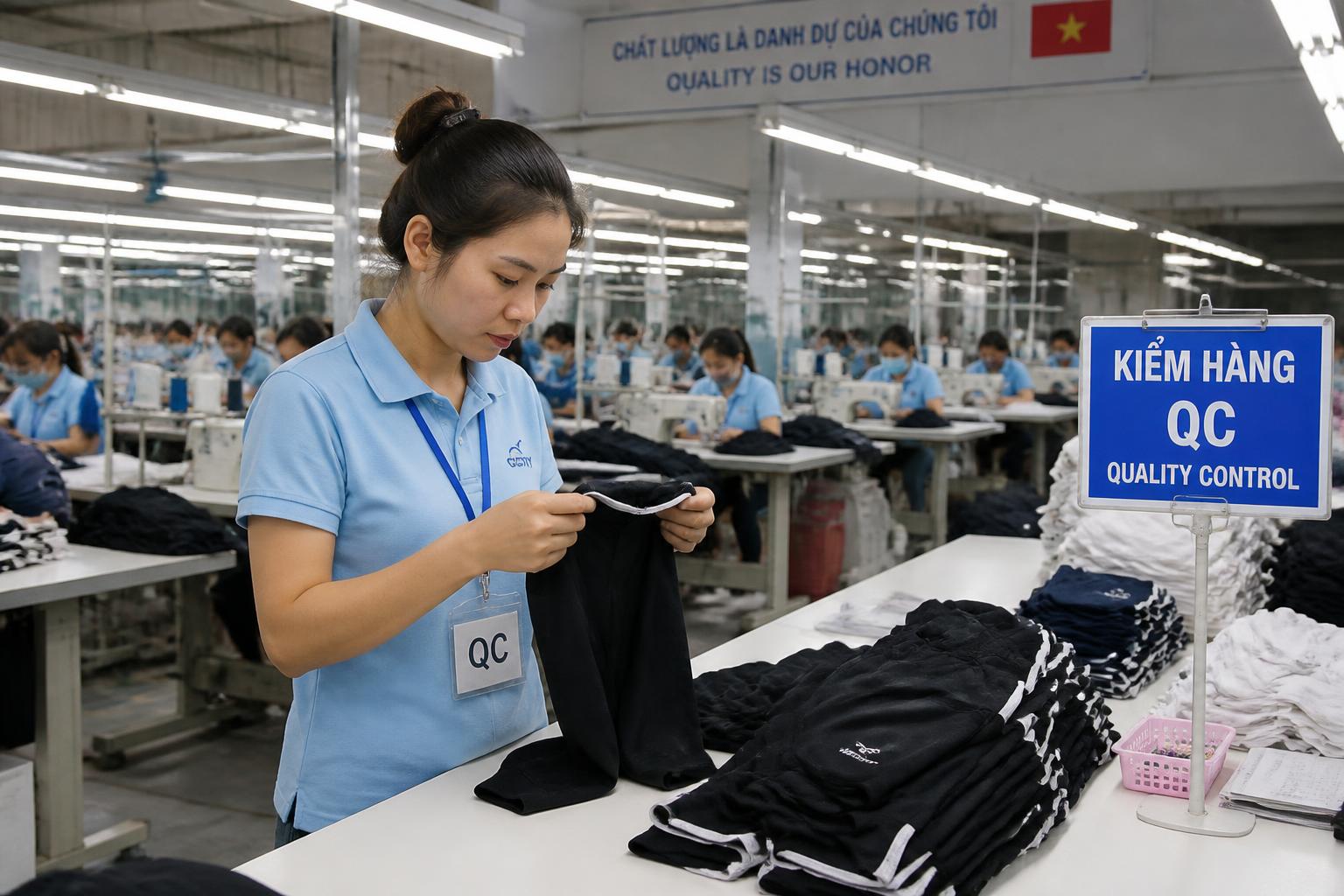
Critical vs. Major vs. Minor Defects
| Classification | General Meaning | Garment Example |
|---|---|---|
| Critical | Serious safety, legal, or unacceptable risk | Sharp needle fragment inside garment |
| Major | Significant problem affecting function, fit, appearance, or saleability | Broken zipper or open seam |
| Minor | Small workmanship or appearance issue | Slight stitching irregularity |
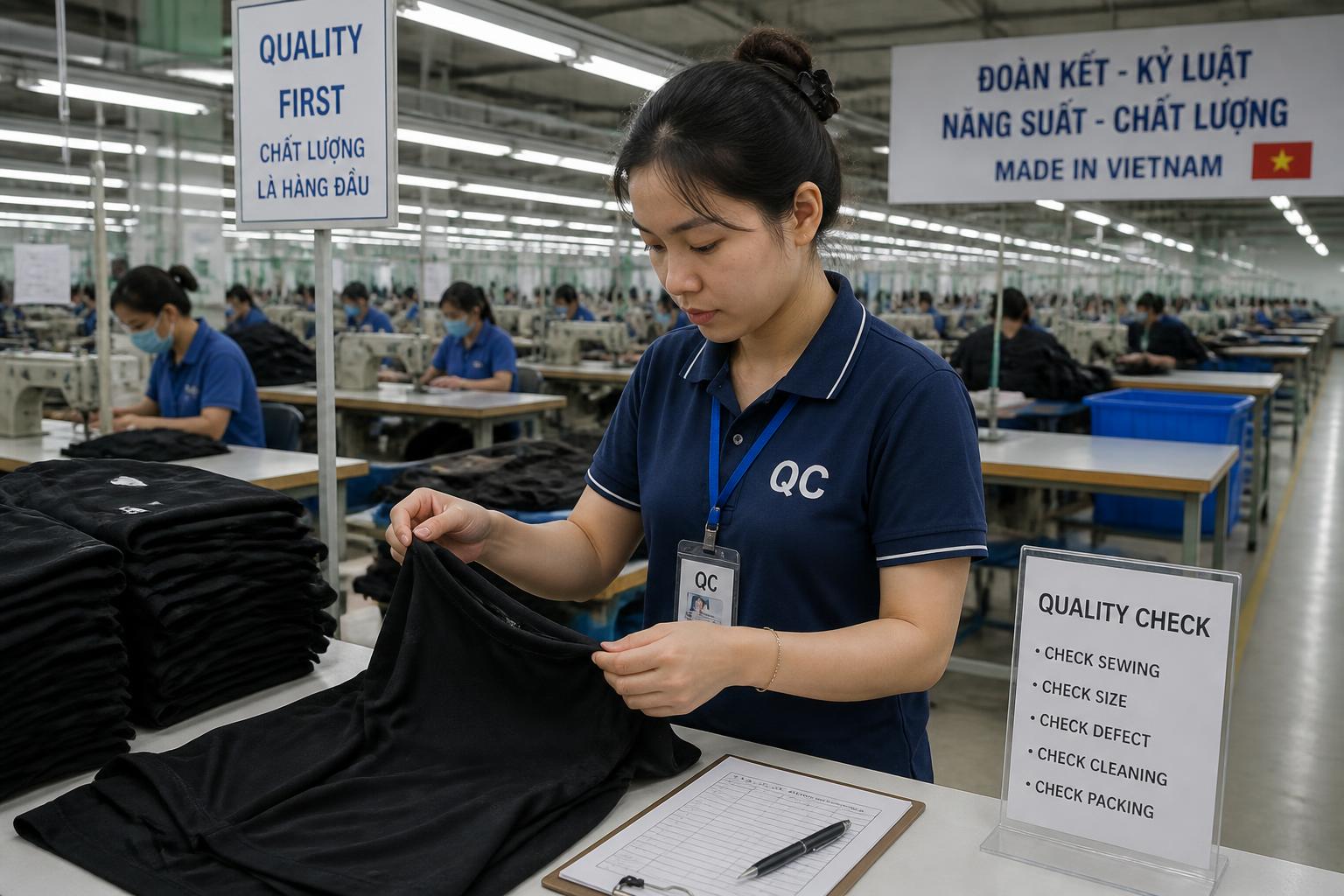
AQL Inspection vs. 100% Inspection
| AQL Sampling Inspection | 100% Inspection |
|---|---|
| Inspects a selected sample | Inspects every unit |
| Statistical lot decision | Unit-by-unit screening |
| Lower inspection effort | Much greater inspection effort |
| Does not guarantee zero defects | Can identify more individual defects, but human inspection can still make errors |
| Useful for lot acceptance | Useful for sorting or high-risk requirements |
The two methods serve different purposes and may even be used together.

Who Decides Whether a Defect Is Major or Minor?
The classification should normally come from the buyer’s approved quality manual, inspection checklist, workmanship standard, approved sample, or defect classification document. A factory should not assume that one defect will receive the same classification from every customer. For example, a small logo-position error might be minor for one customer but major for another brand where logo placement is a critical visual requirement. Clear classification before production helps prevent arguments at final inspection.

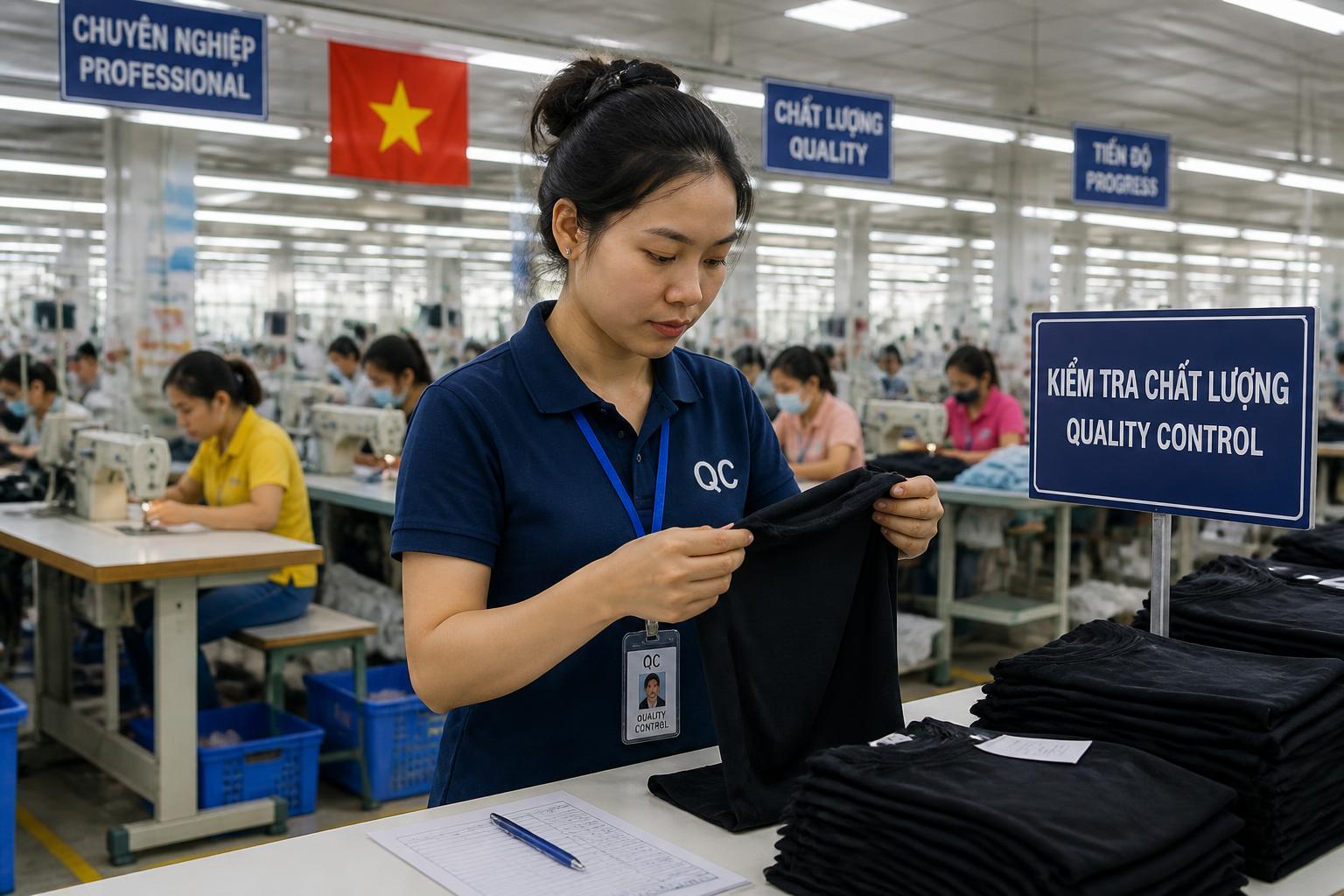
Does Passing AQL Mean Every Garment Is Defect-Free?
No. AQL is a sampling method, not a 100% inspection guarantee. Only selected units are inspected, so uninspected units may still contain nonconformities. Acceptance sampling is specifically defined as using a sample to decide whether a lot should be accepted. => Therefore: AQL PASS does not mean “zero defects exist in the shipment.” It means the inspected sample satisfied the acceptance criteria of the sampling plan being applied.
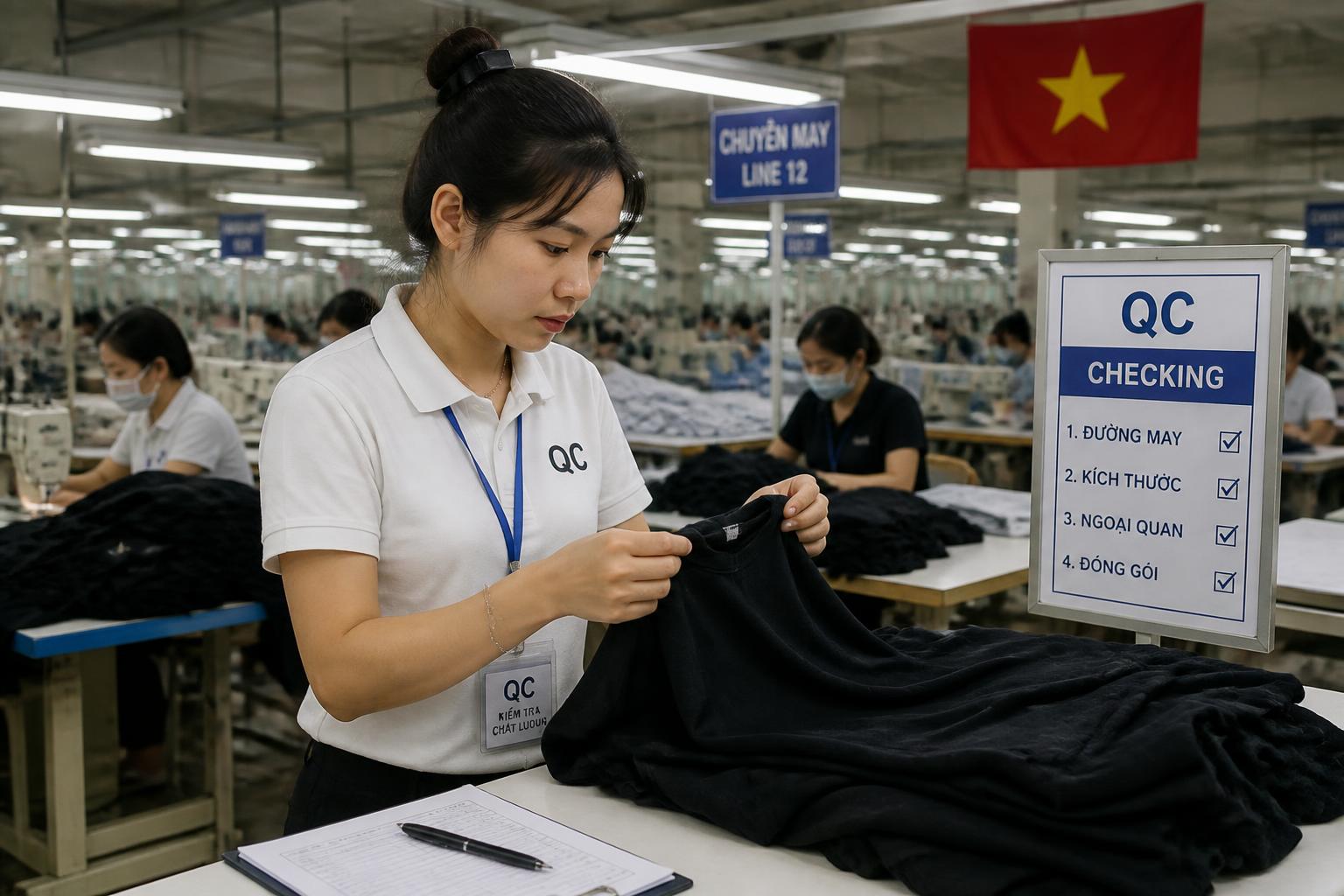
Example of an Apparel Quality Specification in Vietnam
A simplified buyer specification might state:
- Sampling standard: ISO 2859-1
- Inspection: attributes inspection according to agreed plan
- Critical: zero acceptance
- Major: AQL 2.5
- Minor: AQL 4.0
- Measurements: separate measurement sample and approved tolerances
- Packaging: according to approved packing specification
This is only an example. Buyers should create requirements appropriate to their actual product and market.

Conclusion / Final Words
The Acceptable Quality Limit is one of the most useful concepts in garment quality control because it creates a structured method for deciding whether a production lot satisfies an agreed sampling requirement. But AQL is often misunderstood. AQL 2.5 does not simply mean that 2.5% of garments may be defective. Instead, the lot size, inspection level, sampling plan, AQL index, and acceptance/rejection numbers work together to determine whether the inspected sample leads to acceptance or rejection. Garment buyers should also remember that critical, major, and minor defect classifications are part of the buyer’s quality specification. They need clear definitions so inspectors and factories classify problems consistently.
FAQs About AQL (Acceptable Quality Limit)
What is AQL in simple terms?

AQL is a limit that tells you how many defects are allowed in a sample before a shipment is rejected. Instead of checking every piece, inspectors look at a selected group and use that result to judge the whole lot. If the number of defects in the sample stays within the AQL limit, the order passes. If defects exceed the limit, the order fails. This system keeps inspections fast, fair, and predictable.
Does AQL measure the defect rate of the whole production?
No. AQL does not measure every item in the batch. Instead, it uses a small sample to estimate the quality of the entire order. This works because AQL follows statistical rules. It saves time and cost while still giving a reliable picture of overall quality. Even though it’s not perfect, it is trusted because the sampling method is consistent worldwide.
Who decides the AQL level?
Both the supplier and the buyer agree on the AQL before production starts. The choice depends on product type, market expectations, and safety concerns. For example, baby clothing or protective wear may need a stricter AQL because the risk is higher. Fast-fashion items may use a more flexible AQL. What matters is that both sides approve the level in advance to avoid disputes later.
Why is AQL 0% for critical defects?
Critical defects are not allowed because they can harm the customer or violate safety laws. Even one critical defect can cause injury, lead to returns, or cause legal issues for the brand. Examples include: Needles or sharp objects left in the garment, Highly flammable fabrics in kidswear, Incorrect fiber content that violates regulations! Because of the risk, the limit is always zero.
Is a lower AQL always better?
No. A lower AQL means fewer defects allowed, but it also increases pressure on sewing lines, QC teams, and production schedules. It may raise labor cost, slow down output, and force more repairs. AQL must match the product’s needs. For example, a medical gown requires a lower AQL than a basic T-shirt. The goal is to choose the right level—not the strictest level
Can AQL prevent all defects from reaching customers?
AQL reduces risk, but it cannot guarantee that every single defective piece is caught. It only checks a sample, not every unit. However, when combined with in-line QC, measurement checks, and final audits, AQL greatly lowers the chance of customers receiving faulty items. It’s a balance between quality, speed, and cost.
Do all garments in the batch get checked?
No. Inspectors check only a small sample based on lot size and inspection level. For example, a lot of 2,000 pieces may require only 125 samples. This method avoids the time and expense of checking thousands of units while still giving reliable results. The sample size is chosen using ISO 2859-1 or ANSI/ASQ Z1.4 tables.
Are measurements included in AQL inspection?
Yes. Measurement checks are a key part of AQL inspections because they affect fit and comfort. Wrong measurements are usually classified as major defects. Inspectors pick random pieces and measure key points like chest, waist, length, sleeve, and hip. If too many items fall outside tolerance, the lot can fail even if visual defects are fine.
Can AQL change during production?
AQL can change only if both the buyer and supplier agree. Once set, it becomes the standard for all inspections. Changing it midway can create confusion or disputes. Buyers might adjust AQL only when dealing with extremely sensitive products or new suppliers who need stricter controls.