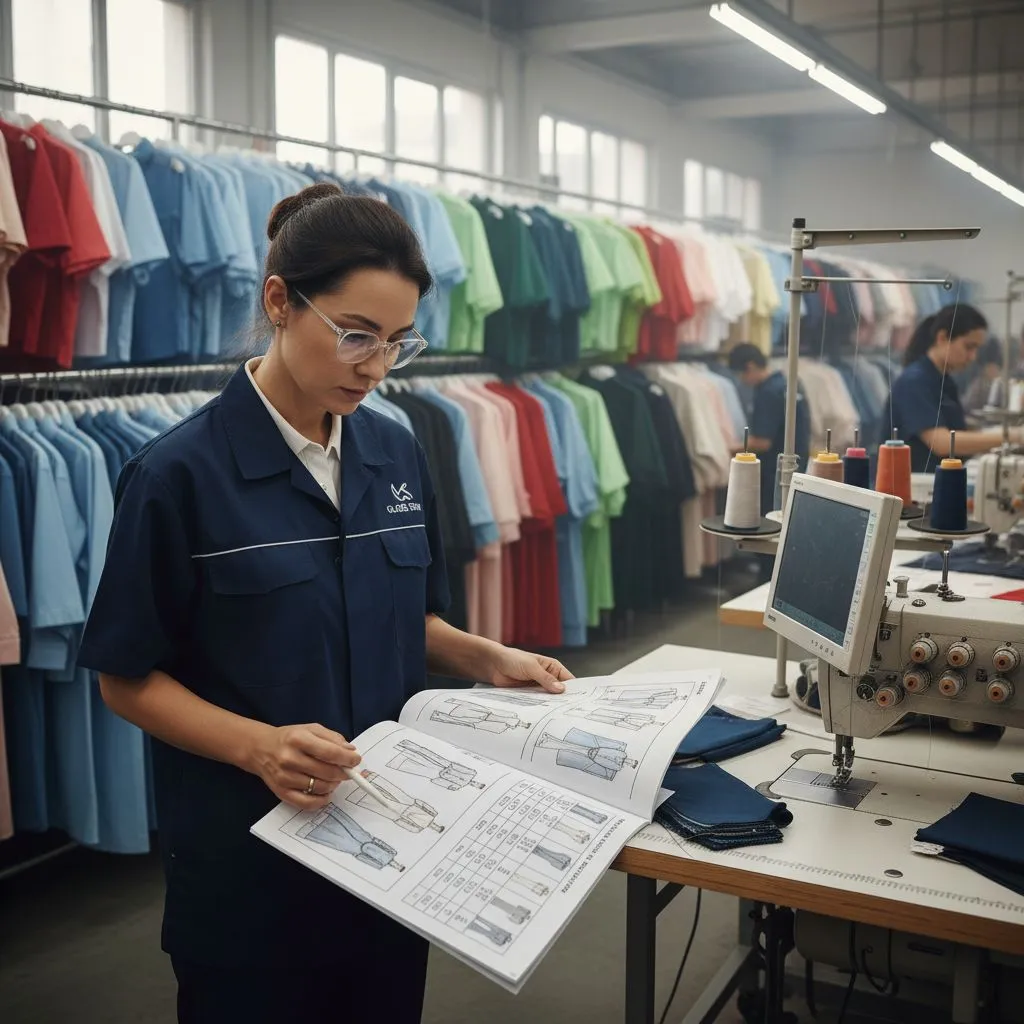

A Tech Pack can look complete and still leave a factory with dozens of unanswered questions. The front and back sketches may be there. The measurement chart may be there. The fabric may even be listed. But once the sample room starts working, small missing details begin to appear:
- What stitch should be used here?
- How wide is the seam allowance?
- Which zipper finish is correct?
- Where exactly does the care label go?
- Is the artwork measured from the neckline or center front?
- How should the garment be folded?
- Which tolerance applies to this measurement?
These details may seem minor during design, but in bulk production they can affect fit, appearance, cost, quality, and delivery time. A good Tech Pack does not try to include every possible piece of information. It includes the information the factory needs to reproduce the garment consistently without relying on assumptions. Below are the garment details that are most often missing from Tech Packs—and how apparel brands can document them more clearly.
=> Related Article: How Tech Packs Help Brands and Manufacturers Speak the Same Language
Why Incomplete Tech Packs Are a Business Risk
An incomplete tech pack is more than an inconvenience it is a financial risk. Professional factories operate on a “no guessing” rule. If a detail is missing, the assembly line stops. Each pause costs time, potentially missing seasonal launch windows. A thorough document protects your timeline and allows your factory staff team to work continuously toward your deadline.
=> Related Article: Top 10 Mistakes to Avoid in Your First Tech Pack And How to Fix Them.

6 Details Often Missing from Tech Packs
1. Specific Stitch Types and SPI
Simply writing “sew seam” is insufficient. Factories need to know the exact Stitch Type (e.g., Lockstitch, Overlock, Flatlock) and the SPI (Stitches Per Inch). SPI directly affects garment strength and aesthetic; higher SPI looks premium but takes longer to sew. Without this, the factory will default to their standard, which may not match your brand’s durability goals.


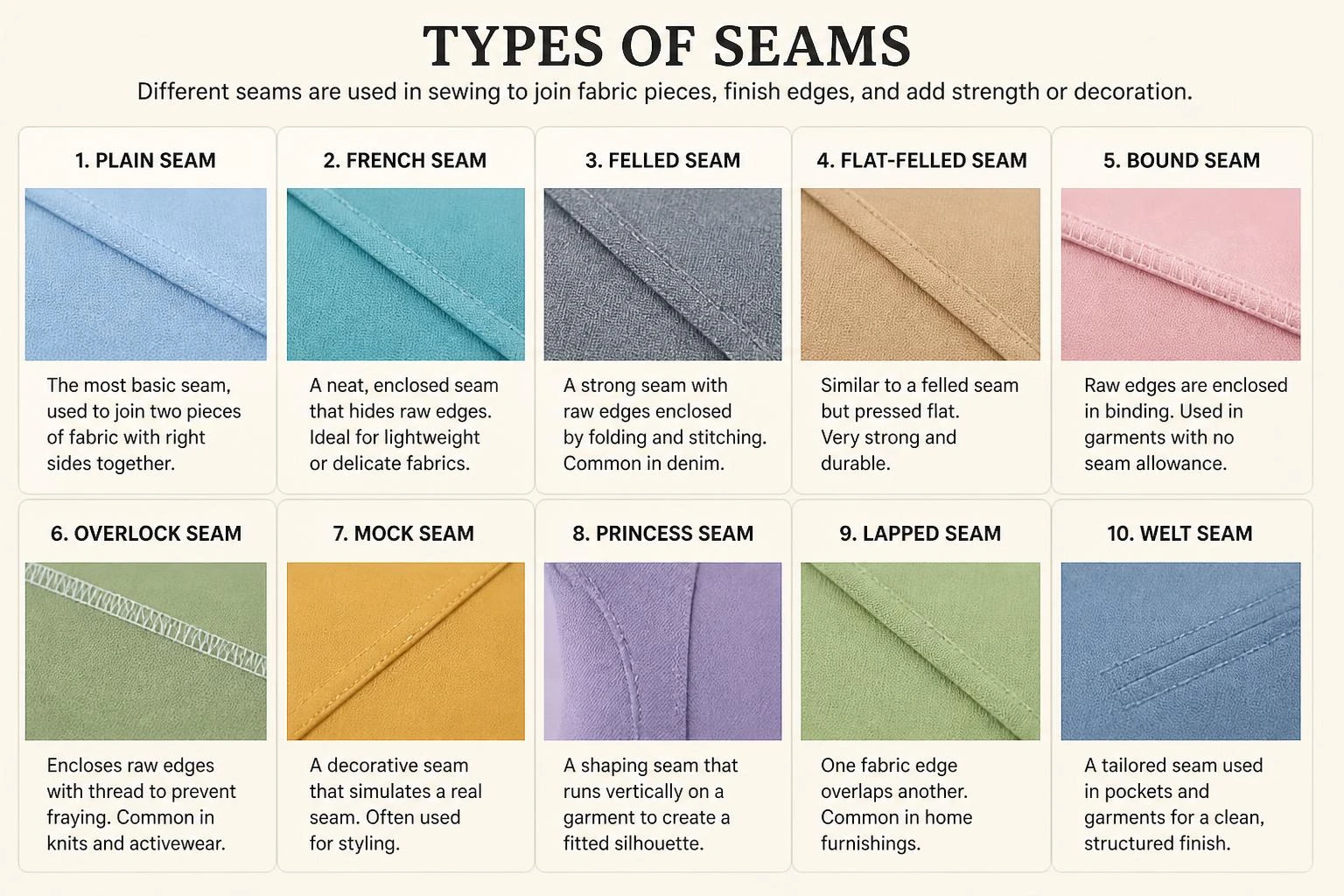
2. Seam Allowance and Seam Finishes
If not specified, factories will use their default seam allowance (usually 1 cm). This becomes a major issue if the garment needs future alterations or a specific high-end finish like Flat-felled seams or French seams. The internal finish defines the comfort and “luxury feel” of the garment from the inside out.
3. Comprehensive Fabric Descriptions
Fiber content (e.g., “100% Cotton”) is only the beginning. A production-ready tech pack must include:
- Weight: GSM or OZ ranges.
- Construction: Jersey, Rib, Interlock, or Twill.
- Finish: Enzyme-treated, brushed, or silicon-washed.
- Performance: Target shrinkage % and colorfastness grades.
4. Trim and Hardware Definitions
Every button, zipper, and label must be fully defined by: Material, Size, Finish (e.g., Matte Black vs. Shiny Brass), and exact placement. Care labels are frequently forgotten, yet they are a legal requirement in most global markets.

5. Precise Packaging Instructions
How a garment is folded and bagged affects its arrival quality. Specify polybag thickness, hangtag placement (which seam?), and carton markings. Skipping this step leads to wrinkled stock and potential rejections at fulfillment centers like Amazon FBA.

6. Quality Standards (AQL) and Compliance
Quality is not subjective. Your tech pack should state the Acceptable Quality Limit (AQL 2.5/4.0), major vs. minor defect limits, and any required third-party certifications. Defining these upfront prevents disputes during the final inspection.
What Details Should Be in the Tech Pack vs. Other Documents?
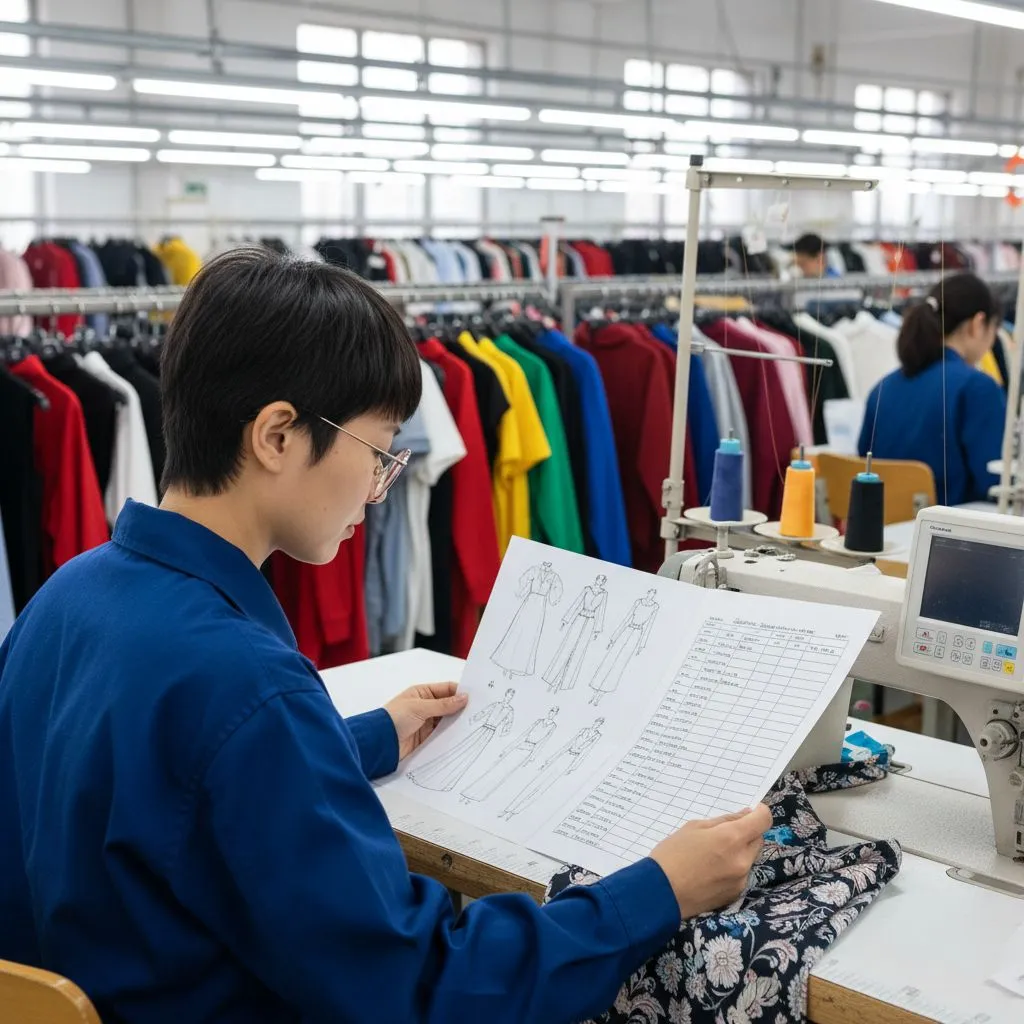
A common mistake is trying to force every factory requirement into one giant Tech Pack. That can make the file difficult to manage. Some information may be better controlled through separate documents.
Tech Pack
Best for:
- Garment construction
- Measurements
- Materials
- Artwork
- Labels


Packaging Manual
Best for:
- Folding
- Polybags
- Stickers
- Cartons

Quality Manual
Best for:
- AQL
- Defect classifications
- Inspection procedures

Testing Manual
Best for:
- Laboratory requirements
- Performance standards


The important thing is not that every detail sits inside one PDF. The important thing is that the information is clear, current, approved, and easy for the factory to find.
Conclusion / Final Words
A well-prepared tech pack is a production strategy, not just paperwork. Every line you add reduces a potential risk; every detail you define saves a dollar in rework. By investing effort into these often-missed details, you ensure a smoother sampling process and a final product that truly reflects your brand’s vision. At Mekong Garment, we help you refine these technical points to guarantee world-class results from the very first sample.
Contact Mekong Garment Factory
- VN Phone/WhatsApp/WeChat: +84 947 729 829
- Email: hanh@kimmy.vn