
Vietnam Garment Factory Lead Time Explained: From Order to Shipment

When sourcing clothing from Vietnam, the most critical question is: How long will production take? Vietnam is globally recognized for reliable timelines and disciplined production planning. This guide explains garment factory lead times in a realistic way—providing a clear roadmap from order confirmation to finished goods ready for shipment.
What Does “Lead Time” Mean in Garment Manufacturing?
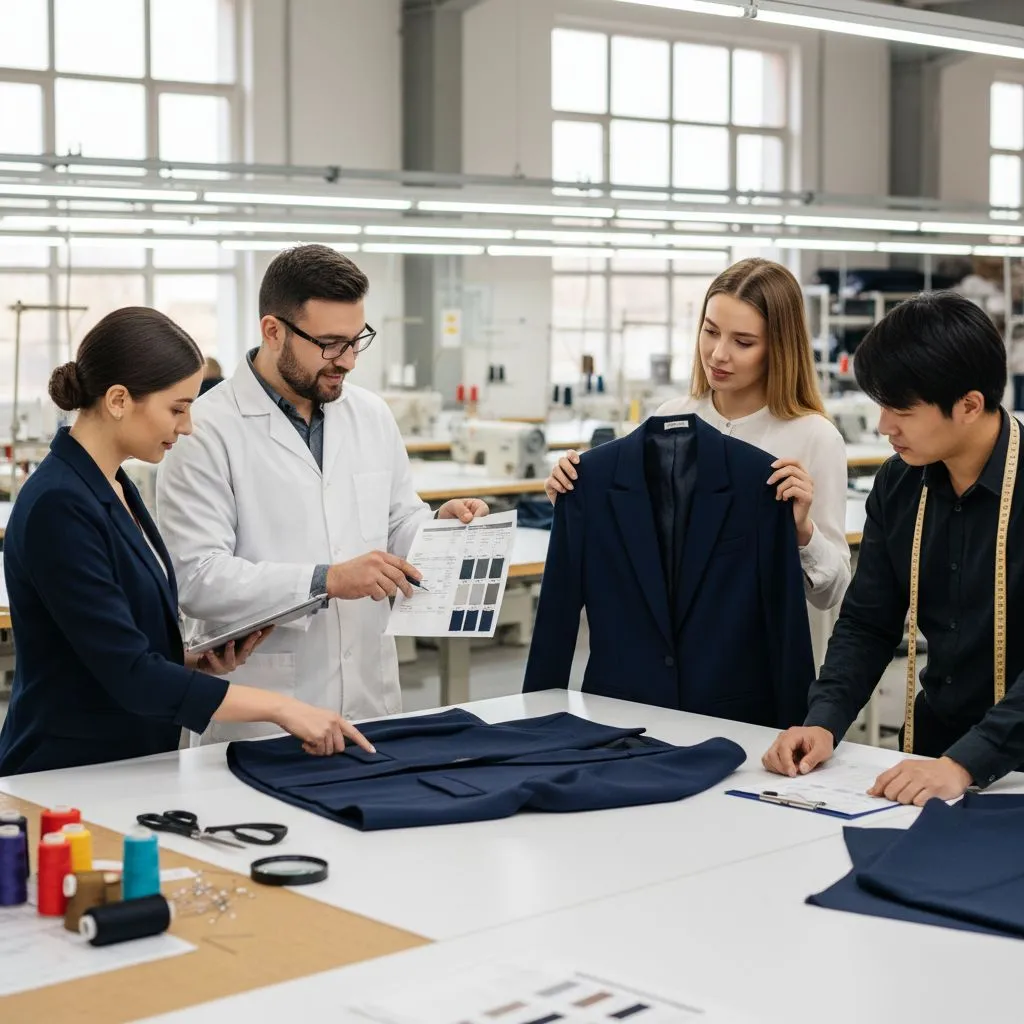
In the apparel industry, lead time is the total duration from the moment an order is confirmed until the finished goods are packed and ready for the carrier. It encompasses sampling, material sourcing, bulk construction, and rigorous quality checks. Note that shipping time is typically calculated separately depending on your destination.
For example, one factory may calculate production lead time from:
- Purchase Order Confirmation → Goods Ready
- Another may calculate from: PP Sample Approval + Bulk Fabric Ready → Goods Ready
These are not the same timeline. For buyers, always clarify exactly what the factory means by “lead time.”
Breakdown of the Production Timeline
1. Order Review and Technical Confirmation (A Few Days to 1–2 Weeks)
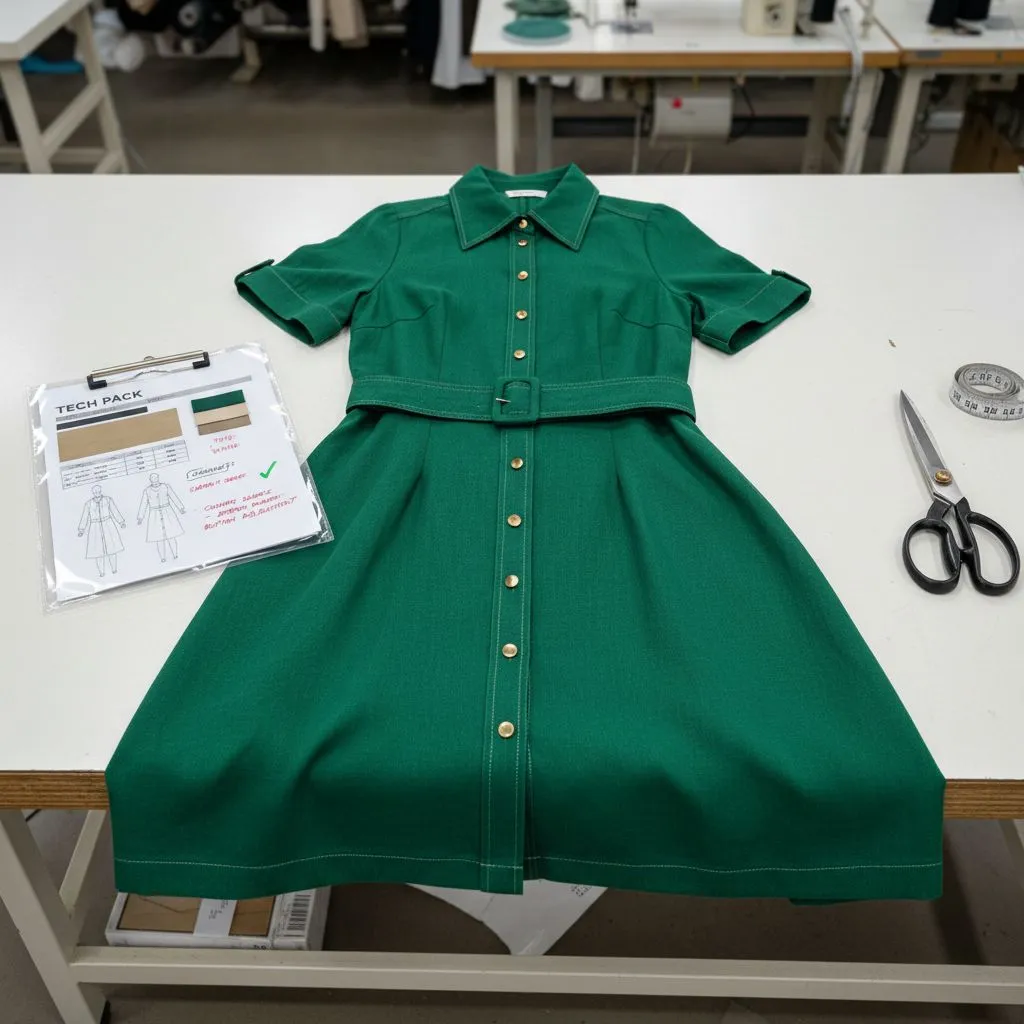
Before development starts, the factory needs to understand exactly what it is being asked to produce. The buyer may provide: Tech pack, Reference sample, Measurement specification, Artwork, Fabric requirement, Trim details, Quantity, Size breakdown, Color breakdown, Packing instructions. The factory then reviews whether the product is technically and commercially feasible.

What Happens During Order Review?
The merchandising and technical teams may check: Product construction, Pattern requirements, Fabric availability, Special machines, Printing or embroidery, Wash process, Label requirements, Packaging, Testing requirements, MOQ, Target delivery. Questions discovered at this stage should be resolved before sampling.
Why This Stage Can Cause Delays
A weak tech pack often creates multiple rounds of questions. For example, the specification may show: Pocket width: 15 cm. but not explain:
- Where it is measured
- Whether that includes seam allowance
- Whether it is finished measurement
Clarifying these details early is faster than discovering the problem during bulk production.

2. Sampling & Approval (1 – 4 Weeks)
Sampling is one of the most important parts of garment development. The exact number of samples depends on the buyer, style, factory, and product complexity. Possible samples include: Prototype sample, Development sample, Fit sample, Size set sample, Salesman sample, Pre-production sample. Not every order requires every type.
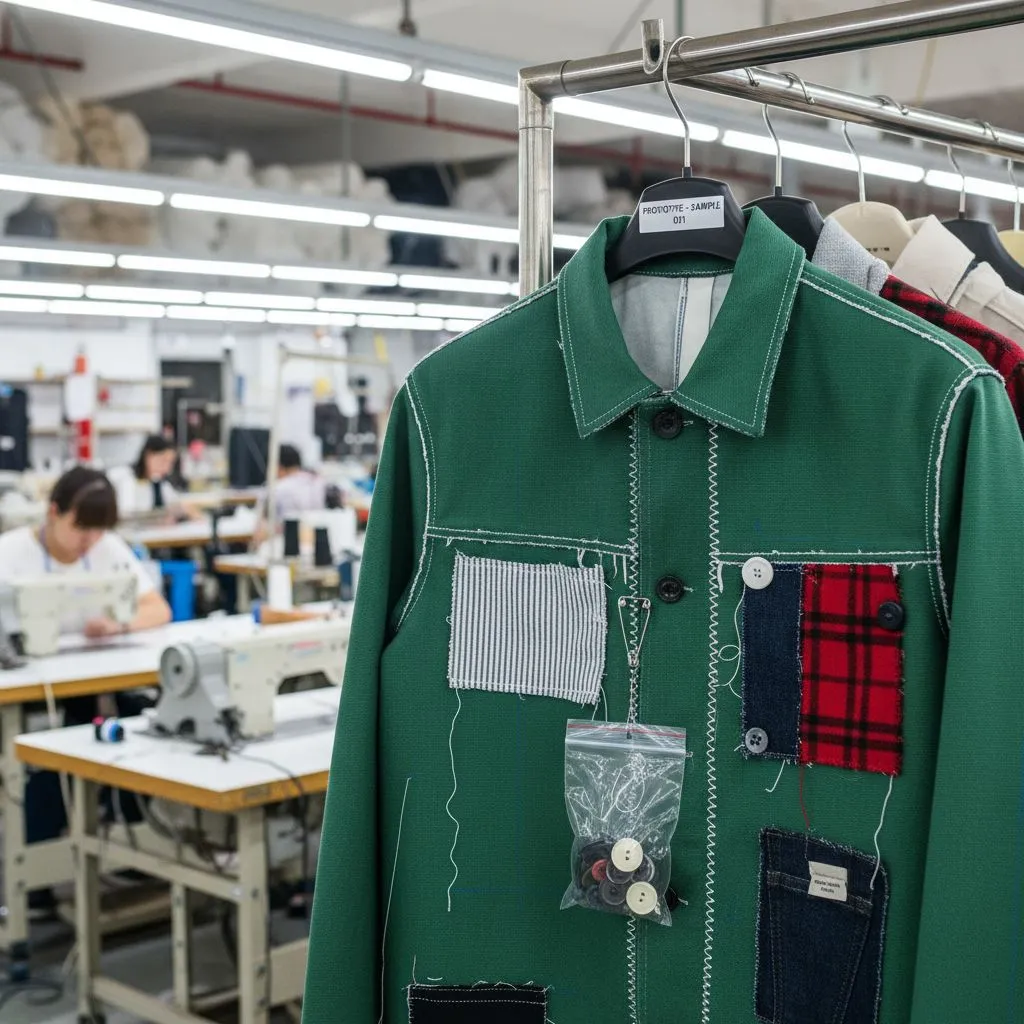
Prototype or Development Sample
The first sample checks whether the design can be turned into a real garment.It may reveal problems with: Construction, Proportion, Pattern, Fabric behavior, Trim placement.
Fit Sample:
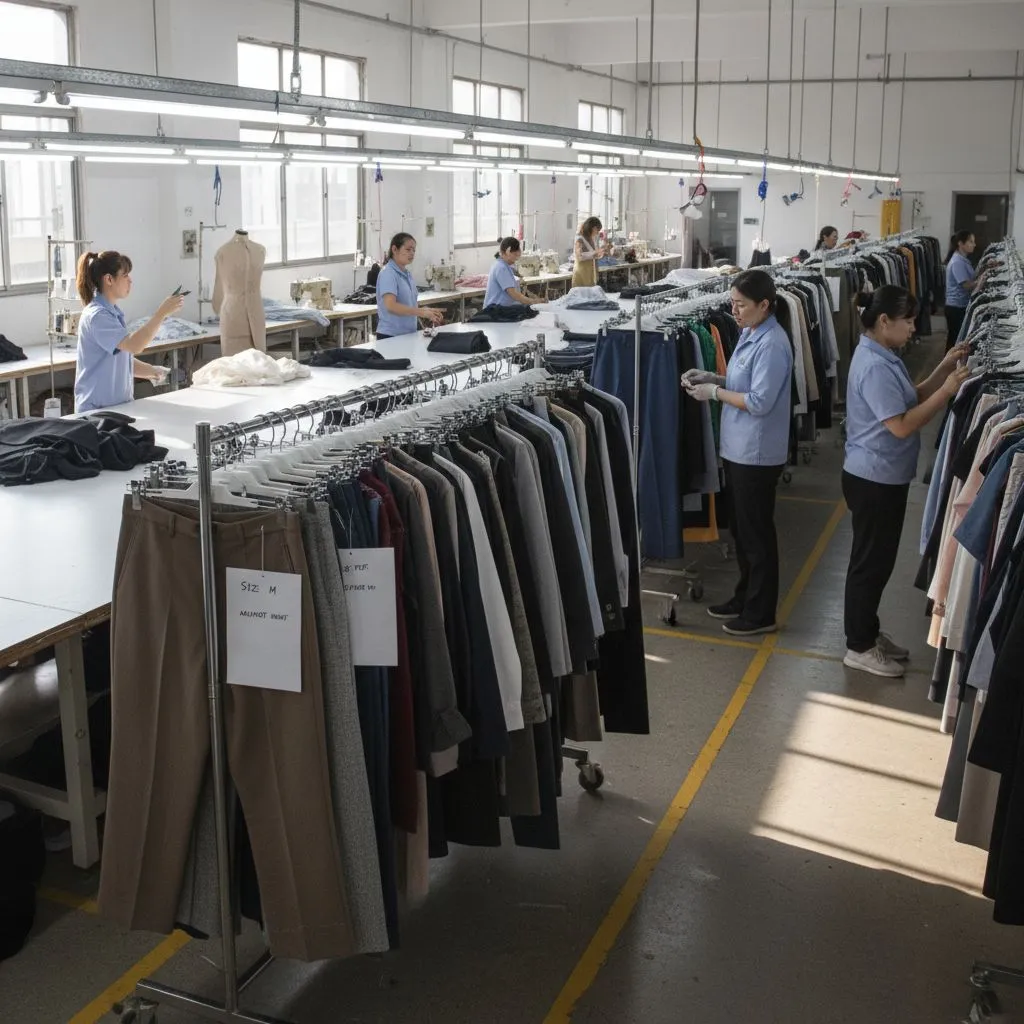
The fit sample focuses on: Fit, Balance, Shape, Measurements, Comfort… Several fit rounds may be required. One round may take only a few days to make, but shipping the sample to the buyer and waiting for comments can add much more time.
Size Set Sample:
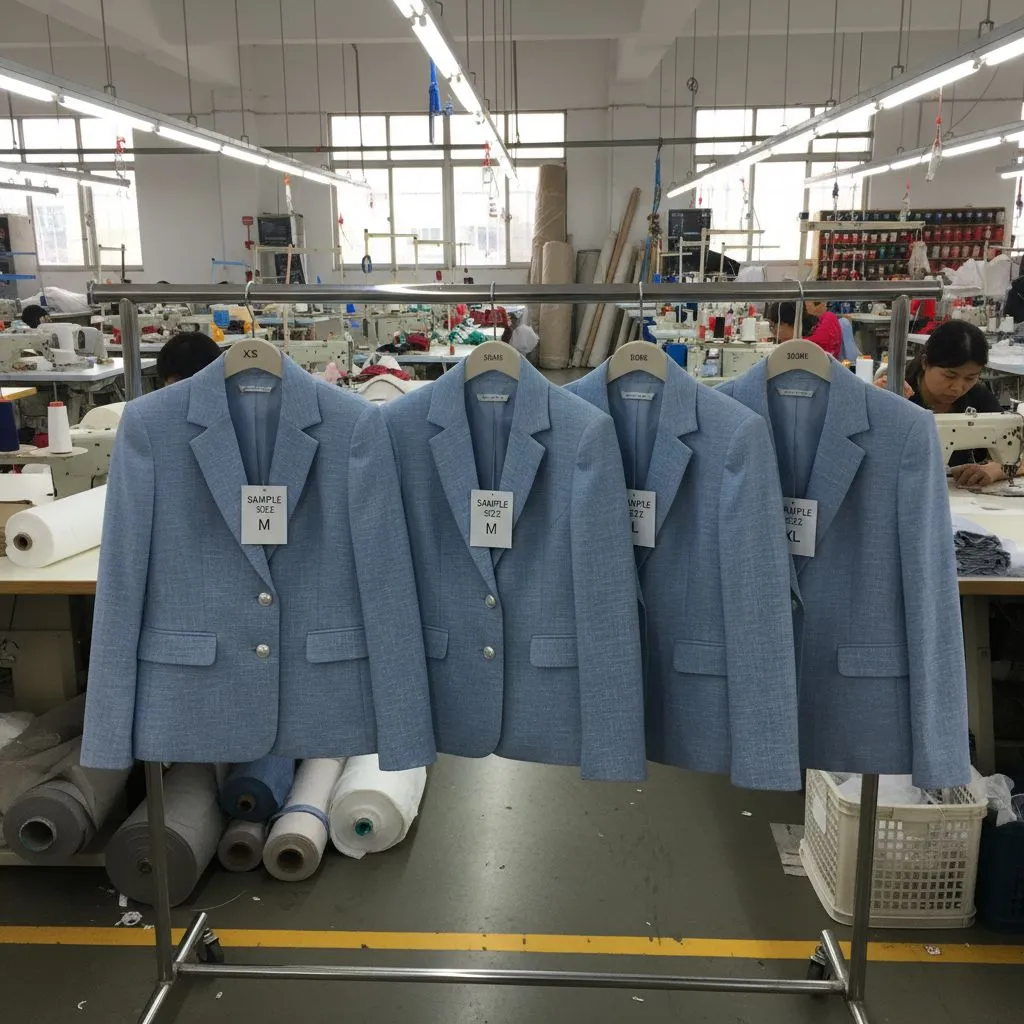
A size set checks whether grading works correctly across different garment sizes. For example: XS, M, XL or another buyer-defined size range. This can identify grading problems before bulk cutting.
Pre-Production Sample:
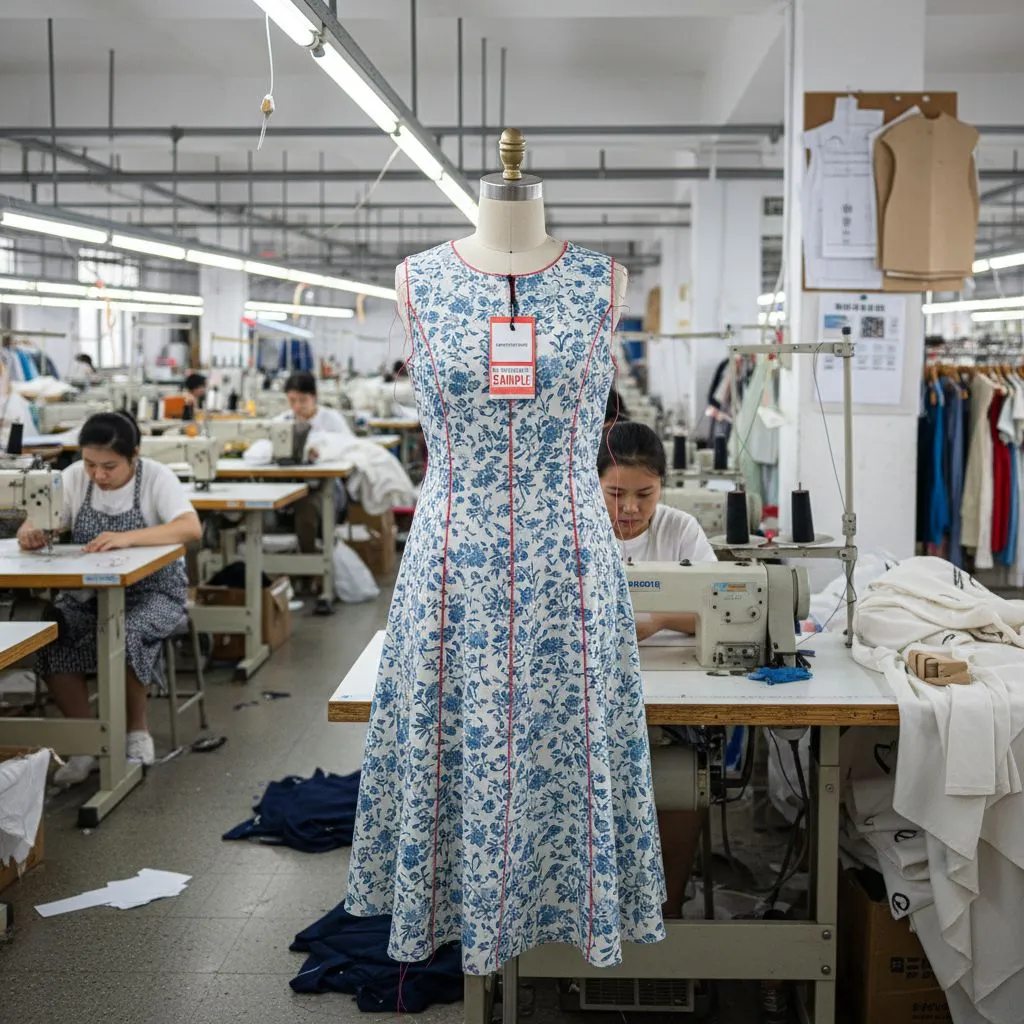
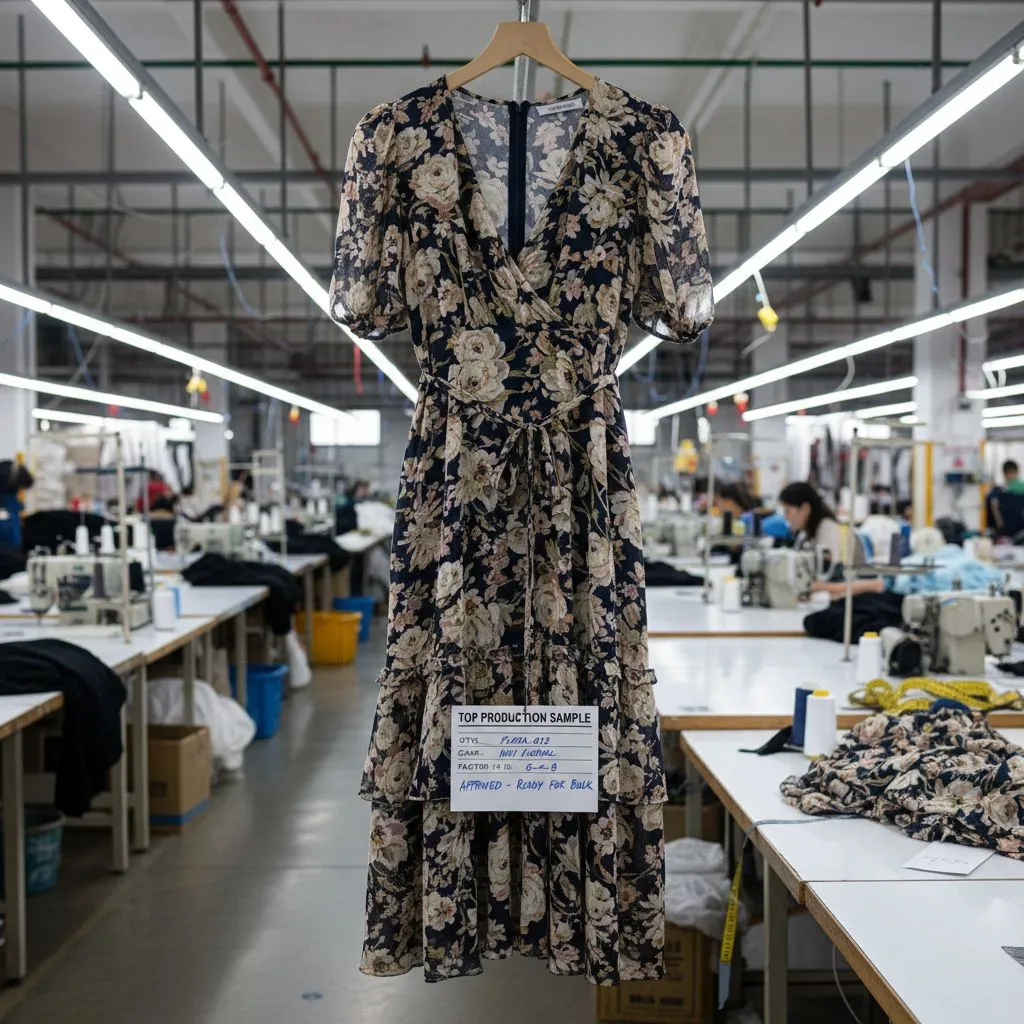
The Pre-Production Sample (PP Sample) is normally one of the last samples before bulk manufacturing. It should represent the production-intent garment as closely as possible. A PP sample may confirm: Final pattern, Final fabric, Final color, Final trims, Construction, Labels, Artwork, Measurements, Workmanship. Bulk production should follow the buyer’s agreed approval process.
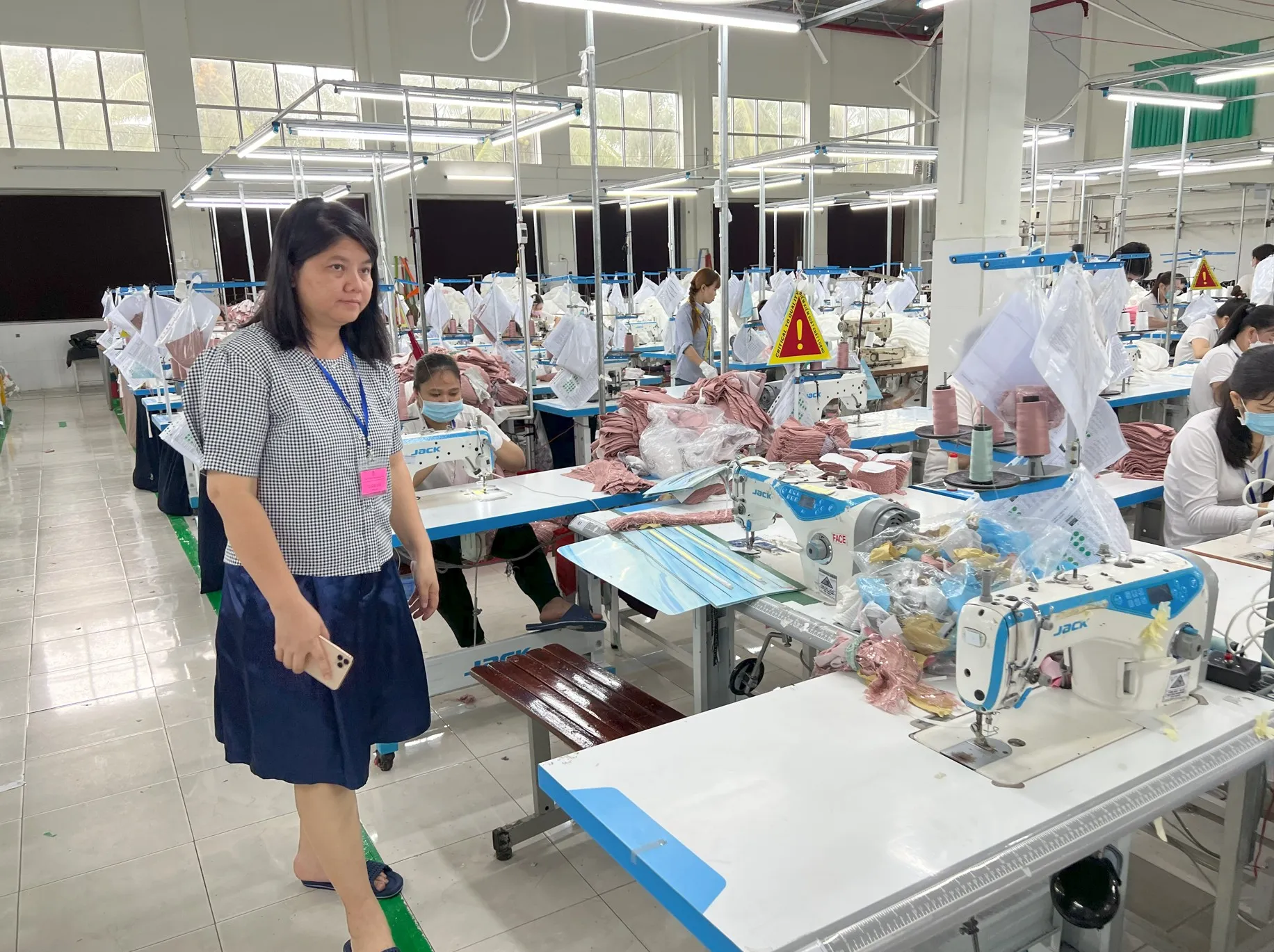
3. Fabric & Trim Sourcing (2 – 6+ Weeks)
This is often the most volatile stage. Locally available stock fabrics move quickly, while custom-dyed or imported specialty fabrics from China or Taiwan can add several weeks to the schedule.

3. Bulk Production (4 – 12+ Weeks)
The complexity of your design and the order volume determine the time on the sewing lines. Simple basics run fast, while complex outerwear with multiple trims and technical stitching requires more skilled labor-hours.
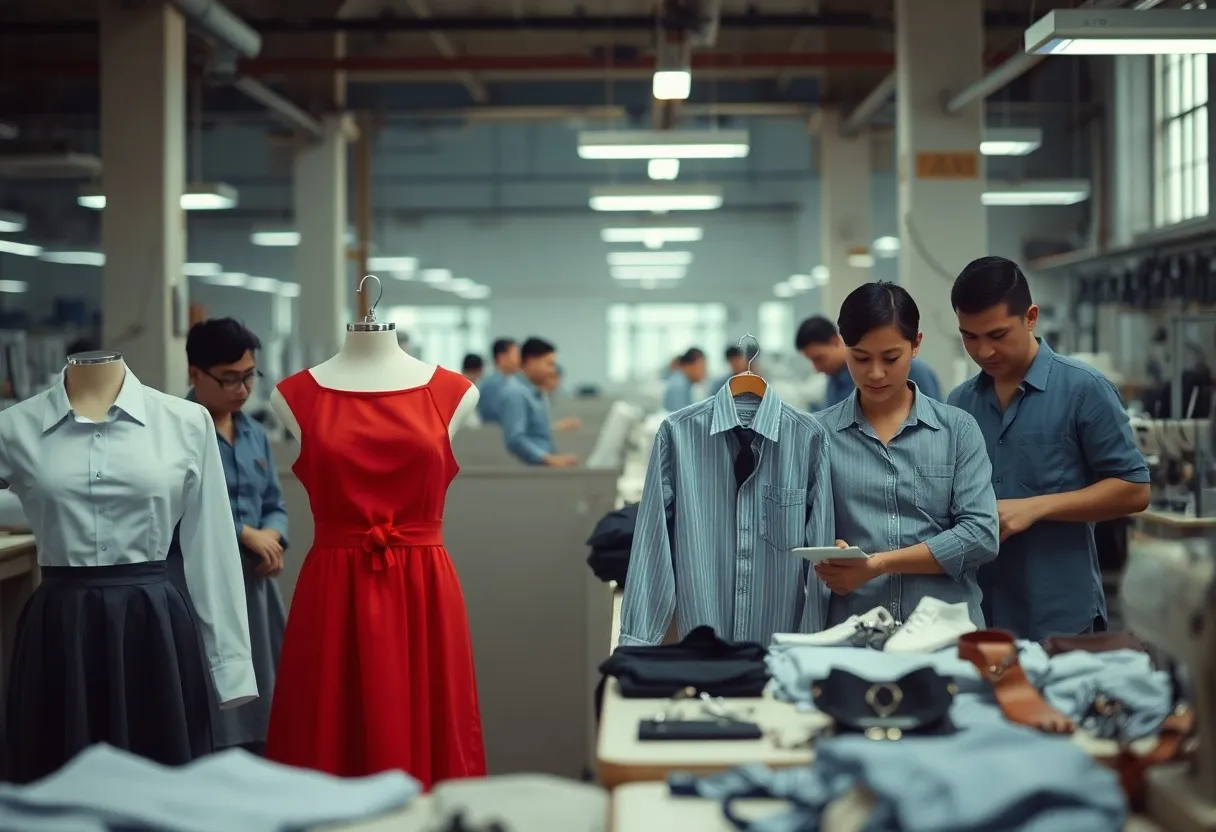
4. Quality Control & Packing (1 – 2 Weeks)
Consistency is key. This stage includes inline inspections, measurement checks, and final AQL audits to ensure every piece meets the brand’s standards before being sealed in export cartons.

What Factors Affect Lead Time the Most?
Lead time is dynamic and changes based on real-world conditions. To ensure your launch stays on track, consider these variables:
- Fabric Readiness: In-stock vs. custom-made materials.
- Order Complexity: The number of styles, colors, and size ratios.
- Seasonal Capacity: Peak production seasons (pre-holiday) usually result in longer waits.
- Buyer Responsiveness: How quickly samples and lab dips are approved.

Production Lead Time vs. Total Order Lead Time
These two concepts should be separated.
Production Lead Time
Usually refers to the time required for bulk manufacturing after the order is production-ready. This may include:
- Cutting
- Sewing
- Finishing
- Packing
- Final inspection
Total Order Lead Time
This may include everything from product development through production readiness. For example: Tech Pack → Sampling → Material Approval → Bulk Materials → Production → Packing The total order lead time can therefore be much longer than the actual sewing period.
Conclusion / Final Words
In most cases, garment factory lead time in Vietnam ranges from 2 to 3.5 months. This reliability makes Vietnam a top choice for brands seeking predictable product launches. By planning ahead and maintaining clear communication, you can leverage Vietnam’s manufacturing power to scale your business efficiently. At Mekong Garment, we prioritize transparency in scheduling to ensure your goods arrive exactly when you need them.
FAQs About Vietnam Garment Factory Lead Times
What does “lead time” mean in garment manufacturing?
Lead time is the total time from order confirmation until the goods are finished and ready to ship. It usually covers sampling, fabric/trim sourcing, bulk production, and QC/packing.
Is shipping time included in lead time?
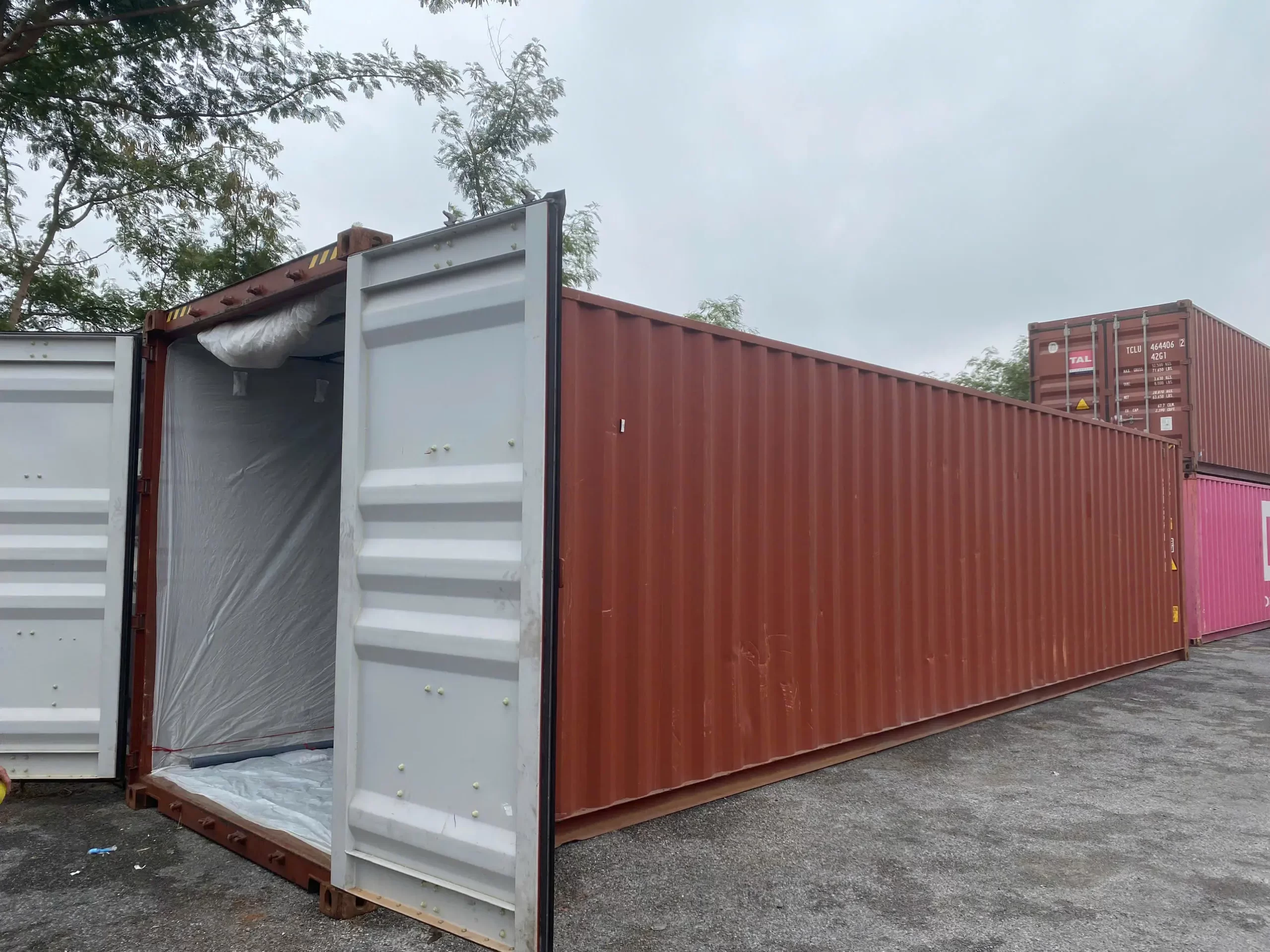
Usually, no. Shipping time is normally counted separately from production lead time.
What are the main stages in the production timeline?
Most timelines follow: Sampling & approval → Fabric & trim sourcing → Bulk production → Quality control & packing.
How long does sampling & approval take?
About 1–4 weeks. If the buyer asks for many changes, it takes longer. Fast feedback helps keep it short.
What happens during sampling & approval?
Common steps include prototype samples, fit samples, lab dips (color approval), and a final pre-production sample.
Why can imported fabric slow things down?
Many factories import specialty fabrics (often from places like China, Korea, or Taiwan), so timing depends on suppliers and transport