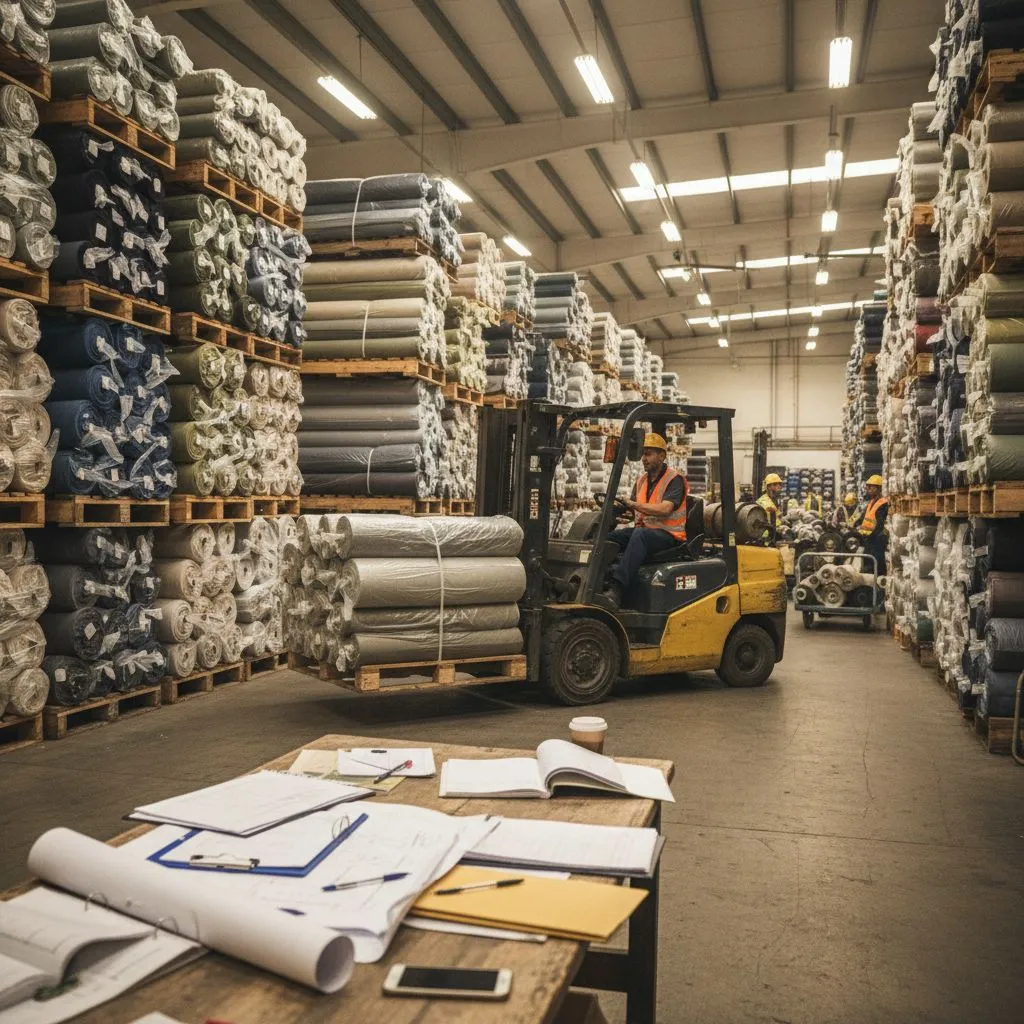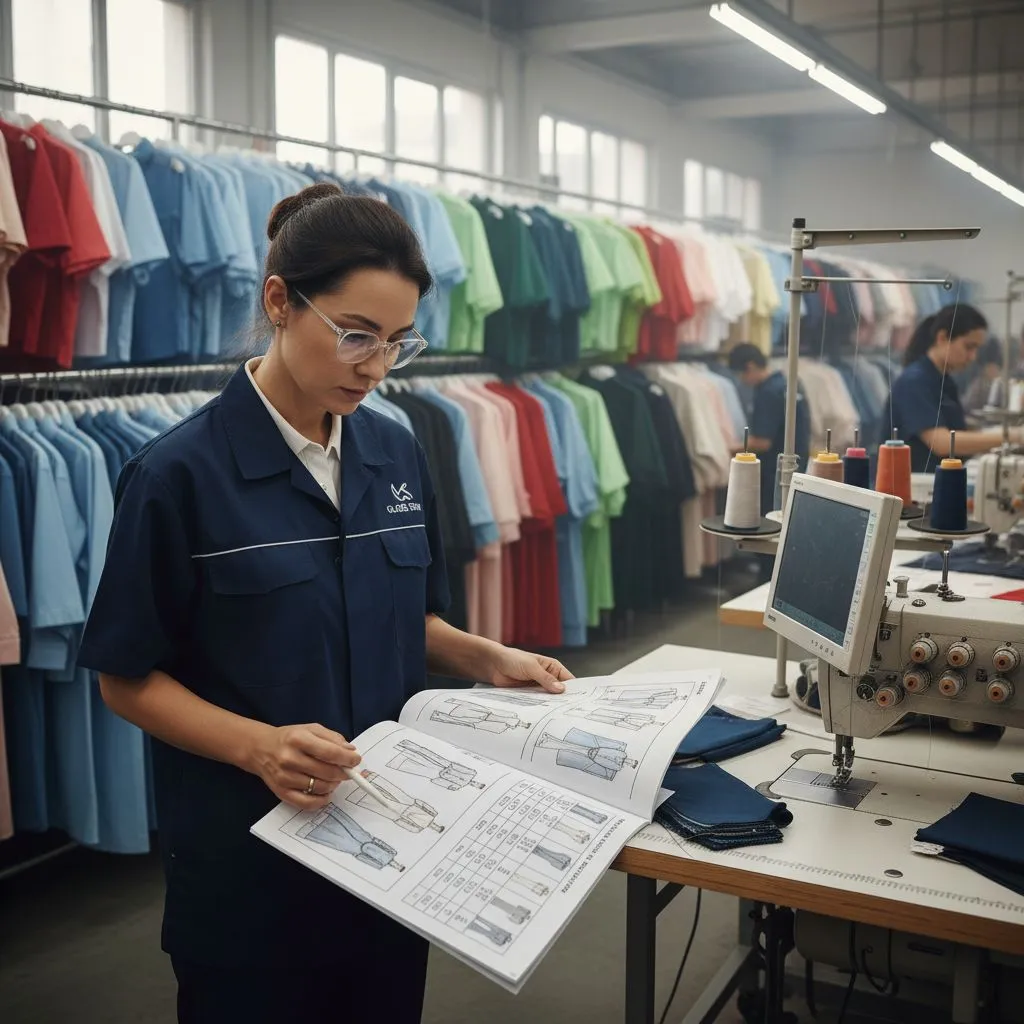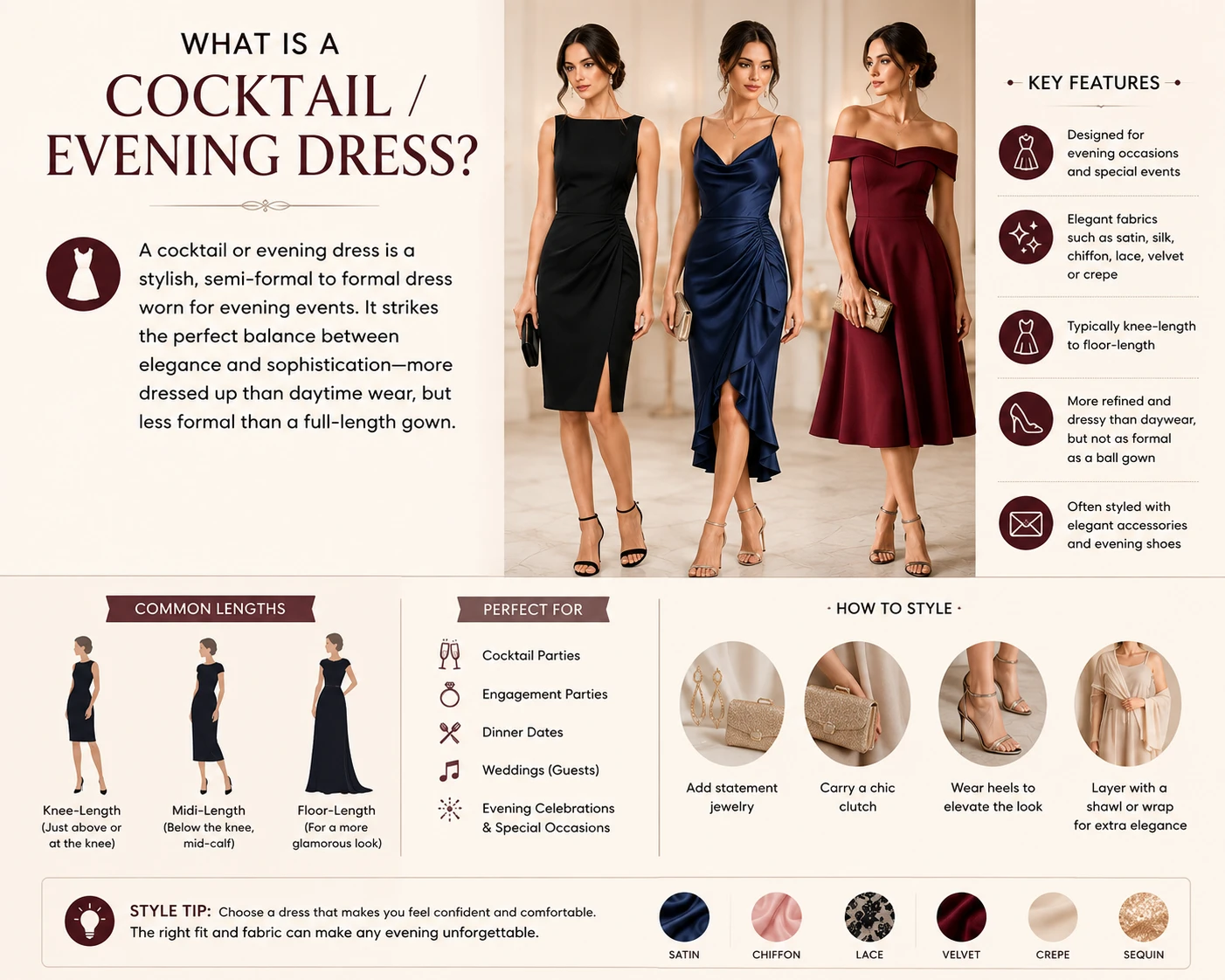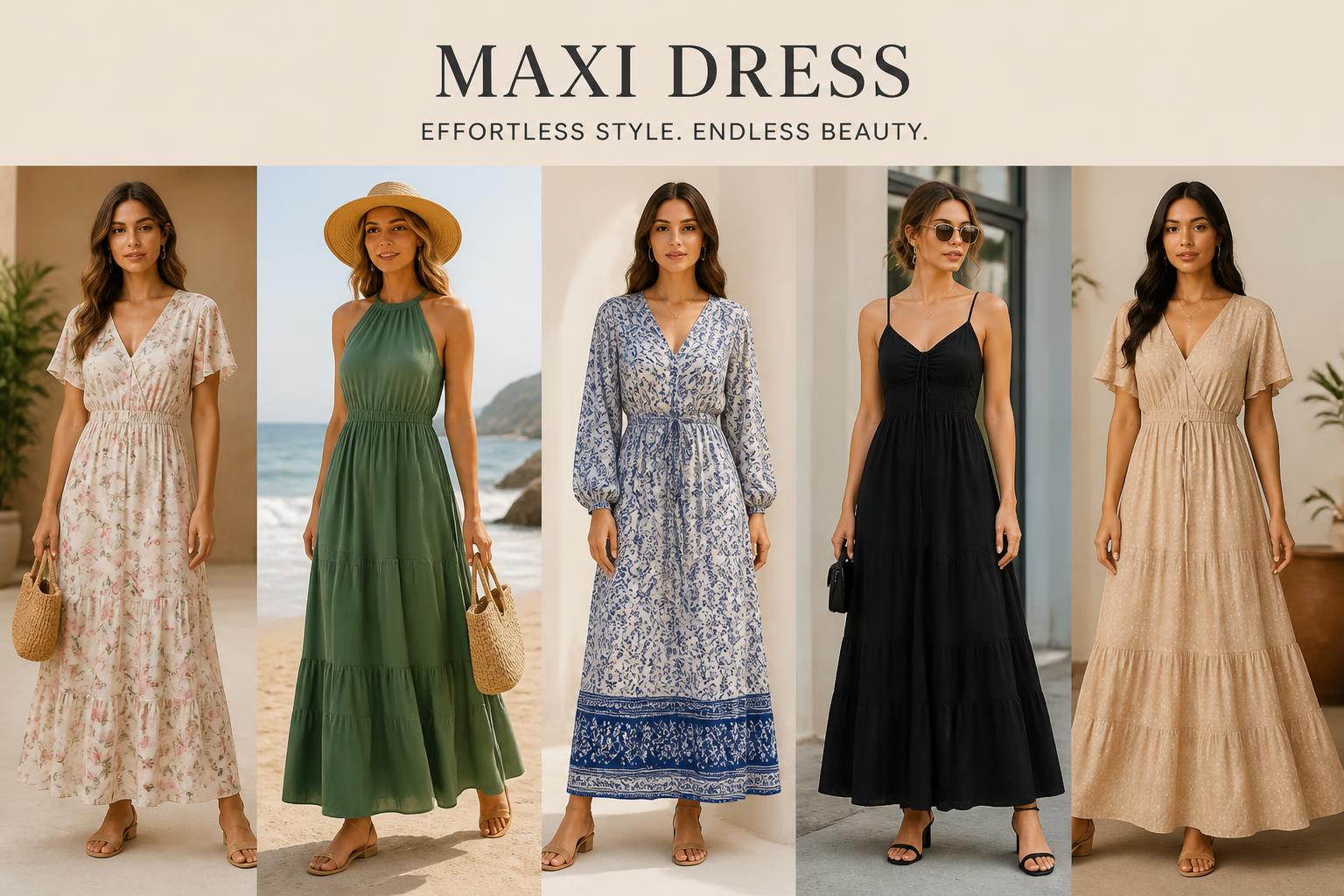
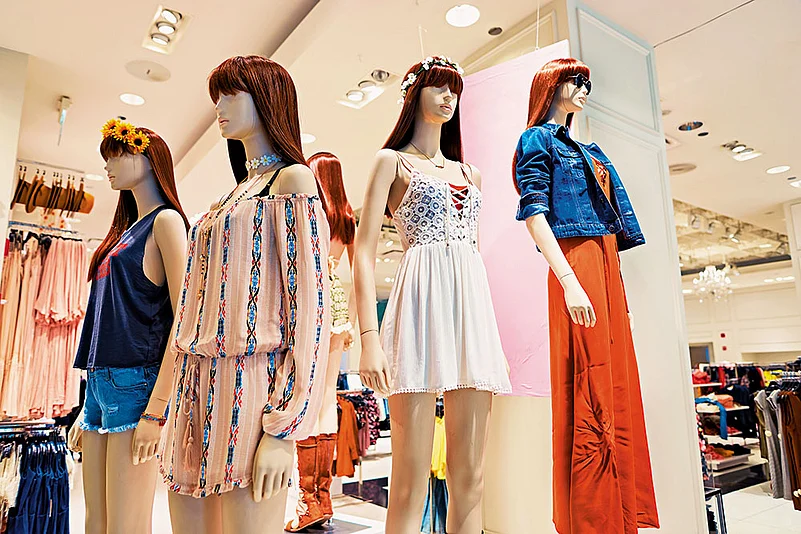
Fast fashion refers to cheap, trendy, mass-produced clothing designed to move quickly from design to store shelves. These garments are made to copy runway or social-media trends at low cost and in very short time frames. For shoppers, fast fashion is attractive because it is affordable, stylish, and constantly new. But behind that convenience lies a system with serious environmental, social, and economic consequences. At the same time, blaming fast fashion alone oversimplifies the issue. The reality is more complex and more uncomfortable. This article looks at what fast fashion is, how it became dominant, why it causes problems, and what realistic alternatives actually make sense.
The Origins of Fast Fashion
Fast fashion didn’t appear overnight it grew out of big shifts in how clothing was made and sold. As factories expanded globally and production moved to lower-cost countries, brands could make garments faster and cheaper than ever. That drop in price changed shopping habits: people bought more, trends moved quicker, and clothes became easier to replace than repair. In short, fast fashion is the result of a new system, not just a new style.
Clothing before fast fashion
In the mid-20th century, people bought far fewer clothes. In the 1960s, the average American purchased fewer than 25 garments per year and spent over 10% of household income on clothing and shoes. Most clothes sold in the U.S. were made domestically, which kept production slower and prices higher. Clothing was treated as something to maintain and repair, not replace weekly.

The shift in the 1970s–1980s
Everything changed when apparel production began moving overseas. Factories expanded across Asia and Latin America, offering:
- lower labor costs
- large-scale production
- faster turnaround times
By the 1980s, many Western brands had no real choice. Domestic manufacturing could not compete on price. As Elizabeth Cline explains in Overdressed: The Shockingly High Cost of Fast Fashion, companies either outsourced or shut down. This wasn’t just corporate greed it was market pressure.

How Fast Fashion Took Over
As clothing became cheaper, consumer behavior changed.
Today:
- The average American buys around 70 garments per year
- Clothing takes up less than 3.5% of household budgets
- Only about 2% of clothes sold in the U.S. are made there
Fashion brands no longer release collections four times a year. Many now refresh inventory weekly or even daily. Trends cycle so fast that garments often feel outdated after only a few wears. Fast fashion didn’t just respond to demand it trained consumers to expect constant novelty.

Environmental, Ethical and Labor Concerns Impacts of Fast Fashion
1. Textile waste
Fast fashion garments are designed for short lifespans. Thin fibers, low stitching density, and blended materials make them difficult to repair and almost impossible to recycle. According to the U.S. Environmental Protection Agency:
- 17 million tons of textile waste were generated in 2018
- Only 2.5 million tons were recycled
Blended fabrics are a major issue. A single cotton T-shirt may include polyester thread, plastic labels, dyes, and finishes. Separating these components for recycling is technically possible but economically unrealistic at scale. The result: clothes are cheaper to throw away than to reuse.

2. Carbon emissions
The fashion industry produces about 10% of global CO₂ emissions—more than international flights and maritime shipping combined. Emissions occur at multiple stages:
- fiber production (especially synthetic fibers made from oil)
- manufacturing
- global transportation
- consumer washing and drying
- disposal or incineration
Roughly 63% of textiles are made from petrochemical-based fibers. Even recycled synthetics still rely on fossil fuels and shed plastic over time. If current trends continue, fashion could consume 25% of the global carbon budget by 2050.

3. Water pollution and microplastics
Synthetic garments shed microplastic fibers every time they are washed. These particles pass through wastewater systems and end up in rivers and oceans. Studies show thousands of fibers can be released from a single garment in one wash.
Textile dyeing creates another problem. In many regions, wastewater from factories is discharged directly into rivers, contaminating drinking water and farmland. Even natural fibers are not harmless. Cotton is extremely water-intensive and often relies on heavy pesticide use. When cotton garments are treated as disposable, the environmental cost of production is magnified.

4. Ethical and Labor Concerns
Fast fashion depends on speed and low prices, and that pressure often lands on workers.
In many factories:
- wages are low
- hours are long
- safety standards are weak
Workers may be exposed to toxic dyes and chemicals without proper protection. Outsourcing itself is not inherently unethical. Garment manufacturing provides millions of jobs and has lifted many families out of extreme poverty. The real problem is price pressure combined with weak enforcement, not geography.

The Limits of Blaming Fast Fashion
Fast fashion is often portrayed as the villain. but that framing hides uncomfortable truths.
- Consumers demand low prices and constant newness
- Brands compete in a race they did not create alone
- Ethical clothing remains inaccessible to many shoppers
Telling people to “just buy better clothes” ignores income gaps, limited access, and lack of time. Sustainability that only works for wealthy consumers is not real sustainability. Even high-quality garments still use resources. What matters most is how often clothes are worn, not just how they are made.

Realistic Alternatives to Fast Fashion
Fast fashion feels convenient, but most people can’t (and won’t) switch overnight to expensive “ethical” brands. That’s why the best alternatives are the ones that are realistic: they fit real budgets, real schedules, and real lifestyles. The goal isn’t to be perfect it’s to buy fewer things, use what you own longer, and reduce waste without making fashion miserable. Small changes, repeated often, usually beat big promises that nobody keeps. Here are practical options that actually work.
1. Handmade, Slow fashion
Slow fashion emphasizes:
- durability over trends
- ethical production
- timeless design
It encourages buying fewer items and using them longer. But it works best when paired with realistic expectationsnot moral pressure.

2. Secondhand and Reuse
Buying used clothing is one of the most effective ways to reduce impact. It:
- extends a garment’s life
- reduces landfill waste
- lowers demand for new production
Thrift stores, resale platforms, and clothing swaps all help but they are not a full solution on their own.

3. Care, Repair, and Responsibility
Small actions matter:
- washing clothes less often
- using gentle cycles
- repairing instead of replacing
- donating instead of discarding
A garment worn 100 times cheap or expensive has a far lower impact than one worn five times and trashed.

Final Thoughts / Conclusion
Fast fashion is not just a clothing problem. It is a system shaped by consumer behavior, corporate pressure, global inequality, and cultural speed. Eliminating fast fashion overnight is unrealistic. Ignoring its damage is irresponsible.
Progress comes from:
- better materials and design
- stronger labor protections
- smarter regulations
- and more thoughtful consumption
Sustainability isn’t about perfection. It’s about use, value, and responsibility from factories to closets.