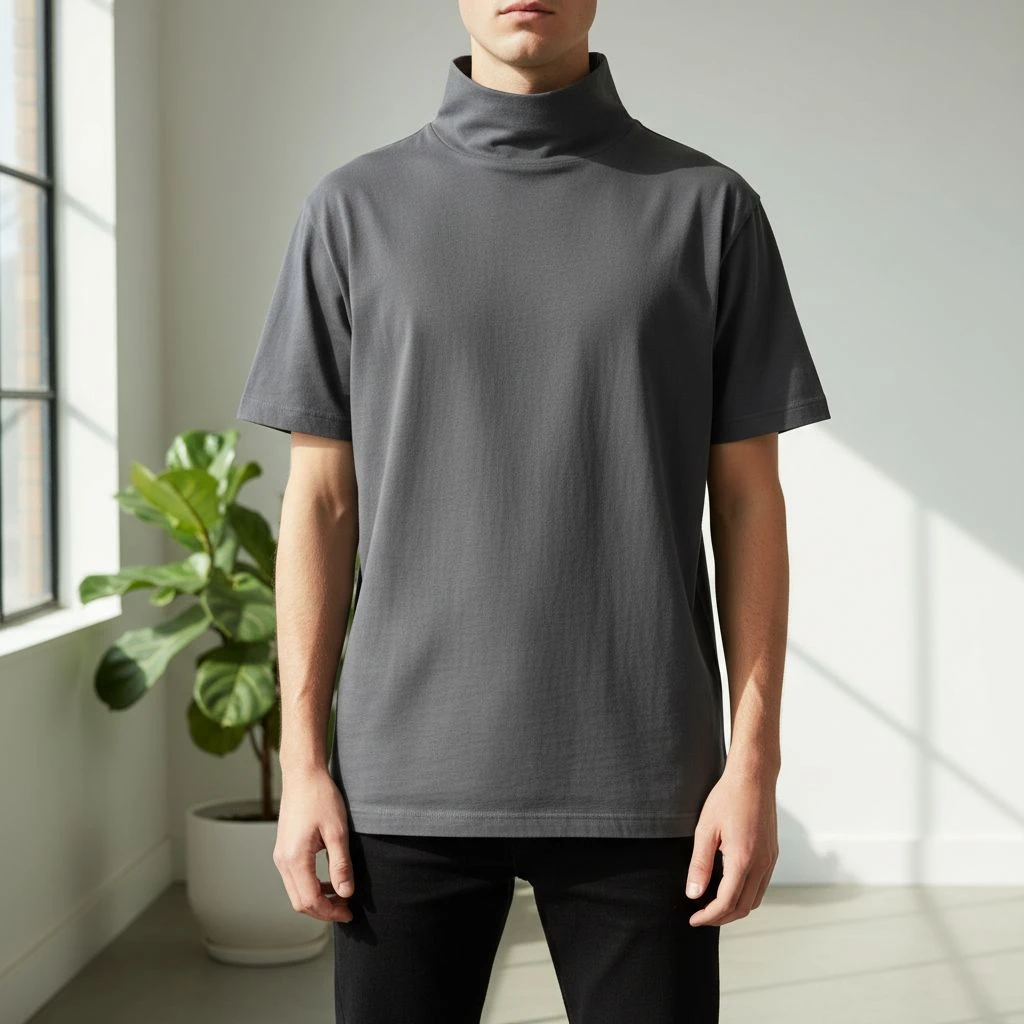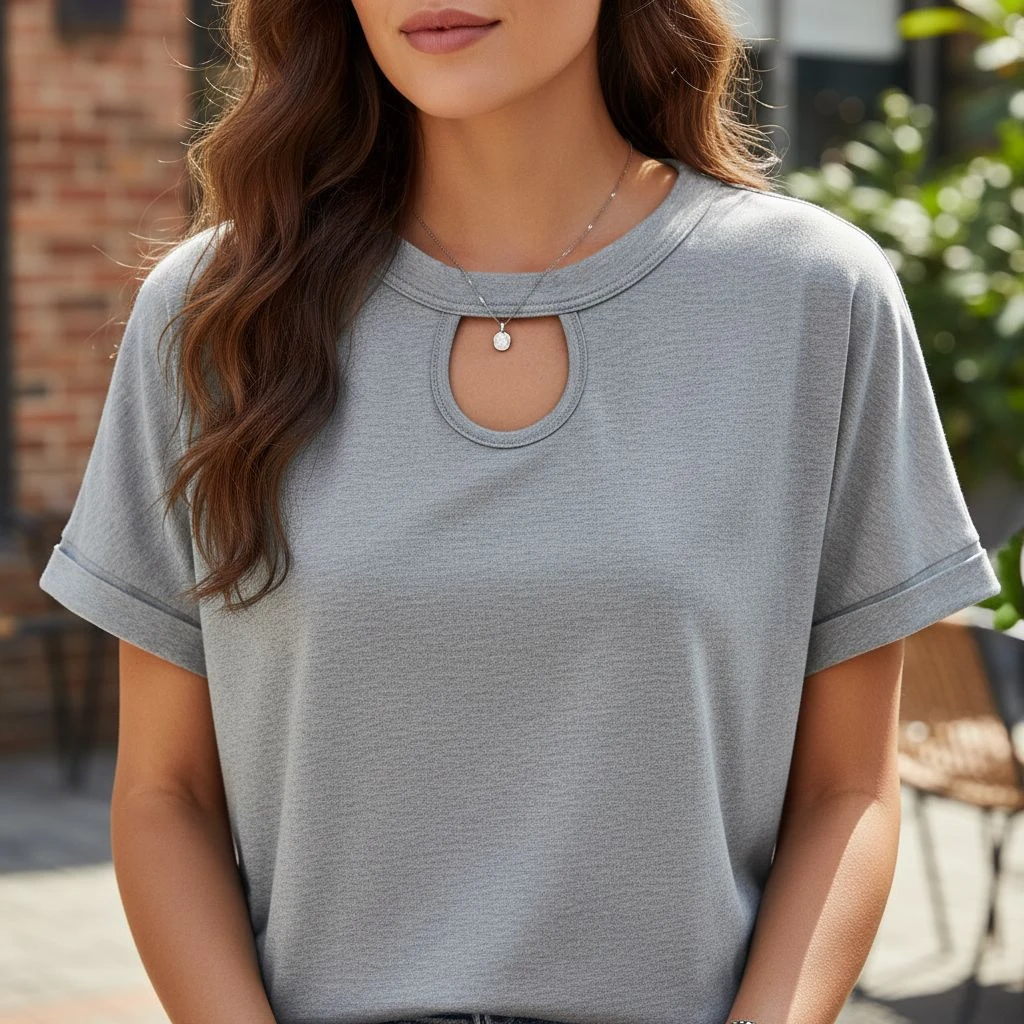
Garment Samples: The Secret Successful Clothing Brands Use to Win

Many brands believe the “real work” begins only at bulk production. This perspective is inherently risky. In apparel manufacturing, samples are your critical control system—they are where you prevent disasters like incorrect fit, poor fabric hand-feel, and factory misunderstandings. Sampling reduces risk by testing design, sizing, and workmanship before mass production begins. For successful brands, samples are not an “extra” cost; they are the most important insurance policy for quality.
What Sampling Really Means in Garment Production
Sampling is a staged technical process designed to validate a garment at every step. Each sample type serves a specific purpose, from proving a design concept to ensuring the factory can repeat the quality at scale. Think of it as a technical ladder:
- Early stages: Prove the design and silhouette.
- Middle stages: Validate the fit and size grading.
- Final stages: Prove mass production consistency.
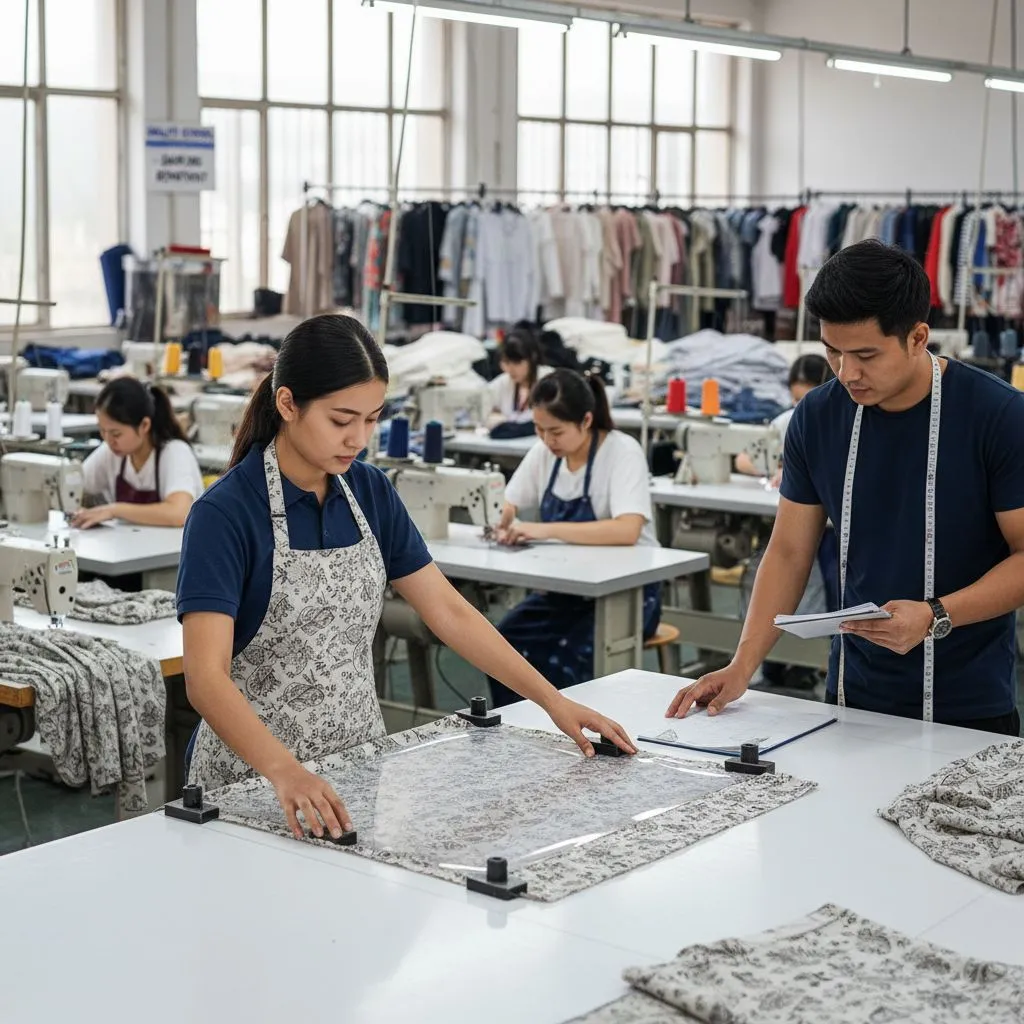
Why Successful Brands Prioritize the Sampling Process
1. Validating Design and Fabric Reality
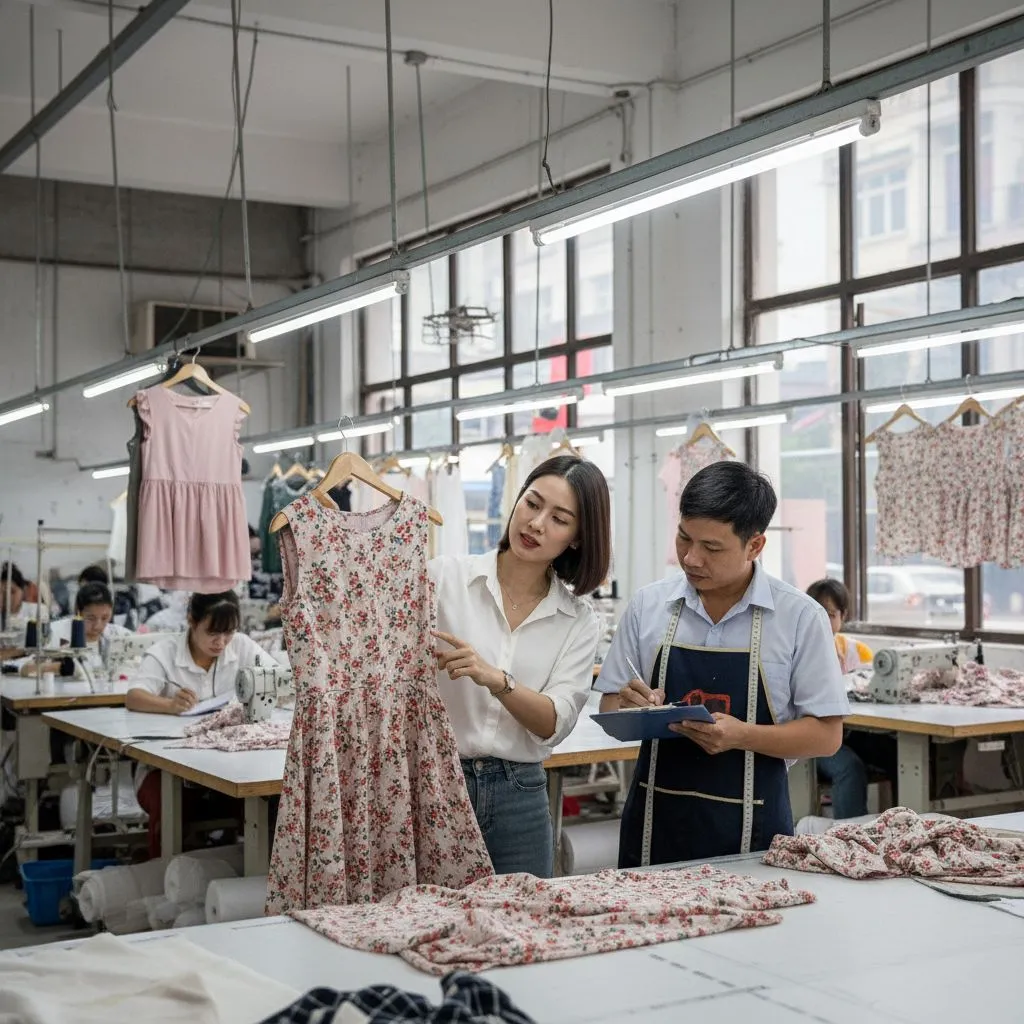
A physical sample brings a Tech Pack to life. It reveals whether the fabric drape matches the vision and if the colors hold up under different lighting. This is the stage to catch aesthetic issues when they are still affordable to fix.
2. Eliminating Fit and Sizing Errors
Fit issues are primary drivers for garment returns. Fit Samples allow you to adjust patterns and fix tension points (like armholes or waist rise). Size Set Samples then ensure that the grading is consistent across the entire size range, protecting your brand from “size-specific” quality complaints.
3. Quality Control Before Bulk Production
Sampling is a proactive form of Quality Assurance (QA). It verifies stitch density, seam strength, and wash performance before the machines start running at full speed. This prevents “mass” issues like puckering or uneven hems from ruining thousands of units.
The Essential Sample Types and Their Purposes
| Sample Type | Primary Purpose | Critical Approval Points |
|---|---|---|
| Proto / Development | Prove design concept | Silhouette, basic construction, style lines. |
| Fit Sample | Fix comfort and fit | Pattern corrections, movement, pressure points. |
| Size Set Sample | Confirm size consistency | Grading accuracy across the full size range. |
| PPS (Pre-Production) | Bulk “Blueprint” | Actual bulk materials, trims, and workmanship. |
| TOP (Top of Production) | Prove bulk consistency | First output from the bulk line matches the PPS. |

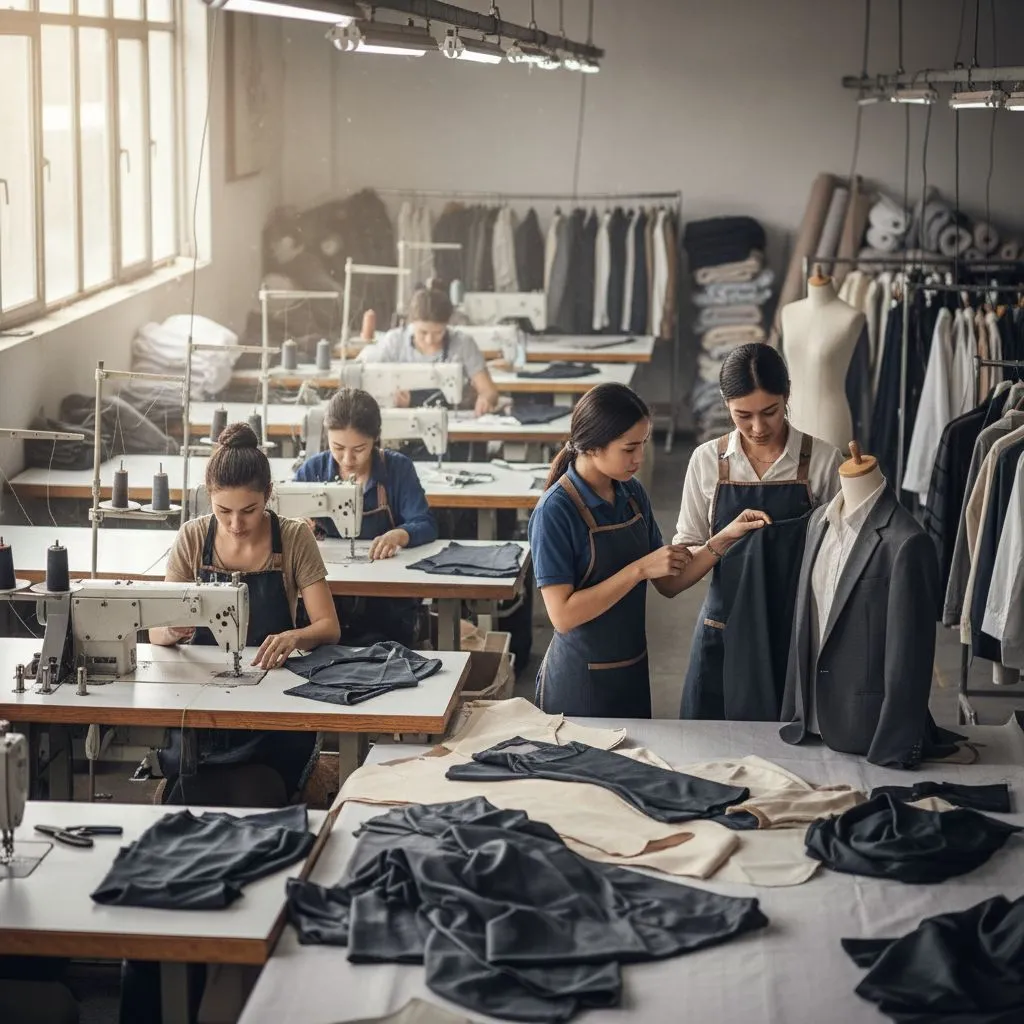
Strategic Sampling Mistakes to Avoid
- Fabric Mismatch: Never approve a fit sample before the final fabric is selected, as GSM and stretch will alter the final fit.
- Skipping the TOP: The Top of Production (TOP) sample is where you catch “bulk drift” before the entire shipment is packed.
- Vague Feedback: Feedback should be engineering-focused (exact measurements, specific seam fixes) rather than based on “vibes” or emotions.
Conclusion
Sampling is the bridge between a design concept and a successful retail product. It is the most effective way to align with your factory, protect your margins, and prevent costly production delays. While it requires an upfront investment, it ultimately saves money by preventing reworks and negative customer reviews. At Mekong Garment, we believe a disciplined sampling workflow—from Proto to TOP—is the foundation of every export-quality collection.