What Is Chiffon Fabric? Properties, Uses, Types, and Key Facts You Should Know

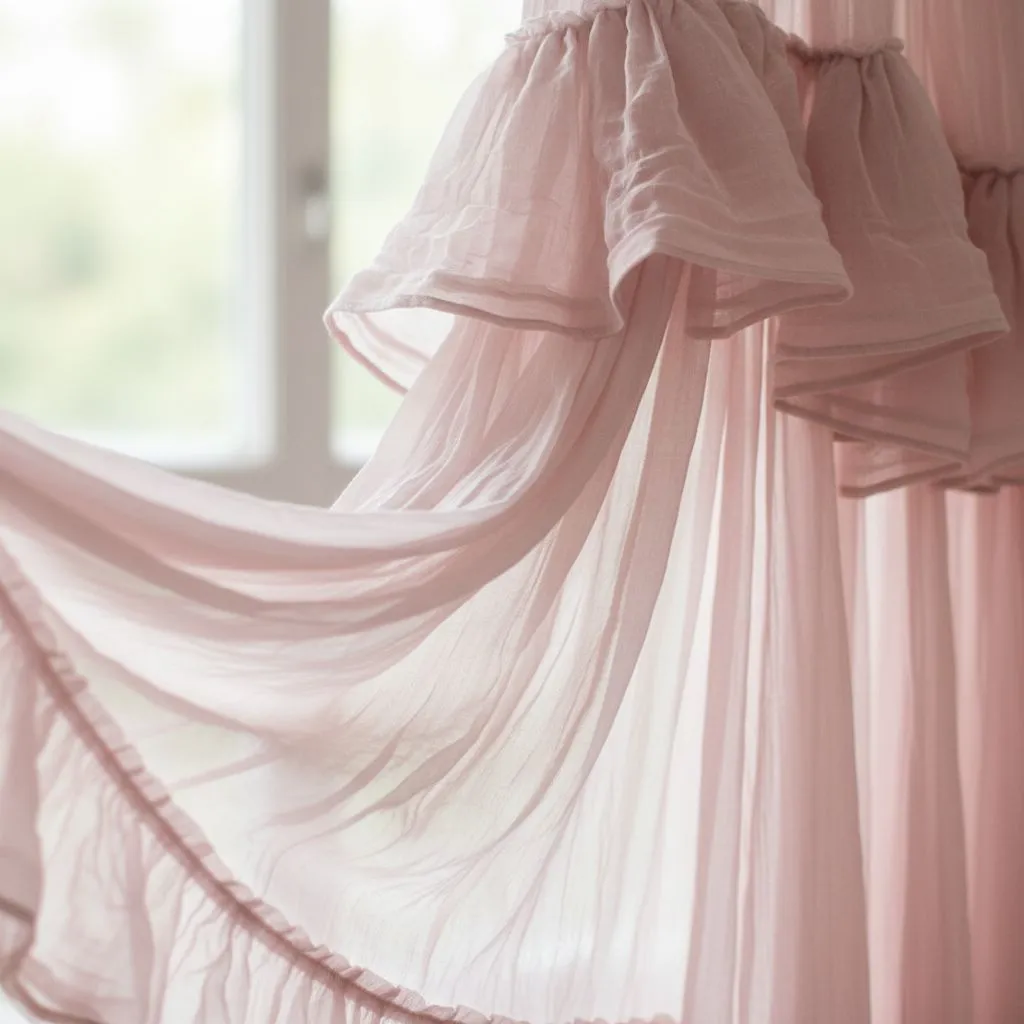
Chiffon is a lightweight, sheer fabric known for its soft drape and flowing movement. It is widely used in fashion for garments that require elegance, airiness, and visual softness. However, the performance of chiffon varies greatly depending on fiber type, yarn twist, and finishing. Understanding these technical nuances helps designers and buyers choose between silk and synthetic versions effectively while avoiding common production pitfalls.
What Exactly is Chiffon Fabric?
Chiffon is a plain-weave fabric made from highly twisted filament yarns. Traditionally made from silk, it is now more commonly produced using polyester or nylon. Its signature grainy texture and fluid drape come from yarns twisted in alternating directions (S-twist and Z-twist). This opposing twist creates a subtle puckering effect that defines chiffon’s unique character, distinguishing it from other lightweight fabrics like voile or organza.
How is Chiffon Fabric Manufactured?
The production of chiffon involves fine filament yarns woven under high tension. Once the tension is released after weaving, the alternating twist directions cause the fabric to crinkle slightly. While the weave is a simple plain weave, the yarn preparation is the most critical technical step. Silk filaments provide natural luxury, while engineered synthetics are designed to mimic silk’s movement at a lower price point.
Types of Chiffon Fabric: Comparison Table
Not all chiffon performs the same. Choosing the right type depends on your requirements for durability, breathability, and budget.
| Type | Fiber Base | Key Characteristic | Durability | Common Use |
|---|---|---|---|---|
| Silk Chiffon | Natural Silk | Premium drape, highly breathable. | Low (Delicate) | Bridal, Luxury eveningwear. |
| Polyester Chiffon | Polyester | Affordable, machine washable. | High | Everyday fashion, blouses. |
| Georgette | Silk or Poly | Heavier, more opaque, crinkled. | Medium | Dresses needing structure. |
| Crepe Chiffon | Silk or Poly | Matte, grainy, less slippery. | Medium | Skirts, overlays. |
Key Technical Properties of Chiffon
- Lightweight and Sheer: Typically ranging from 20 to 60 GSM, its transparency often requires a lining or layering.
- Fluid Drape: Chiffon follows the contours of the body gracefully but offers zero structural support. It is unsuitable for garments requiring crisp edges.
- Hydrophobic vs. Breathable: Silk versions are naturally breathable, whereas low-quality synthetic versions can trap heat and hold odors more easily.
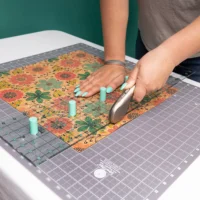
- Production Challenges: Chiffon is notoriously difficult to handle. It shifts during cutting, frays easily, and shows every needle hole, requiring high-level operator skill.

Cost and Sourcing Considerations
The cost of chiffon is driven primarily by fiber content. Silk chiffon commands a high price due to labor-intensive cultivation and processing. Synthetic chiffon is significantly cheaper and more consistent for mass production. However, brands should not judge by price alone; premium polyester chiffon can offer a drape nearly identical to silk without the fragile maintenance requirements.

Sustainability and Environmental Impact
As brands move toward eco-friendly sourcing, chiffon presents a complex choice. Natural silk is biodegradable but requires high water and energy usage. Traditional polyester and nylon versions are petroleum-based and contribute to microplastic shedding. Utilizing recycled polyester (rPET) chiffon is a growing trend that reduces waste while maintaining the fabric’s technical performance.
Conclusion
Chiffon is a reliable material when matched correctly to its end-use. Whether you choose the natural luxury of silk or the durability of high-grade synthetics, understanding the weight, twist, and GSM is key to a successful collection. At Mekong Garment, we recommend testing your chiffon choice for drape and seam slippage before committing to bulk production to ensure the final product meets export-quality standards.