Elastane Fabric (Spandex/Lycra): How It’s Made, How It Works, and Why It Matters in Clothing

Elastane is one of the most important fibers in modern fashion because it brings comfort, flexibility, and shape-holding ability to clothes. Even when used in very small amounts, it transforms the way fabric behaves on the body. Today, elastane appears in everything from jeans to swimwear to high-performance activewear, making it a core material in global apparel manufacturing.
What Is Elastane Fabric?
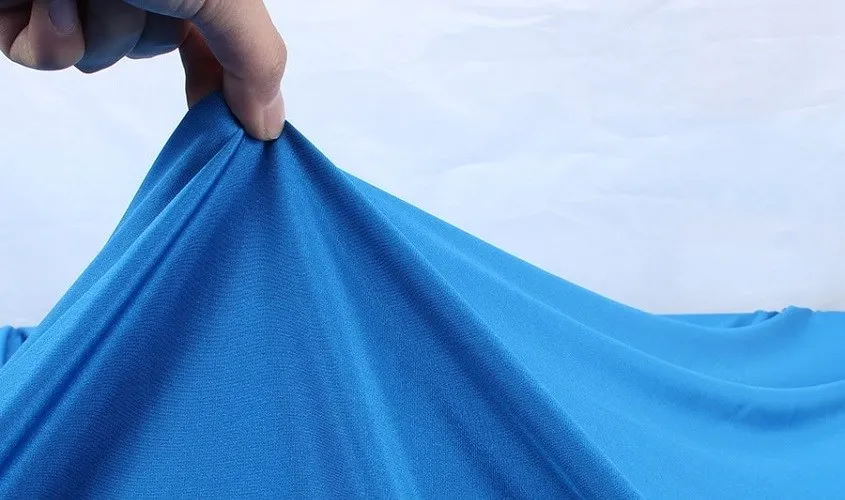
Elastane is a synthetic elastic fiber designed to stretch significantly and recover toward its original length after the force is removed. It is usually not used by itself to make an entire conventional garment fabric. Instead, relatively small amounts are blended or combined with other fibers to add elasticity. Common combinations include:
- Cotton + Elastane
- Polyester + Elastane
- Nylon + Elastane
- Viscose + Elastane
- Denim + Elastane
The result is a fabric that keeps many characteristics of the main fiber while gaining additional stretch and recovery. For example:
- Cotton + Elastane = Cotton-Like Comfort + Added Stretch
- Polyester + Elastane = Performance Base + Added Flexibility
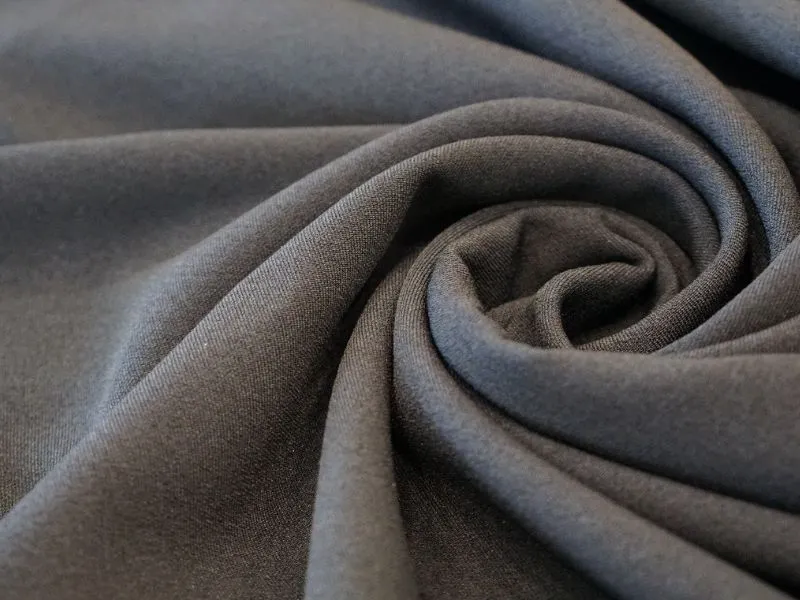
It is known as Spandex in North America and Lycra® (a brand name by The Lycra Company), they all refer to the same elastomeric fiber. Small percentages of elastane in a blend can dramatically improve the fit and performance of a garment.
Key Properties of Elastane
| Property | Practical Meaning |
|---|---|
| High Elasticity | Can extend significantly under force |
| Recovery | Helps fabric return toward its original dimensions |
| Low Addition Required | Small percentages can noticeably change fabric behavior |
| Lightweight | Adds elasticity without requiring bulky elastic components |
| Body Conformity | Helps garments follow body movement |
| Heat Sensitivity | Excessive temperature can damage elastic performance |
| Chemical Sensitivity | Chlorine and harsh chemicals may reduce durability |
| Blend Compatibility | Commonly combined with cotton, polyester, nylon, and viscose |
A Short History of Stretch
Invented in 1958 by Joseph Shivers at DuPont, elastane revolutionized the garment industry. It was lighter and stronger than the natural rubber previously used in corsets and swimsuits. By the 1970s, it moved into sportswear, and by the 1990s, the “stretch revolution” had reached denim and formal wear, making tight-fitting clothes comfortable for daily use.
How Elastane Is Made: The Dry Spinning Process
The majority of global elastane is produced through Solution Dry Spinning, a method that ensures high-quality filaments and consistent elasticity.
- Prepolymer Reaction: A macroglycol is reacted with a diisocyanate to create a prepolymer.
- Chain Extension: The prepolymer is reacted with a diamine to form the final block copolymer.
- Dissolving: The polymer is dissolved in a solvent to create a thick spinning liquid.
- Extrusion: The liquid is pushed through a spinneret (like a showerhead) into a heated chamber.
- Evaporation: In the heated chamber, the solvent evaporates, solidifying the liquid strands into fibers.
- Finishing: Fibers are coated with a lubricant (like silicone) to prevent sticking and wound onto spools.
Pros and Cons of Elastane
Elastane brings major benefits to modern clothing, especially where comfort, movement, and close fit are important. However, it also has limitations related to heat, chemicals, recycling, and long-term elastic performance.
Advantages:
- Superior Comfort: Allows garments to move with the body without restriction.
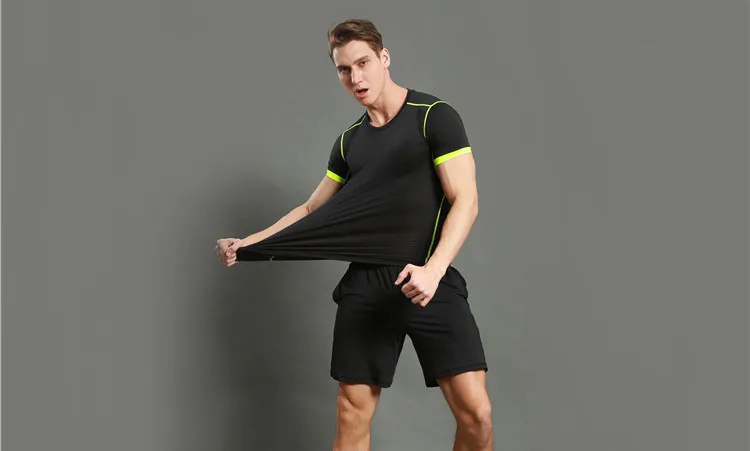
- Shape Retention: Prevents “baggy” knees or elbows by helping fabric snap back.
- Lightweight Power: Adds massive stretch without adding bulk or weight to the fabric.
- Better Shape Retention: Helps reduce bagging at knees, elbows, waistbands, and seat areas.
- Improved Comfort: Makes fitted garments easier to move in and less restrictive.
- Small Amounts Are Effective: Even a low elastane percentage can noticeably improve garment stretch and fit.
- Versatile: Works with cotton, polyester, nylon, viscose, and many other textile systems.
Disadvantages:
- Heat Sensitivity: High temperatures can permanently destroy the “bounce-back” ability.
- Recycling Issues: Blended fabrics (e.g., Cotton/Elastane) are difficult to recycle mechanically.
- Environmental Impact: As a petroleum-based synthetic, it is not biodegradable.
- Chlorine Sensitivity: Repeated chlorine exposure can damage some elastane fibers, especially in swimwear.
- UV Degradation: Prolonged sunlight exposure may gradually reduce elastic performance.
- Can Increase Body Cling: Too much stretch or incorrect garment ease may create excessive cling.
Common Elastane Blend Percentages
There is no universal percentage that works for every garment. Approximate commercial directions may include:
| Elastane Content | Typical Purpose |
|---|---|
| 1–2% | Light comfort stretch |
| 2–5% | Common stretch apparel |
| 5–10% | Higher stretch garments |
| 10%+ | Selected performance, compression, swim, lingerie, or specialized constructions |
These are general ranges rather than fixed standards. The correct amount depends on:
- Fabric type
- Stretch requirement
- Recovery requirement
- Fit
- End use
- Construction
1–2% Elastane: Small Amount, Noticeable Difference
A small amount of elastane can significantly improve everyday fabrics. It is often used where the goal is:
- Better mobility
- Slight stretch
- Improved fit
- Reduced restriction
Stretch denim is a common example. Even a relatively low elastane percentage can change the wearing experience considerably.
2–5% Elastane: Common Stretch Apparel
This range is frequently found in products such as:
- Stretch T-shirts
- Fitted tops
- Leggings
- Dresses
- Stretch trousers
- Casual bottoms
However, actual fabric stretch cannot be predicted from composition alone.
Higher Elastane Content
Higher elastane content may be used in products requiring greater stretch or body conformity.
Examples may include:
- Compression garments
- Swimwear
- Cycling wear
- Performance leggings
- Lingerie
But again: Higher Elastane isn’t Automatically Higher Performance
Too much stretch can create problems if:
- Recovery is poor
- Fabric is too lightweight
- Pattern ease is incorrect
- Compression is excessive
- Garment construction is unsuitable
Common Applications
- Cotton + Elastane: Used in T-shirts, stretch denim, and leggings for a natural feel with a better fit.
- Polyester + Elastane: The standard for performance activewear and compression gear.
- Nylon + Elastane: Dominates the swimwear and lingerie markets due to its smooth texture.
| Blend | Main Benefit | Common Applications | Main Consideration |
|---|---|---|---|
| Cotton + Elastane | Natural feel with stretch | T-shirts, jeans, trousers | Shrinkage and recovery |
| Polyester + Elastane | Performance and stretch | Activewear, leggings | Heat and dye migration |
| Nylon + Elastane | Smooth stretch and abrasion resistance | Swimwear, lingerie | Chlorine and UV exposure |
| Viscose + Elastane | Soft drape with stretch | Tops, dresses, lounge | Shrinkage and stability |
| Denim + Elastane | Mobility and fitted comfort | Stretch jeans | Bagging and recovery |
Stretch Denim
Elastane improves comfort and mobility in:
- Skinny jeans
- Slim jeans
- Stretch trousers
Recovery is important to reduce knee and seat bagging.
T-Shirts
Small elastane additions may improve:
- Fit
- Neck recovery
- Body conformity
- Movement
especially in fitted products.
Leggings
Leggings require a careful balance of:
- Stretch
- Recovery
- Opacity
- Compression
- Seam extensibility
Activewear
Elastane is common in:
- Yoga pants
- Running tights
- Sports bras
- Cycling clothing
- Training tops

Swimwear
Swimwear depends heavily on elasticity and recovery. However, chlorine, UV, salt water, and heat make material selection especially important.
Lingerie and Underwear
Elastane allows garments to fit closely while maintaining movement and recovery.
Socks and Hosiery
Elastic fibers help:
- Keep the product in position
- Improve fit
- Support repeated expansion and recovery
Care and Maintenance
To preserve the life of stretch garments, follow these professional guidelines:
- Wash Cool: High heat weakens the synthetic bonds, leading to loss of elasticity.
- Avoid Bleach: Chlorine bleach can turn elastane yellow and cause it to break down.
- Air Dry: The high heat of a dryer is the fastest way to “kill” the stretch in your clothes.
Conclusion/ Final Words
Elastane is a transformative fiber that has reshaped modern fashion by prioritizing human comfort. From the high-performance needs of athletes to the daily comfort of stretch denim, its impact is undeniable. While the industry works toward more sustainable recycling methods for blends, elastane remains an essential tool for creating clothing that fits every body perfectly
FAQs About Elastane Fabric (Spandex/Lycra)
In Short, What is elastane fabric and how does it differ from rubber?
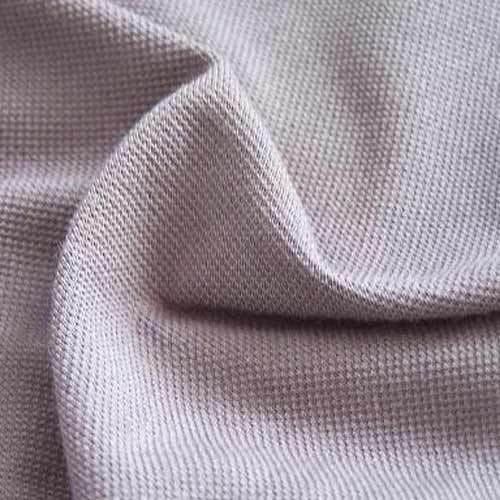
Elastane (also called spandex or Lycra) is a synthetic polymer fiber engineered for high stretch and rapid recovery. Developed in the late 1950s as a modern replacement for natural rubber, elastane is lighter, more durable, and resists degradation that affected rubber. Unlike rubber, elastane blends easily with other fibers and imparts elasticity even at low percentages (commonly 1-10%), changing how fabric fits and moves on the body.
Why is elastane important in modern clothing?
Elastane delivers exceptional stretch and recovery, improving comfort, fit, and shape retention. Small additions (often 1-5%) make garments move with the wearer, reduce sagging at knees, elbows, and waistbands, and help maintain a neat appearance for longer. These benefits explain elastane’s widespread use across jeans, activewear, swimwear, lingerie, and everyday apparel.
How is elastane manufactured?
Elastane production typically uses solution dry spinning. A macroglycol reacts with a diisocyanate to form a prepolymer, which is chain-extended with a diamine to build long polymer chains. The polymer is dissolved in solvent, forced through a spinneret into a heated chamber where the solvent evaporates, then the solidified filaments are stretched, heat-set, coated with finish agents like magnesium stearate, and wound onto spools. Dry spinning yields consistent, high-quality elastic filaments; older methods such as wet spinning or melt extrusion are now rare.
In short, What are the main advantages and disadvantages of using elastane?
Advantages include outstanding stretch and recovery, improved comfort and fit, strong shape retention (reducing bagging and sagging), and high strength relative to weight-ideal for sportswear, underwear, and everyday garments. Disadvantages include sensitivity to heat, chlorine, strong chemicals, and UV exposure which can degrade elasticity; challenges in end-of-life recycling when blended with natural fibers; and microplastic shedding during washing.
Which fabric blends commonly contain elastane and what are their typical uses?
Elastane is most effective in blends. Common mixes: cotton + elastane for T‑shirts, stretch denim, and casual wear; polyester + elastane for activewear, yoga pants, and quick‑dry garments; nylon + elastane for swimwear, hosiery, and lingerie. Typical elastane content ranges from about 1% up to 10% depending on required stretch-most ready‑to‑wear uses sit in the 1-5% range.
How should elastane garments be cared for to maintain elasticity and appearance?
Wash on a gentle or cold cycle with mild detergent and avoid bleach and harsh chemicals. Do not wring or twist the fabric; gently squeeze out excess water. Air dry flat or tumble on low heat; avoid high-temperature drying and ironing. Limit prolonged sun exposure and avoid contact with chlorine when possible. These habits reduce fiber damage and extend garment life.