
Natural Fabrics or Synthetic Fabrics: Which Better for Hot Humid Weather?

When the weather is hot and humid, your clothing can either assist your body’s cooling process or trap you in a sticky, uncomfortable layer of sweat. While many argue that natural fibers are always superior, modern performance synthetics have changed the technical landscape. The truth is that “best” depends on your activity level and the fabric’s specific construction. Managing both heat and moisture is the only way to stay comfortable when the humidity spikes.
Why Humidity is the Ultimate Test for Apparel
Hot and humid weather creates a double challenge: your body sweats more to cool down, but high moisture in the air prevents that sweat from evaporating. If a fabric traps heat or holds moisture close to the skin, you feel sticky and overheated. To perform well in humidity, a fabric must achieve at least one of these technical goals: high air permeability, moisture wicking, or rapid drying.
Fabric Construction: More Important Than Fiber
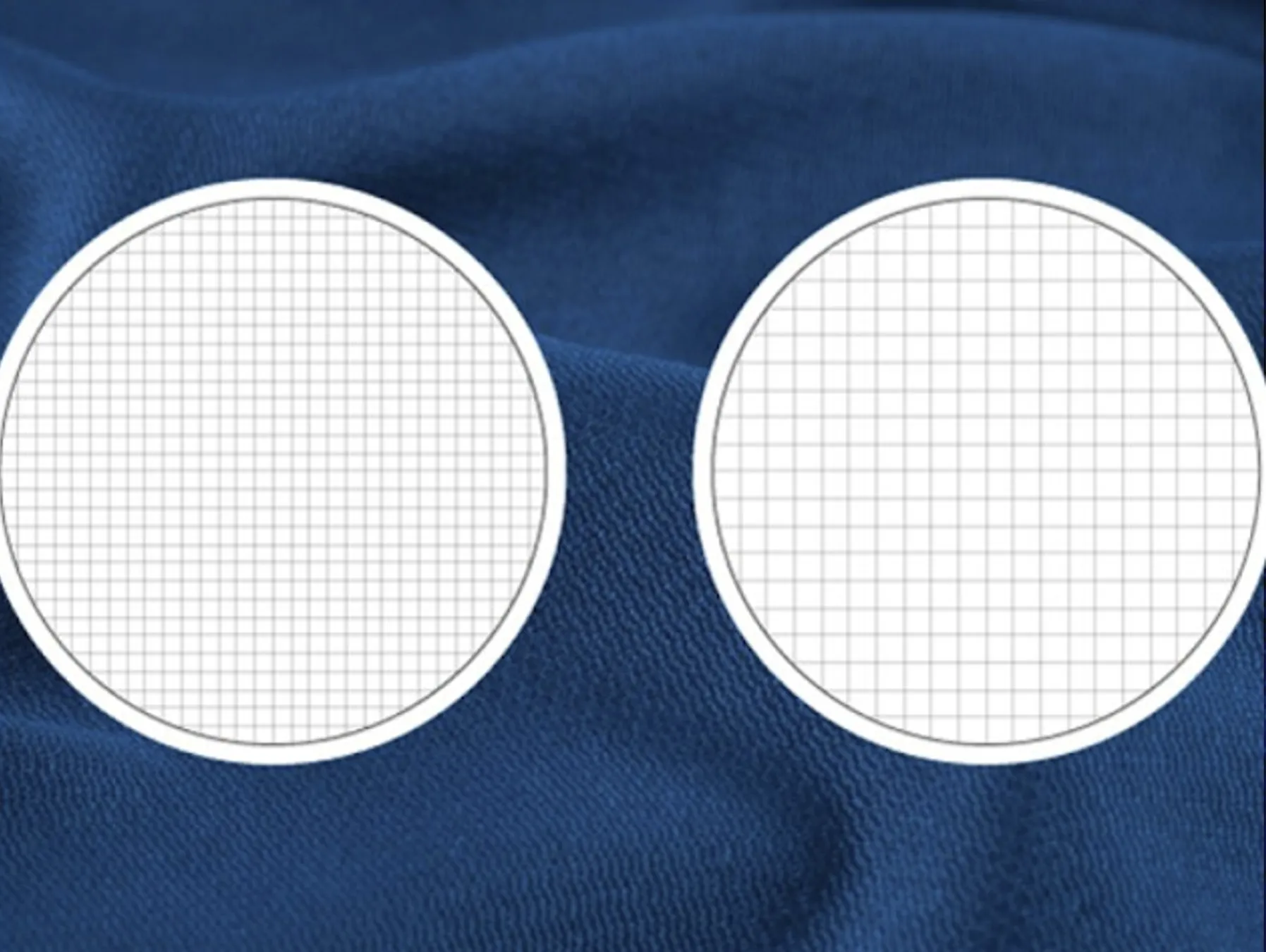
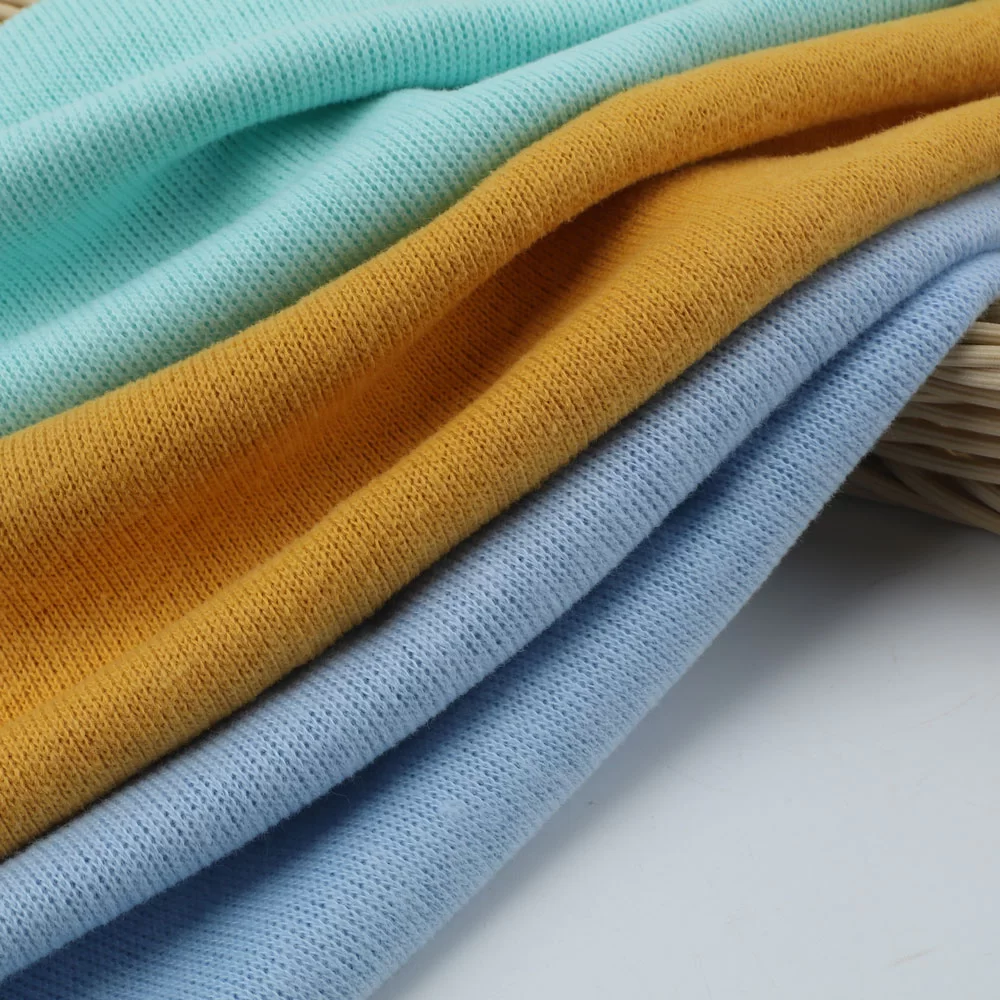
Fiber type alone does not decide comfort. A tightly woven, heavy-weight cotton will feel hotter than a light, open-knit performance polyester. In manufacturing, we focus on three variables: GSM (Weight), Weave Openness, and Garment Fit. An airy, loose fit is essential for creating the “chimney effect”—allowing hot air to rise and escape from the body.

Drying Speed: Why It Matters in Humidity
Drying speed becomes increasingly important as sweating increases.
A fabric that remains wet can feel:
- Heavy
- Sticky
- Clammy
- Uncomfortable
Low-absorbency synthetic fabrics often dry faster than cotton under similar conditions.
However, drying is also influenced by:
- Fabric thickness
- Airflow
- Temperature
- Humidity
- Garment fit
- Surface area
Even fast-drying fabrics dry more slowly when environmental humidity is extremely high.
Garment Fit Matters as Much as Fabric
Even a breathable fabric can become uncomfortable if the garment is too tight. Loose-fitting garments can create more space between skin and fabric. This can encourage air circulation and reduce fabric cling. A useful formula is: Breathable Fabric + Adequate Garment Ease = Better Ventilation
Loose Fit for Lifestyle Clothing – Relaxed silhouettes work particularly well with:
- Linen
- Cotton
- Viscose
- Lyocell
Examples include:
- Loose shirts
- Wide-leg trousers
- Relaxed dresses
- Oversized tops
The additional space helps air circulate.
Close Fit for Activewear – Activewear often needs a closer fit to support movement and moisture transfer. In this case, brands may rely more heavily on:
- Wicking fabric
- Mesh ventilation
- Quick drying
- Stretch
Therefore, the best fabric depends on the garment purpose.
Natural Fibers: The Breathable Classics
Natural fibers work with your body’s biology. They typically allow superior airflow and absorb initial moisture, reducing the immediate “cling” factor. However, their major limitation is saturation; once a natural fiber is soaked with sweat, it dries slowly and can become heavy.
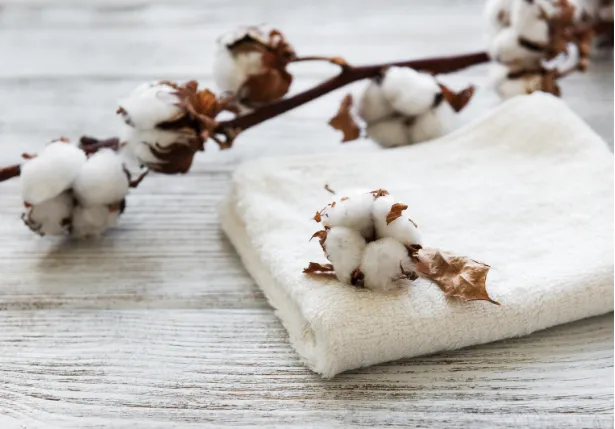
Cotton
Cotton is one of the most widely used natural fibers in warm-weather clothing. It is valued for:
- Softness
- Moisture absorption
- Familiar skin feel
- Wide availability
- Versatility
Cotton can work very well for casual, low-to-moderate activity in hot weather.
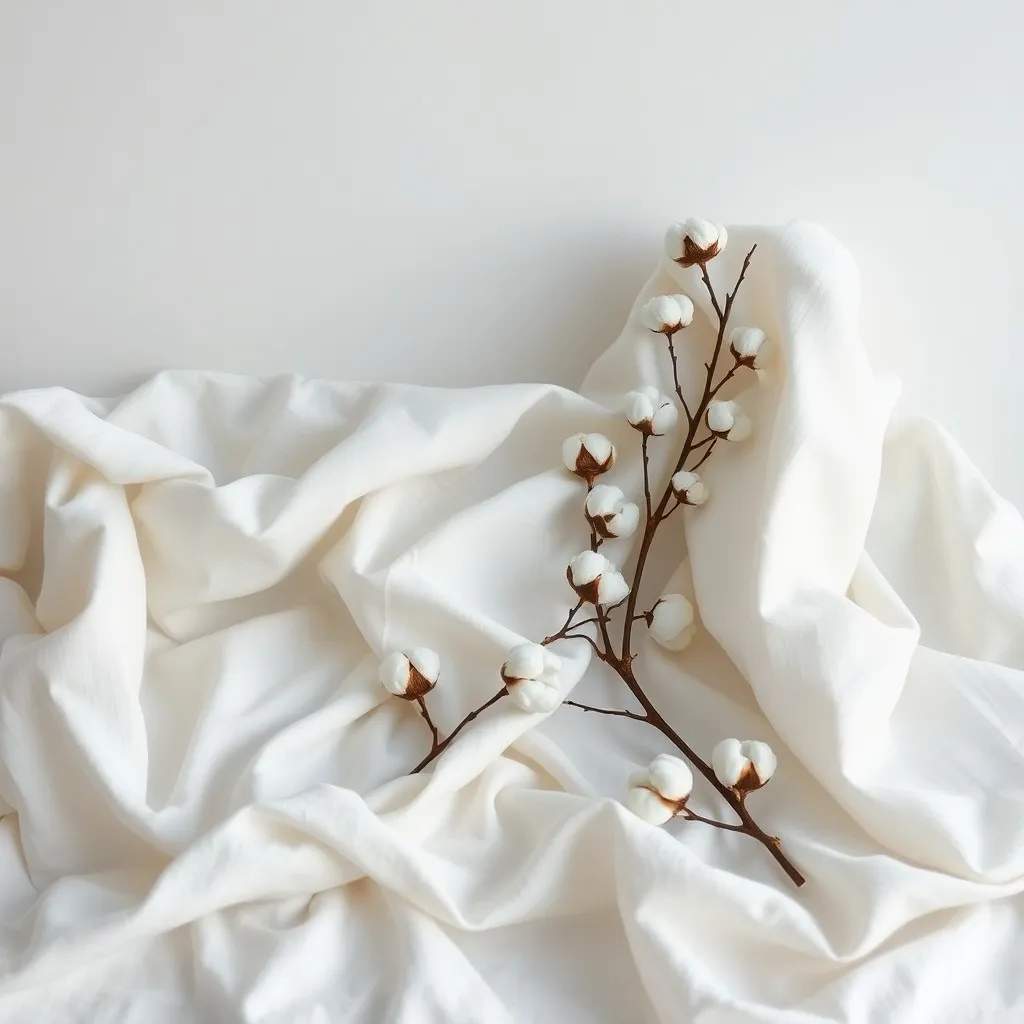
Cotton is prized for its soft hand-feel and high absorbency. It excels in low-activity settings where comfort is the priority. However, in extreme humidity or high activity, cotton fibers hold onto water, making the shirt feel damp and heavy for hours.
Why Cotton Can Feel Comfortable
Cotton absorbs moisture from the skin, which can reduce the immediate wet feeling on the surface. Lightweight cotton fabrics may also allow good airflow, depending on their construction. Common hot-weather cotton products include:
- T-shirts
- Shirts
- Dresses
- Shorts
- Sleepwear
- Casual uniforms
Cotton’s Main Limitation
Cotton can hold a significant amount of moisture. During heavy sweating, this may cause the fabric to become:
- Damp
- Heavy
- Slow to dry
- Clingy
Therefore: Cotton Absorbency isn’t Fast Drying. For high-intensity exercise or extremely humid conditions, cotton may become less comfortable once saturated.
Linen
Linen is produced from flax fiber and is strongly associated with warm-weather clothing.
It is commonly used for:
- Shirts
- Trousers
- Dresses
- Resort wear
- Summer suits
- Casual tops
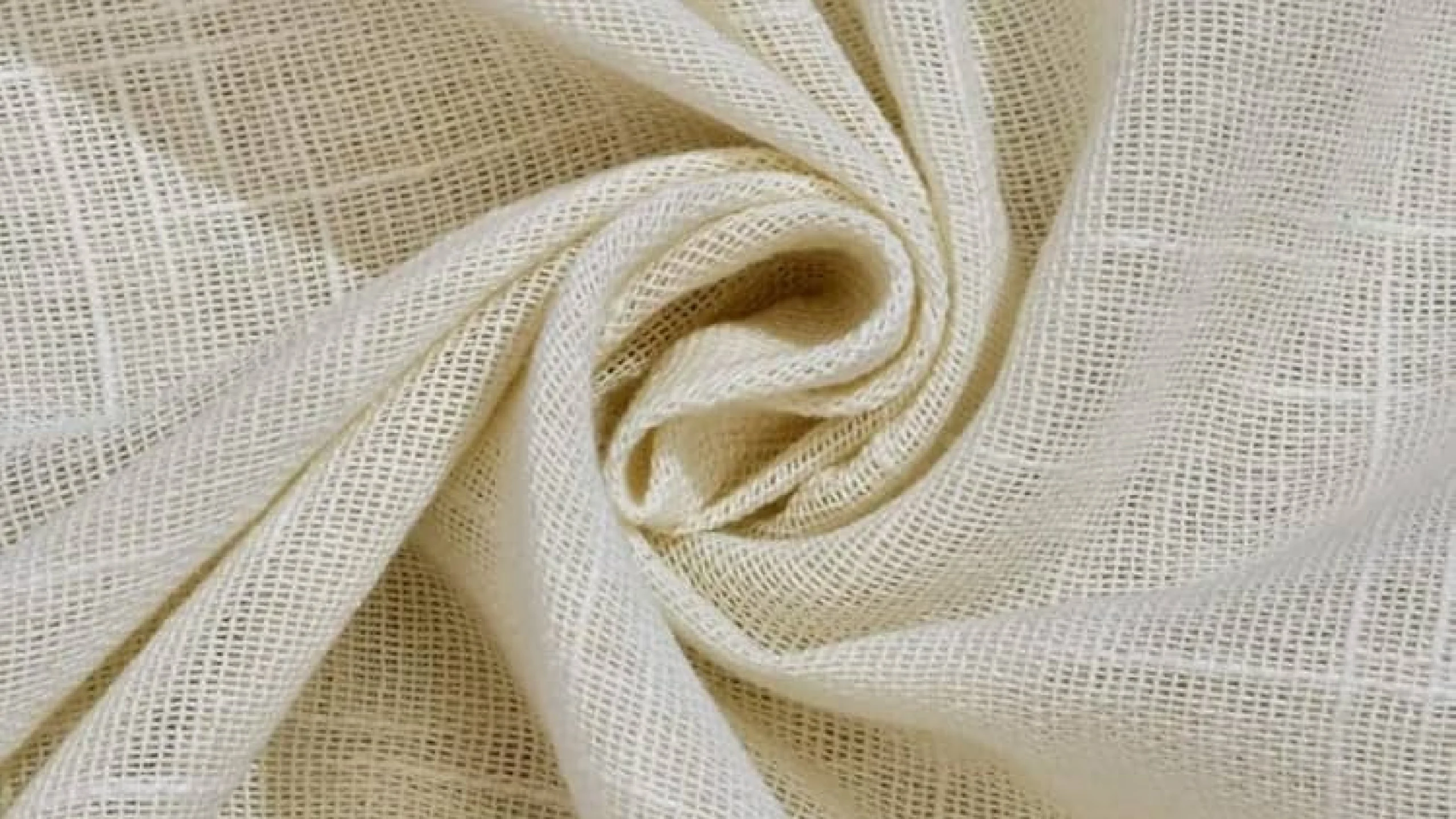
Linen is technically the best natural fiber for humidity. Its stiff, large-diameter fibers create a loose weave that allows maximum airflow. Linen does not cling to the skin and dries significantly faster than cotton. It is the gold standard for relaxed, tropical lifestyle collections.
Why Linen Works Well in Hot Weather
Linen fabrics can provide:
- Dry hand feel
- Low tendency to cling
- Good moisture absorption
- Potentially excellent airflow
- Relatively quick moisture release in many lightweight constructions
Its characteristic stiffness can also help prevent the fabric from lying tightly against the skin. This can create more space for air movement.
Linen Is Not Automatically the Coolest Fabric
Linen is often excellent for tropical clothing, but performance still depends on:
- Fabric weight
- Yarn size
- Weave density
- Finishing
- Garment fit
A dense, heavy linen fabric may feel warmer than a lightweight open cotton or synthetic fabric. Therefore: Linen Fiber isn’t Guaranteed Maximum Breathability
Lightweight Cotton Voile and Lawn
Not all cotton fabrics behave the same way. Lightweight cotton constructions such as voile or lawn can feel much cooler than heavy cotton jersey or dense canvas. Their lower weight and relatively open construction can improve airflow.
They are useful for:
- Summer shirts
- Blouses
- Dresses
- Lightweight tops
However, very lightweight fabrics may require attention to:
- Opacity
- Durability
- Shrinkage
- Wrinkling
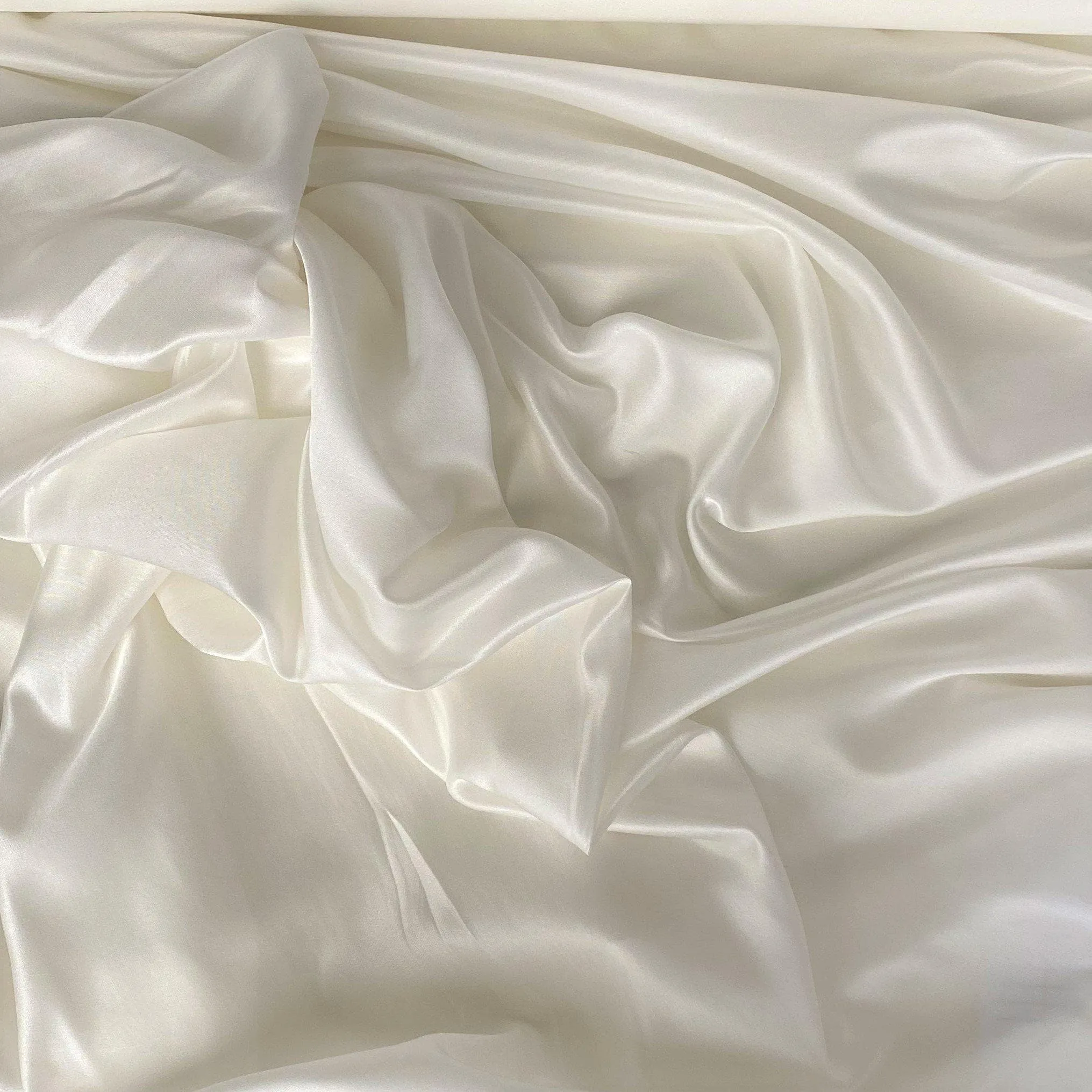
Silk
Silk can feel lightweight and comfortable in warm conditions, depending on the fabric construction. It is often used for:
- Blouses
- Dresses
- Scarves
- Luxury summer garments
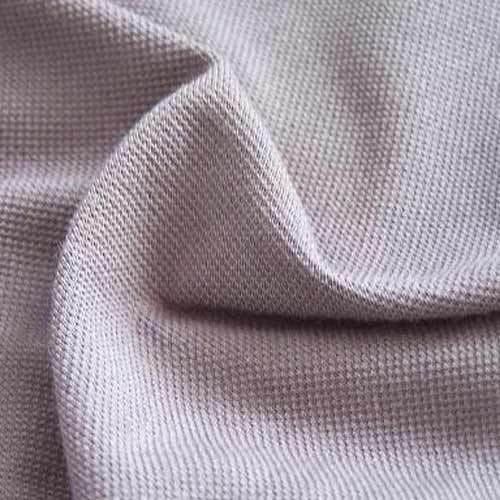
Silk can absorb some moisture and has a smooth surface.
However, it may also show:
- Sweat marks
- Water marks
- Staining
- Care sensitivity
For heavy physical activity, silk is generally less practical than purpose-built performance fabrics.
Viscose / Rayon
Viscose is known for:
- Softness
- Fluid drape
- Moisture absorption
- Comfortable skin feel
It is widely used in:
- Summer dresses
- Tops
- Shirts
- Loose trousers
Main Limitation
Some viscose fabrics may:
- Hold moisture
- Wrinkle
- Shrink
- Lose dimensional stability when wet
Therefore, actual fabric testing is important.
Lyocell
Lyocell is another regenerated cellulose fiber often used in premium casualwear. It can provide:
- Smooth hand
- Fluid drape
- Moisture absorption
- Comfortable warm-weather wear
It works particularly well for:
- Shirts
- Dresses
- Relaxed trousers
- Soft casualwear
However, performance depends strongly on the actual fabric construction and finishing.
Synthetic Fabrics: Cheap vs. Performance
The reputation of synthetics is often damaged by “cheap” polyester which acts like a plastic bag, trapping heat. However, Performance Synthetics are engineered to outperform natural fibers during high-intensity movement.
Performance Polyester
Polyester is one of the most common fibers in sportswear and activewear. Its low moisture absorption means it does not become saturated in the same way as many natural fibers. This can help garments remain lighter during heavy sweating.
Why Performance Polyester Works
Engineered polyester fabrics may use:
- Fine filaments
- Textured yarn
- Open knit structures
- Mesh zones
- Moisture-management finishes
These features can help move liquid sweat across the fabric surface where it can spread and dry more efficiently. This is commonly called moisture wicking.
Important Clarification
Polyester does not automatically wick moisture. Wicking depends on:
- Yarn geometry
- Fabric construction
- Surface treatment
- Finishing
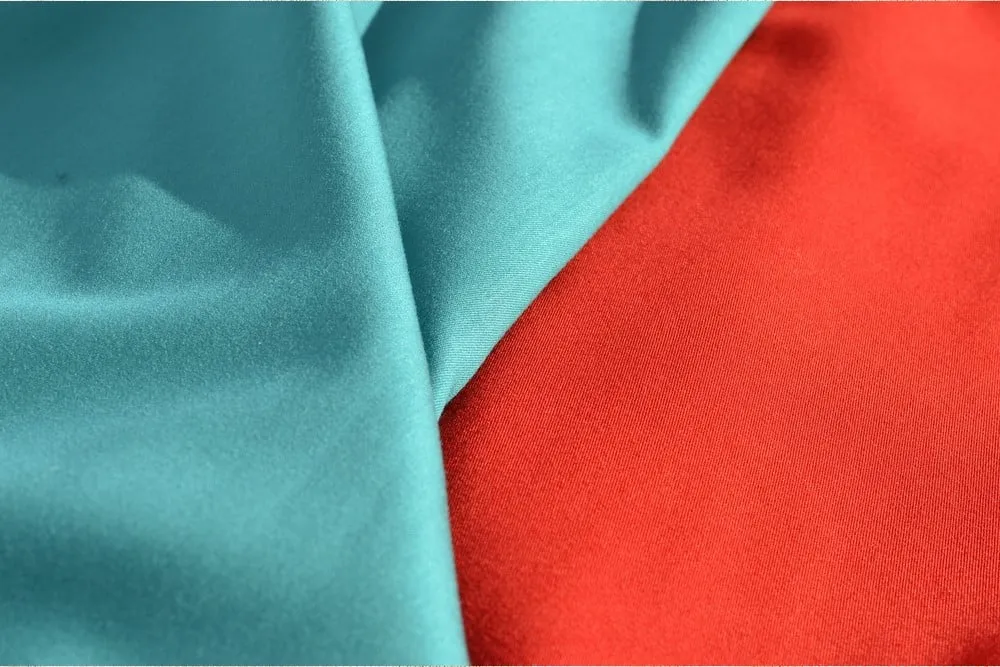
Therefore: Polyester isn’t Automatically Moisture-Wicking
Nylon
Nylon is also widely used in performance clothing.
It can offer:
- Strength
- Smooth hand
- Abrasion resistance
- Lightweight constructions
- Good stretch potential when blended with elastane
Common applications include:
- Running clothing
- Cycling wear
- Swimwear
- Lightweight jackets
- Activewear
Nylon generally absorbs more moisture than polyester but still far less than cotton.
Polyester + Elastane
Polyester/elastane blends are common in:
- Leggings
- Training tops
- Cycling apparel
- Sports bras
- Compression garments
The elastane provides stretch and recovery while polyester forms the main moisture-management base. However, high elastane content or very tight garments can reduce perceived comfort if ventilation is poor.
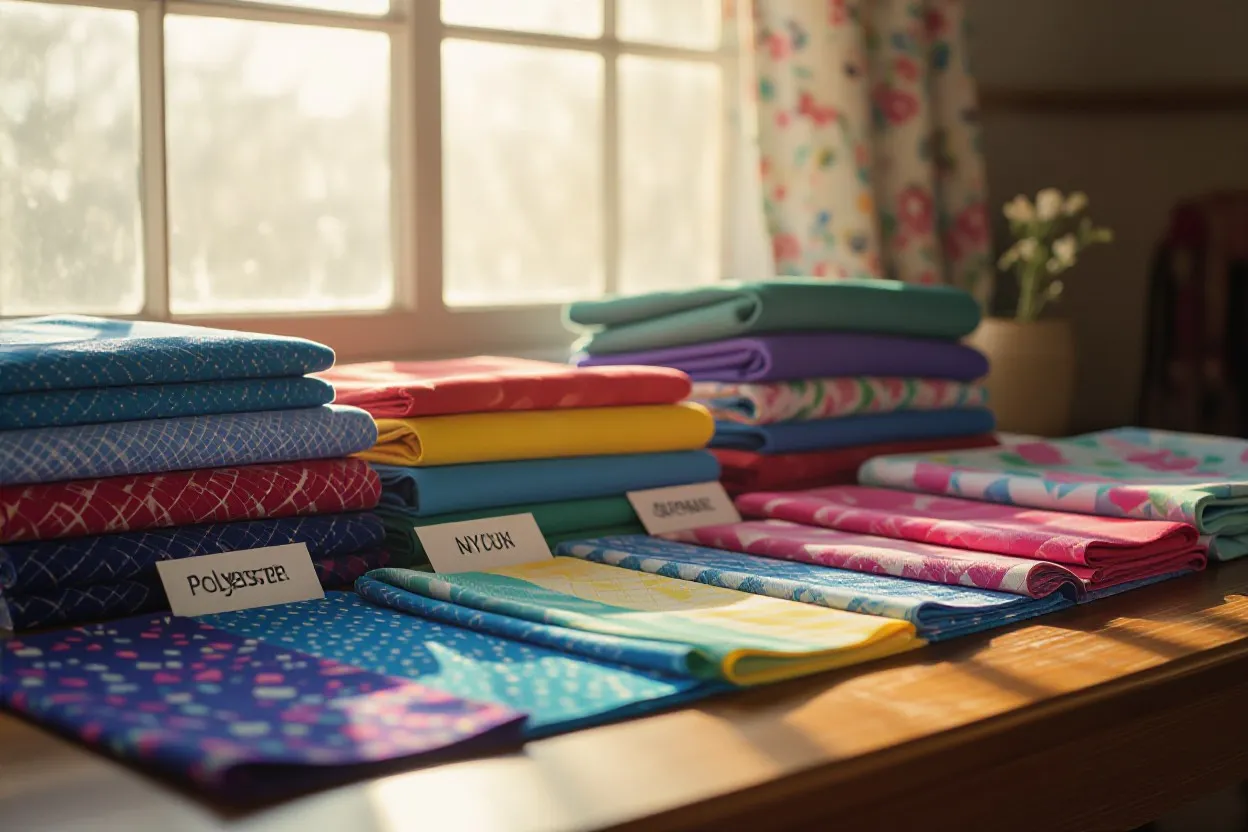
Comparison: Best Fabrics for Humid Environments
| Feature | Natural / Cellulosic Fabrics | Performance Synthetics |
|---|---|---|
| Skin Feel | Often soft and natural | Can range from soft to technical |
| Moisture Absorption | Generally higher | Generally lower |
| Drying Speed | Often slower | Often faster |
| Airflow | Excellent in suitable constructions | Excellent in engineered open constructions |
| Heavy Sweating | Can become saturated | Often better suited |
| Low-Activity Comfort | Often excellent | Depends on fabric |
| Wrinkle Resistance | Often lower | Often higher |
| Shape Retention | Varies | Often good |
| Sports Use | Limited depending on fabric | Common |
| Casual Tropical Wear | Excellent | Can also work |
| Odor Retention | Varies by fiber | Some polyester fabrics may retain odor more readily |
| Care | Can require more care | Often easy-care |
Best Fabric for Casual Hot-Weather Clothing
For relaxed daily clothing, strong options include:
- Linen
- Lightweight cotton
- Lyocell
- Viscose
- Lightweight cotton blends
These work especially well when combined with:
- Loose silhouettes
- Open construction
- Lower fabric weight
For city wear or casual tropical collections: Airflow + Soft Hand + Loose Fit. may matter more than extremely fast drying.
Best Fabric for Exercise in Hot and Humid Weather
For running, gym training, cycling, and other high-sweat activities, performance synthetics are often more practical.
Useful options include:
- Lightweight polyester
- Polyester/elastane
- Nylon/elastane
- Mesh performance knits
Key requirements include:
- Moisture spreading
- Fast drying
- Stretch
- Recovery
- Ventilation
A useful formula is: High Sweat Level + Fast Movement = Moisture Management Becomes More Important.
Best Fabric for Tropical Travel
Travel clothing needs to balance:
- Comfort
- Drying
- Wrinkle resistance
- Packability
Useful options may include:
- Linen blends
- Cotton/polyester blends
- Lightweight nylon
- Performance polyester
- Lyocell blends
A linen/polyester or cotton/polyester blend may provide better wrinkle resistance than 100% natural fabric. However, the exact result depends on the blend ratio and fabric construction.
Best Fabric for Office Wear in Humid Weather
Office clothing requires a different balance. The garment must remain comfortable while also maintaining a professional appearance.
Good options include:
- Lightweight cotton
- Cotton blends
- Linen blends
- Lyocell
- Lightweight tropical-weight wovens
Useful characteristics include: Breathability + Wrinkle Control + Structure + Professional Appearance
Best Fabric for Uniforms in Hot and Humid Conditions
Uniform fabrics must often balance comfort with durability.
Possible options include:
- Cotton/polyester
- Performance polyester
- Lightweight twill
- Moisture-management knits
- Ventilated technical fabrics
Uniform development should consider:
- Working environment
- Physical activity
- Washing frequency
- Abrasion
- Colorfastness
- Drying speed
A hotel employee and a warehouse worker may need completely different fabrics even in the same climate.
Common Mistakes When Choosing Fabric for Humid Weather
- Mistake 1: Assuming All Natural Fibers Are Cool – A heavy cotton sweatshirt is still hot. The fiber name does not override construction.
- Mistake 2: Assuming All Polyester Is Hot – Performance polyester can provide excellent moisture management and ventilation.
- Mistake 3: Looking Only at GSM – Fabric weight matters, but airflow and construction can matter just as much.
- Mistake 4: Confusing Absorbency with Wicking – Cotton absorbs moisture. Performance polyester may wick moisture. These are different mechanisms.
- Mistake 5: Ignoring Garment Fit – A tight garment can reduce airflow regardless of the fiber.
- Mistake 6: Ignoring Drying Speed – A fabric may feel comfortable at first but become unpleasant after absorbing large amounts of sweat.
- Mistake 7: Assuming “Quick-Dry” from Fiber Content Alone – Quick-dry performance should be tested. A polyester label by itself does not prove moisture-management performance.
Conclusion / Final Words
There is no single “best” fabric for hot and humid weather, only the right tool for the specific activity. For relaxed comfort, Linen remains unbeatable. For heavy sweat and movement, Performance Synthetics provide the engineering needed to keep you dry.