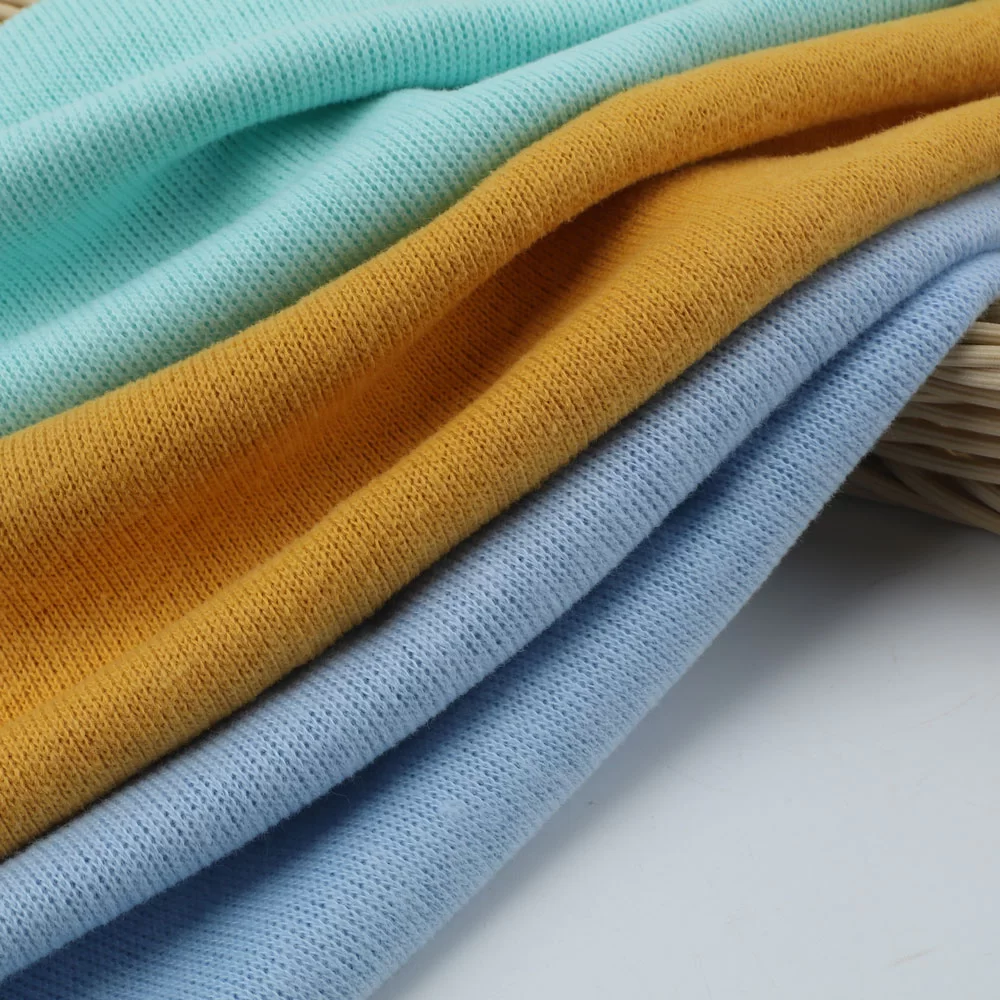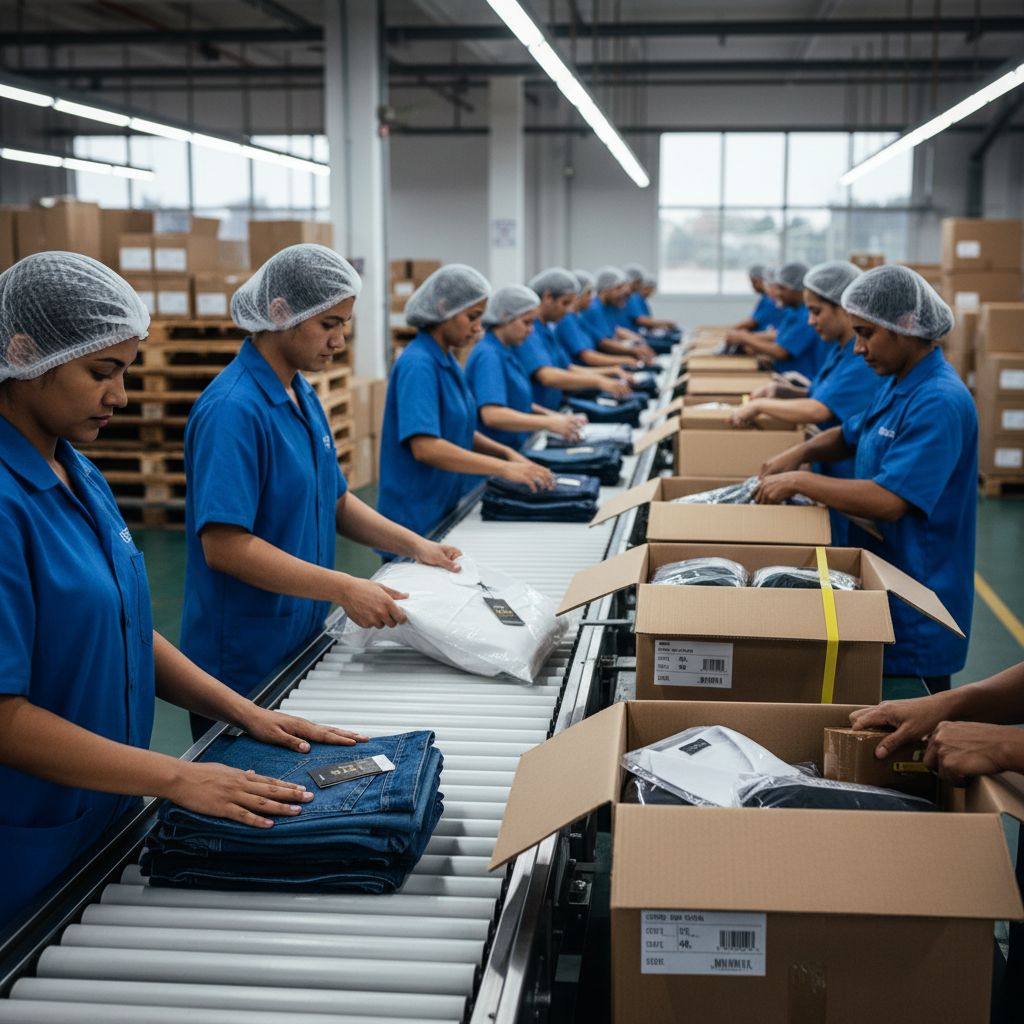


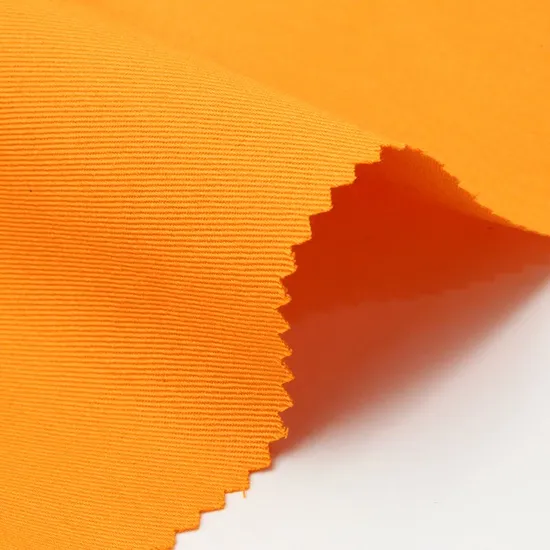
TC fabric, also known as poly-cotton or Terylene-Cotton, is one of the most practical blended fabrics used in the apparel and textile industry. It combines polyester with cotton to create a material that is stronger and easier to maintain than pure cotton while still offering a degree of softness and comfort. This balance makes TC fabric especially useful for uniforms, workwear, schoolwear, shirts, hospitality clothing, and other garments that must withstand repeated washing and everyday wear. However, TC is not automatically the best option for every product. Its performance depends on the polyester-to-cotton ratio, yarn quality, fabric construction, finishing, and intended use. This guide explains what TC fabric is, how it performs, its main advantages and limitations, and when garment buyers should consider using it.
=> Related Article: Cotton Tee Fabrics: Types, GSM, From Basic to Premium T Shirts For Brands
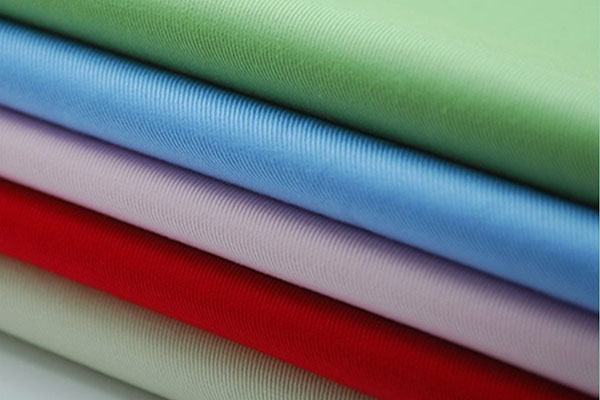
TC fabric is popular because it offers a practical balance between performance and cost.
What Is TC Fabric?
TC stands for Terylene-Cotton. In modern textile use, it generally refers to a fabric blend that contains more polyester than cotton.
A common composition is:
- 65% polyester / 35% cotton
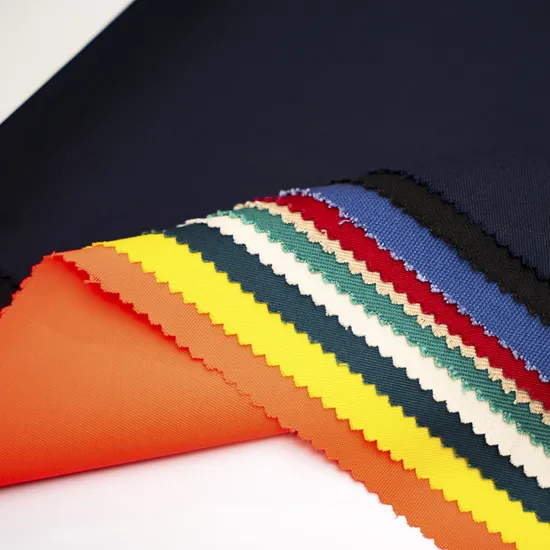
Other ratios may include:
- 80% polyester / 20% cotton
- 70% polyester / 30% cotton
- 60% polyester / 40% cotton
The higher the polyester percentage, the more durable, wrinkle-resistant, and quick-drying the fabric usually becomes. The higher the cotton percentage, the softer and more breathable it tends to feel.
Why Is TC Fabric So Common in Apparel?
TC fabric is popular because it solves several practical problems at once. Pure cotton is soft and breathable, but it wrinkles easily, may shrink, and can require more care. Polyester is strong and easy to maintain, but it may feel less natural and breathable. By combining the two fibers, TC fabric offers a useful middle ground for products where durability and easy care matter more than maximum softness.
- Strong and Durable: Polyester contributes excellent tensile strength and abrasion resistance. This helps TC garments withstand: Frequent washing, Daily wear, Repeated movement, Industrial laundering. This is one reason TC fabric is widely used in uniforms and workwear.
- Wrinkle Resistant: TC fabric wrinkles less than 100% cotton. Garments often maintain a cleaner appearance after washing and usually require less ironing. This makes the fabric practical for offices, schools, hotels, factories, and service industries where neat presentation is important.
- Quick Drying: Polyester absorbs less moisture than cotton, so TC fabric usually dries faster than pure cotton. Fast drying is useful for garments that are washed frequently or need quick turnaround.
- Good Shape Retention: TC garments tend to keep their shape better than pure cotton products. The polyester content helps reduce: Shrinkage, Stretching, Shape distortion. This is especially useful in collars, cuffs, trousers, and work shirts.
- Better Color Retention: Polyester generally holds color well under repeated washing. With proper dyeing and finishing, TC fabrics can maintain a clean and consistent appearance over time.
=> Related Article: What Are Cotton Linen Blends? Benefits, Uses, and Comparison

Is TC Fabric Good for Hot Weather?
It depends on the blend ratio and fabric construction. A high-polyester TC fabric may feel warmer than pure cotton because it absorbs less moisture and allows less natural airflow. However, lightweight TC fabrics with a suitable weave can still perform well in warm climates, especially when durability and quick drying are priorities. For hot-weather uniforms, a lower polyester ratio or CVC fabric may provide better comfort.
=> Related Article: Top Polo Shirt Fabric Types: Cotton, Piqué, Polyester,… and Blends
Pros and Cons of TC Fabric
Advantages:
TC fabric offers several benefits for both garment manufacturers and consumers.
- Durable for repeated wear
- Good wrinkle resistance
- Quick drying
- Lower shrinkage than pure cotton
- Good shape stability
- Easy to wash and maintain
- Cost-effective for large production runs
- Suitable for uniforms and industrial garments
These benefits make it an efficient choice for practical clothing categories.

TC is widely used for industrial uniforms, work shirts, trousers, jackets, and coveralls because it tolerates repeated wear and washing.
Limitations:
TC fabric also has trade-offs.
- Lower Breathability: Because polyester is less breathable than cotton, high-polyester TC blends may feel warmer in hot and humid conditions.
- Less Natural Hand Feel: TC may feel slightly more synthetic than 100% cotton, especially when the polyester percentage is high.
- Static Buildup: Polyester can generate static electricity, particularly in dry environments.
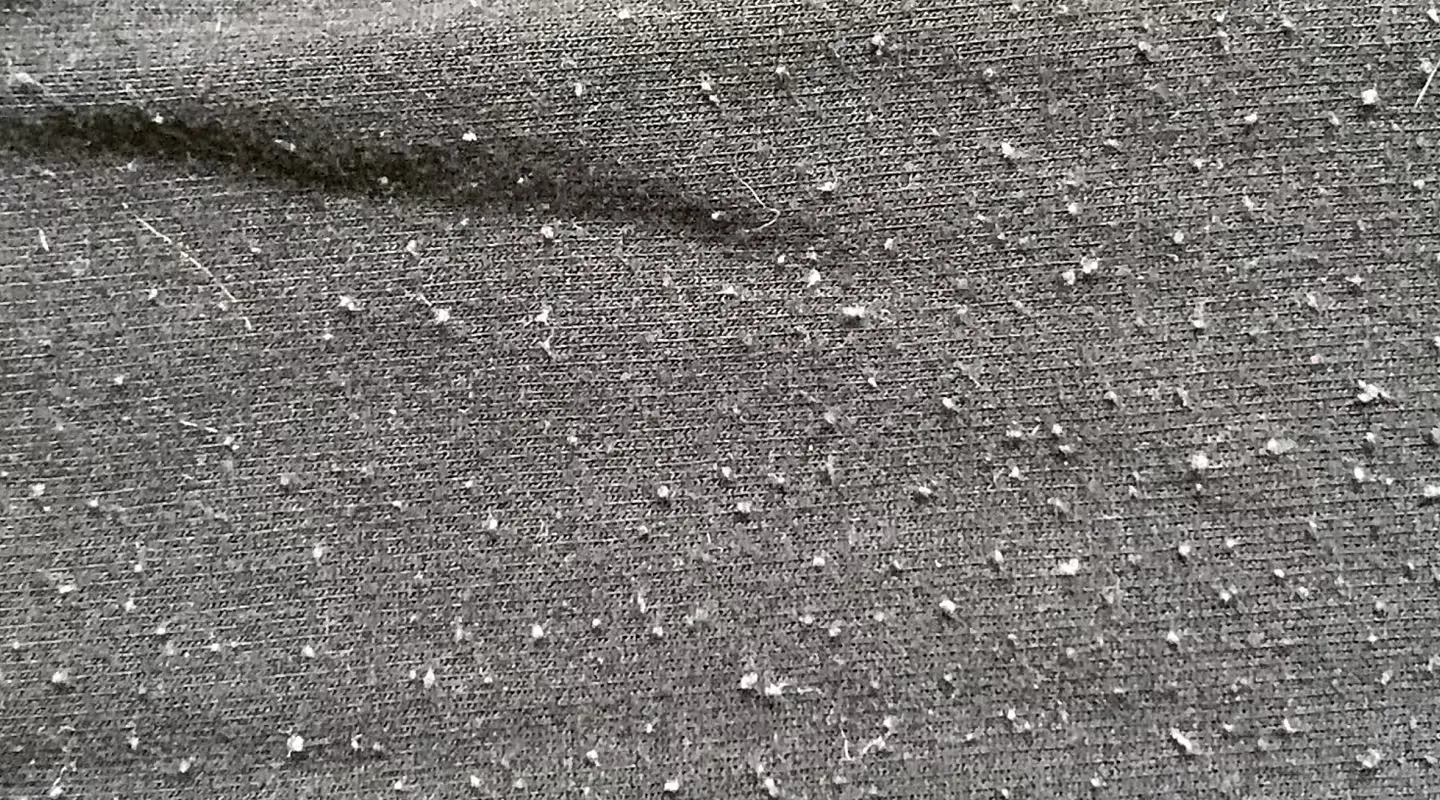
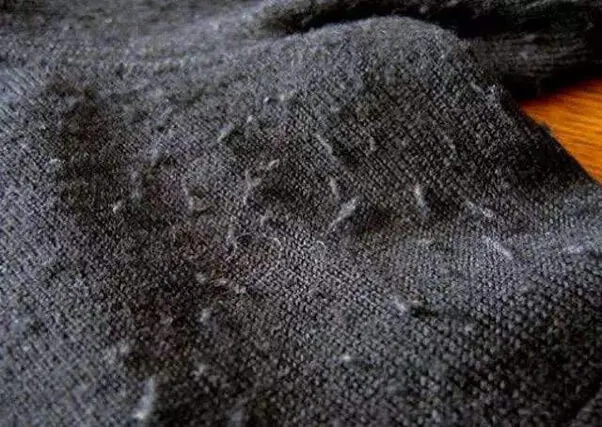
- Pilling Can Occur: Some TC fabrics may show visible pilling because strong polyester fibers can hold pills on the surface instead of allowing them to fall away.
However, pilling depends heavily on yarn quality, fabric density, and finishing.

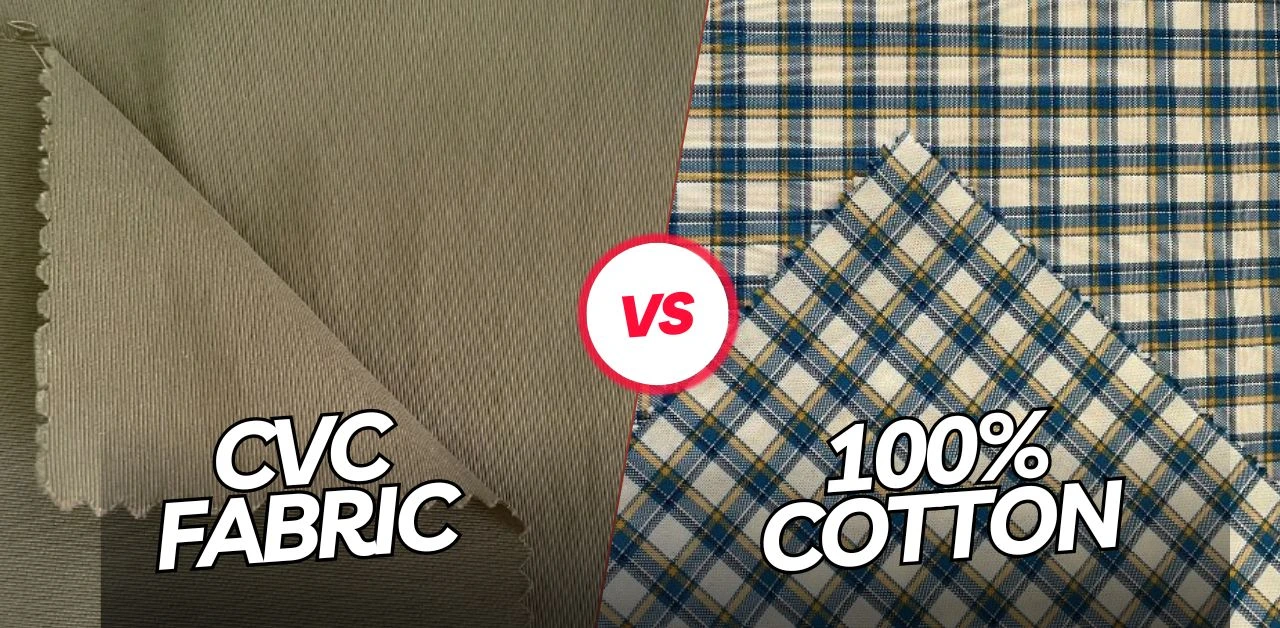
TC Fabric vs. 100% Cotton
| Feature | TC Fabric | 100% Cotton |
|---|---|---|
| Durability | High | Moderate to high |
| Breathability | Moderate | Excellent |
| Wrinkle Resistance | High | Low |
| Drying Speed | Fast | Slower |
| Shrinkage | Low | Higher without pre-treatment |
| Natural Feel | Moderate | Excellent |
Does TC Fabric Pill?
TC fabric can pill, especially in soft knitted constructions or fabrics made with low-quality yarns. Polyester fibers are strong and can hold pills on the surface for longer than pure cotton. Pilling resistance can be improved through:
- Better yarn quality
- Tighter fabric construction
- Singeing
- Anti-pilling finishes
- Proper washing care
=> Read More: Does Cotton Fabric Tend to Pill or Not? Causes, Prevention, and Fabric Quality

Some TC fabrics may pill, especially in soft knits or lower-quality constructions. Strong polyester fibers can keep pills attached to the surface for longer.
How to Choose the Right TC Fabric for My Garment Production
Fashion brands and garment buyers should evaluate more than the fiber ratio alone. Important specifications include:
- Polyester/cotton ratio
- Fabric weight
- Yarn count
- Weave or knit structure
- Colorfastness
- Shrinkage
- Pilling resistance
- Hand feel
- End-use requirements
A 65/35 TC fabric suitable for industrial uniforms may not be ideal for a premium casual shirt. The best fabric is the one engineered for the garment’s intended use.

Final Thoughts / Conclusion
TC fabric is a practical polyester-cotton blend designed to balance durability, easy care, and everyday comfort. Its main strengths are wrinkle resistance, quick drying, shape stability, and long-term durability. These features make it particularly valuable for uniforms, workwear, schoolwear, hospitality garments, and other products that require frequent laundering.
However, higher polyester content also means reduced breathability and a less natural feel compared with 100% cotton or cotton-rich CVC fabrics. For garment brands and sourcing teams, the best approach is not to ask whether TC fabric is simply “good” or “bad.” Instead, consider the blend ratio, construction, fabric weight, finishing, climate, and final use. When selected correctly, TC fabric can deliver excellent performance and value for both manufacturers and end users.