What Clothes Commonly Use Synthetic Fabrics?

Synthetic fabrics are man-made fibers engineered through chemical processes to deliver specific performance traits. The most common varieties Polyester, Nylon, Acrylic, and Elastane dominate the global garment industry because they can be precisely tuned for stretch, strength, and rapid drying. While they offer undeniable functional benefits like low cost and durability, they also require careful management of heat retention and microfiber shedding. Understanding these materials is the first step toward making smarter sourcing and purchasing decisions.
| Synthetic fiber | How To Know | Common clothing applications |
|---|---|---|
| Polyester | Durable, wrinkle-resistant, quick-drying, easy to care for | T-shirts, uniforms, dresses, sportswear, fleece, jackets |
| Nylon | Smooth, strong, lightweight, abrasion-resistant | Swimwear, hosiery, outerwear, activewear, bags |
| Elastane | Highly stretchable with strong recovery | Leggings, underwear, shapewear, socks, fitted garments |
| Acrylic | Soft, lightweight, warm, wool-like | Sweaters, scarves, beanies, gloves, blankets |
The “Big 4” Synthetic Fibers You’ll See on Labels
Most garment labels repeat the same few technical names. These fibers are the building blocks of modern apparel, chosen for their resilience and versatility. However, a fiber name alone does not define quality; the fabric’s weight, knit structure, and chemical finishing are what ultimately dictate performance.
- Polyester (PET): The most common fiber globally. It is prized for being durable, wrinkle-resistant, and easy to care for.
- Nylon (Polyamide): The go-to for toughness and abrasion resistance. It has a smoother feel, making it ideal for swimwear and technical outerwear.
- Elastane (Spandex/Lycra): Always used in small percentages to provide essential stretch and “snap-back” recovery.
- Acrylic: The wool-alternative. It provides warmth and softness but is prone to pilling over time.
1. Polyester
Polyester is one of the most widely used synthetic fibers in the garment industry. It is durable, affordable, dimensionally stable, and relatively easy to maintain. Polyester may be used alone or blended with cotton, viscose, elastane, and other fibers.
=> Related Article: Polyester Fabric: Properties, Manufacturing, and Uses
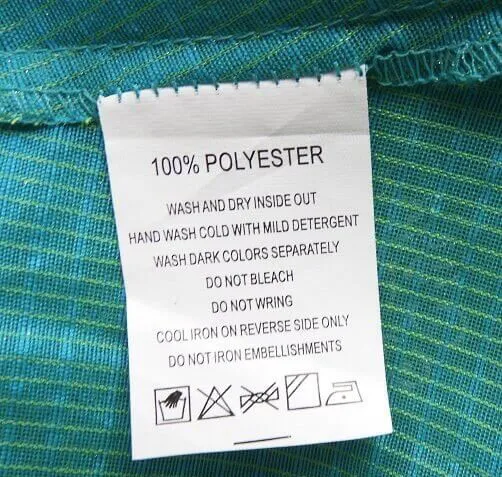

Why manufacturers use polyester – Polyester can provide:
- Good wrinkle resistance
- Fast drying
- Strong color retention
- High durability
- Reduced shrinkage
- Consistent fabric quality
- Easy-care performance
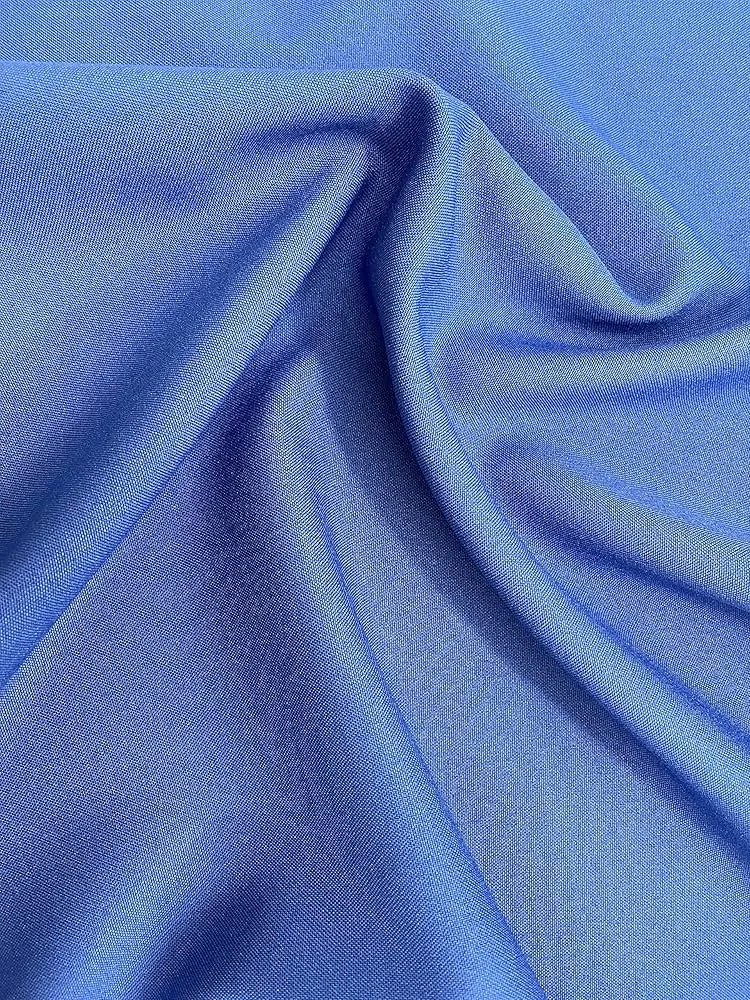
The final result depends on the fabric construction. A lightweight polyester sports mesh behaves very differently from brushed fleece, woven lining, or a dense waterproof shell.
2. Nylon
Nylon, also known as polyamide, is valued for its strength, smooth surface, lightweight feel, and abrasion resistance. It is commonly used where garments must withstand movement, rubbing, stretching, or exposure to outdoor conditions.
=> Related Article: Cotton Nylon Blends (60/40) Fabric: Pros and Cons
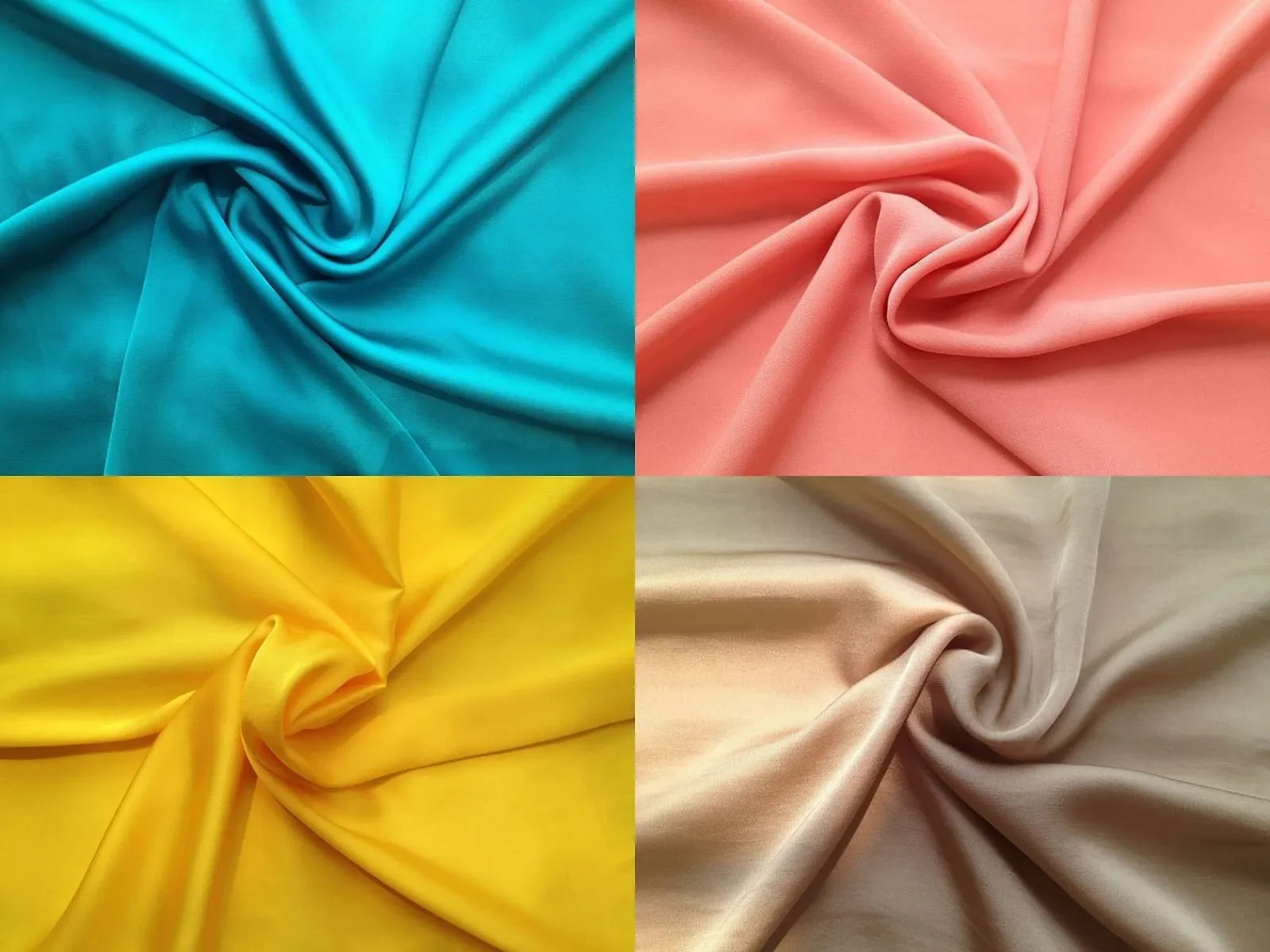
Why manufacturers use nylon – Nylon is often selected because it offers:
- Excellent abrasion resistance
- A smooth hand feel
- Lightweight construction
- Good flexibility
- Strong tear resistance
- Fast drying
- Compatibility with elastane
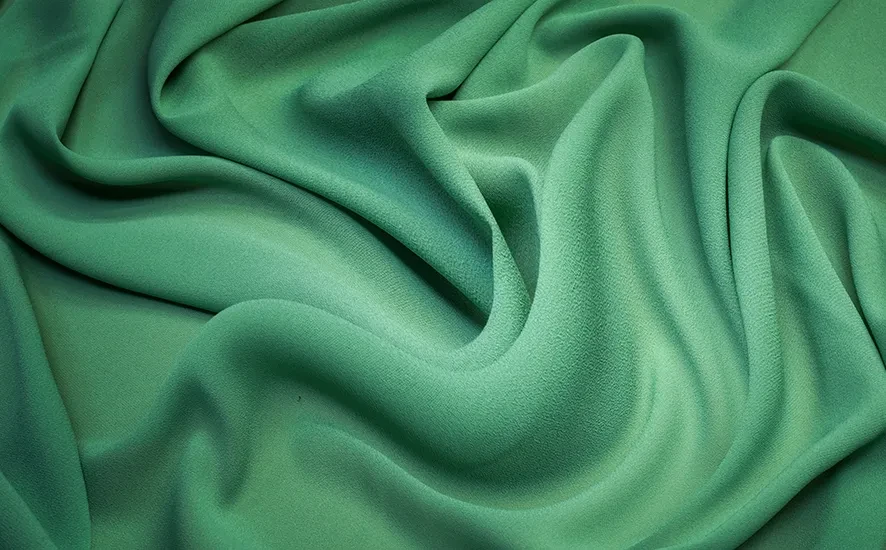
Nylon elastane blends are especially common in swimwear, compression garments, and fitted activewear.
3. Elastane
Elastane is also known as spandex. Lycra is a well-known branded elastane fiber. Unlike polyester or nylon, elastane is rarely used as the primary fiber in a garment. It is normally added in small percentages to improve stretch, comfort, and shape recovery.
=> Related Article: Elastane Fabric (Spandex/Lycra): How It’s Made, How It Works, and Why It Matters in Clothing
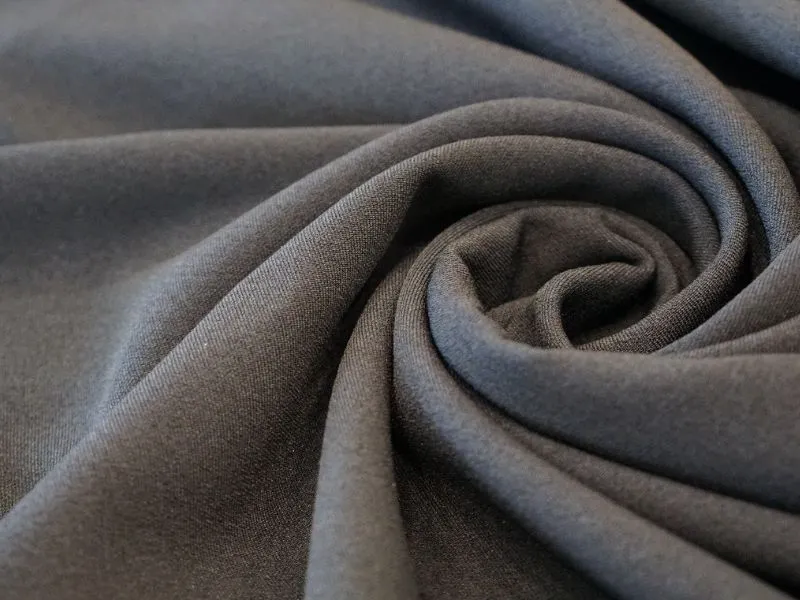
Why manufacturers add elastane – Elastane helps garments:
- Stretch during movement
- Return to their original shape
- Fit more closely to the body
- Reduce sagging
- Improve mobility
- Maintain comfort in fitted designs
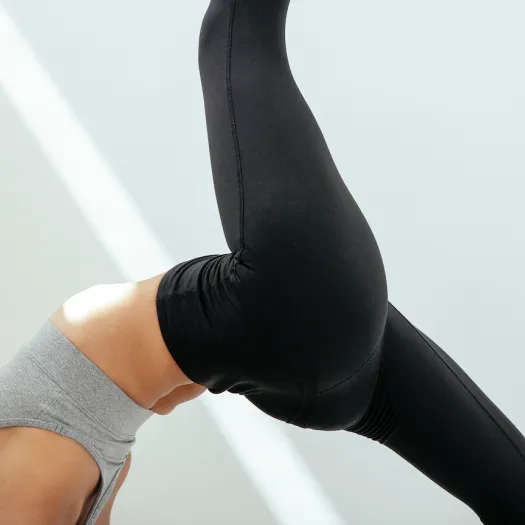
The required elastane percentage depends on the garment. A stretch polo may need only a small amount, while compression wear and swimwear generally require greater elasticity.
4. Acrylic
Acrylic is a lightweight synthetic fiber commonly used as an alternative to wool. It can be soft, warm, brightly colored, and less expensive than many natural animal fibers.
=> Related Article: Acrylic Fabric: Full Guide to Its Properties, Production, and Uses
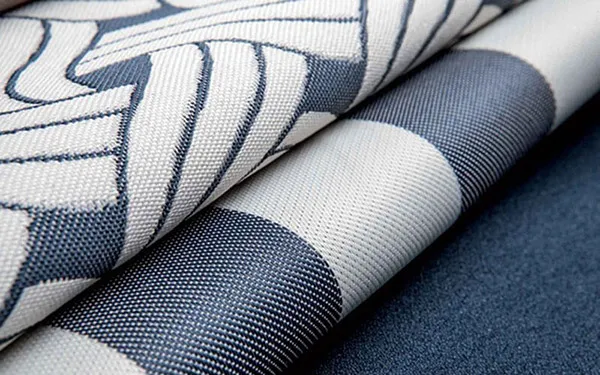
Why manufacturers use acrylic – Acrylic offers:
- Lightweight warmth
- A wool-like appearance
- Softness
- Strong color possibilities
- Lower cost
- Resistance to moth damage
- Easy maintenance

One limitation is that lower-quality acrylic fabrics may pill after repeated wear. Yarn quality, knit density, finishing, and garment care all affect long-term appearance.
Common Types of Clothing Use Synthetic Fabrics
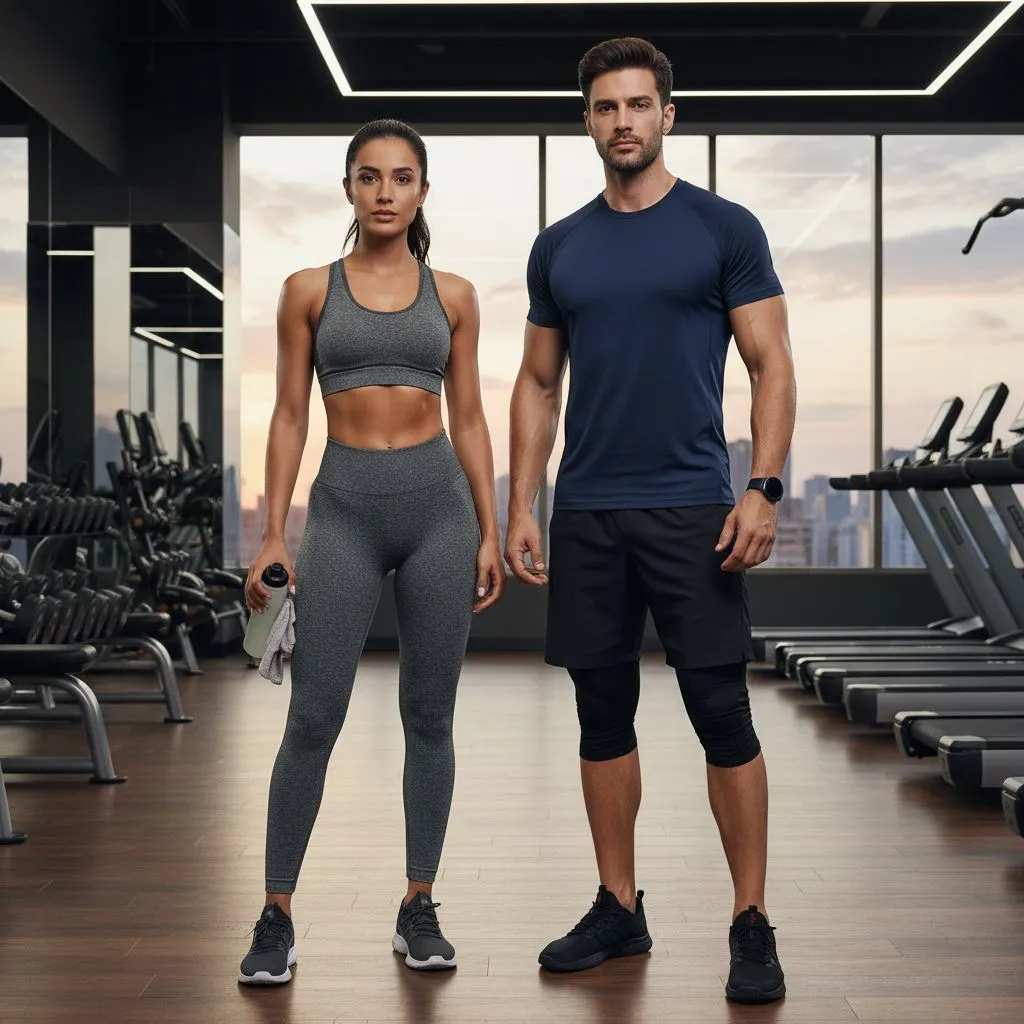
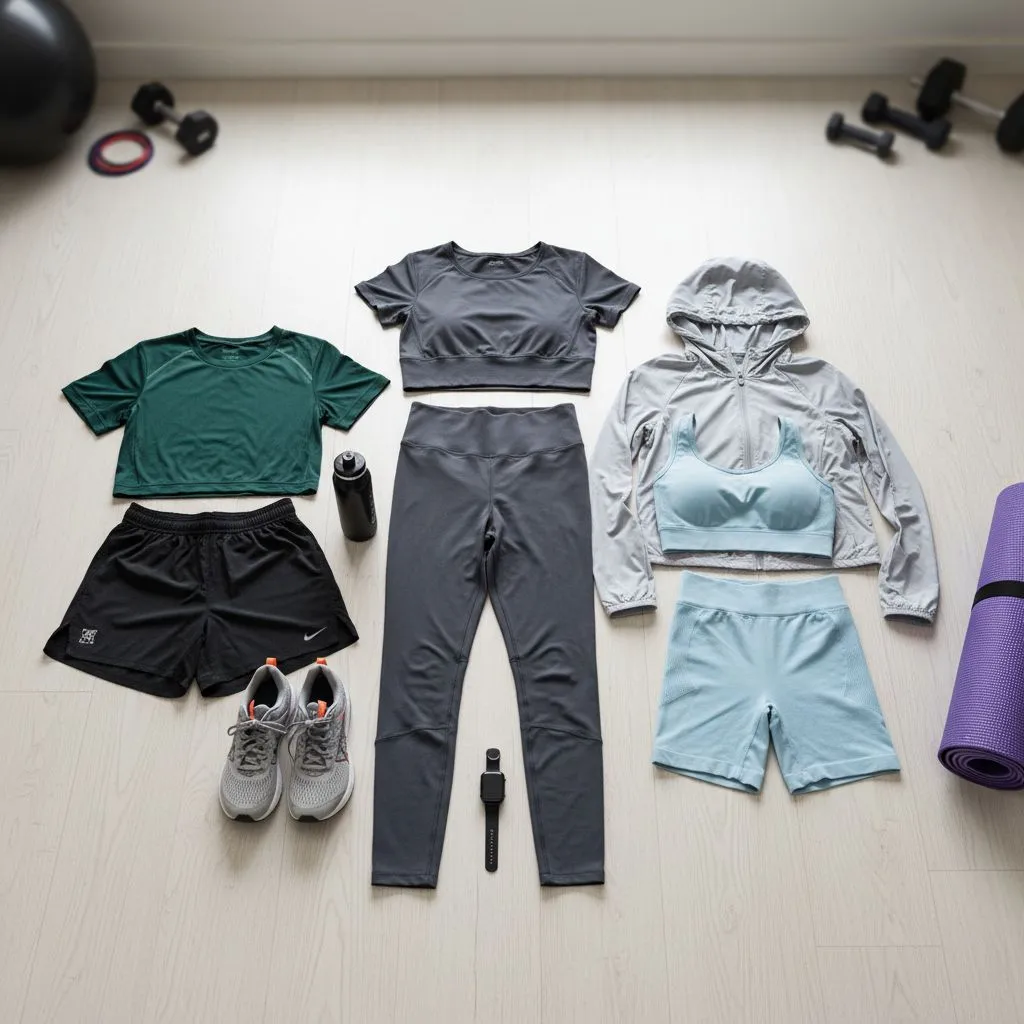
1. Activewear and Gym Clothing
Activewear is engineered for high movement and sweat management. Brands typically utilize polyester or nylon blended with elastane to ensure the garment moves with the body and dries almost instantly. However, “moisture-wicking” is a technical finish, not magic; it requires proper laundering to prevent long-term odor retention.
- Key Components: Leggings, sports bras, and compression gear.
- Primary Benefit: High elastic recovery and sweat dispersion.
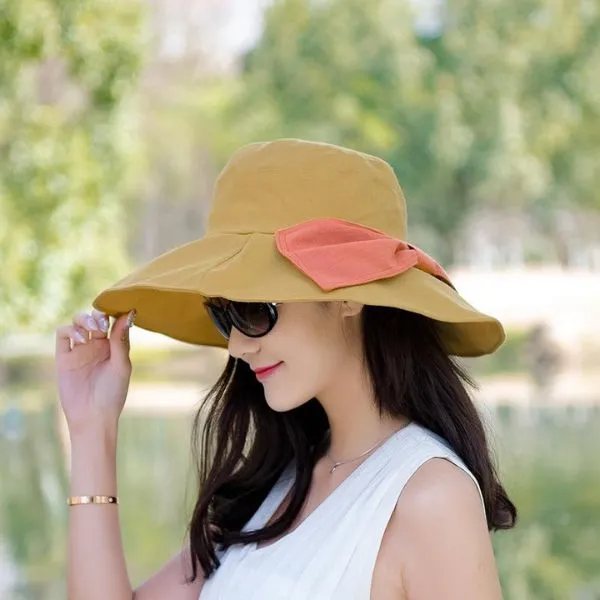
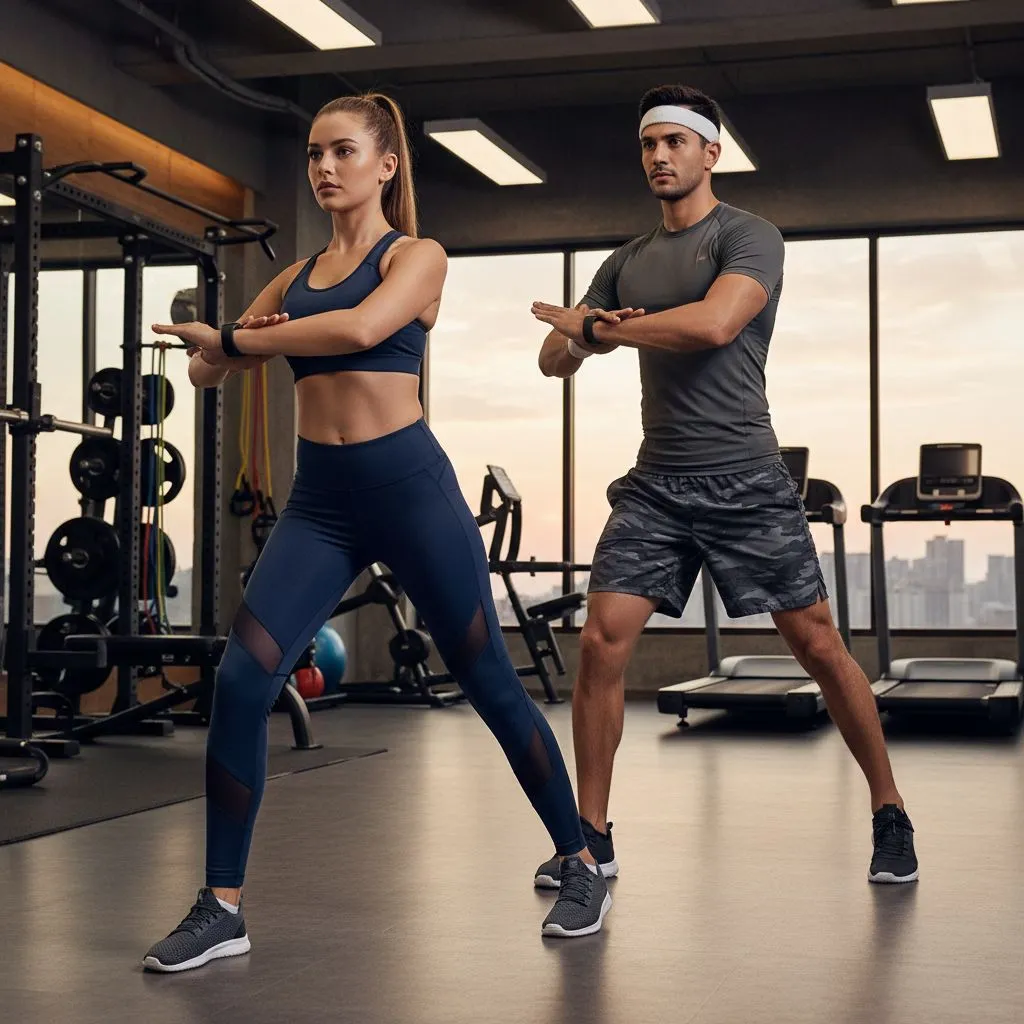
Common synthetic activewear includes:
- Leggings
- Yoga pants
- Sports bras
- Running shirts
- Training shorts
- Compression tops
- Cycling jerseys
- Gym jackets
- Tracksuits
- Tennis clothing
Why synthetic fabrics suit activewear – They can provide:
- High stretch
- Shape recovery
- Low fabric weight
- Fast drying
- Moisture dispersion
- Abrasion resistance
- Dimensional stability
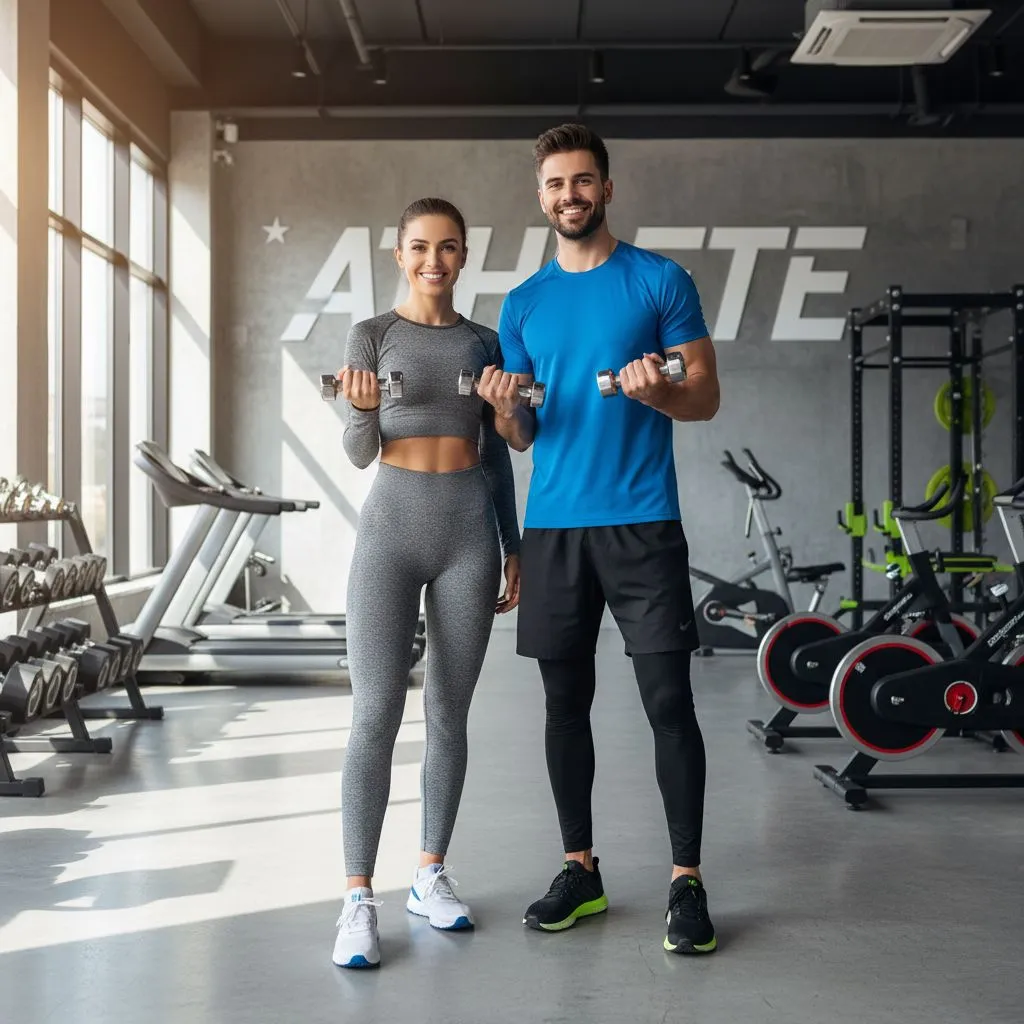
Moisture wicking performance normally depends on yarn design, fabric structure, and finishing treatment. The presence of polyester alone does not automatically guarantee effective moisture management.
2. Swimwear and Rash Guards
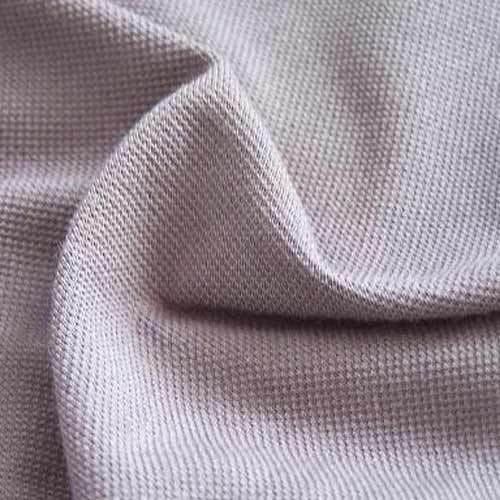
Nylon-elastane blends are the gold standard for swimwear due to their smooth hand-feel and superior fit. These synthetics dry significantly faster than natural fibers, which is critical for comfort. A technical reality check: chlorine and UV exposure degrade elastane over time, so material quality directly impacts the lifespan of the suit.
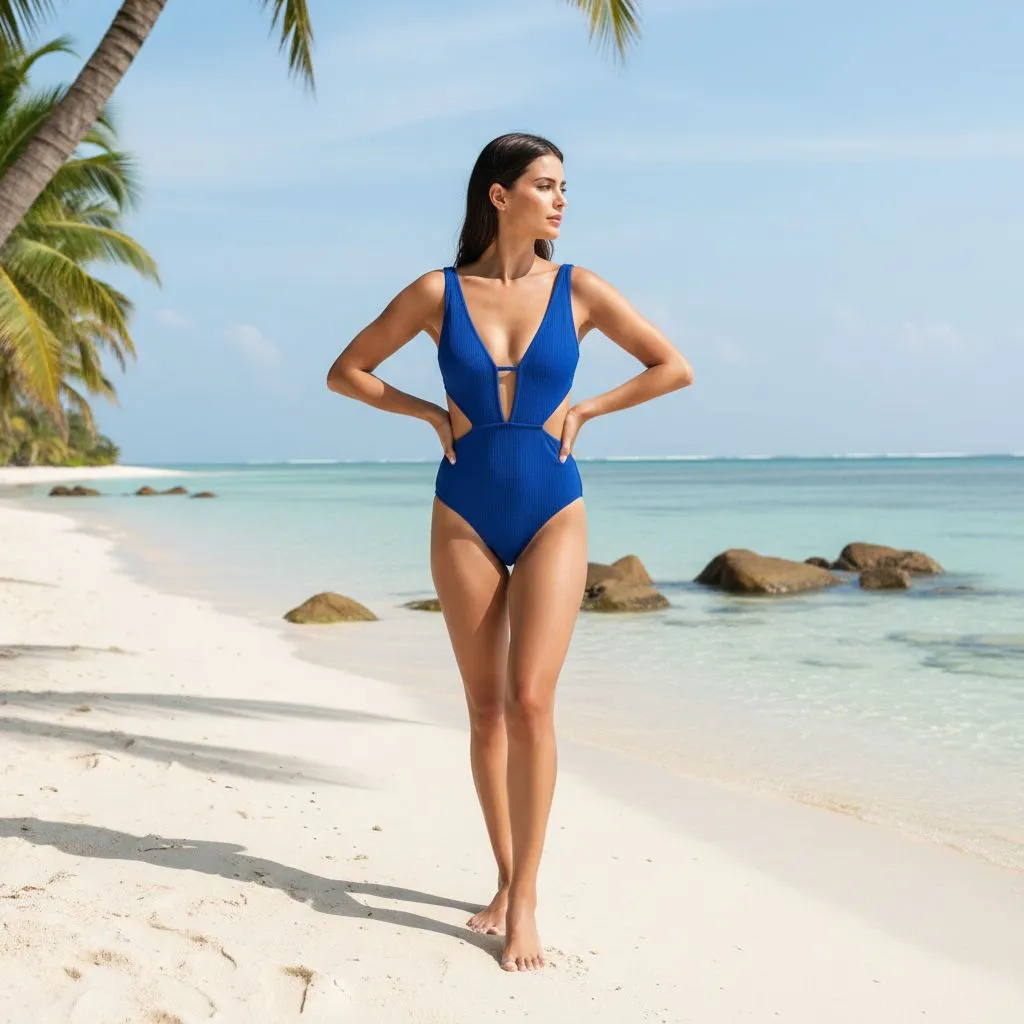
Common synthetic swimwear includes:
- One-piece swimsuits
- Bikinis
- Swim trunks
- Board shorts
- Rash guards
- Competitive swimsuits
- Swim leggings
- Children’s swimwear
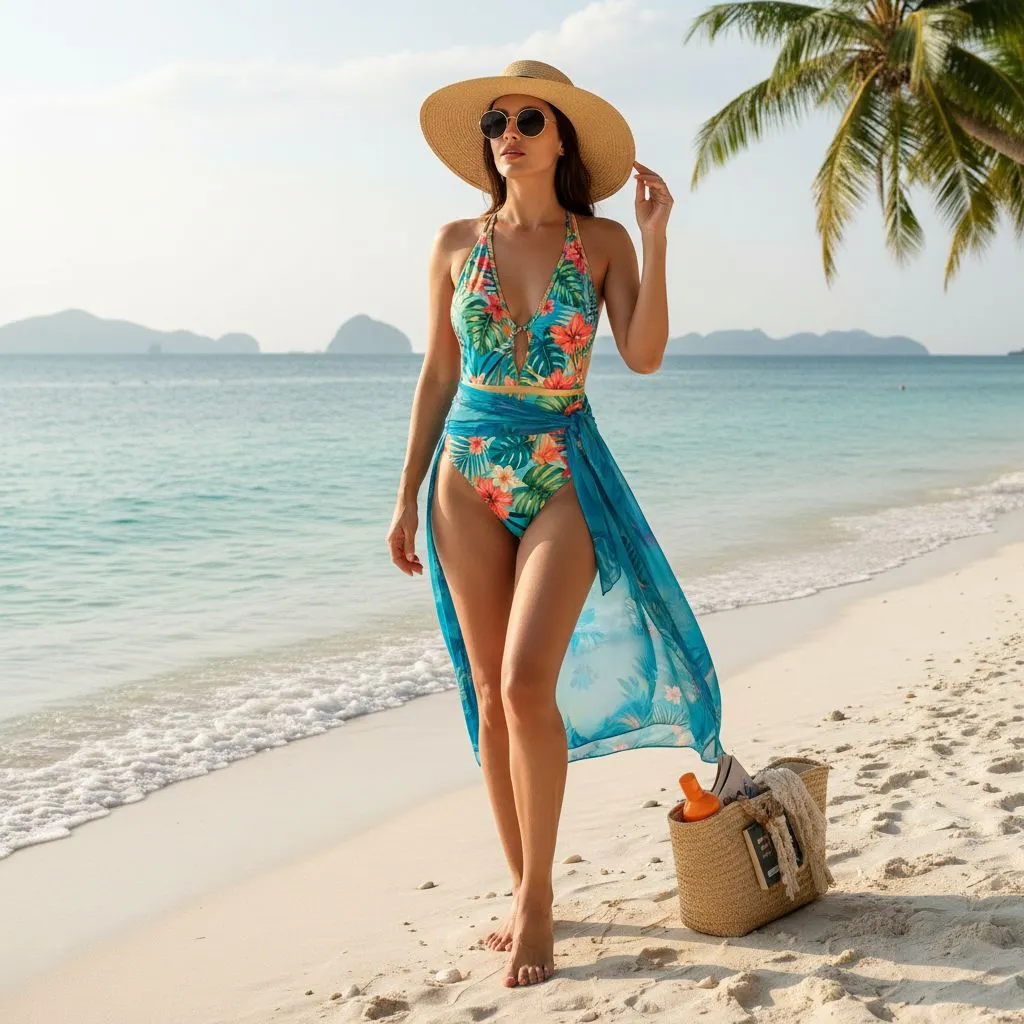
Important performance requirements – Swimwear fabrics may need:
- Four-way stretch
- Strong recovery
- Quick drying
- Chlorine resistance
- UV resistance
- Colorfastness
- Smooth surface texture
- Shape stability
Chlorine, saltwater, sunlight, and repeated stretching can gradually weaken elastane. Higher-quality fabric and correct care help extend garment life.
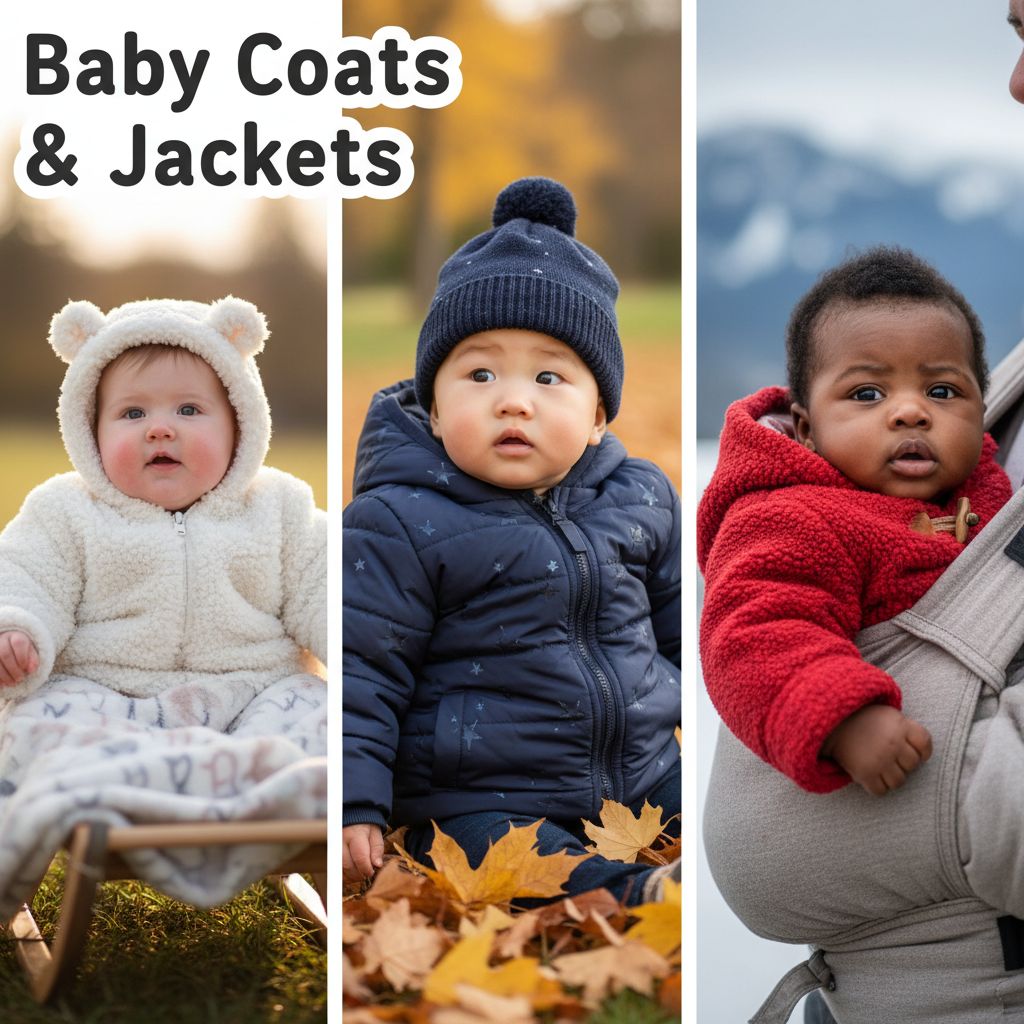
3. Technical Jackets and Outerwear
Outerwear relies on synthetics for their wind-blocking and water-resistant properties. From lightweight windbreakers to heavy puffer jackets, polyester and nylon provide the structural integrity needed to support PU coatings or breathable membranes. Be skeptical of “waterproof” claims that don’t list specific technical fabric specifications.

Common synthetic outerwear includes:
- Windbreakers
- Rain jackets
- Hiking jackets
- Ski jackets
- Running jackets
- Lightweight shells
- Packable jackets
- Technical vests
Why synthetics are used in outerwear – They may provide:
- Wind resistance
- Abrasion resistance
- Lightweight strength
- Water repellency
- Quick drying
- Compatibility with membranes and coatings
- Easy packability
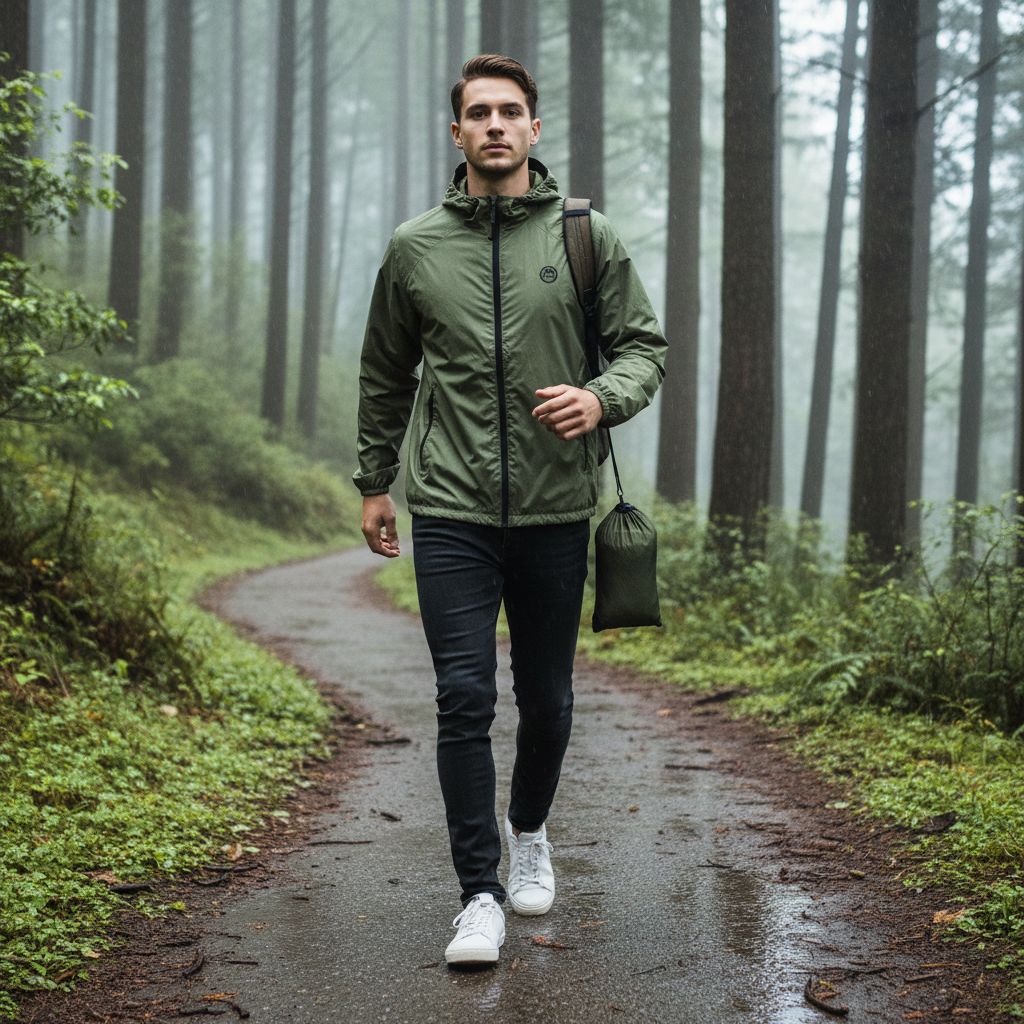
Terms such as “water-resistant” and “waterproof” do not mean the same thing. Buyers should review fabric specifications, coating type, seam construction, and testing requirements rather than relying only on marketing claims.
4. Fleece and Winter Basics
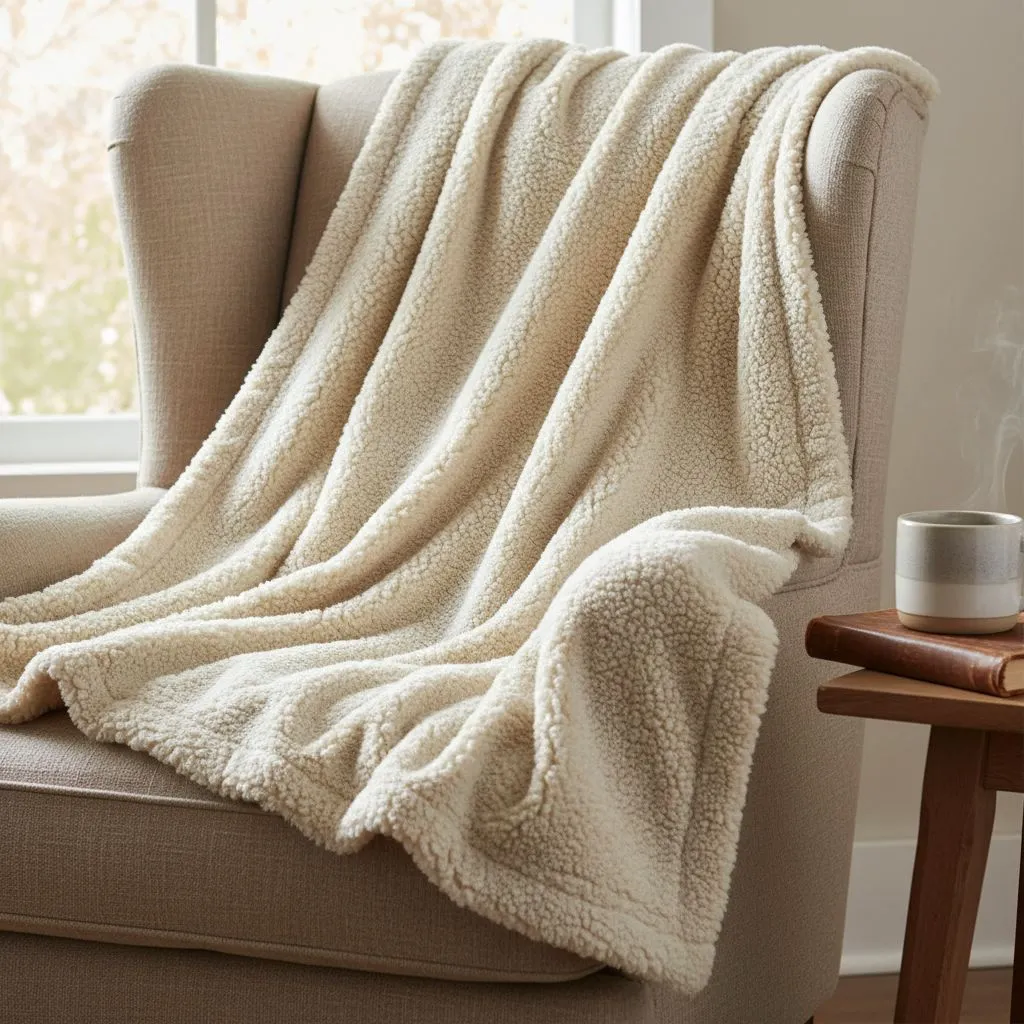
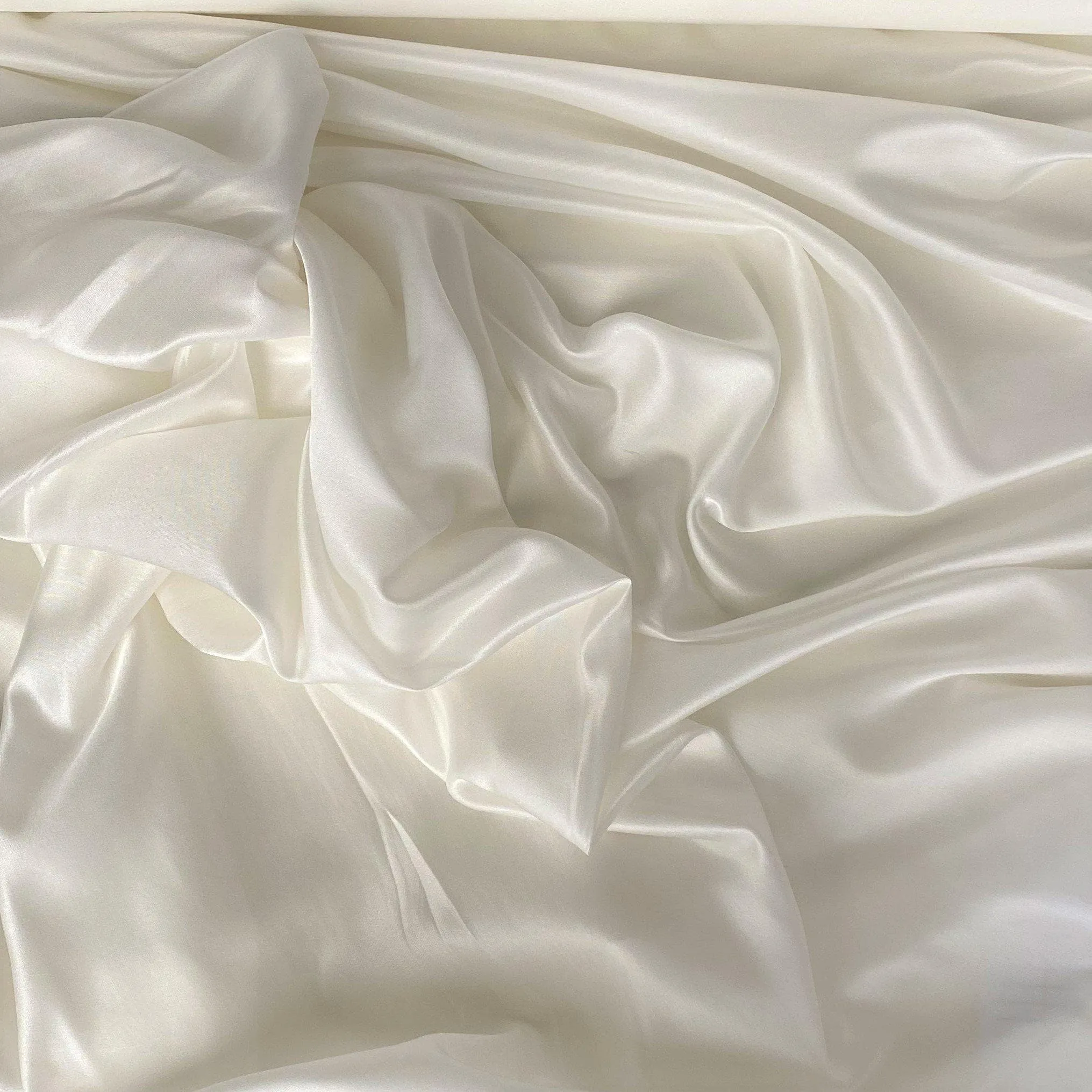
Fleece is essentially brushed polyester, designed to trap air and provide warmth for weight. Acrylic is often blended into winter knits to mimic the loft of wool at a fraction of the cost. While efficient, these fabrics are the primary source of microfiber shedding during wash cycles.
Acrylic may be used alone or blended with:
- Wool
- Cotton
- Polyester
- Nylon
- Elastane

Common acrylic garments include:
- Crew-neck sweaters
- Cardigans
- Turtlenecks
- Knitted dresses
- Scarves
- Gloves
- Beanies
- Winter socks
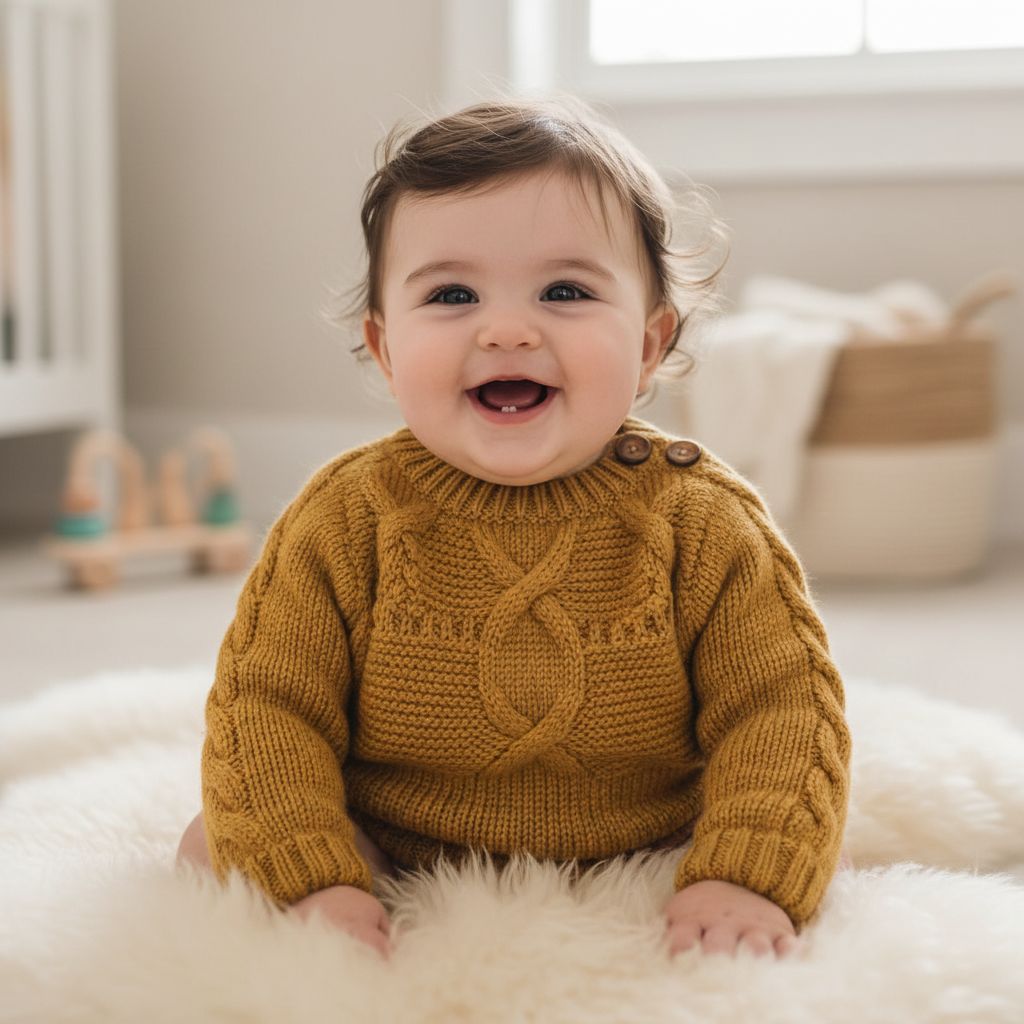
Acrylic knitwear can be affordable and warm, but buyers should assess pilling resistance, softness, knit recovery, and appearance after washing.
5. Underwear and Shapewear
Modern seamless underwear and shapewear depend entirely on synthetic engineering. High elastic recovery—the ability to hug the body and return to shape—is something natural fibers cannot achieve alone. For those with sensitive skin, we recommend looking for blends with higher cotton content or specialized soft-touch finishes.
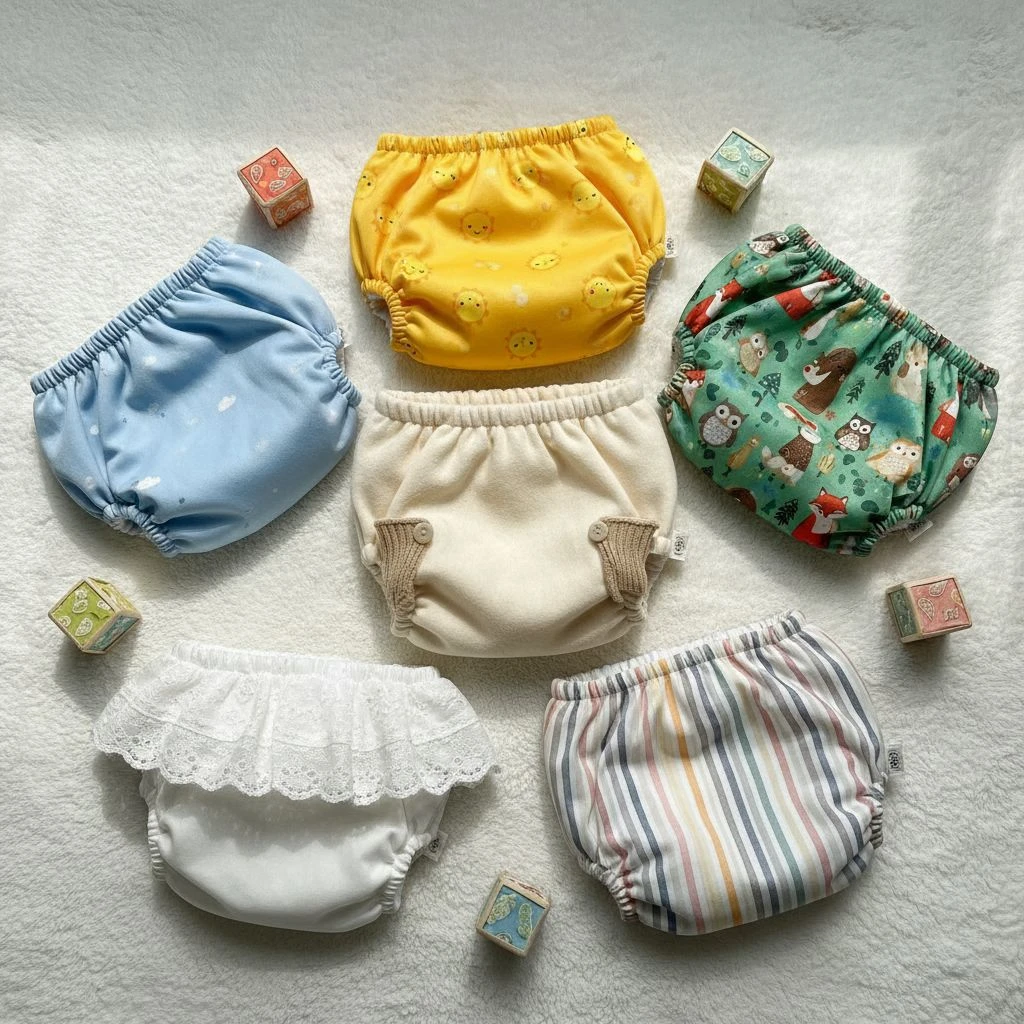
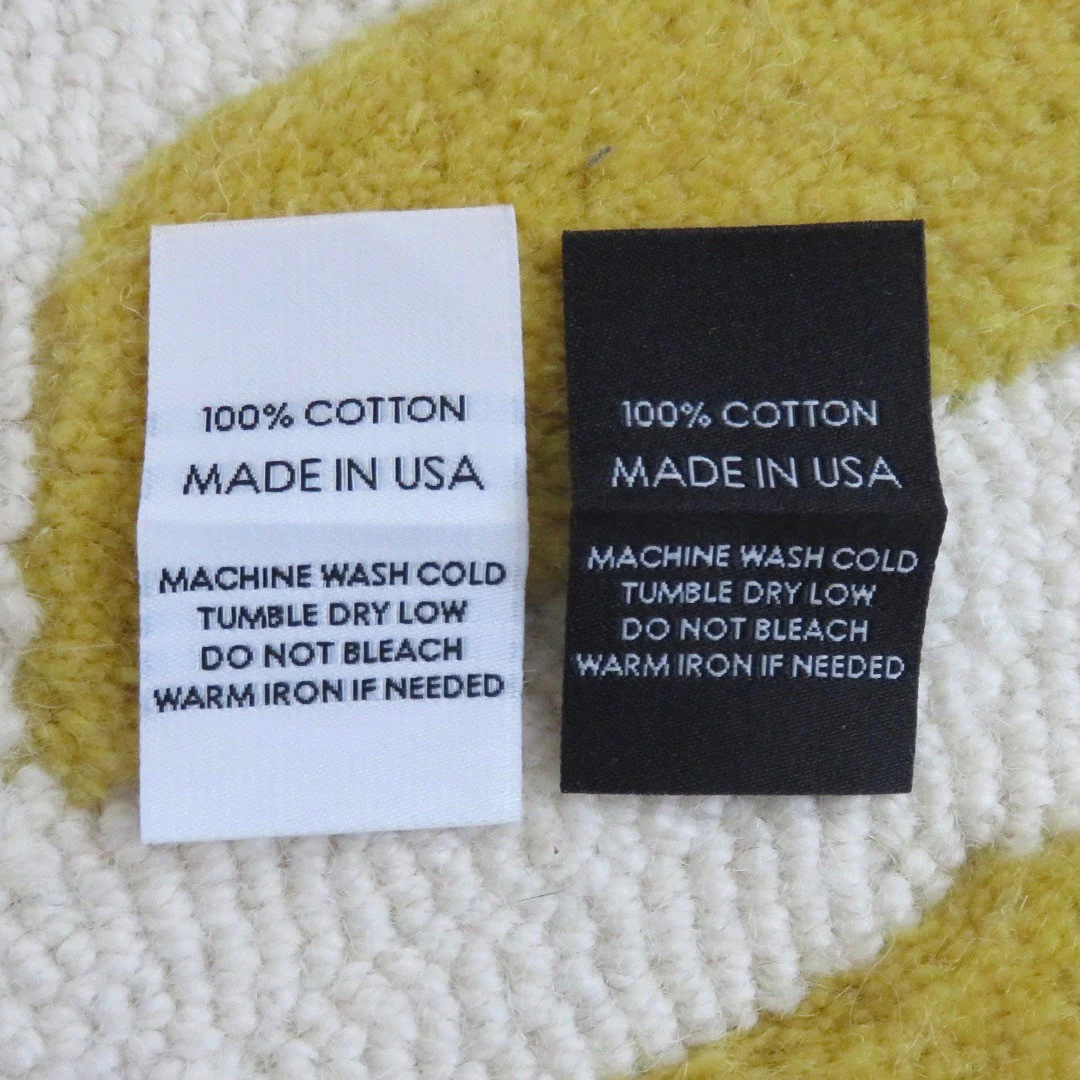
Common synthetic underwear products include:
- Briefs
- Boxers
- Seamless underwear
- Bras
- Sports bras
- Slips
- Camisoles
- Thermal base layers
Common fabric combinations include:
- Nylon and elastane
- Polyester and elastane
- Microfiber blends
- Cotton and elastane
- Modal, nylon, and elastane
For garments worn close to the skin, softness, breathability, seam placement, moisture management, and chemical compliance are especially important.
6. Uniforms and Workwear
Polyester and polyester-cotton blends are widely used for uniforms because they can withstand repeated wear and washing.
Common synthetic or blended uniforms include:
- Corporate polo shirts
- School uniforms
- Hospitality uniforms
- Security uniforms
- Factory uniforms
- Retail uniforms
- Medical workwear
- Logistics clothing
- Maintenance uniforms

Why manufacturers choose synthetics for uniforms – They may offer:
- Durability
- Wrinkle resistance
- Color retention
- Easier maintenance
- Faster drying
- Consistent appearance
- Lower replacement frequency

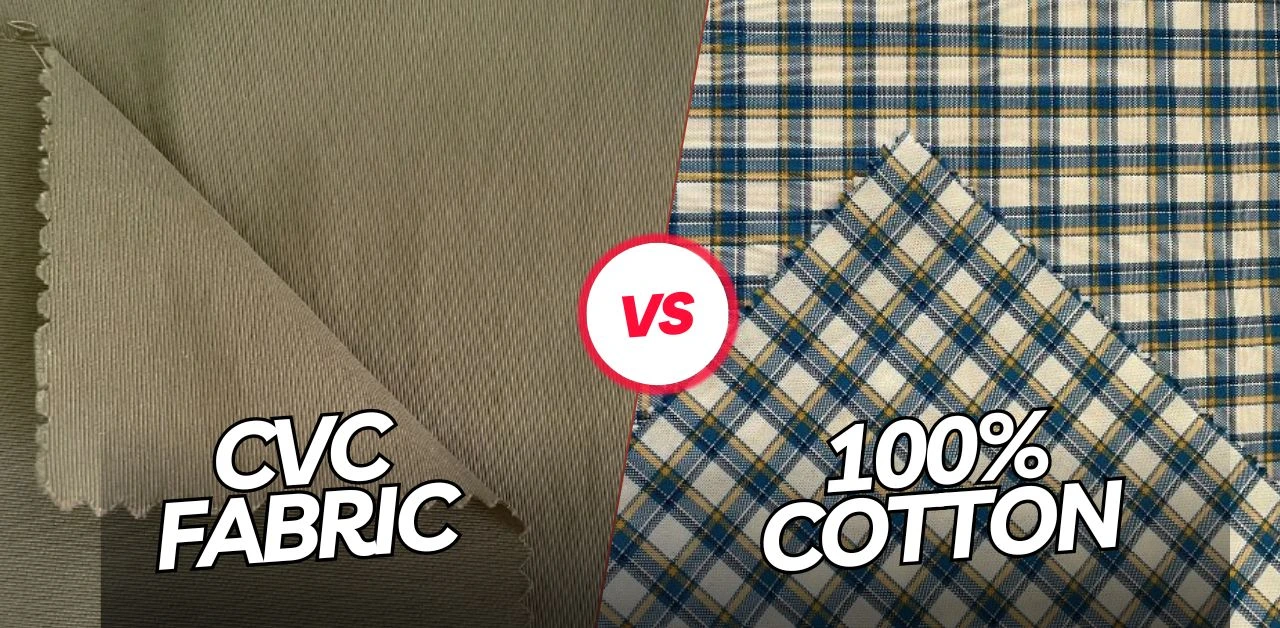
CVC and TC fabrics are especially common in uniform manufacturing. CVC generally contains more cotton than polyester, offering greater natural-fiber comfort. TC generally contains more polyester, prioritizing durability and easy care.
7. Seamless Clothing
Seamless garments are often produced from nylon and elastane yarns. Specialized circular knitting technology creates a garment or body section with fewer traditional sewn seams. Common seamless products include:
- Underwear
- Sports bras
- Leggings
- Base layers
- Shapewear
- Yoga tops
- Fitted T-shirts
The synthetic yarns provide stretch, recovery, and body-contouring performance that would be difficult to achieve with natural fibers alone.
Quick Fiber Reference Table
| Fiber Name | Primary Characteristic | Standard Application |
|---|---|---|
| Polyester | Durable & Wrinkle-Resistant | T-shirts, Dresses, Uniforms |
| Nylon | Abrasion-Resistant & Smooth | Swimwear, Outerwear Shells |
| Elastane | High Stretch & Recovery | Leggings, Socks, Underwear |
| Acrylic | Wool-like & Insulating | Sweaters, Beanies, Blankets |
Conclusion / Final Words
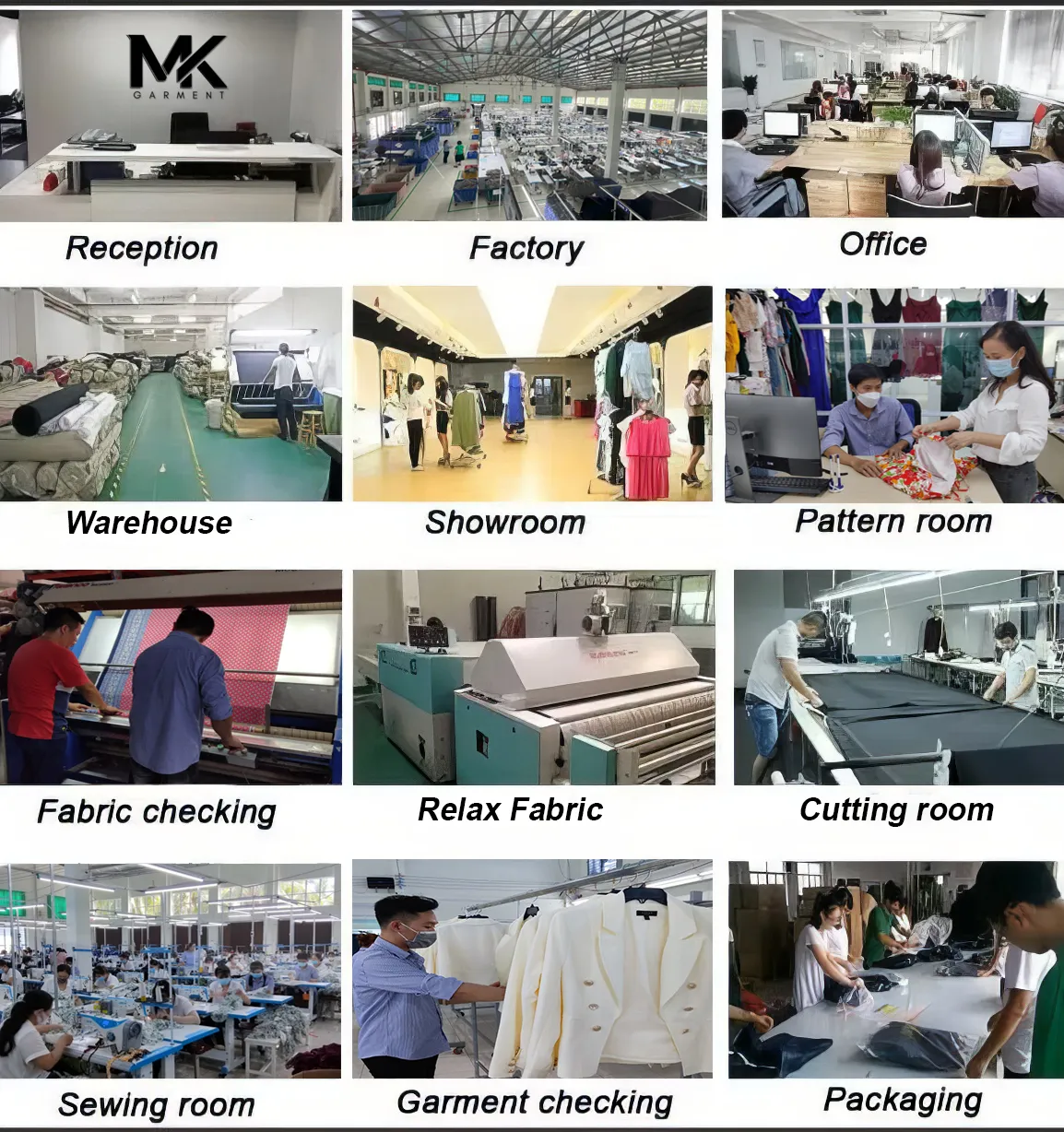
Synthetic fabrics are indispensable in modern fashion because they solve functional problems that natural fibers cannot. By recognizing the “Big 4” and understanding the logic of blends, you can predict how a garment will behave and age. At Mekong Garment, we help our partners balance softness with technical performance, ensuring every piece earns its place in the consumer’s closet. The best habit is simple: read the label, match it to the garment’s purpose, and prioritize quality finishing over fiber hype.
Contact Mekong Garment Factory
- VN Phone/WhatsApp/WeChat: +84 947 729 829
- Email: hanh@kimmy.vn