

Why Bulk Apparel Production Gets Delayed? Causes, Examples, and How to Prevent Them

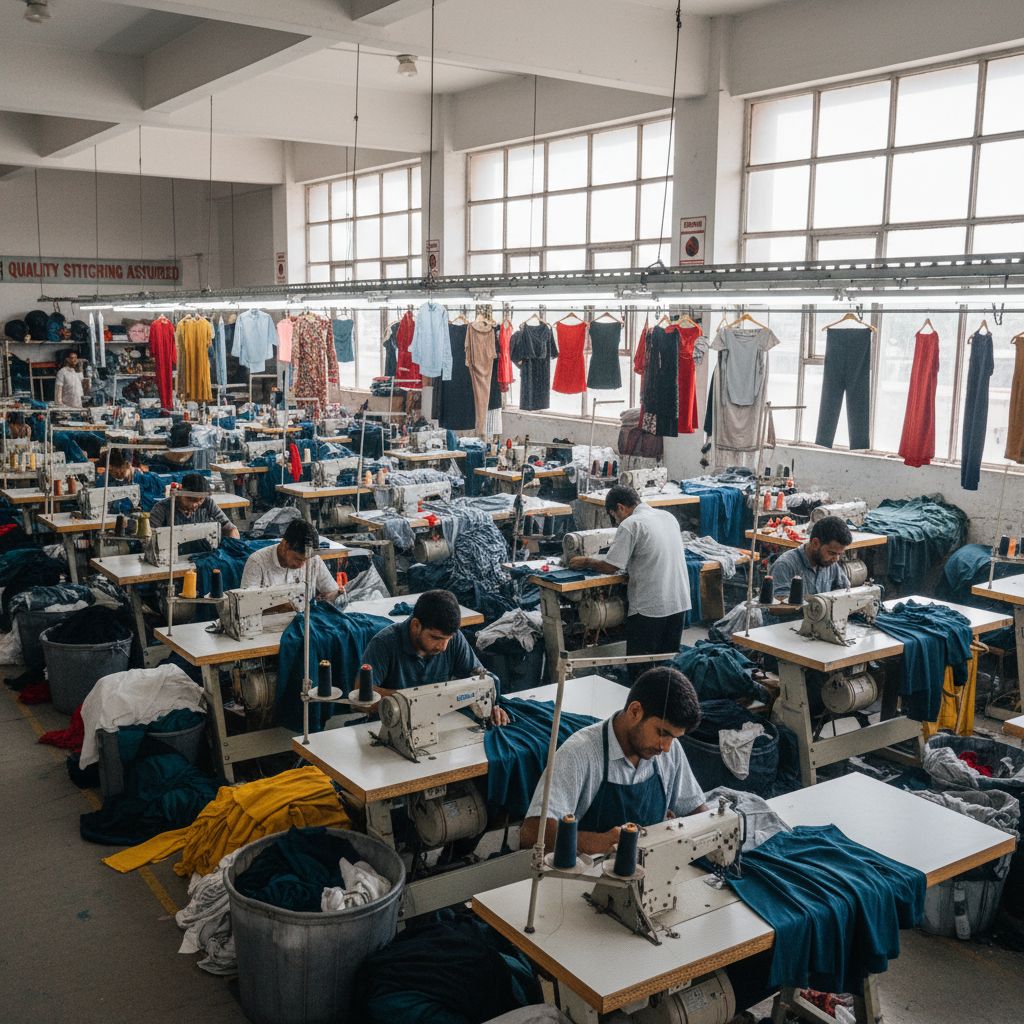
Bulk apparel production looks simple on paper: confirm the sample, buy materials, cut, sew, finish, ship. In real life, it’s more like a relay race where someone is always dropping the baton. One small issue can slow the whole chain. We’ve learned a hard truth: most delays are predictable, even if they feel “sudden” in the moment. The best brands plan for these slow points early, not after the fire starts. Below are the most common delay types, what causes them, and how they usually spread through the schedule.

Fabric and Material Issues

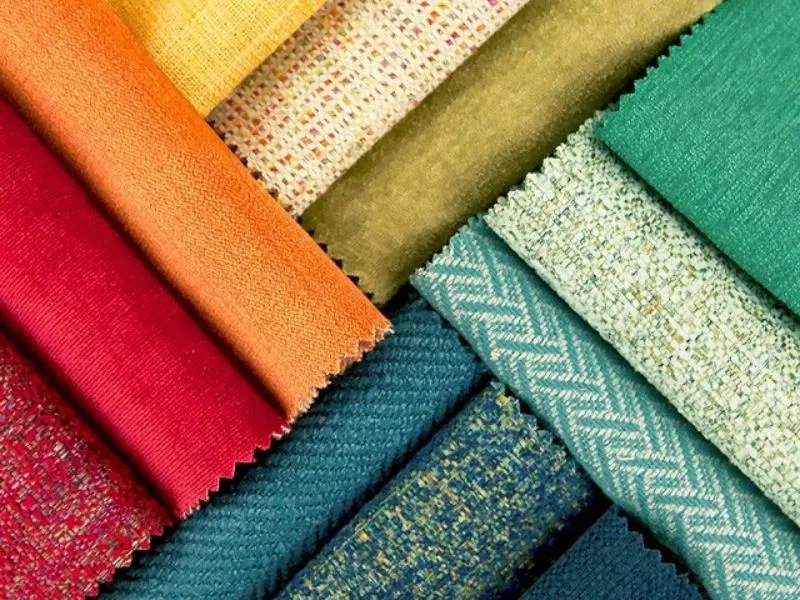
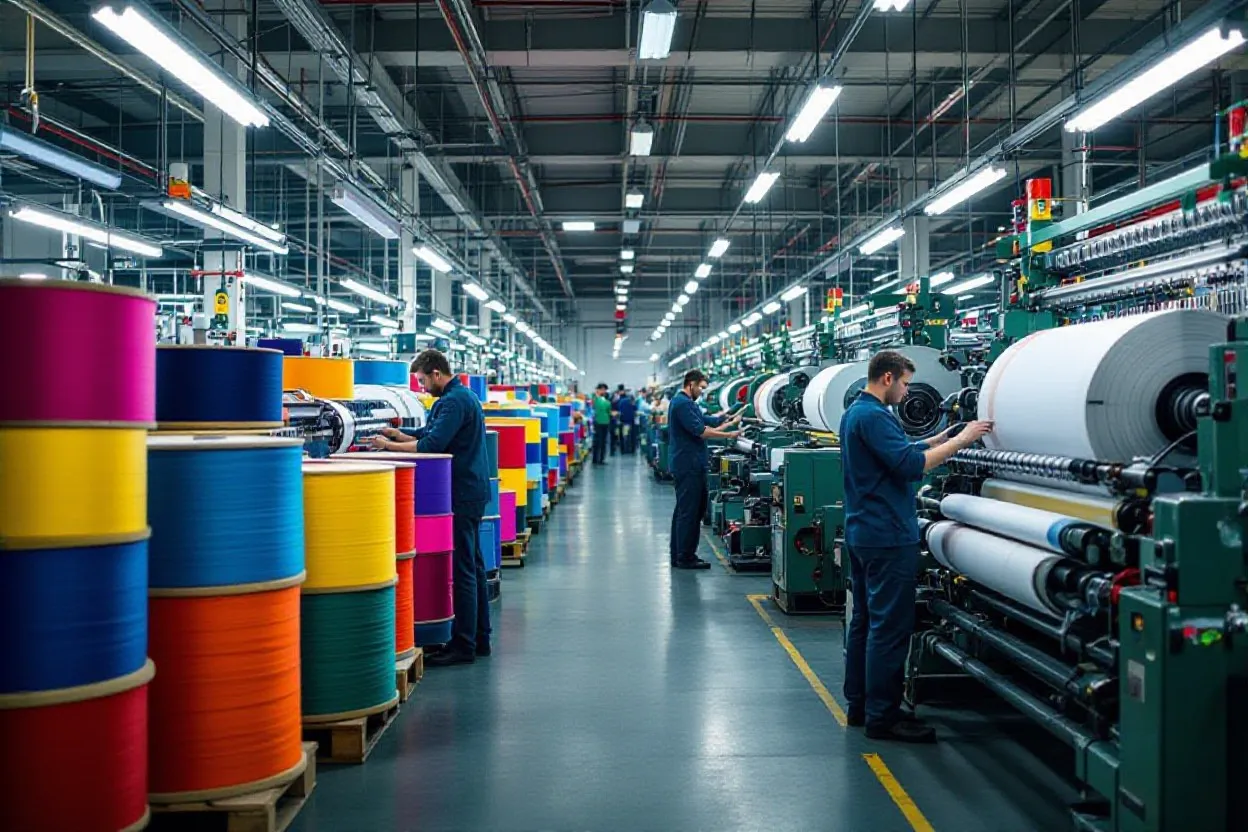
Fabric and trims are the most common reasons production slows down or stops. If the fabric is late, wrong, or unstable, the sewing line can’t move. Even worse, the delay often hits multiple styles at once because factories plan by material arrivals.

Fabric Arrives Late

This happens when mills miss deadlines, shipping is slow, or bookings change. Late fabric means the factory must reshuffle the schedule. Your order may lose its production slot and get pushed back.

Typical results

  • Cutting can’t start
  • Sewing lines wait or switch styles
  • Delivery dates shift fast

Fabric Fails Final Inspection

Factories check fabric before bulk cutting. If it fails, production should stop. It feels painful, but it prevents bigger pain later.

Common fail points:

  • Shading differences (dye lots don’t match)
  • Defects (holes, streaks, slubs, coating flaws)
  • Performance issues (shrinkage, colorfastness, waterproof results)

If a roll fails, you may need replacement fabric. That can take days or weeks.

Fabric Behaves “Different” in Production

Some fabric passes inspection but causes trouble later.

Examples:

  • Fabric twists after wash
  • Fabric creeps during sewing
  • Coated fabric sticks to machines
  • Stretch fabric becomes unstable

Then the factory must adjust settings, change needles, change technique, or slow the line.

Trims and Accessories Are Missing or Wrong

One missing item can block packing or finishing.

Common delays:

  • Wrong zipper color
  • Missing snaps or buttons
  • Labels printed incorrectly
  • Polybags or carton marks missing

Even a small shortage can stop a full run, because you cannot ship incomplete assortments. Brands often blame “the factory,” but many trim delays come from last-minute changes or unclear tech packs. If the details aren’t locked, materials can’t be locked either.

Factory Capacity and Scheduling Bottlenecks

Even when materials are perfect, production can still delay if the factory is overloaded or the plan is too tight.

Overbooked Production Lines

Factories juggle many orders. If too much is booked for the same week, something must move.

This gets worse when brands expect:

  • Fast turnarounds
  • Many styles at once
  • Small runs but high complexity

When capacity is stretched, the schedule becomes fragile.

Workforce Availability Changes

Labor is not a fixed number. People get sick, resign, take leave, or travel home for holidays. A big example is Chinese New Year, which can reduce available workers for several weeks. If you plan bulk production too close to that period, delays are very likely.

Equipment Breakdowns

Some machines are “single points of failure.” If they stop, the line stops.

Typical equipment risks:

  • Cutting machines
  • Specialized sewing machines
  • Printing or embroidery machines
  • Pressing and finishing machines

Good maintenance helps, but it doesn’t erase risk.

Quality Control Issues

Quality problems do not only appear at final inspection. Many show up in the middle. When that happens, the safest move is to pause, fix the root cause, and rework affected pieces.

In-Process Defects That Require Line Stoppage

Some defects are too serious to ignore.

Common stop-the-line issues

  • Pattern mismatch (panels don’t align)
  • Construction flaws (weak seams, wrong stitch)
  • Sizing errors (grading mistake across many sizes)

The later the issue is found, the larger the rework.

Rework and Remake Time

If 2,000 units need repair, the factory must reassign workers and add time. That can push other orders too, which creates a domino effect.

Sample and Approval Delays

Approval delays are quiet schedule killers. If a brand takes too long to approve fit, lab dips, PP sample, or packaging, the factory cannot safely start bulk. Also, if a reserved production slot sits unused, the factory may give it to another client. When you finally approve, you may need to wait for the next slot. If a brand wants “fast delivery” but needs 10 days to reply to one question, the schedule isn’t realistic. Speed requires fast decisions, not just fast sewing.

Logistics and Shipping Challenges

Your goods can be finished perfectly and still arrive late. Shipping is its own maze, and it changes fast.

Customs and Documentation Problems

Delays often come from paperwork issues, not the product.

Common causes:

If customs holds a shipment, fixing it can take time because corrections must match strict rules.

Port Congestion and Carrier Delays

Ports can get crowded during peak season. Weather, labor issues, and equipment shortages can also slow movement.

What it can add

  • Extra days before loading
  • Extra weeks in peak periods
  • Missed seasonal delivery windows

Smart planning sometimes means shipping earlier, using different ports, or using alternative methods when timing is critical.

Administrative Delays

These delays surprise many brands because nothing “physical” is wrong. But paperwork can stop production just as hard as missing fabric.

Payment Processing Delays

Many factories require deposit clearance before they buy materials or start cutting. If payment is slow due to bank steps, approval chains, or currency issues, production can pause.

Communication Gaps

Time zones, language gaps, and unclear responsibility can lead to:

  • wrong decisions
  • slow decisions
  • rework

A simple rule helps: who decides what, by when, and what happens if there is no reply.

External Factors That Can Still Cause Delays

Even the best planning can’t control everything.

Examples:

  • extreme weather
  • new regulations
  • sudden labor shortages
  • transport disruptions

The goal is not “zero risk.” The goal is a plan that survives surprises.

Conclusion / Final Words

Bulk apparel production has many delay points: materials, capacity, QC, shipping, and admin. The most damaging delays are not always the biggest problems. Often, they are small issues that happen late and spread fast. If you want more reliable delivery, focus on three habits:

  1. Lock decisions early (materials, specs, approvals).
  2. Build buffer time for known risk periods and shipping volatility.
  3. Keep communication fast and clear so problems get solved before they grow.

Our Contact Information – MEKONG GARMENT FACTORY

  • Vietnam Phone: +84 947 729 829
  • WeChat: +84 947 729 829
  • WhatsApp: +84 947 729 829
  • Email: hanh@kimmy.vn

Related posts