Polyamide Fabric: How It Works, What It Feels Like, and Where You See It Daily

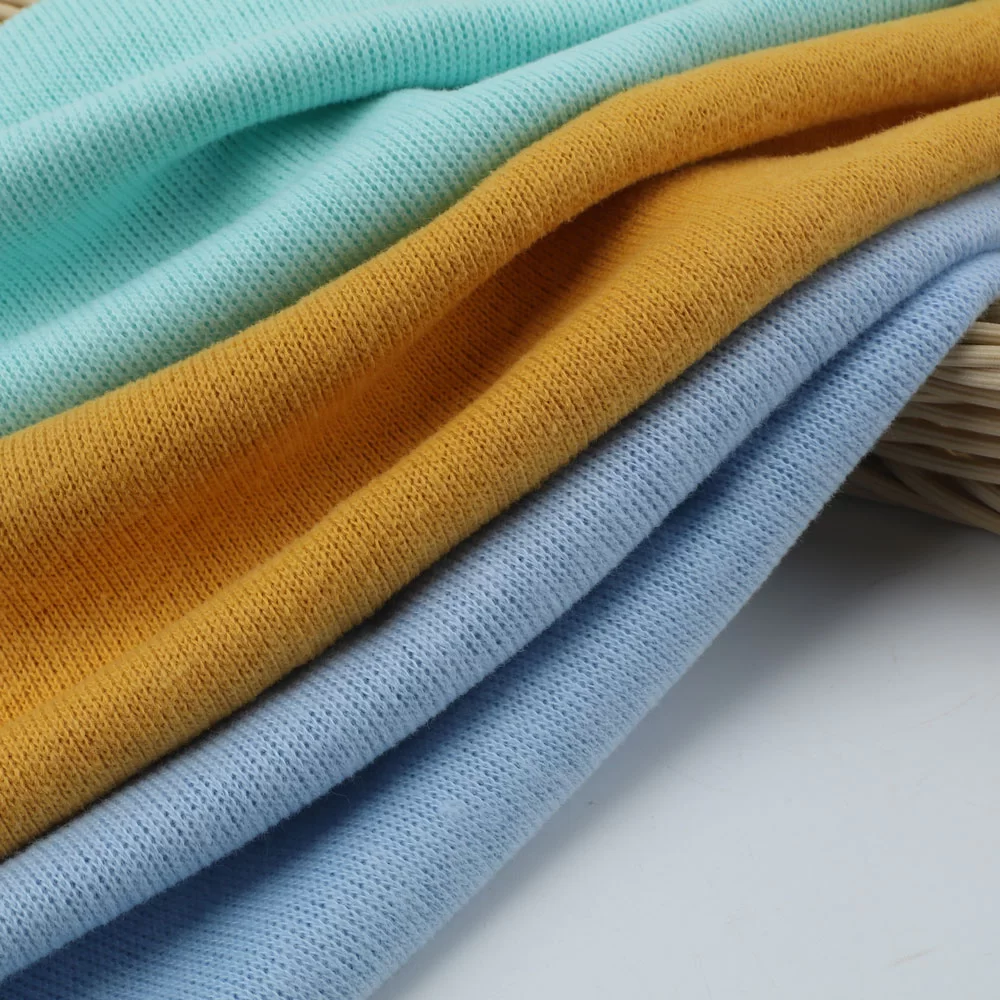
Polyamide fabric is one of those materials that most people use regularly without realizing it. It appears in leggings, stockings, swimwear, underwear, sportswear, backpacks, ropes, outdoor equipment, and protective clothing. The best-known synthetic polyamide is nylon. Polyamide fibers are valued because they can combine strength, flexibility, smoothness, lightweight performance, and relatively fast drying in one material.
A simple way to understand polyamide fabric is: Polyamide Polymer + Fiber Formation + Yarn + Fabric Construction + Finishing = Final Fabric Performance However, not every polyamide fabric behaves the same way. A lightweight nylon used for stockings will feel very different from a thick nylon backpack fabric or a stretch polyamide-elastane legging. The final result depends on much more than the fiber name alone.
=> Related Article: Polyester Blends in Clothing: Benefits, Limitations, and Uses
What Is Polyamide Fabric?
Polyamide fabric is a textile made from polyamide polymers, a group of materials linked by amide bonds. The best-known polyamide is nylon, invented in the 1930s. While natural fibers like silk and wool are technically polyamides chemically, in the modern textile industry, “polyamide” almost always refers to synthetic variants valued for their stretch, strength, and smooth feel.
Main Types of Polyamide
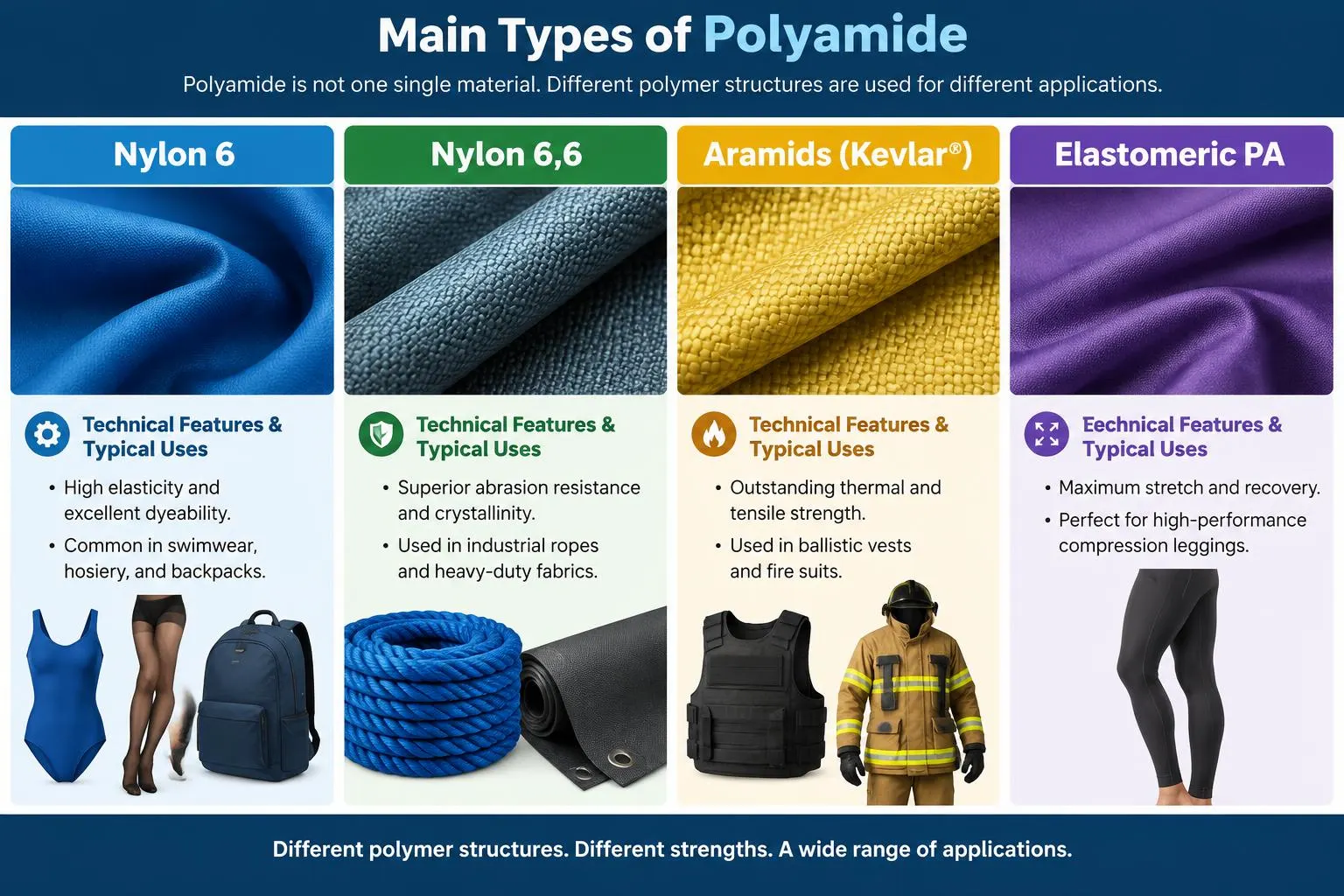
Polyamide is not one single material. Different polymer structures are used for different applications.
| Type | Technical Features & Typical Uses |
|---|---|
| Nylon 6 | High elasticity and excellent dyeability. Common in swimwear, hosiery, and backpacks. |
| Nylon 6,6 | Superior abrasion resistance and crystallinity. Used in industrial ropes and heavy-duty fabrics. |
| Aramids (Kevlar®) | Outstanding thermal and tensile strength. Used in ballistic vests and fire suits. |
| Elastomeric PA | Maximum stretch and recovery. Perfect for high-performance compression leggings. |
Key Properties of Polyamide Fabric
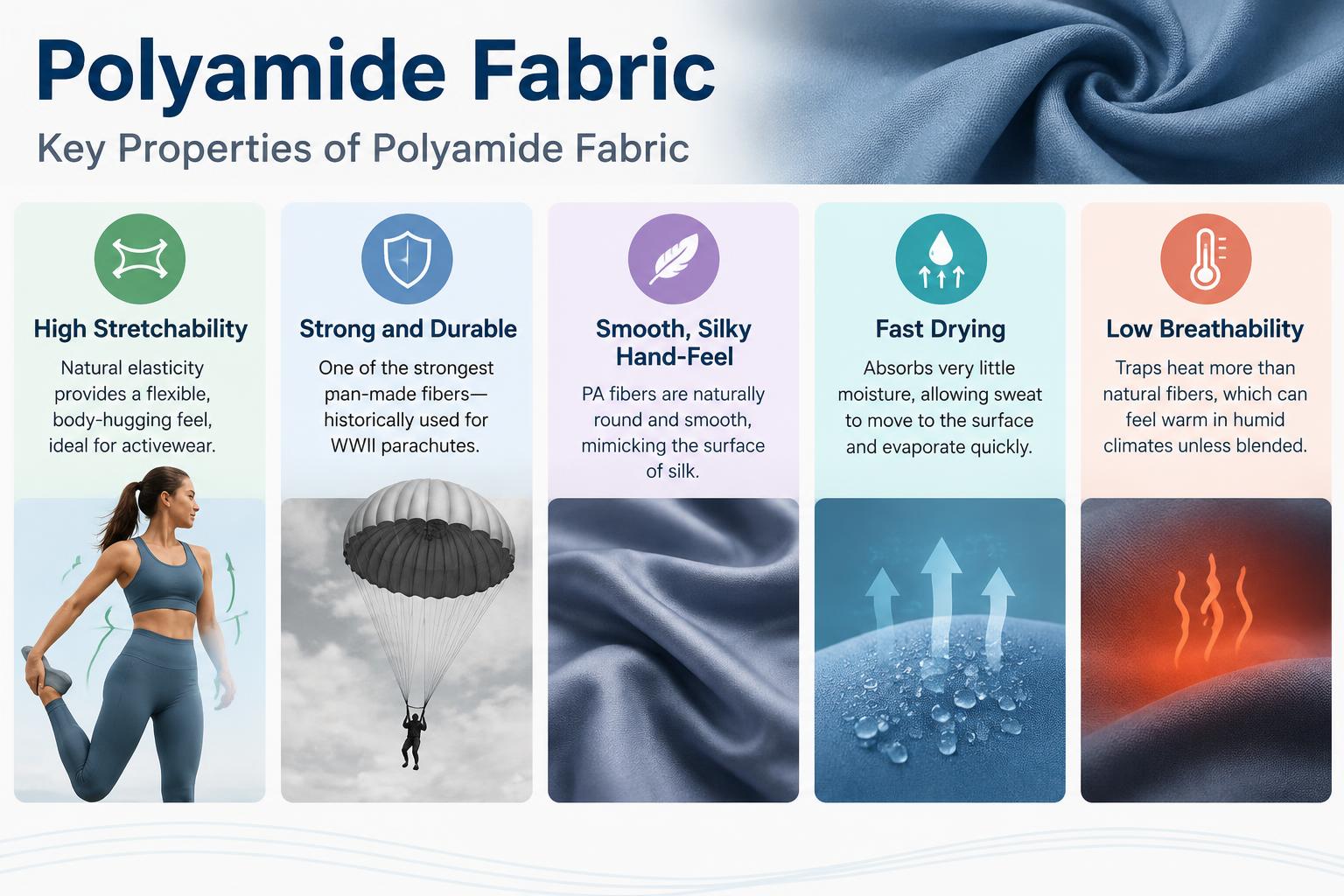
- High Stretchability: Natural elasticity provides a flexible, body-hugging feel, ideal for activewear.
- Strong and Durable: One of the strongest man-made fibers—historically used for WWII parachutes.
- Smooth, Silky Hand-Feel: PA fibers are naturally round and smooth, mimicking the surface of silk.
- Fast Drying: Absorbs very little moisture, allowing sweat to move to the surface and evaporate quickly.
- Low Breathability: Traps heat more than natural fibers, which can feel warm in humid climates unless blended.
=> Related Article: Polyamide Pilling: Why It Happens, Causes, Care,… and How to Reduce It
How Is Polyamide Fabric Made?
Behind every polyamide fabric is a detailed chemical and mechanical process. Understanding this journey explains why the fiber performs so well under stress.
- Raw Materials: Derived from crude oil, chemicals like Adipic acid and Hexamethylenediamine are extracted.
- Polymerization: These chemicals react to form long-chain polyamide molecules.
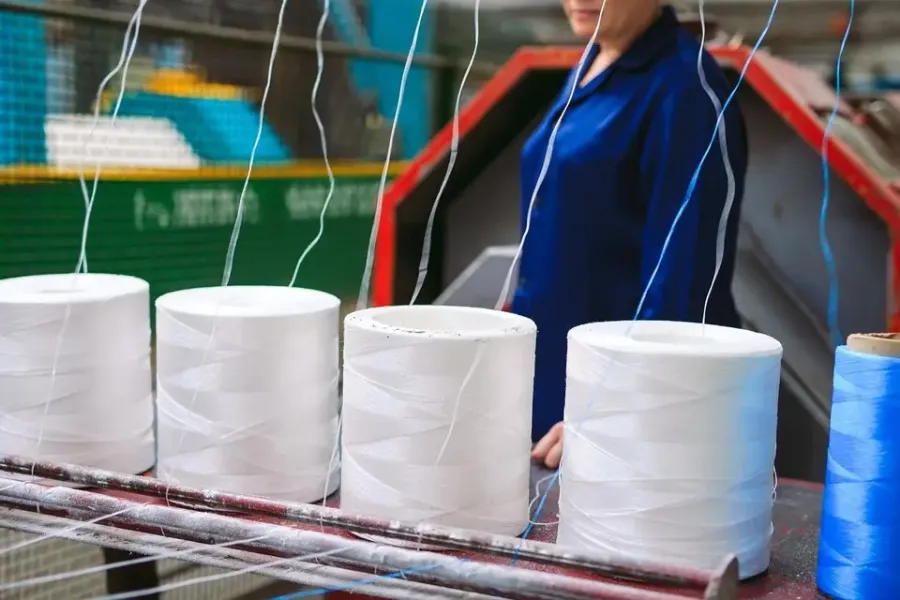
- Extrusion: The molten polymer is pushed through a spinneret (tiny holes) to create filaments.
- Cooling & Drawing: Filaments are cooled in water and then stretched. Drawing aligns the molecules to increase strength and elasticity.
- Spinning: Filaments are spun into yarns ready for knitting or weaving into fabric.
=> Related Article: Is Polyamide Fabric Breathable Like Cotton Fabric ?

Is Polyamide the Same as Nylon?
In everyday textile use, polyamide and nylon are often used almost interchangeably. Polyamide refers to the broader polymer family. Nylon refers to a group of synthetic polyamide materials used widely in textiles and industrial products. For consumers, a garment label may say: Polyamide, PA, Nylon, depending on the market, brand, or labeling system. Different nylon types can also have different technical characteristics.
=> Related Article: Is Polyamide Fabric Breathable Like Cotton Fabric ?
Pros and Cons of Polyamide Fabric
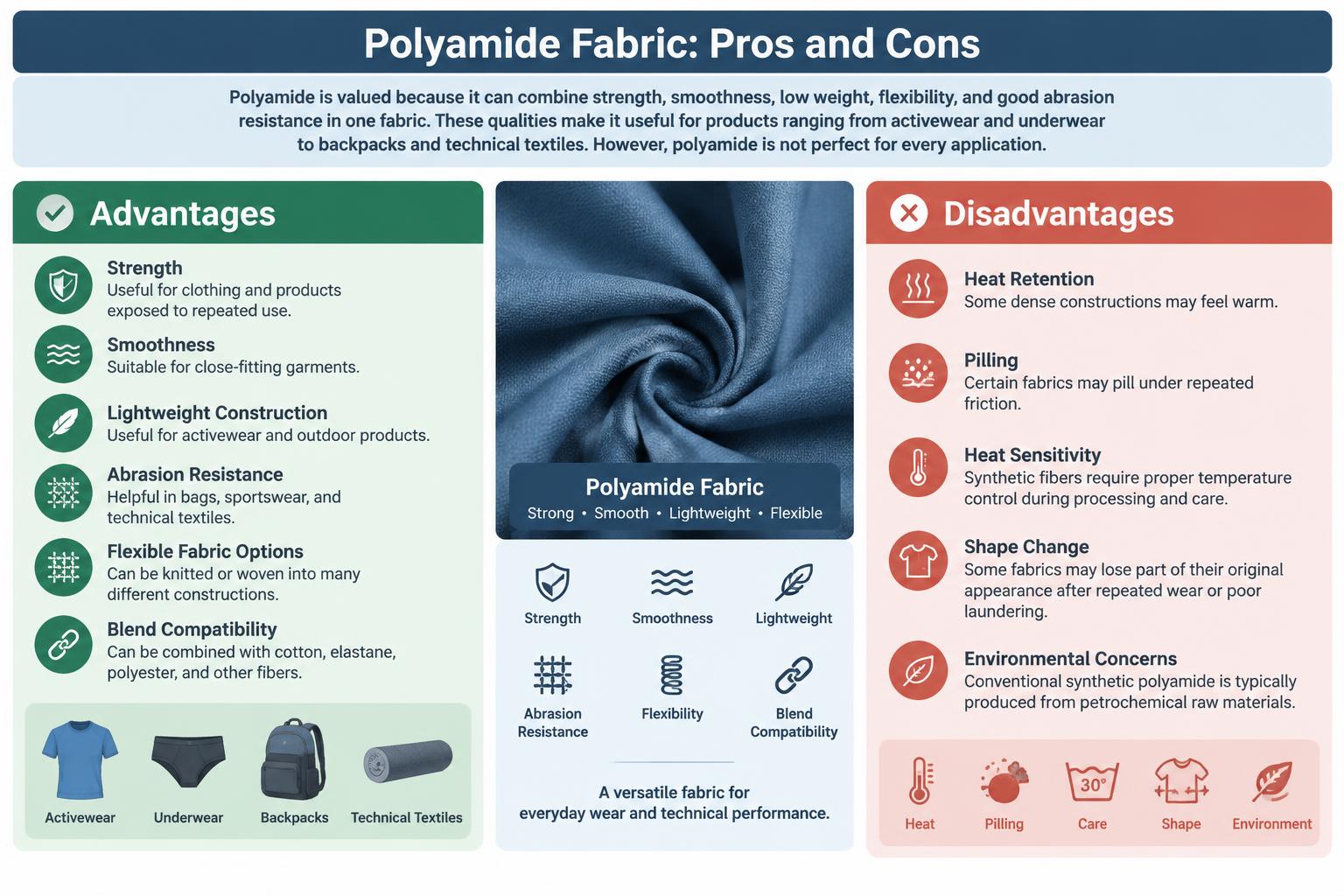
Polyamide is valued because it can combine strength, smoothness, low weight, flexibility, and good abrasion resistance in one fabric. These qualities make it useful for products ranging from activewear and underwear to backpacks and technical textiles. However, polyamide is not perfect for every application. Depending on the fabric construction and end use, it may also have drawbacks such as heat buildup, pilling, heat sensitivity, shape changes, and environmental concerns.
=> Related Article: Polyethylene Fabric (PE Fabric): Benefits, Safety, and Modern Industrial Uses
Advantages
Polyamide offers several practical advantages.
- Strength: Useful for clothing and products exposed to repeated use.
- Smoothness: Suitable for close-fitting garments.
- Lightweight Construction: Useful for activewear and outdoor products.
- Abrasion Resistance: Helpful in bags, sportswear, and technical textiles.
- Flexible Fabric Options: Can be knitted or woven into many different constructions.
- Blend Compatibility: Can be combined with cotton, elastane, polyester, and other fibers.
Disadvantages
Polyamide also has limitations.
- Heat Retention: Some dense constructions may feel warm.
- Pilling: Certain fabrics may pill under repeated friction.
- Heat Sensitivity: Synthetic fibers require proper temperature control during processing and care.
- Shape Change: Some fabrics may lose part of their original appearance after repeated wear or poor laundering.
- Environmental Concerns: Conventional synthetic polyamide is typically produced from petrochemical raw materials.
Comfort & Applications
People love polyamide for its lightweight and supportive nature. To improve breathability, it is frequently blended with other fibers:
- PA + Elastane (Spandex): The go-to mix for yoga pants, leggings, and shapewear.
- PA + Cotton: Used in casual wear to add strength while keeping the natural cotton feel.
- PA + Polyester: A durable combination for heavy-duty sportswear and outdoor gear.

=> Related Article: Polyester Fabric: Properties, Manufacturing, and Uses

Polyamide Fabric in Activewear
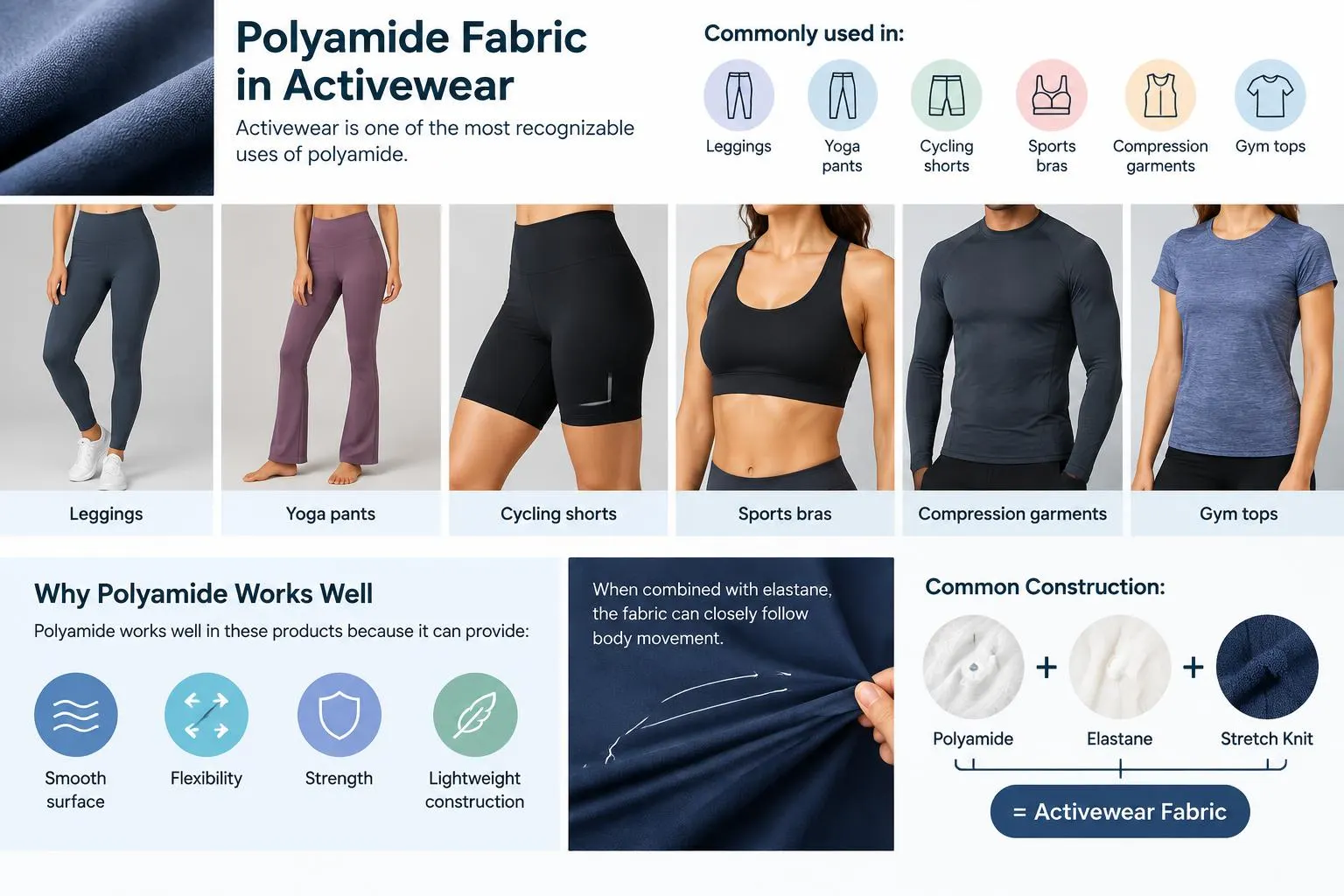
Activewear is one of the most recognizable uses of polyamide.
It is commonly used in:
- Leggings
- Yoga pants
- Cycling shorts
- Sports bras
- Compression garments
- Gym tops
Polyamide works well in these products because it can provide:
- Smooth surface
- Flexibility
- Strength
- Lightweight construction
When combined with elastane, the fabric can closely follow body movement. A common construction is: Polyamide + Elastane + Stretch Knit = Activewear Fabric
Polyamide Common in Leggings
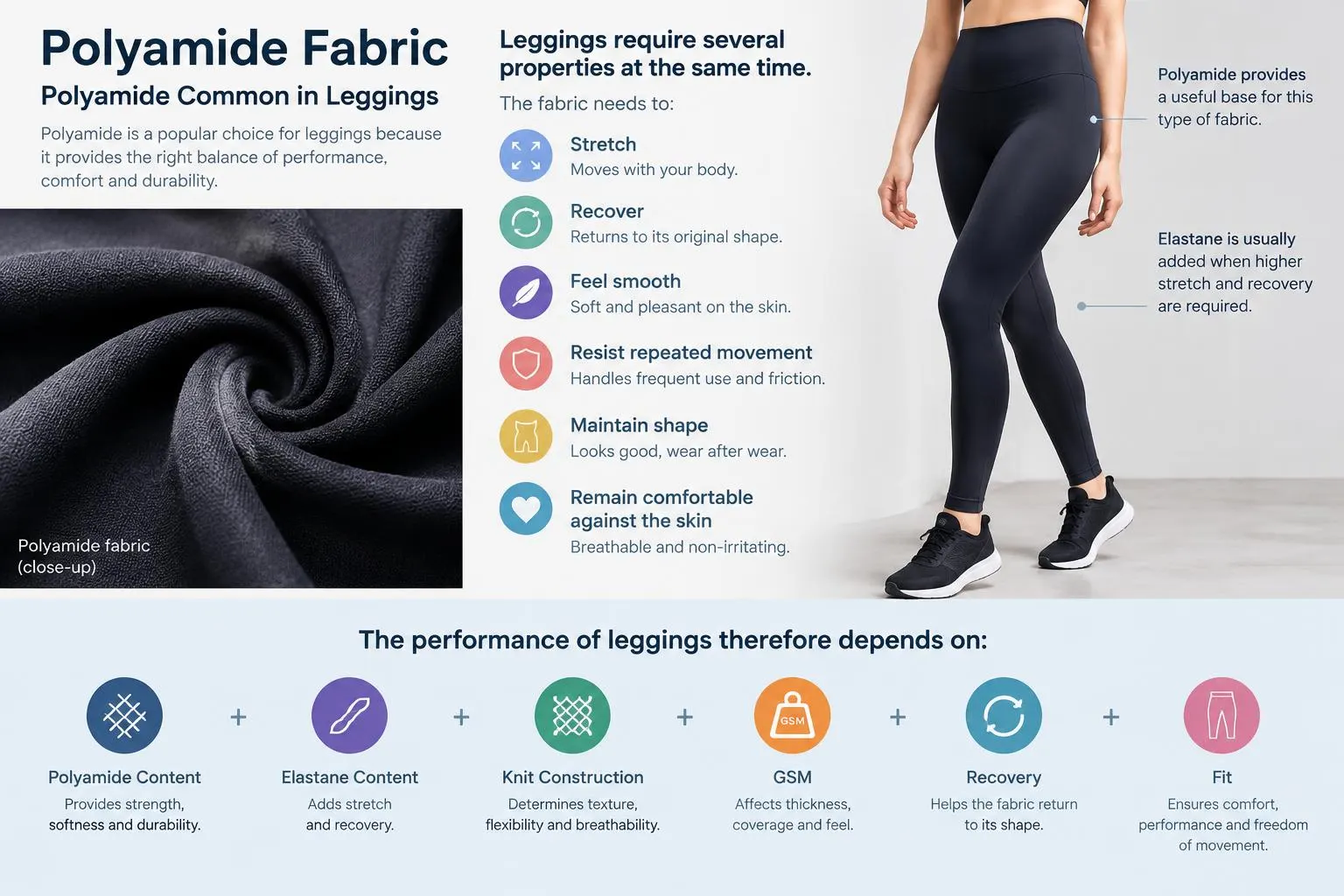
Leggings require several properties at the same time.
The fabric needs to:
- Stretch
- Recover
- Feel smooth
- Resist repeated movement
- Maintain shape
- Remain comfortable against the skin
Polyamide provides a useful base for this type of fabric. Elastane is usually added when higher stretch and recovery are required. The performance of leggings therefore depends on: Polyamide Content + Elastane Content + Knit Construction + GSM + Recovery + Fit
Polyamide Fabric in Swimwear
Polyamide is also widely used in swimwear.
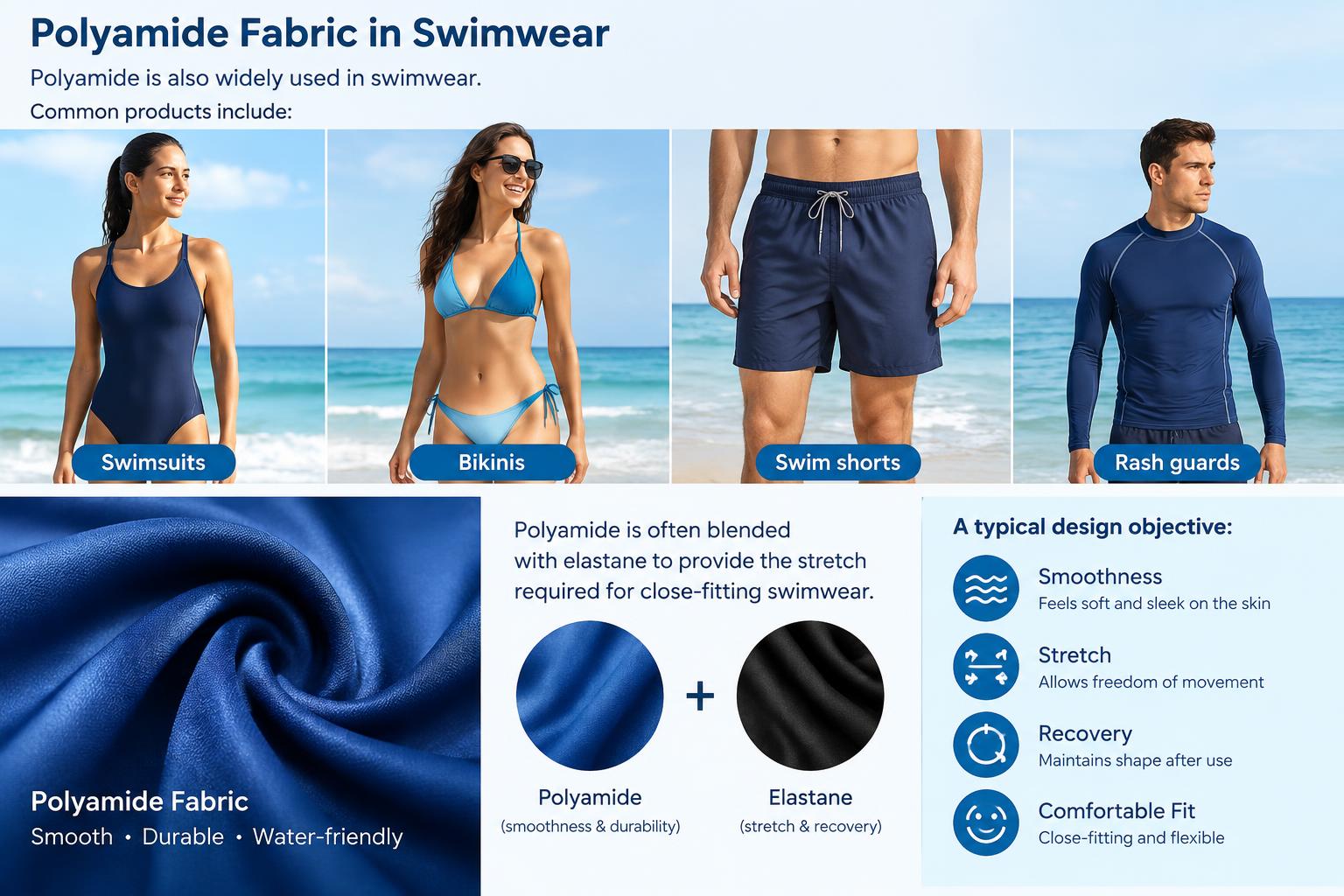
Common products include:
- Swimsuits
- Bikinis
- Swim shorts
- Rash guards
Its smooth feel and relatively quick-drying behavior make it useful for water-related clothing. Polyamide is often blended with elastane to provide the stretch required for close-fitting swimwear. A typical design objective is: Smoothness + Stretch + Recovery + Comfortable Fit
Polyamide Fabric in Hosiery and Stockings
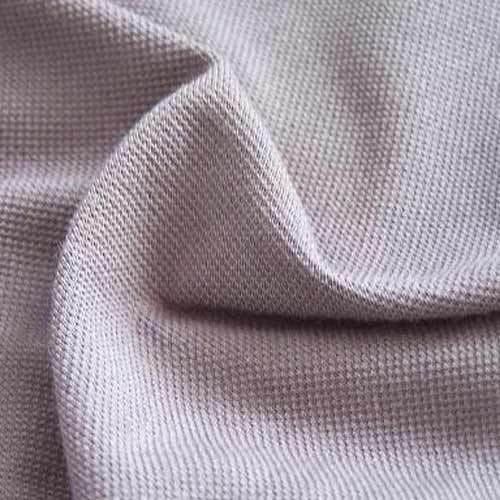
Nylon became particularly important in hosiery because very fine filaments can be used to create lightweight fabrics.
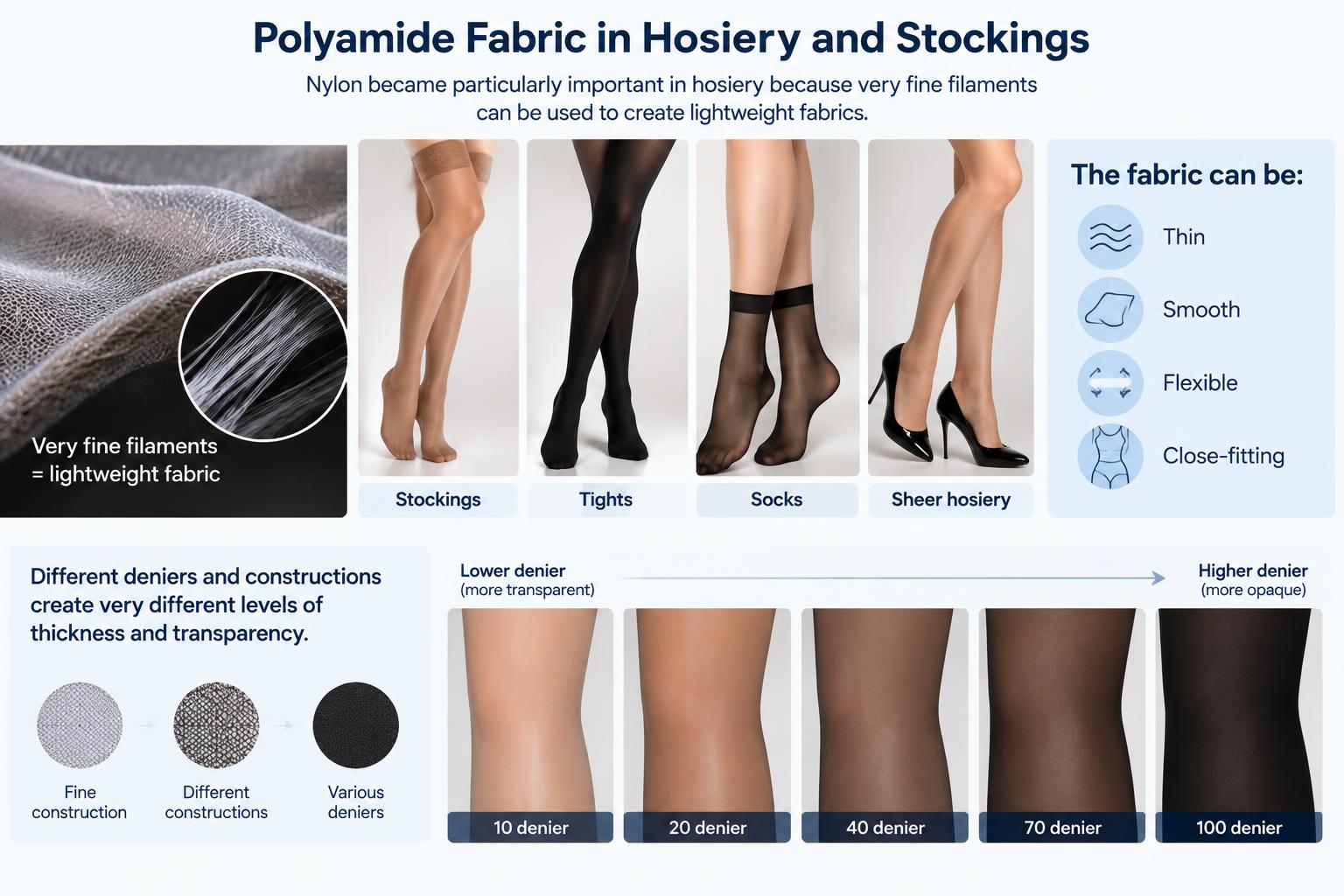
It may be used in:
- Stockings
- Tights
- Socks
- Sheer hosiery
The fabric can be:
- Thin
- Smooth
- Flexible
- Close-fitting
Different deniers and constructions create very different levels of thickness and transparency.
Polyamide in Underwear
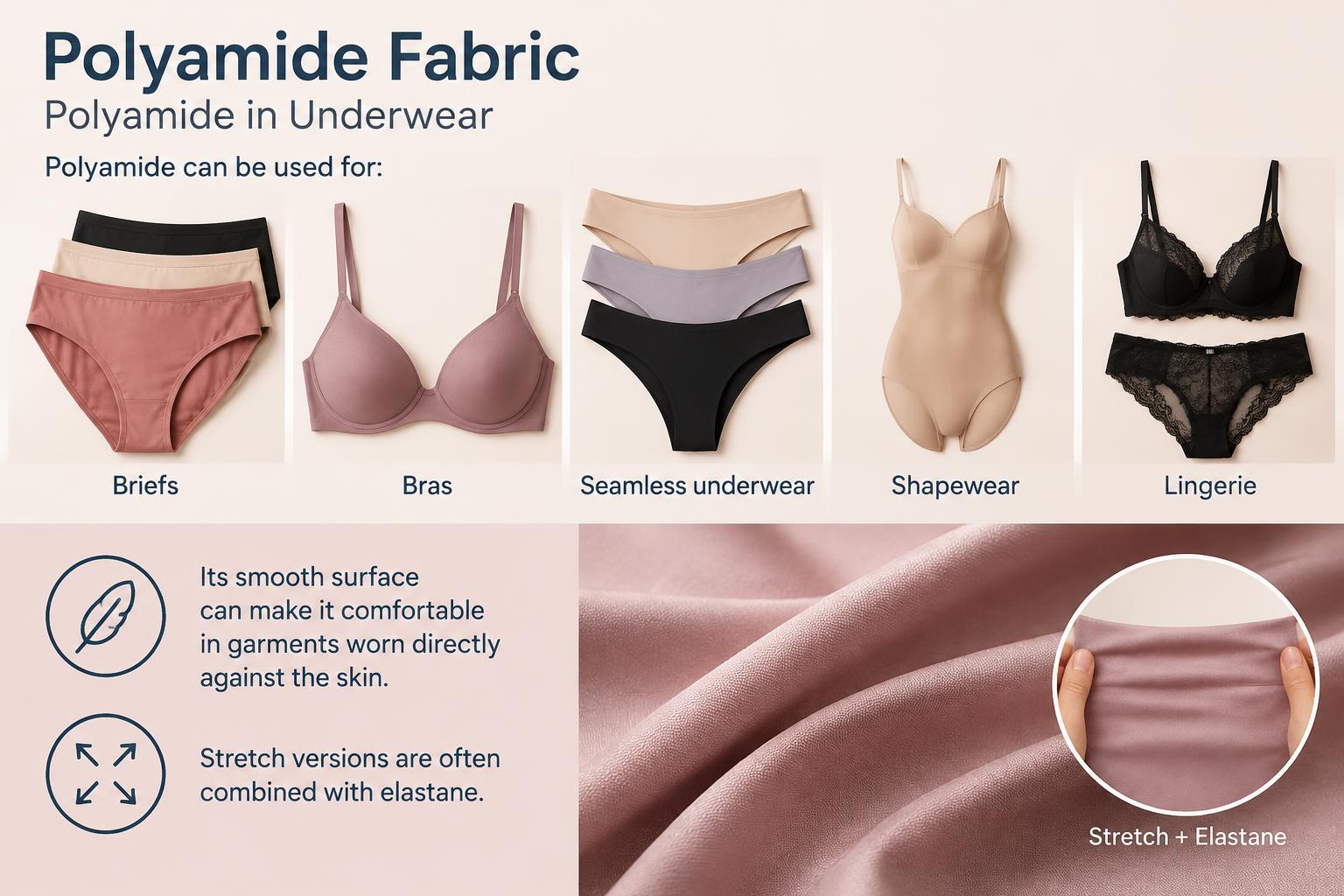
Polyamide can be used for:
- Briefs
- Bras
- Seamless underwear
- Shapewear
- Lingerie
Its smooth surface can make it comfortable in garments worn directly against the skin. Stretch versions are often combined with elastane.
Polyamide Fabric in Outdoor Clothing
Polyamide also appears widely outside fashion basics.

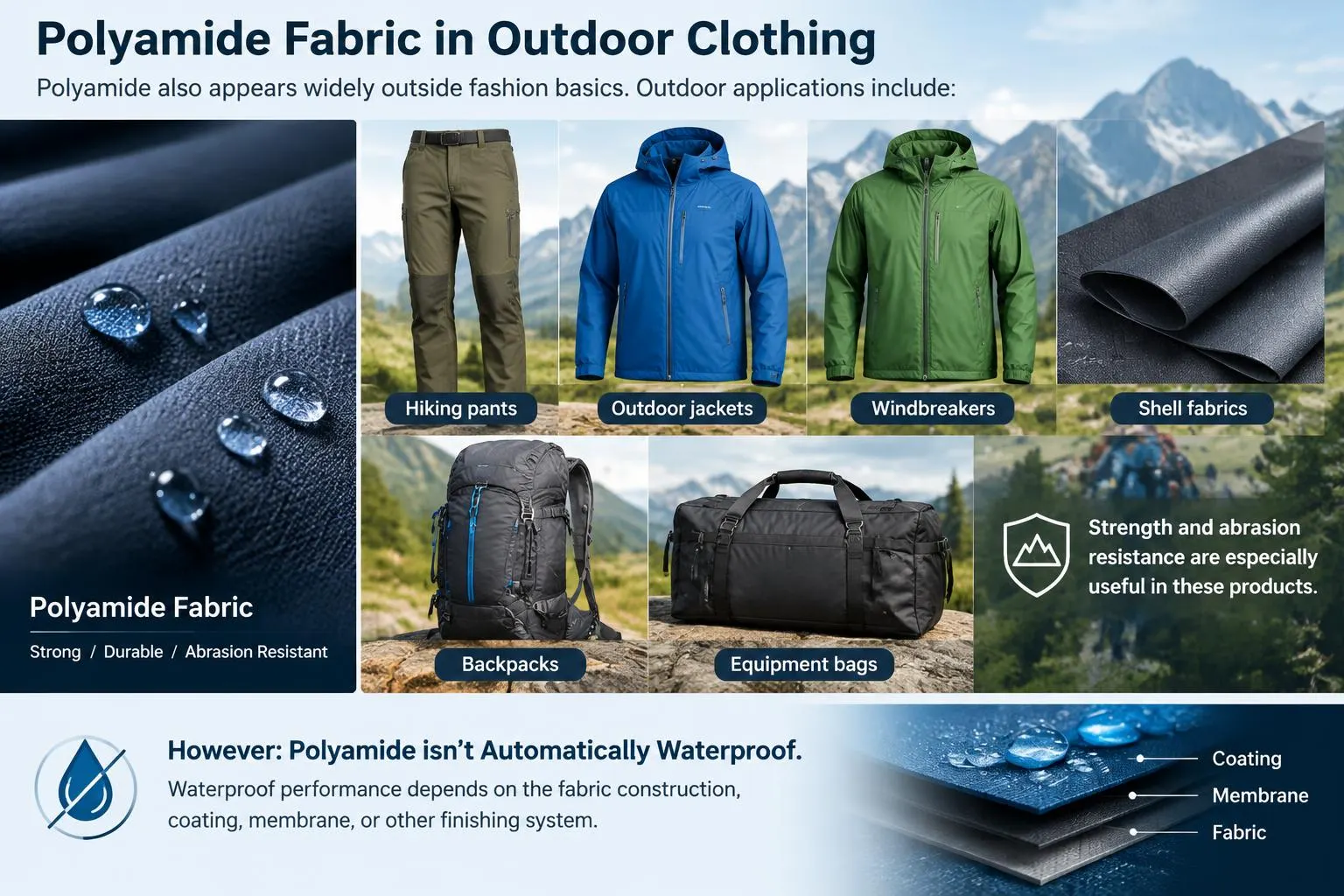
Outdoor applications include:
- Hiking pants
- Outdoor jackets
- Windbreakers
- Shell fabrics
- Backpacks
- Equipment bags
Strength and abrasion resistance are especially useful in these products. However: Polyamide isn’t Automatically Waterproof. Waterproof performance depends on the fabric construction, coating, membrane, or other finishing system.
Polyamide Fabric in Bags and Backpacks
Backpacks require a fabric that can tolerate:
- Load
- Friction
- Repeated handling
- Outdoor exposure
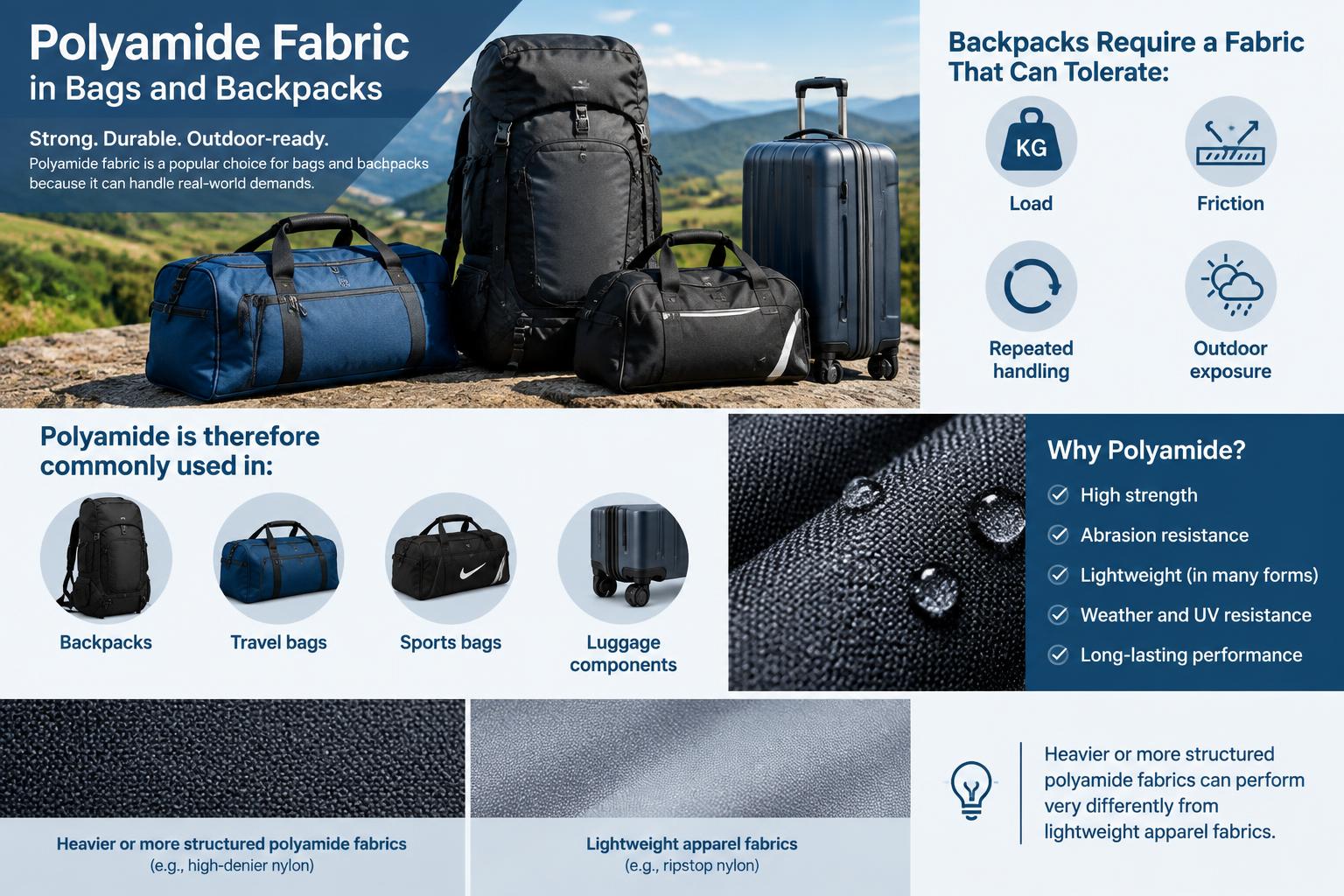
Polyamide is therefore commonly used in:
- Backpacks
- Travel bags
- Sports bags
- Luggage components
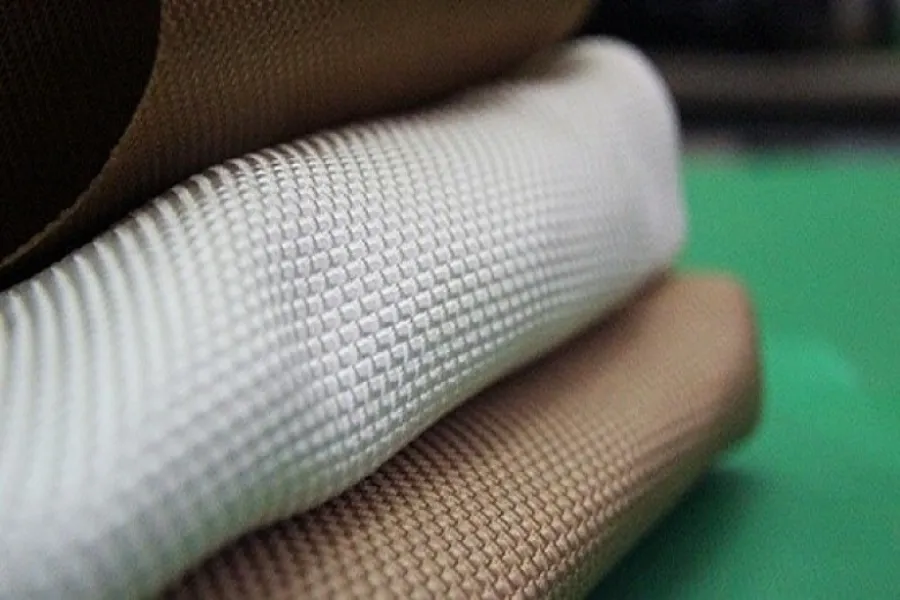
Heavier or more structured polyamide fabrics can perform very differently from lightweight apparel fabrics.
Comparison Table: Polyamide vs. Others
| Feature | Polyamide (Nylon) | Polyester | Cotton |
|---|---|---|---|
| Stretch | High | Medium | Low |
| Strength | Very High | High | Medium |
| Moisture Wicking | Good | Excellent | Poor |
| Hand Feel | Silky / Smooth | Slightly Coarse | Soft / Natural |
Polyamide vs. Polyester
Polyamide and polyester are frequently compared because both are synthetic fibers.
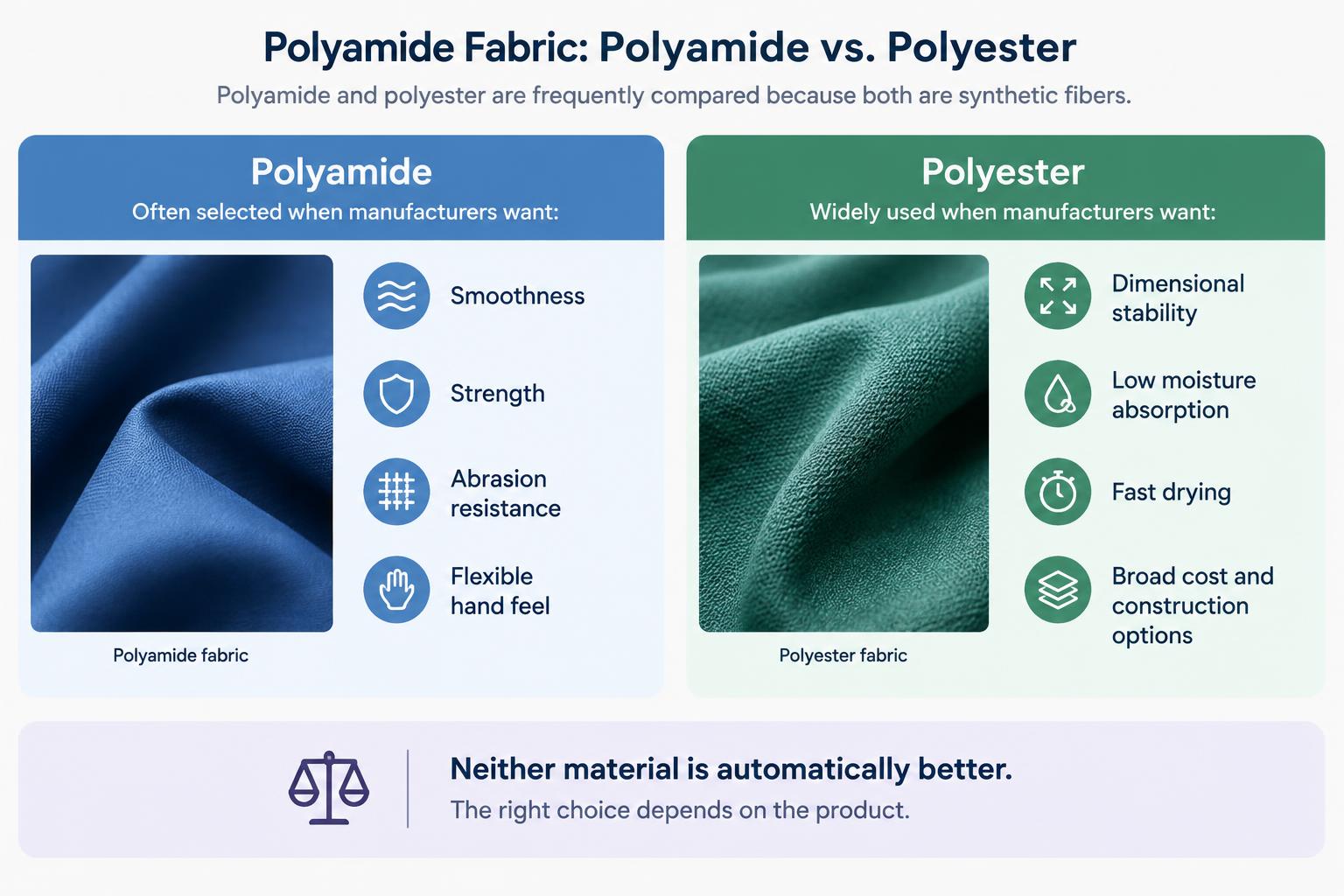
Polyamide is often selected when manufacturers want:
- Smoothness
- Strength
- Abrasion resistance
- Flexible hand feel
Polyester is widely used when manufacturers want:
- Dimensional stability
- Low moisture absorption
- Fast drying
- Broad cost and construction options
Neither material is automatically better. The right choice depends on the product.
Polyamide vs. Cotton
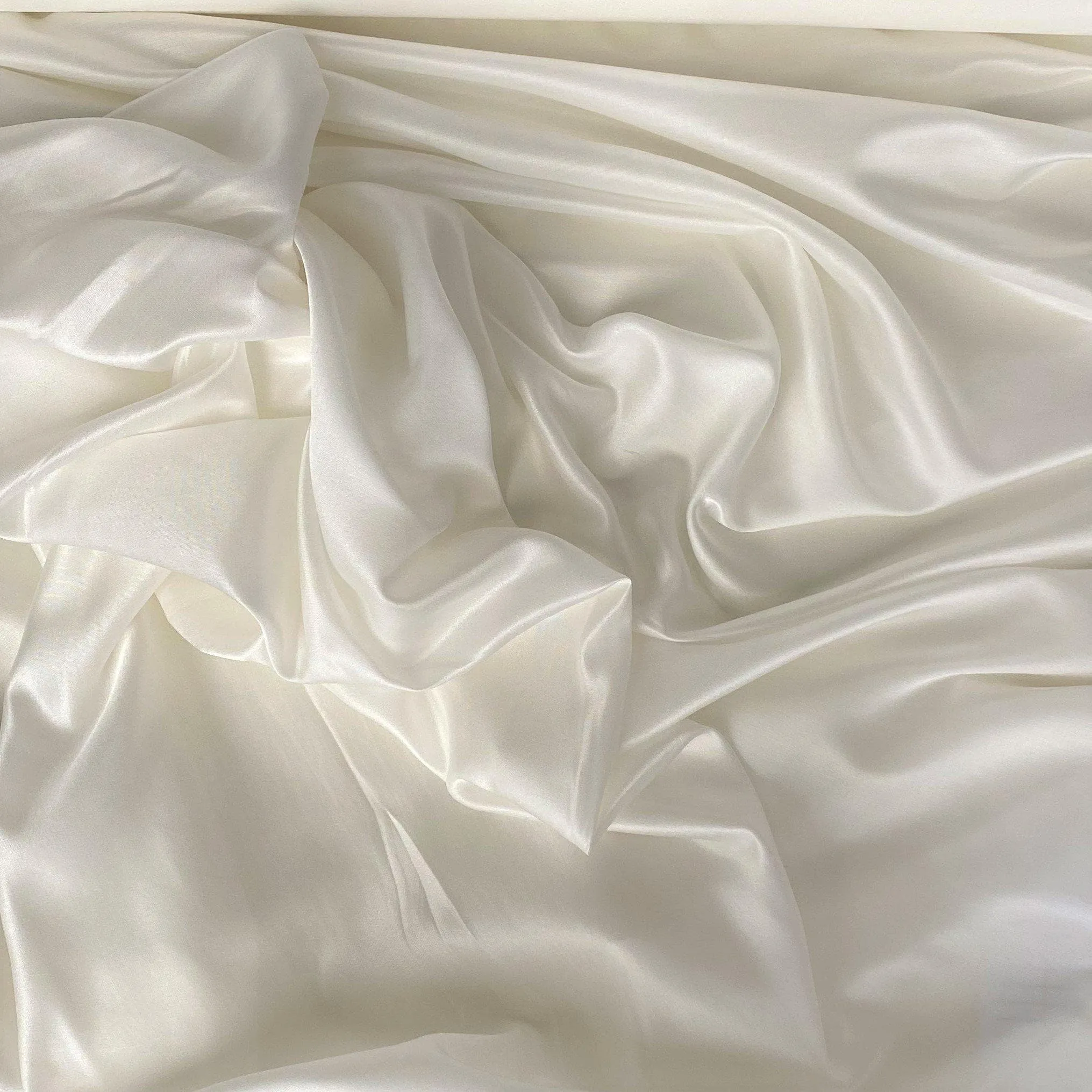
Cotton and polyamide offer very different experiences.
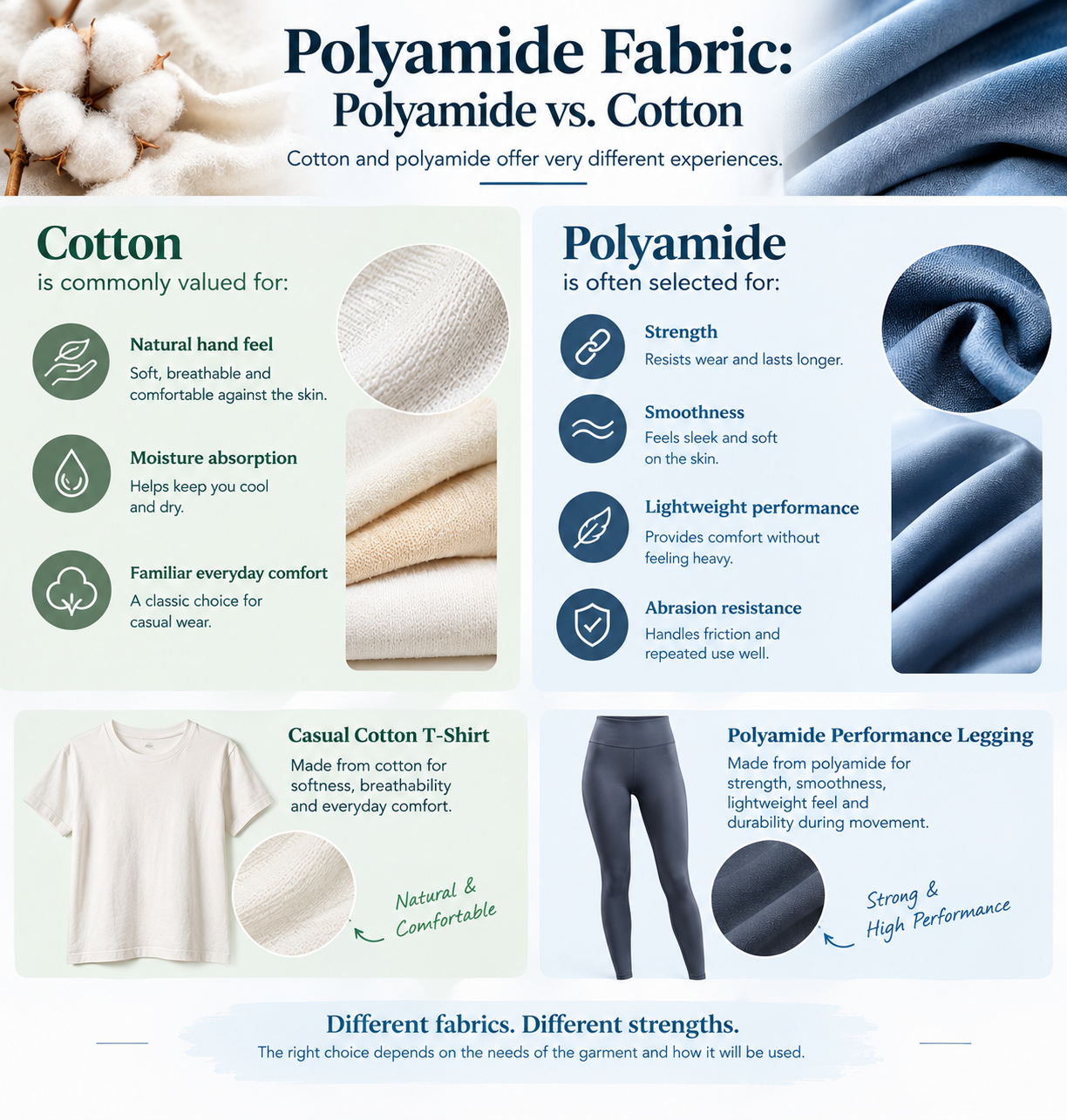
Cotton is commonly valued for:
- Natural hand feel
- Moisture absorption
- Familiar everyday comfort
Polyamide is often selected for:
- Strength
- Smoothness
- Lightweight performance
- Abrasion resistance
For example: Casual Cotton T-Shirt isn’t Polyamide Performance Legging. The garments have different performance requirements.
Conclusion / Final Words
Polyamide fabric has remained a staple in the textile world because it works. It is strong, stretchy, and fast-drying—qualities that are essential for everything from high-performance athletic gear to rugged industrial products. While it presents challenges in breathability and sustainability, the rise of recycled nylon is helping to reduce its environmental footprint. At Mekong Garment, we utilize advanced polyamide blends to ensure your collections deliver both the durability and the polished, silky finish your customers expect.
FAQs About Polyamide (Nylon) Fabric
In short, What is Polyamide (PA)?
Polyamide, often shortened to PA, is a group of synthetic fibers made from long chains of molecules connected by amide bonds. In the fashion and textile world, PA usually refers to nylon, one of the most widely used man-made fibers today. It is known for being light, smooth, strong, and naturally stretchy. Because of these qualities, polyamide is used everywhere from yoga leggings and swimwear to backpacks, ropes, and industrial safety gear.
Is PA the same as Nylon?
Yes. In everyday textile usage, Polyamide = Nylon. The difference is mainly in naming: “Polyamide” is the scientific name. “Nylon” is the commercial/trade name created by DuPont. Codes like PA 6 and PA 6.6 represent different types of nylon made from different chemical processes. They behave similarly, so most people simply call them “nylon.”
Is Polyamide breathable?
Not very. Polyamide has low breathability, which means air does not pass easily through the fibers. This can make the fabric feel a bit warm or less airy compared to cotton or viscose. However, PA dries very fast, which helps reduce the discomfort of sweat. That’s why it is still used a lot in sportswear and swimwear where quick-drying ability matters more than breathability.
Does Polyamide feel hot when worn?
It can. Because PA traps heat more easily, wearing 100% polyamide garments in tropical or humid climates may feel a bit warm. The good news is that when PA is blended with cotton, viscose, or elastane, the comfort level improves a lot. These blends balance stretch, smoothness, and breathability, making them easier to wear in hot weather.
Is Polyamide good at absorbing sweat?
Polyamide does not absorb much sweat, but it is excellent at releasing moisture quickly. Instead of holding water, PA spreads moisture across the surface of the fiber so it can evaporate fast. This makes PA ideal for activewear, swimwear, and gym clothing because it keeps you feeling light and dry while moving.
Is Polyamide durable?
Yes, extremely. PA is one of the strongest fibers in the textile industry. Nylon was originally used for parachutes, ropes, and military gear during World War II because of its impressive durability. In clothing, PA helps garments keep their shape, resist tearing, and handle constant stretching. That’s why it’s used in leggings, socks, tights, and sportswear that need long-lasting performance.
Does Polyamide pill or form “bubbles”?
Yes. Polyamide is smooth, but it can pill (form tiny fuzz balls) when the fibers rub against each other or against rough surfaces. This happens most often on leggings, activewear, and areas with frequent friction like the thighs or elbows. To reduce pilling, manufacturers often blend PA with other fibers, use tighter knitting structures, or apply anti-pilling finishes.
Can Polyamide irritate the skin?
Usually no. PA fibers are smooth and gentle, so they typically feel comfortable even when worn close to the skin. That’s why they are common in underwear, swimwear, and sports bras. However, people with very sensitive skin may feel a bit warm or sticky when wearing pure PA fabrics. If that happens, PA-cotton or PA-viscose blends are more comfortable choices.
Does Polyamide stretch out or lose shape over time?
It can. While PA is naturally stretchy, repeated washing, drying, and long-term wear can make the fabric lose some of its firmness. When PA is blended with elastane (spandex), the fabric keeps its shape much better. That is why most leggings, tights, and sportswear combine PA with 10–25% elastane.