

You make garments for export? samples are not “extra steps.” They are your safety net. A sample helps the buyer and the factory agree on the same thing before bulk starts. It protects you from common problems like wrong measurements, wrong trims, poor fit, and costly rework. That said, here’s the hard truth: not every order needs all sample types. Some brands ask for every sample. Some ask for only a few. If you skip the wrong one, the risk goes up fast. In this guide, you’ll learn the 8 most common sample types in export garment production, what each one is for, and how to choose a smarter sampling plan.
Types of Garment Samples In Garments Factory:
- Prototype Sample in Garment Production? (And How to Make One Step-by-Step)
- Fit Sample and Why You Need It in Garment Production.
- Size Set Sample: What It Is, Why You Need It.
- Counter Sample in Garment Manufacturing? (And Why Brand Owners Need It)
- Salesman Sample, And When Do You Really Need One?
- Pre-Production Sample (PP Sample) in Garment Manufacturing, and Why It Matters More Than You Think
- Top Production Sample (TOP Sample), and Why Brand Owners Actually Need It
- Shipment Sample in Garment Manufacturing?
What is Garment Sampling in Bulk Production?
Garment sampling in bulk production means making a small number of pieces before you start mass cutting and sewing. These samples act like a “test run” to confirm the design, measurements, fit, trims, and workmanship standards are correct. It helps both the buyer and factory spot problems early when fixes are still cheap and fast. if you skip sampling to “save time,” you often lose more time later through rework, delays, and quality claims. Garment sampling means making a small number of pieces before mass production. It helps you confirm:
- Design details (shape, seams, pockets, trims)
- Fit and measurements
- Fabric behavior (shrinkage, stretch, drape)
- Sewing method and finishing
- Packaging and labeling for shipment
Think of sampling as the “trial run” that saves you from big mistakes.
The 8 most common types of garment samples
1) Prototype Sample (Proto Sample)
A prototype sample is the first real look at your design in fabric form. It helps the buyer and factory confirm they’re thinking about the same details shape, panels, pockets, and stitching. At this stage, the goal isn’t perfection. The goal is to catch misunderstandings early, before you waste time on the wrong direction.
- What it is: The very first physical sample based on the tech pack or reference.
- Purpose: Confirm you and the buyer understand the design the same way.
- What to check: Overall look and style details, Basic construction, Key measurements (not always final yet)
- Reality check: Proto is often not made with final fabric. If a buyer treats Proto like a final sample, it creates confusion later.
=> Read More: What Is a Prototype Sample in Garment Production? (And How to Make One Step-by-Step)


2) Fit Sample
A fit sample is made to answer one question: Does it fit the body the way the buyer expects? This sample focuses on balance, comfort, and key measurements in one chosen size. Even if the fabric isn’t final, the fit must be close to final. If the fit is wrong here, bulk production will only multiply the problem.
- What it is: A sample made to test fit on a model or mannequin.
- Purpose: Confirm the garment fits correctly for the chosen size.
- What to check: Fit balance (front/back), sleeve length, shoulder, chest, waist, hip, comfort and movement
- Common mistake: Approving fit while saying “small issue, fix in bulk.” If you can’t fix it in sampling, bulk will be worse.
=> Read More: What is a Fit Sample and Why You Need It in Garment Production
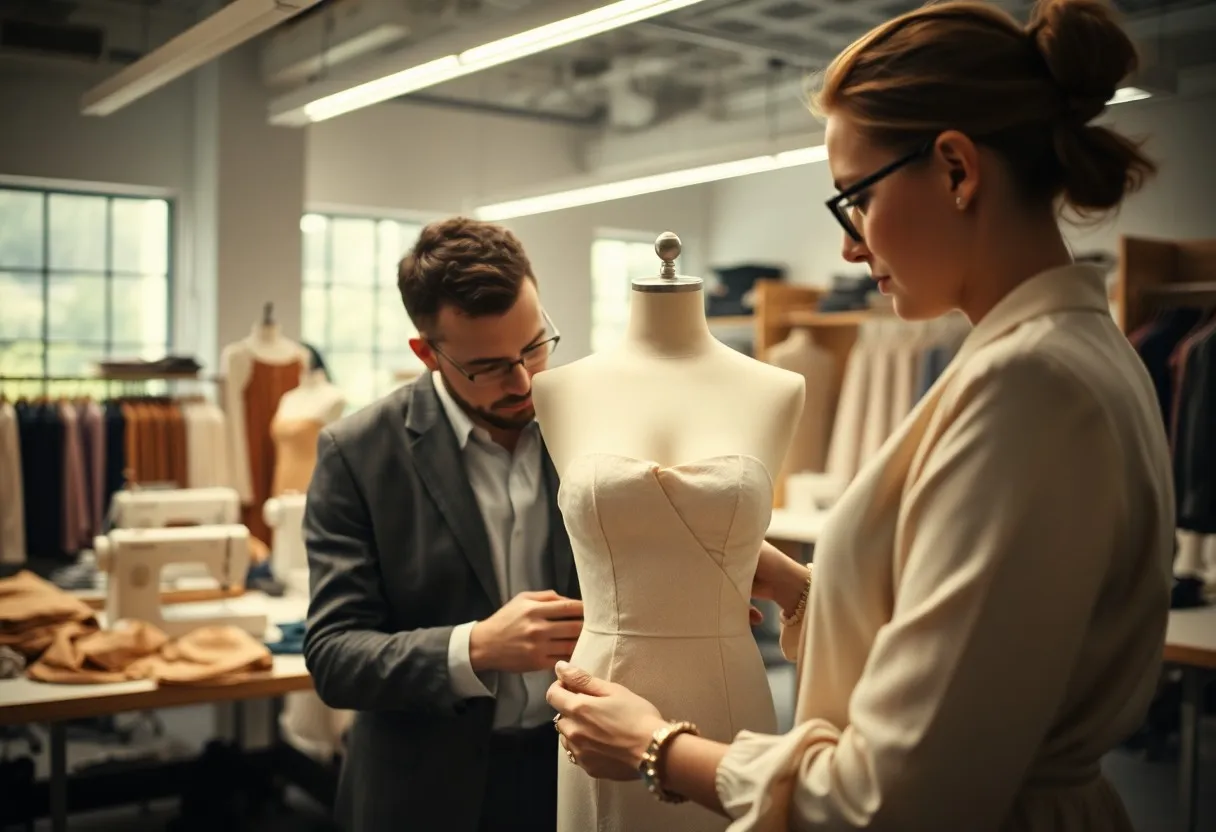
3) Size Set Sample
A size set sample checks whether the garment looks and fits right across the full size range. It’s where you confirm grading not just numbers, but proportions and shape in each size. This step is especially important for fitted styles, because small grading mistakes can cause big returns. Think of it as your “proof” that every customer size will still look like the same product.
- What it is: Samples made in multiple sizes (S/M/L/XL…).
- Purpose: Confirm grading across the full size range.
- What to check: Size jumps are correct, Proportions look right in every size, No weird fit in smallest or largest size
Some buyers skip size set to save time. That’s risky for fitted items like pants, blazers, dresses, or stretch styles.
=> Read More: Size Set Sample: What It Is, Why You Need It

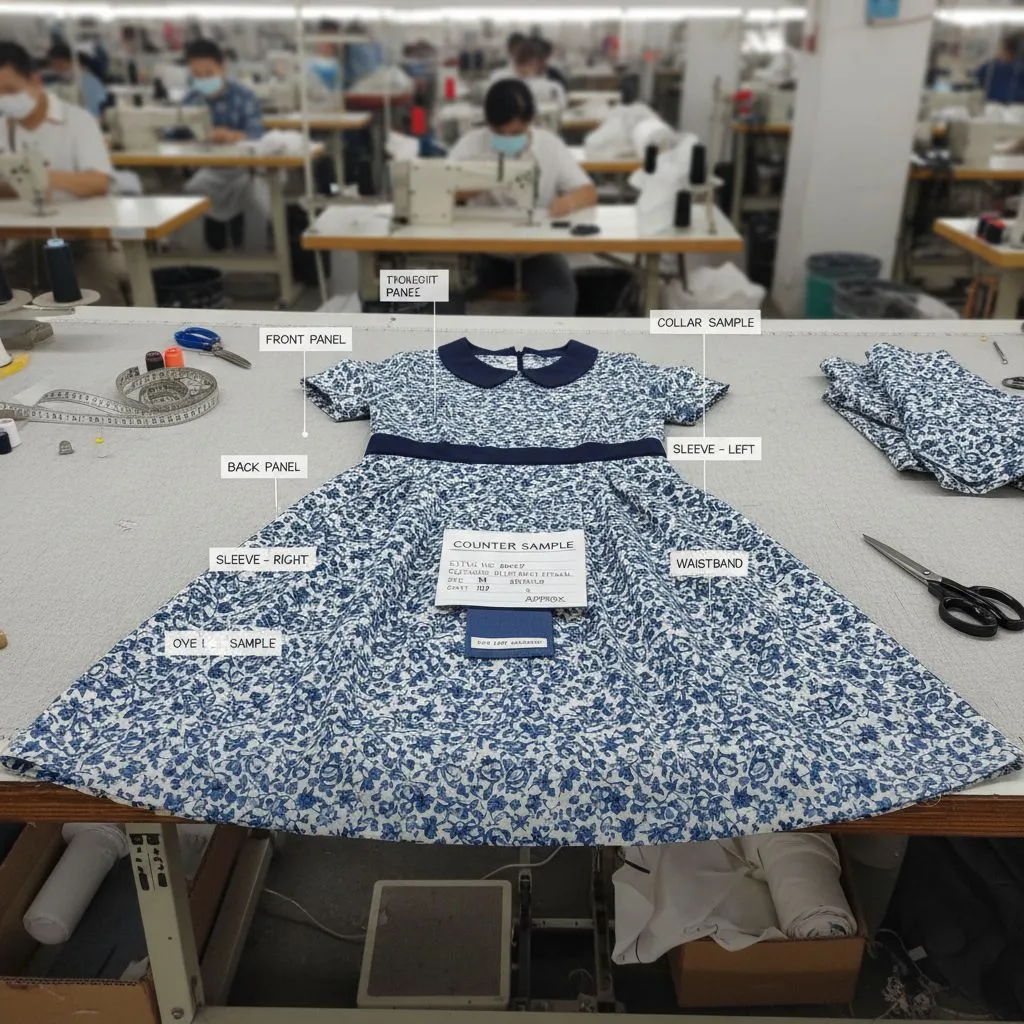
4) Counter Sample (Factory Counter)
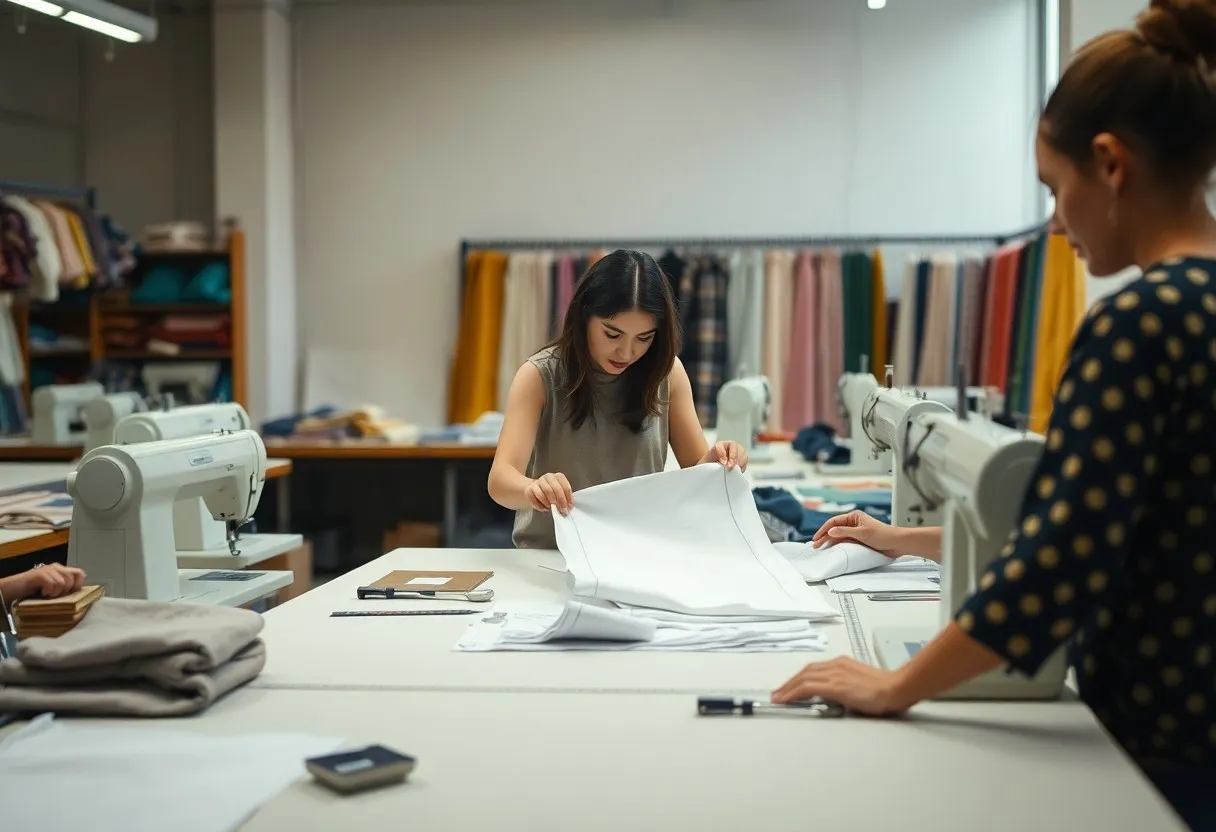
A counter sample shows how the factory interprets the tech pack and turns it into a workable production method. It often includes small factory adjustments that may improve durability or efficiency. This is where misalignment can hide, because the garment looks “almost right” but key details may differ. Clear comments here prevent future arguments.
- What it is: A sample made by the factory to show how they interpret the buyer’s specs.
- Purpose: Align on details and factory execution method.
- What to check: Any changes the factory made (even small ones), Construction feasibility, Stitch type, seam allowance, finishing
- Common dispute: Buyer thinks it’s “just a sample,” but factory treats it like “approved direction.”
So always document comments clearly.
=> Read More: What Is a Counter Sample in Garment Manufacturing? (And Why Brand Owners Need It)
5) Salesman Sample (SMS)
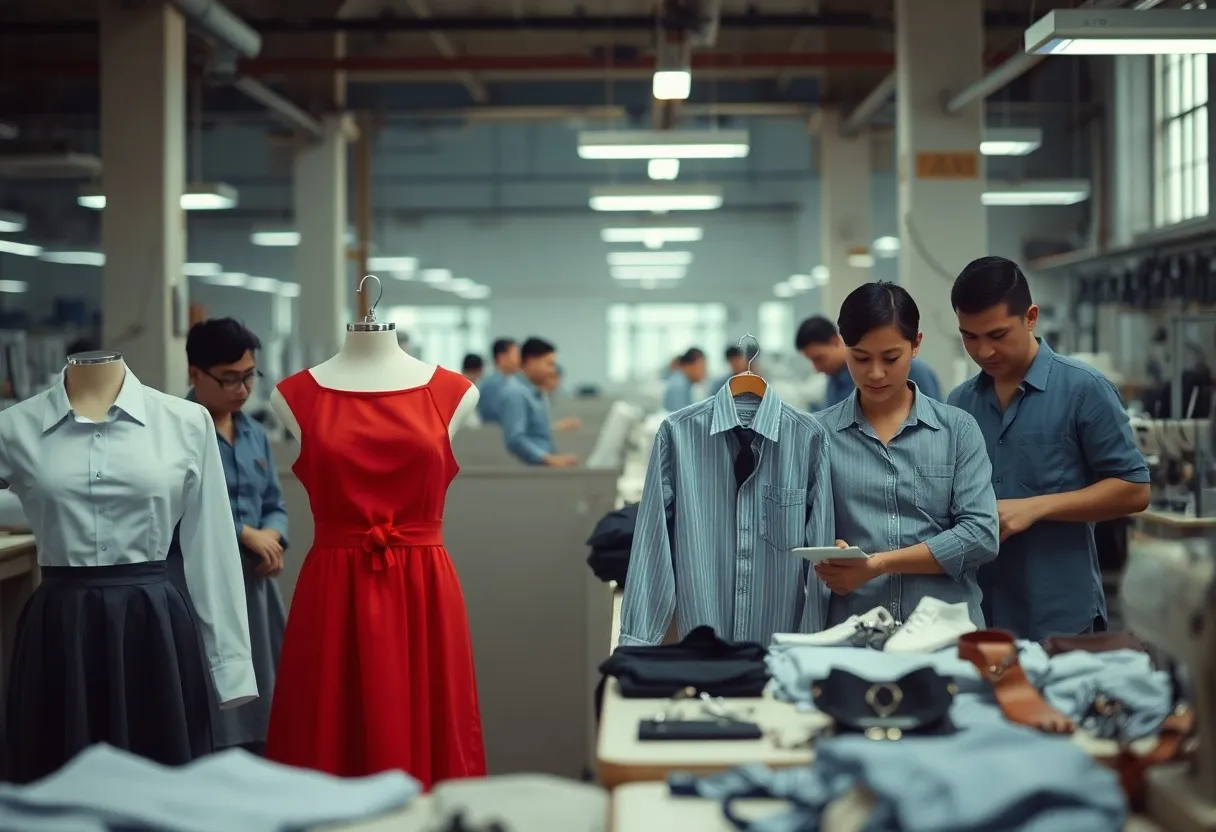
A salesman sample is built to sell the product, not to test production. Brands use it for showrooms, photos, buyer meetings, and early marketing. Because it’s a selling tool, visual finish matters a lot clean stitching, good presentation, and correct styling. If your buyer doesn’t do pre-sales, this step may be optional.
- What it is: A sample used for selling, showroom display, photos, or marketing.
- Purpose: Help the brand sell the product before bulk arrives.
- What to check: Visual quality, styling details, fabric appearance and color look
- Reality check: If your buyer does not do pre-sales or shows, SMS may be unnecessary. It can add cost without real production value.
=> Read More: What Is a Salesman Sample, And When Do You Really Need One?
6) Pre-Production Sample (PP Sample / PPS)
A pre-production sample is the final “master reference” before bulk starts. It should reflect the correct materials, trims, labels, measurements, and workmanship standards. Approving PPS means the buyer agrees: “This is exactly what we will produce.” If something is still pending (like trims), calling it PPS can create confusion and costly rework.
- What it is: The final approved sample before mass production.
- Purpose: This is the “master reference” for bulk production.
- What to check (very carefully): Final fabric, color, trims, labels, Measurement accuracy, Stitching standard and workmanship, Washing, shrinkage allowance (if needed), Packaging method (if buyer requests)
Golden rule: Do not start bulk until PPS is approved in writing.
=> Read More: What Is a Pre-Production Sample (PP Sample) in Garment Manufacturing, and Why It Matters More Than You Think
7) Top of Production Sample (TOP Sample)
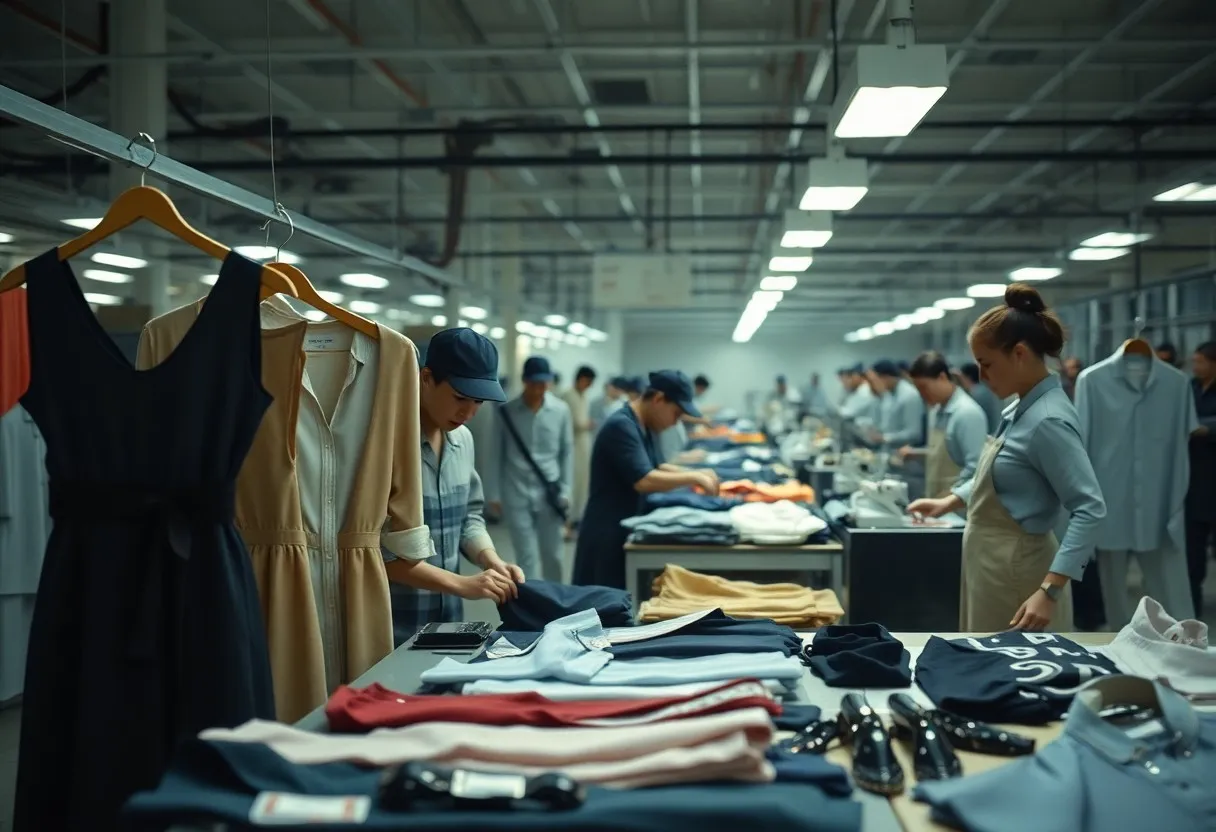
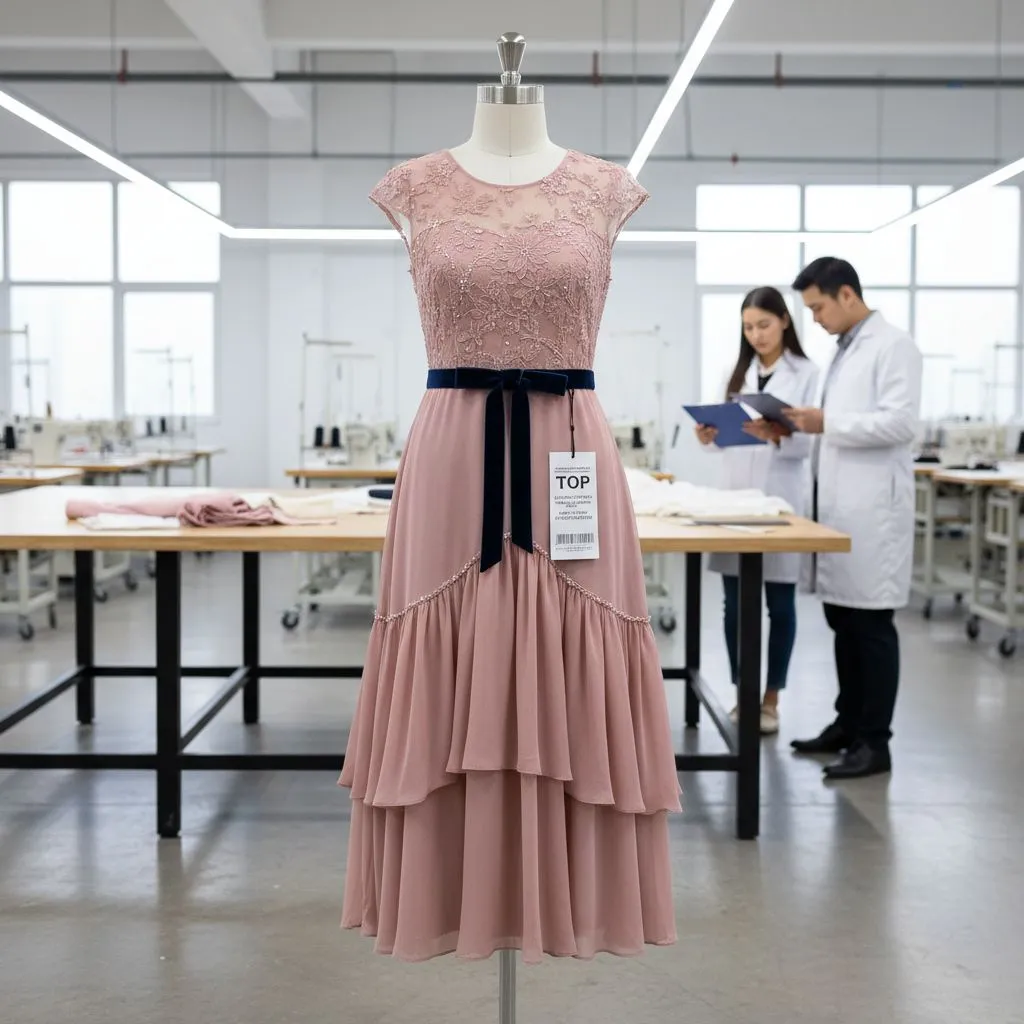
A TOP sample is taken from the real production line, not the sample room. It confirms the factory can repeat the approved standard under real line conditions—real machines, real operators, real pace. This is where line issues show up early: measurement drift, uneven stitching, wrong handling. If TOP is clean, bulk production is much safer.
- What it is: The first sample taken from the real production line (not sample room).
- Purpose: Confirm the production line can match PPS at scale.
- What to check: Line quality consistency, measurements stay stable, finishing is correct, operator method is aligned
- Important: TOP is where you catch “line problems” early, before 5,000 pcs become a headache.
=> Read More: What Is a Top Production Sample (TOP Sample), and Why Brand Owners Actually Need It
8) Shipment Sample

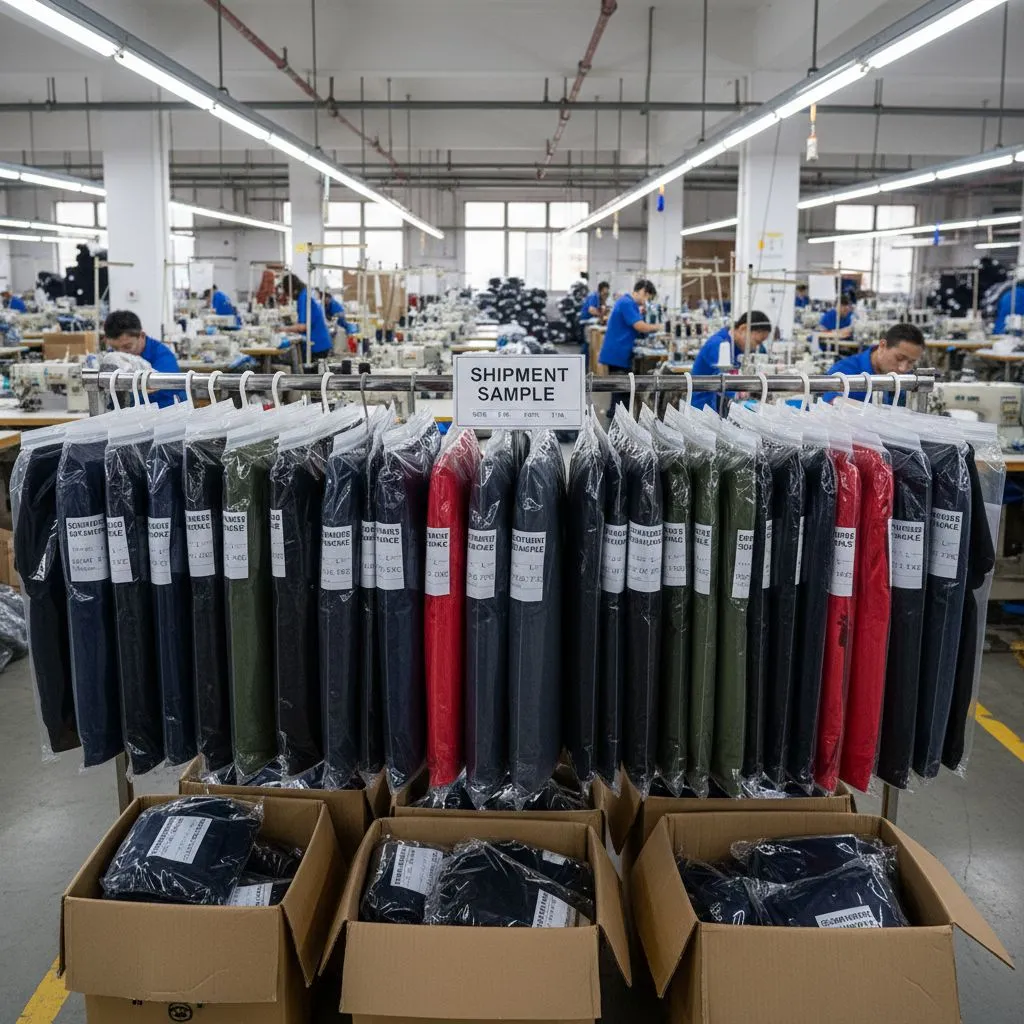
A shipment sample is pulled from finished goods that are packed the same way as the actual shipment. It confirms final appearance, labeling, folding, polybagging, and carton presentation. This sample is also a “future-proof” document useful if the buyer raises a claim later. In export orders, shipment samples help reduce disputes because they show what was shipped.
- What it is: A sample taken from finished goods, fully packed and labeled.
- Purpose: Confirm what is actually being shipped and keep evidence.
- What to check: Final labels, hangtags, barcodes, folding, polybag, carton marking, final appearance and defects, documentation matches what’s packed
- Why it matters: If there is a claim later, shipment sample is strong proof.
=> Read More:What Is a Shipment Sample in Garment Manufacturing?
Do You Really Need all 8 Sample Types?
Not always. If you do all 8 for every order, you may waste time and money. But if you skip the wrong ones, you may lose far more in rework, delays, and chargebacks. So the best approach is risk-based sampling. Sample types are not a “full set to collect.” They’re risk checkpoints. If your style is simple, your factory is proven, and your fabrics are stable, doing every single sample can slow your launch for no real gain. But if you’re working with a new supplier, new fabric, complex construction, or strict branding details, skipping the wrong sample can turn into bulk defects, delays, and costly rework.
Recommended sampling plans (based on risk)
Plan A: “Minimum Safe Plan” (fast but not reckless)
Plan A is a lean sampling path for teams that want speed without gambling on bulk quality. It keeps only the sample stages that catch the biggest, most expensive mistakes early design alignment, fit confirmation, and a true pre-production reference. This plan works best when you’re doing a repeat style, the factory is reliable, and materials are stable. But here’s the catch: if your style is new, the fit is tricky, or the buyer is strict, Plan A can be too thin and you may pay for it later in rework and claims.
Best for: repeat orders, simple basics, trusted buyer.
- Proto
- Fit (or direct PPS if repeat)
- PPS
- TOP (at least internal TOP)
- Shipment sample (recommended for export)
Plan B: “Standard Export Plan” (most common)
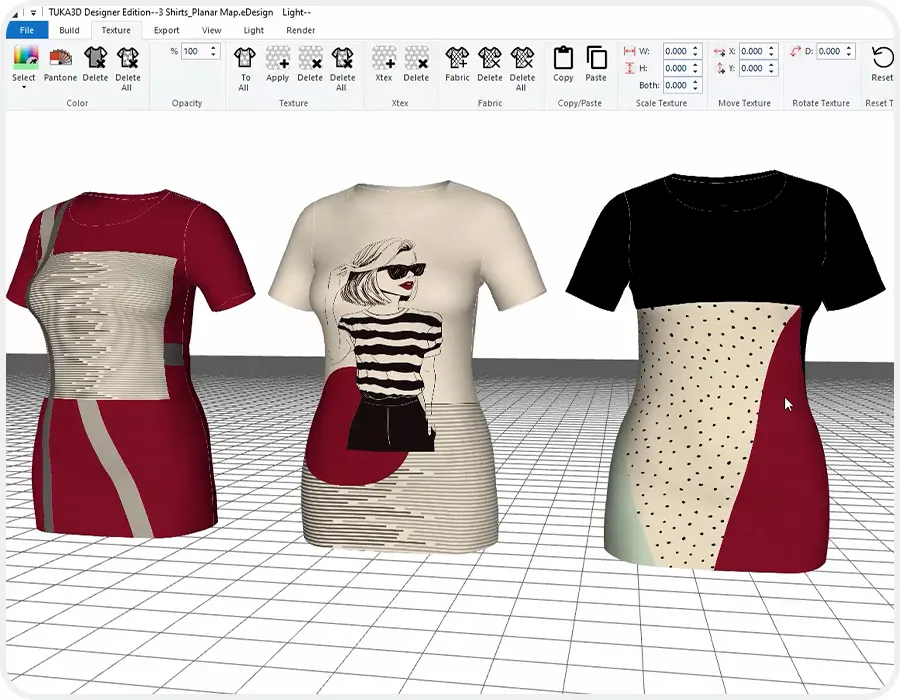
Plan B is the go-to sampling flow for most export orders because it balances control and speed. It adds the Size Set step, which is where many export problems are caught grading issues, proportion drift, and inconsistent fit across sizes. This plan is a strong choice for new styles or moderate complexity, especially when the buyer wants fewer surprises. If you skip or rush Size Set here, you may ship “perfect” samples but still get bulk complaints in specific sizes.
Best for: new styles, medium complexity.
- Proto
- Fit
- Size Set
- PPS
- TOP
- Shipment sample
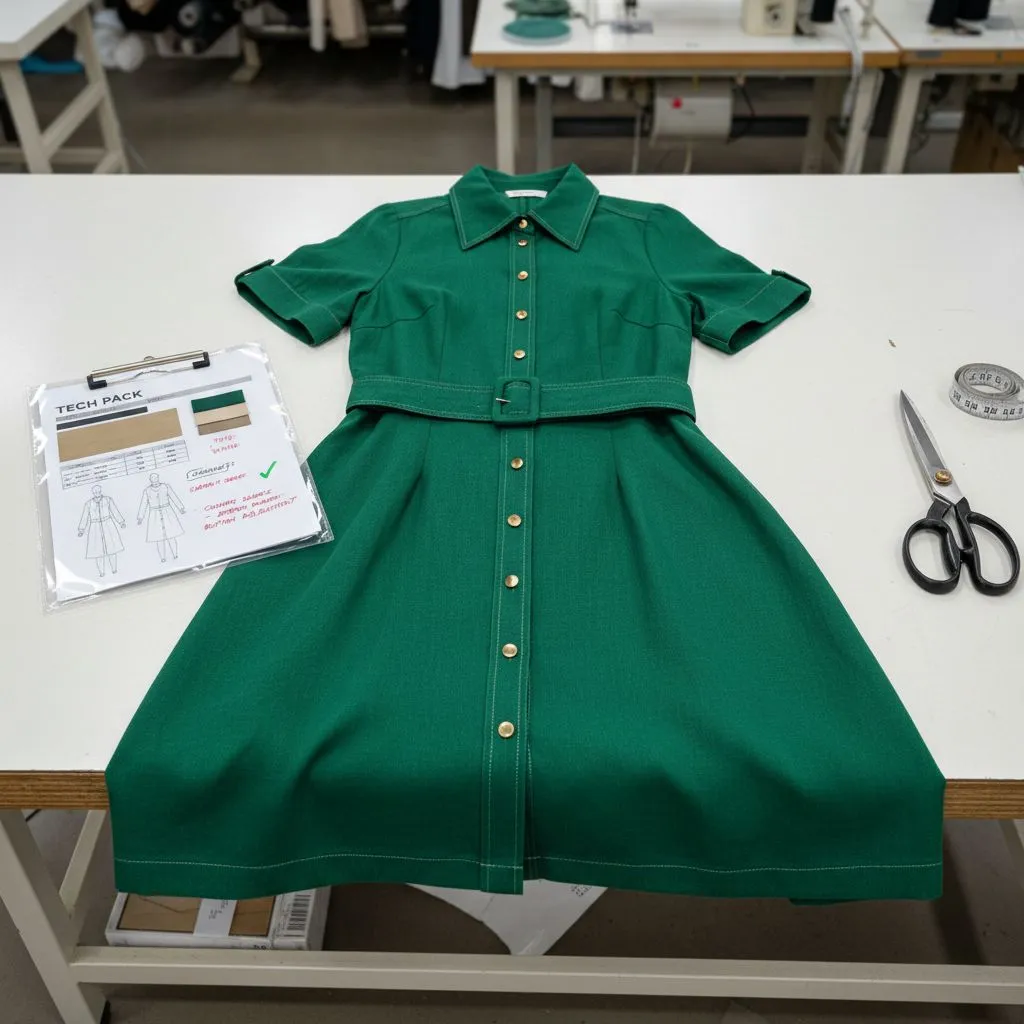
Plan C: “Strict Buyer Plan” (high risk / big retailers)
Plan C is built for situations where mistakes are expensive and buyers don’t forgive them big retailers, high-volume orders, or strict compliance markets. It uses the full sampling process to lock down design, fit, grading, production execution, and final packing proof step by step. This plan feels slower, but it often saves time overall by avoiding stop-start production and chargebacks. If you follow Plan C but don’t manage timelines and approvals tightly, you can get stuck in endless sample rounds so version control and clear sign-off rules are a must.
Best for: large orders, sensitive compliance, new factory.
- All 8 types
Final thoughts / Conclusion
Sampling is not about making the buyer “happy.” It’s about making sure bulk production is safe. If you want to move faster, don’t skip sampling blindly. Instead, choose the right sample steps based on risk: new style, complex fit, new factory, or strict buyer = more sampling. Repeat style, stable materials = fewer sample rounds.
Our Contact Information – MEKONG GARMENT FACTORY
- Vietnam Phone: +84 947 729 829
- WeChat: +84 947 729 829
- WhatsApp: +84 947 729 829
- Email: hanh@kimmy.vn
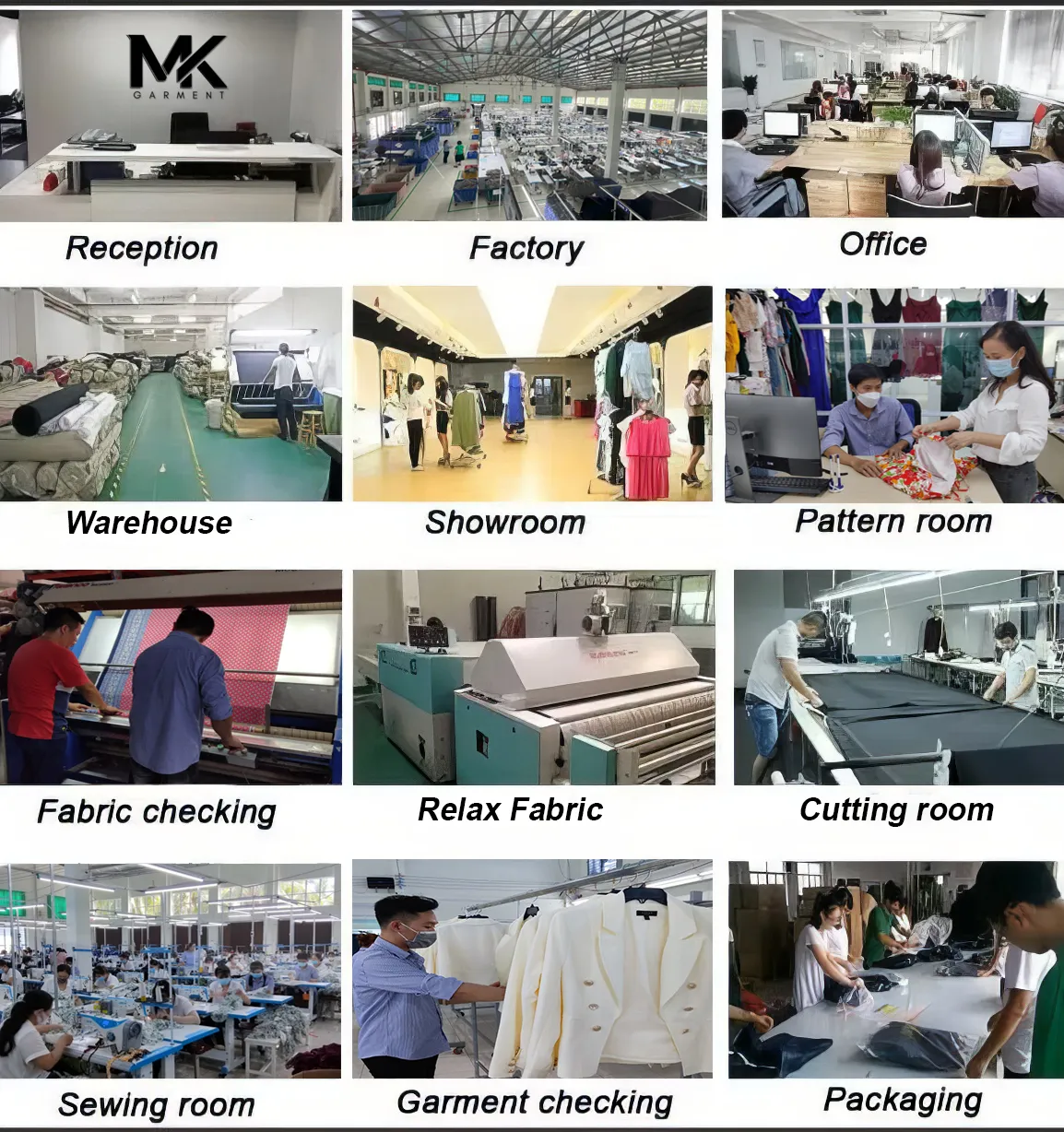
FAQs About 8 Types of Garment Samples You Need for Bulk Orders
What are the 8 main sample types in export garment production?
Common sample types include Prototype (Proto), Fit, Size Set, Counter, Salesman (SMS), Pre-Production (PPS/PP), Top of Production (TOP), and Shipment Sample. Each stage reduces a different kind of risk design, fit, grading, line execution, and packing proof.
Which sample is the most important?
Usually PPS (Pre-Production Sample) because it becomes the “master reference” for bulk. If PPS is unclear (wrong trims, pending labels), bulk decisions become guesswork.
Do all export orders need all 8 sample types?
No. That’s a common myth. Many orders use a risk-based plan: simple repeat styles may use fewer steps, while new styles or strict buyers need more.
Can we start bulk production before PPS approval to save time?
You can, but it’s a high-risk shortcut. If the buyer changes one detail after PPS, you may face rework, delays, or chargebacks. A safer compromise is to start only non-risk steps (like fabric inspection or planning) while waiting for approval.
Why is TOP sample important if PPS was already approved?
Because bulk quality problems often come from the line: operator method, machine settings, speed, handling. PPS approval doesn’t guarantee line consistency—TOP validates reality.
What’s the difference between PPS and TOP?
PPS is usually made under controlled conditions (sample room) to define the final standard.
TOP is taken from the real production line, proving the line can repeat the standard at scale.