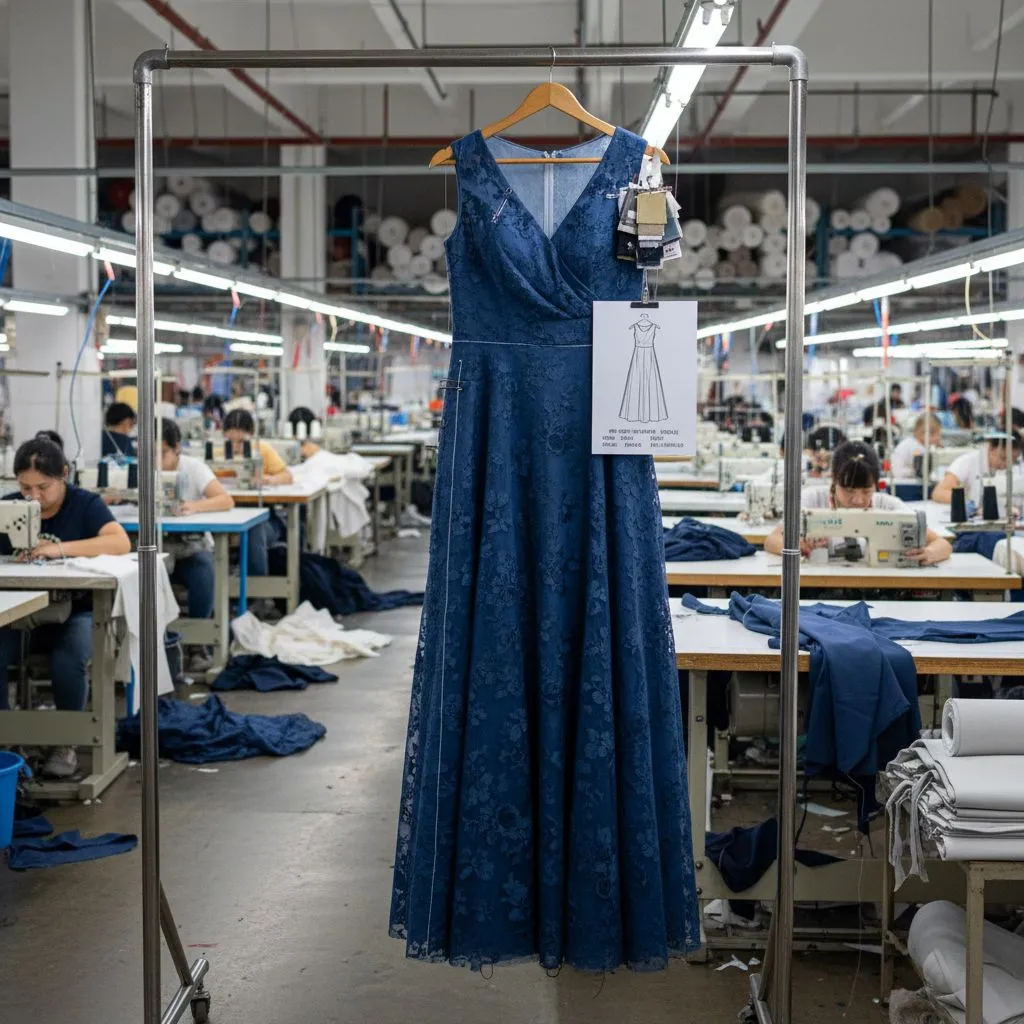
What Is a Pre-Production Sample (PP Sample) in Garment Manufacturing, and Why It Matters More Than You Think

In garment manufacturing, many costly mistakes don’t come from bad factories or poor workmanship. They come from skipping clarity before production starts. That is exactly where the Pre-Production Sample (PP Sample) plays a critical role. For brand owners, a PP sample is not “just another sample.” It is the last checkpoint before your design turns into thousands of irreversible garments. This article explains what a Pre-Production Sample really is, when you actually need one, and how to use it correctly so it protects your budget instead of slowing you down.
=> Related Article: 8 Types of Garment Samples You Need for Bulk Orders
Types of Garment Samples In Garments Factory:
- Prototype Sample in Garment Production? (And How to Make One Step-by-Step)
- Fit Sample and Why You Need It in Garment Production.
- Size Set Sample: What It Is, Why You Need It.
- Counter Sample in Garment Manufacturing? (And Why Brand Owners Need It)
- Salesman Sample, And When Do You Really Need One?
- Pre-Production Sample (PP Sample) in Garment Manufacturing, and Why It Matters More Than You Think
- Top Production Sample (TOP Sample), and Why Brand Owners Actually Need It
- Shipment Sample in Garment Manufacturing?
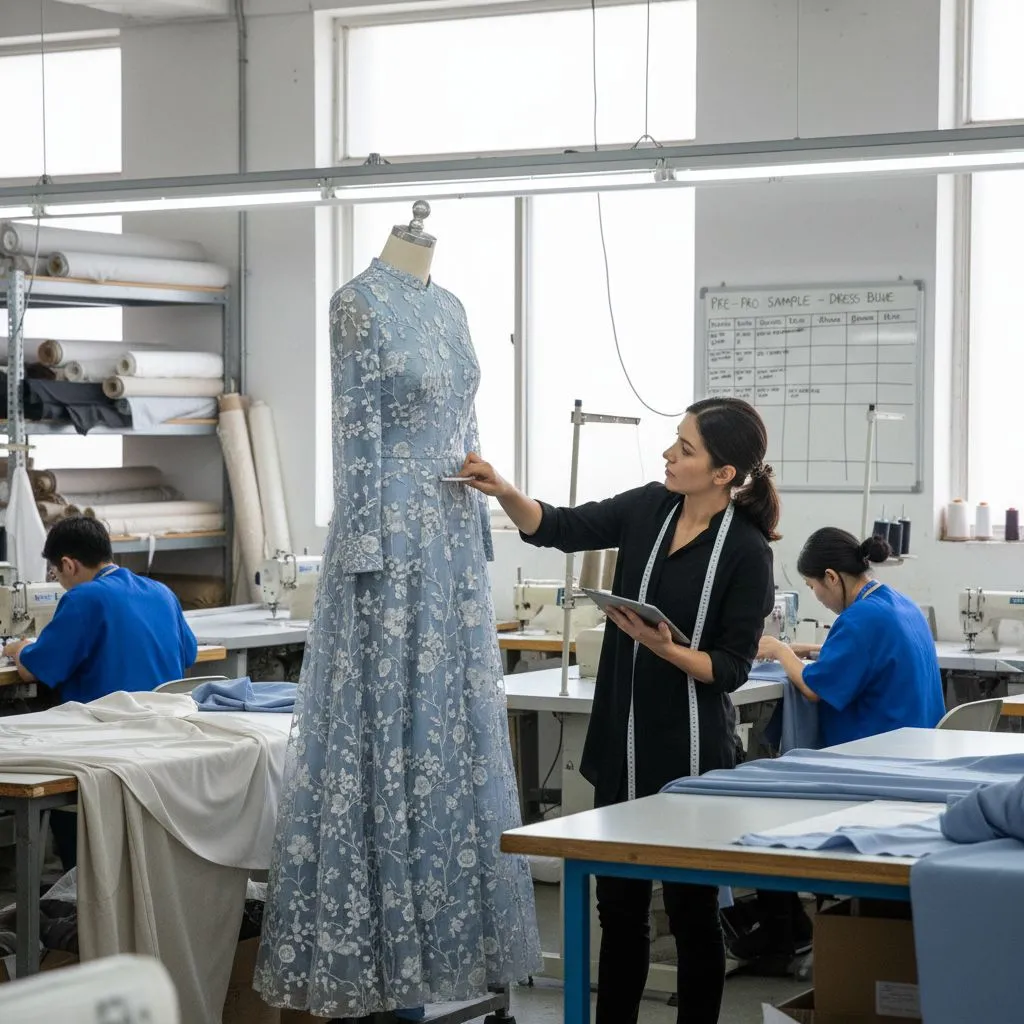
What Is a Pre-Production Sample (PP Sample Full Form)?
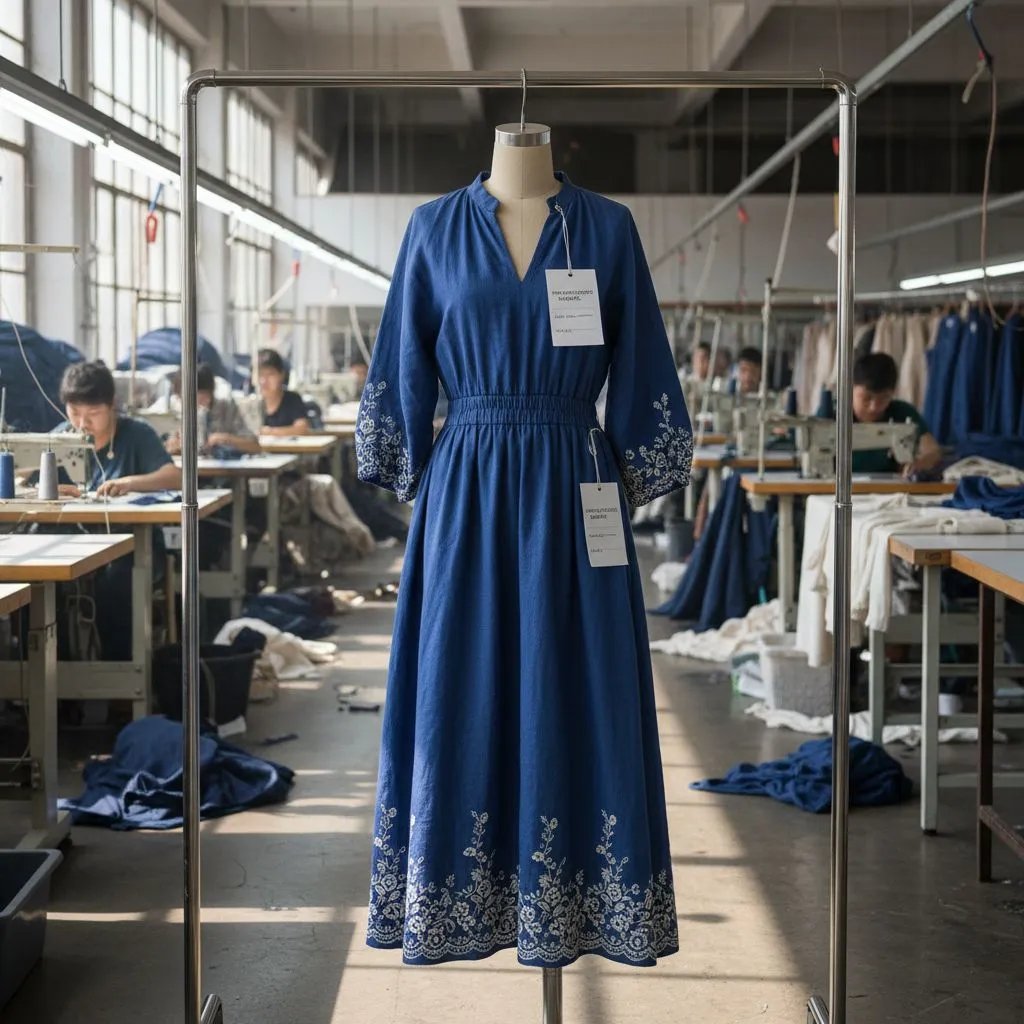
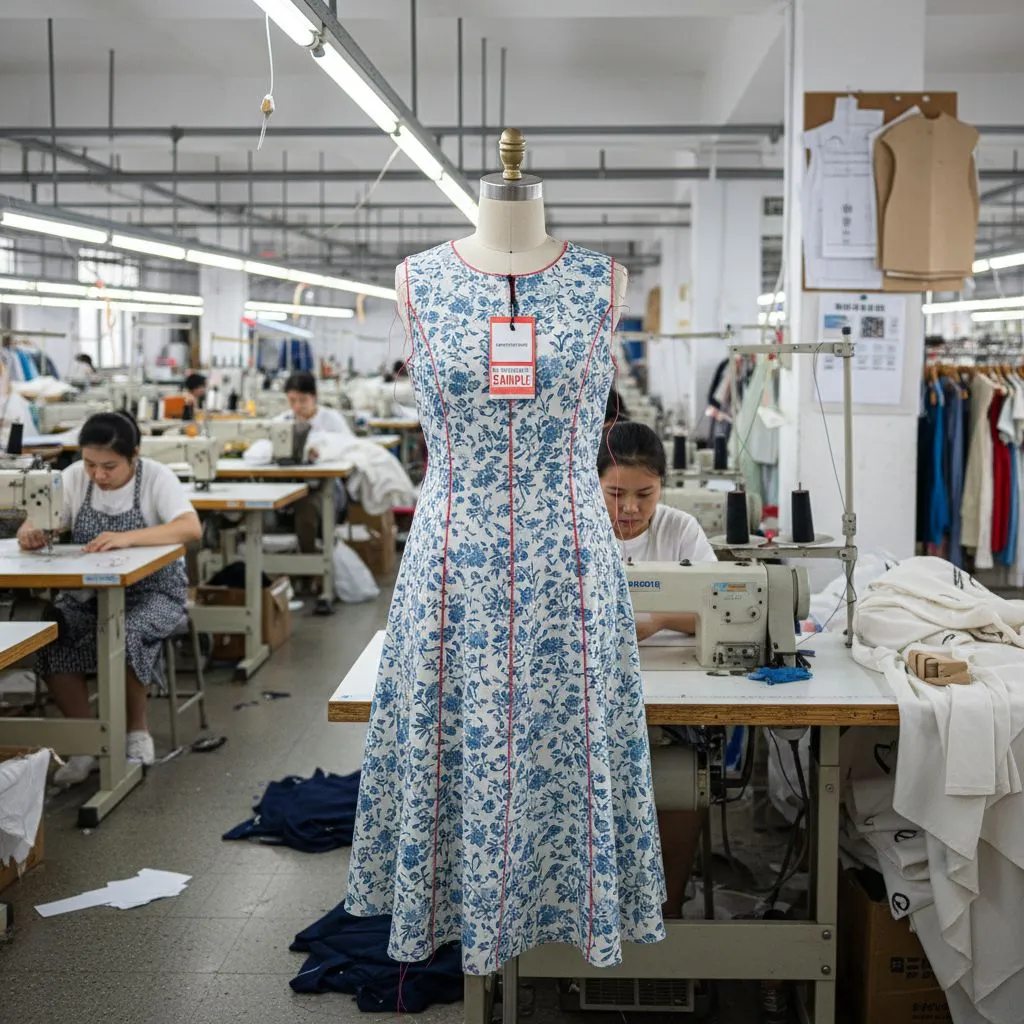
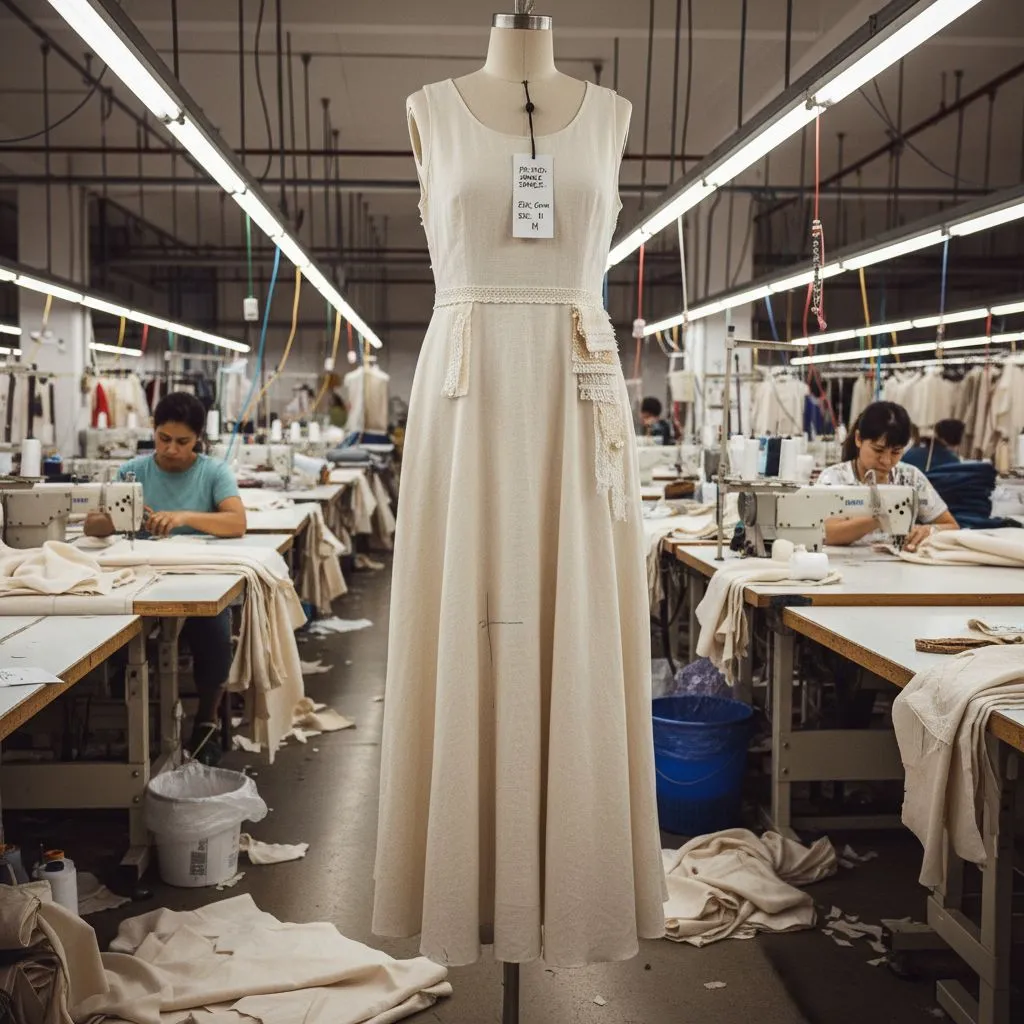
A Pre-Production Sample (PP Sample) is a fully finished garment made after all design and technical details are finalized, but before bulk production begins. Think of it as the factory’s promise in physical form: “This is exactly what we will mass-produce.” Unlike early samples, the PP sample is expected to reflect the final reality of your product, including:
- Final pattern and fit
- Final fabric or approved equivalent
- Final color tone and dye method
- Final trims and accessories (buttons, zippers, labels, packaging)
- Final construction and stitching standards
Once approved, the PP sample becomes the main reference point for bulk production, inline inspection, and final quality control.

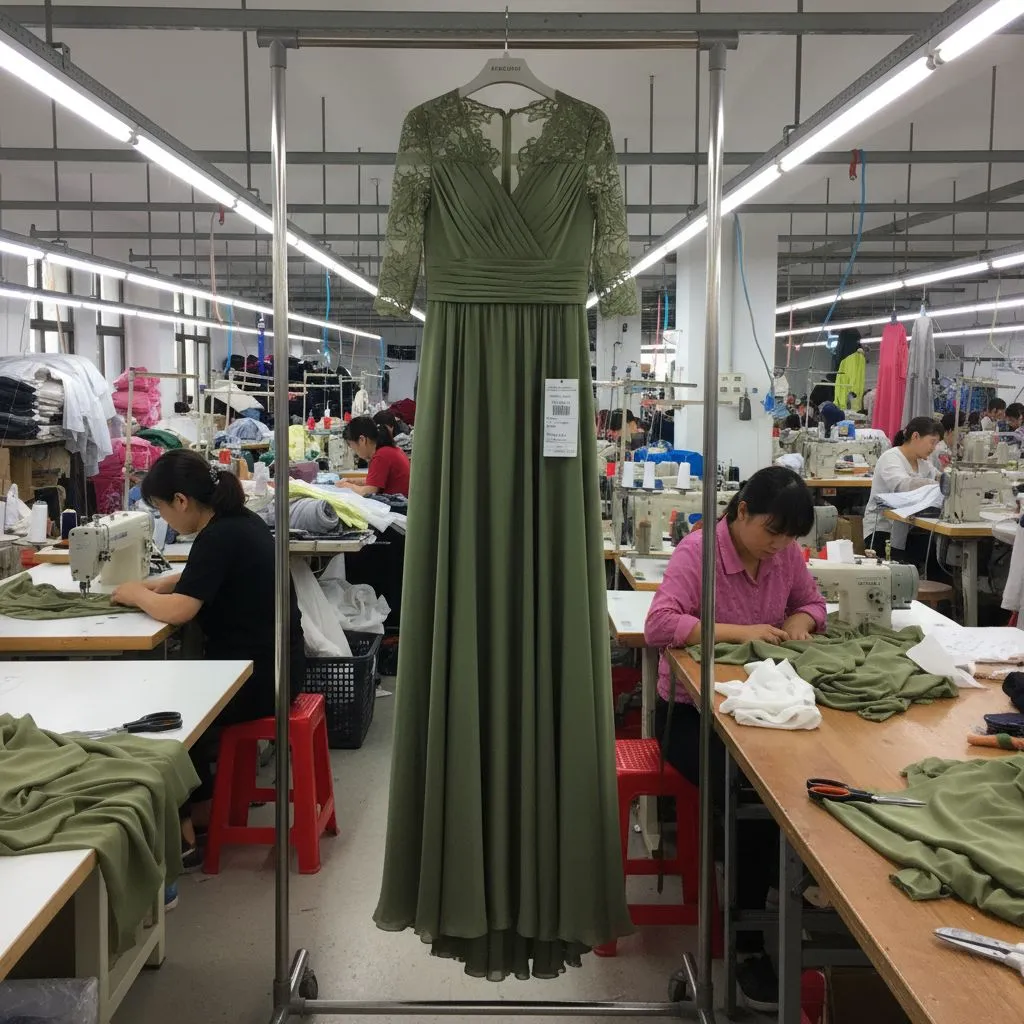
PP Sample vs Other Garment Samples (Why PP Is Different)
Brand owners often confuse PP samples with other sample types. That confusion leads to wrong expectations. A PP sample is not for experimenting. It is for confirmation and accountability.
| Sample Type | Main Purpose | When It Is Used | Key Question It Answers |
|---|---|---|---|
| Prototype / Development | Test design concept | Early stage | Does this idea work in real fabric? |
| Fit Sample | Adjust fit and silhouette | After initial pattern | Does it fit the body correctly? |
| Size Set Sample | Verify grading | After fit approval | Do all sizes scale correctly? |
| Salesman Sample | Support marketing/sales | Design confirmed | Is this product ready to sell visually? |
| Pre-Production (PP) | Confirm final product | Before bulk production | Is this exactly what we will produce? |
What Is the Real Purpose of a PP Sample?
Many brand owners think a PP sample is just a “final sample to check quality.” But that idea is a bit too small. A PP sample is really a risk-control tool. When you use it correctly, the PP sample doesn’t just check the garment it aligns the factory, your team, and QA on one shared standard before thousands of pieces are cut and sewn. A proper PP sample helps you:
- Confirm that the factory understands your tech pack exactly
- Detect design or construction issues before they multiply
- Align expectations between brand, factory, and QA
- Reduce bulk defects, rework, and delivery delays
- Create a physical benchmark for inspections
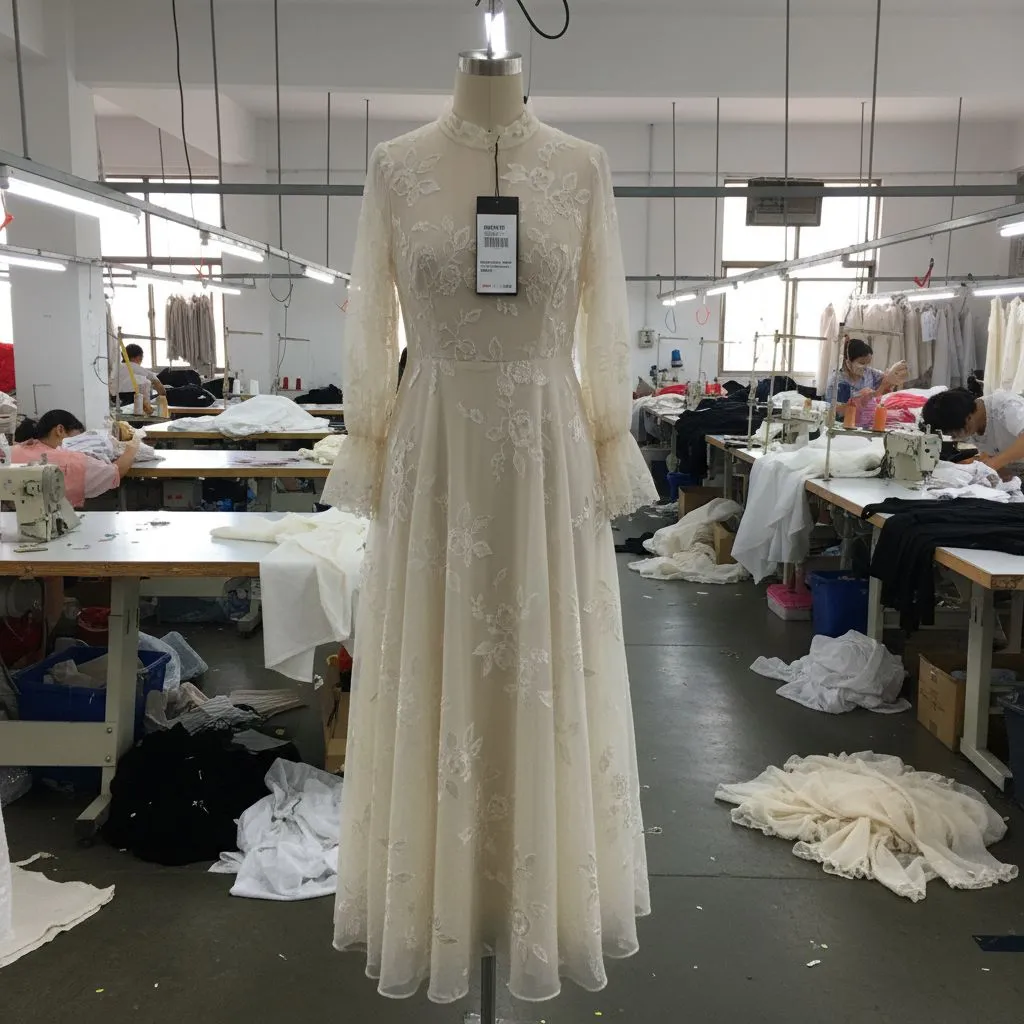
What Should a Brand Owner Check on a PP Sample?
Approving a PP sample isn’t about saying “looks good.” It’s about proving the factory can deliver your product the same way in bulk. This is the moment to catch small gaps before they turn into hundreds or thousands of defects. You should carefully verify:
- Fit & Silhouette: Does the garment match the approved fit sample?
- Fabric & Color: Is this the actual bulk fabric? Does it match the lab dip?
- Construction Quality: Stitch density, seam strength, edge finishing.
- Trims & Accessories: Correct button size, zipper type, label placement.
- Measurement Tolerance: Align with the spec sheet.
The PP Sample Process (Step-by-Step)
Knowing the step-by-step flow helps you manage timelines and avoid approving a PP sample that isn’t truly production-ready.
Step 1: Factory Receives Final Technical Documents
This includes the tech pack, BOM (Bill of Materials), and approved trims. The factory should receive the latest:
- Tech pack
- Measurement chart
- BOM
- Sample comments
- Artwork
- Fabric approvals
- Trim approvals
Step 2: Factory Reviews Production Risks
The team may identify difficult areas such as:
- Complicated collars
- Sensitive fabrics
- Difficult zippers
- Critical pocket placement
- Print alignment
- High shrinkage
Step 3: Factory Produces the PP Sample
The sample is made following bulk production logic. A PP sample made with shortcut methods is a false guarantee.
Step 4: Factory Performs Internal Review
Before submission, the factory should review:
- Measurements
- Workmanship
- Construction
- Materials
- Trims
- Previous comments
Step 5: Buyer or Buying Office Reviews the Sample
The result may be:
- Approved
- Rejected / Revise and Resubmit
- Conditionally Approved, depending on buyer procedure
Step 6: Comments Are Documented
Feedback should be specific and traceable. Instead of: “Improve quality.” use a more precise comment such as: “Reduce collar point length by 5 mm according to revised pattern.”
Step 7: Required Corrections Are Completed
If rejected, the factory may need to revise:
- Pattern
- Fabric
- Trim
- Artwork
- Construction
- Wash
Step 8: Approved PP Information Is Released to Production
The approved standard should be communicated to:
- Cutting
- Sewing
- Finishing
- Packing
- QA/QC
- Production management
Do You Actually Need a PP Sample?
When You Need?
You should insist on a PP sample when:
- It’s a new style or new fabric
- It’s a FOB / OEM order
- The order quantity is large
- You are working with a new factory
Smart brand owners use PP samples strategically, not automatically.
Can You Skip the PP Sample?
That depends on the buyer, product, supplier relationship, order size, risk level, and approved production process. Some repeat orders with stable: Factory, Pattern, Fabric, Construction, Trims. May use simplified approval procedures. But the better question is: “What is the risk of starting bulk production without this confirmation?”
Common Mistakes Brand Owners Make
- Approving PP without checking measurements.
- Accepting “similar fabric” without written confirmation.
- Rushing approval to protect deadlines.
- Failing to keep an approved PP as a control reference.
A PP sample reduces risk, it does not eliminate responsibility.
Final Thoughts: A PP Sample Is a Business Tool
Many brand owners see PP samples as a delay. In reality, a well-managed PP sample saves rework cost, protects delivery timelines, and improves long-term production consistency. If your product matters to your brand, then the PP sample is strategic.