
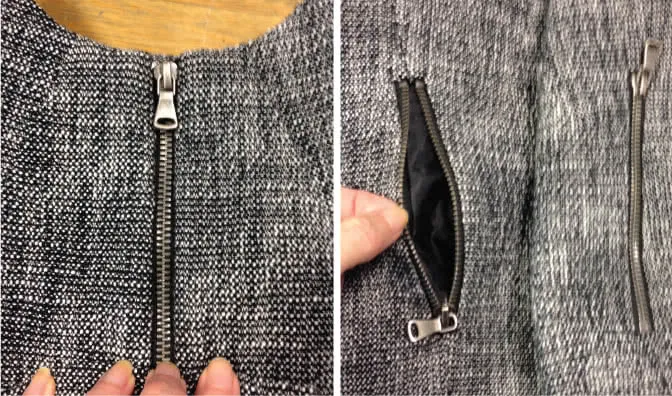

Zippers are small but mighty components that hold garments together and define both their look and function. A good zipper ensures ease of wear, enhances durability, and sometimes even adds to the design itself. Zippers are generally classified by material, function, and design purpose. Understanding these differences helps designers and manufacturers choose the best option for strength, flexibility, and style.
Zipper Types by Material
When you pick a zipper by material, you decide between metal, coil (nylon), and molded plastic, each affecting weight, flexibility, and appearance. Metal provides classic strength; coil is lightweight and flexible; molded plastic offers superior weather resistance.
Metal Zippers
Metal zippers are the oldest and most traditional type, recognized for their strength and classic look. They are made of brass, aluminum, nickel, or antique-finished metal firmly set into the tape. Each tooth is individually clamped, giving a solid interlocking mechanism.
- Advantages: Long lifespan, strong holding capacity, and premium visual appeal.
- Limitations: Can feel heavy and may corrode if exposed to extreme moisture.
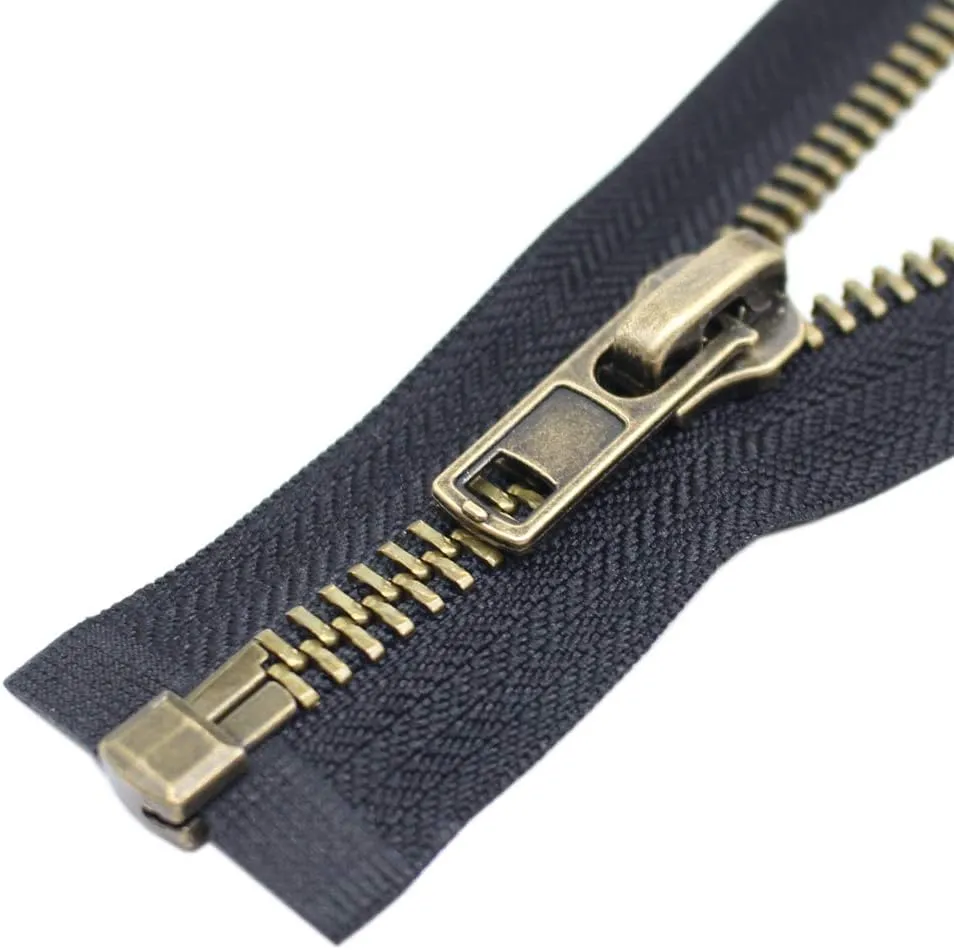
Common Uses: Jeans, denim jackets, leather garments, boots, and industrial uniforms.
Coil (Nylon) Zippers
Coil zippers use a spiral coil (nylon or polyester) stitched onto the tape. They are lightweight, flexible, and self-repairing—meaning they can often be re-aligned if mis-zipped.
- Advantages: Rust-resistant, easy to sew, and highly flexible.
- Limitations: Less durable for high-stress industrial applications compared to metal.
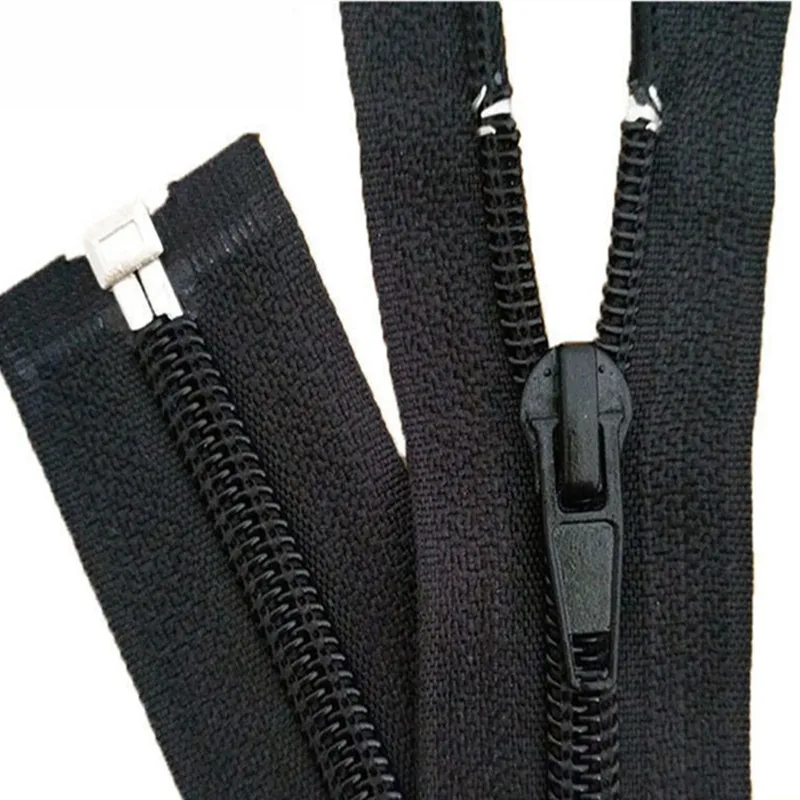
Common Uses: Dresses, skirts, sportswear, tents, and lightweight bags.
Molded Plastic Zippers
These feature individual teeth injection-molded directly onto the tape, usually made from polyacetal resin. They provide a balance of strength and extreme weather resistance.
- Advantages: Rust-proof, available in vibrant colors, and durable against harsh weather.
- Limitations: Bulkier than coil zippers.
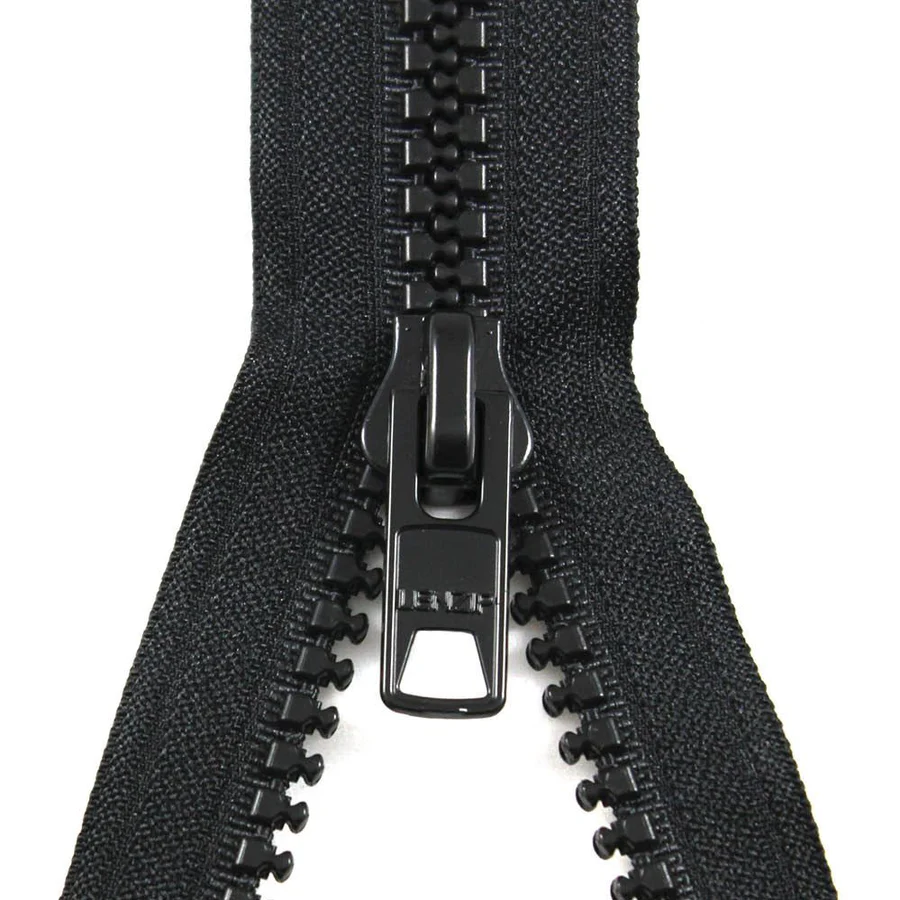
Common Uses: Raincoats, backpacks, ski jackets, and children’s outerwear.
Zipper Types by Function
Separating Zippers (Open-End)
Featuring a box-and-pin system, these allow both sides of the garment to completely detach. Ideal for jackets and coats that need to open fully.
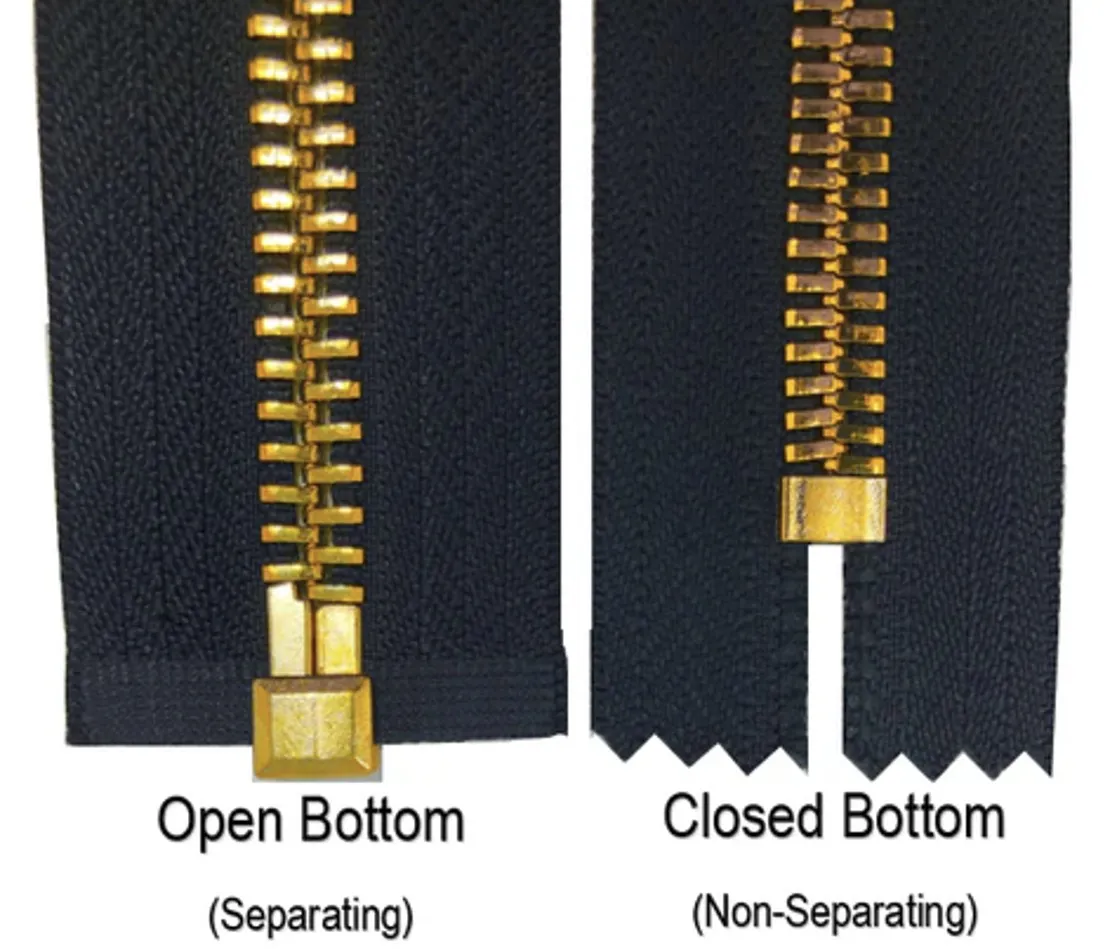
Closed-End Zippers (Non-Separating)
These have a bottom stop that prevents the two sides from separating. Common in trousers, skirts, and bag pockets where only partial opening is required.
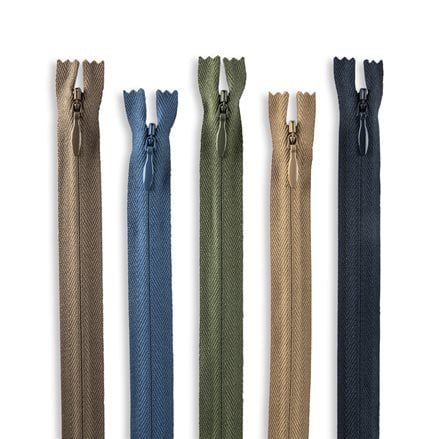
Invisible Zippers
Designed so the teeth are hidden behind the fabric when closed. They offer a clean, seamless appearance for formal wear. Note: They require a special invisible-zipper foot for proper sewing.
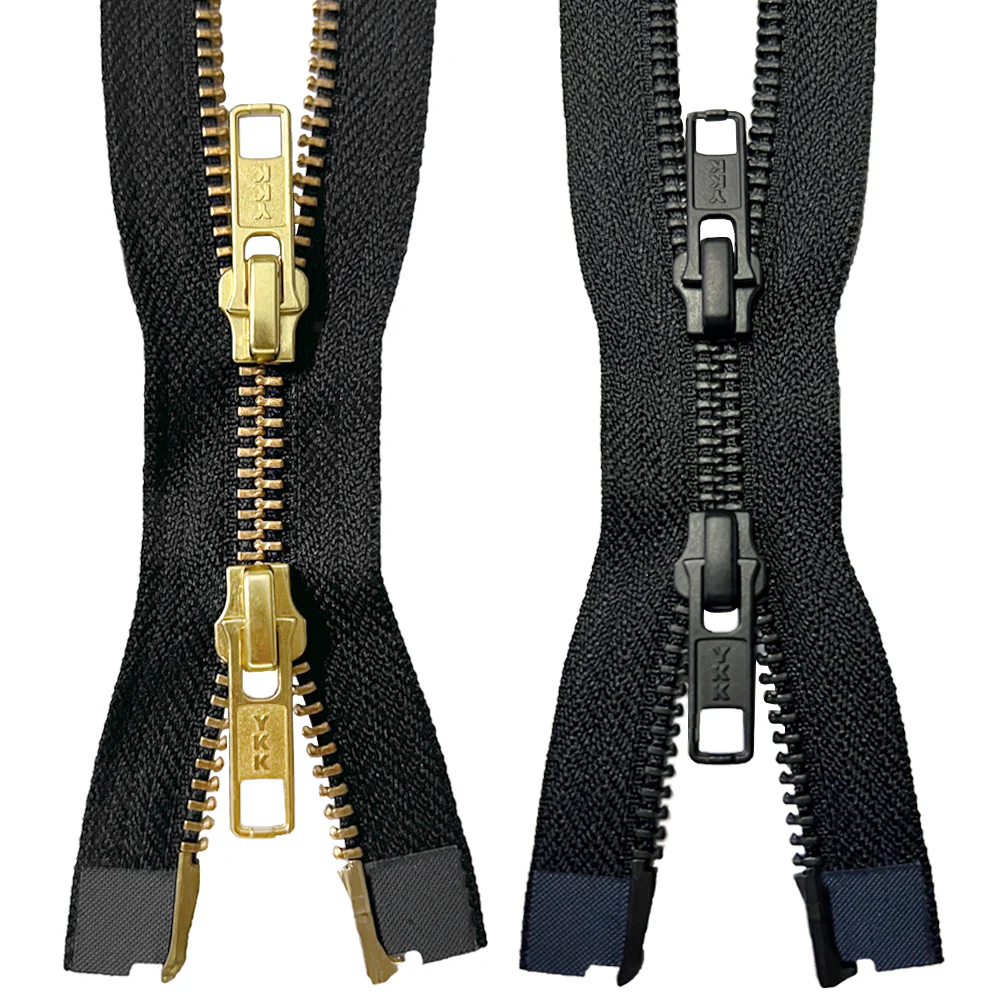
Two-Way Zippers
Equipped with two sliders, allowing the zipper to be opened from both the top and bottom. This is excellent for long coats or sleeping bags to provide ventilation and mobility.
Specialized Zipper Solutions
- Waterproof Zippers: Laminated with PU to prevent moisture penetration. Essential for outdoor performance gear.
- Continuous Zippers: Sold on rolls to be cut to any length. Highly cost-efficient for mass production of upholstery or tents.
- Exposed Zippers: Used as a bold fashion statement to highlight seams in modern streetwear.
How to Choose the Right Zipper
- Material Compatibility: Heavy denim needs metal; light chiffon works best with invisible or coil zippers.
- Design Purpose: Decide if the zipper should blend in or act as a decorative element.
- Functional Needs: Consider if the garment requires full separation, flexibility, or waterproofing.
Conclusion
Zippers are engineering marvels that balance form and function. From the sturdy metal teeth on jeans to the delicate concealed coil in a couture dress, every type serves a unique purpose. At Mekong Garment, we help you select the ideal zipper material and function to ensure every garment looks its best and operates smoothly for years to last.
