
Which Colors Help Me Appear Professional and Make Dressing Easier?

Choosing the right colors can make getting dressed each morning feel calmer and more effortless. When you rely on shades that always look polished, you save time, avoid guesswork, and show up with confidence. A smart color palette doesn’t just make outfits look better; it also helps you feel more put-together throughout the day.
Why Neutral Colors Always Look Professional
Neutral shades like navy, charcoal, black, grey, white, beige, and ivory have a “quiet confidence” that works in nearly every workplace. These colors don’t shout for attention, which helps the focus stay on your professional expertise instead of your clothes. Neutrals are timeless anchors that form the base of a wardrobe that is easy to coordinate and adapt to different settings.

- Decision Efficiency: Neutrals reduce decision fatigue because most pieces automatically pair well.
- Low Risk: They are ideal for high-stakes meetings where you want your message to take the spotlight.
- Versatility: They handle different office environments—from bright lights to dim boardrooms—without clashing.
=> Related Article: Can Color Affect My Mood or Perception?
Navy and Charcoal: Structure and Confidence
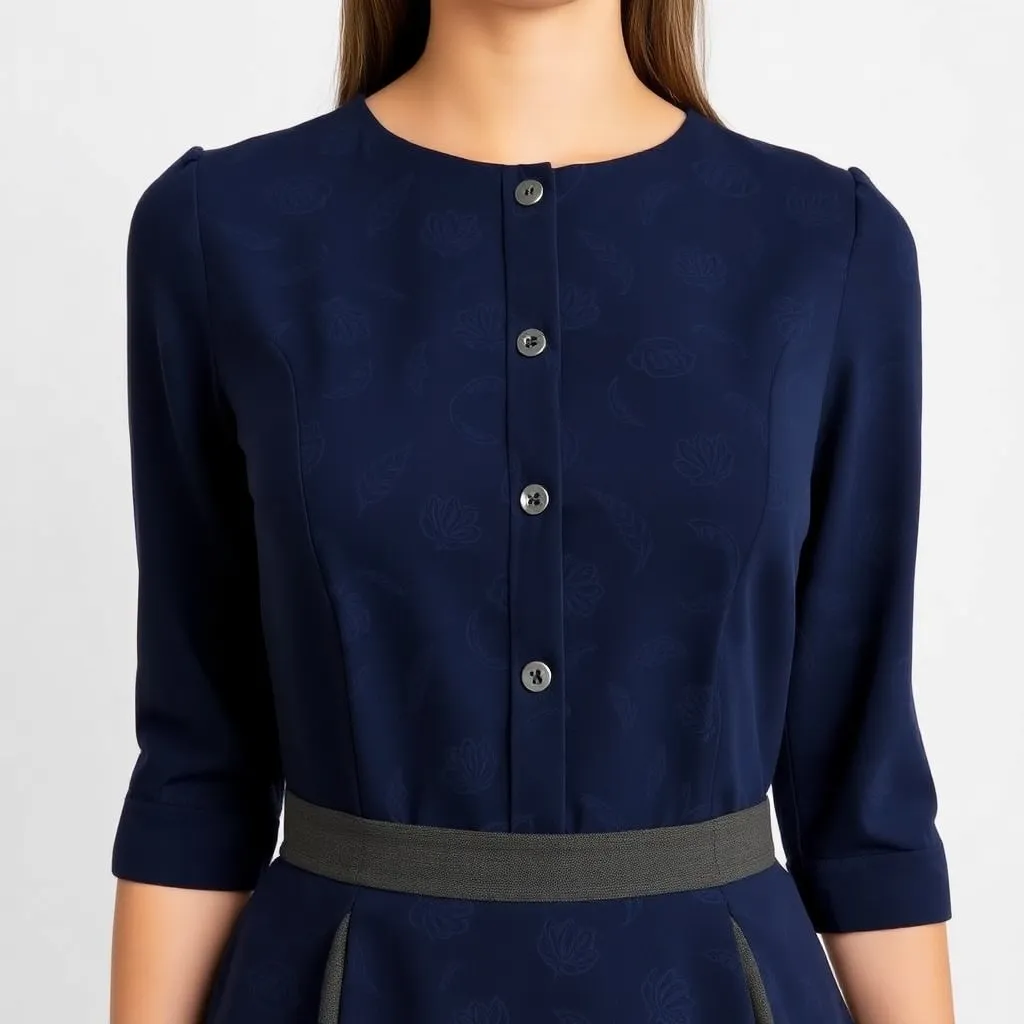
Navy and charcoal are the gold standard for looking composed and dependable. Navy feels calm and trustworthy, while charcoal offers a firm, stable quality that is softer on the eyes than pure black. These shades are perfect for tailored pieces like blazers and trousers because they naturally sharpen your silhouette.
Black and Grey: Sleek and Easy to Style
Black and grey act as “anchor colors” in any wardrobe. Black provides a crisp, streamlined look for serious tasks, while grey offers softness and versatility. These colors photograph exceptionally well, which is crucial for video calls and presentations.


- Black is slimming and provides instant structure to simple fabrics.
- Grey balances warm and cool tones, making it the easiest color to coordinate.
- Both shades excel at hiding minor stains or wrinkles during long office hours.
White, Beige, and Ivory: Fresh and Approachable
Light neutrals add freshness without feeling bold. White signals clarity, while beige and ivory warm up your look, making you appear friendly and approachable. These lighter tones reflect light, brightening your face and giving you a more energized appearance.

Mix and Match Made Easy
One of the biggest advantages of a neutral wardrobe is how effortlessly pieces combine. You avoid the “full closet, nothing to wear” problem. This flexibility allows even a small selection of quality garments to produce dozens of unique combinations.
Add Bold Colors as Small Accents
Bright colors show personality, but too much can be distracting. Instead of head-to-toe bold tones, use them in small touches: a scarf, a tie, or a watch strap. These “pops” of color add life while keeping the overall look refined.

Conclusion
Sticking to a neutral palette—navy, charcoal, black, grey, white, and beige—takes the pressure out of dressing. These shades ensure you look polished and stay confident in every professional situation. At Mekong Garment, we specialize in manufacturing high-quality staples in these essential shades to help you build a wardrobe that works as hard as you do.
FAQs About Professional Colors and Dressing
Why do neutral colors look more professional?

Neutral colors have a steady, balanced quality that helps you look calm and organized. Because these shades don’t distract, people naturally focus more on your expression, your words, and your work. Neutrals also look consistent under different lighting office LEDs, natural daylight, or meeting-room lights so your outfit stays clean and polished throughout the day. This makes them ideal for environments where clarity and reliability matter.
Which neutral colors are best for office wear?
The most useful neutrals include navy, charcoal, black, grey, white, beige, and ivory. Each one plays a different role in shaping your look: Navy feels trustworthy and balanced. Charcoal looks firm and stable without being too harsh. Black is sharp and timeless. Grey offers a softer, modern touch. White adds clarity and brightness. Beige/Ivory bring warmth and make outfits feel more open and friendly. Together, they form a color system where almost everything mixes well.
Why is navy often recommended for professional outfits?
Navy is one of the most “dependable” colors in the workplace. It gives structure and strength, yet it feels calmer and friendlier than black. Navy pairs easily with light shirts (white, beige, light blue) and richer tones (burgundy, olive, mustard). It’s also forgiving with wrinkles and stains, making it practical for long days. Because navy suits and blazers are so versatile, many professionals use them as wardrobe anchors.
How does charcoal differ from black in professional settings?
Black can sometimes look very strict or formal, especially in bright offices. Charcoal softens that edge. It still gives clarity and structure, but it feels more modern and adaptable. Charcoal also works well with both warm and cool tones, making it easier to style for different skin undertones. If you want the authority of black without the intensity, charcoal is the perfect middle ground.
Are light colors like white or beige too casual for work?
Not at all. Light neutrals are powerful tools when you want to look fresh and polished. White signals neatness and simplicity. Beige and ivory add gentle warmth, making your outfit more welcoming. These colors reflect light upward, subtly brightening your face and helping you appear more alert. When combined with darker pieces like navy, black, or charcoal, they create a balanced, professional appearance that works in both formal and relaxed offices.
Do neutral colors make dressing easier?
Yes! neutral colors dramatically reduce decision fatigue. When your wardrobe is built on shades that naturally blend, you don’t have to worry about matching tops, bottoms, or jackets. You can grab almost any combination and feel confident it will look good. This makes morning routines faster and less stressful. Neutrals also work across seasons, so you don’t need separate color schemes for different weather.
Can I still wear bold colors at work?
Absolutely. Bold colors can help express your personality but the key is using them wisely. Wearing a bright top or loud pattern can dominate the whole outfit, which may feel distracting in a professional setting. Instead, keep bold colors small and focused: a tie, scarf, pocket square, bag, shoes, notebook, or jewelry piece. This creates a subtle but stylish highlight while keeping the outfit centered on clean neutrals.
Are there any colors I should avoid in the workplace?
Extremely bright or fluorescent colors—like neon yellow, neon green, or electric orange—can overwhelm the eye and pull attention away from your presence. Very busy patterns can also compete with your message. These shades are perfectly fine in casual settings but can feel loud in an office. If you love bold tones, keep them in accessories rather than full outfits.
Should color choice change based on my skin tone?
Knowing your skin undertone helps you choose shades that brighten you instead of washing you out. Cool undertones: navy, charcoal, crisp white, cool grey. Warm undertones: beige, ivory, warm grey, soft browns. Neutral undertones: most neutrals work well. Even so, the overall neutral palette is universal—everyone can wear these colors. The main difference is simply choosing the version that makes you look refreshed.