
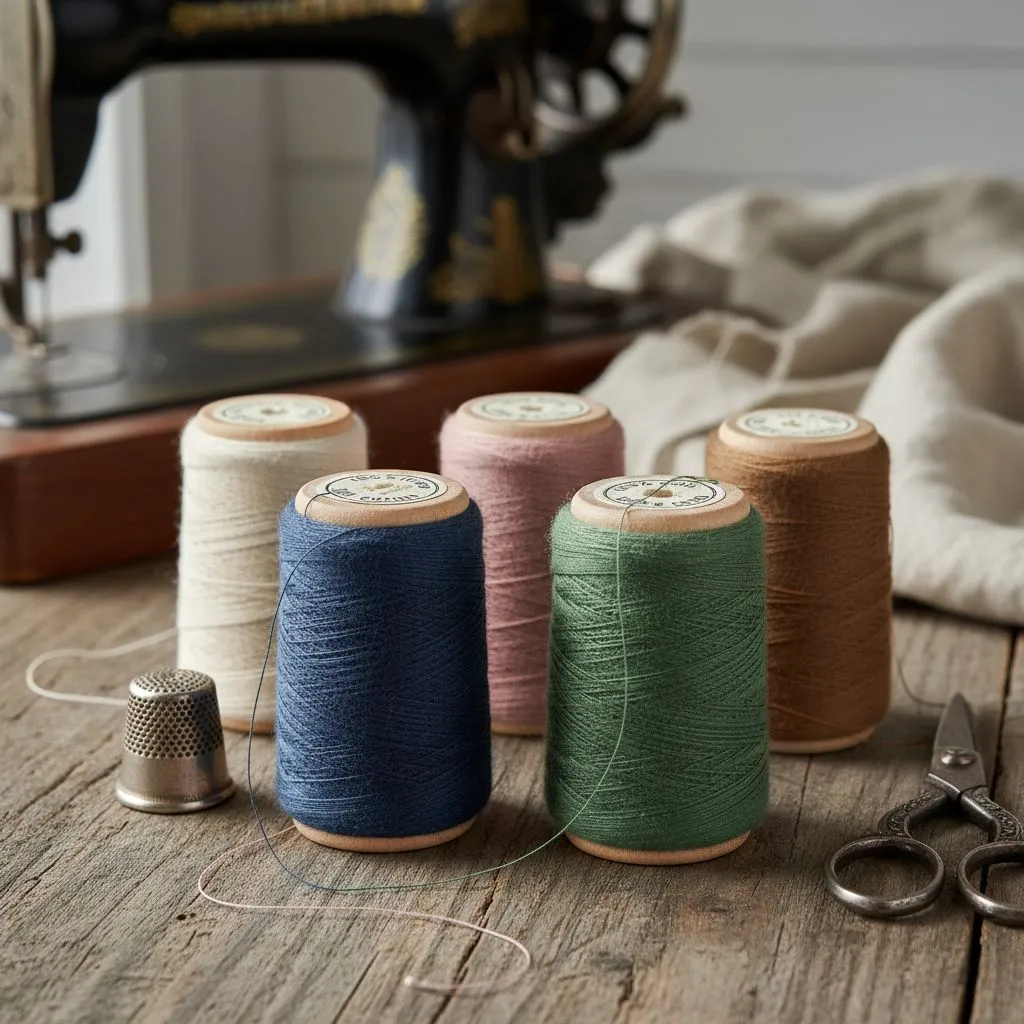

A lot of people say, “Cotton thread is weak, so why use it?” That’s a fair question but it hides a trap. Cotton thread is often weaker than polyester, yes. But “weaker” does not mean “bad.” It just means cotton is chosen for different reasons. In real sewing, the best thread is not always the strongest. Sometimes, the best thread is the one that looks right, presses well, dyes well, and suits the fabric. Below are the main reasons cotton thread is still popular today.
The Hidden Benefits of Cotton Thread
Cotton thread often gets labeled as “weaker,” so many people assume it’s outdated. But in real sewing, strength is only one piece of the puzzle. Cotton thread has quiet advantages that show up where it matters most: how the stitches look, how the seam behaves under a hot iron, and how well the thread blends with natural fabrics. For quilts, tailored pieces, and clean cotton-on-cotton sewing, these details can make the final result look more premium. In this guide, we’ll break down the hidden benefits of cotton thread and also be honest about when you should skip it.
Cotton Thread Looks More Natural
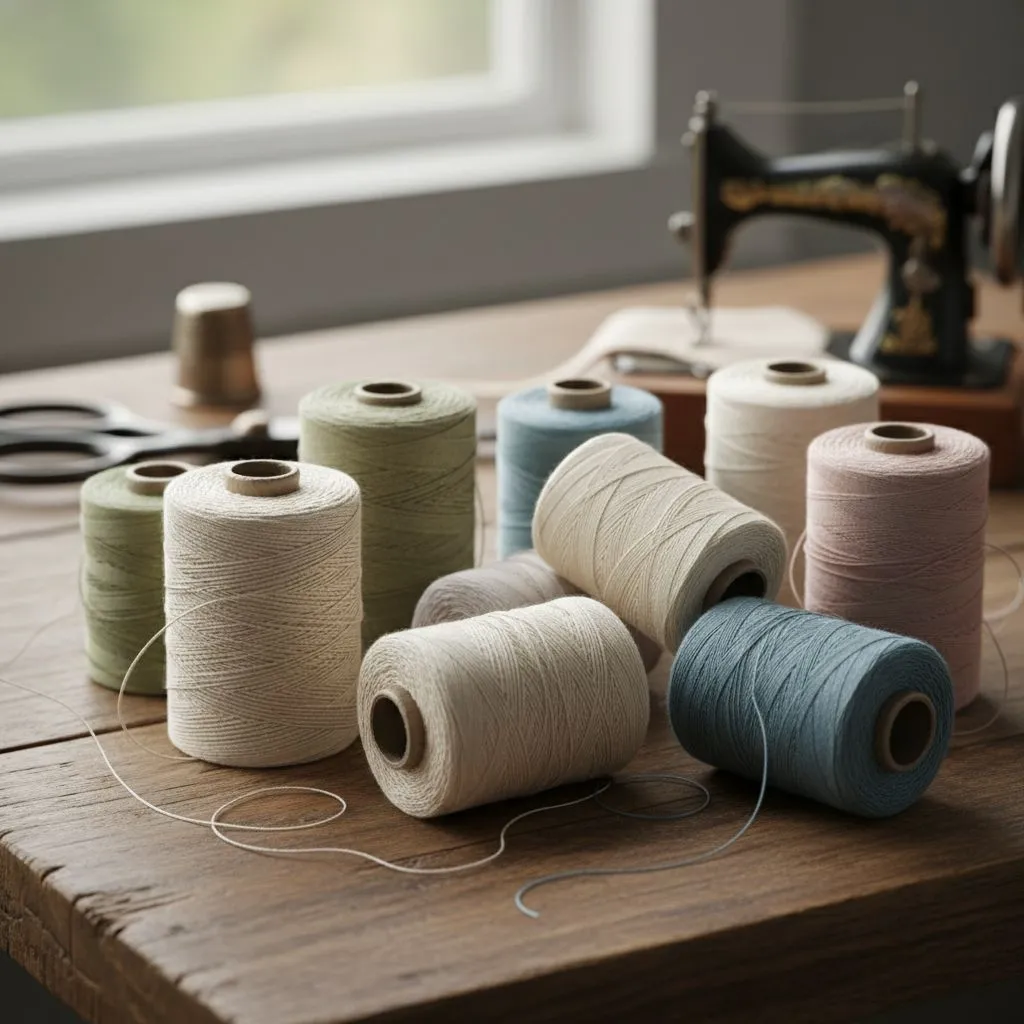
Cotton thread has a soft, matte (non-shiny) look. On cotton fabric, it can blend in so well that the seam “disappears.” Cotton thread gives stitches a soft, matte look that feels calm and natural. On cotton fabric, it often blends in so well that the seam doesn’t stand out. This is perfect when you want clean topstitching, a classic quilt style, or a smooth finish without shine. If you prefer bold, glossy stitches, cotton may look too subtle so polyester can be a better match.
That matters when you want:
- Clean topstitching on cotton
- A classic quilt look
- A soft, natural finish (not glossy)
If you want bold, shiny decorative stitches, cotton may look dull. In that case, polyester can look better.
Cotton handles heat and pressing better
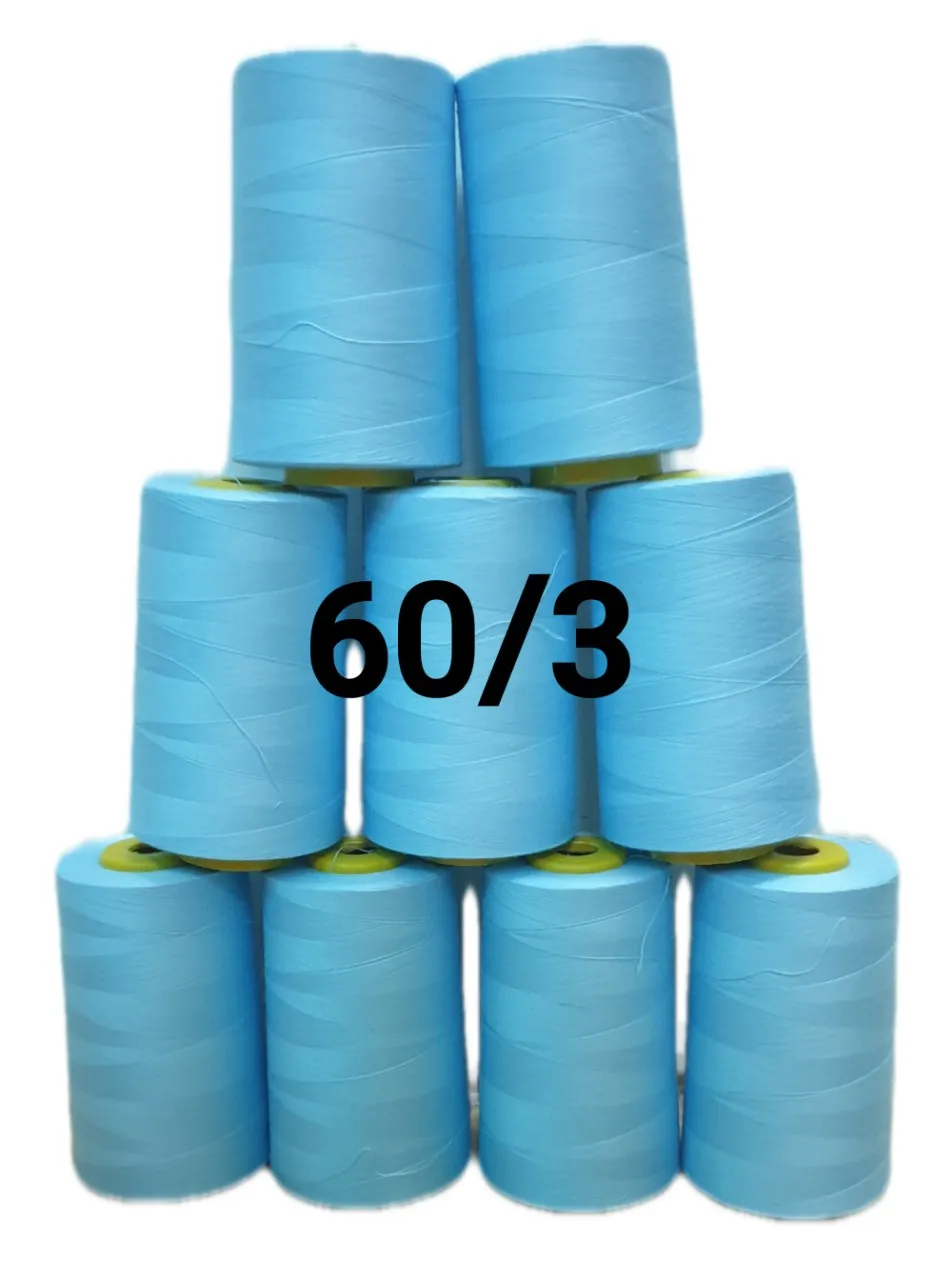
Cotton thread is a smart choice when your sewing needs a lot of ironing and sharp pressing. It stays stable under high heat, so your stitches are less likely to get damaged during heavy pressing. This matters for tailored shirts, pleats, and quilting where the iron does a lot of work. If you press carefully, polyester can also perform well but cotton is often more forgiving when the heat gets too high.
Many sewing projects need a lot of ironing:
- Tailored shirts
- Quilting
- Pleats
- Sharp seams
Cotton thread is more comfortable in these “high-press” workflows. It won’t melt the way some synthetic threads can if the heat gets too high. If you press correctly, many polyester threads are fine. But cotton is more forgiving when mistakes happen.
Cotton takes dye and color very well
Cotton thread absorbs dye easily, so its color often looks rich and even. That makes it easier to match thread to cotton fabric, especially when the stitching will be visible. For quilting and classic sewing, this color harmony is a big reason cotton thread stays popular. Polyester can also be dyed, but its shine can make the color look slightly different under light.
That helps when you care about:
- Rich colors
- Matching thread color to fabric
- Consistent shade across batches
This is one reason cotton thread is common in quilting and traditional sewing. Polyester can also be dyed, but color matching and “tone” can feel different especially if polyester shines more.
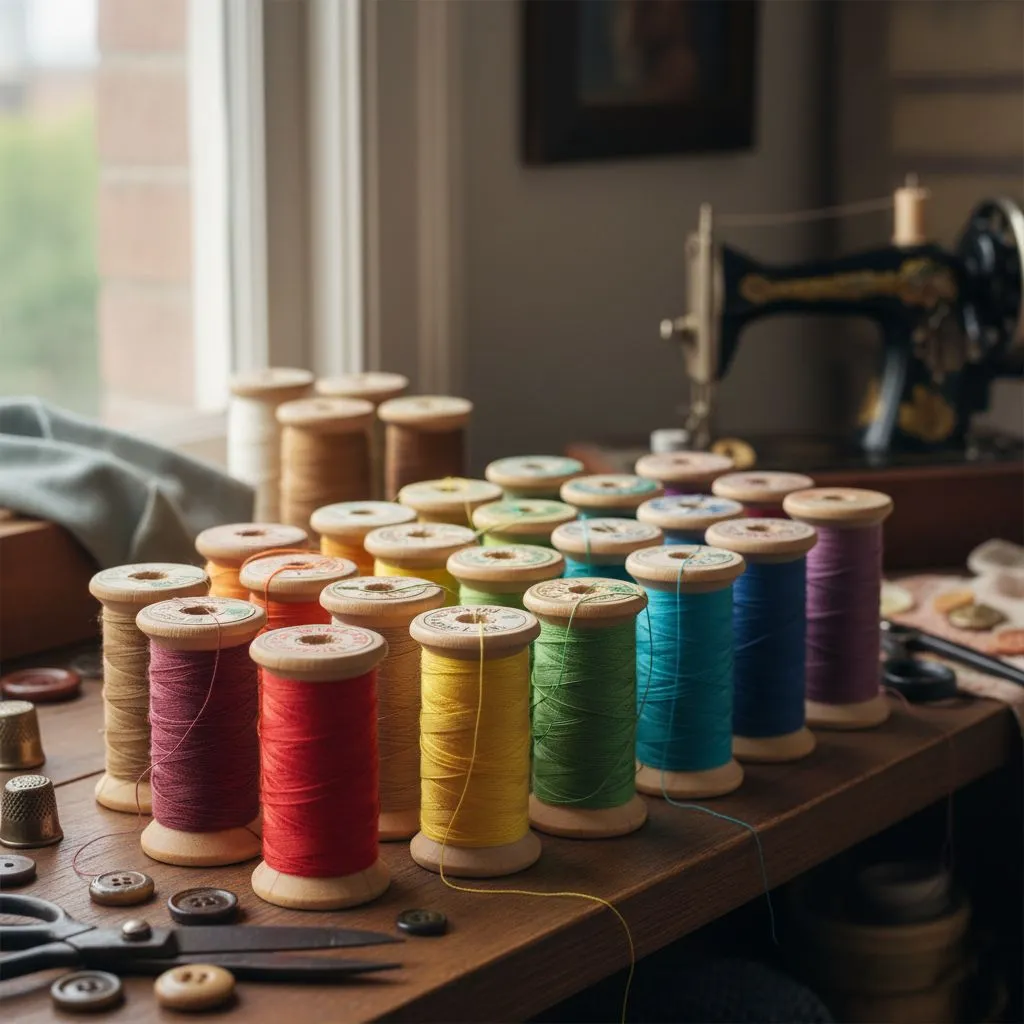
Cotton thread “matches” cotton fabric behavior
When you sew cotton fabric with cotton thread, the seam often behaves more like the fabric itself. The thread and fabric can shrink, soften, and age in a similar way, which helps the garment or quilt look more “together” over time. This is why many quilters prefer cotton on cotton for a classic finish. If you need very stable results after repeated washing, polyester may be the safer choice.
When cotton fabric is sewn with cotton thread, they often behave more similarly:
- Similar feel
- Similar movement in seams
- Similar aging over time
Cotton is loved for hand sewing and quilting
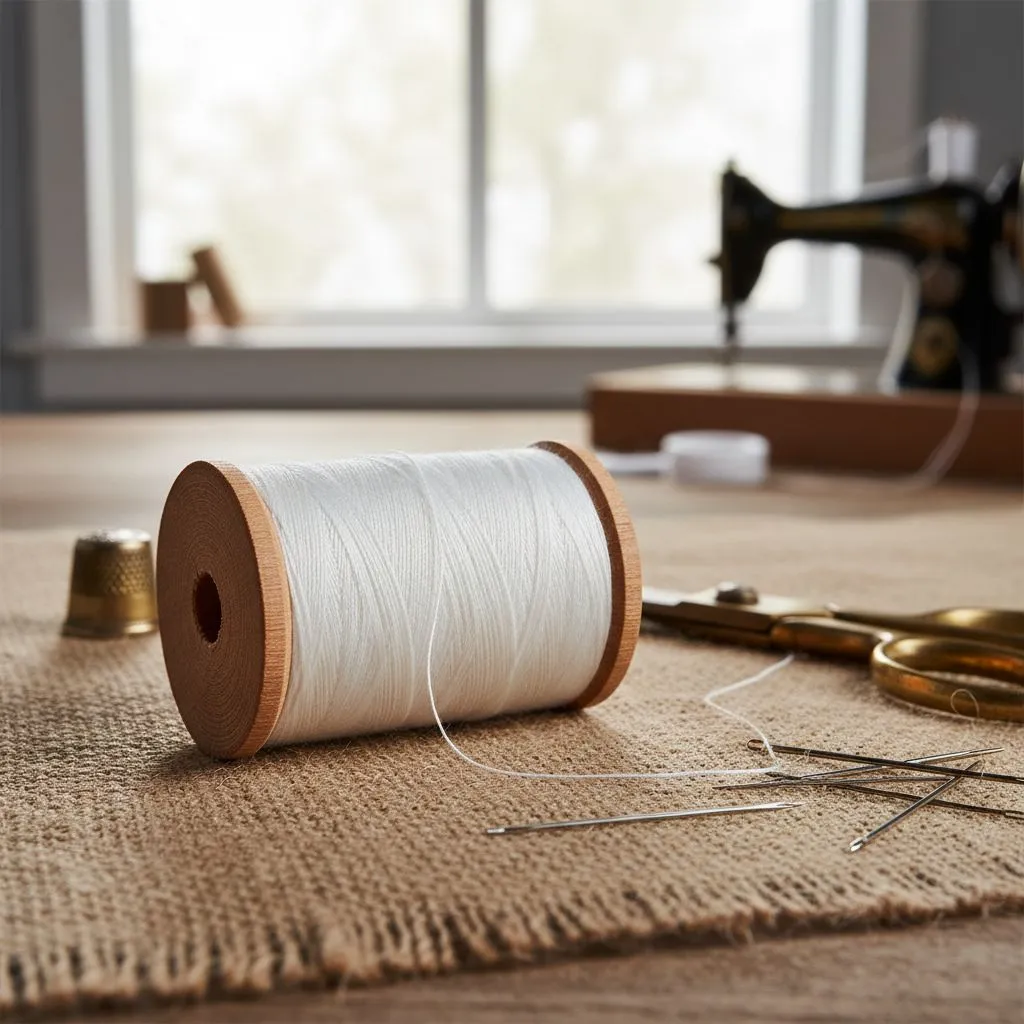
Cotton thread feels smooth and controlled in your hands, which is why many people love it for hand sewing and quilting. It pulls through fabric with a natural grip and gives stitches a soft, classic look instead of a shiny line. For quilts, that traditional finish is often the whole point. If the item will take heavy stress like bags or workwear you may want a stronger thread, but for handwork, cotton is hard to beat.
Some buyers prefer natural fibers
Some buyers choose cotton thread because they want a more natural material in the finished product. For brands with a “heritage,” “eco-minded,” or cotton-on-cotton story, that detail can support the message and match customer expectations. It can also feel nicer to customers who dislike the look or feel of shiny synthetic stitches. That said, “natural” doesn’t automatically mean “better” cotton still has an environmental footprint, so it’s best to treat it as a design and brand choice, not a magic label.
When Cotton Thread is Smart Choice or Not?
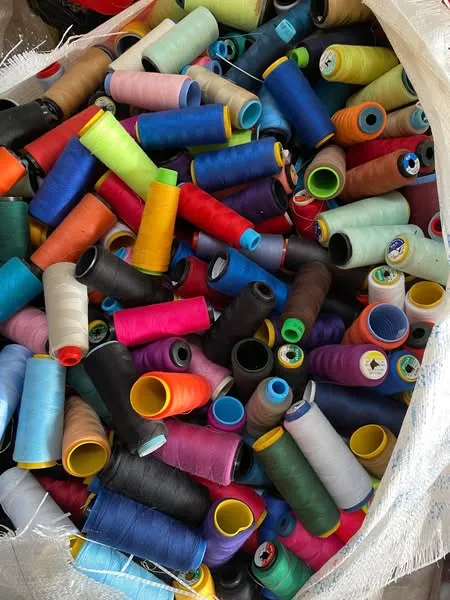
Cotton thread can be a great choice, but only when it matches the job you’re doing. If you pick thread based on “strength” alone, you’ll miss the real reasons cotton is still used: look, heat tolerance, and cotton-on-cotton harmony. At the same time, cotton isn’t the best option for every product especially items that face heavy pulling or rough wear.
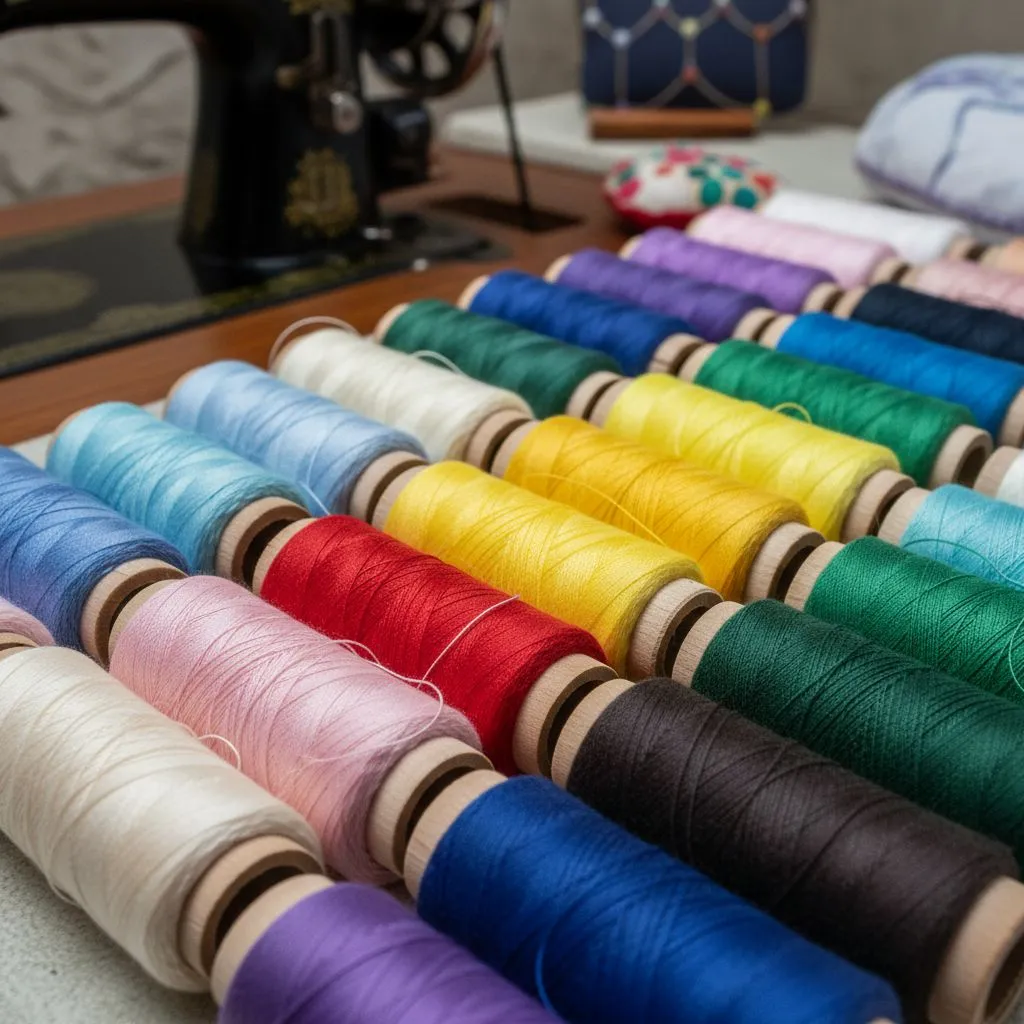
When cotton thread is a smart choice
- A matte, natural look
- Heavy pressing with an iron
- Better dye absorption and classic color feel
- Quilting and traditional sewing results
- Cotton-on-cotton compatibility
When you should NOT use cotton thread
- Maximum seam strength (heavy bags, safety seams)
- High abrasion resistance (hard-wearing work items)
- Stretchy seams for knits (you may need stretch thread or polyester)
Bottom line / Final Words
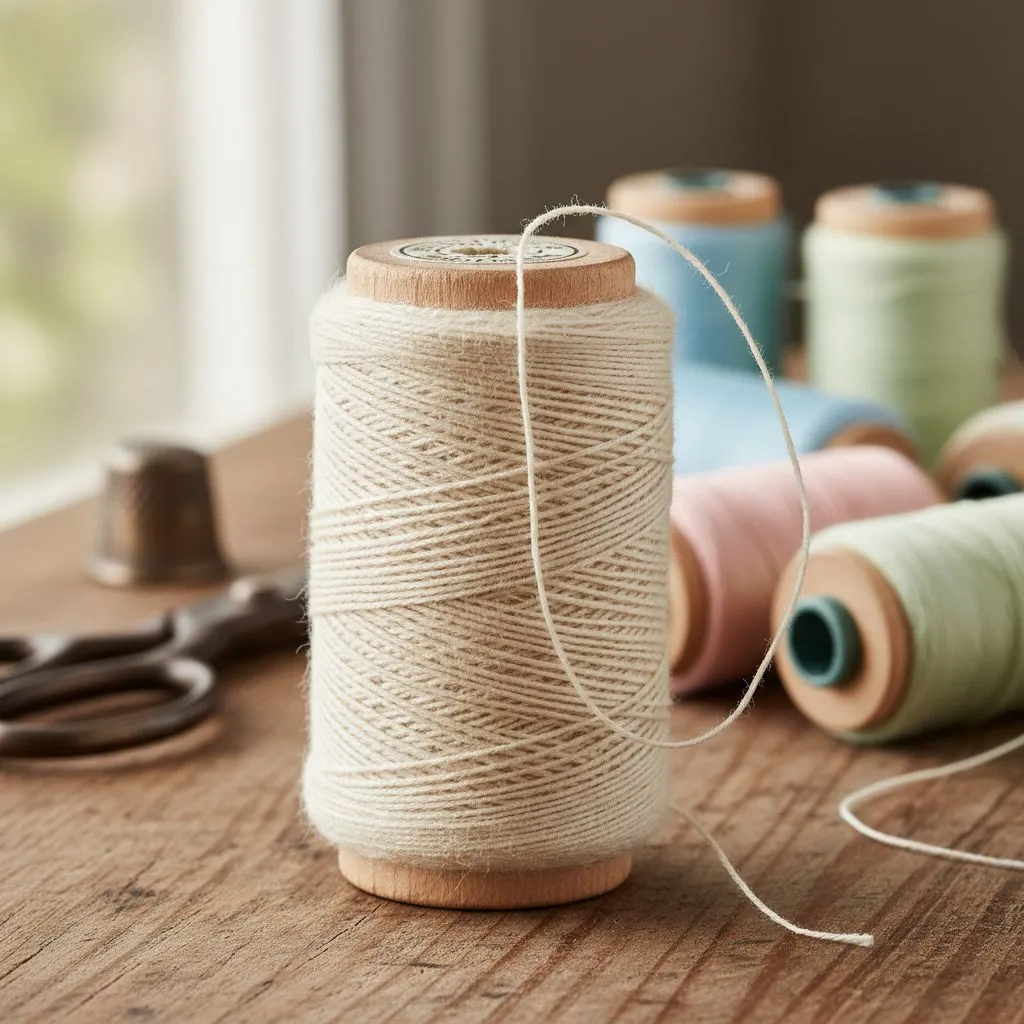
Cotton thread may not be the strongest option, but strength is not the only thing that matters in sewing. When you want a clean, matte stitch that blends into cotton fabric, when your work needs heavy pressing, or when color matching and a classic finish are important, cotton thread can be the better choice. That said, don’t pick cotton just because it feels “natural.” If the product will face heavy pulling, rough wear, or frequent washing where maximum durability matters, polyester may be the smarter tool. In the end, the best thread is the one that fits the job: choose cotton for beauty, heat, and tradition choose polyester for strength and long-term toughness.
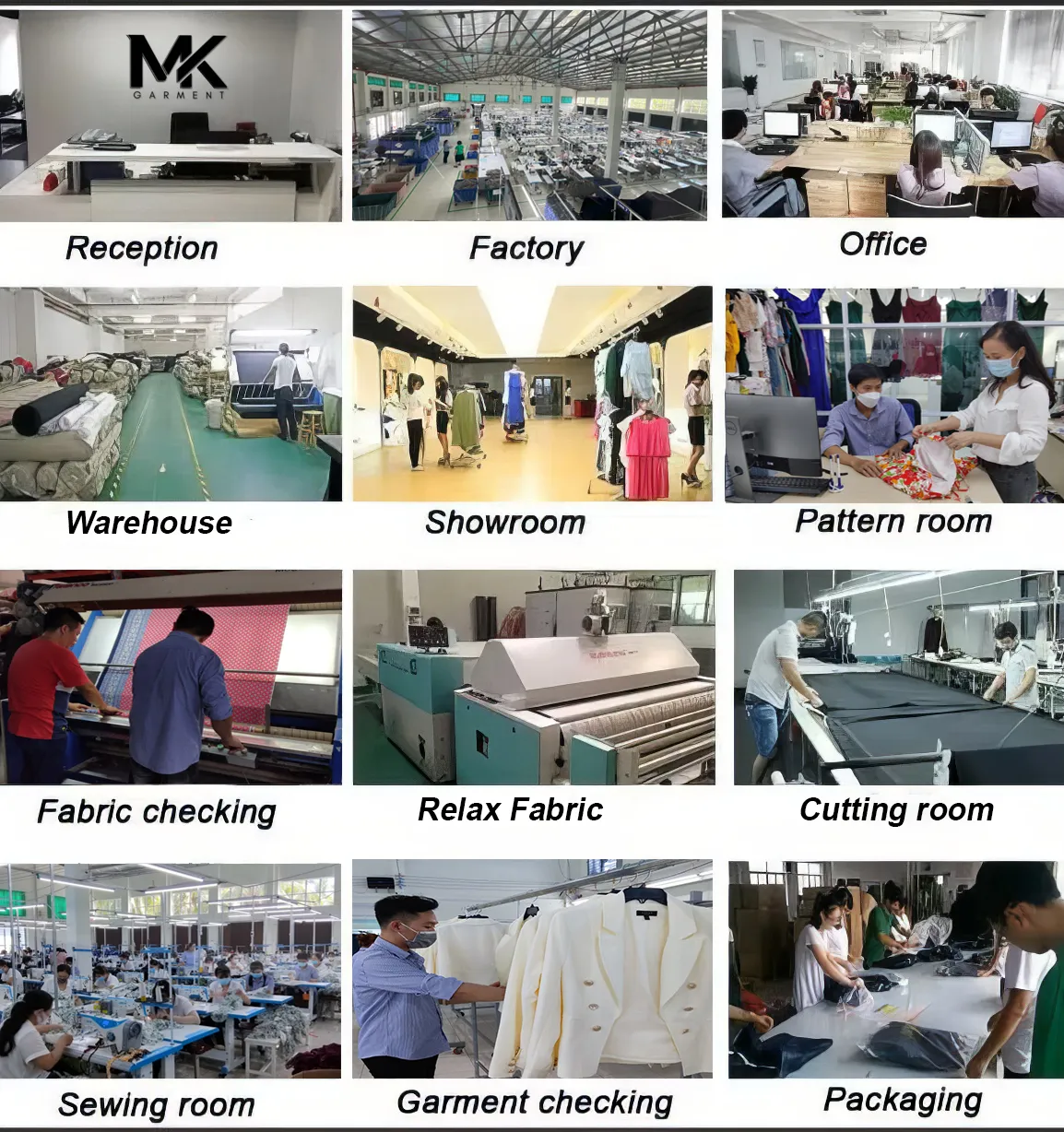
Our Contact Information – MEKONG GARMENT FACTORY
- Vietnam Phone: +84 947 729 829
- WeChat: +84 947 729 829
- WhatsApp: +84 947 729 829
- Email: hanh@kimmy.vn