

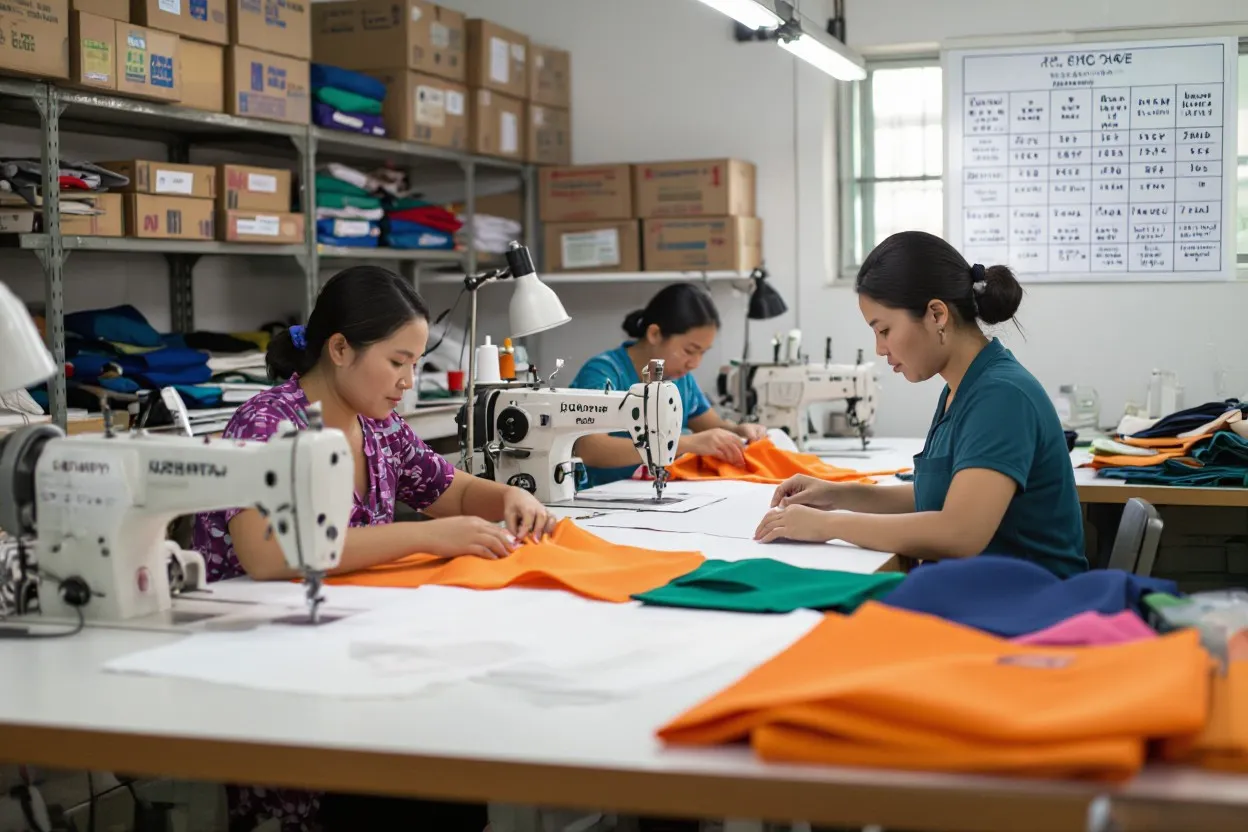
Tech Pack to Finished Garments: A Complete Production Timeline Guide (8–16 Weeks)
Most orders move through four phases: Development (Weeks 1–4), Pre-Production (Weeks 3–5), Bulk Manufacturing (Weeks 5–12), and Final Inspection + Shipping (Weeks 11–16). The range changes mainly because of fabric lead time, design difficulty, order size, and how fast approvals happen. Delays usually come from waiting: waiting for materials, waiting for fit notes, or waiting for final sign-off. A clear timeline makes launch dates real, not hopeful.
Quick timeline map (high level):
- Weeks 1–4: Development (samples, fit, spec lock)
- Weeks 3–5: Pre-Production (PP sample, bulk-ready setup)
- Weeks 5–12: Bulk Manufacturing (cut, sew, finish, pack)
- Weeks 11–16: Final inspection + shipping (QA release + transit)
=> Related Article: What Is a Garment Tech Pack? Why This Matters to Buyers & Factories
Phase 1: Development (Weeks 1–4)
What happens in development:
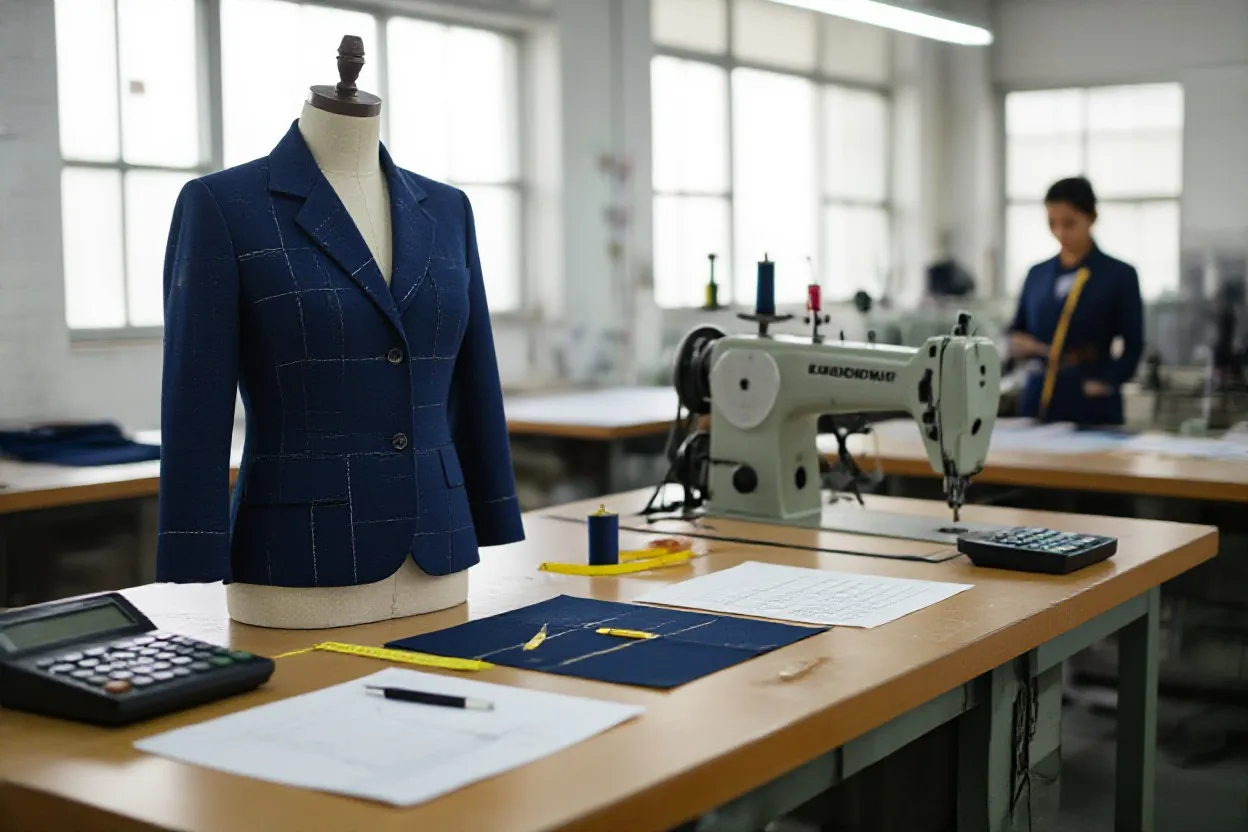
Development turns a tech pack into something a factory can repeat in bulk. This is where patterns, sewing steps, and measurements get tested in real fabric. Small issues show up fast here, like fit problems, stitch choices, or weak seams. Fixing them now is cheap and fast compared to fixing them during bulk.

Sample development time:
The first sample is the “reality check” for your tech pack. Even if the design is clear, the factory still must draft patterns, test construction, and confirm how the fabric behaves. Standard styles often move faster because the steps are familiar. Complex styles slow down because each detail needs a proof step.
- Standard styles: 10–14 days
- Complex styles: 15–20 days
- Each extra revision cycle: +5–7 days
=> Related Article: What Are the Top Mistakes in Tech Pack Submissions?

Fitting + approval process:
Fit approval is usually not one round. You test the garment, mark issues, then the factory corrects and resubmits. Each round takes time because it includes pattern edits, re-sewing, and re-checking measurements. Faster feedback reduces idle days more than any other action.
Typical pattern
- 2–3 sample rounds
- Each round: 5–7 days
- Extra rounds for complex fit or multi-component styles
=> Related Article: What’s the Difference Between a Tech Pack and a Spec Sheet?

Phase 2: Pre-Production (Weeks 3–5)
What happens in pre-production:
Pre-production locks the factory plan before bulk starts. This is where “approved sample” becomes “repeatable production standard.” Patterns get finalized, grading rules are confirmed, and the line plan is set. If something is unclear here, bulk becomes expensive rework.
=> Related Article: How to Review a Tech Pack With Your Clothing Manufacturer

PP sample approval:
A PP sample is the last checkpoint before bulk cutting. It confirms the exact build, labels, trims, measurements, and finishing standards. Approving PP protects you from cutting thousands of units with the wrong spec. This approval is a hard gate for a well-run factory.
Typical time:
-
7–10 days (make PP + client review + approval)

Fabric + trim procurement:
Materials control the schedule more than sewing does. If you use stock fabric and common trims, the timeline stays tight. If you develop custom fabric, you add lab dips, testing, and production lead time. This can be worth it, but it must be planned early.
Typical time:
- Stock materials: ~5 days
- Standard sourced materials: 1–2 weeks
- Custom fabric development: up to 3–4+ weeks additional
=> Related Article: Garment Details That Are Often Missing From Tech Packs

Phase 3: Bulk Manufacturing (Weeks 5–12)
What happens in bulk manufacturing:
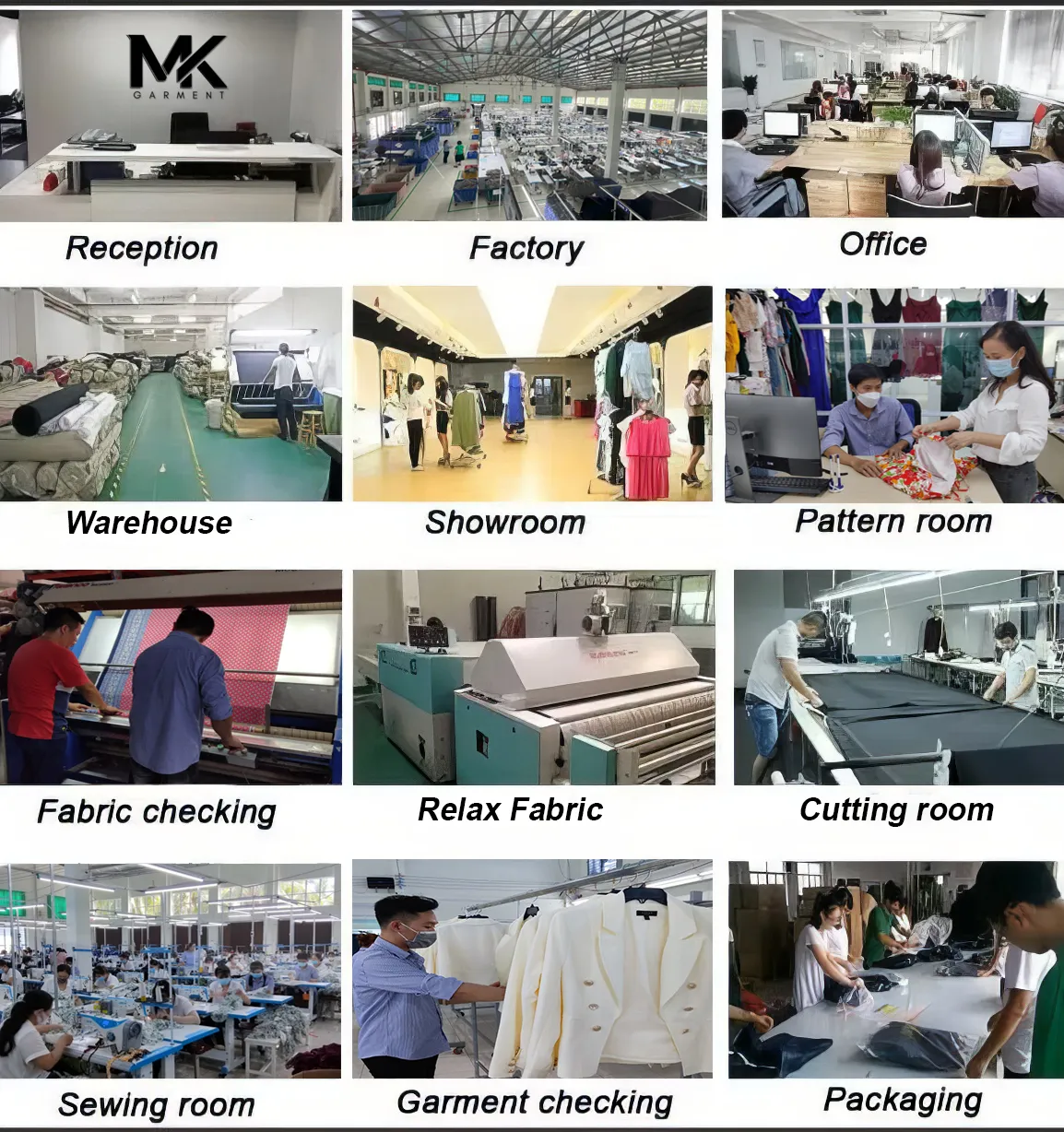
Bulk manufacturing is where time and quality must move together. The factory cuts fabric, sews components, finishes garments, and packs them to spec. Most delays here come from imbalance: missing materials, late approvals, or slow problem solving on the line. A stable line plan and clear QC checkpoints keep bulk smooth.

Cutting + sewing timeline:
Cutting and sewing time depends on both volume and difficulty. A simple T-shirt moves fast because the steps are short and repeatable. A jacket moves slower because it has more parts, more operations, and more risk points. Large orders also need more days even with multiple lines.
Typical time:
- 1,000–2,000 pcs basic styles: 3–4 weeks
- Complex styles or 5,000+ pcs: 5–6 weeks
=> Related Article: How Tech Packs Help Brands and Manufacturers Speak the Same Language

In-process QC + finishing:
QC is not a “final day” activity. It is a daily control that prevents a small issue from becoming thousands of defects. Finishing includes thread trimming, washing (if required), pressing, folding, and packaging prep. Done well, QC saves time because it prevents late-stage rejection and rework.
-
QC + finishing add: 4–7 days

Phase 4: Final Inspection + Shipping (Weeks 11–16)
What happens in final steps:
Final steps are the release gate before the product reaches your warehouse. Inspection confirms the bulk matches the approved standard. Then cartons, labeling, packing lists, and booking are completed. A strong final process prevents customs issues and retail complaints.
=> Related Article: Updating a Tech Pack: A Step-by-Step Guide for New Seasons

Final inspection time:
Final inspection checks measurements, appearance, workmanship, labeling, and packaging. Larger orders take longer because inspectors need enough samples and time to confirm consistency. If the factory ran strong in-line QC, final inspection is usually quick. If not, this stage becomes rework time.
Typical time:
- Standard orders: 2–3 days
- Large/complex shipments: 4–5 days
=> Related Article: What Is the Biggest Misconception About Tech Packs?

Shipping + logistics time:
Logistics time depends on shipping mode, port congestion, and inland delivery distance. Ocean freight is slower but cheaper. Express air is fast but costly. Delays often come from missed booking windows or incomplete export paperwork, not from the boat itself.
Typical time:
- Ocean freight to major U.S. ports: 7–14+ days (port-to-port range varies)
- Express air: 3–5 days
- Add inland trucking time after arrival
=> Related Article: No Tech Pack, No Scale: How Big Brands Really Produce

How To Optimize The Total Timeline (without quality loss)
Key early decisions:
Your earliest choices set the entire pace. Fabric choice is the biggest lever because it can add weeks before sewing even starts. Design complexity is the second lever because it drives sampling rounds and production speed. When you lock these early, everything else becomes easier to schedule.
High-impact moves:
- Use stock fabric to save ~2–3 weeks
- Reduce complex details to cut development time by ~30–40%
- Confirm trims, labels, and packaging early to avoid stop-start bulk
=> Related Article: How to Turn a Clothing Idea into a Professional Tech Pack

Manufacturer selection impact:
A factory’s systems matter as much as its machines. Strong factories have clear sampling flow, controlled PP gates, and stable production capacity. They also have problem-solving routines when issues appear. Reliability is not just speed—it is hitting the date you planned.
What improves on-time delivery:
- Multiple lines or flexible capacity
- Clear approval checkpoints (sample → PP → bulk → final)
- Strong in-line QC to prevent end-stage rework
- Fast communication and complete tech packs
=> Related Article: Are Digital Tech Packs Shaping the Future of Apparel Manufacturing?

A Practical Week-by-Week Example Timeline
Fast Scenario (8 – 10 Weeks)
- Week 1: tech pack review + pattern start
- Week 2: first sample
- Week 3: revisions + approval
- Week 4: PP sample + approval + materials ready
- Week 5 – 7: bulk cut + sew
- Week 8: finish + final inspection + ship
=> Works best when: stock fabric, simple styles, fast approvals, stable specs.
Standard Scenario (10 – 12 Weeks)
- Week 1 – 2: first sample
- Week 3 – 4: fit rounds
- Week 4 – 5: PP sample + approvals
- Week 6 – 10: bulk
- Week 11 – 12: final inspection + shipping
=> Works best for: mixed product lines, normal sourcing, moderate complexity.
Long Scenario (14 – 16 Weeks)
- Weeks 1 – 4: multiple sample rounds
- Weeks 3 – 7: custom fabric development and testing
- Weeks 7 – 13: bulk manufacturing
- Weeks 14 – 16: inspection + shipping
=> Common for: custom fabric, complex outerwear, heavy trims, large volume.
Final Words / Conclusion
From tech pack to finished garments, the process is not just sewing. It is a controlled timeline of decisions, approvals, materials, and quality checks. When development is done right, pre-production becomes smooth, bulk runs faster, and final inspection becomes a formality. Plan your season around fabric lead time first, then fit approval speed, then production capacity. Control these three, and you control your delivery date.
=> Related Article: How Do Tech Packs Improve Your Apparel Quality Control?
Our Contact Information – MEKONG GARMENT FACTORY
- Vietnam Phone: +84 947 729 829
- WeChat: +84 947 729 829
- WhatsApp: +84 947 729 829
- Email: hanh@kimmy.vn