
Linen is one of the most respected natural fabrics in the textile world. It is valued for its breathability, strength, crisp texture, and timeless look. But not all linen fabrics are the same. One of the main factors that changes how linen feels and performs is the weave pattern. The weave pattern affects the fabric’s surface, weight, absorbency, durability, and overall appearance. Understanding these differences can help buyers, designers, and manufacturers choose the right linen for the right purpose. In this guide, we will explore the most common types of linen fabric by weave pattern, along with their key features and uses.
What Is Linen Fabric?
Linen is a textile made from fibers obtained from the stalk of the flax plant. The flax fibers are processed, spun into yarn, and then woven or sometimes knitted into fabric. Linen is generally known for:
- Good moisture absorption
- Fast moisture release under suitable conditions
- Good air permeability in open constructions
- High fiber strength
- Natural slub character
- Crisp hand
- Cool touch
- Distinctive wrinkles
- Natural luster
However, none of these characteristics appears in exactly the same way in every linen fabric. The final result depends on: Flax Fiber + Yarn + Weave + Density + Weight + Finish
What Does Weave Pattern Mean in Linen Fabric?
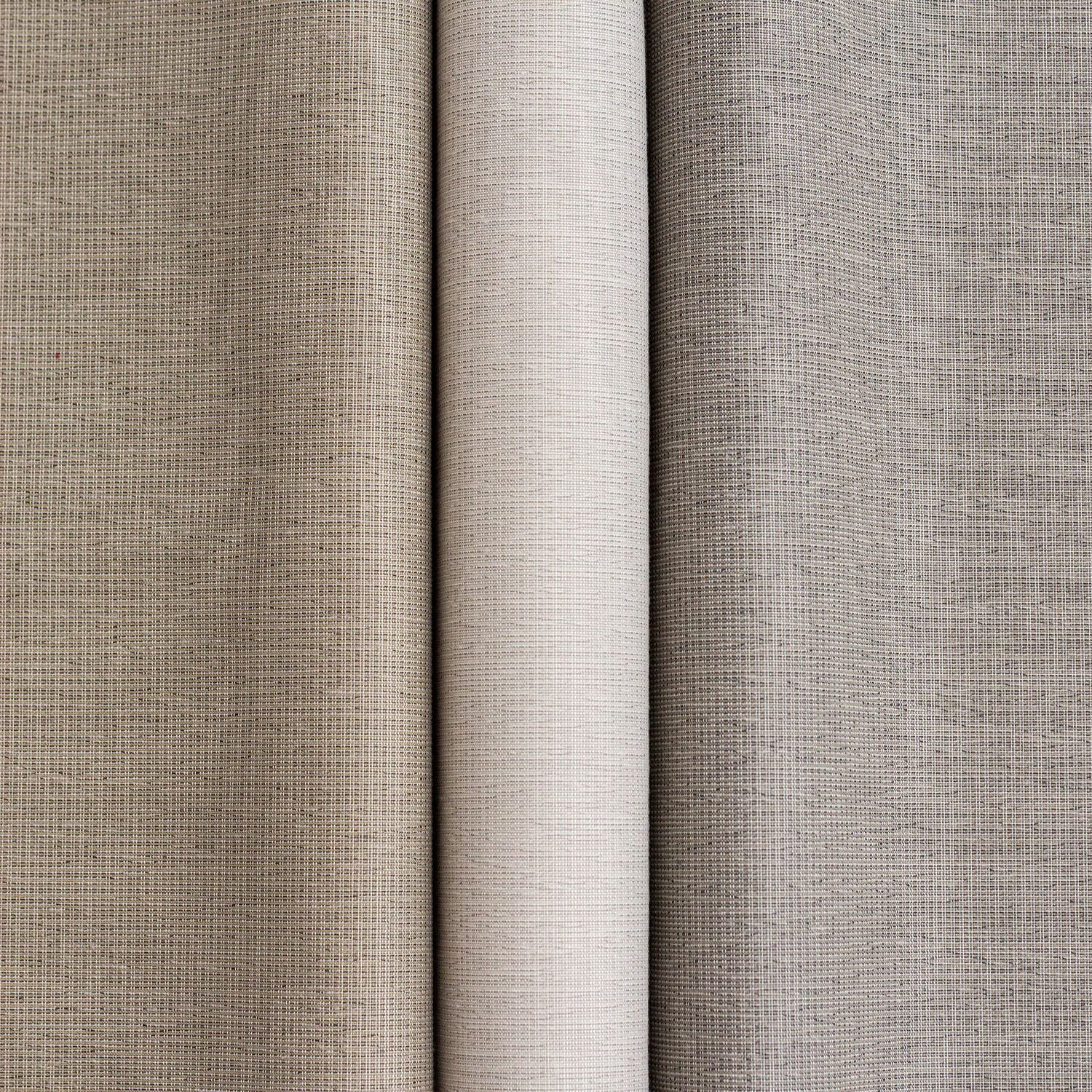
The weave pattern is the way warp and weft yarns cross over each other to form the fabric. Even when the fiber content stays the same, a different weave can completely change the look and feel of linen. That is why weave pattern is such an important part of fabric selection, especially in fashion, home textiles, and interior applications.
Warp & Weft: A woven fabric is normally constructed from two yarn systems.
- Warp: Warp yarns run lengthwise through the fabric.
- Weft: Weft yarns run across the width. The weave describes how those warp and weft yarns cross each other.
For example, the simplest structure is: Warp Over One Weft → Under One Weft → Repeat. That creates plain weave.
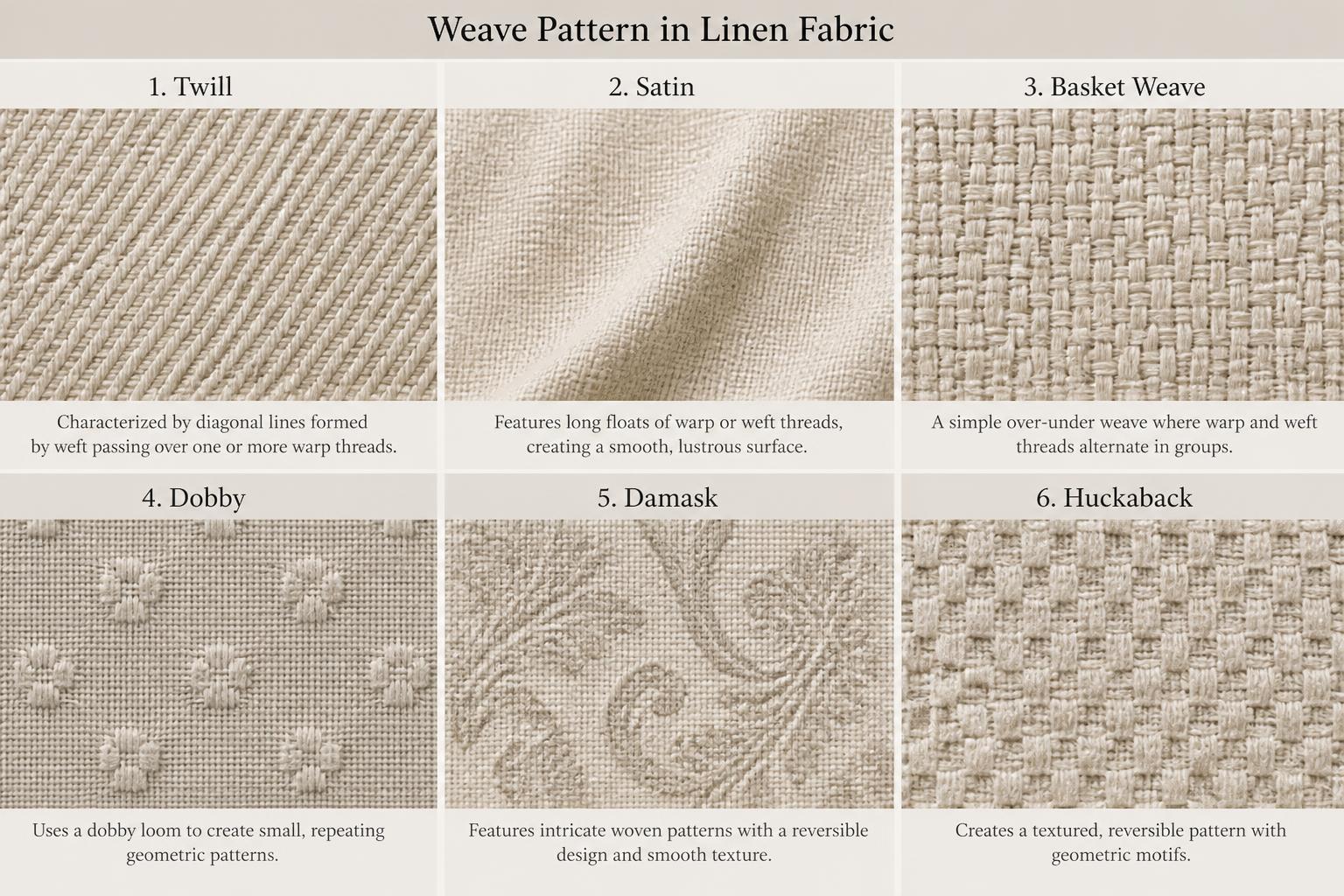
Changing the crossing sequence creates other structures such as:
- Twill
- Satin
- Basket
- Dobby
- Damask
- Huckaback
These structures can dramatically change the final fabric even when the fiber remains 100% linen.
Why Weave Pattern Matters in Linen
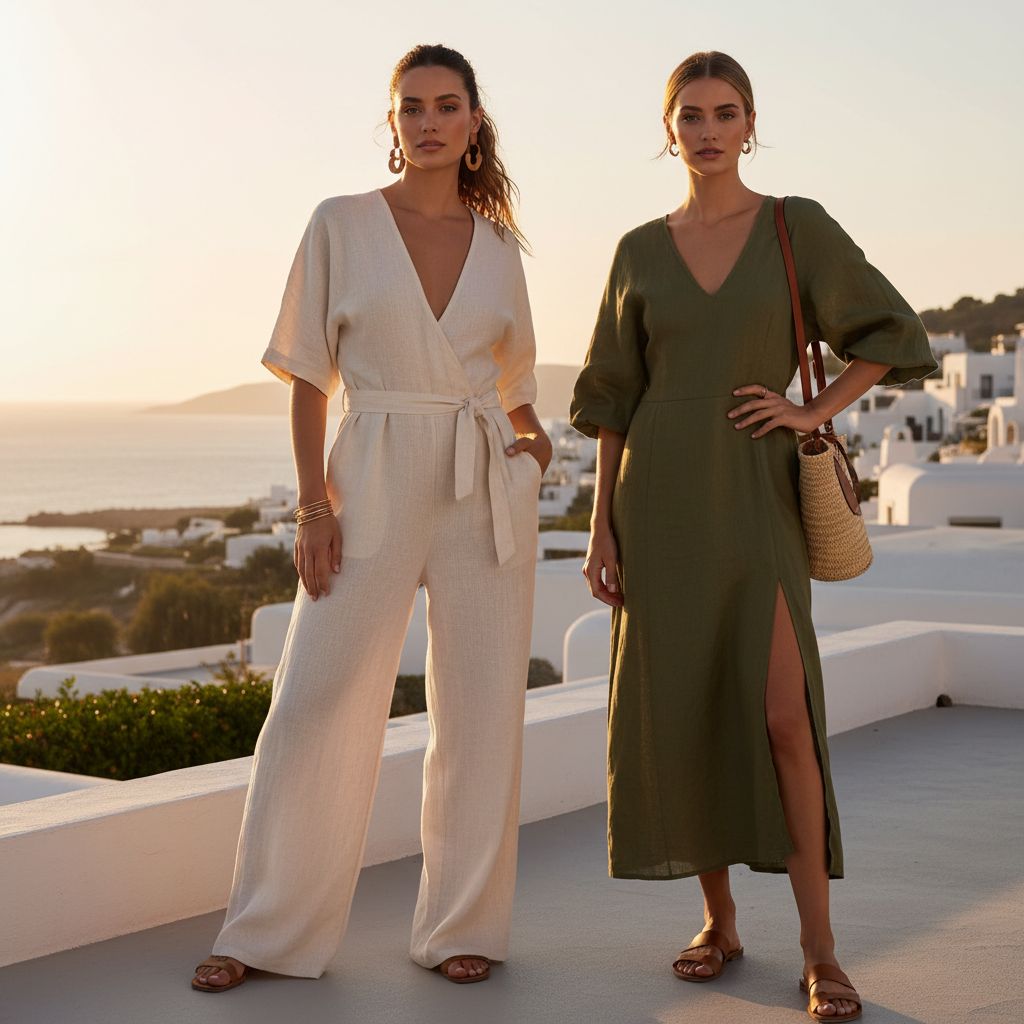
The weave structure of linen can affect many important fabric properties, including: Texture and hand feel, Breathability, Weight, Strength, and Absorbency. Choosing the correct weave pattern helps ensure that the fabric matches the intended product, whether it is a summer blouse, a luxury tablecloth, or a durable upholstery item.
Common Types of Linen Fabric By Weave Pattern
Plain Weave Linen
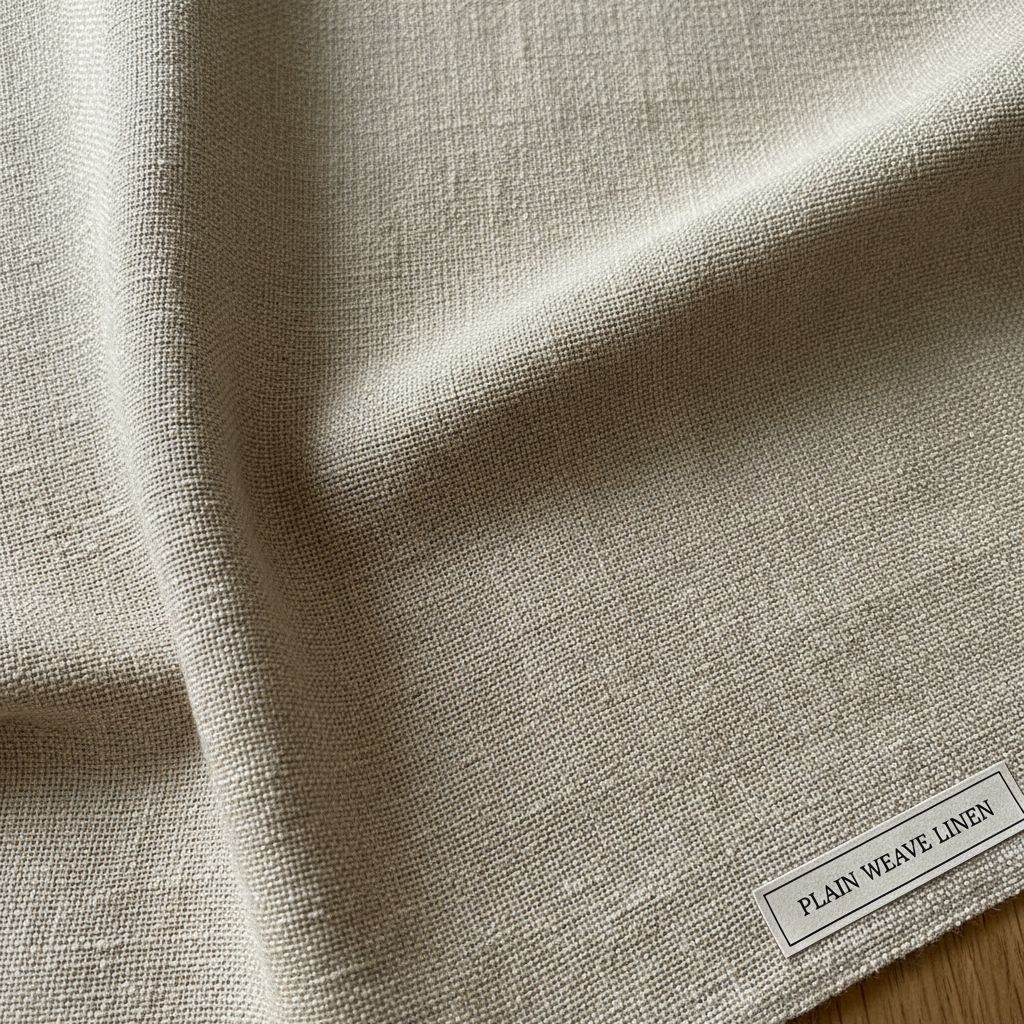
Plain weave linen is the most common type, featuring a simple over-under structure. It is practical, breathable, and crisp, making it a reliable choice for everyday versatility. It is often used for shirts, blouses, dresses, lightweight trousers, and basic home textiles.
Damask Linen
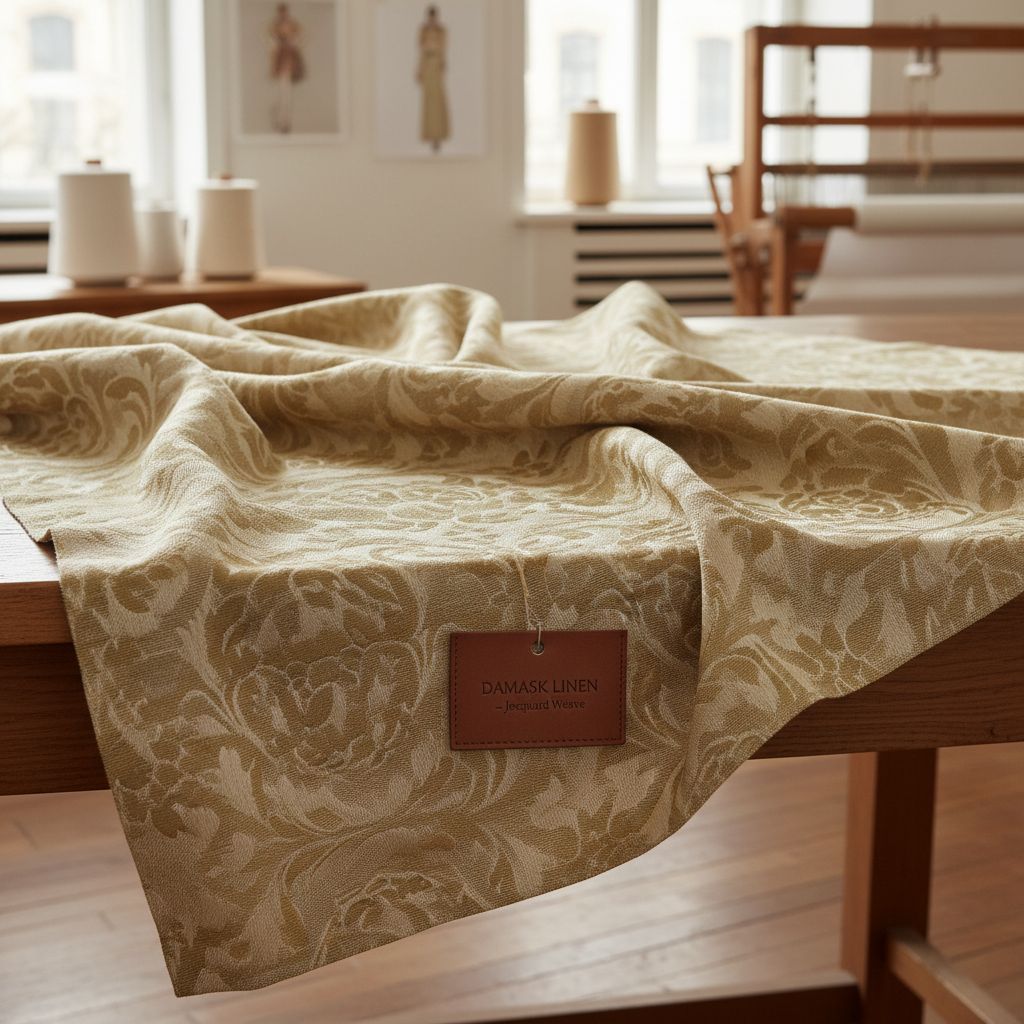
Damask linen is known for its elegant woven patterns and refined appearance. Unlike printed fabrics, the design is created directly through the weaving process, resulting in subtle contrast and a slight sheen. It is ideal for formal tablecloths, napkins, and upscale upholstery.
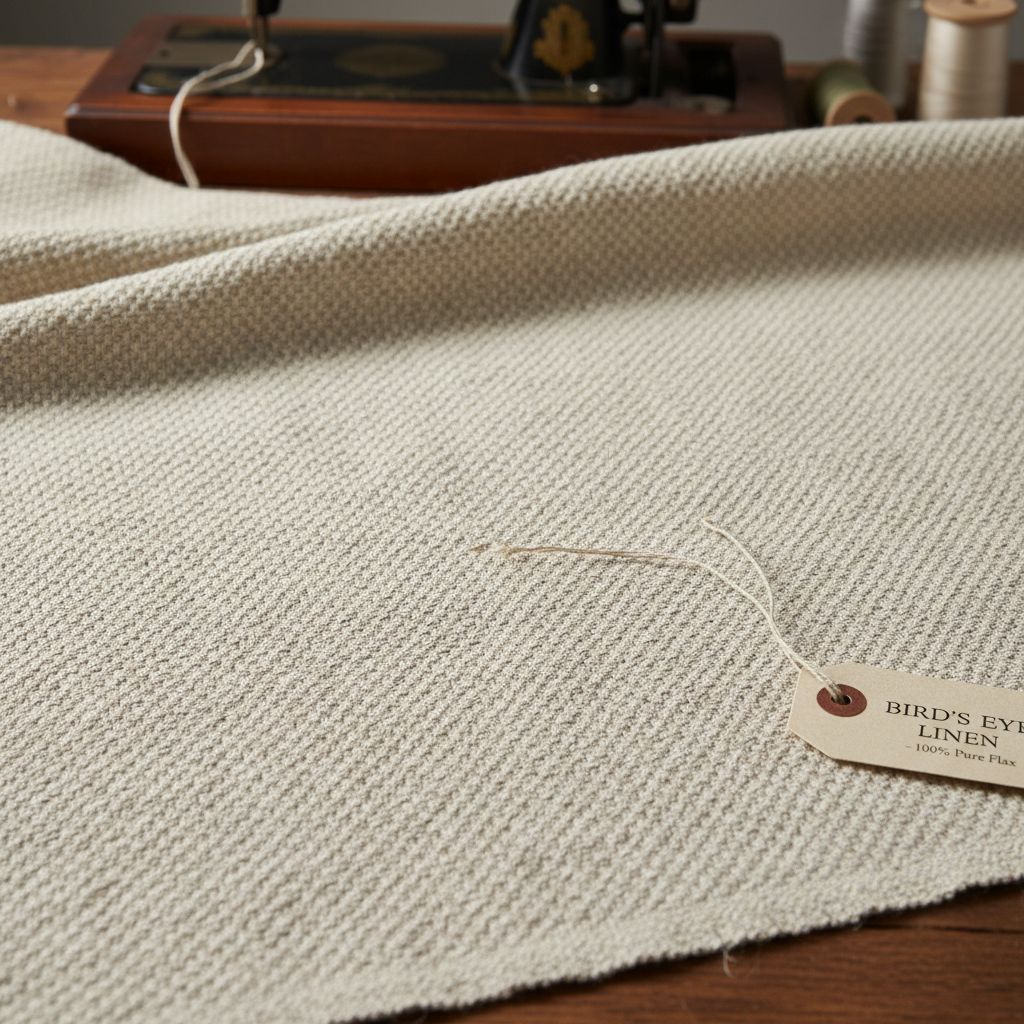
Bird’s Eye and Huckaback Linen
Bird’s Eye linen features tiny repeated diamond patterns that improve absorbency, perfect for hand towels and baby care. Similarly, Huckaback linen has a textured weave designed for strong absorbent qualities. While usually not selected for high-fashion garments, these are appreciated for their high-performance function in household cleaning and drying.
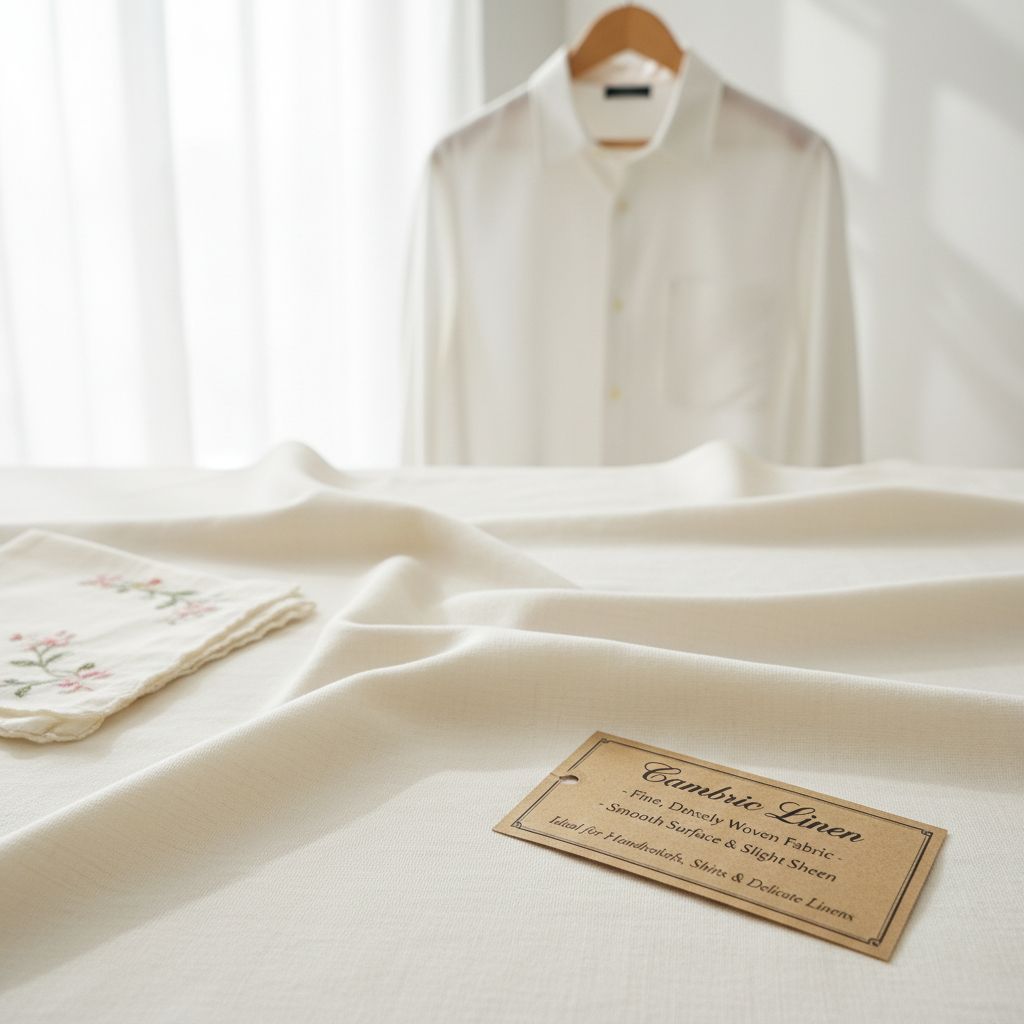
Cambric Linen
Cambric linen is a lightweight, finely woven fabric with a softer feel. It is often selected for products that need comfort and a refined touch, such as handkerchiefs, blouses, and fine summer garments. Its airy structure makes it graceful and airy.
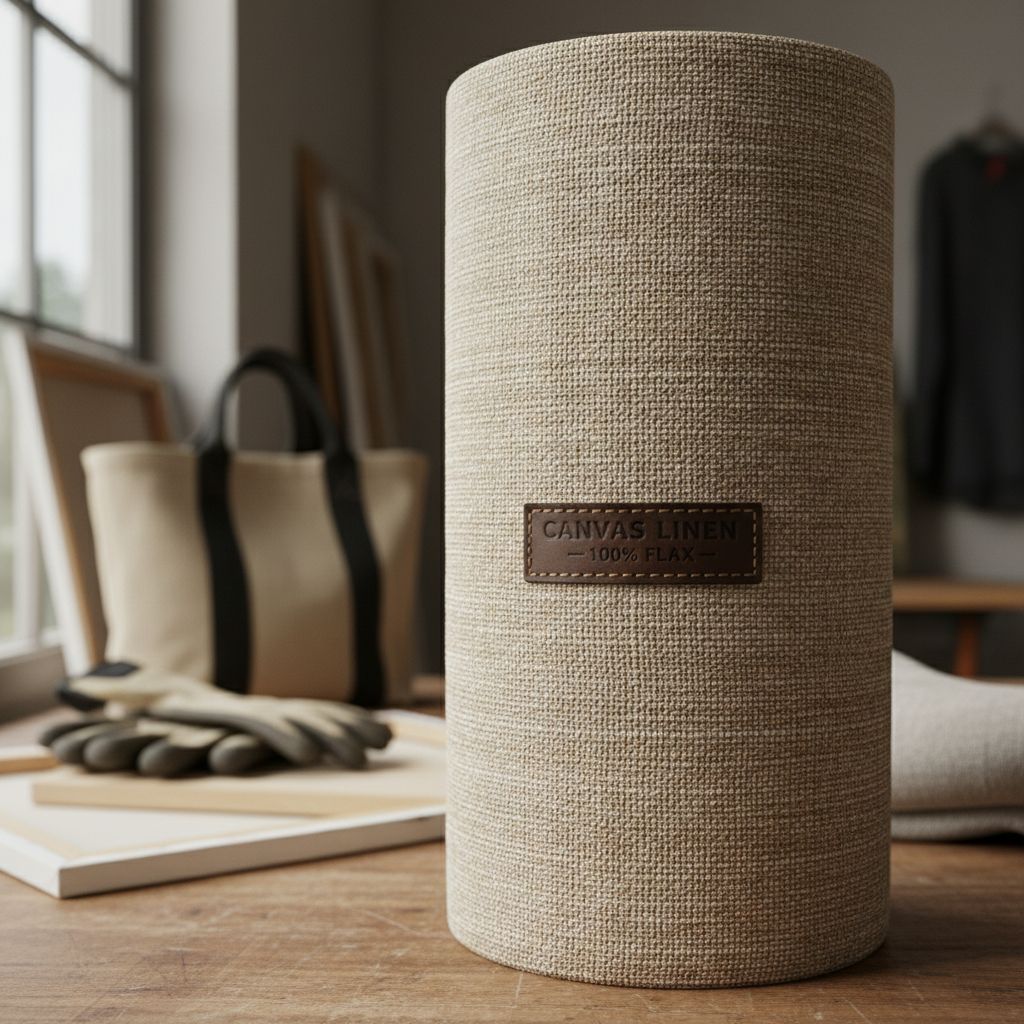
Venice and Canvas Linen
Venice linen is highly decorative with floral woven designs, used mainly for interior luxury and elegant design importance. Canvas linen is a heavy, coarse, and highly durable fabric suited for bags, shoes, and upholstery. It offers excellent support where long-term performance matters more than softness.
Choosing the Right Weave Pattern
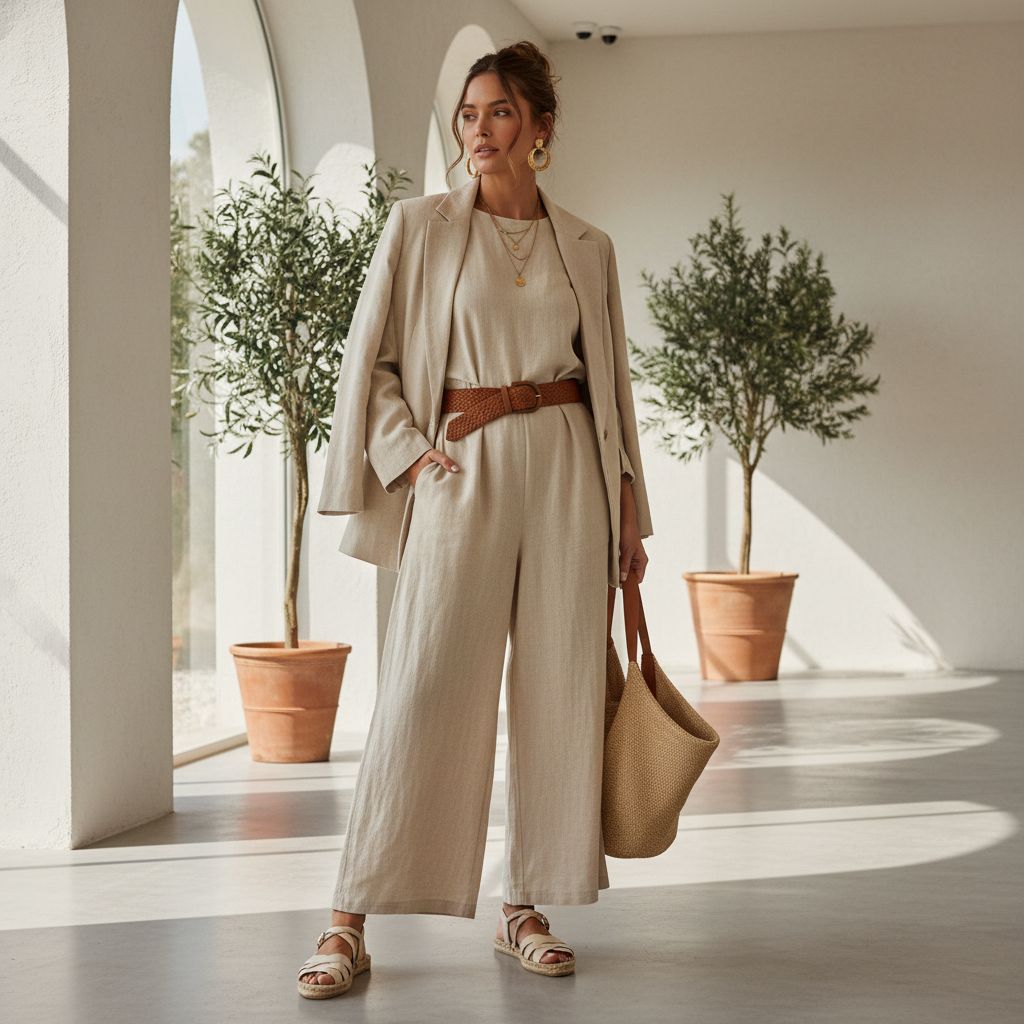
The best linen weave depends on your end product. In the fashion industry, cambric works well for elegant pieces, while home textiles rely on Damask or Huckaback for beauty and absorbency. Balance appearance, comfort, and durability before making your final fabric decision.
Conclusion
Understanding the common types of linen fabric by weave pattern helps manufacturers and designers choose materials more confidently. Whether you are working on clothing or decorative products, selecting the right weave improves both quality and user experience. Always consider not only the fiber but also the structure behind it to achieve the best results in performance and appearance.