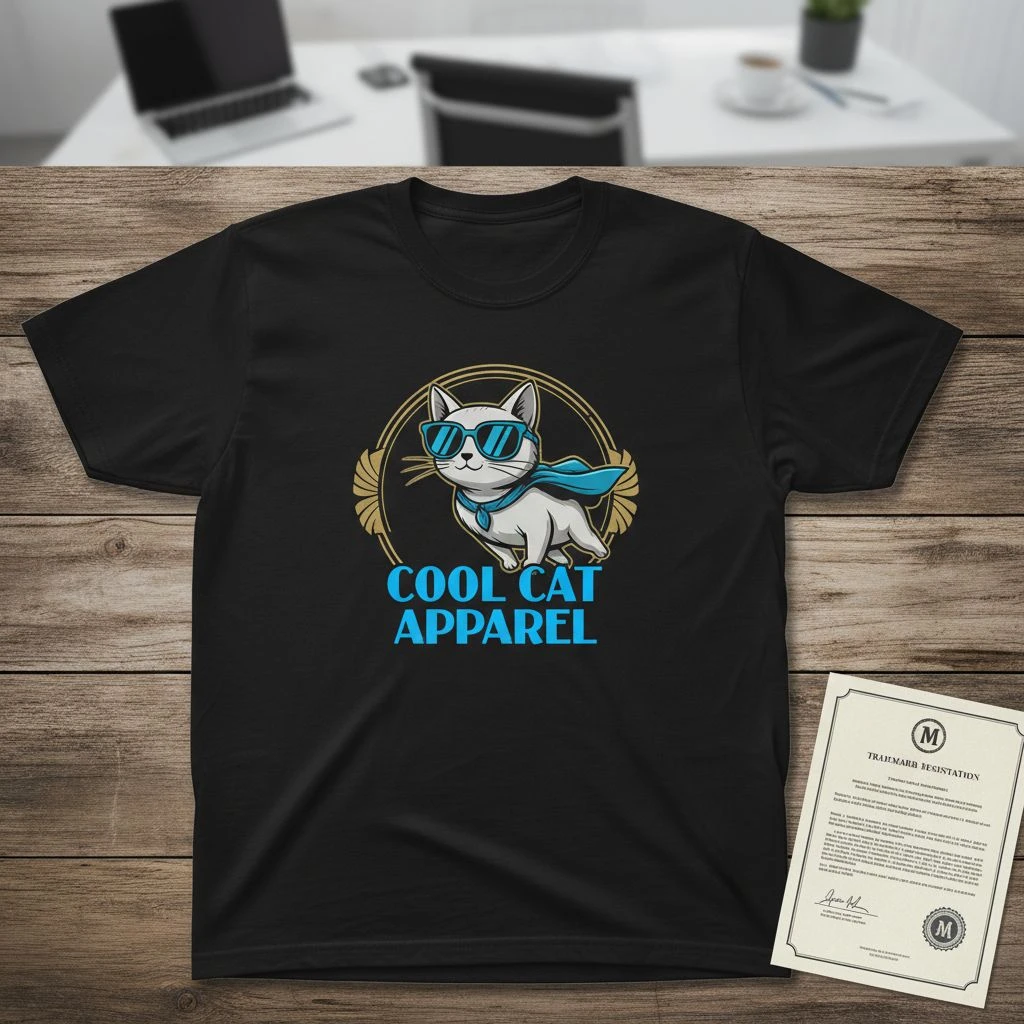
How to Protect Your T-Shirt Brand: Trademarks, Copyright,… and What Actually Works

If you’re building a T-shirt brand, you’re not just selling fabric. You’re selling trust. Your logo, name, and key phrases are how people spot you fast. But here’s the hard truth: most “cool shirt graphics” are not trademarks—they are decorations. The law treats decoration very differently from a brand sign. This guide explains what you can trademark, how the process works (especially in the U.S.), and how to avoid infringement mistakes.
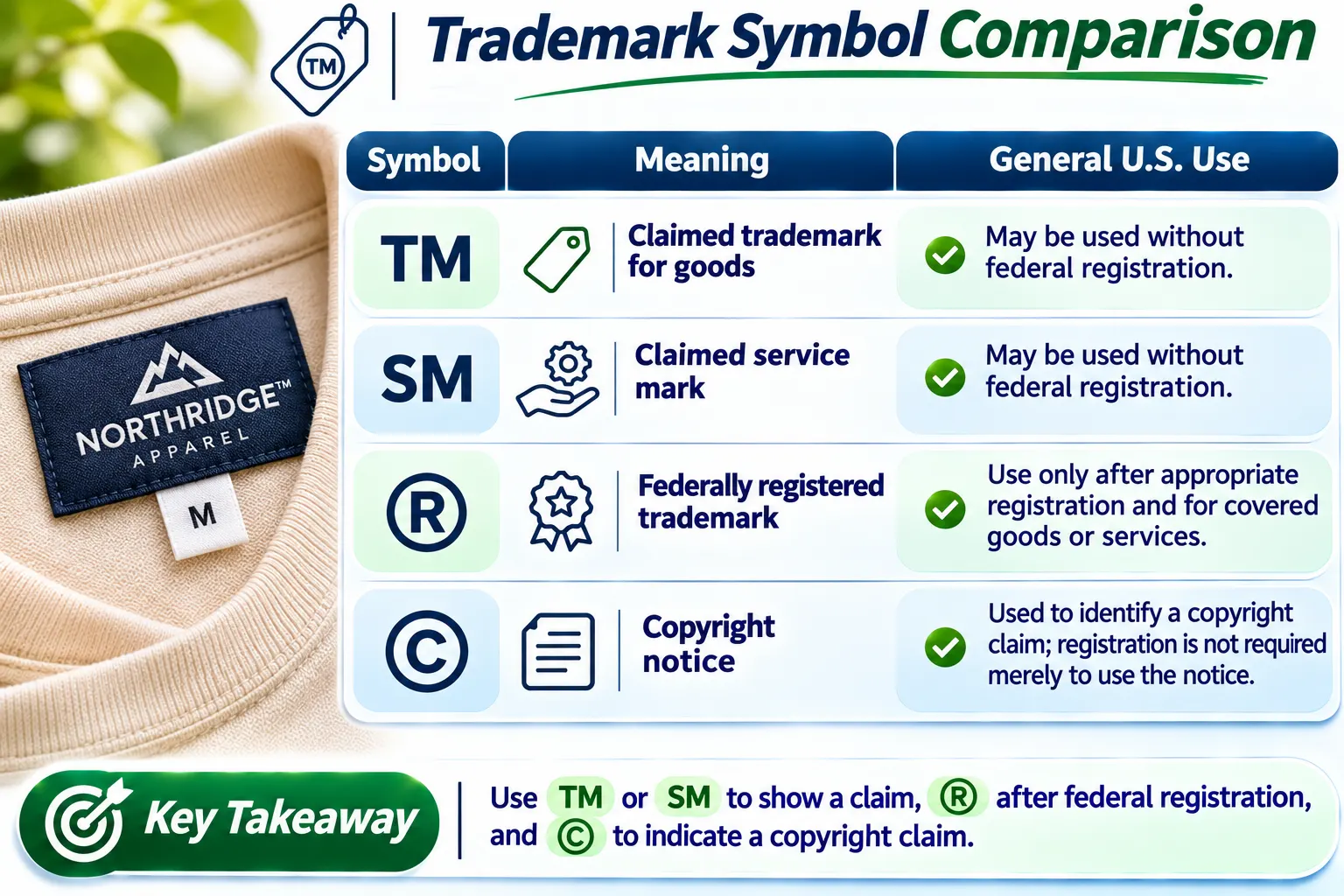
Trademark Symbol Comparison
| Symbol | Meaning | General U.S. Use |
|---|---|---|
| TM | Claimed trademark for goods | May be used without federal registration |
| SM | Claimed service mark | May be used without federal registration |
| ® | Federally registered trademark | Use only after appropriate registration and for covered goods or services |
| © | Copyright notice | Used to identify a copyright claim; registration is not required merely to use the notice |
What “Trademarking a T-shirt Design” Really Means
A trademark protects a brand identifier—something that helps customers know who made the product. If buyers see it and think “nice graphic,” that’s ornamental. If they think “that’s that brand,” it’s closer to a real trademark. To be real, the design must act like a brand label. For most clothing brands, the key assets fall into several categories:
- Brand name: The name customers associate with your clothing company.
- Logo: A distinctive symbol, design, or combination of words and graphics that identifies your brand.
- Slogan: A phrase that may identify the source of products when used as a trademark.
- Original artwork: Creative illustrations, graphics, and other copyrightable designs.
- Garment designs: Certain original ornamental features or functional inventions that may qualify for other legal protection.
- Brand materials: Original photographs, marketing content, packaging artwork, and other creative assets.
Why Is Brand Protection Important?
A recognizable brand helps customers distinguish your products from competing clothing labels. When another business uses a confusingly similar brand name or copies protected artwork without permission, it may damage your reputation, create customer confusion, and reduce the commercial value of your original work.Early intellectual property planning can help reduce these risks.
Does Starting a T-Shirt Business Automatically Protect Your Brand?
Not completely. In the United States, certain trademark rights can arise through actual commercial use, while copyright protection generally begins when an eligible original work is created and fixed in a tangible medium. However, federal trademark registration and copyright registration can provide important additional legal benefits. Simply registering a business name, purchasing a domain, or opening a social media account does not automatically establish exclusive nationwide trademark rights.
What Should a New Brand Protect First?
For many new T-shirt businesses, protecting a distinctive brand name and logo is a sensible starting point. Brands that sell original illustrations should also review copyright ownership, design licenses, and registration options for commercially important artwork.
Trademark Specimen Comparison for T-Shirt Brands
| Specimen Example | Potential Suitability | Important Condition |
|---|---|---|
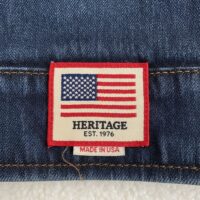
| Printed Neck Label | Often suitable | Must show genuine trademark use on actual goods |
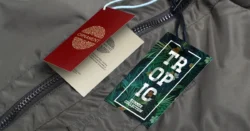
| Attached Hangtag | Often suitable | Must be associated with the goods in commerce |
| Small Chest Logo | May be suitable | Must function as a source identifier |
| Product Packaging | May be suitable | Must demonstrate trademark use with the goods |
| E-Commerce Product Page | May be suitable | Requires genuine purchasing information, URL, and access date |
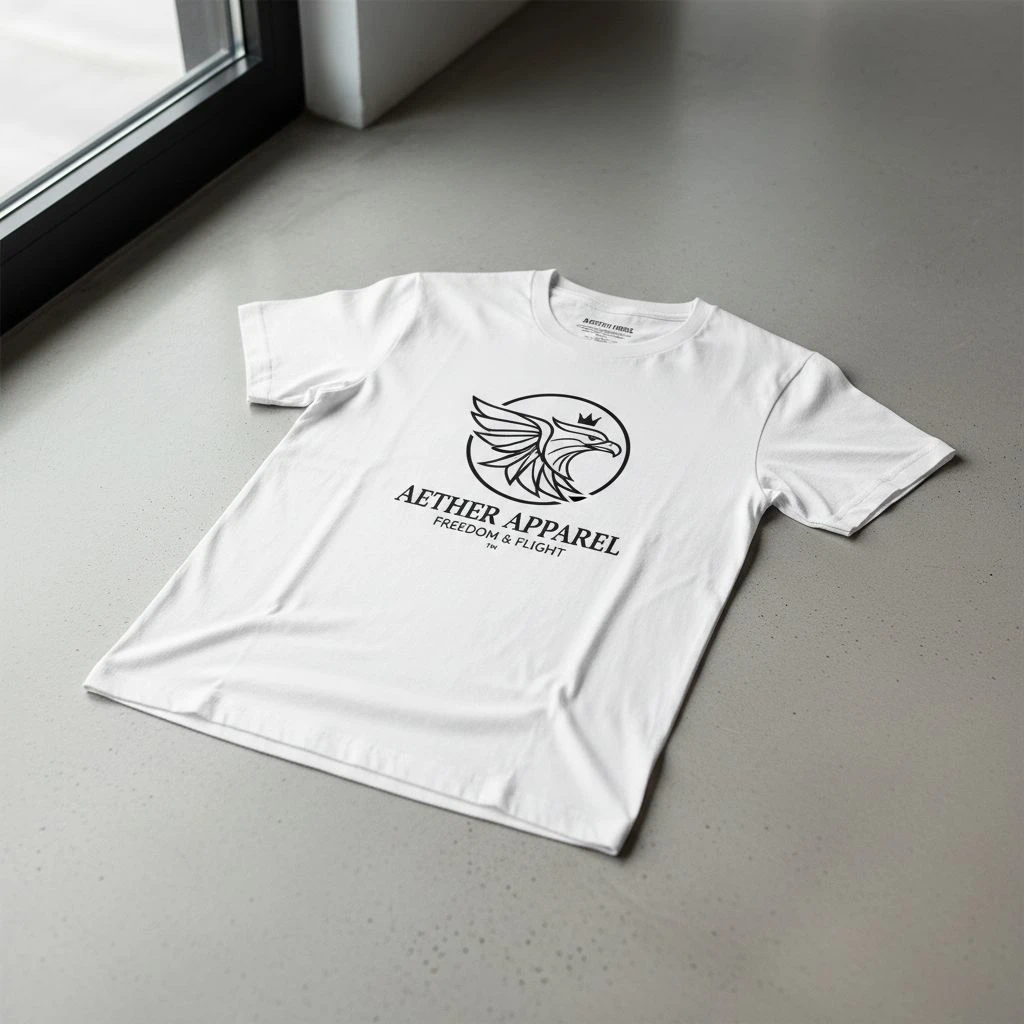
| Large Decorative Slogan | Higher refusal risk | May be considered ornamental use |
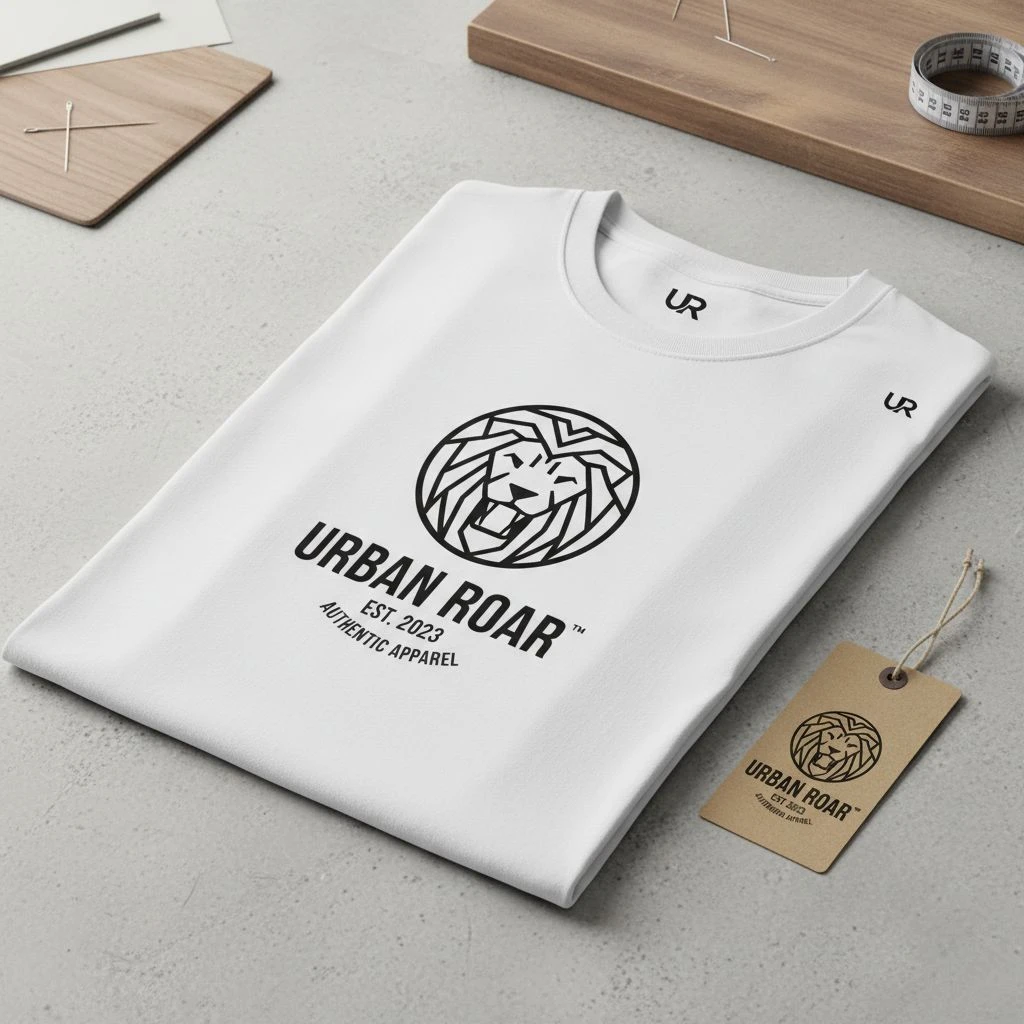
| Digital T-Shirt Mockup | Generally unsuitable as proof of use | Does not establish actual commercial use |
| Standalone Logo Artwork | Generally unsuitable as a use specimen | Does not show how consumers encounter the mark with the goods |

For more information, consult the official USPTO guidance on trademark specimens.
Trademark vs. Copyright vs. Patent: What Is the Difference?
Before you file, make sure you’re using the right type of protection for your T-shirt brand assets.
| Protection | What it Covers | T-shirt Examples |
|---|---|---|
| Trademark | Brand identifiers (Source) | Brand name, logo, tagline |
| Copyright | Original artwork | Unique illustrations or print designs |
| Patent | Functional inventions | New functional garment features |
Trademark Protection
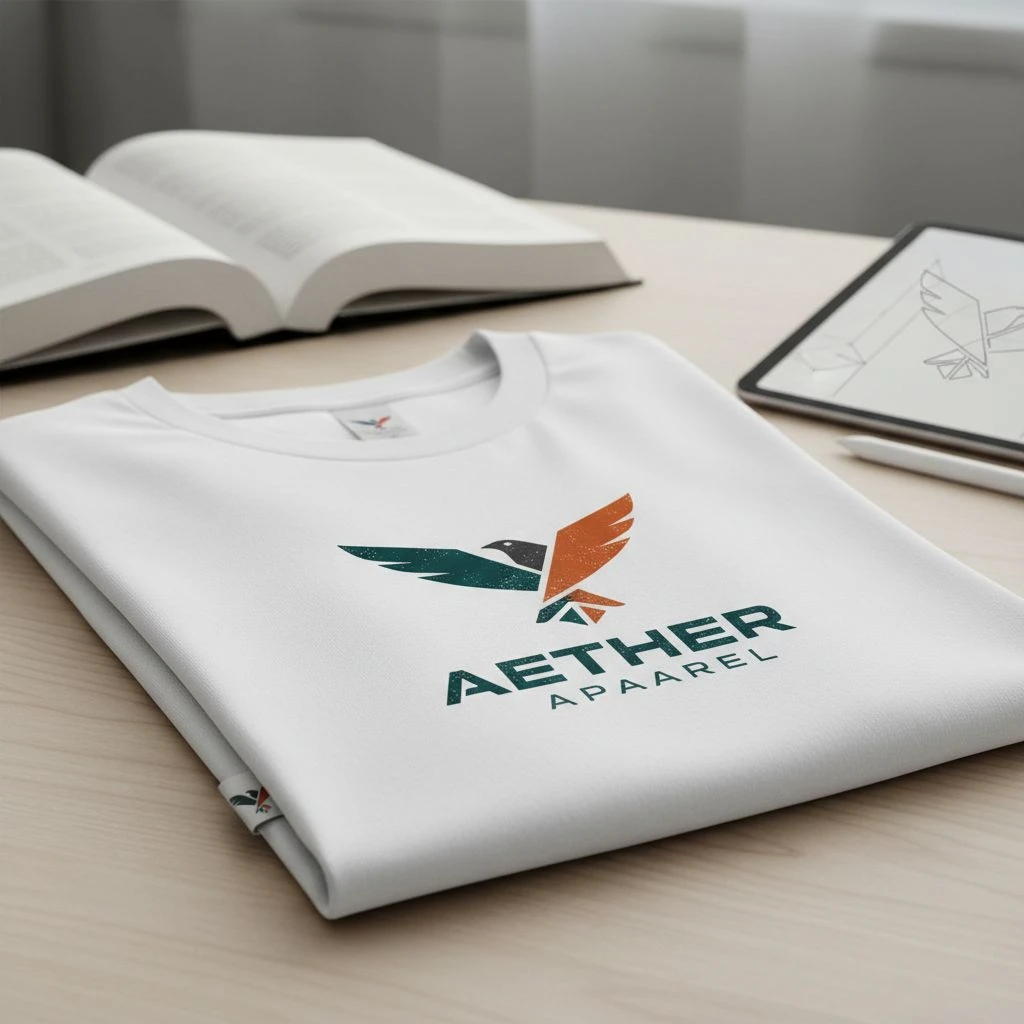
A trademark identifies and distinguishes the source of goods or services. For a T-shirt business, trademarks may include:
- A distinctive clothing brand name
- A recognizable company logo
- A recurring symbol associated with the brand
- A slogan that consumers recognize as identifying the brand
Trademark protection is primarily concerned with brand identity and avoiding consumer confusion.
Copyright Protection
Copyright protects qualifying original works of authorship, including many illustrations, graphic designs, photographs, and other visual artworks. For example, a sufficiently original illustration created for a T-shirt may qualify for copyright protection even if it is used as a large decorative graphic. Copyright does not protect general ideas, basic concepts, or ordinary phrases merely because someone uses them on clothing.
Patent Protection
Patent protection applies to qualifying inventions or designs. In apparel, a utility patent may protect a new and useful technical invention, while a design patent may protect a new, original, and ornamental design embodied in or applied to an article of manufacture. Patent protection is usually more relevant to specialized products than to ordinary brand names or basic T-shirt graphics.
What Actually Counts as a Trademark on Clothing?
On apparel, a trademark must function as a brand signal. The USPTO (U.S. Patent and Trademark Office) often refuses marks that look purely decorative, such as a large slogan across the chest.
- Good Targets: Word marks (names), logo icons, and recurring symbols used consistently.
- High Risk: Common phrases (“NO PAIN NO GAIN”), large quotes, or one-off graphics that change every drop.
Brand Names
A distinctive brand name can be a valuable trademark asset because customers may use it to identify and search for your products. Invented, arbitrary, or otherwise distinctive names are often easier to protect than generic or highly descriptive wording. Before selecting a name, brands should conduct a trademark clearance search.

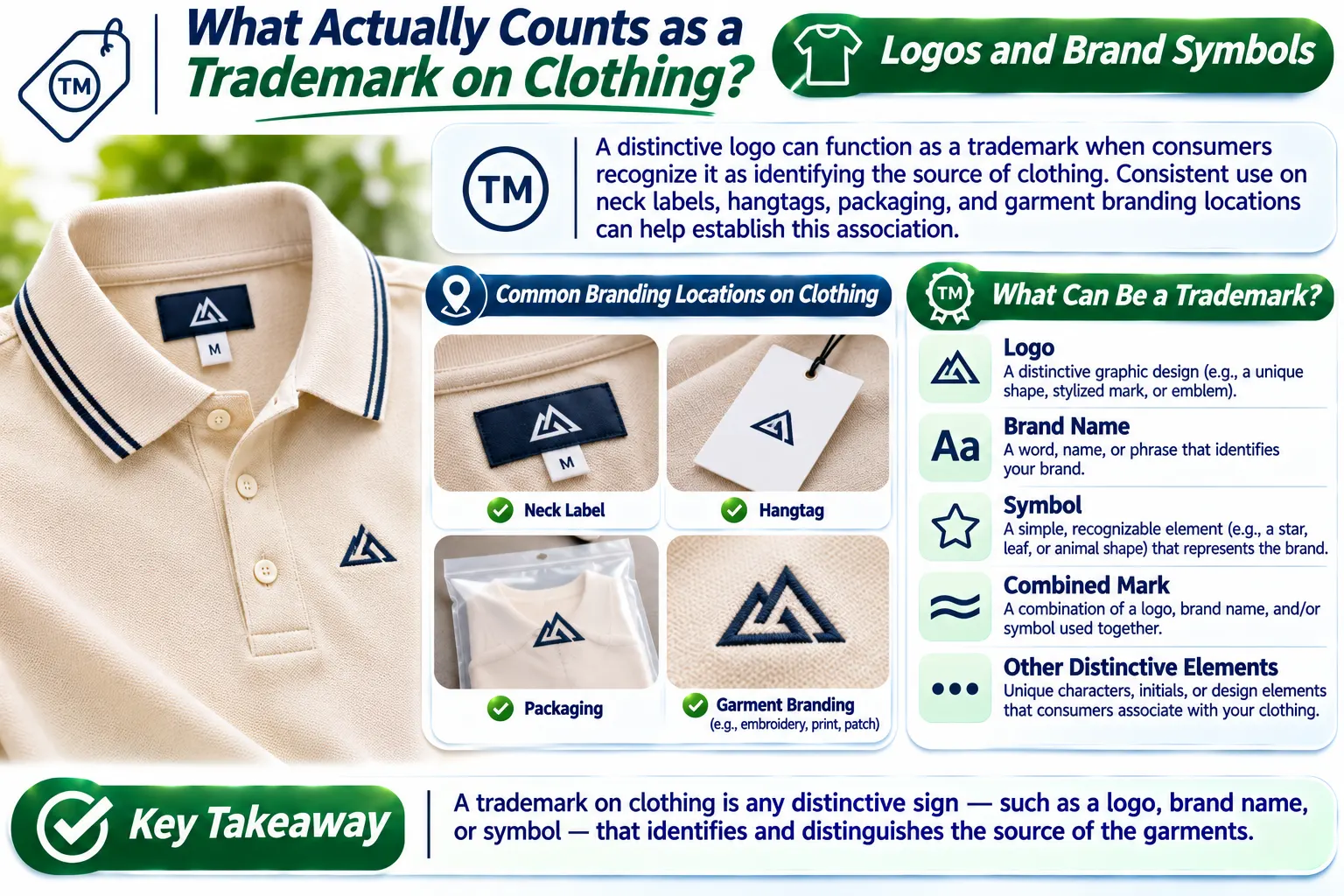
Logos and Brand Symbols
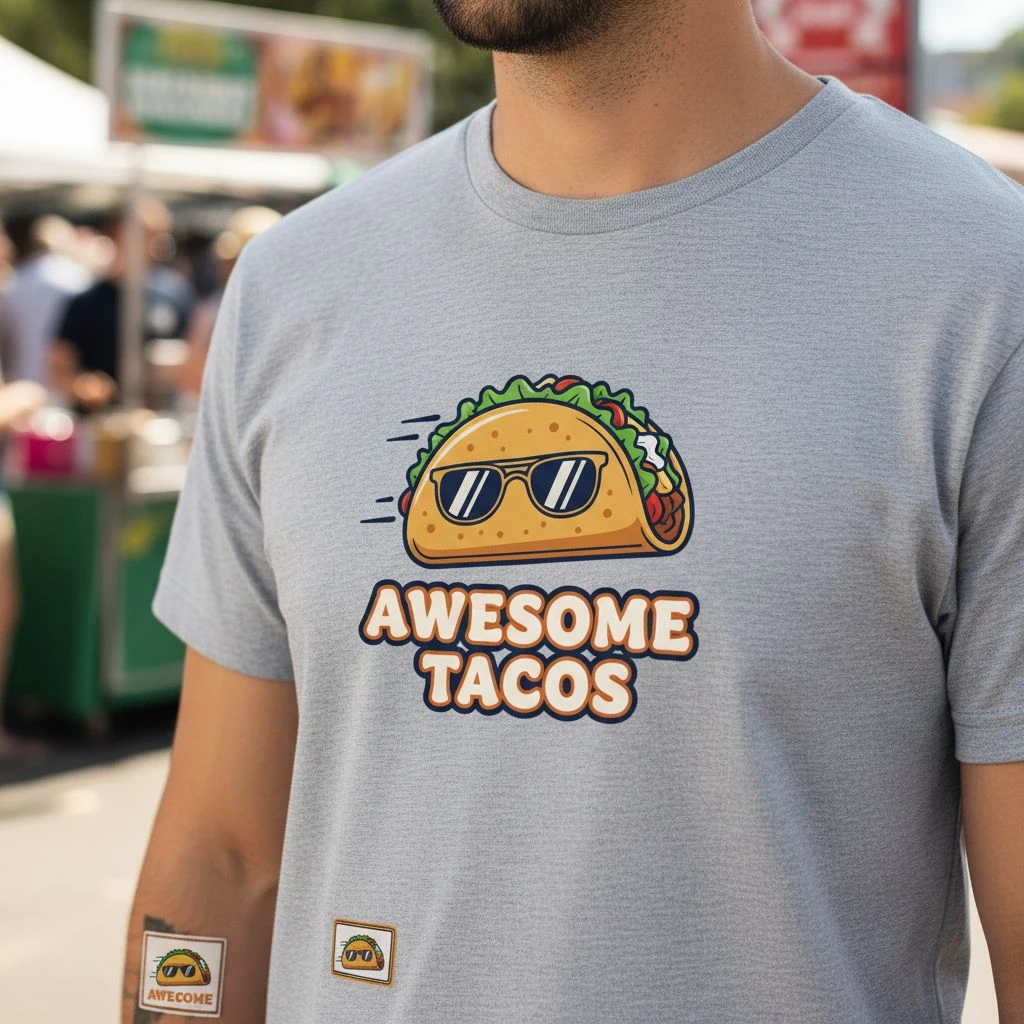
A distinctive logo can function as a trademark when consumers recognize it as identifying the source of clothing. Consistent use on neck labels, hangtags, packaging, and garment branding locations can help establish this association.
Slogans and Catchphrases
Slogans can sometimes function as trademarks, but they may face additional challenges. A phrase printed across the front of a shirt may appear to customers as a message or decoration rather than a brand identifier. Common expressions, motivational phrases, and everyday sayings are particularly difficult to protect when consumers do not recognize them as indicating a commercial source.
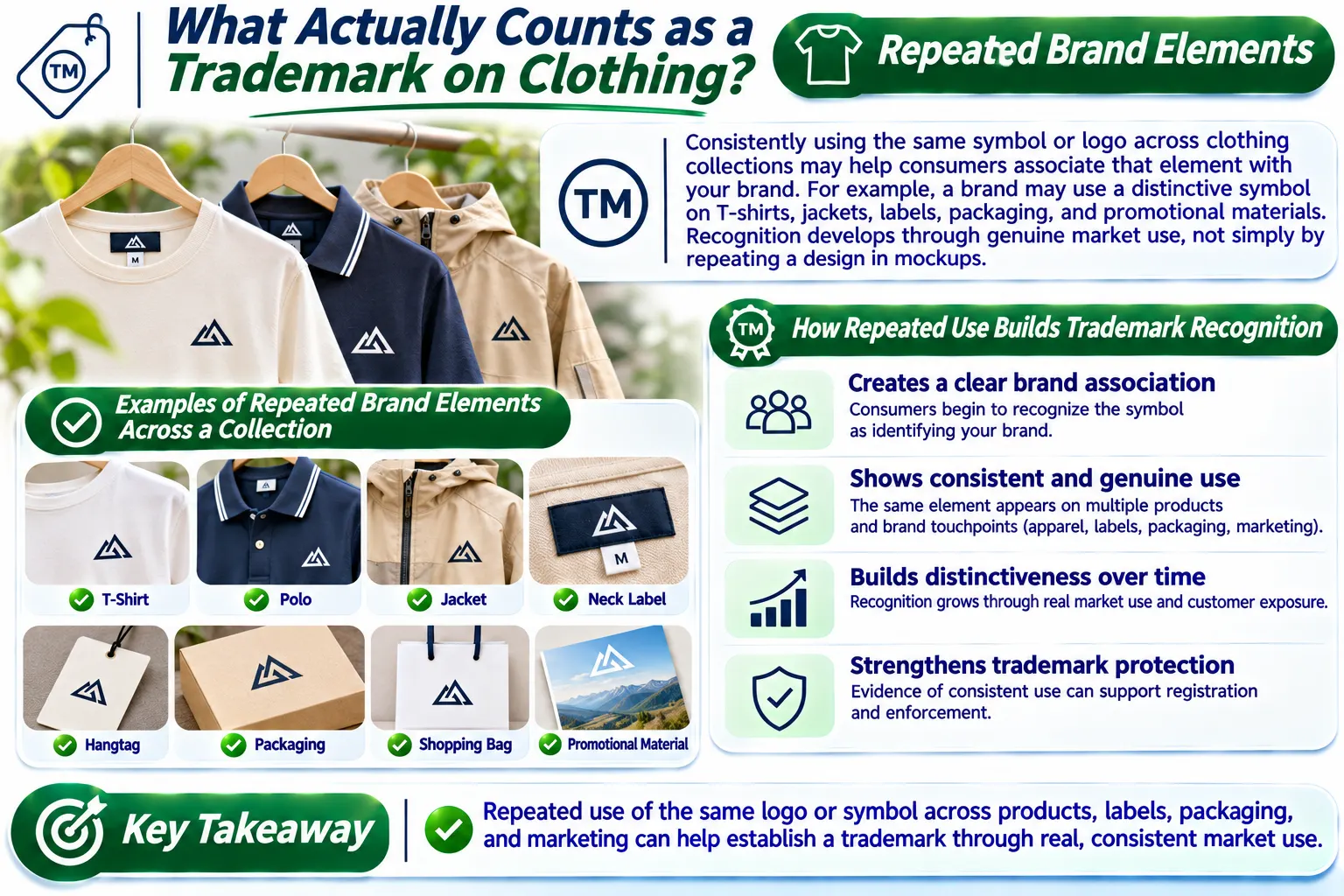
Small Chest Logos
A small, distinctive logo placed near the chest or pocket area may be perceived as a trademark. However, placement alone does not guarantee registrability. The mark must satisfy the applicable legal requirements.
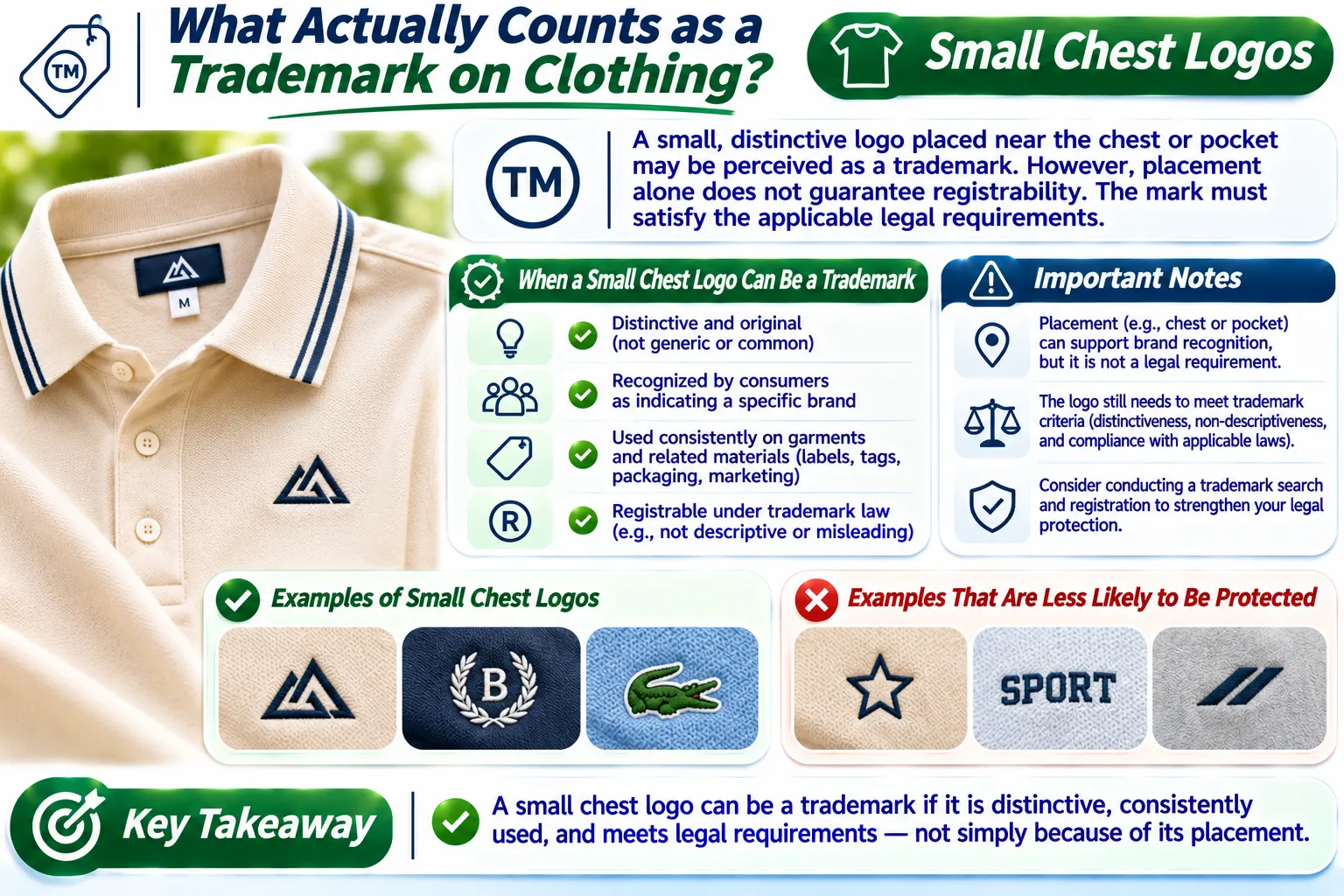
Repeated Brand Elements
Consistently using the same symbol or logo across clothing collections may help consumers associate that element with your brand. For example, a brand may use a distinctive symbol on T-shirts, jackets, labels, packaging, and promotional materials. Recognition develops through genuine market use, not simply by repeating a design in mockups.

How to Trademark Your T-shirt Designs in the U.S.
Trademarking isn’t just filling out a form; it’s proving your mark is a brand identifier. Most apparel brands struggle with providing a strong “specimen” that matches real-world use. Step-by-Step USPTO Path:
- Search for Conflicts: Use the cloud-based Trademark Search system to look for similar sounds, meanings, or logos.
- Pick Class 25: This is the standard class for clothing and T-shirts.
- Provide a Strong Specimen: This could be a printed neck tag, a hangtag attached to the shirt, or a website checkout page.
- Registration: Federal protection usually takes 12–18 months if no office actions or oppositions arise.
=> Note on Symbols: Use ™ while waiting for approval; use ® only after federal registration is complete.
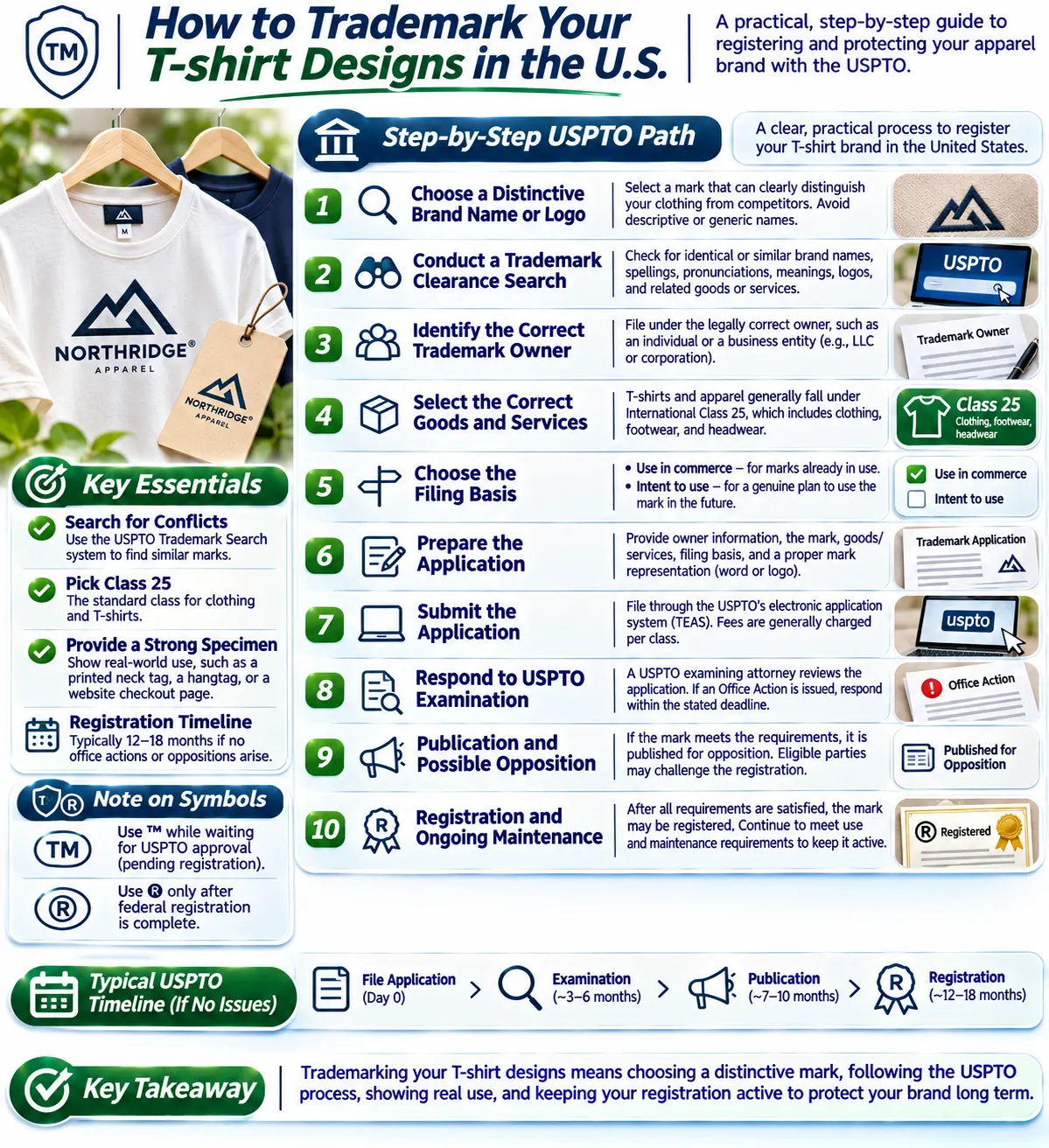
Step 1: Choose a Distinctive Brand Name or Logo
Begin by choosing a mark that can clearly distinguish your clothing from competing products. Names that directly describe the goods may be harder to protect than distinctive brand names. Avoid selecting a name simply because the matching domain or social media username is available.
Step 2: Conduct a Trademark Clearance Search
Search for existing trademarks that may conflict with your proposed brand. The USPTO provides an online trademark database, but a complete search should go beyond exact matches. Check for:
- Identical brand names
- Similar spellings
- Similar pronunciations
- Related meanings
- Similar logos
- Marks used with related goods or services
- Relevant unregistered commercial uses
Search the official USPTO Trademark Search resources. Important: A trademark can conflict with another mark even when the words are not identical or the goods are classified differently.
Step 3: Identify the Correct Trademark Owner
The application must identify the legally correct owner of the proposed trademark. Depending on the business structure, this may be an individual or an appropriate legal entity. Brands should avoid filing under an incorrect owner because ownership errors may create serious problems with the application.
Step 4: Select the Correct Goods and Services
Clothing and T-shirts generally fall within International Class 25, which includes clothing, footwear, and headwear. However, a business selling T-shirts and a business providing custom printing or retail services may need different goods or service descriptions and potentially additional classes. Applicants should accurately identify their actual or intended goods and services instead of choosing every available category.
Step 5: Choose the Filing Basis
Two common U.S. trademark filing bases are:
- Use in commerce: For qualifying marks already being used in commerce.
- Intent to use: For applicants with a genuine intention to use the mark in commerce in the future.

Intent-to-use applicants can generally apply before launching their products, but they must satisfy the applicable use requirements before registration under that basis.
Step 6: Prepare the Application
The application generally requires information about the owner, mark, goods or services, filing basis, and other relevant details. Applicants must also choose the appropriate mark representation, such as standard-character wording or a stylized logo.
Step 7: Submit the Application
Trademark applications can be filed through the official USPTO electronic application system. Application fees are generally charged per class. Additional fees may apply depending on application requirements and later filings. For current fees, see the USPTO Trademark Fee Information.
Step 8: Respond to USPTO Examination
A USPTO examining attorney reviews the application for legal requirements and potential grounds for refusal. Possible issues include confusing similarity to an existing mark, lack of distinctiveness, ornamental use, identification problems, or insufficient evidence of use. If the USPTO issues an Office Action, the applicant must respond within the applicable deadline.
Step 9: Publication and Possible Opposition
If the mark meets the examination requirements, it may be published for opposition. Eligible parties have an opportunity to challenge registration under the applicable procedures.
Step 10: Registration and Ongoing Maintenance
After all requirements are satisfied, the mark may proceed to federal registration. However, registration is not guaranteed, and the process can take many months or longer depending on the application and any legal issues. Once registered, the owner must continue meeting use and maintenance requirements.
How Copyright Protects T-Shirt Artwork
Copyright protection is particularly important for graphic T-shirt brands because much of their product value may come from original illustrations and designs.
What T-Shirt Artwork Can Be Copyrighted?
Examples of potentially copyrightable artwork include:
- Original illustrated characters
- Creative drawings and paintings
- Original graphic compositions
- Illustrated patterns
- Original photographs
- Qualifying artistic elements used in clothing prints

Protection depends on the originality and authorship of the particular work.
Does Copyright Protect a Basic T-Shirt Shape?
Generally, copyright does not protect the useful aspects of ordinary clothing. However, sufficiently original artistic features that can be identified separately from a garment’s useful function may qualify for copyright protection.
Does Copyright Protection Begin Automatically?
In the United States, copyright generally begins when qualifying original work is created and fixed in a tangible medium. Registration is not required for copyright to exist, but registration provides additional legal benefits.
Why Register T-Shirt Artwork With the Copyright Office?
Copyright registration creates an official public record of the claim. For U.S. works, registration or an applicable refusal is generally required before filing a copyright infringement lawsuit in federal court. The timing of registration can also affect the availability of certain legal remedies. Visit the U.S. Copyright Office’s guide for visual and graphic artists.
Does Copyright Protect Short Slogans?
Short phrases, names, and ordinary slogans generally do not qualify for copyright protection on their own. However, a sufficiently distinctive slogan may qualify as a trademark if it functions as a source identifier and meets other legal requirements.
Who Owns T-Shirt Designs Created by Freelancers?
Many fashion brands hire freelance illustrators, graphic designers, agencies, or independent contractors to create artwork. One of the biggest mistakes is assuming that paying a designer automatically transfers all copyright ownership to the brand.
Payment Does Not Automatically Transfer Copyright
Under U.S. law, the creator is generally the initial copyright owner unless an applicable exception or valid transfer applies. Buying a finished design file or paying an invoice does not, by itself, establish ownership of every copyright right.
Understand Work Made for Hire
Under specific legal conditions, qualifying works created by employees within the scope of employment or certain commissioned works may be treated as works made for hire. Not every freelance design qualifies simply because a contract labels it that way.
Use a Written Copyright Assignment When Appropriate
Brands seeking ownership of commissioned artwork should discuss a valid written copyright assignment or another appropriate agreement with a qualified legal professional. A clear agreement can address:
- Identification of the commissioned artwork
- Ownership of copyright
- Scope of any licensed rights
- Use on clothing and other products
- Permission to modify the artwork
- Territory and duration of rights
- Restrictions on reuse or resale
- Delivery of source files
- Third-party materials and licensing responsibilities
Source Files and Copyright Are Different
Receiving editable design files does not necessarily mean the brand owns the underlying copyright. Similarly, copyright ownership does not always mean the designer must provide every editable working file unless that delivery is part of the agreement.
Maintenance and When to Get Help
Registration isn’t the finish line. You must file maintenance documents (between the 5th and 6th year) to keep the mark active. It is often worth hiring an attorney if your mark is a slogan (high ornamental risk) or if you plan to expand your brand fast.
T-Shirt Brand Protection Checklist
Use this checklist when preparing to launch or expand a clothing brand.
| Action | Purpose | Priority |
|---|---|---|
| Choose a Distinctive Brand Name | Create a recognizable brand identity | High |
| Search Existing Trademarks | Reduce conflict and infringement risk | High |
| Review Trademark Registration Options | Seek appropriate legal protection | High |
| Use Consistent Brand Labels | Support genuine source-identifying use | High |
| Confirm Artwork Ownership | Establish rights to commercial designs | High |
| Review Third-Party Licenses | Avoid unauthorized commercial printing | High |
| Consider Copyright Registration | Support enforcement of important original artwork | High for valuable eligible designs |
| Document Product Sales and Brand Use | Maintain evidence of commercial activity | High |
| Use Clear Manufacturing Agreements | Define authorized production and brand use | High |
| Monitor Potential Infringement | Identify possible unauthorized uses | Ongoing |
| Track Trademark Maintenance Deadlines | Preserve registered trademark rights | Ongoing |
| Review International Protection | Support expansion into additional markets | Based on growth plans |
Conclusion / Final Words
Trademarking your T-shirt designs is about protecting what customers use to recognize your brand. Be strategic: lock down your name and logo first, use them consistently on neck tags and packaging, and document your use from day one. Build an identity that is hard to copy and easy to defend.
Official Resources for Further Reading
For current United States trademark and copyright requirements, consult the following official resources:
- USPTO: What Is a Trademark?
- USPTO: Comprehensive Trademark Clearance Searching
- USPTO: Ornamental Refusal and How to Overcome It
- USPTO: Trademark Specimen Requirements
- USPTO: Keeping Your Trademark Registration Alive
- U.S. Copyright Office: Guide for Visual Artists
- USPTO: Patent Essentials
FAQs: Trademarking Your T-Shirt Designs
Can I trademark a T-shirt design?
Yes, if it works as a brand identifier, not just decoration. Logos, brand names, and certain slogans can qualify. A big front graphic usually gets treated as “ornamental” unless you also use it like a brand (label, hangtag, packaging).
What’s the difference between trademark and copyright for T-shirts?
Trademark protects brand identity (name, logo, slogan that points to your brand). Copyright protects original artwork (illustrations, graphics). A single shirt can involve both: the art may be copyrighted, while your logo/slogan may be trademarked.
Can I trademark a slogan on a T-shirt?
Sometimes, yes. The slogan must act like a brand sign, not just a funny quote. A good sign it’s trademark-ready: you use it consistently across products and marketing, and you place it in a branding spot (hangtag/label) instead of only as giant chest text.
Why do so many T-shirt trademarks get rejected?
Most rejections happen because of: Ornamental use (looks decorative), Likelihood of confusion (too similar to an existing brand), Weak specimen (your proof of use isn’t acceptable), Too generic/too descriptive wording.
What counts as “ornamental” on clothing?
Usually: large designs centered on the chest that look like decoration. If the mark appears only as the main artwork, it’s harder to prove it’s a trademark. Brands reduce risk by also showing the mark on labels, hangtags, or packaging.
Where should my logo/mark appear to be “strong” for trademarks?
Best places (because buyers expect branding there): Neck label, Hangtag, Small chest logo, Packaging label/sticker. These placements help prove the mark is identifying your brand.
Do I need to be selling already to apply?
Not always. In the U.S., you can often file as intent to use if you haven’t launched yet, then submit proof later. If you’re already selling, you typically file based on use in commerce.
What is a “specimen,” and why does it matter?
A specimen is your real-world proof showing how the mark is used on the product. For apparel, strong specimens include: tags/labels attached to the shirt, packaging showing the mark, a product page that clearly shows the mark + the item + a way to buy. Bad specimens are a common reason for rejection.