6 Types Of Tag Printing Techniques For Your Apparel Brands

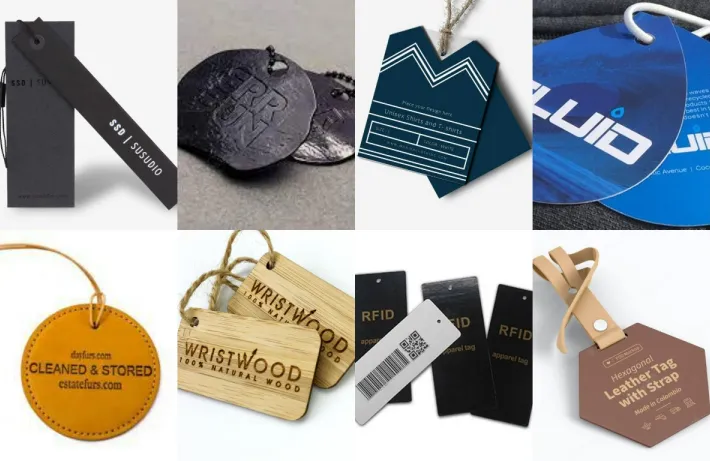
A hang tag is the label attached to clothing that shows key product details such as size, color, fabric content, brand name, and price. While it provides basic information, a hang tag also plays an important role in attracting customers and building brand identity at first glance. Hang tags come in many materials and styles. Common options include paper, plastic, metal, fabric, leather, ribbon, and RFID loop tags. The choice depends on the brand’s image, target market, and product positioning. Below are six popular hang tag printing techniques and how they are commonly used in apparel branding.
Overview of Hang Tags
Serving both functional and marketing roles, hang tags list size, fiber content, price and care symbols while acting as a visual cue at shelf or online unboxing; brands choose from paper, plastic, metal, fabric, leather, ribbon or RFID loop tags depending on position and channel. Premium labels lean on foil, embossing or lamination to signal value, while sportswear favors durable plastics and RFID for inventory – and you must consider finishing and eyelet sizes (0.25, 0.375, 0.4375 in) to prevent tearing.
=> Related Article: What Materials Are Commonly Used for Swing Tags?
6 Types Of Tag Printing Techniques
Ink Printing
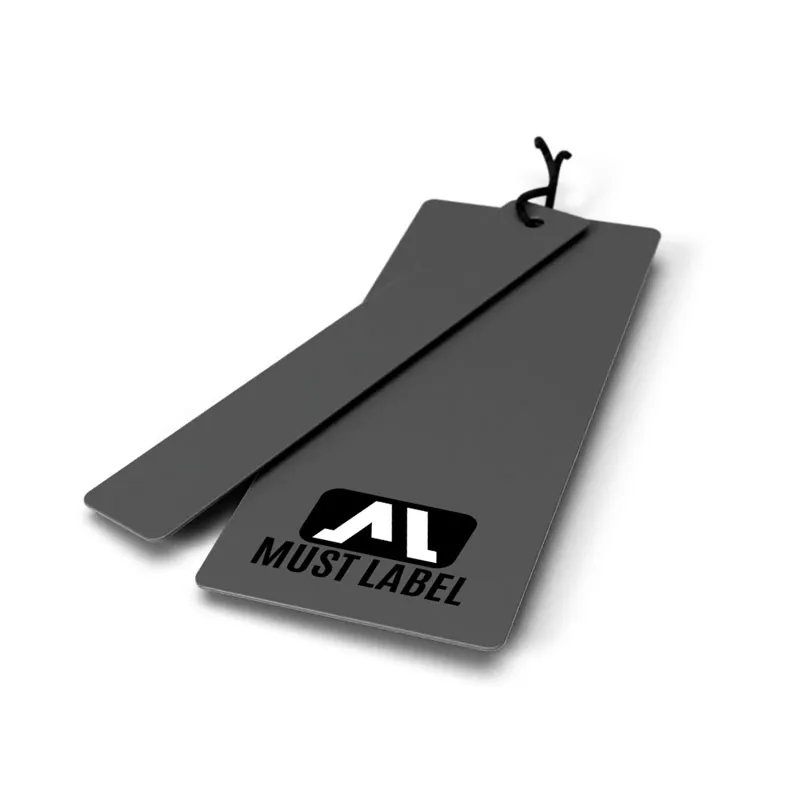
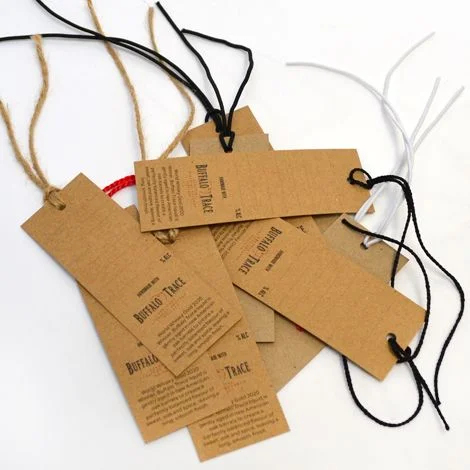
Digital and offset ink printing remain the default for paper hang tags; digital works best for short runs (50-5,000 tags) while offset becomes more cost-efficient past ~5,000 units. You can choose water‑based, solvent, or UV‑curable inks and print at 300-600 dpi for crisp text and barcodes. An added oiling or varnish layer reduces ink smudging and transfer, and spot finishing after printing lets you combine simple matte panels with glossy accents for contrast.
=> Related Article: Swing Tags Explained: Purpose, Design, and Best Practices for Apparel Brands

Common Uses
Brands typically use ink printing for size charts, care instructions, barcodes/QR codes, and straightforward logo work where legibility matters. If you need machine‑readable codes, aim for 300 dpi and a minimum 2 mm quiet zone around QR codes. Retail basics often use black on white for readability, while full‑color product shots are feasible for premium tag lines with photographic detail.
=> Related Article: Clothing Labels: Garment Labelling Requirements for Clothing
Quality Enhancements
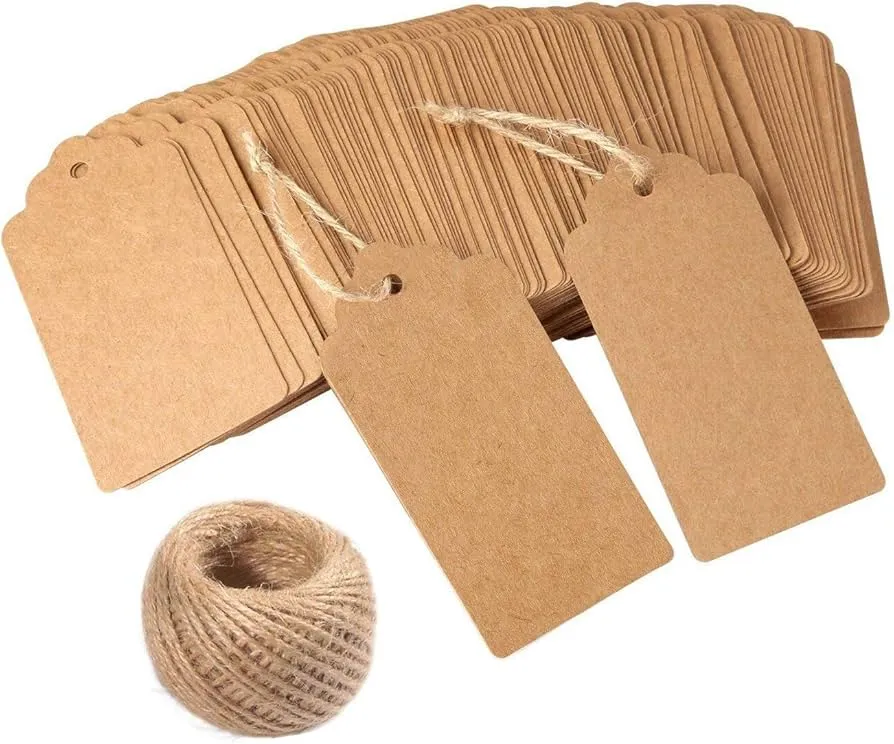
After printing, you can apply aqueous varnish, oiling layers, spot UV, or thin film lamination to boost appearance and durability; foil stamping and die‑cutting are common add‑ons. Using these finishes increases resistance to handling and moisture, and an oiling layer in particular prevents ink transfer during storage and transport, which protects both tag aesthetics and garments.
=> Related Article: Tips on Choosing the Best Clothing Manufacturer for Small Runs
In practice, finishes add both cost and time: expect an extra ~$0.01-$0.10 per tag depending on run size and coverage, and lead times may grow by 1-3 days for drying or curing. Suppliers often test tags with rub or abrasion checks; you should request results showing at least a 2x improvement in wear resistance after coating. Combining spot UV over printed logos while leaving text matte is a low‑cost way to create contrast without compromising barcode scannability.
UV Coating

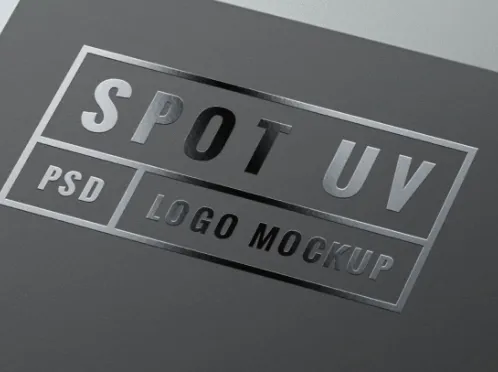
Applied as either a full coat or selective spot gloss, UV coating cures instantly under ultraviolet lamps to give your hang tags a high-shine, polished finish that amplifies color contrast and perceived value. You can choose glossy, satin, or spot UV to direct attention to logos, imagery, or product details; spot UV is especially effective for creating a tactile contrast that draws the eye without increasing tag thickness substantially.
=> Related Article: Can Color Affect My Mood or How Others Respond to Me?
Benefits and Features
UV coating improves scratch and scuff resistance and accelerates production because it dries in seconds, enabling faster finishing runs. It enhances color vibrancy and offers selectable gloss levels, yet you should note it is not suitable for writable surfaces and can crack on tight folds</strong) or very flexible materials, so material choice and design placement matter for durability and function.
Applications in Fashion
You’ll often see spot UV used to highlight logos, pattern details, or seasonal artwork on premium lines, while full UV coats are common on outerwear or accessories tags where surface protection is needed. For best results use heavier card stock-typically 250-350 gsm for hang tags-to avoid cracking and maintain a luxurious hand that complements your garment’s positioning.
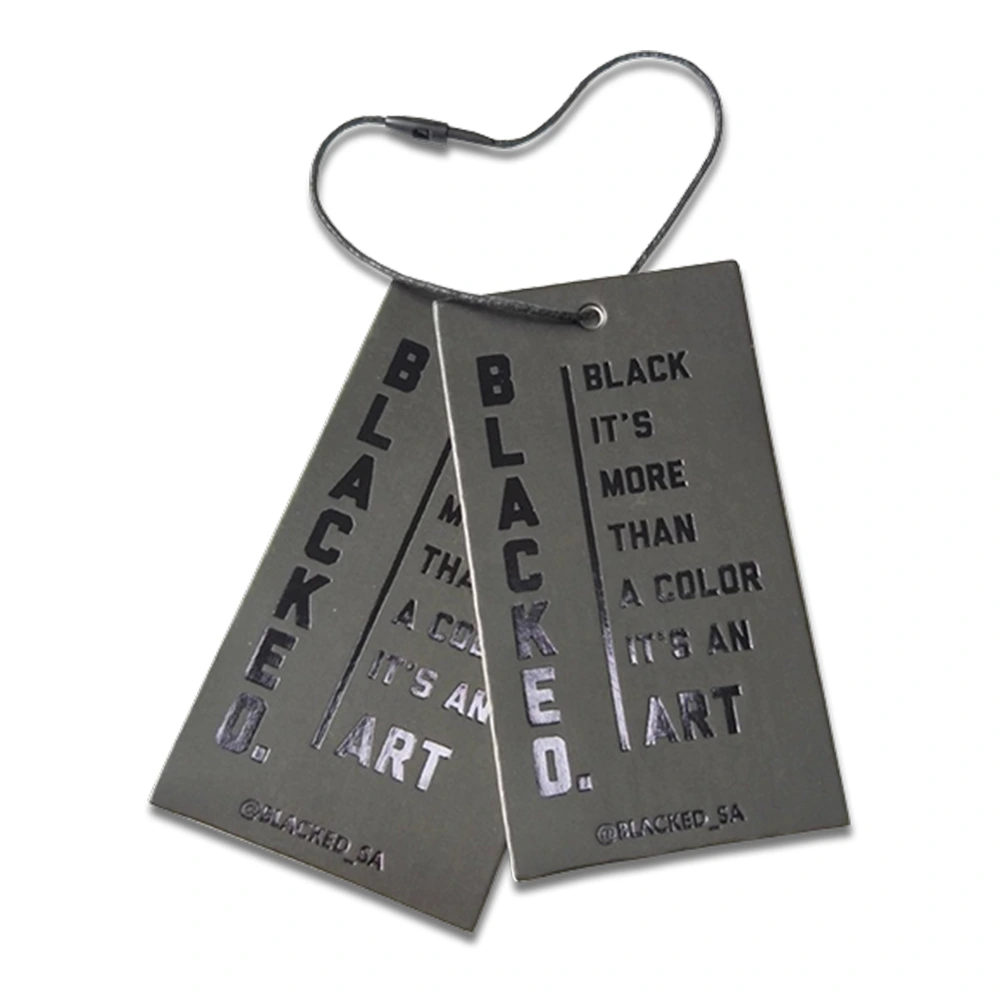
From a production standpoint, you should plan printing (usually CMYK offset or digital) before UV coating and coordinate with eyelet specs (common sizes 0.25-0.4375 inches) to prevent coating damage during finishing. Always run a small batch test for fold integrity and abrasion; perform a scratch and fold test when working with spot UV placements so your final tags survive shipping and retail handling without losing the intended visual effect.
Film Lamination
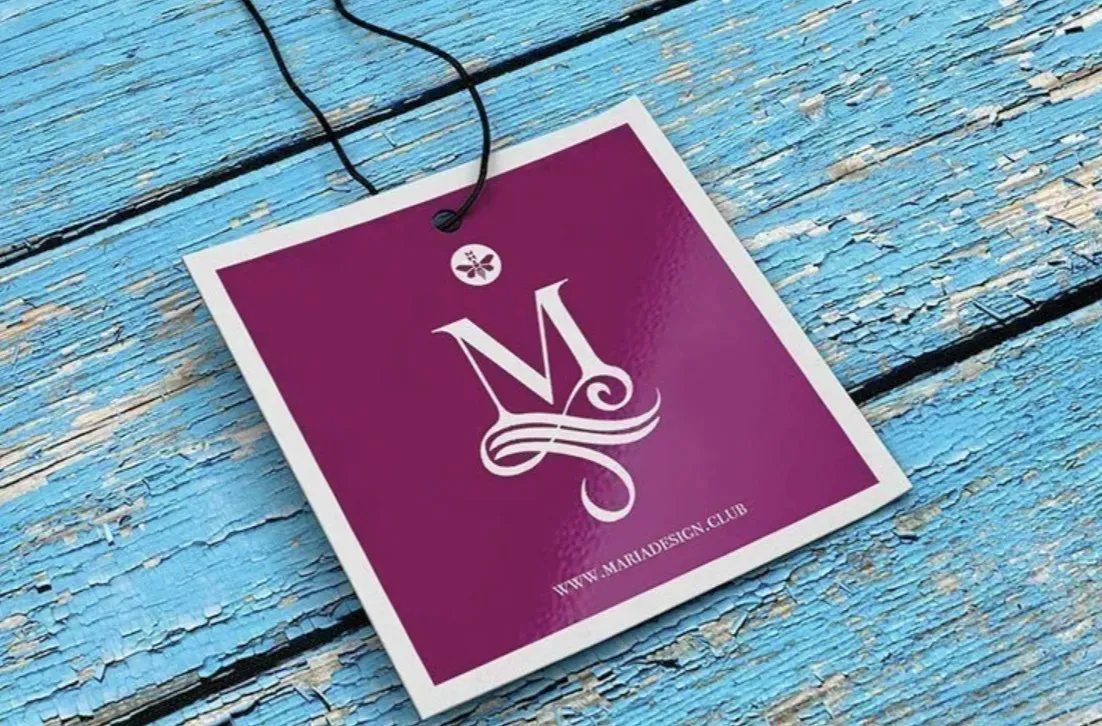
Film lamination covers your printed hang tag with a thin transparent plastic film, commonly in 12-25 µm thickness, to give a smooth, sturdy surface that preserves color and texture. You’ll find gloss, matte, and soft-touch finishes that change the tactile impression while keeping prints crisp; brands often choose lamination when tags must survive long distribution chains or heavy in-store handling.
=> Related Article: 6 Types Of Tag Printing Techniques For Your Apparel Brands
Durability and Protection
Film lamination greatly improves tag longevity by making surfaces resistant to moisture, tearing, and scuffs, and by preventing ink from rubbing off during transit or shelf handling. You can use cold lamination for heat-sensitive stocks or PET/BOPP films for higher chemical and abrasion resistance, ensuring tags remain legible after repeated customer handling and warehouse movement.
Ideal Use Cases
You should choose lamination for outerwear, swimwear, technical fabrics, luggage, and any product shipped internationally where tags face rough handling and varying climates. Retail chains and marketplaces that see high-touch merchandising often specify laminated tags to reduce replacements and maintain a consistent brand presentation across stores.
When deciding, weigh finish and film type: soft-touch conveys luxury for premium lines, matte reduces glare for minimalist brands, and gloss boosts color vibrancy for bold graphics. Also consider substrate and process-cold lamination protects low-GSM papers and specialty inks, while PET/BOPP films offer superior chemical and moisture resistance even if they add a small per-tag cost.
Foil Printing
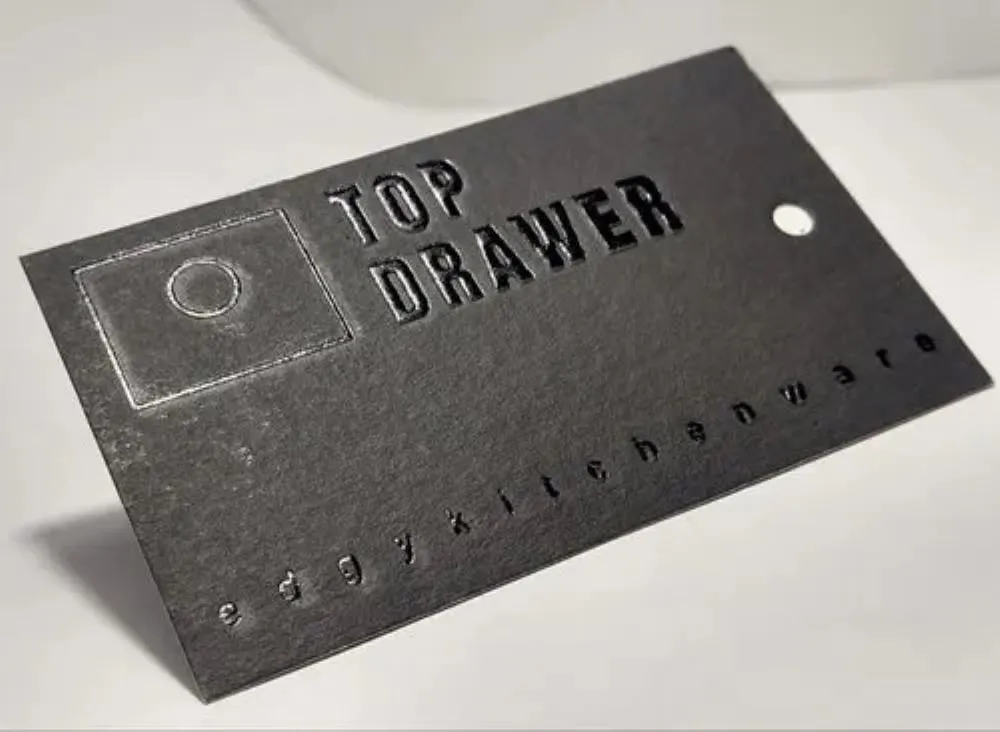
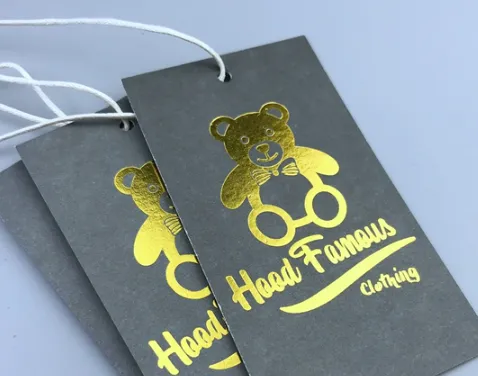
Foil printing uses metal dies and heat/pressure to transfer metallic film onto coated paper, producing gold, silver, copper, or holographic finishes. You can choose hot foil stamping for short runs or cold foil transfer for higher-volume CMYK-compatible effects. Best results come on 250-350 gsm stocks; thin paper may crack or flake under pressure. Expect added setup time and cost, but foil instantly elevates perceived value when applied to logos, borders, or selective design elements.

=> Related Article: Are Swing Tags the Same as Clothing Labels And What Different?
Aesthetic Appeal
Foil creates a high-contrast focal point that draws the eye across the tag; gold and silver are classic for premium lines while holographic foils signal limited editions. You should pair foil with matte or soft-touch finishes to amplify contrast. Small logos and simple typography work best-complex halftones lose detail under foil-so use clean shapes and negative space to maximize the luxury impact.
Brand Highlighting Techniques
Spot foiling concentrates metallic shine on your logo or brand name, while edge foiling or foiled die-cut accents add subtle sophistication. Layering foil with embossing gives a raised metallic mark that catches light at different angles. For cost efficiency, you can reserve foil for premium SKUs or seasonal capsules; spot foil plus emboss often delivers the highest perceived value per added dollar.
When preparing files, convert assets to vector and outline fonts, maintain a minimum stroke of about 0.3 mm and text at least 6 pt for legibility. Plan a die lead time of 2-5 days and budget typical die costs of roughly $30-$150 depending on complexity. Run a proof or short test batch of 50-200 tags to verify registration, adhesion, and finish before committing to full production.
Emboss Printing
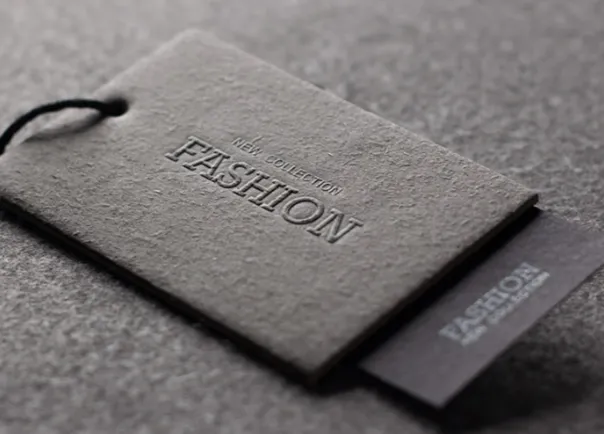
Embossing raises a design while debossing presses it into the surface, and both are powerful ways for you to add a tactile signature to tags. Use them on paper, plastic, or leather; typical emboss depths range from ~0.2-1.0 mm depending on effect. Combining emboss/deboss with foil or UV spot can amplify contrast and perceived value. For reliable results, choose tag stocks of at least 250-300 gsm for paper or >0.8 mm for leather; otherwise you risk weak definition or material damage.
=> Related Article: What Materials Are Commonly Used for Swing Tags?
Creating Texture and Depth
To create subtle texture, specify a shallow raise of ~0.2-0.4 mm; for a bold, luxury feel go deeper, around 0.6-1.0 mm. You can align embossing with printed elements using registered emboss to preserve layout accuracy, or use blind embossing for understated branding. Combining emboss with foil stamping highlights raised areas visually and tactically, and examples from premium labels show customer perception improvements of up to 30-50% in perceived quality during in-store tests.
Material Considerations
Material choice dictates achievable detail: coated papers handle fine lines better, uncoated papers take deeper impressions, and laminated surfaces often limit depth. For plastics, use PVC at ~0.3-0.5 mm; for leather, target 0.8-1.5 mm. Pay attention to grain and fiber direction, and avoid thin stocks-thin paper will tear or fold under high pressure, ruining the finish.
Die construction and production planning matter when you select materials. Male/female dies (brass or magnesium for fine detail) create the form, and a proper counter-die prevents choke or stretch in the substrate. You should prototype with 50-200 samples to validate depth and visual alignment before full production, and amortize die setup over larger runs (commonly 1,000+ tags) to keep unit cost reasonable. Also be aware that over-embossing can split fibers or crack coatings, so always test the exact paper finish and lamination combination you intend to use.
Debossing
Debossing is the reverse of embossing. Instead of raising the design, the text or image is pressed into the material, creating a recessed effect. This technique works well on paper, leather, and plastic hang tags. For a deeper and clearer result, the tag material must be thick enough.
=> Related Article: Swing Tags Explained: Purpose, Design, and Best Practices for Apparel Brands

About Hang Tag Eyelets
Eyelets are small rings, usually made of metal or plastic, placed around the hole in a hang tag. They reinforce the hole, preventing tearing when the tag is attached to garments. Eyelets also improve durability and give the tag a cleaner, more professional finish.
=> Related Article: What is Cotton 60s? Its Advantages, Comparison with Cotton 40s and Real Life Applications
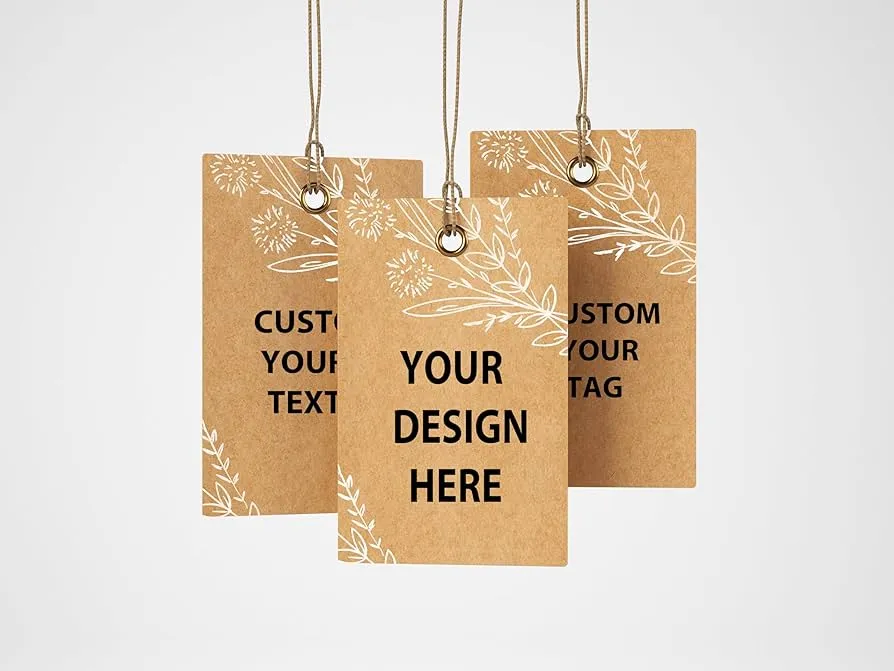
After printing, hang tags are finished with eyelets, which allow strings or cords to be attached. Common eyelet sizes include 0.25, 0.375, and 0.4375 inches, depending on the tag’s thickness and material. Choosing the right eyelet size helps prevent tearing and ensures the tag stays secure on the garment.

FAQs About 6 Types Of Tag Printing Techniques For Your Apparel Brands
What information should a clothing hang tag include?
A clothing hang tag should clearly communicate the most important details a customer needs before buying. This usually includes the brand name, size, color, fabric composition, and price. Many brands also add care instructions, sustainability claims, or QR codes that link to websites or product stories. A good hang tag helps customers feel informed and confident about their purchase.
What is the most common material for hang tags?

Paper is the most popular hang tag material because it is affordable, easy to print, and flexible in design. It works well for most fashion products, from casual wear to mid-range apparel. For premium or luxury garments, brands often choose leather, plastic, metal, or fabric tags to signal higher quality and exclusivity.
Which printing method is best for basic hang tags?
Ink printing is ideal for basic hang tags because it is cost-effective and efficient for large production runs. It allows clear text and simple graphics to be printed quickly. When combined with oiling or light coating, ink printing also helps prevent smudging and keeps the tag looking clean throughout shipping and retail handling.
What is the difference between embossing and debossing?
Embossing creates a raised design that customers can feel with their fingers, adding texture and visual depth. Debossing, on the other hand, presses the design into the surface, giving a more subtle and elegant look. Brands often choose embossing for bold logos and debossing for minimal, refined branding.
When should UV coating be used on hang tags?
UV coating is used when a brand wants its hang tag to look bright, smooth, and eye-catching. This coating enhances colors and protects the surface from scratches and dirt. It is especially useful for fashion brands that rely on strong visual appeal in retail environments.
Are laminated hang tags better than regular paper tags?
Laminated hang tags are more durable because the plastic film protects them from water, tearing, and bending. They are ideal for garments that travel long distances or are handled frequently. However, regular paper tags may still be preferred for eco-friendly collections or minimalist designs.
What is foil printing used for on hang tags?
Foil printing is mainly used to add luxury and visual impact. Metallic finishes like gold or silver draw attention to logos or brand names and make the tag stand out. This technique is commonly used by high-end and designer brands that want to create a premium feel.
Can hang tags be made eco-friendly?
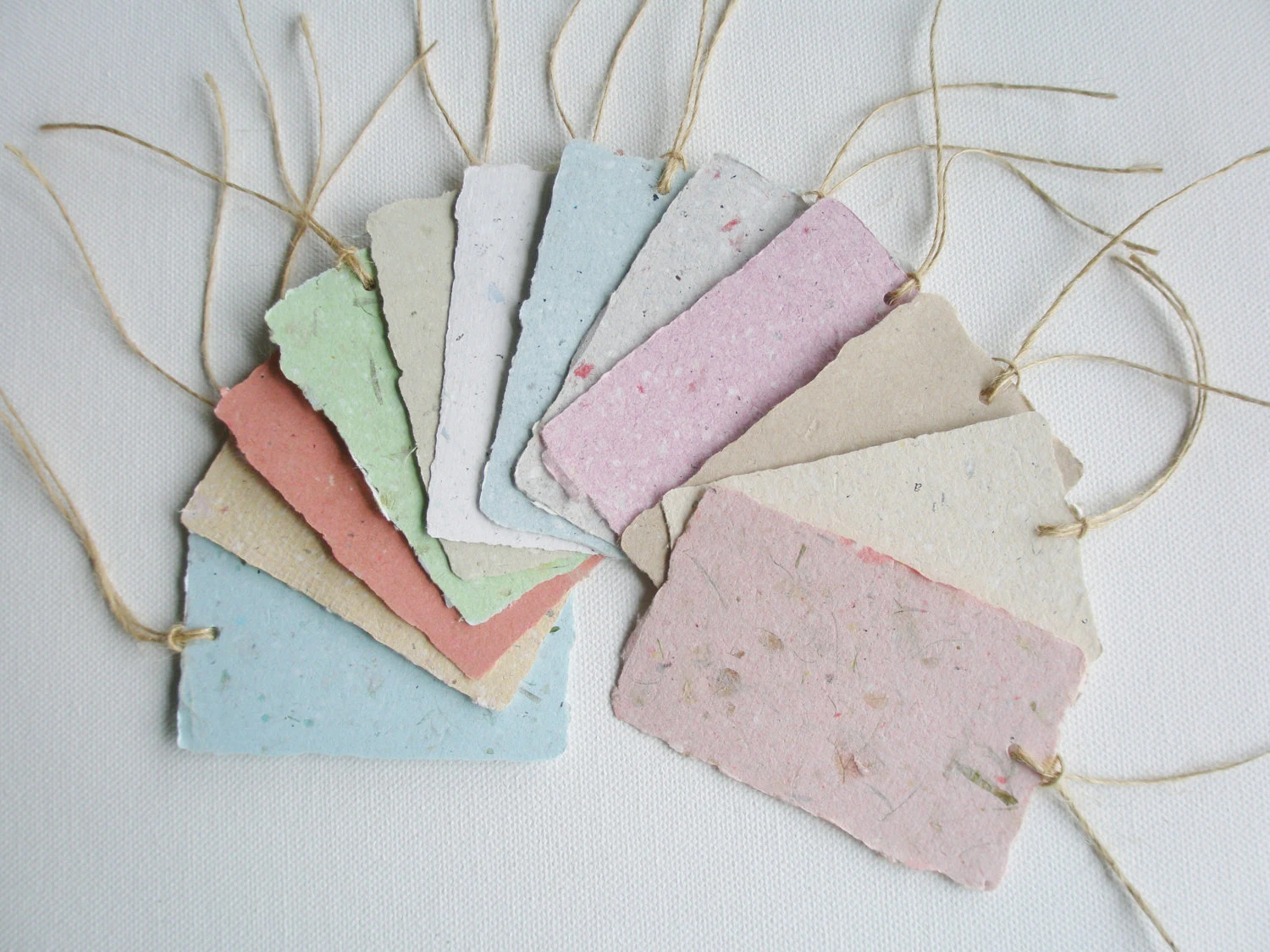
Yes, many brands now produce eco-friendly hang tags using recycled or biodegradable paper, soy-based inks, and minimal coatings. Some brands also reduce tag size or avoid plastic finishes to lower environmental impact. These choices help communicate sustainability values to customers.
Do premium hang tags really affect sales?

Yes, premium hang tags can strongly influence customer perception. A high-quality tag makes the garment feel more valuable and trustworthy, even before the customer tries it on. This emotional response can increase perceived value and support higher pricing.