Parts of Zipper with Their Functions in Apparel Manufacturing

Zippers are one of the most common fastening components used in garments. Although they look simple, a zipper is made up of several parts that must work together smoothly. Each part has a specific job, from guiding the slider to keeping the teeth aligned and ensuring the zipper opens and closes properly. In the apparel industry, understanding zipper parts is important for garment design, production, quality control, and sourcing. In this article, we explain the main parts of a zipper and their functions in a clear and practical way.
What Is a Zipper?
A zipper is a fastening device used to open and close two edges of a garment or textile product. It works through two rows of interlocking elements, usually called teeth, joined or separated by a slider. In the garment industry, zippers serve both functional and decorative purposes. Some are designed to be highly visible as part of the style, while others are hidden for a smooth appearance.
Main Parts of a Zipper and Their Functions
1. Zipper Tape and Teeth (Chain)
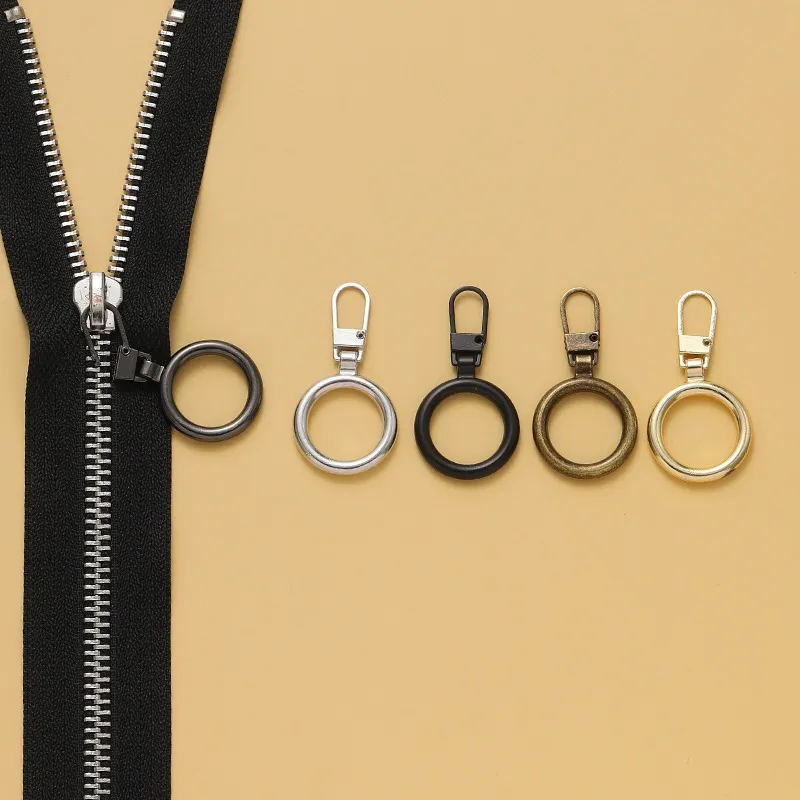
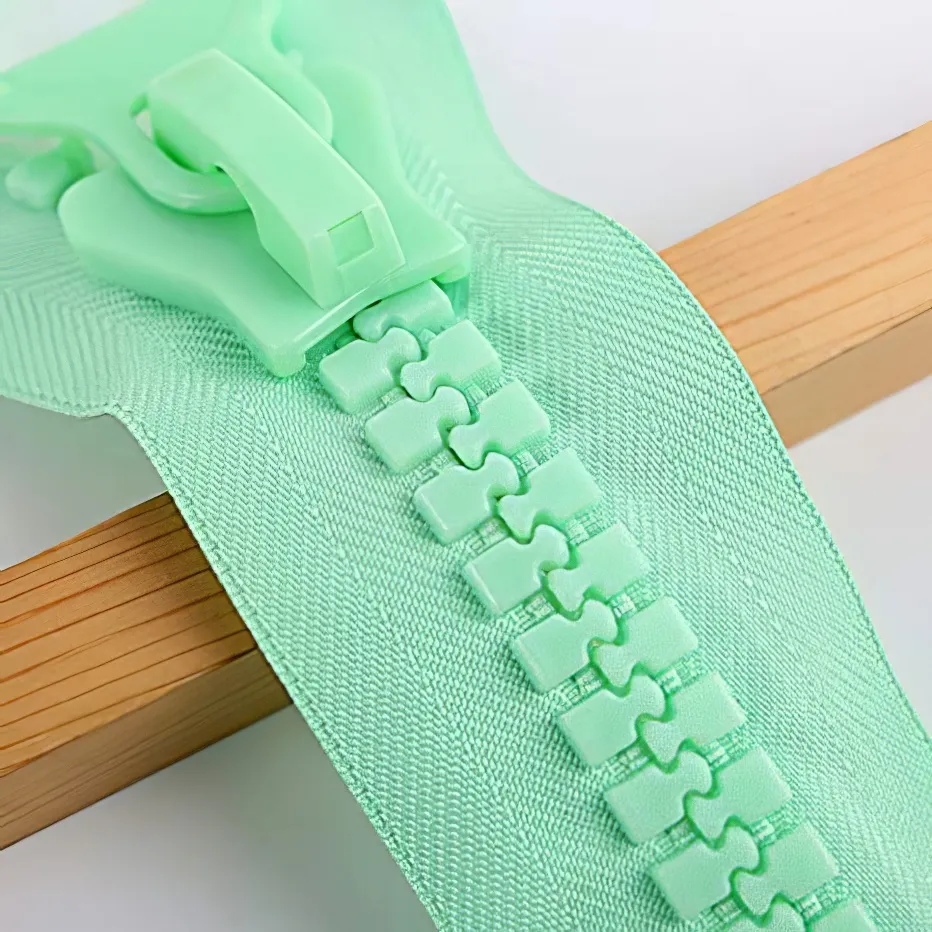
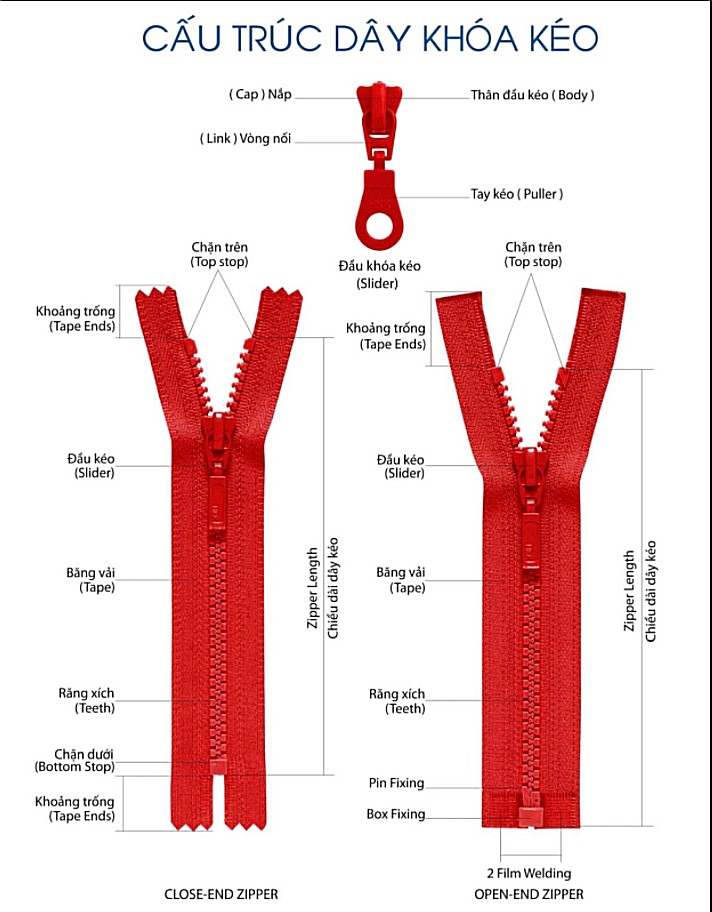
The zipper tape is the fabric strip that holds the elements and provides a base for stitching. The teeth or chain are the interlocking parts (made of metal, plastic, or nylon) that provide the main fastening function of the zipper.
2. Slider and Pull Tab
The slider is the moving part that joins or separates the teeth. The pull tab (puller) is the part held by the user to move the slider. Quality sliders ensure smooth movement; damaged ones prevent the zipper from closing correctly.

3. Stops and Alignment Parts
- Top/Bottom Stop: Prevents the slider from coming off the chain at either end.
- Separating Pin & Retainer Box: Found in open-end zippers (jackets), these align and engage the two halves at the start of closing.
- Reinforcement Extensions: Strengthen the lower area to reduce damage during repeated use.
Materials and Types of Zippers
Zipper parts are made from various materials: Tape (polyester, cotton), Teeth (brass, aluminum, plastic, nylon), and Sliders (zinc alloy). Common garments use different zipper types such as:
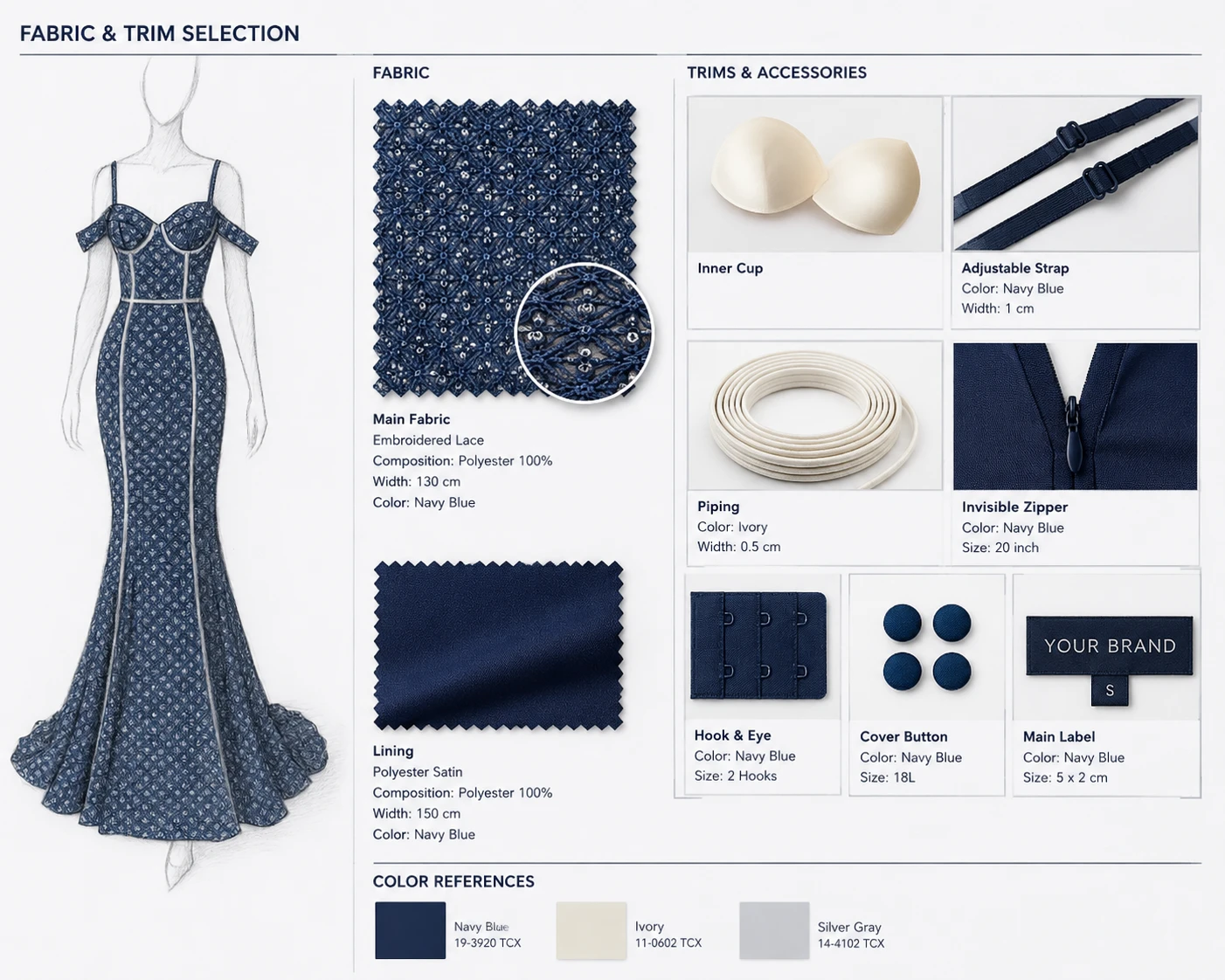
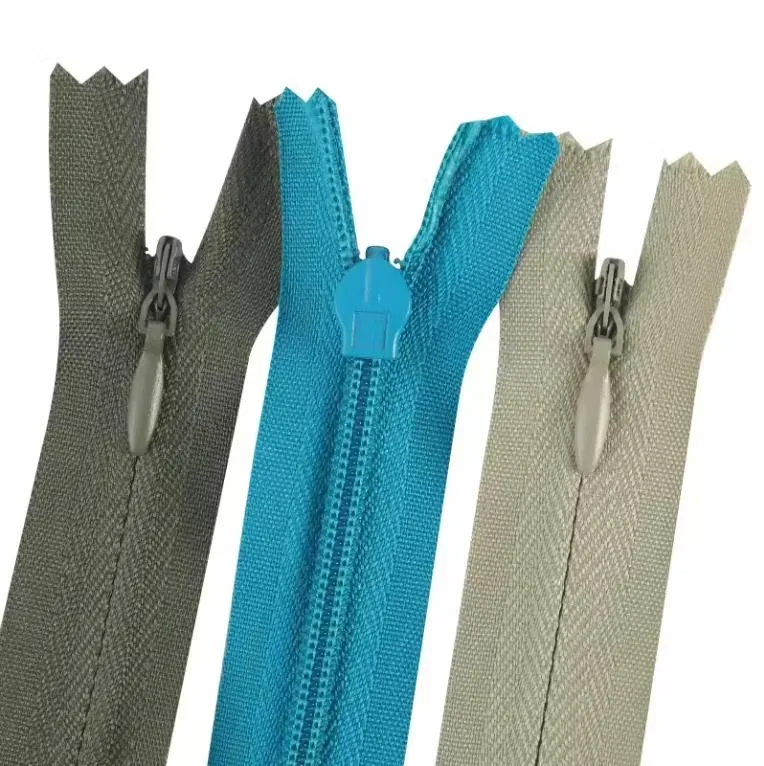
- Concealed: Hidden teeth for clean dress designs.
- Closed-End: Used in trousers and pockets.
- Open-End: Separates fully for jackets and coats.
- Two-Way: Features two sliders for opening from both directions.
Conclusion / Final Words
The tape, chain, slider, stops, and retainer box all have specific roles in zipper function and durability. For garment manufacturers, understanding these parts is essential for selecting the right phụ liệu and avoiding rejection during inspection. A well-chosen zipper improves garment performance and overall product value.