12 Common Fabric Types for Making T-Shirts: Advantages and Disadvantages

Choosing the right fabric is one of the most important decisions when making a T-shirt. Fabric choice affects comfort, durability, cost, appearance, printing results, and customer satisfaction. There is no single “best” fabric only fabrics that are better suited for specific purposes. Many brands make the mistake of choosing fabric based on trends or price alone. A smarter approach is to understand how each fabric behaves in real use: how it feels on the body, how it reacts to washing, and how well it supports different printing methods. This article breaks down the most common T-shirt fabrics, their true advantages and disadvantages, and when each one makes sense.
=> Read More: T Shirts Manufacturing Vietnam | Mekong Garment Factory
| Fabric Type | Best Use | Softness | Breathability | Durability | Shrinkage Risk | Wrinkle Resistance | Printing Suitability | Cost Level |
|---|---|---|---|---|---|---|---|---|
| 100% Cotton | Casual wear, printing | High | High | Medium | High (if not pre-shrunk) | Low | Best for screen printing and DTG | Low to Medium |
| 100% Polyester | Activewear, sports | Low to Medium | Low to Medium* | High | Very Low | High | Best for sublimation | Low to Medium |
| Cotton–Poly Blend (50/50) | Retail, everyday wear | Medium | Medium | High | Low | Medium | Suitable for screen printing and heat transfer | Medium |
| Tri-Blend (Poly/Cotton/Rayon) | Fashion, lifestyle | Very High | High | Medium to Low | Low | Medium | Screen printing possible but more difficult | Medium to High |
| Bamboo / Rayon | Premium, soft feel | Very High | High | Low to Medium | Medium | Low | Limited printing compatibility | High |
| Linen | Niche, summer styles | Low to Medium | Very High | High | Medium | Very Low | Poor printing results | High |
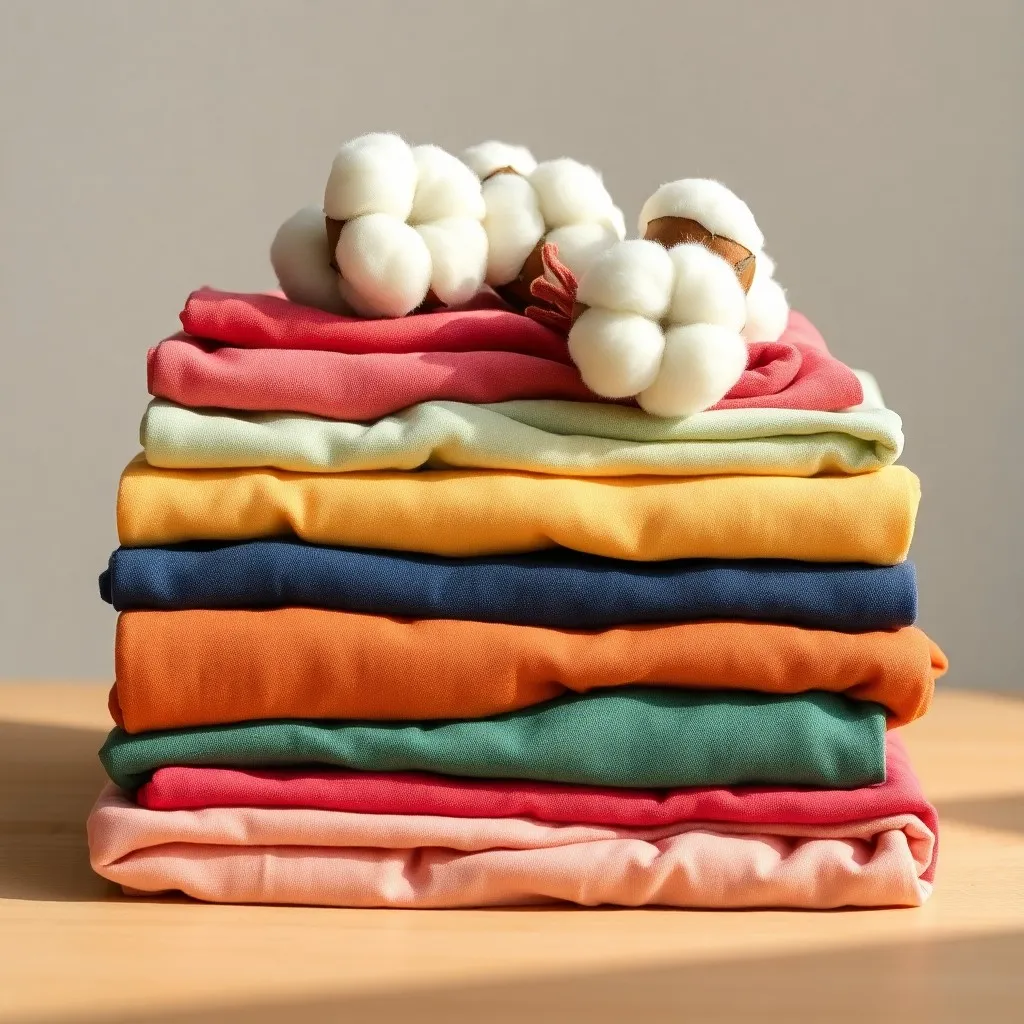
100% Cotton
Cotton is the most widely used fabric for T-shirts and remains the standard for casual wear. People like it because it feels soft, natural, and comfortable on the skin. Cotton also lets air pass through easily, so it works well for everyday wear especially in warm weather. But cotton is not “perfect” for every brand. Some cotton T-shirts can shrink, wrinkle, or lose shape after washing, especially if the fabric is not pre-shrunk or the yarn quality is low. That’s why choosing the right cotton type (such as combed or ring-spun) matters just as much as choosing cotton itself.
Advantages:
- Soft and comfortable against the skin
- Highly breathable, especially in warm climates
- Excellent for screen printing and DTG printing
- Feels natural and non-synthetic
- Hypoallergenic for sensitive skin
Disadvantages:
- Prone to shrinking if not pre-shrunk
- Wrinkles easily
- Dries more slowly than synthetic fabrics
- Can lose shape over time with low-quality yarns
Important note: Not all cotton is equal. Low-grade cotton can feel rough, twist after washing, and fade quickly. Higher-quality options such as ring-spun or combed cotton are softer, stronger, and more durable.

Best for: Casual T-shirts, everyday wear, promotional shirts, screen-printed designs
100% Polyester
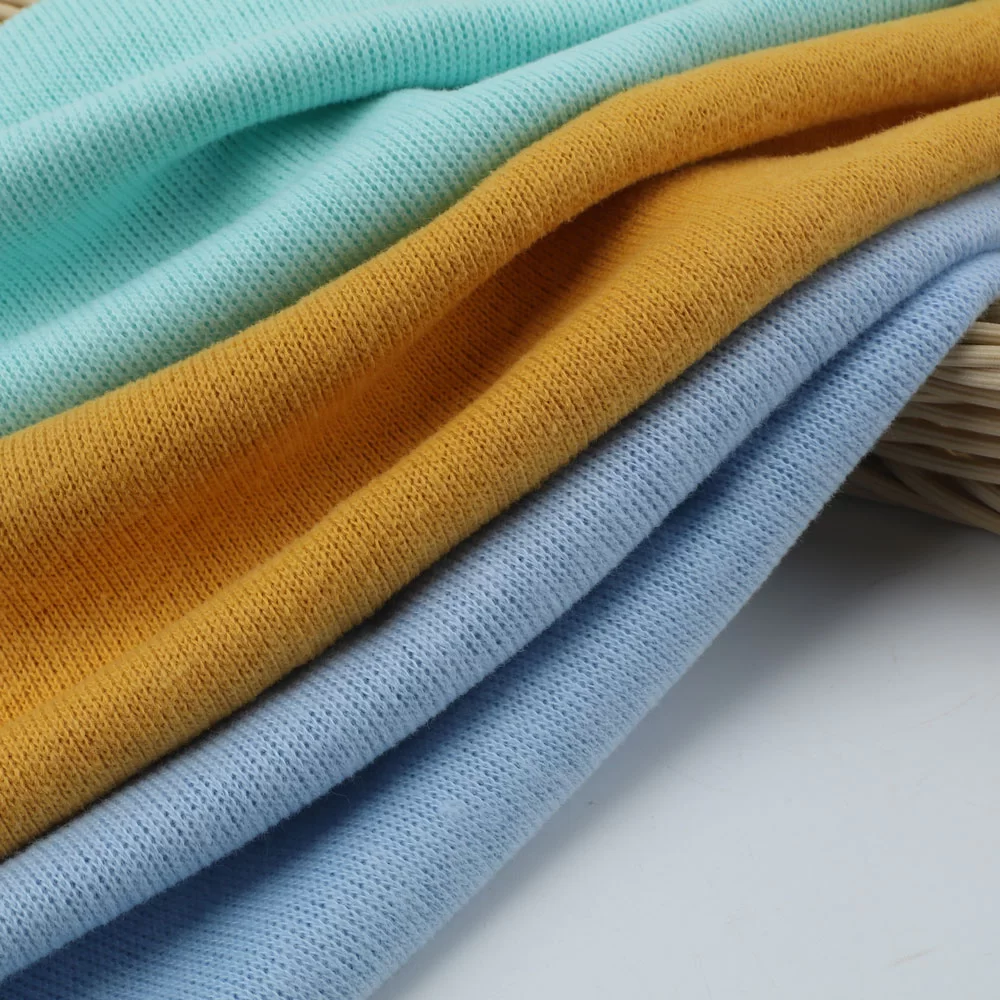
100% polyester is a synthetic fabric widely used for activewear and performance T-shirts. Unlike natural fibers, polyester is designed to be durable, quick-drying, and shape-retaining, which makes it popular for sports, uniforms, and frequent washing. However, polyester is not always the most comfortable option for casual wear. It can feel less breathable and more synthetic than cotton, especially in hot or humid conditions. Modern fabric engineering such as lightweight knits and moisture-management finishes—can improve comfort, but polyester still works best when function and durability matter more than a natural feel.
Advantages:
- Very durable and long-lasting
- Quick-drying and moisture-wicking
- Wrinkle-resistant
- Retains shape well after washing
- Ideal for sublimation printing
Disadvantages:
- Less breathable than cotton in dense knits
- Can feel synthetic or plastic-like
- May retain odors without special treatments
- Less comfortable in hot, humid conditions if poorly designed
Reality check: Polyester itself isn’t the enemy—fabric construction matters. Lightweight meshes and modern moisture-management finishes can make polyester feel surprisingly comfortable.
Best for: Activewear, sports T-shirts, uniforms, sublimation printing

Cotton–Polyester Blends (Poly-Cotton)
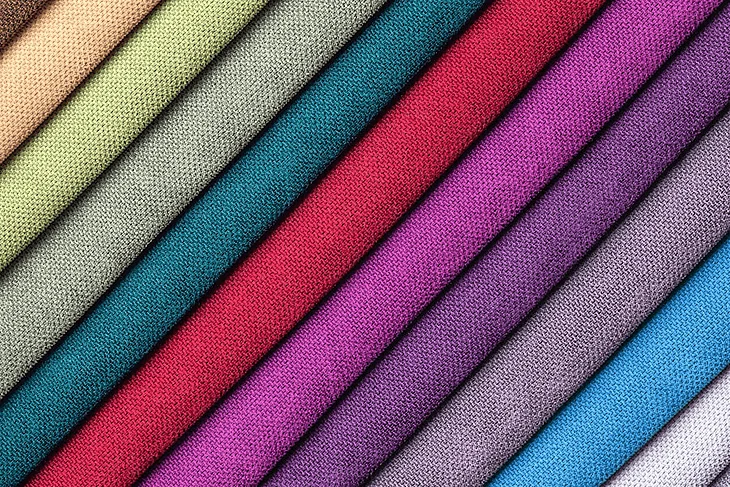
Cotton–polyester blends, often called poly-cotton, are some of the most common fabrics for everyday T-shirts. They mix cotton’s soft, natural comfort with polyester’s durability and shape retention. A 50/50 blend is especially popular because it performs predictably and is easy to source for bulk production. That said, a blend is always a compromise. Poly-cotton usually shrinks less and wrinkles less than 100% cotton, but it can feel slightly less breathable and less “natural” on the skin.
Advantages:
- Less shrinkage than 100% cotton
- More durable than pure cotton
- Better wrinkle resistance
- Balanced cost and performance
- Good shape retention
Disadvantages:
- Not as breathable as pure cotton
- Not as durable as pure polyester
- Printing results depend on blend ratio
- Feels slightly less natural
Important note: Blends are popular because they are safe and predictable, not because they outperform everything else. They work well for mass-market and retail T-shirts.
Best for: Everyday retail T-shirts, corporate apparel, bulk production
Tri-Blend Fabrics
Tri-blend fabrics are made by combining three different fibers, usually polyester, cotton, and rayon. This mix is popular in fashion and lifestyle T-shirts because it creates a fabric that feels exceptionally soft, lightweight, and smooth with a relaxed, draped look. The downside is durability. Tri-blend T-shirts are often thinner and more delicate than cotton or poly-cotton options, so they may wear out faster over time. They also cost more and can be harder to print on consistently.
Advantages:
- Extremely soft and lightweight
- Excellent drape and stretch
- Vintage, fashion-forward appearance
- Comfortable for all-day wear
Disadvantages:
- Higher cost
- Thinner fabric wears out faster
- More difficult to print consistently
- Not ideal for heavy-duty use
Key insight: Tri-blends sell on feel and style, not durability. They are great for fashion brands but risky for uniforms or workwear.
Best for: Fashion T-shirts, lifestyle brands, premium casual wear
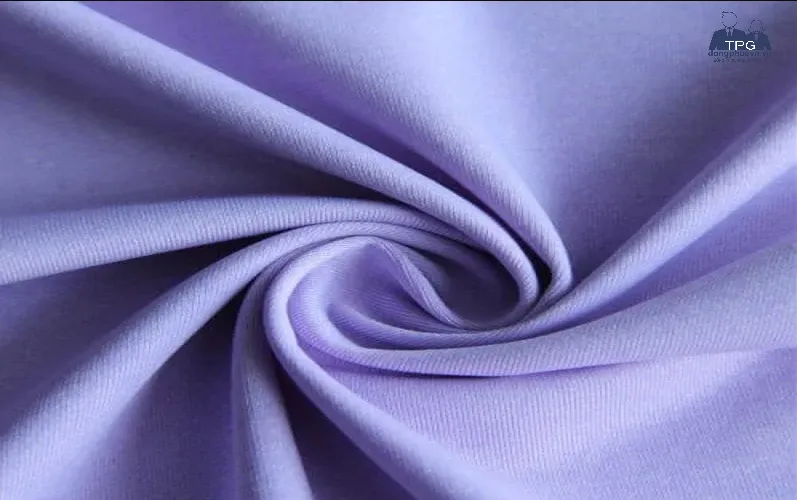
Specialty Fabrics (Bamboo, Rayon, Linen, Modal…)
Bamboo / Rayon
Bamboo and rayon fabrics are often chosen for T-shirts because of their exceptional softness and smooth feel. These fabrics drape well on the body and feel cool to the touch. However, many bamboo-based fabrics are actually rayon made through chemical processing. These fabrics are also less durable, can stretch out over time, and usually cost more. They work best for niche or high-end collections.

Advantages:
- Ultra-soft and smooth
- Excellent drape
- Often marketed as eco-friendly
Disadvantages:
- Can be delicate
- Higher cost
- Some rayon processes are chemically intensive
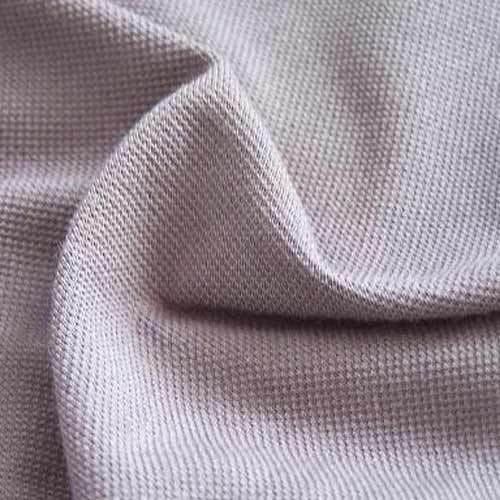
Linen
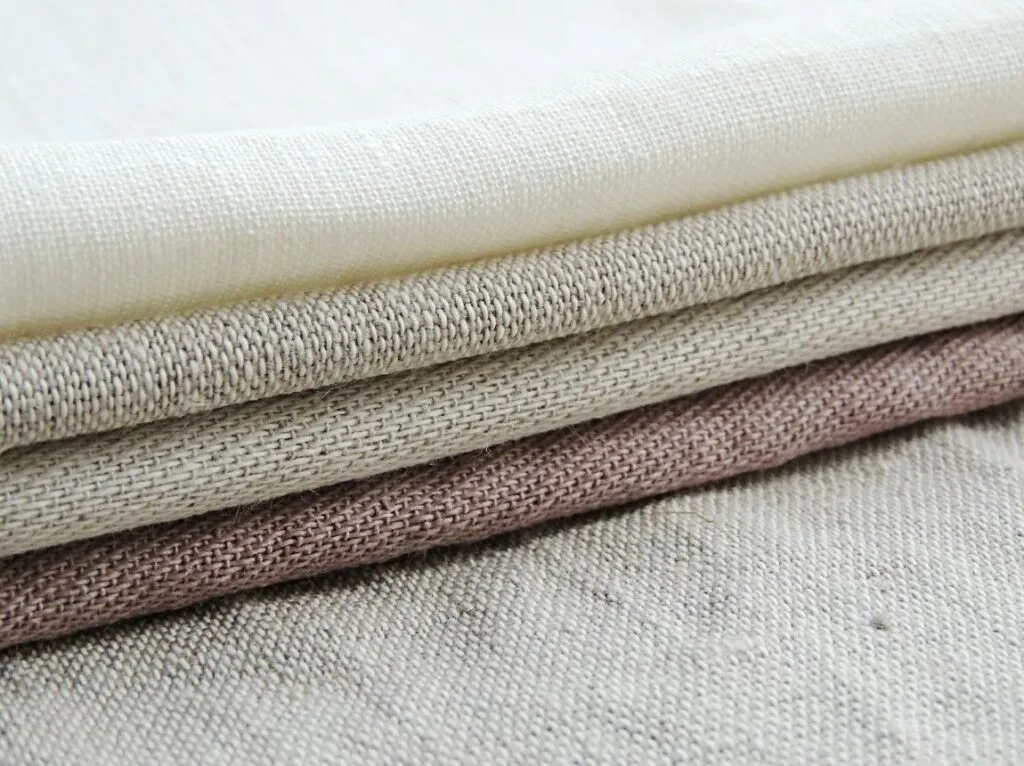
Linen is a natural fabric known for its excellent breathability and strength. Despite these benefits, linen is rarely used for T-shirts. The fabric wrinkles very easily, has a rougher texture, and lacks the stretch most people expect from a T-shirt. Linen T-shirts are better suited for niche designs where breathability is the priority.
Advantages:
- Extremely breathable
- Strong natural fiber
Disadvantages:
- Wrinkles heavily
- Rougher texture
- Rarely practical for T-shirts
Modal
Modal is a semi-synthetic fabric made from beechwood pulp, known for its silky softness and smooth finish. It feels cooler and softer than regular cotton. However, modal prioritizes comfort over toughness and can lose strength when wet if not blended. It is ideal for premium, soft-feel T-shirts.
Advantages:
- Extremely soft (softer than cotton)
- Excellent drape
- Breathable
- Color stays vibrant
Disadvantages:
- More expensive
- Less durable than polyester
- Can stretch out if poorly knit
Final Thoughts / Conclusion
There is no single fabric that works best for every T-shirt. Each material comes with its own strengths, weaknesses, and trade-offs, and choosing the right one depends on how the T-shirt will be worn, washed, and printed.
Quick Guide:
- Choose cotton for comfort and print quality
- Choose polyester for performance and durability
- Choose blends for balance and cost control
- Choose tri-blends for fashion and softness
- Use specialty fabrics carefully and intentionally
Cotton remains the top choice for comfort, while polyester excels in performance. Blends offer a practical balance, while tri-blends, modal, and bamboo or rayon fabrics focus on softness. The most successful T-shirts are designed by matching fabric choice with purpose. Understanding these differences helps brands make smarter, more informed decisions—and ultimately create better products.