
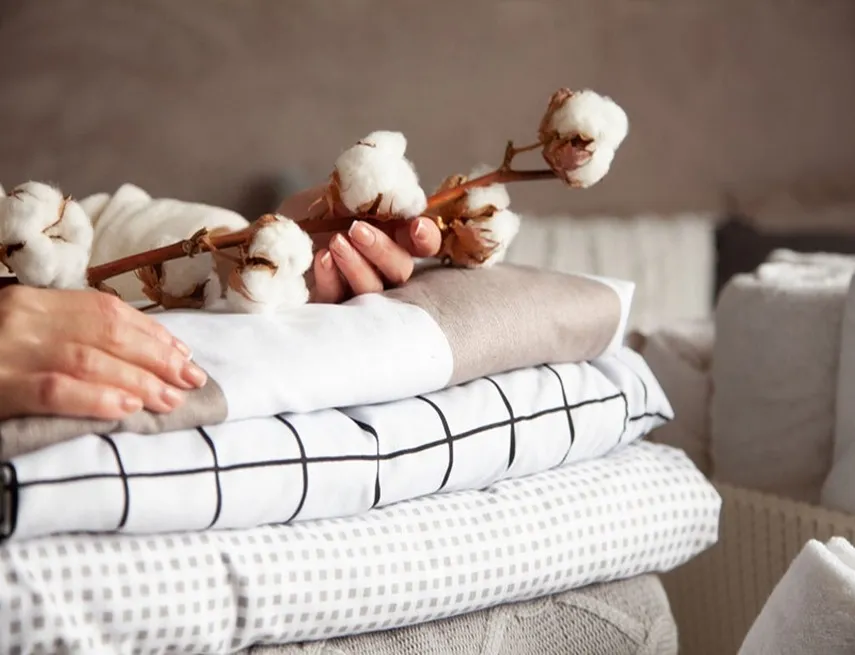
Cotton T-shirts are everywhere for one reason: they feel good. They breathe well. They print well. And customers trust them. But here’s the catch: “cotton” is not a complete spec. Two “100% cotton” tees can feel totally different, fit different after wash, and give very different print results. If you’re building a brand, that difference shows up as returns, bad reviews, and rework costs. This guide helps you choose cotton T-shirt fabric the brand-owner way: by end use, print method, price tier, and quality risk.
=> Read More: T Shirts Manufacturing Vietnam | Mekong Garment Factory
| Your T-shirts Brand goal | Best cotton choice | What to avoid |
|---|---|---|
| Lowest cost basics | Standard 100% cotton jersey | Premium long-staple (overkill) |
| Premium feel + sharp prints | Combed cotton (often ring-spun) | Rough/open-end feel for retail |
| Sustainability marketing | Certified organic cotton | “Organic” with no standard |
| Fashion texture / lifestyle vibe | Slub cotton | Highly detailed logo prints |
| Luxury basics | Pima / Supima | Unverified “Supima” claims |
Cotton Farbics Dominates the T-Shirt Market
Cotton is a natural fiber derived from the cotton plant. Its fiber structure allows air to circulate and moisture to be absorbed, which is why cotton T-shirts feel cool and comfortable against the skin. Key reasons cotton remains dominant:
- Comfort-first feel suitable for all-day wear
- Breathability in warm and humid climates
- Skin-friendly and generally hypoallergenic
- High print compatibility with most decoration methods
- Broad consumer acceptance across age groups and markets
However, “cotton” is not a single, uniform material. The performance of a cotton T-shirt depends heavily on fiber quality, yarn processing, knit structure, finishing, and garment construction.

Why Cotton Still Wins (and where it doesn’t)
- Soft hand feel (easy to love at first touch)
- Breathable wear in warm weather
- Good ink absorption for many print types
- Broad market fit (basic tees → premium tees)
Highlights this “comfort vs performance” trade-off: more cotton often means a softer, more natural feel, while more synthetics can help shape and drying time so the use case should decide.


What cotton does not do well (don’t ignore this)
- Wrinkles more than many blends
- Shrinks if not pre-treated or if the buyer washes hot
- Holds moisture longer than performance fabrics (bad for intense sportswear)
- Quality varies a lot by yarn and finish, even at the same GSM
If your product promise is “quick-dry” or “gym-ready,” 100% cotton is often the wrong default, modern synthetics can be built for better performance. Choose something else if your product must be:
- Quick-dry / high-sweat sport
- Wrinkle-resistant uniforms
- Ultra-stable fit after many washes
- Very low complaint rate in humid logistics
Cotton T-Shirt Fabric Basics (the parts brands should actually spec)
If you only remember one thing, remember this: Cotton quality is mostly decided by 4 choices
- Fiber type (regular cotton vs long-staple like Pima/Supima)
- Yarn type (carded vs combed; open-end vs ring-spun)
- Knit structure (most tees are jersey, but there are variants)
- Finishing (enzyme wash, pre-shrunk, silicone softener, etc.)
“100% cotton” tells you none of these.

Types of Cotton Fabric T-Shirts
Not all “cotton T-shirts” feel or perform the same. Two shirts can both say 100% cotton, yet one feels smooth and premium while the other feels rough, shrinks more, or prints poorly. The difference usually comes from the cotton type, yarn processing, knit structure, and finishing not just the fiber label. In the sections below, we’ll break down the most common types of cotton fabric T-shirts, what makes each one unique, and most importantly which option fits your brand goals (basic value tees, premium retail, eco lines, fashion textures, or luxury basics).
1) 100% Cotton (standard / carded cotton)
If you’re looking for the most familiar, widely accepted T-shirt fabric, standard 100% cotton (often carded) is usually the starting point. It’s the classic “everyday tee” material—soft enough for comfort, breathable in warm weather, and easy for consumers to trust because it feels natural on skin. That said, brand owners shouldn’t treat it as a guaranteed quality choice. Carded cotton can vary a lot in smoothness, shrinkage, and pilling depending on yarn quality and finishing. In the next section, we’ll break down what standard 100% cotton does well, where it can cause complaints, and how to spec it so your bulk order matches your sample.
- Best for: basics, promo tees, entry retail
- Pros: breathable, familiar, easy to sell
- Cons: can feel rougher, can pill, wrinkles, shrink risk
- Printing: screen print + DTG work well (smoothness depends on yarn and finish)
- Brand-owner warning: If you want a “premium feel,” don’t rely on “100% cotton.” Ask for combed ring-spun instead.


2) Combed Cotton (often paired with ring-spun)
If you want a T-shirt that feels smoother, softer, and more “premium” right away, combed cotton is a strong upgrade from standard cotton. The combing process removes short fibers and impurities, creating a cleaner yarn and a more even fabric surface. When combined with ring-spun yarn, it typically delivers better hand feel, more consistent quality, and cleaner-looking prints—ideal for branded retail and high-quality merch. Because it costs more, combed cotton makes the most sense when your brand is selling on feel, finish, and long-term wear, not just the lowest price.
- Best for: premium blanks, brand merch, retail collections
- Pros: smoother, softer, less pilling, cleaner print surface
- Cons: higher cost
- Printing: excellent for DTG and detailed screen prints (clean surface)
3) Organic Cotton
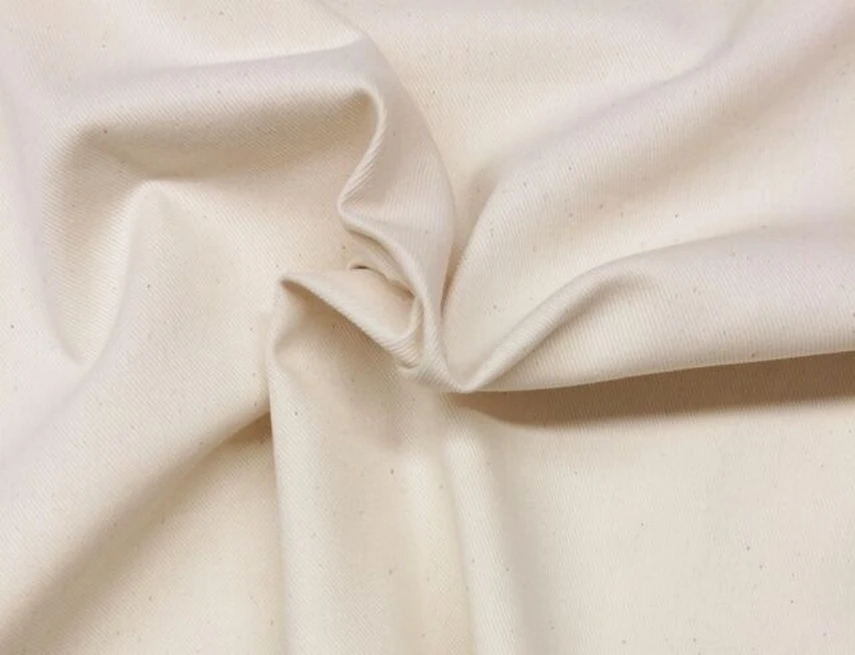
Organic cotton is chosen less for “extra softness” and more for what it represents: cotton grown without synthetic pesticides or fertilizers and managed under stricter farming standards. For many brands, it’s a way to support a cleaner supply chain and speak to customers who care about sustainability, skin comfort, and responsible sourcing. That said, organic cotton is not automatically “better” in performance. The final feel and durability still depend on yarn quality, fabric weight (GSM), and finishing. In the section below, we’ll look at where organic cotton truly adds value for a brand and what to check so your sustainability claim is credible and consistent.
Organic cotton is mainly about how the cotton is grown and tracked, not magic softness.
- Best for: eco lines, kidswear, ESG-driven brands
- Pros: strong sustainability story (when certified), skin-friendly
- Cons: cost, supply limits, color limits, certification work
- Brand-owner notes: If you plan to market “organic,” don’t hand-wave it. Use recognized standards. GOTS is a widely used global standard for organic textiles and processing, backed by third-party certification.
4) Slub Cotton
Slub cotton is for brands that want a T-shirt with character, not a perfectly smooth “basic tee” look. It’s made using yarn with intentional thick-and-thin variations, which creates a natural, textured surface and a subtle visual pattern. The result feels more casual, a bit artisan, and often lighter great for warm-weather drops and lifestyle collections. Because the surface isn’t perfectly even, slub cotton isn’t a “safe” choice for every design. It shines when you want texture and a relaxed vibe, but it needs the right kind of branding and print style to look clean and intentional. Slub cotton has an intentional uneven texture. It looks “natural” and fashion-forward.
- Best for: lifestyle tees, summer drops, minimal branding
- Pros: unique texture, airy look, relaxed vibe
- Cons: less durable, uneven surface can hurt fine detail prints
- Printing: best with simple graphics; detailed prints can look uneven
- Brand-owner warning: If your brand depends on sharp logo detail, slub is a risky pick.
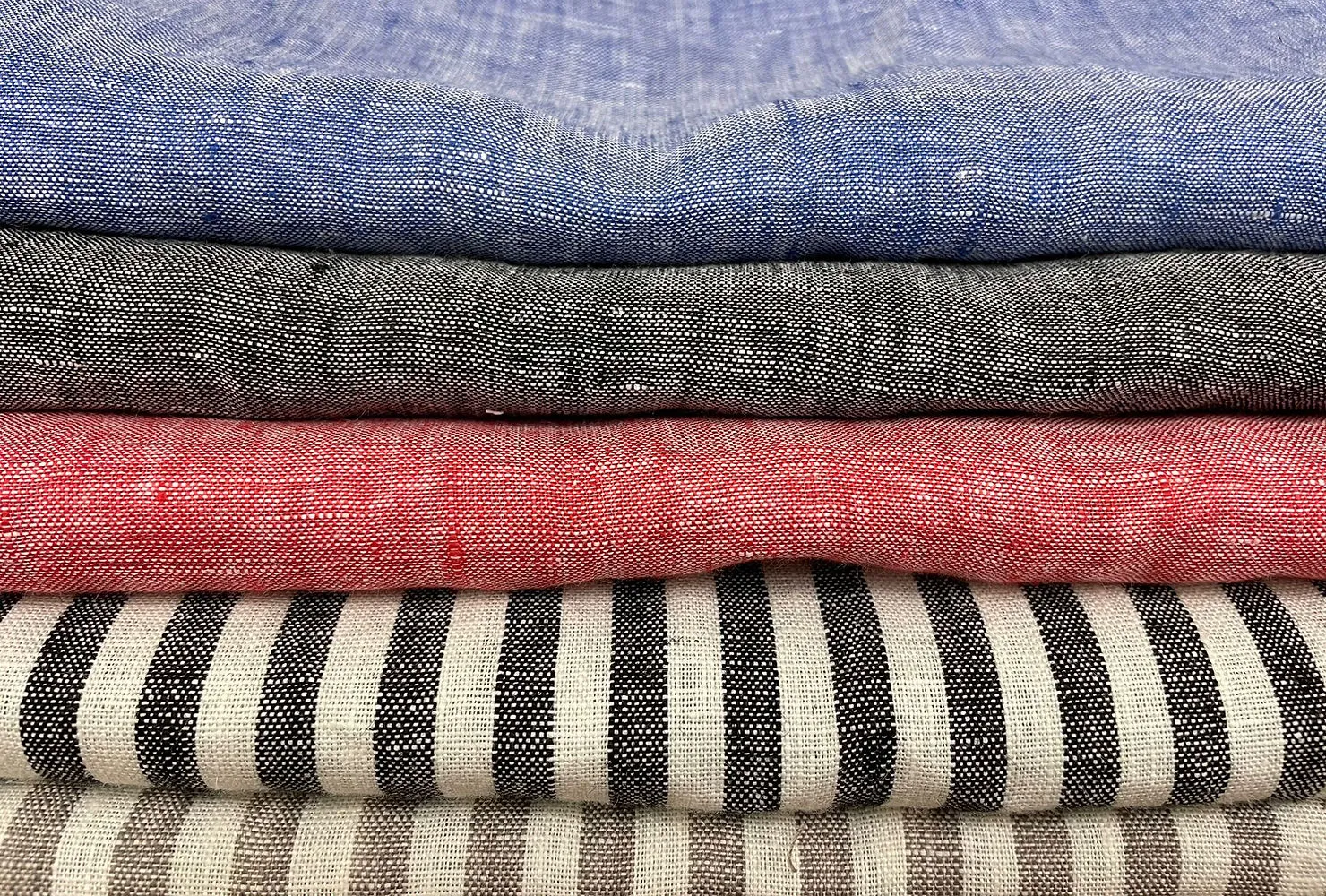
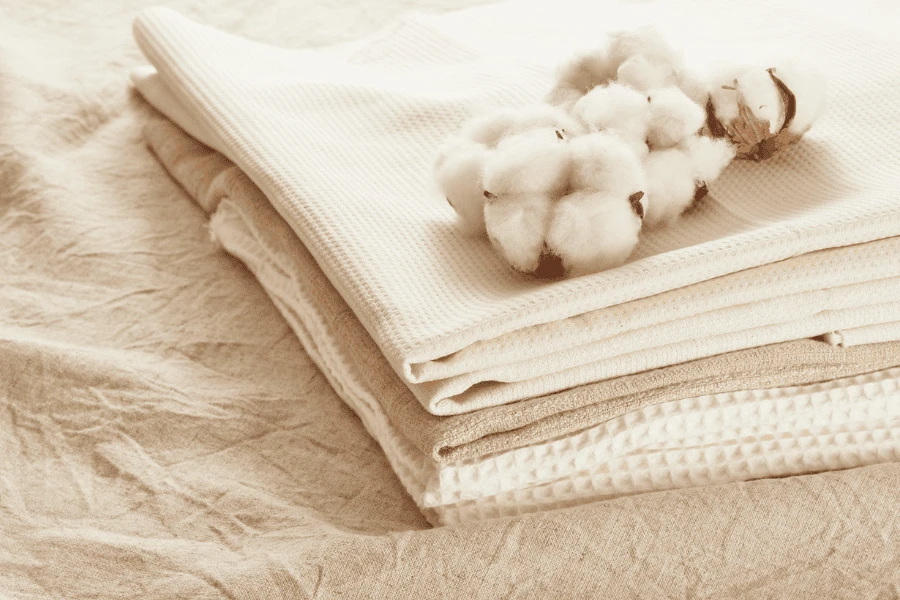
5) Pima & Supima Cotton (premium long-staple)
Long-staple cotton can feel smoother and last longer.
- Best for: luxury tees, premium basics, “keep it for years” products
- Pros: soft, strong, good color retention
- Cons: premium price, care sensitivity
- Important clarity: Supima® is a trademark for American-grown extra-long staple cotton, and products must go through licensed supply routes to use the mark.
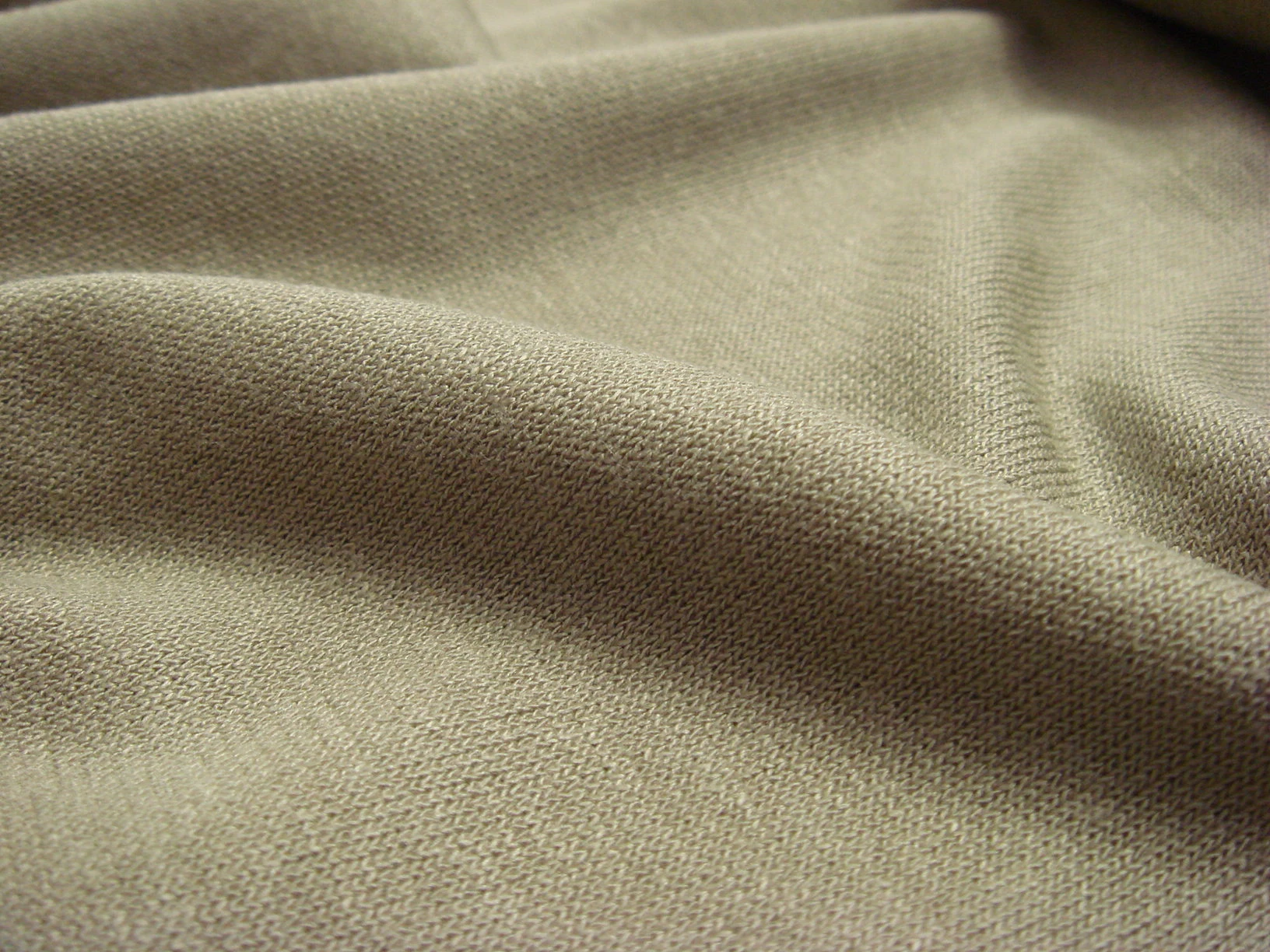
6) Jersey Cotton (what most tees already are)
Jersey is a knit, not a fiber. Most cotton tees are cotton jersey by default.
- Best for: everyday tees, youthwear, sleepwear
- Pros: comfy stretch, easy wear, good value
- Cons: very light jersey can be see-through; shape depends on quality
Printing Compatibility: What to match (and what to avoid)
Cotton is a strong base for decoration, but the wrong pairing still causes problems.
Best matches
- Screen printing: works great on most cottons
- DTG: works best on smooth, combed surfaces (and needs good pretreatment)
- Embroidery: better on mid/heavier weights so stitches don’t distort fabric
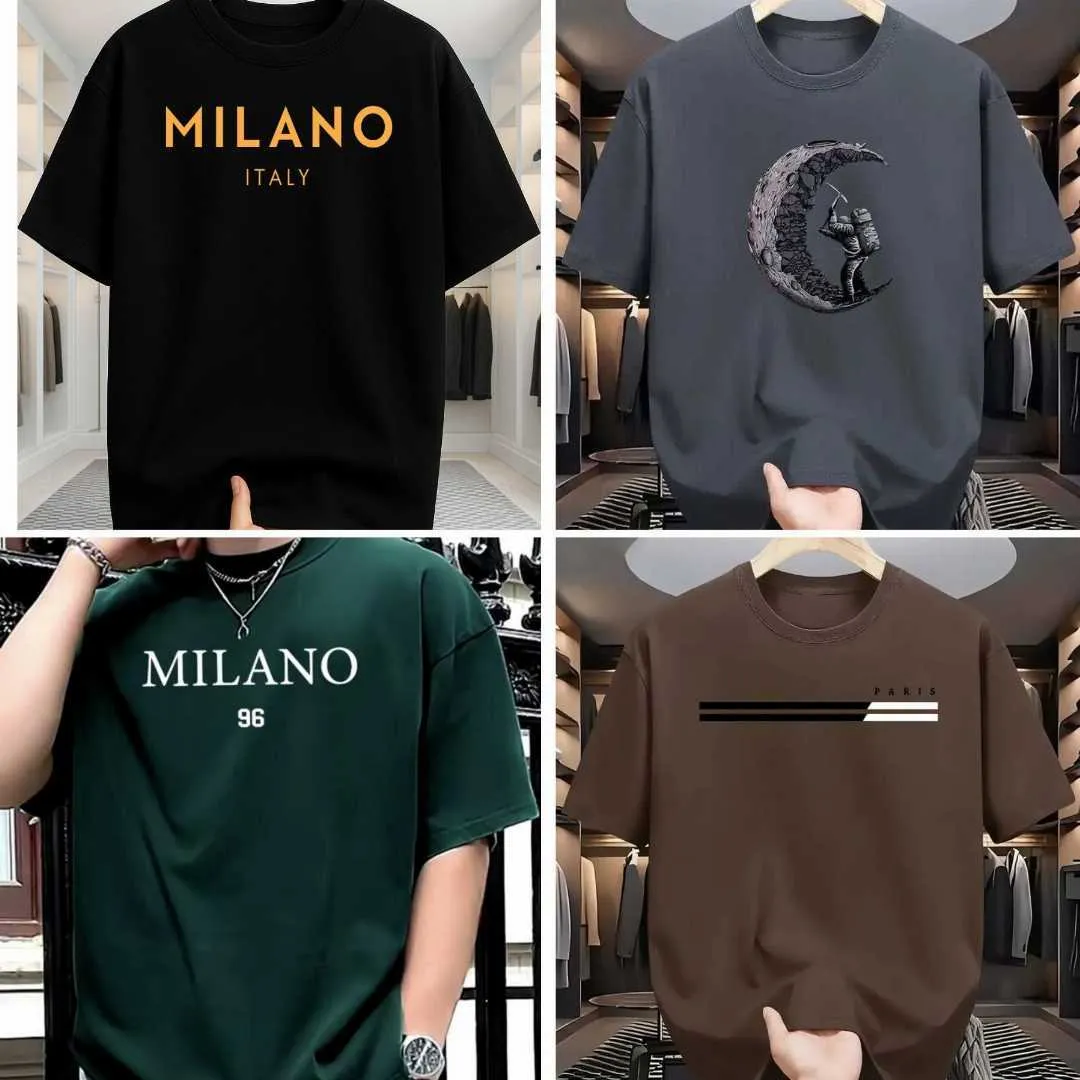
Risky matches
- Slub cotton + high-detail prints → uneven look
- Very lightweight cotton + heavy ink coverage → fabric distortion, poor drape
Conclusion / Final Words
Cotton fabric T-shirts stay popular because they deliver what customers notice first: comfort, breathability, and a familiar feel. But for brand owners, cotton is only a smart choice when it’s specified correctly. “100% cotton” alone isn’t enough real quality comes from the cotton type, yarn processing (combed/ring-spun), knit structure (jersey), finishing (pre-shrunk/enzyme wash), and the printing plan.
If you want fewer complaints and stronger repeat sales, treat cotton like a system, not a label. Match the fabric to your product goal basic, premium, sustainable, textured fashion, or luxury then confirm it with simple checks like GSM, shrinkage targets, pilling resistance, and a print test on the exact fabric. Do that, and cotton becomes exactly what it’s meant to be for your brand: a classic foundation you can scale with confidence.