Updating a Tech Pack: A Step-by-Step Guide for New Seasons
Updating a tech pack for a new season can feel overwhelming. You already have new ideas, new colors, and new styles in mind. However, turning those ideas into clear instructions for a factory often slows brands down. This is where many delays and extra costs begin. A well-updated tech pack helps you move faster, avoid mistakes, and protect your budget. When done right, it becomes your strongest tool for a smooth production process.
A tech pack is the technical guide that explains how a garment should be made. When preparing for a new season, updating the tech pack means reviewing every detail and adjusting it to fit your new collection. This includes designs, materials, construction methods, measurements, and quality standards. It also means learning from last season’s production issues and fixing them early. A clear, updated tech pack allows your manufacturer to understand your expectations without guessing. Below is a practical step-by-step guide to help you update your tech pack with confidence.
=> Related Article: Garment Details That Are Often Missing From Tech Packs

Why a Detailed Tech Pack Matters in Production
A tech pack is more than a document. It is the foundation of your entire production process. It keeps designers, developers, and factories aligned from the first sample to bulk production. When details are missing, factories are forced to make assumptions and assumptions lead to errors.
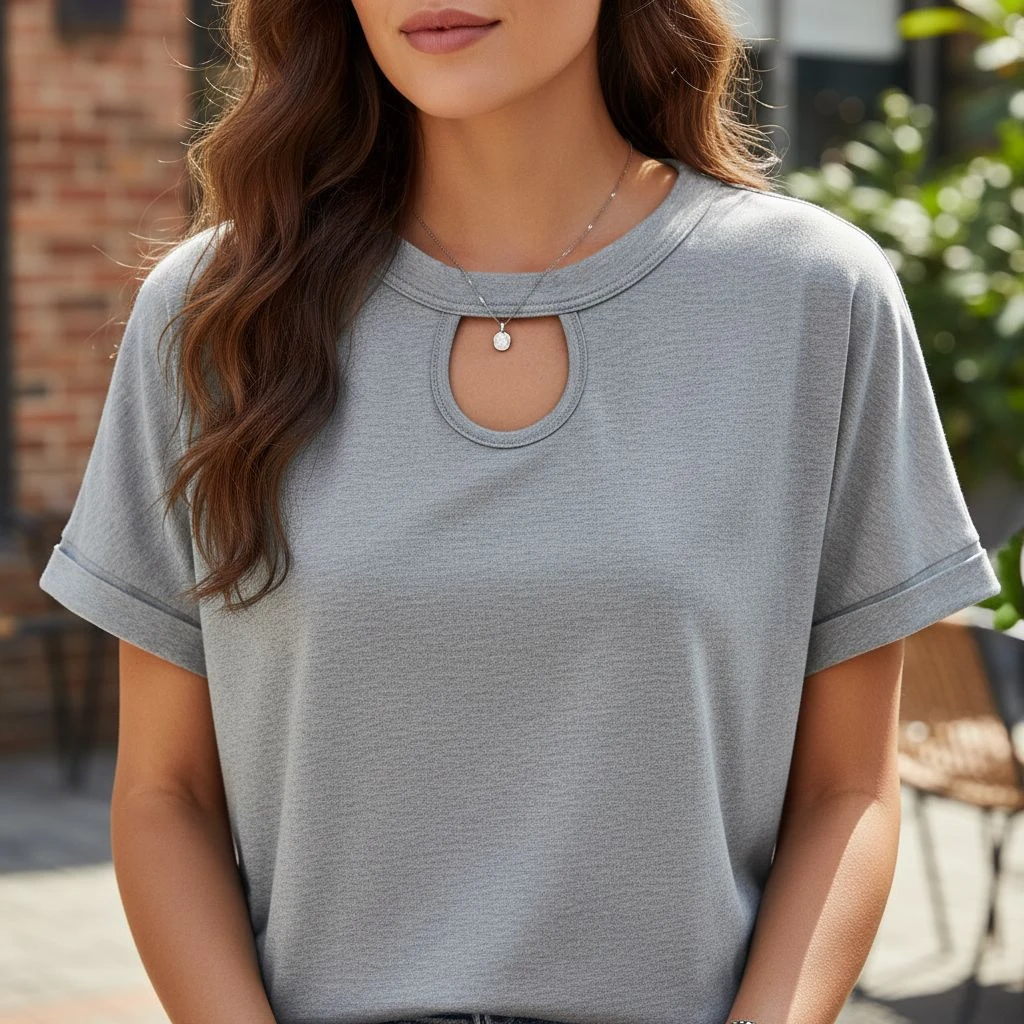
For example, a young brand once sent a factory only basic sketches for a knit top. The rib cuffs ended up too loose because no tension or stitch detail was defined. A large portion of the order failed quality checks. In the following season, the brand added full construction notes and measurement tolerances. The result was a much cleaner production run with very low defects. A clear tech pack removes uncertainty. It helps factories quote accurately, plan production correctly, and deliver consistent quality. Without it, brands often face extra sampling rounds, missed deadlines, and rising costs.
=> Related Article: How Tech Packs Help Brands and Manufacturers Speak the Same Language
Key Benefits of a Detailed Tech Pack. A strong tech pack helps you:
- Reduce sampling rounds
- Prevent production errors
- Get accurate cost quotations
- Maintain consistent quality
- Launch collections on time

Core Elements Every Tech Pack Must Include
A professional tech pack always starts with technical flats. These are clean, black-and-white drawings showing the front, back, and important details of the garment. They clearly mark seams, stitching lines, pockets, trims, and hardware placement. These drawings are technical, not artistic, and must be easy for pattern makers to read. The next key element is the Bill of Materials (BOM). This is a complete list of everything used to make the garment. It includes main fabric, lining, interlining, thread, buttons, zippers, labels, and packaging. Each item should have clear descriptions, color codes, supplier references, and quantities. Together, these elements create a shared language between your brand and the factory.
=> Related Article: What Is the Biggest Misconception About Tech Packs?
A complete tech pack typically includes:
- Technical flat drawings
- Bill of Materials (BOM)
- Construction details
- Measurement specifications
- Grading rules
- Care label information

How a Tech Pack Reduces Production Mistakes
A tech pack prevents problems by turning opinions into numbers. Instead of saying “strong stitching,” you specify stitch type and stitches per inch. Instead of saying “standard fit,” you provide exact measurements and tolerances. For instance, one brand improved its woven shirts by adding a defined stitch density for collar seams. In past seasons, collars wore out quickly because factories used lighter stitching. After updating the tech pack, the collars became more durable and consistent across all orders. Clear construction notes, measurement charts, and tolerance limits allow quality inspectors to judge products objectively. This ensures the final garments match the approved sample, not just visually, but technically as well.
=> Related Article: No Tech Pack, No Scale: How Big Brands Really Produce

Updating Design Sketches the Right Way
Design sketches are where your new season begins. They translate creative ideas into something a factory can build. When updating them, do not start from scratch blindly. Always compare last season’s sketches with the actual finished garments. If changes are needed, update the technical flats to show them clearly. For example, if the waistband shape changes, highlight the new curve. If pocket placement moves, show exact distances. Using comparison overlays or callout notes helps factories instantly understand what is new. All updated sketches should be clean, labeled, and easy to read. These drawings are often the first reference used during sampling.
=> Related Article: How to Turn a Clothing Idea into a Professional Tech Pack
Steps to Update Design Sketches Effectively Follow these steps:
- Compare last season’s sketches with finished garments
- Identify design or fit issues
- Update technical flats to reflect changes
- Add callouts to highlight revisions
- Remove outdated or unused details
This process ensures factories clearly understand what has changed.

Design Areas That Often Change Each Season
Some design elements are updated more often than others. These include silhouettes, neckline shapes, sleeve construction, pocket styles, and logo placement. Seasonal trends and sustainability goals also push brands to change fabrics or trims. Even small adjustments matter. Moving a logo by one centimeter or changing a sleeve opening can affect fit and appearance. Every change must be clearly reflected in the updated sketches and notes.
=> Related Article: Are Digital Tech Packs Shaping the Future of Apparel Manufacturing?

Turning Fit Feedback into Better Designs
Fit feedback from the previous season is extremely valuable. If customers complained about tight shoulders or long sleeves, those issues should guide your new sketches. A useful method is adding visual fit notes directly onto the sketch. Arrows and short comments pointing to problem areas make it easier for pattern makers to apply corrections. This approach turns past mistakes into clear improvements and often reduces the number of sampling rounds.
=> Related Article: How Do Tech Packs Improve Your Apparel Quality Control?

Updating the Bill of Materials (BOM)
The BOM must be reviewed line by line for every new season. Suppliers change, materials go out of stock, and prices fluctuate. Ignoring this step can cause serious delays. For example, if a fabric is discontinued, your BOM should list approved alternatives early. This allows the factory to source materials without stopping production. When adding new materials, include full specifications such as composition, weight, width, finish, and supplier codes. Do not forget trims, labels, and packaging. A missing or outdated BOM item can easily result in the wrong material being used.
=> Related Article: Are Tech Packs Necessary For Custom Clothing Manufacturers?

Common BOM Updates for a New Season
| Component | Typical Update | Key Details to Add |
|---|---|---|
| Main Fabric | New supplier or blend | Fiber content, weight, width, finish |
| Thread | Color change | Color code, thread type, ticket number |
| Buttons/Zippers | Size or material update | Size, color, material, supplier ref |
| Labels | New logo or care text | Fiber content, wash symbols |

Specifying Sustainable Materials Correctly
When switching to sustainable materials, your BOM must be extra clear. Include supplier names, certification standards, and material test results. Certifications such as recycled or organic standards should be documented, not assumed. It is also wise to attach test reports for shrinkage, colorfastness, and pilling. This protects your brand from quality issues later in production.

Why Care Labels Must Be Updated
Care labels are not just informative they are required. Any change in fabric or construction can affect washing and ironing instructions. For example, adding elastane to a cotton garment may lower wash temperature limits. If care labels are not updated, customers may damage the garment, leading to returns and complaints. Always align care instructions with the final material details in your BOM.

Refining Construction Details and Measurements
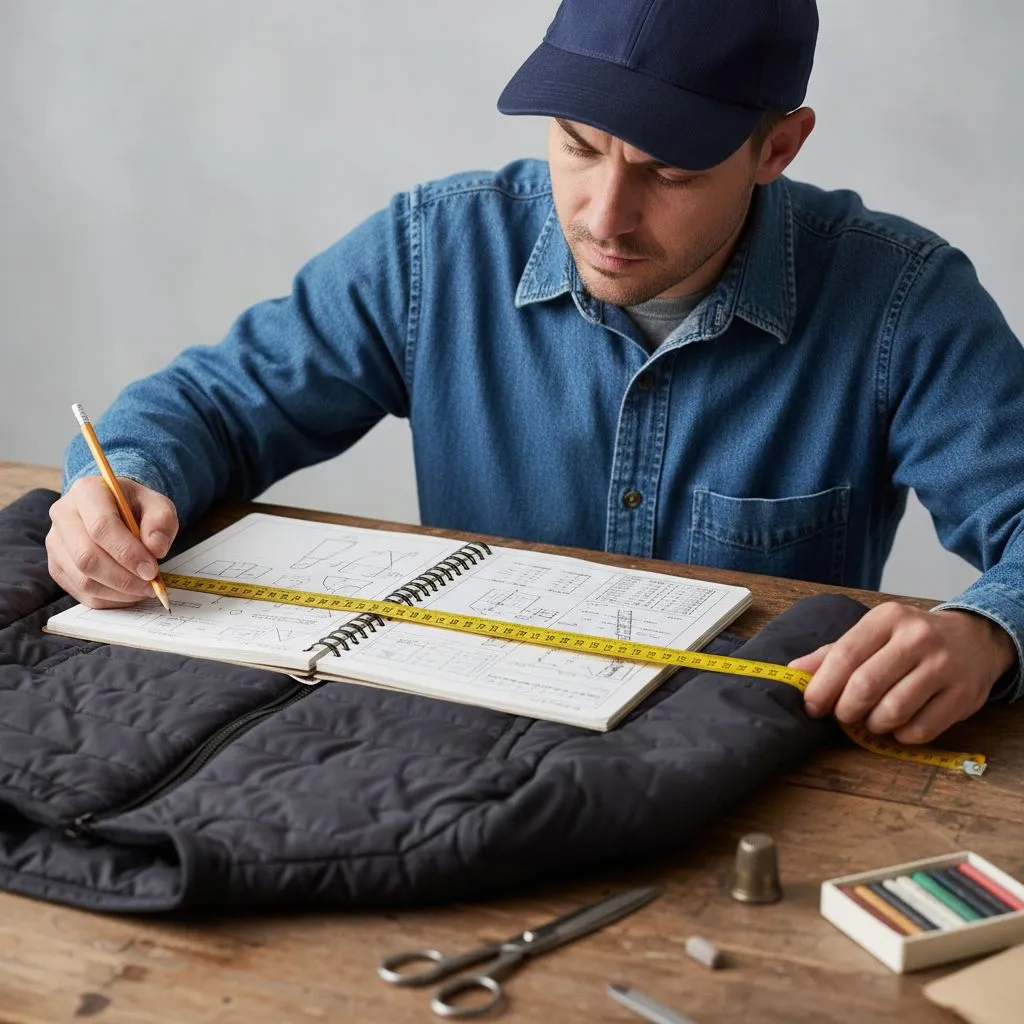
This section defines how the garment is built. It includes stitch types, seam finishes, reinforcement points, and hardware attachment methods. Clear construction notes help factories maintain consistency across large orders. Measurement specs should always be based on the last approved sample, not the original design idea. This reflects real-world adjustments made during development. Instead of vague instructions, be specific. For example, state stitch type, needle size, and attachment method. Precision here leads to reliable results.

Common Fit Issues to Fix Each Season
Many fit problems repeat across brands. Sleeve length, armhole depth, garment length, and grading between sizes are the most common. When updating your tech pack, correct these using data from previous fittings. Using approved sample measurements as your starting point saves time and improves accuracy in the next season.

Keeping Size Grading Consistent
Grading rules should be clearly shown in a table. Each size jump must be defined, such as how much the chest or waist increases from one size to the next. Once grading is approved, it should be locked and treated as the final standard. This prevents inconsistency during bulk production and ensures a predictable fit across all sizes.

Final Thoughts / Final Words
Updating a tech pack for a new season is not busywork. It is a smart investment in efficiency, quality, and clarity. By carefully reviewing sketches, materials, construction details, and measurements, you reduce risk at every stage of production. A well-updated tech pack allows your manufacturing partner to work confidently and accurately. It saves time, reduces costs, and helps your collection reach the market exactly as you imagined. When your tech pack is clear, your entire production process becomes smoother and your brand becomes stronger.
Contact Information – Mekong Garment Factory:
- Vietnam Phone: +84 947 729 829
- WeChat: +84 947 729 829
- WhatsApp: +84 947 729 829
- Email: hanh@kimmy.vn