Acrylic Fabric: Full Guide to Its Properties, Production, and Uses

Acrylic fabric is one of the most widely used synthetic fibers in the modern textile industry. Often seen as a cost-effective alternative to wool, it offers a unique performance profile designed for warmth, softness, and durability. Created from petroleum-based chemicals, acrylic can be engineered into everything from fluffy sweater yarns to heavy-duty upholstery fibers.
What Is Acrylic Fabric?
Acrylic is a man-made textile created from a polymer called acrylonitrile. To be considered true acrylic fiber, it must contain at least 85% acrylonitrile. It was designed in the 1940s by DuPont to mimic the feel and insulating properties of natural wool. Today, it is a staple in winter clothing, blankets, and carpets due to its lightweight and moisture-wicking nature.

Historical Context & Production
First introduced under the brand name Orlon, acrylic production grew rapidly as an affordable wool substitute. Today, China is the global leader, producing over 30% of the world’s supply, followed by India and Turkey. Modern technology has allowed manufacturers to engineer acrylic for specific climates, making it softer and less prone to irritation than early versions.
How Acrylic Fabric Is Made
The manufacturing of acrylic is a precise chemical and mechanical journey. Every stage is controlled to ensure predictable fiber strength and softness.
- Polymerization: Acrylonitrile is reacted with other monomers to form polyacrylonitrile (PAN).
- Dissolving & Spinning: The PAN polymer is dissolved into a thick liquid and pushed through spinnerets.
- Wet Spinning: Fibers solidify in a chemical bath.
- Dry Spinning: Solvents evaporate to solidify the filaments.
- Drawing (Stretching): Filaments are stretched 3–6× their original length to align molecules for strength.
- Crimping & Cutting: Fibers are crimped to add “fluffiness” that imitates natural wool texture.
- Finishing: Softening and anti-pilling agents are applied before fibers are spun into yarn.

Technical Properties & Performance
| Property | Description |
|---|---|
| Warmth | High insulation; mimics wool performance. |
| Colorfastness | Excellent; holds vibrant dyes and resists fading. |
| Durability | Good; resistant to moths, mildew, and many chemicals. |
| Flammability | Highly flammable; usually requires treatment for safety. |
| Pilling | High tendency; forms surface fuzz balls over time. |
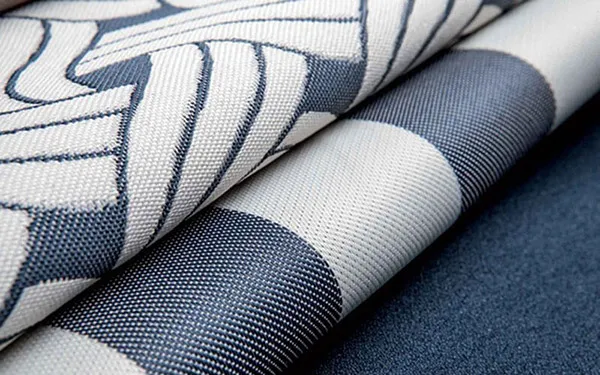
Common Types of Acrylic Fibers
- Standard Acrylic: Warm and soft, ideal for sweaters and blankets.
- Modacrylic: Flame-resistant and used for wigs and protective workwear.
- Lastrile: A stretchy variant used in flexible performance wear.
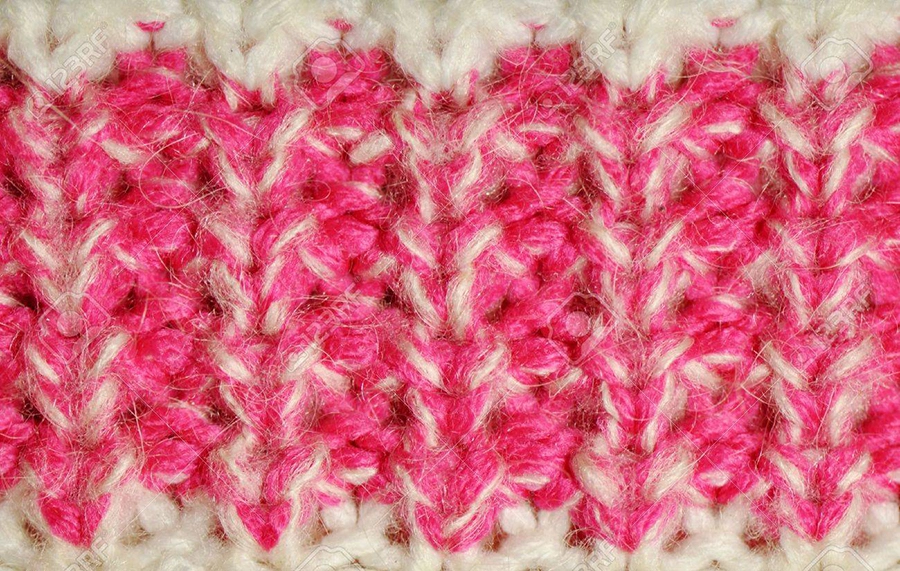
Advantages and Disadvantages
The Pros:
- Lightweight yet exceptionally warm.
- Quick-drying and resistant to wrinkles.
- More affordable and easier to maintain than natural wool.
The Cons:
- Poor breathability; can trap heat uncomfortably.
- Non-biodegradable and sheds microplastics during washing.
- Can cause irritation to those with very sensitive skin.
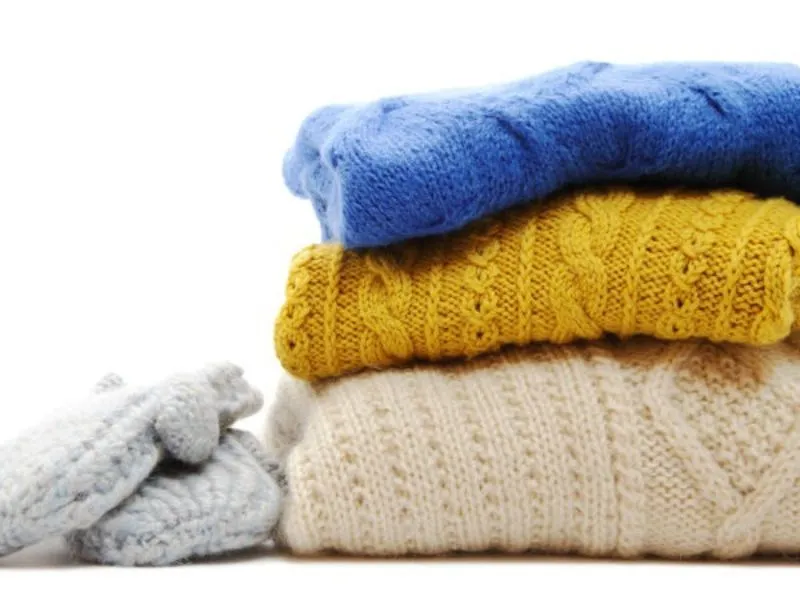
Conclusion / Final Words
Acrylic fabric is a cornerstone of the textile industry, providing warmth and vibrant color at an accessible price. While it has challenges like pilling and environmental impact, it remains a top choice for winter fashion and durable home textiles.
FAQs About Acrylic Fabric
In Short, What is Acrylic fabric made of?
Acrylic fabric is made from a chemical called acrylonitrile, which comes from petroleum or natural gas. Manufacturers turn this chemical into long plastic-like chains called polyacrylonitrile, then spin them into fibers. These fibers are later dyed, crimped, and woven into fabric.
Is acrylic fabric similar to wool?
Yes, acrylic was designed to imitate wool. It feels soft, warm, and fluffy, especially when the fibers are crimped. Many sweaters, scarves, and winter hats use acrylic because it gives a wool-like feel at a lower price.
Is acrylic fabric breathable?
Acrylic is not very breathable. It traps heat well, which is good for winter clothing but can feel uncomfortable in hot or humid weather. This is why acrylic is mostly used in cold-weather garments.
Does acrylic fabric pill easily?
Yes, acrylic is known for high pilling. Small fuzz balls often appear after washing or rubbing. Using gentle wash cycles, low heat, and fabric shavers can help reduce pilling.
Is acrylic fabric safe to wear?
For most people, acrylic is safe to wear. However, it can irritate sensitive skin because it is synthetic. It is also highly flammable, so keep it away from open flames or high heat.
Is acrylic fabric warm?
Very warm. Acrylic traps heat well and has good insulation, making it great for sweaters, blankets, and winter accessories. It is lighter than wool but still cozy.
Is acrylic fabric eco-friendly?
Not really. Acrylic is petroleum-based, does not biodegrade, and sheds microplastics. Its production also uses chemicals that must be managed safely. Recycling acrylic is possible but rare due to technological challenges.